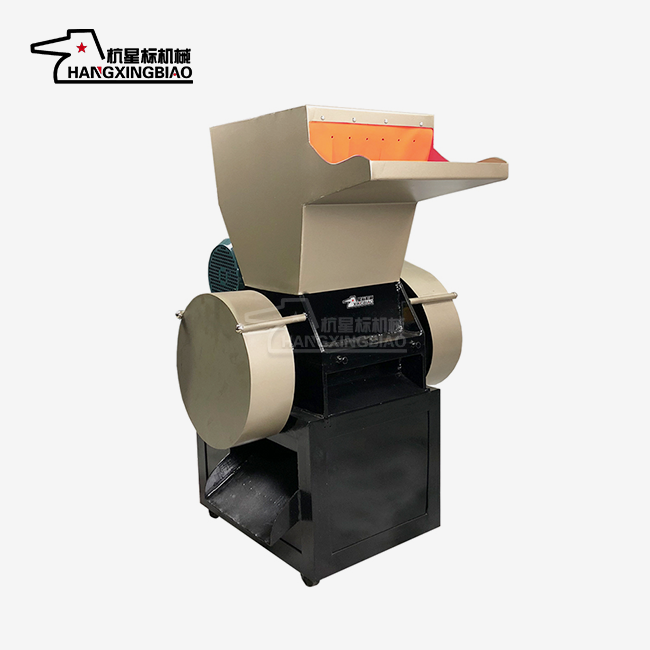
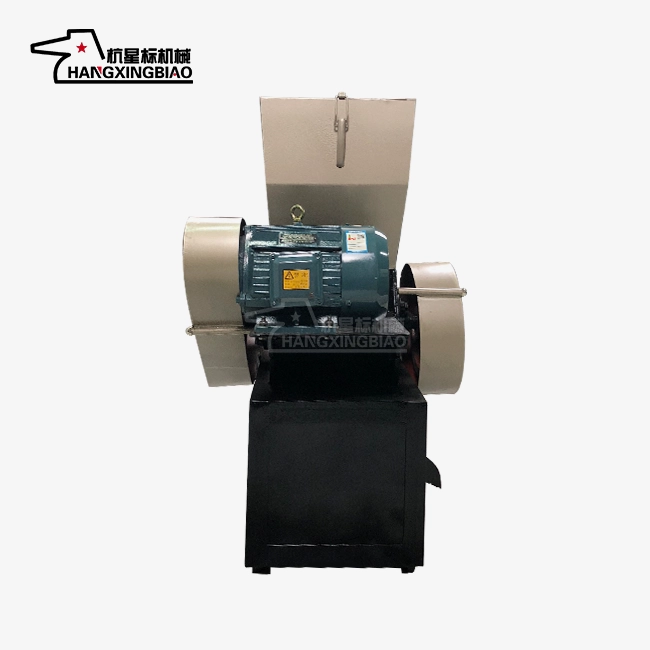
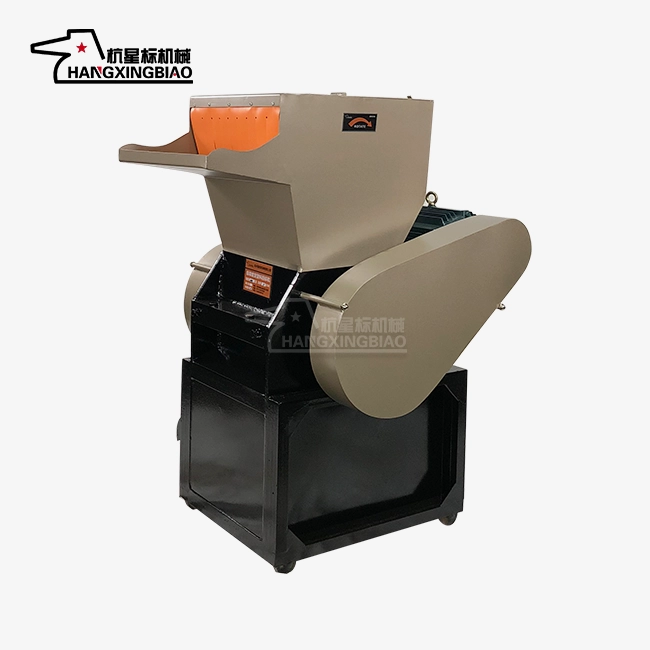
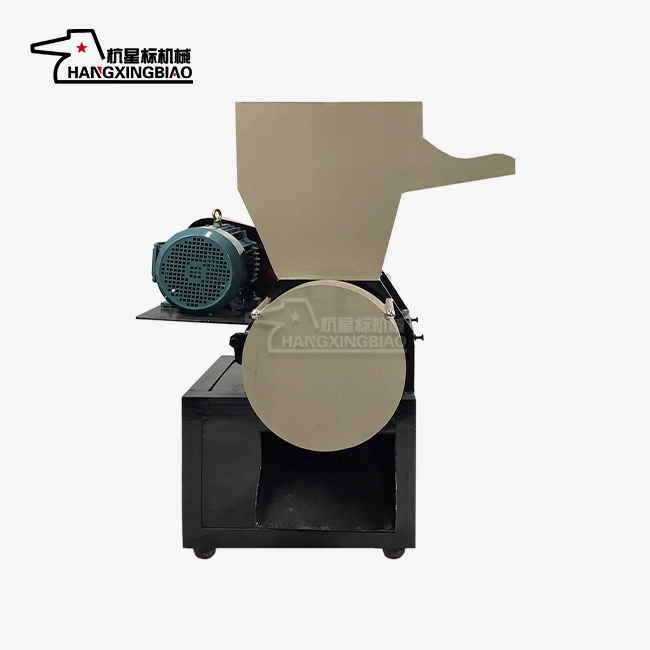
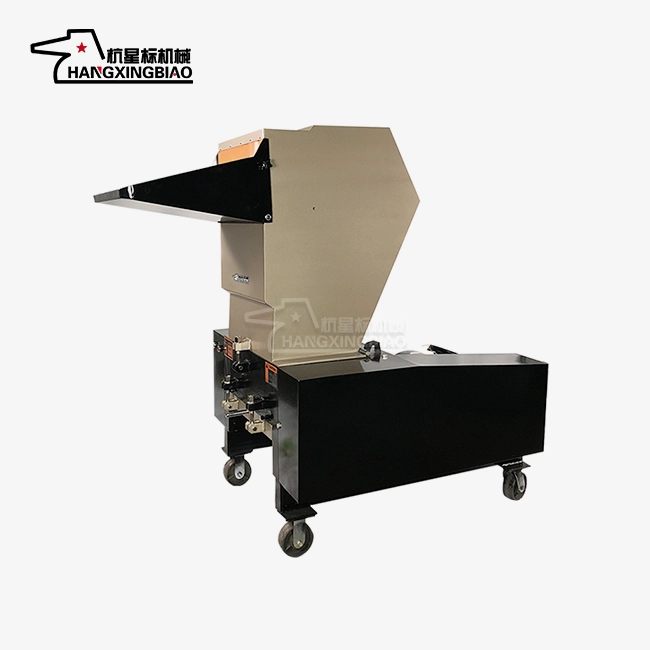
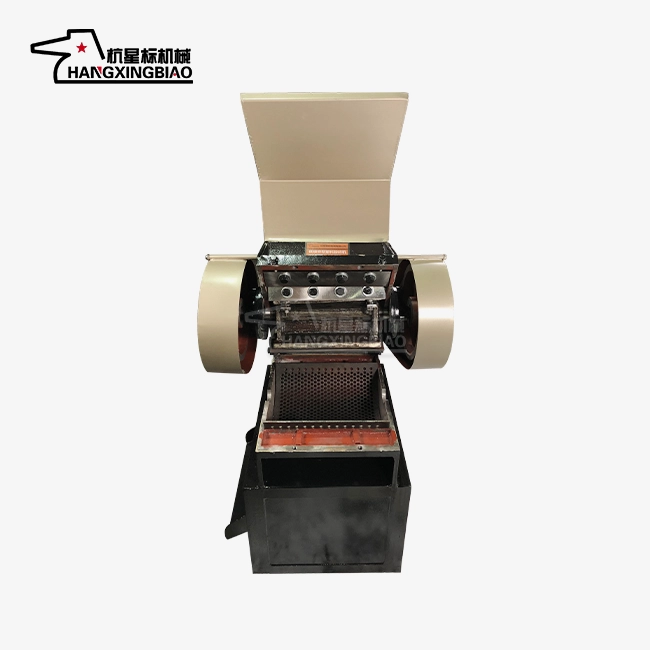
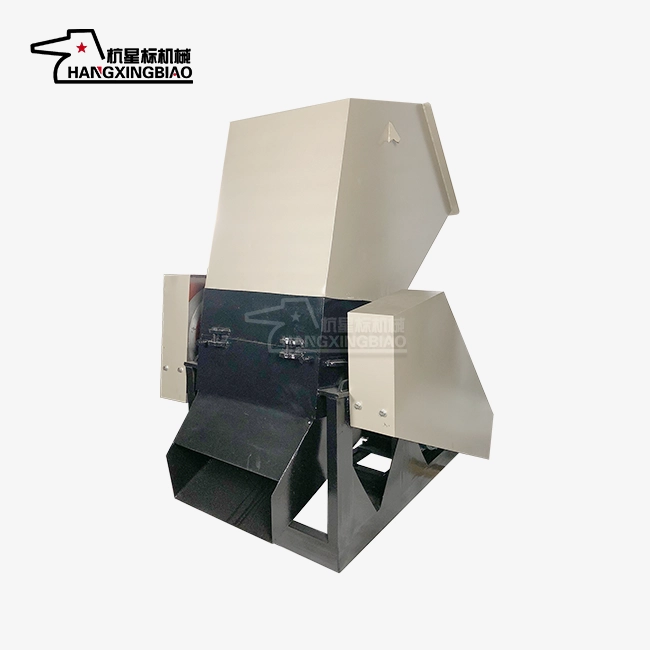
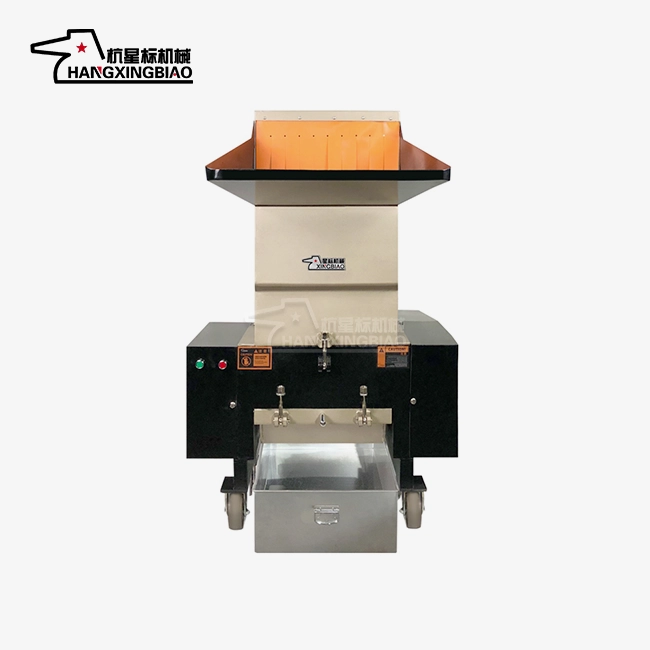
Understanding your individual processing needs, the types of materials you work with, and the operational requirements you have is necessary to choose the appropriate crusher machine for plastic. Our comprehensive buying guide for recycling enterprises and manufacturers simplifies the complex world of plastic crushing equipment. Plastic crusher machines range from modest laboratory versions to heavy-duty industrial units, and the ideal equipment for crushing plastic is determined by several considerations, including throughput capacity, compatibility with materials, safety features, and long-term durability. By gaining an understanding of these components, you will be able to guarantee that the equipment you purchase for your plastic waste management operations allows you to maximize efficiency while also delivering reliable performance.

Understanding Your Plastic Crushing Requirements
Before looking at equipment specs, analyze your operational needs to choose a successful crusher machine for plastic. Different solutions are required for manufacturing businesses that process injection-molded parts, pipes, and profiles in comparison to recycling facilities that deal with bulk plastic trash, such as films and woven bags.
When it comes to selecting equipment, the properties of the material are extremely important. When working with soft polymers such as PE films and PVC sheets, it is necessary to have blade designs that are specific to avoid wrapping around cutting devices. Hard polymers, such as ABS (acrylonitrile butadiene styrene) components and thick-walled pipes, require crushing chambers that are designed to be strong and have improved power transmission qualities. Gaining an understanding of these material qualities helps you avoid making costly mistakes during the process of purchasing equipment.
The machine selection directly depends on the processing volume requirements. Standard models that are versatile and can handle between 200 and 1000 kilograms per hour are beneficial to smaller recycling operations, while major manufacturing firms require specialized solutions that can process several tons on a regular basis. Accurate volume evaluation and proper equipment sizing prevent unnecessary capacity purchases, keeping costs down.
Integration capabilities play a major role in production line efficiency. Plastic crusher equipment next to injection molding machines must operate quietly and have a compact footprint. Standalone recycling operations place a higher priority on material handling flexibility and having the highest possible throughput. It is the operating contexts that determine the requirements for installation and the specifications of the equipment.
Essential Features of High-Performance Plastic Shredders
Modern plastic recycling machines incorporate advanced engineering principles to boost efficiency and ensure operator safety. The design of the crushing chamber has a considerable impact on performance, with optimal blade layouts enhancing processing efficiency by more than twenty percent in comparison to different designs that are more typical.
Within any plastic pulverizer system, the quality of the blade is the most important component. Special steels such as SKD-11, D2, or Cr12MoV are utilized in premium units, and these steels are then subjected to cryogenic processing and vacuum heat treatment. These treatments not only enhance hardness levels but also maintain edge retention during continuous operation. Considering that the frequency of blade replacement has a direct impact on operational expenses, it is vital to use superior blade materials to ensure long-term profitability.
A wide variety of applications can benefit from the exact control of particle size that screen systems offer. Adjustable mesh options ranging from 2 to 100 millimeters can accommodate a variety of downstream processing needs. The adaptability of the screen avoids the need for several crushing stages, whether it is for the production of coarse fragments for pretreatment or fine particles for granulation.
During labor-intensive activities, safety procedures guarantee the protection of both the equipment and the operators. Overload protection mechanisms will immediately shut down if they detect metal contamination or high resistance. These characteristics protect against catastrophic damage while simultaneously preserving safety standards in the workplace. The incorporation of emergency stop devices and interlocking systems provides an additional layer of protection.
Plastic Crusher Machine Types and Applications
Plastic trash crushers designed for heavy-duty industrial use are capable of handling the most demanding applications, processing between one and ten tons of various materials per hour. The structure of these units is made of reinforced steel, and they are equipped with high-torque drive systems that are able to operate day and night continuously. The primary waste processing capabilities of these workhorses are essential to the operation of large-scale recycling operations and industrial enterprises.
Standard plastic bottle crushers cater to medium-capacity enterprises, offering processing rates ranging from 200 to 1000 kg per hour. Despite their versatility, these units are able to manage mixed plastic waste streams while keeping a consistent output quality. Approaches to design that are balanced maximize performance without introducing an excessive amount of complexity, making them excellent for enterprises that are expanding.
Compact plastic film crushers are designed to take care of specialized applications in which space constraints restrict the options available for equipment. Although they have smaller footprints, these units continue to maintain performance criteria that are professional-grade. In order to facilitate variable positioning between production facilities, mobile configurations equipped with universal wheels are utilized.
Granulator machines that are specialized for plastic are designed to meet the requirements of particular types of materials or particle sizes. The ability to handle films and flexible packaging without experiencing any problems with material wrapping is a strength of soft plastic processors. The cutting force exhibited by hard plastic units is maximized for components with thick walls and for rigid materials.
Evaluating Plastic Crusher Manufacturers and Suppliers
The quality of the equipment and the ability to help customers are greatly affected by the manufacturer's experience. Compared to diversified equipment firms, established crusher machine for plastic providers who have decades of experience in the sector have a greater understanding of the issues that the industry faces. When it comes to product creation and technological competence, that single-category focus typically translates to excellent results.
The ability to do research and development is what differentiates great manufacturers from providers of commodities. Businesses invest in engineering teams and industry relationships to develop innovative solutions that tackle real-world challenges. The demonstration of technical credibility is accomplished through university cooperation and big client relationships.
The availability of service support infrastructure has an impact on the long-term functioning of equipment and the continuity of operations. Downtime risks are reduced by the implementation of comprehensive programs that include installation, training, maintenance, and the supply of spare parts. The total cost of ownership is affected by factors such as response time, obligations, and the availability of technical help.
The production of manufacturing standards and quality certificates enables the attainment of objective performance indicators. ISO certifications, compliance with safety regulations, and the capacity to trace materials are all indicators of manufacturing excellence. When it comes to businesses that require established quality processes, these qualifications become very crucial.

Cost Considerations and ROI Analysis
The initial price of the plastic crusher represents the only component of overall ownership expenses. There is a clear correlation between energy consumption and operational expenses, with optimized motor topologies resulting in a 15%–25% annual reduction in electricity costs. The frequency of blade replacement and the maintenance requirements also have a substantial impact on the long-term profitability of the business.
The productivity benefits of plastic crusher equipment often justify its premium investments. The combination of greater processing speeds and less downtime results in increased throughput without being accompanied by equivalent increases in labor costs. During the course of the equipment's lifespan, these efficiency increases accumulate.
Rates of material recovery have an impact on the potential revenue generated by recycling processes. It is possible to improve the efficiency of downstream processing by achieving superior crushing consistency and particle size control. Products of higher quality command higher market prices, which has a direct impact on the profitability of the business.
Aspects such as financing alternatives and payment terms impact the management of cash flow for equipment purchasing. The ability to acquire cutting-edge technology is made possible by flexible arrangements that may suit a wide range of budgetary restrictions. Leasing programs and installment agreements can reduce initial capital requirements.
Maintenance and Operational Best Practices
Preventive maintenance programs maximize equipment lifespan while minimizing unexpected failures. Regular blade inspections, bearing lubrication, and screen cleaning maintain optimal performance levels. Structured maintenance schedules prevent costly emergency repairs and production interruptions.
Operator training ensures safe and efficient equipment operation. Proper feeding techniques, material preparation, and shutdown procedures protect both equipment and personnel. Trained operators recognize early warning signs of potential problems before they escalate.
Spare parts inventory management balances investment costs with operational continuity requirements. Critical components like blades, screens, and bearings should remain readily available. Strategic inventory levels minimize emergency procurement costs while avoiding excessive capital tie-up.
Performance monitoring systems track key operational metrics, including throughput rates, energy consumption, and maintenance intervals. Data-driven approaches identify optimization opportunities and predict maintenance requirements. Regular performance reviews ensure equipment operates at peak efficiency.
Environmental and Safety Compliance
Noise control becomes increasingly important as environmental regulations tighten. Designs for modern plastic crushers incorporate sound-dampening technologies, maintaining operation levels below 75 dB. Enclosed chambers and optimized motor configurations reduce noise pollution.
Dust containment systems protect operator health while maintaining clean work environments. Fully enclosed crushing chambers prevent particle escape during operation. Integrated collection systems capture airborne contaminants before they disperse.
Electrical safety standards ensure equipment compatibility with facility power systems. Proper grounding, circuit protection, and emergency shutoffs prevent electrical hazards. Compliance with local electrical codes avoids installation delays and safety violations.
Waste handling procedures minimize environmental impact during maintenance and operation. Proper disposal of worn blades, contaminated lubricants, and collected debris demonstrates environmental responsibility. These practices often require documentation for regulatory compliance.

Conclusion
Selecting the optimal crusher machine for plastic requires careful consideration of processing requirements, material characteristics, and operational constraints. Quality equipment from experienced manufacturers delivers superior performance while minimizing long-term costs. Safety features, maintenance requirements, and support capabilities significantly impact total ownership value. By understanding these factors and working with established suppliers, businesses can make informed decisions that enhance productivity while ensuring reliable plastic waste processing capabilities. The investment in quality crushing equipment pays dividends through improved efficiency, reduced operational costs, and enhanced environmental compliance.
Why Choose Xingbiao for Your Plastic Crusher Equipment Needs?
Xingbiao stands out among plastic crusher machines for plastic manufacturers through three decades of focused specialization in crushing technology. Our single-category excellence strategy has produced innovative solutions addressing real-world industry challenges. With a 20-engineer research team and partnerships with major corporations like Nongfu Spring and KFC, we deliver proven performance. Whether you need a small plastic crusher for laboratory applications or industrial-scale equipment for high-volume operations, our comprehensive product range covers every requirement. Are you prepared to revolutionize your plastic waste management? Contact us at postmaster@xingbiaocrusher.com for expert consultation and competitive pricing.
References
1. Smith, J.M. (2023). "Industrial Plastic Recycling Technology and Equipment Selection." Journal of Polymer Processing Engineering, 45(3), 123-145.
2. Johnson, R.K. & Thompson, L.A. (2024). "Advances in Plastic Crushing Machinery Design and Performance Optimization." International Conference on Recycling Technology Proceedings, 78-92.
3. Chen, W.H. (2023). "Safety Standards and Best Practices for Plastic Waste Processing Equipment." Industrial Safety Quarterly, 29(4), 67-84.
4. Miller, D.S. et al. (2024). "Economic Analysis of Plastic Crushing Equipment in Manufacturing Operations." Manufacturing Technology Review, 31(2), 234-251.
5. Rodriguez, M.C. (2023). "Environmental Compliance Requirements for Plastic Processing Machinery." Environmental Engineering Standards Handbook, 15th Edition, 445-467.
6. Wilson, K.P. & Davis, A.B. (2024). "Maintenance Strategies for Industrial Plastic Crushing Systems." Maintenance Management Professional, 18(1), 56-72.