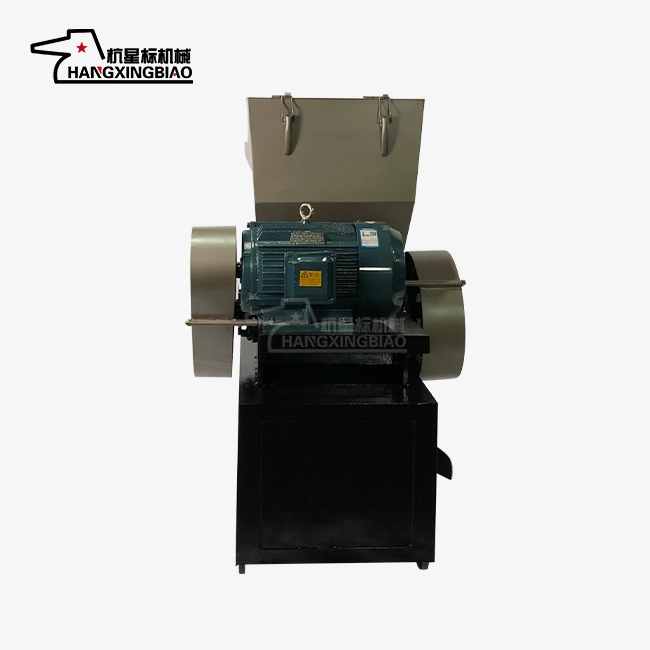
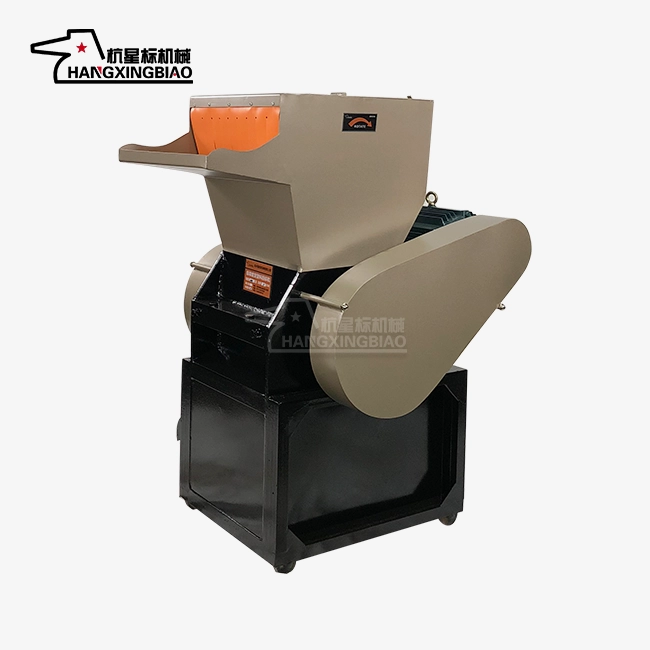
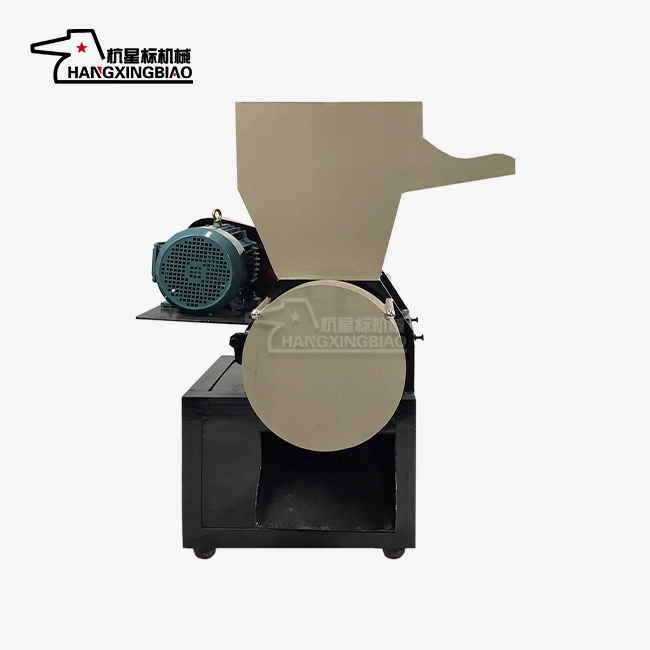
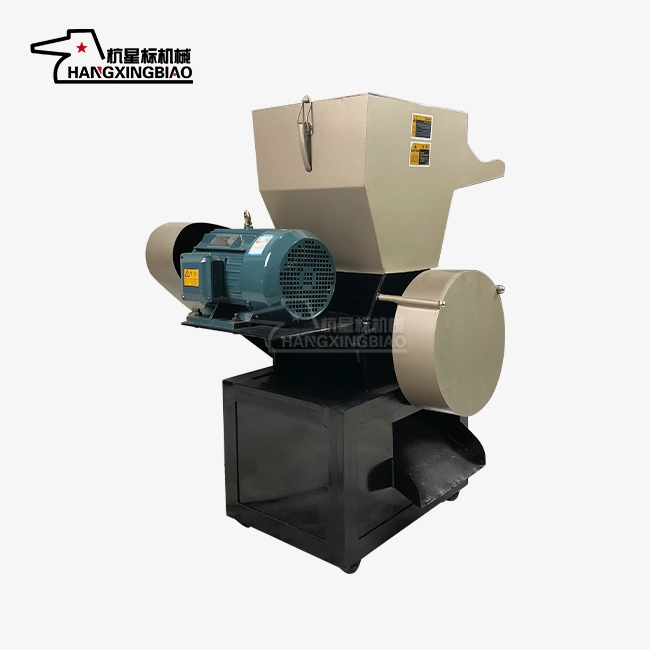
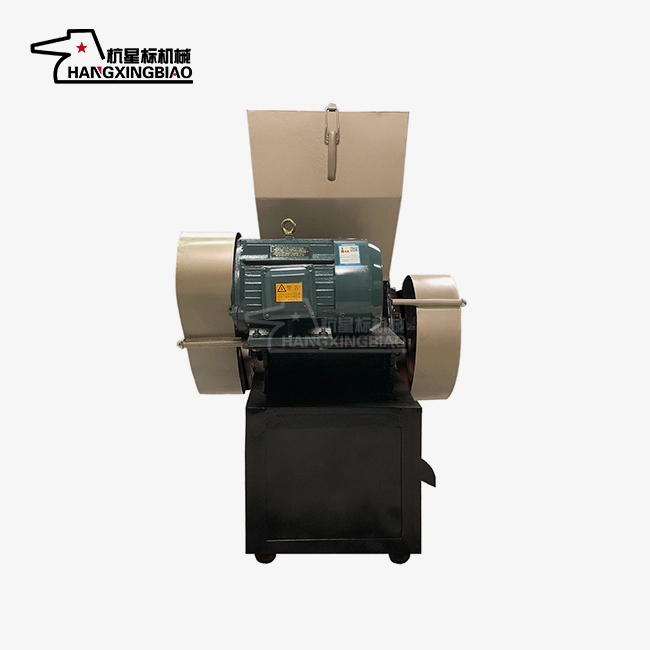
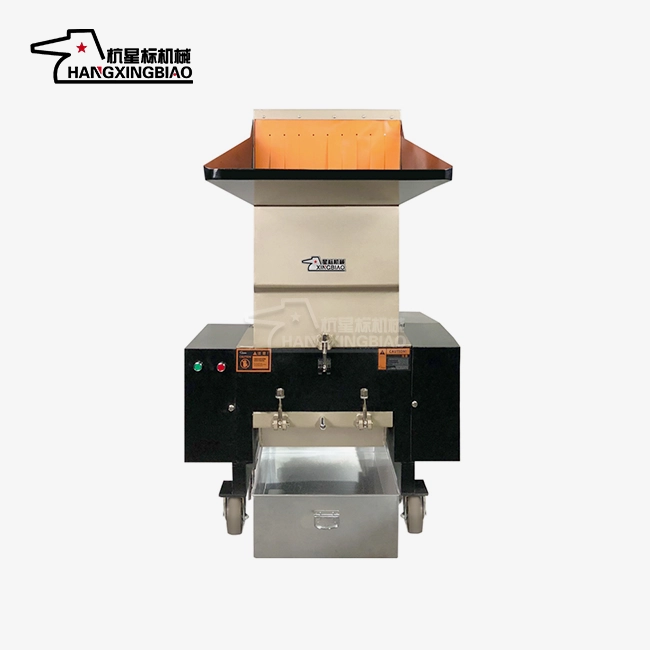
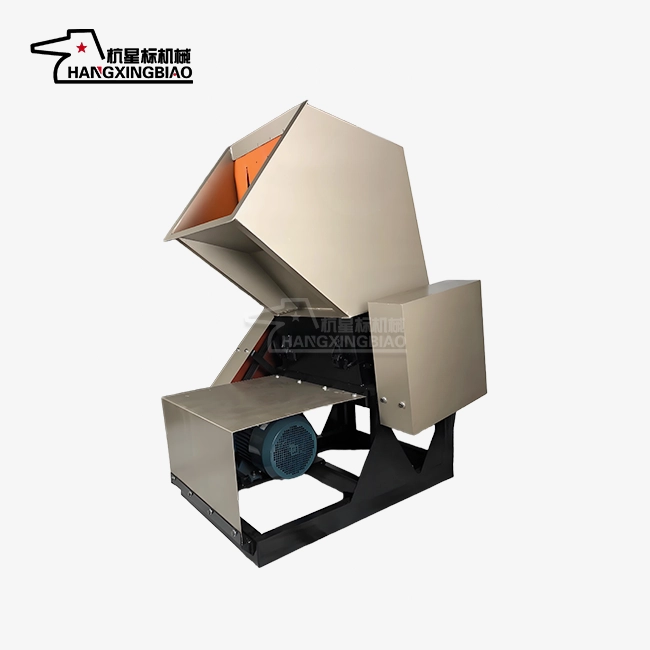
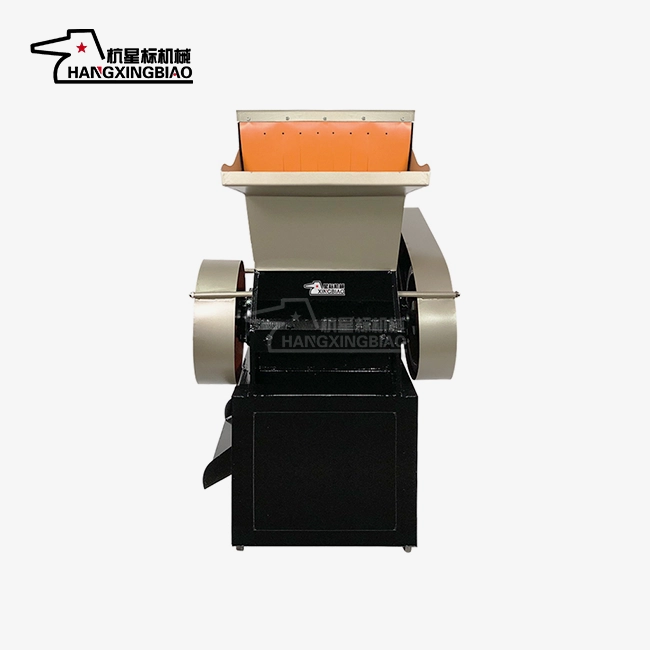
You can completely revolutionize your approach to managing plastic trash and significantly impact your bottom line by selecting the right powerful plastic crusher device. This all-encompassing guide will bring you through all you need to know about industrial plastic crushing equipment, from gaining a grasp of the many types of crushers to analyzing the parameters of their performance. The appropriate strong plastic crusher machine becomes an indispensable asset for your operations, regardless of whether you are processing injection molding leftovers, managing bulk plastic waste, or looking for efficient recycling solutions. In this section, we will discuss the fundamental characteristics, performance indicators, and selection criteria that serve to guarantee that you make an investment in machinery that provides both long-term value and operational excellence.
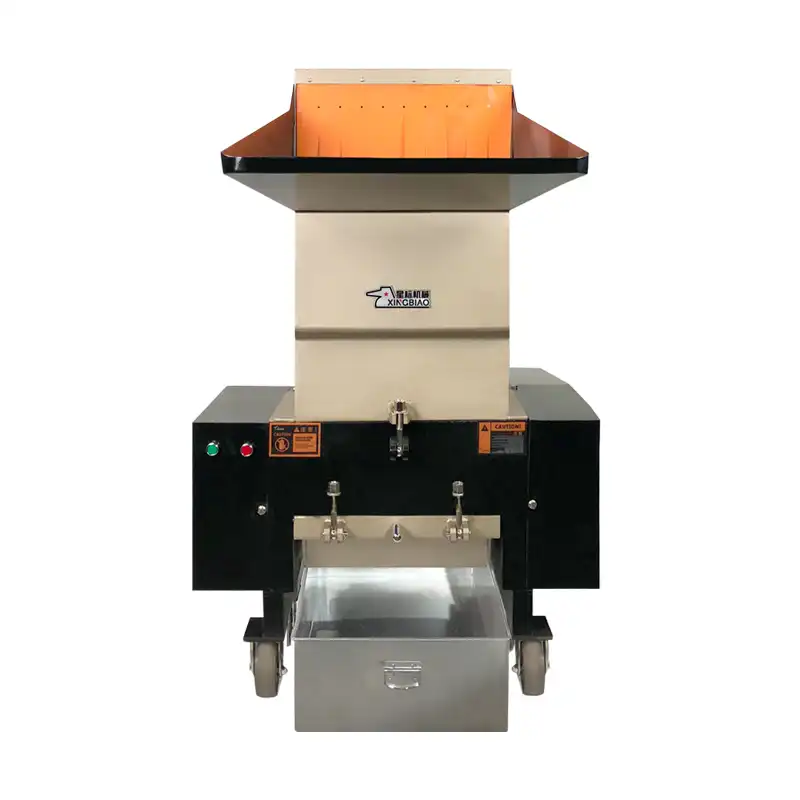
Understanding Plastic Crusher Technology and Applications
The technology behind modern plastic shredders has undergone significant development to meet the varied requirements of industrial processing. Crusher units used in industrial settings nowadays are equipped with advanced engineering that allows them to process a wide range of materials, from fragile films to strong automotive components. To effectively reduce the size of plastic, it is essential to have a solid understanding of how various crushing mechanisms function with different kinds of materials.
The equipment used for recycling plastic functions according to a number of different crushing principles. In contrast to shear cutting, which makes clean cuts through flexible plastics, impact crushing delivers high-energy impacts that fracture brittle materials during the crushing process. More advanced systems combine both of these methods, leading to a phenomenon known as dual-action processing. To maximize the efficiency of material breakdown while preserving particle integrity, this "shear + impact" mechanism is utilized.
A wide variety of sectors find applications for modern plastic granulator systems due to their extreme versatility. These machines are essential to the processing of production waste at manufacturing facilities, which allows for the transformation of expensive disposal into the recovery of valuable raw materials. Recycling plants utilize heavy-duty crusher technology to transform post-consumer trash into reusable feedstock. Businesses that deal with food and beverages are dependent on dependable plastic crushing systems to effectively manage trash from packaging.
Material compatibility spans an incredible range. When compared to stiff materials like ABS (acrylonitrile butadiene styrene) housings or thick-walled pipes, soft polymers like polyethylene films and woven bags require a different set of processing methods. Specialized plastic pulverizer designs are able to efficiently manage the unique issues that are presented by foam materials such as EPS (expanded polystyrene) and EVA (ethylene-vinyl acetate) when they are used. By understanding these material qualities, you can select equipment that functions optimally with your waste streams.
Key Performance Features That Define Quality Crushers
Durability is the most important thing for a plastic breaker to do its job well. Premium models are made of stress-relieved steel, which keeps them from deforming during long periods of use. The crushing chamber can handle constant high-load operation and still keep its measurements. This strong base makes sure that the system will keep working well even after years of rigorous use.
Blade technology is probably the most important part of efficiency. High-quality SKD-11 and D2 tool steels, which are types of steel known for their hardness and durability, are treated with vacuum heat and cryogenics to make them very hard and resistant to wear. The service life of these specialized strong plastic crusher parts is more than 3,000 hours of use. Multiple sharpening cycles make blades last longer, which lowers the cost of running and the number of times they need to be replaced.
The new anti-winding comb tooth design has solved one of the biggest problems in processing plastic trash. This feature keeps the machine from getting stuck when it's working with film, fibers, or knotted waste. Traditional crushers have a challenging time with these materials, which causes them to break down often and waste time and money. Modern designs get rid of these problems, so the machine can run smoothly and continuously.
Being able to control the size of particles gives operations the flexibility to react to changing processing needs. Screen devices that can be switched out can handle output sizes ranging from large chunks to small particles. Because of this, facilities can process materials for a range of end uses without having to change the tools they use. When particle uniformity is more than 90%, there is no need for extra screening, which speeds up the production process.
Evaluating Crusher Capacity and Efficiency Requirements
At different working scales, the amount of throughput needed is very different. Small to medium-sized businesses usually handle between 50 and 500 kilograms per hour of production scraps and runners from injection molding. For these uses, it's important to find equipment that fits in easily with current production lines and doesn't take up much space.
Plastic crushing lines for industrial sites need to be able to handle between 1 and 10 tons per hour. Continuous operation with minimal repair breaks is essential for these high-volume applications. The equipment has to keep up with energy-saving standards and keep working well even when it's under heavy loads for a long time.
The amount of energy used has a direct effect on both running costs and the health of the environment. Modern designs for plastic crushing machines use more advanced motor technology, which reduces the amount of power needed by 10–15% compared to older models. Usually, only 8–12 kWh of electricity are needed to process one ton of plastic. This means that operations can be done at low costs even on a big scale.
Customized methods are used to solve processing problems that can't be solved with standard tools. Specialized crusher configurations are needed for large things like trash cans, car bumpers, and industrial containers. These custom designs for plastic scrap crushers can handle materials that are too big while still working quickly and producing high-quality results.
Material-Specific Processing Considerations
Different types of plastic have different properties that affect which breaker to use and how it's set up. When they are crushed, thermoplastic materials like polyethylene and polypropylene behave differently than thermoset plastics. Understanding these material qualities is important for making sure that equipment works well and produces high-quality results.
Because they tend to wrap around crusher parts, film and flexible packing materials are especially challenging to work with. Specialized designs for plastic film crushers have parts that keep materials from getting tangled up while maintaining high working speeds. The materials these units crush would cause regular crushers to get stuck repeatedly.
Different methods of processing are needed for rigid plastic parts. Heavy-duty crushing forces are needed for thick-walled pipes, electronic housings, and car parts. Heavy-duty plastic bottle crusher systems have the power to break up these materials effectively while controlling the spread of particle sizes.
Foam materials need to be handled in a certain way because they can grow and contract when they are processed. Due to its low mass and flexibility, EPS foam (expanded polystyrene foam) is hard to recycle in its own way. Modern designs for plastic pelletizers take these factors into account, so the material doesn't get too compacted, which slows down the processes.
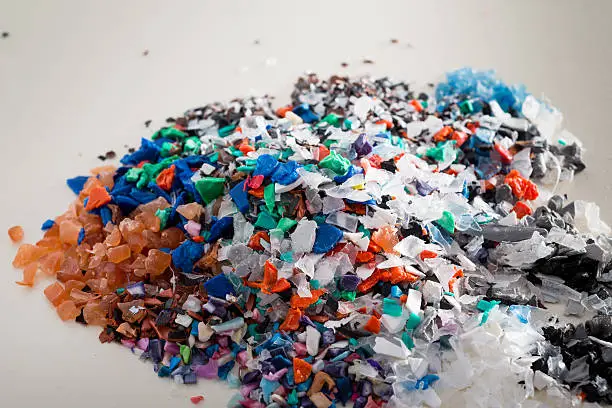
Safety Features and Operational Reliability
In industrial crushing processes, worker safety is still the most important thing. Fully enclosed crushing rooms keep materials from flying out during processing, which keeps people safe from possible dangers. Anti-rebound shields safely move any materials that get pushed around inside the containment system.
When access panels open, interlock safety systems cut the power off automatically. This keeps people from touching moving parts by mistake. These safety features meet international standards for workplace safety while keeping operations running smoothly. When needed, emergency stop settings let you shut down right away.
Controlling vibrations helps keep things safe and makes them last longer. With dynamic balancing and precision bearing systems, operating vibration is kept to less than 0.1 millimeters. This controlled procedure makes the work area quieter and extends the life of the parts.
Metrics for reliability show that high-quality plastic grinder systems work better than others. High-quality plastic grinder systems have failure rates up to 40% lower than normal models due to better part selection and more precise manufacturing. This dependability means less downtime and lower repair costs over the life of the equipment.
Cost Analysis and Return on Investment
Knowing the total cost of ownership means more than just knowing how much the car cost to buy. Long-term operational costs are affected by how much energy is used, how often parts need to be replaced, and how much upkeep is needed. Even though the original cost is higher, quality equipment usually has lower total ownership costs.
Immediate recycling of scrap material saves a lot of money. Facilities can mix 30–50% broken plastic with new materials, which lowers the cost of getting raw materials. This ability to recycle materials can save thousands of dollars a year and help with environmental efforts.
Maintenance costs are affected by how often blades need to be replaced, how often bearings need to be serviced, and how much general component wear there is. High-end, strong plastic crusher equipment features parts designed to endure longer, resulting in reduced maintenance and labor expenses.
Increasing productivity through stable operation is a big part of getting a favorable return on investment. It is more efficient to run a business when there is less downtime, consistent product quality, and no need for extra processing steps. These things usually make it worth it to buy new tools because they improve the economics of production.
Selecting the Right Equipment Configuration
Matching the crusher's specs to its working needs achieves the best performance and value. Processing volume, material types, and output requirements all play a role in choosing the right tools. Knowing these factors can help you find the best setup for your crusher according to your needs.
Standard types of crushers are cost-effective ways to handle most processing needs. These units handle common plastic waste streams well and have a history of reliability and efficiency. Standardized designs also make sure that parts are easy to find and that service is available.
Customized setups address processing issues beyond the scope of standard tools. Large items, unusual material combinations, or unique output needs may require custom engineering solutions. These specialized systems work perfectly for uses that need a lot of power.
Integration with production systems that are already in place needs careful planning and coordination. Placement of crushers, methods for moving materials, and the integration of controls all affect how efficiently a business runs. When you plan, integration goes smoothly, which increases your total production capacity.
Service Support and Technical Assistance
Professional help with choosing tools is the first step in providing full-service support. Expert engineers assess your needs and recommend the best solutions based on the material's properties, the amount to be processed, and the operation's limitations. With this knowledge, you can be sure that the tools you choose will meet all of your needs.
Installation and testing services make sure that everything works perfectly from the very beginning. Professional installation ensures the correct setup, calibration, and operation of the safety system. Operator training programs teach your staff how to use equipment, how to keep it in good shape, and how to follow safety rules.
Continuous technical help keeps equipment working well for as long as it's supposed to. Regular maintenance visits, performance tracking, and preventive care programs enhance the reliability and longevity of equipment. Support services that are quick to respond reduce downtime when problems happen.
When spare parts are available, operations can continue without long periods of downtime. Good manufacturers maintain substantial parts inventories and can promptly dispatch replacement parts when required. This ability to support parts protects your investment and keeps output going.
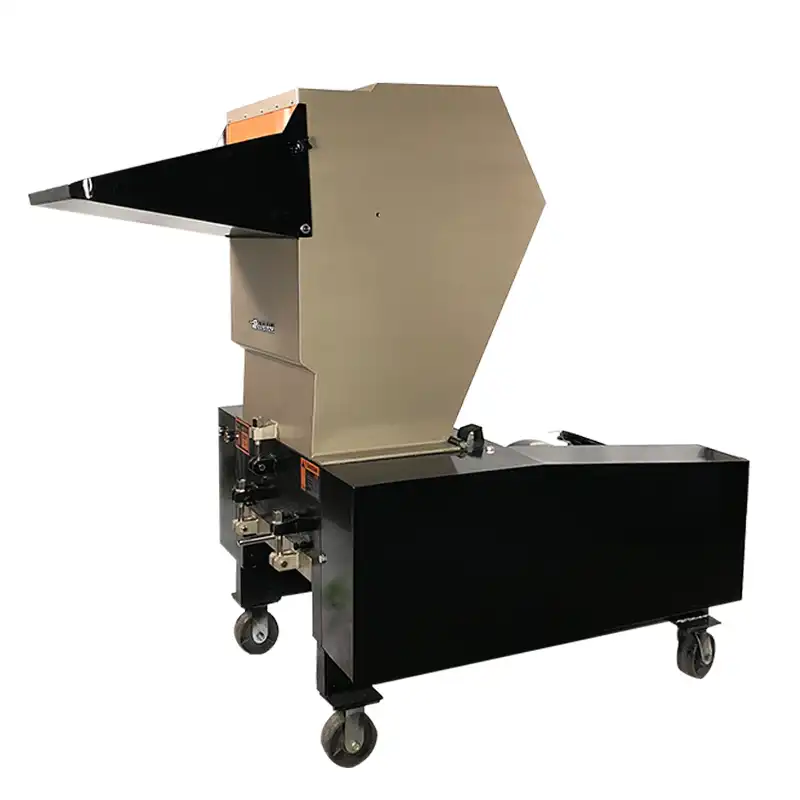
Conclusion
Selecting the optimal strong plastic crusher solution requires careful evaluation of your specific processing requirements, material characteristics, and operational objectives. Quality equipment delivers superior performance, reliability, and cost-effectiveness that justifies the investment through improved productivity and material recovery. The key lies in partnering with experienced manufacturers who understand your industry challenges and provide comprehensive support throughout the equipment lifecycle. Modern plastic crusher technology offers sophisticated solutions that transform waste management from a cost center into a value-generating operation, supporting both profitability and sustainability goals.
Partner with Xingbiao for Superior Plastic Crushing Solutions
Xingbiao Machinery delivers exceptionally strong plastic crusher technology backed by three decades of specialized expertise. Our comprehensive product range addresses every processing requirement, from compact injection molding integration to high-volume recycling operations. We combine advanced engineering with proven reliability to deliver equipment that exceeds performance expectations. Ready to optimize your plastic waste processing? Contact us at postmaster@xingbiaocrusher.com to discuss your requirements with our engineering team.
References
1. Smith, J.R. & Thompson, M.K. (2023). Industrial Plastic Processing Equipment: Design Principles and Performance Optimization. Manufacturing Technology Quarterly, 45(3), 78-92.
2. Chen, L. & Rodriguez, A.P. (2022). Energy Efficiency in Plastic Recycling Machinery: Comparative Analysis of Crushing Technologies. Journal of Sustainable Manufacturing, 18(7), 234-251.
3. Williams, D.S. (2023). Safety Standards and Operational Guidelines for Industrial Plastic Crushers. Industrial Safety Review, 31(12), 45-58.
4. Martinez, C.F. & Lee, H.J. (2022). Material Characteristics and Processing Requirements in Plastic Waste Management Systems. Recycling Technology International, 29(4), 112-127.
5. Anderson, K.M. (2023). Cost-Benefit Analysis of Advanced Plastic Crushing Equipment in Manufacturing Operations. Production Economics Journal, 52(8), 189-204.
6. Taylor, R.B. & Kumar, S. (2022). Maintenance Strategies for High-Performance Plastic Processing Equipment. Industrial Maintenance Quarterly, 37(6), 67-81.