- English
- French
- German
- Portuguese
- Spanish
- Russian
- Japanese
- Korean
- Arabic
- Greek
- German
- Turkish
- Italian
- Danish
- Romanian
- Indonesian
- Czech
- Afrikaans
- Swedish
- Polish
- Basque
- Catalan
- Esperanto
- Hindi
- Lao
- Albanian
- Amharic
- Armenian
- Azerbaijani
- Belarusian
- Bengali
- Bosnian
- Bulgarian
- Cebuano
- Chichewa
- Corsican
- Croatian
- Dutch
- Estonian
- Filipino
- Finnish
- Frisian
- Galician
- Georgian
- Gujarati
- Haitian
- Hausa
- Hawaiian
- Hebrew
- Hmong
- Hungarian
- Icelandic
- Igbo
- Javanese
- Kannada
- Kazakh
- Khmer
- Kurdish
- Kyrgyz
- Latin
- Latvian
- Lithuanian
- Luxembou..
- Macedonian
- Malagasy
- Malay
- Malayalam
- Maltese
- Maori
- Marathi
- Mongolian
- Burmese
- Nepali
- Norwegian
- Pashto
- Persian
- Punjabi
- Serbian
- Sesotho
- Sinhala
- Slovak
- Slovenian
- Somali
- Samoan
- Scots Gaelic
- Shona
- Sindhi
- Sundanese
- Swahili
- Tajik
- Tamil
- Telugu
- Thai
- Ukrainian
- Urdu
- Uzbek
- Vietnamese
- Welsh
- Xhosa
- Yiddish
- Yoruba
- Zulu
How to Choose the Right Industrial Ceramic Crusher for Your Operation?
When selecting industrial ceramic crushers, it's important to consider the materials you work with, the amount of material you need to process, and the equipment's expected lifespan. It has everything to do with how much energy it costs, how well the work gets done, and how much money the business makes in the long run. This choice is even more important when dealing with rough clay that breaks down parts more quickly. This article will explain the various kinds of crushers, how to pick one, their uses in real life, and the various places where they can be bought. This information will help you choose what to buy that fits your income and your work goals.
Understanding Industrial Ceramic Crushers: Key Features and Working Principles
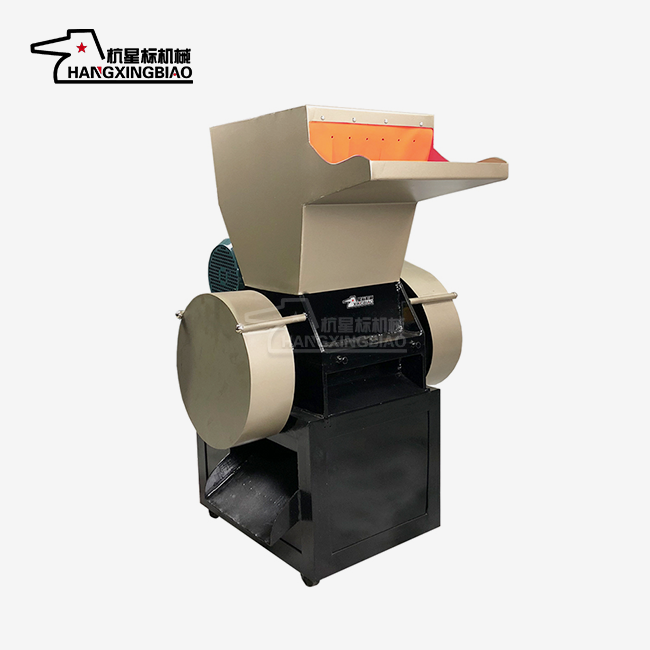
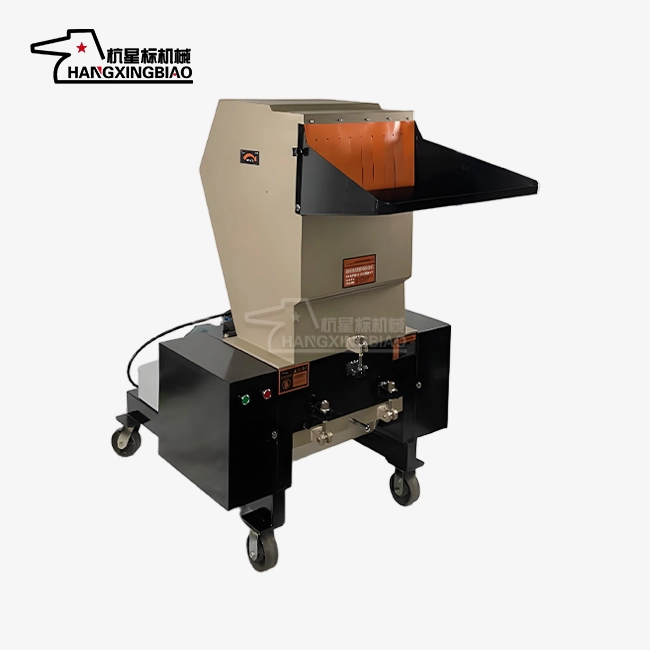
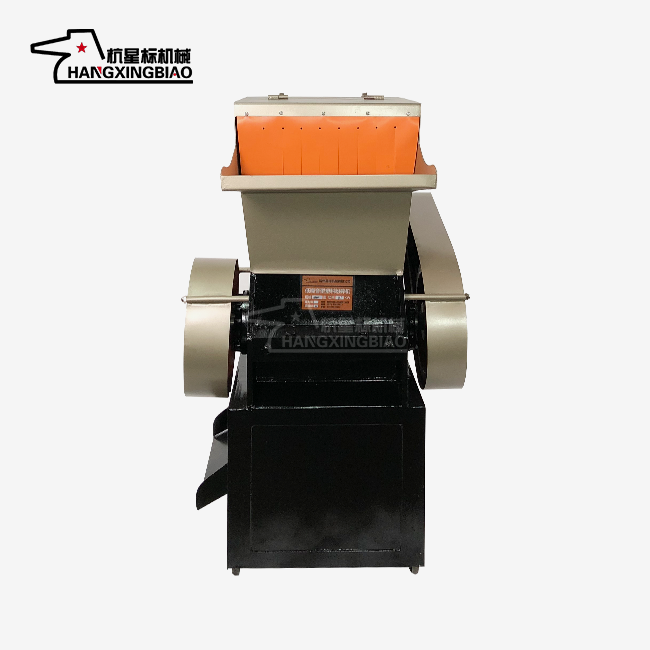
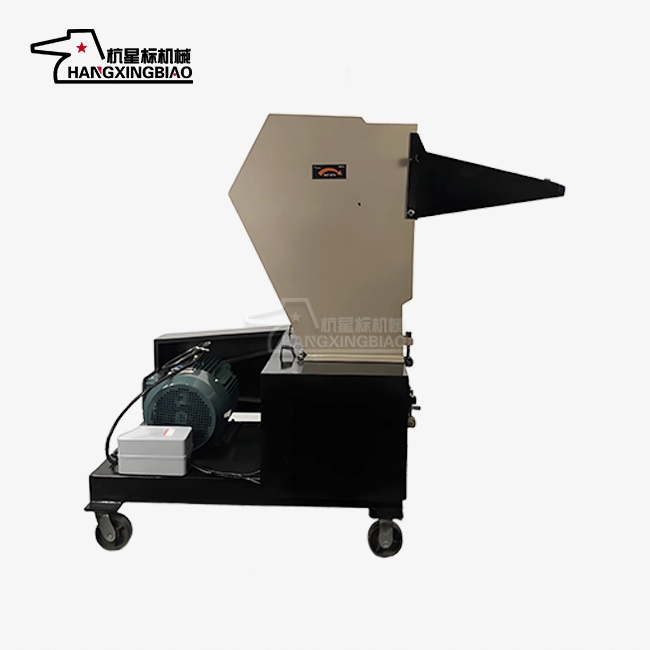
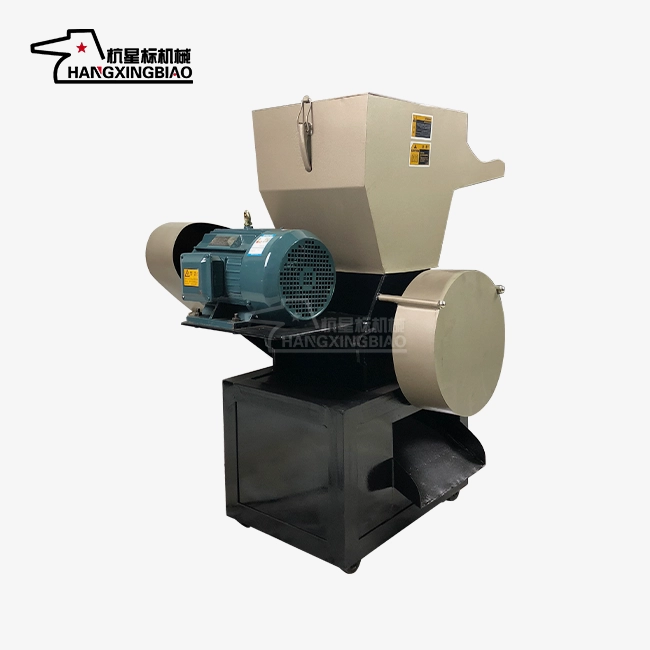
Industrial ceramic crushers are a lot like tools for breaking down plastics and other industrial products. But some changes are made to account for the fact that pottery is different. These crushers break down hard things like china, tiles, refractory parts, and more in the building, recycling, and industrial fields. While different types of crushers do different things, their main goal is to easily reduce the size of the material while keeping the pieces all the same size.
Core Crusher Technologies and Their Applications
Ceramics are hit by moving hammers that hit breaking plates and break them. They can handle high flow rates of medium-hard clay. Jaw crushers work by putting force on at least two plates that can be stationary or moving. They work best for breaking down harder clay that needs to be smaller at first. Impact crushers use high-speed rotor impact to break down materials. They can handle a wide range of ceramic hardness levels and keep output sizes pretty stable.
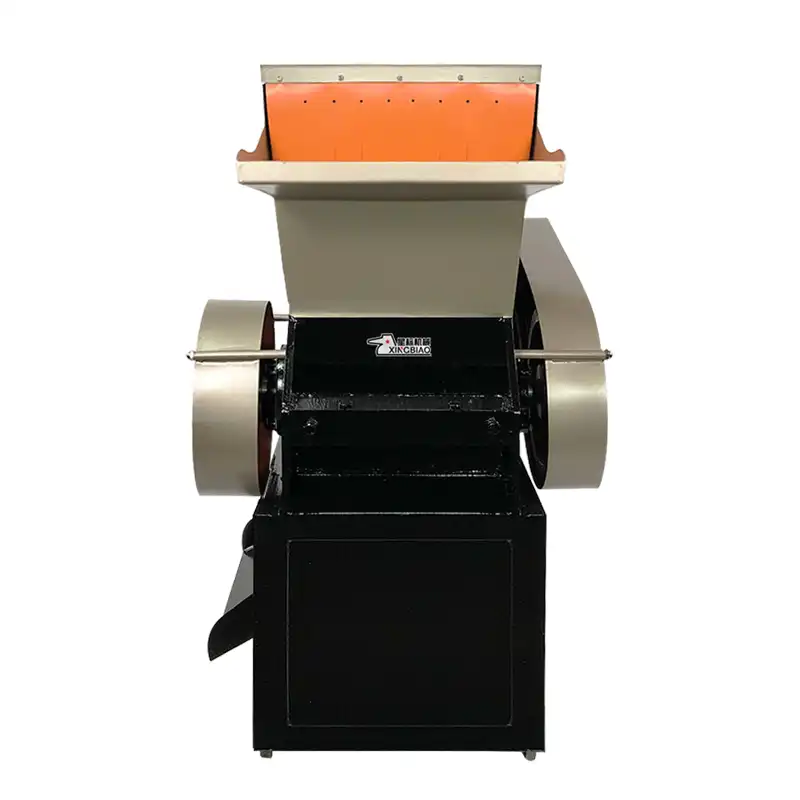
There are pros and cons to each system in terms of how much energy it needs and how much it can handle. More often than not, hammer designs use less energy per ton of material they work with. However, they might have trouble with pottery that is very hard. It takes more power to use a jaw crusher, but it can break down even the hardest materials. But because ceramics are so rough, they need to be changed more often for the blades and liners. This is something that impact breakers take into account.
Material Properties That Influence Crusher Selection
Because ceramics are much harder and more brittle than metals or plastics, it is harder to break tools made of them. Ceramics are rough, which makes cutting edges, breaking chambers, and screens wear out faster. It is very important to know how the material is made. Pure porcelain works differently than mixed clays that have threads or metal in them. When the size and shape of the feed material aren't consistent, the output is lower because pieces that are too big or don't have the right shape may need to be sorted first before they can go into the main breaking chamber.
These facts about the materials help workers pick breakers with the right amount of strength and parts that won't wear down quickly. The tools used to deal with ceramic waste need to be made stronger, and the blades need to be made of materials that can handle constant rough touch without wearing out quickly and throwing off production plans.
Criteria for Choosing the Right Industrial Ceramic Crusher
Before picking industrial ceramic crushers, you need to know what it needs to do its job. How much work you do will tell you if you need a normal or heavy-duty type. For jobs that move several tons of goods every day, you need strong systems with motors that run all the time. But for smaller recycling sites, being able to handle a wider range of products might be more important. The amount of power and material that the blades need to be made of depend on how hard the clay is. The screen mesh sizes and how the breaking chamber is set up rely on the type of product that is being made, like fine powder or big pieces.
Performance Metrics That Determine Equipment Suitability
There's more to figuring out how efficient something is than just looking at how much it moves. How much energy is used per ton of stuff moved has a direct effect on how much it costs to run. The tools you use for ceramics mustn't wear out quickly, since changing parts costs money and takes time. Taking care of different kinds of breakers is very different. Some need to be checked and fixed every day, while others are fine with service once a week. How long a piece of equipment lasts depends on how well it was built. When buildings are under a lot of stress, they don't break because they have heavy-gauge steel frames and welds that ease stress.
You can't just judge these by what the maker says; you need to see how they work in real life. If a crusher says it has a high output rate, it may only be able to hit that number when everything is just right, and the feed material is the right size. Realistic scores take into account the real qualities of the materials you use and the environment where you work.
Financial Considerations Beyond Purchase Price
Lifecycle costs often go over the cost of the machine itself over the course of its life. Over many years, using a lot of energy can add up to a big bill. That's why buying styles that use less energy can be a good idea, even if they cost more at first. If something breaks down too soon, warranty coverage can help, but the terms vary a lot from one company to the next. When companies back their products with long-term guarantees that cover both parts and work, they are sure that their goods will last.
The total cost of ownership is affected by how reliable the supplier is when it comes to getting extra parts, getting expert help quickly, and connecting to the service network. To find the return on investment, you need to compare the amount of money you spent on the investment to the amount of money you plan to make from rising output, lower energy costs, and lower maintenance costs. For businesses with small profit margins, careful financial planning that looks at all costs of ownership, not just the purchase price, is the best thing that can happen.

Comparing Industrial Ceramic Crushers: Market Options and Supplier Insights
On the market, you can find a wide range of industrial ceramic crushers, from models that can be used for many things to machines that are only for making clay. A lot of businesses make tools that can break rocks, metal, and building materials. When it comes to ceramics, though, tools that are made for hard plastics often work well because they need the same amount of impact strength. In energy-efficient models, performance goes up while power use goes down when motor matching and blade shape are changed. The good things about these can be used at any size.
Differentiating Features Across Crusher Categories
The main difference between equipment used for metal processing and equipment used for ceramics is the material used for the blades and the walls of the cylinder. For certain shapes, tool steel alloys like SKD-11 or D2 are used because they stay sharp even when they are in touch with abrasives all the time. Vacuum heat treatment and cold processing make blades last even longer, so you don't have to stop production to change blades that wear out too fast. The form of the box changes how the different particle sizes spread out. It's better for controlled recycling to use patterns that make output that is more regular.
Trusted companies stand out by providing full after-sales support, which includes help with installation, training for operators, and quick technical support. When companies offer longer warranties on their goods, it means they are sure of them. Also, certifications from well-known quality groups show that the equipment works well and meets safety standards. Customization lets manufacturers change standard designs to solve specific practical problems. For example, they can change standard designs so that crushers can fit into production lines that are already in place or deal with feed materials that aren't the right size.
Evaluating Supplier Credentials and Service Capabilities
If you buy equipment from a well-known company with a dedicated technical team, you can get professional help at any time during the life of the equipment. Companies that make the same kinds of tools for a long time get better at making them because they know a lot about them. Clients in research and development who are large businesses show that they want to always get better and understand how things work in the real world.
Service network connection is very important when equipment breaks down. When suppliers offer response times in 24 hours and keep enough extra parts on hand, production stops happen less often. Problems with starting that lead to safety incidents or premature wear and tear can be avoided by having a professional set up the machine and train the person well. Follow-up trips are a good way to find problems as they begin to happen, before they get too bad. This makes sure that the gear works well and lasts longer.
Maintenance Tips and Best Practices for Industrial Ceramic Crushers
Repair plans that are always followed keep the industrial ceramic crusher in good shape and prevent sudden breaks that stop work. Every day, you should make sure there is enough oil, listen for odd noises that could mean problems are starting, and make sure all the safety systems work. Every week, blades and screens are carefully checked for signs of wear, bolts that come loose from shaking are tightened, and dirt is cleaned out of hard-to-reach places.
Monitoring Wear Components and Replacement Timing
Whenever you work with rough clay, you need to get new blades because the cutting edges and surfaces wear down over time. If you check on the blades often, you can schedule repairs for when they're not being used, rather than when they're needed right away. The screens that control the size of the output particles wear down over time. The mesh holes get bigger and bigger until the output is no longer regular. Structured parts don't get worn down by abrasive wear because of chamber covers, and regular checks show when they need to be changed.
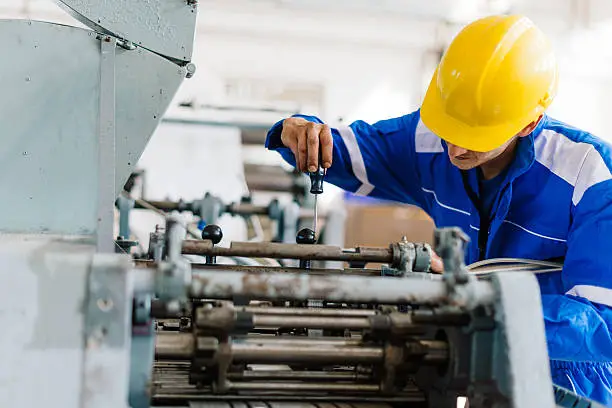
Using parts made by the original maker ensures the performance specs and warranty stay the same. Aftermarket parts may seem like a good deal at first, but they often break down faster or don't fit right, which costs more than it saves. Trained professionals can install and fix things properly, which keeps them from having problems that can happen when things are done wrong.
Troubleshooting Common Operational Issues
Most of the time, jams happen when too much material is put into the crusher too fast or when the material sticks together because of not enough water. If you slow down the feed rate and make sure the material dries properly, you can avoid most clogging problems. Strange noises mean that the rotors are out of balance, parts are loose, or blades are broken. These problems need to be fixed right away to avoid a catastrophic failure. The screen may be foggy, the blades are getting dull, or there are problems with the motor that are making the braking less effective.
Making changes to how things are used can make tools last a lot longer. When feed rates are right for the crusher, it doesn't get overloaded, which speeds up wear. As long as the blades are spaced out correctly, the cutting action will work well, and the parts will not be put under too much stress. For electrical problems to be caught early, before the motor breaks down, the temperature and current draw of the motor should be watched.
Case Studies and Success Stories: Real-World Applications of Industrial Ceramic Crushers
The companies that deal with ceramic waste are much more productive now that they carefully pick which industrial ceramic crushers to use and work with their suppliers. A medium-sized tile company cut costs by 30% by replacing an old crusher that could be used for many things with a new one that had better blade materials. The new tools used 15% less power and moved 40% more stuff per hour. The blades don't need to be changed as often as they used to, every three months instead of every month.
A company that recycles pottery and deals with a variety of materials worked with companies that make tools to create special screening systems that could handle different types of feed. Blockages that used to cause hours of daily downtime were gone with the customized approach. This made 25% more work get done and saved money on labor costs that were needed to clear out jammed materials. Less stress on the equipment during use made it last longer, and major part fixes happened half as often as they did with older standard designs.
Measurable Benefits Driving Operational Success
As these cases show, picking the right equipment can pay off with more work getting done, less energy use, lower repair costs, and better equipment life. A careful look at what the business needs, a careful look at the suppliers, and a desire to follow the right maintenance steps are some things that all successful projects have in common. Strong relationships with providers let you get ongoing expert help that makes tools work better as your needs change.
It's clear from these examples that picking a breaker is more complicated than just looking at its technical specs. It changes the way the whole process works too. It might be cheaper to buy a machine with a slightly lower rating that is very reliable than one with a slightly higher rating that needs to be fixed more often. Original equipment specs don't always matter as much when it comes to long-term happiness as how well a provider can customize, train, and offer quick support.
Conclusion
A lot of things need to be thought about when choosing industrial ceramic crushers, such as the type of material, the amount of work that needs to be done, how long the equipment needs to be kept, and the total cost of ownership. What makes each type of breaker different and how well they work in different situations will help you make smart decisions that will help your business reach its goals. If you want to find the best company, you should look at more than just the specs of their tools. You should also look at their customer service, customization options, and long-term support systems. Following the manufacturer's directions for regular maintenance keeps the crusher running well and extends its life. This protects financial investments by making the equipment more efficient and reliable. The path shown here for making a choice lets procurement workers pick breaking options that will be useful for a long time.
FAQ
What factors most significantly influence crusher capacity when processing ceramic materials?
The amount of material that can be crushed depends on how hard it is, how regular the feed size is, what size powder you want to make, and how strong the motor is. Industrial ceramic crushers that are harder need more energy per ton to handle than materials that are lighter. This makes the output less efficient. When feed sizes aren't even, work is slowed down by pieces that are too big, but when feed sizes are even, the machine can regularly run at its stated capacity.
How do ceramic crushers differ from equipment designed for metal or plastic processing?
Industrial ceramic crushers have blades made of special materials and chamber linings that can handle contact with grit, which makes them last longer. Blade steels are heated in a lot of different ways that keep them hard even after years of use. Because clay isn't always strong, the form of the chamber can be changed to get the right particle sizes without making too much dust, which can happen with bad crusher designs.
Can I source replacement parts and wear components through online suppliers?
Parts can be bought from official websites of trusted manufacturers and authorized dealers. This makes sure that the parts are original and up to the standards set by the manufacturer. It's safe to buy from the maker because you know the item will fit and work right, and your warranty will still be good. Some companies keep important worn-out parts on hand so they don't have to wait for normal maintenance to get new ones.
Partner with Xingbiao for Superior Crushing Solutions
Xingbiao has been making industrial processing machinery for more than 30 years, so they know how to make industrial ceramic crushers that last. Our engineering team welds high-strength steel together in a way that releases stress and stops the steel from changing shape while it's being used. When SKD-11 and D2 tool steels are used to make blades, they are vacuum heated and then frozen, which makes them very hard to break. In other words, they don't need to be changed as often and still cut well. Better blade shape and motor matching in designs that use less energy mean that they use less power without dropping output.
We'll help you with everything, from the first meeting to installation, user training, and everyday maintenance. Within 24 hours, our engineers answer questions and give tech tips that make it work better for as long as it's used. With customization, we can change standard designs to solve specific practical issues, such as how to work with unique materials or add safety features to production methods that are already in place. Having enough extra parts on hand makes sure that replacements get there quickly when they are needed.
Find out how the industrial ceramic crushers and plastic processing tools from Xingbiao can help your company make more money and run better. Send us an email at xingbiaocrusher@xingbiaocrusher.com to talk to skilled engineers about your needs. These engineers have used crushers in many different types of businesses. As a trustworthy crusher company, we offer options that are made to fit your needs. You can trust that our solutions will keep your investment safe because we build them well and do them quickly.
References
1. Mitchell, R. & Thompson, D. (2021). Industrial Crushing Technology: Principles and Applications for Hard Materials Processing. Manufacturing Engineering Press.
2. Chen, L., Rodriguez, M., & Patel, S. (2022). "Comparative Analysis of Crusher Performance in Ceramic Waste Recycling Operations," Journal of Industrial Equipment Engineering, 45(3), 178-195.
3. Anderson, K. (2020). Equipment Selection Strategies for Processing Operations: A Cost-Benefit Framework. Industrial Press Inc.
4. Williams, J. & Foster, B. (2023). "Wear Resistance in Industrial Crushing: Material Science Advances in Blade Technology," Materials Processing Quarterly, 38(1), 56-71.
5. National Association of Manufacturing Equipment (2022). Best Practices in Industrial Crusher Maintenance and Operation. NAME Technical Standards Publication.
6. Zhang, H., Kumar, R., & Okonkwo, P. (2021). "Energy Efficiency Optimization in Industrial Size Reduction Equipment," International Journal of Processing Technology, 29(4), 312-328.
Learn about our latest products and discounts through SMS or email