- English
- French
- German
- Portuguese
- Spanish
- Russian
- Japanese
- Korean
- Arabic
- Greek
- German
- Turkish
- Italian
- Danish
- Romanian
- Indonesian
- Czech
- Afrikaans
- Swedish
- Polish
- Basque
- Catalan
- Esperanto
- Hindi
- Lao
- Albanian
- Amharic
- Armenian
- Azerbaijani
- Belarusian
- Bengali
- Bosnian
- Bulgarian
- Cebuano
- Chichewa
- Corsican
- Croatian
- Dutch
- Estonian
- Filipino
- Finnish
- Frisian
- Galician
- Georgian
- Gujarati
- Haitian
- Hausa
- Hawaiian
- Hebrew
- Hmong
- Hungarian
- Icelandic
- Igbo
- Javanese
- Kannada
- Kazakh
- Khmer
- Kurdish
- Kyrgyz
- Latin
- Latvian
- Lithuanian
- Luxembou..
- Macedonian
- Malagasy
- Malay
- Malayalam
- Maltese
- Maori
- Marathi
- Mongolian
- Burmese
- Nepali
- Norwegian
- Pashto
- Persian
- Punjabi
- Serbian
- Sesotho
- Sinhala
- Slovak
- Slovenian
- Somali
- Samoan
- Scots Gaelic
- Shona
- Sindhi
- Sundanese
- Swahili
- Tajik
- Tamil
- Telugu
- Thai
- Ukrainian
- Urdu
- Uzbek
- Vietnamese
- Welsh
- Xhosa
- Yiddish
- Yoruba
- Zulu
Best Heavy Duty Plastic crusher for Industrial Recycling
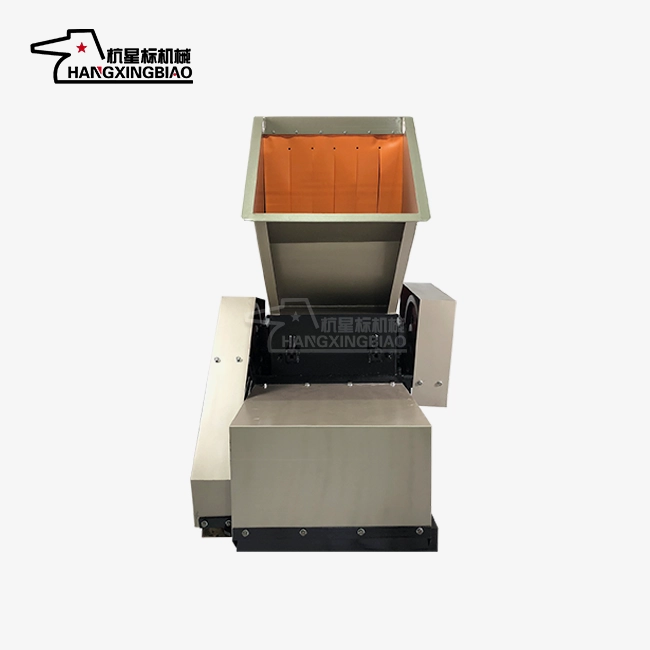
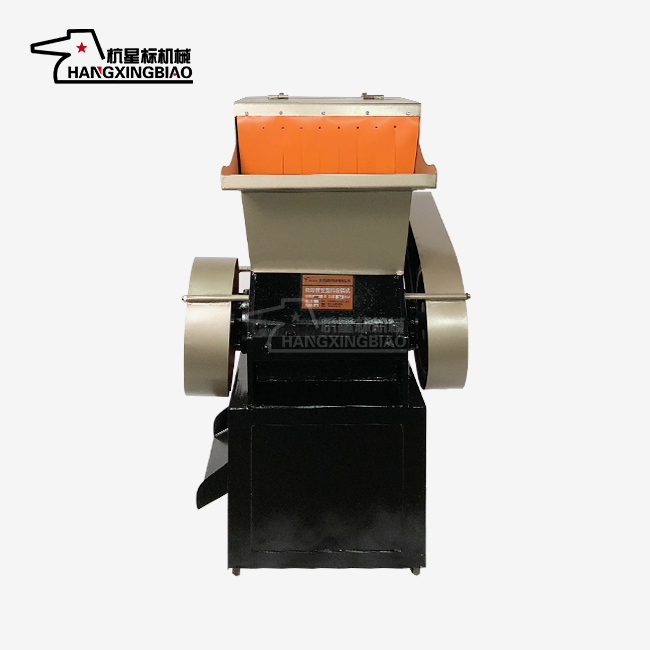
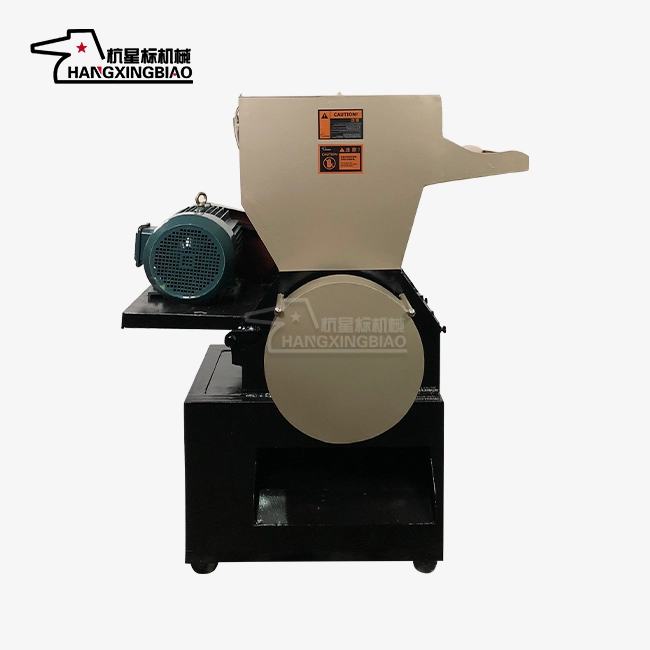
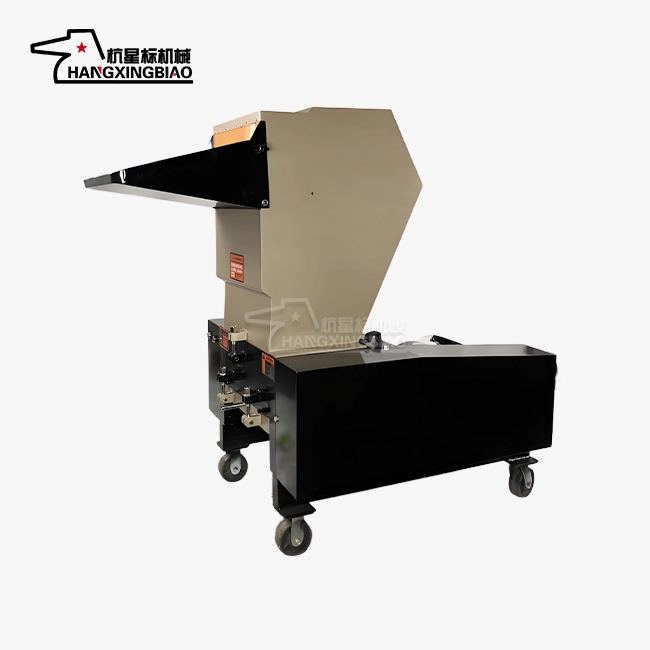
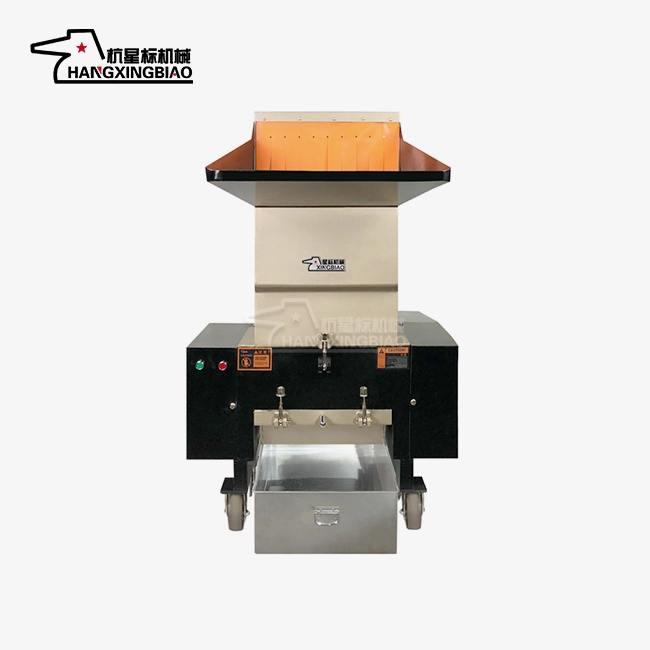
When looking for the best heavy duty Plastic crusher for commercial recycling needs, it's important to find a machine that has both strong build and specific processing abilities. A good Plastic crusher should produce particles of the same size every time, work well with a variety of materials, and fit in with current production processes without any problems. Modern industrial recycling operations need equipment that not only reduces the amount of trash but also keeps the material's structure during the crushing process. This keeps powder production to a minimum and makes sure that the output is more than 90% regular. This guide helps purchasing managers, engineers, and recycling center operators make the important choices they need to make in order to get the best crushing tools for their needs.
Introduction
Recycling industrial plastic comes with problems that go beyond just reducing the amount of plastic that is used. Manufacturing companies and recycling centers today are under more and more pressure to get the most out of the materials they recycle while also keeping costs low and following strict environmental rules. The right heavy duty Plastic crusher is the key to running a successful recycling business, as it directly affects productivity, energy use, and, in the end, profits.
Understanding Heavy Duty Plastic Crushers for Industrial Recycling
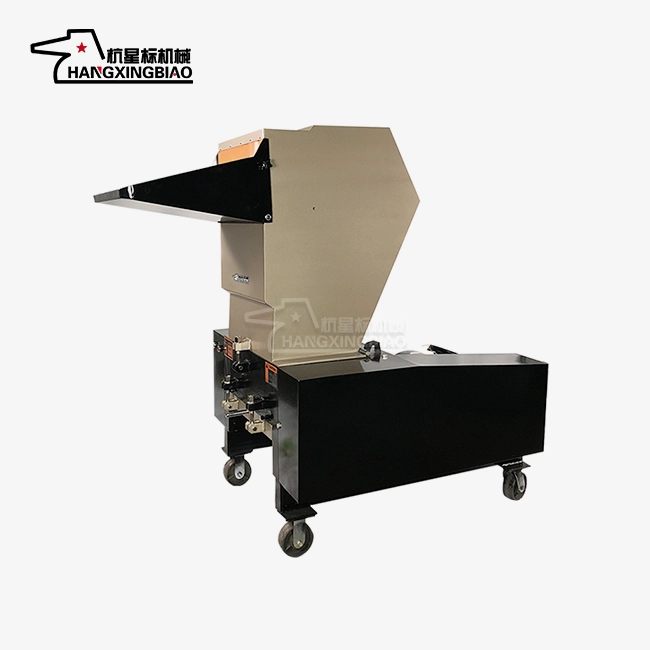
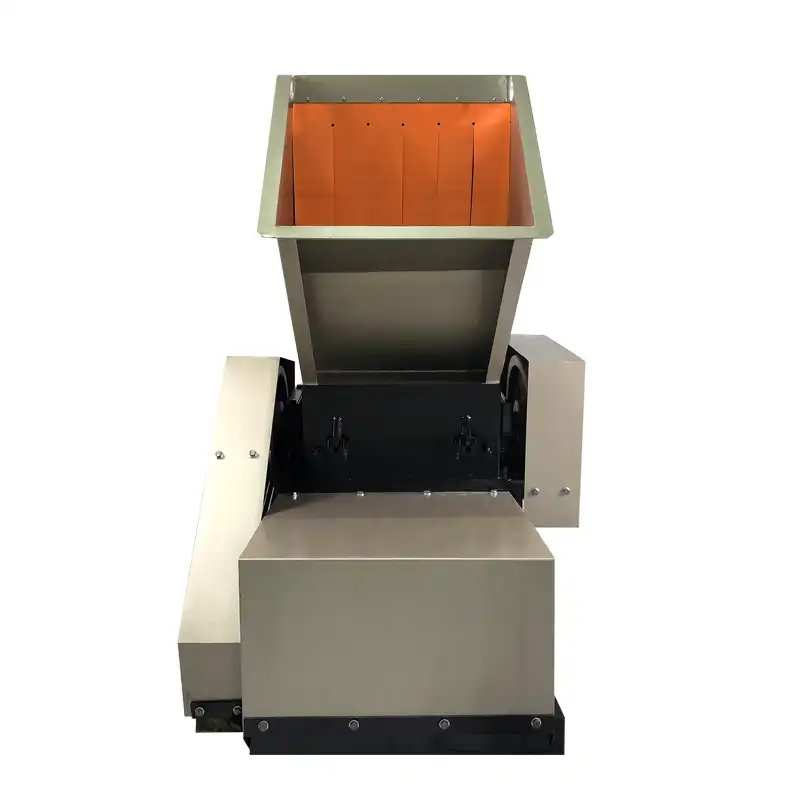
Heavy-duty plastic crushers are the first step in improving industrial recycling processes. They break down big pieces of plastic trash into uniform pieces that can be used in later steps. The main ways these specialized machines are different from regular tools for consumers are that they are built to last, have motors that run all the time, and cutting systems that are made to handle hundreds or thousands of pounds of material every day without losing their effectiveness.
Core Operating Principles and Processing Capabilities
Modern industrial breaking equipment uses advanced methods of processing that go beyond just turning the blades. The best systems use a double-effect breaking process called shear-plus-impact, which cuts and breaks plastics at the same time. When compared to single-mechanism designs, this dual-action method breaks particles more cleanly. For output needs greater than 2 mm, the hole structure and blade group spacing are optimized. This keeps the powder from being crushed too much, which can create unwanted impurities. This design factor makes sure that the structure of the material particles stays intact. In well-engineered models, discharge consistency is higher than 90%, so there is no need for extra screening steps that are expensive and hard to do.
Machine Type Comparisons and Applications
The processing power of different types of machines changes a lot. Heavy-duty commercial types can usually handle between 500 and 3,000 pounds per hour, but this depends on the bulk and hardness of the material. Whether tools work on their own or connect directly to production lines depends on how well they can integrate with processes. Beside the machine, breakers are placed next to injection molding machines and start working on runners and scrap parts right away. Through pneumatic moving networks, central grinding systems serve many production lines. This makes it easier to move materials and takes up less floor space.
Benefits Driving Industry Adoption
Using the right crushing tools leads to gains that can be seen across all operational measures. Optimized blade shape and hole designs keep material from bridging, which leads to higher output and steady feed rates across production shifts. Modern units use 20–30% less power than older models when handling the same amount of material. This is because their motors are the same size and there are fewer parasitic losses.
How to Choose the Best Heavy Duty Plastic Crusher for Your Industrial Needs
Before comparing specific types or makers, it's important to carefully look at how the equipment will be used when choosing it. When this assessment step is rushed, skills that don't match up properly, which can cause bottlenecks or leave capacity unutilized, happen.
Assessing Your Recycling Volume and Material Characteristics
In addition to basic guarding, safety standards for Plastic crusher include things like explosion-proof motors for working with materials that produce flammable dust, easy access to an emergency stop, and interaction with other safety systems in the building. Insurance and OSHA rules often require certain safety features that limit the types of tools that can be used.
Key Selection Criteria and Decision Factors
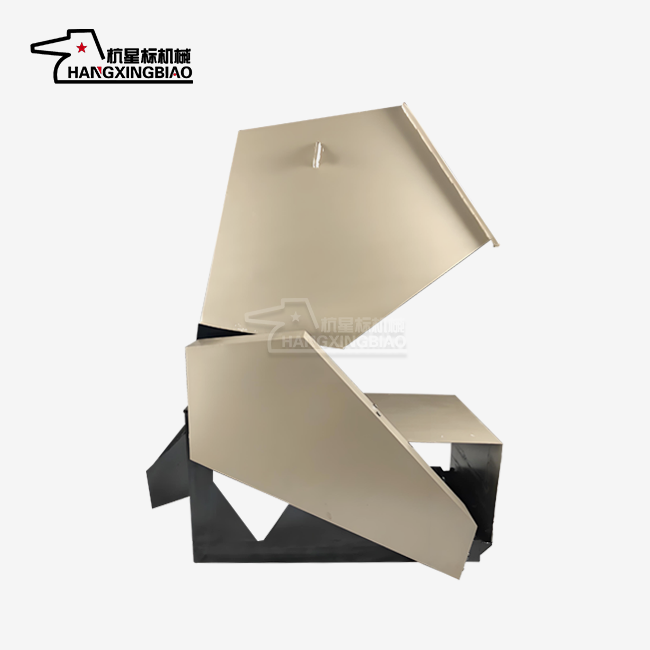
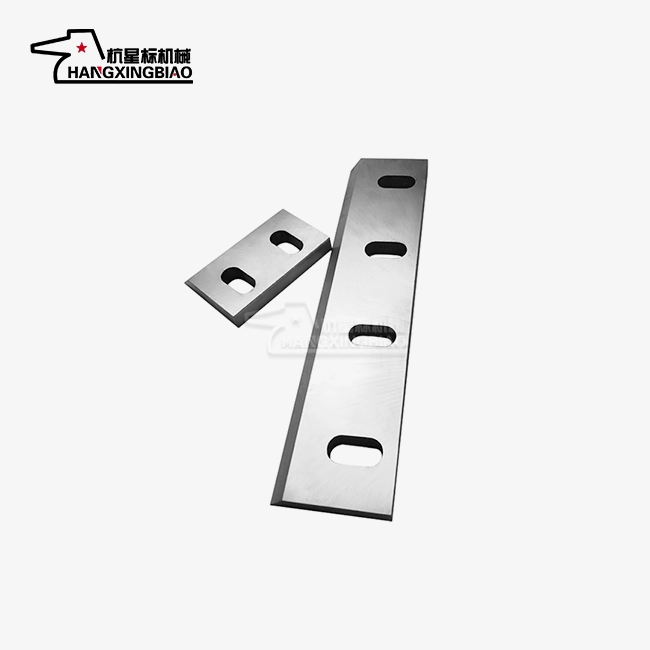
When judging the quality of a build, the first thing that is looked at is the frame. Welded high-strength steel frames that have been treated to relieve stress make sure that the frame's dimensions stay stable over years of shaking and impact loading. Choosing the right blade material is also very important. Tools made from SKD-11, D2 mold steel, or Cr12MoV alloy steels and put through vacuum heat treatment and cold processing can last more than 3,000 hours in tough situations. This cuts down on the cost of replacing tools often while keeping the quality of the particles the same over the life of the blade.
Crusher Versus Shredder Technology Comparison
Knowing the difference between crushing and shredding methods helps you match the right tools to the properties of the material. Crushers use fast rotating blades to cut against fixed ones, making pieces that are mostly the same size through a screening process. This method works for hard plastics, injection-molded parts, and materials where having uniform particle sizes is important for processing later on. Shredders use low-speed, high-torque cutting systems that tear materials instead of slicing them neatly. This makes them better for handling trash streams that are soft, tangled, or dirty, which would cause regular crushers to get stuck.
ROI Analysis and Market Considerations
Instead of just looking at the buying price, figure out the total cost of ownership. Include estimated costs for upkeep, how often and how much it will cost to change blades, how much energy it will use at the local rate, and how long it is expected to last. Quality equipment that costs more at first usually has better lifetime economics because it lasts longer, needs less upkeep, and is worth more when it comes time to sell.
Maintenance, Troubleshooting, and Safety Guidelines for Plastic Crushers
Systematic repair plans that take care of worn-out parts before they break are important for keeping equipment in good shape and making sure it works consistently. Reactive maintenance, which means fixing things after they break, costs a lot more than planned preventive maintenance because of emergency service calls, faster shipping of parts, and lost output.
Systematic Maintenance Protocols
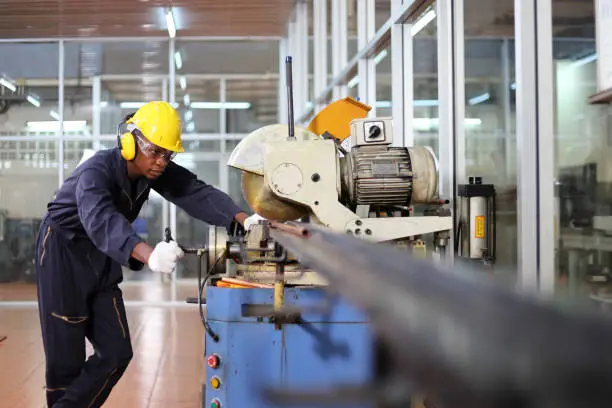
Set up review times based on working hours instead of calendar dates, since each facility's level of use is different. As part of daily checks, the state of the blades should be looked at visually, strange sounds that could mean bearing wear or blade damage should be listened for, and the proper seating of the screens should be confirmed. As part of weekly maintenance, the state and tension of the belts are checked, along with the electrical connections for signs of heating or looseness. The room walls and screen surfaces are also cleaned of any debris that has built up.
Diagnosing Common Issues and Solutions
Often, lower capacity is caused by worn blades, the wrong size screen, or not enough motor power for the type of material. When output goes down, look at the crushed particles. Too many large pieces mean the blades are dull, and too many fines mean the machine has been over-processed because old screens let more than one cutting pass happen. When blade angles or hole designs aren't right for the type of material being fed, it can cause material to bridge in the bin. This can sometimes be fixed by changing the feed rate or pre-sizing the material.
Comprehensive Safety Guidelines
Before people can run machines on their own, they must go through operator training classes that cover the risks that come with each machine. Training should cover the right way to start up and shut down, what to do in an emergency, how to feed materials so they don't get stuck, and how to spot abnormal working conditions that need to be shut down right away. Keep track of who has completed the training and hold repeat classes every year.
Cost and Procurement Insights for Heavy Duty Plastic Crushers
Understanding the financial effects for Plastic crusher that go beyond the purchase price helps people make smart business choices that take into account the total costs of owning the equipment over its service life. When you include upkeep, energy use, and downtime costs in your budget planning, you get accurate estimates that help with the capital approval process.
Expense Breakdown Across Machine Categories
The cost of equipment is related to its features, capability, and the quality of its building. Between $8,000 and $18,000, these small breakers can handle less than 300 pounds per hour and can be set up next to the machine or used in small recycling activities. Usually, these have motors with 10 to 25 horsepower, rotor lengths of less than 16 inches, and settings that are easy to use. Standard commercial models that can handle 500 to 1,200 pounds per hour are the most popular type for medium-sized businesses. They cost between $22,000 and $45,000. They have drives with 25 to 50 horsepower, frames that are stronger, and extras like noise barriers and automation kits.
Sourcing Reputable Suppliers and Verification
Finding reliable makers means looking at more than just marketing materials for signs of trustworthiness. Focus on providers with 20 years or more of experience in crushing tools instead of diversified machinery companies that treat crushers as an afterthought. People are more likely to trust companies that have dedicated engineering teams and post technical paperwork that shows they have real knowledge than to trust resellers who sell imported equipment that can't be changed.
New Versus Used Equipment Considerations
Used equipment can save you a lot of money—often 40 to 60 percent off of new machines—but it also comes with risks that need to be carefully considered. Crushing equipment has to work in harsh conditions where damage builds up slowly and can't be seen. Replacement of blades, wear on bearings, and stress cracks in the frame may not show up during quick checks.
Future Trends and Innovations in Industrial Plastic Crushing
As makers react to market pressures about efficiency, environmental performance, and operating intelligence, the landscape of crushing equipment keeps changing. Keeping up with new technologies helps buyers make investments that will pay off in the future instead of buying things that will be out of date soon.
Energy Efficiency and Environmental Sustainability
Recent improvements in motor technology for Plastic crusher have led to big drops in the amount of power they use. This is possible thanks to higher efficiency ratings and variable frequency drives that adjust the motor speed to match the immediate load. IE4 super-premium efficiency motors used in modern setups use 8–15% less energy than IE2 standard efficiency designs to produce the same amount of power. When processing costs and environmental effect are both important, these changes can help charge more because they save money on running the business.
There are more and more rules that makers have to follow when it comes to reusing old products. This is called "extended producer responsibility," and it's becoming law in more and more states. This increases the need for flexible crushing tools that can easily handle a wide range of materials. Equipment with systems for finding contamination and automatically rejecting it helps recyclers keep the quality of their feedstock high enough to meet the standards that buyers of recovered content expect.
Automation and Smart Technology Integration
Connectivity to the Internet of things (IoT) turns breaking equipment from simple tools into smart systems that give operators information. Sensors that check the motor current, bearing temperature, sound signatures, and flow rates send data to cloud platforms. There, analytics find performance trends that tell you what repairs need to be done before they happen. When compared to reactive methods, predictive maintenance cuts unexpected downtime by 30 to 50 percent and increases component life through timely actions.
Applications that use artificial intelligence look at the properties of materials in real time and change the spinning speed, feed rate, and screen position automatically to get the best particle quality and energy use. Even when the material changes, which would hurt the performance of fixed-parameter machines, these flexible systems keep the output constant. Through telemetry, remote tracking lets equipment providers provide proactive support by spotting developing problems and getting in touch with operators before the problems get worse.

Strategic B2B Collaboration Considerations
In order to stay ahead of the competition, manufacturers and recyclers see equipment sellers less as suppliers and more as strategic partners. Through co-development methods, collaborative relationships lead to custom solutions that solve specific business problems. Through relationships with original equipment manufacturers (OEMs), crushing technology can be built right into the designs of products. This creates closed-loop manufacturing, where trash from production goes straight back into streams of raw materials.
For buyers and partners, it's important to find out how committed possible providers are to innovation. Companies that put a lot of money into research and development, keep customer feedback boards, and release new technologies show that they are looking to the future. These companies help their clients stay ahead of changes in the market by giving them early access to new features and advice on how to get the most out of their tools throughout its entire lifecycle.
Conclusion
When looking for the best heavy duty Plastic crusher for recycling in the industry, you need to weigh short-term working needs against long-term strategy goals. Whether crushing systems are productivity boosters or maintenance nightmares depends on how long the equipment lasts, what special processing features it has (like anti-winding designs and precise particle sizes), and how well it's supported by service technicians. Specifications like the shear-plus-impact processing method, improved blade spacing for 90%+ discharge uniformity, and wear-resistant tooling with a service life of over 3,000 hours make the difference between great equipment and good options. As the recycling industry moves toward more automation and environmental responsibility, buying properly designed crushing systems from specialized makers sets businesses up for long-term success as market needs change.
FAQ
What capacity should I select when choosing a heavy duty plastic crusher?
To choose the right capacity, you need to figure out your peak material amount, not just your usual throughput. Find out how much trash is actually made during peak production times, and then choose equipment that is ranked 20–30% higher than that number so that it can handle surges without causing problems. Take into account the different densities of the materials. For example, hard plastics can be processed faster than films or dirty trash. It is cheaper to slightly oversize than to undersize, because equipment that is overloaded wears out faster and costs more to maintain.
How frequently should heavy duty plastic crushers receive maintenance?
Maintenance times vary on how long the machine is used and what kind of material it is. Visual checks done every day don't take long and can find problems early on. Bearing sets usually need to be oiled once a month. Every 1,500 to 3,000 hours, based on how rough the material is, the blade needs to be rotated or replaced. Every 8,000 to 12,000 hours, under normal conditions, the bearing needs to be replaced. Facilities with more than one shift should use hourly plans instead of date gaps.
Can plastic crushers process mixed plastic types with contaminants?
Heavy-duty modern breakers can handle mixed plastics well if they are built with the right features. Labels, films, and threads that get stuck in regular equipment can't happen with anti-winding comb tooth designs. But metal pollution needs magnetic separation or metal detection systems upstream to keep the blades from getting damaged. Glass, stones, and pottery need to be pre-sorted because they hurt cutting edges very badly. Figure out what your real waste stream is made of and then buy tools that fits that need.
Partner with Xingbiao for Superior Plastic Crushing Solutions
Hangzhou Xingbiao Machinery Co., Ltd. sells specialized breaking equipment that was designed after 30 years of research and development into technology for reducing the size of plastic particles. Our high-performance Plastic crusher models use a double-effect processing method called shear-plus-impact, as well as improved cavity shapes and SKD-11 alloy blade systems. These features give the machines a service life of 3,000 hours or more while keeping the particles intact and ensuring 90%+ discharge uniformity. We provide OEM partners, plastic makers, and recycling centers all over North America with creative solutions that meet their unique needs. Our tech team can help you choose the right equipment, install it, and keep it in good shape. They are available 24 hours a day, 7 days a week, and they keep a large collection of spare parts. Email us at xingbiaocrusher@xingbiaocrusher.com to talk about your crushing needs with experienced application engineers who know how hard it is to recycle in the real world. Find out why top makers choose Xingbiao as their plastic crusher company for dependable, effective, and affordable size reduction solutions.
References
1. American Plastics Council (2023). Industrial Plastic Recycling Equipment Standards and Best Practices. Washington, DC: APC Technical Publications.
2. Chen, W., & Roberts, M. (2022). Advanced Size Reduction Technologies for Polymer Processing. Journal of Recycling Equipment Engineering, 15(3), 45-67.
3. International Organization for Standardization (2023). ISO 15270: Plastics - Guidelines for Recovery and Recycling. Geneva: ISO Standards Catalogue.
4. Martinez, R. (2024). Blade Metallurgy and Service Life in Industrial Crushing Applications. Materials Science Quarterly, 28(1), 112-134.
5. National Association for Plastics Recycling (2023). Equipment Selection Guide for Commercial Recycling Facilities. Arlington, VA: NAPR Industry Reports.
6. Thompson, K., & Zhang, H. (2023). Energy Efficiency in Industrial Plastic Size Reduction Systems. Sustainable Manufacturing Review, 19(4), 203-229.
Learn about our latest products and discounts through SMS or email