- English
- French
- German
- Portuguese
- Spanish
- Russian
- Japanese
- Korean
- Arabic
- Greek
- German
- Turkish
- Italian
- Danish
- Romanian
- Indonesian
- Czech
- Afrikaans
- Swedish
- Polish
- Basque
- Catalan
- Esperanto
- Hindi
- Lao
- Albanian
- Amharic
- Armenian
- Azerbaijani
- Belarusian
- Bengali
- Bosnian
- Bulgarian
- Cebuano
- Chichewa
- Corsican
- Croatian
- Dutch
- Estonian
- Filipino
- Finnish
- Frisian
- Galician
- Georgian
- Gujarati
- Haitian
- Hausa
- Hawaiian
- Hebrew
- Hmong
- Hungarian
- Icelandic
- Igbo
- Javanese
- Kannada
- Kazakh
- Khmer
- Kurdish
- Kyrgyz
- Latin
- Latvian
- Lithuanian
- Luxembou..
- Macedonian
- Malagasy
- Malay
- Malayalam
- Maltese
- Maori
- Marathi
- Mongolian
- Burmese
- Nepali
- Norwegian
- Pashto
- Persian
- Punjabi
- Serbian
- Sesotho
- Sinhala
- Slovak
- Slovenian
- Somali
- Samoan
- Scots Gaelic
- Shona
- Sindhi
- Sundanese
- Swahili
- Tajik
- Tamil
- Telugu
- Thai
- Ukrainian
- Urdu
- Uzbek
- Vietnamese
- Welsh
- Xhosa
- Yiddish
- Yoruba
- Zulu
Struggling with Frequent Blade Replacement? Try a Long-Life Blade Crusher
When you have to stop output every couple of weeks to change the blades, the real cost is more than just buying new parts. This problem keeps coming up, but a long-life blade crusher solves it with advanced metals and engineering design, making blades that keep cutting three to five times longer than regular models. This means that there will be fewer interruptions, lower maintenance costs, and more stable operations budgets for your site, while rivals have trouble with downtime.
Understanding the Problem: Why Frequent Blade Replacement Happens
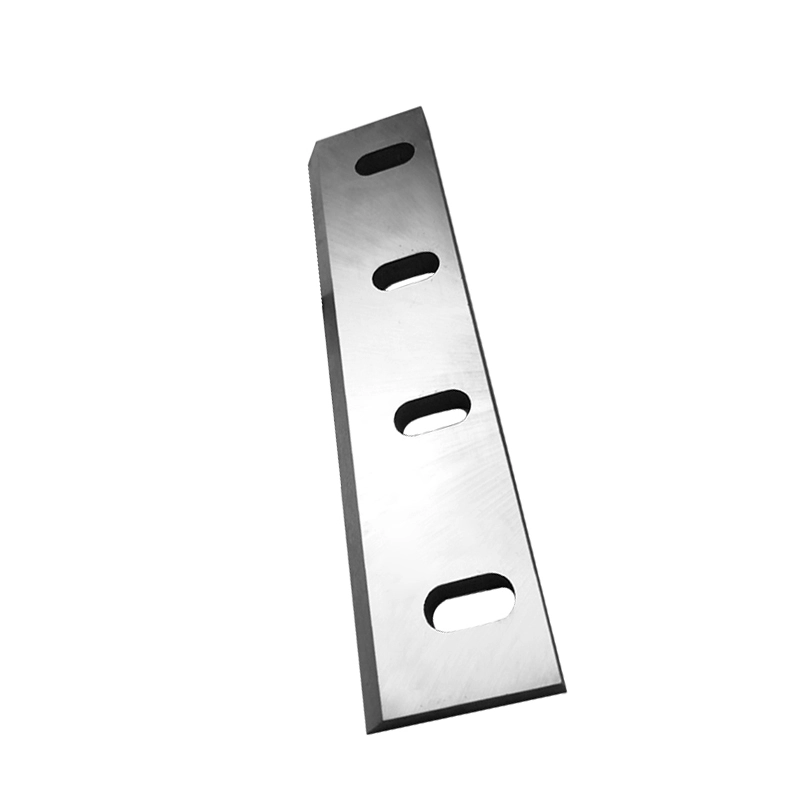
The machines that crush plastic during production and recycling are constantly under a lot of mechanical stress. Every time the machine turns, the blades come into direct contact with a wide range of materials, from fragile PVC lines to rough glass-filled alloys. This causes the materials to wear down faster and the machine to work less efficiently.
Material Abrasiveness Accelerates Wear
When you process plastic trash, you add new contaminants that quickly damage the edges of blades. Injection molding scrap often has metal pieces in it, and post-consumer recycling streams have dirt, sand, and other debris that is stuck in the plastic. When these rough parts rub against the blade's surface, they make tiny lines that grow into damage that can be seen. Abrasion problems are especially bad for businesses that deal with building plastics or farming materials, because these waste streams often contain soil particles and minerals that regular blade materials can't handle.
Operational Variables Create Stress Points
When crushers are used past their set limits, they produce too much heat and pressure, which weakens the blades. When feed rates are higher than what the maker recommends, blades are loaded unevenly, which causes stress concentration points. During long operation cycles, changes in temperature cause metal to expand and contract, which slowly loosens blade fastening systems and lets small particles move around, which speeds up wear. When facilities run nonstop three-shift operations without enough cooling breaks, the rate of blade failure goes up by 40 to 60 percent compared to operations that have planned rest times.
The Hidden Cost of Replacement Cycles
In addition to the cost of buying new blades for a long-life blade crusher, there is a bigger financial strain. Unplanned breaks in production cause delivery plans to get thrown off, which costs more in extra pay and faster shipping fees for replacement parts. When a medium-sized recycling center's crusher breaks down, it loses about $800 to $1,200 an hour because workers aren't working, customers' orders are delayed, and the flow of materials is slowed down. For a normal 50-horsepower crusher, replacing the blades every year can cost between $8,000 and $12,000. Downtime costs can also be more than $35,000. This puts a strain on business budgets and hurts the company's ability to compete.
What Makes a Long-Life Blade Crusher Different?
The tech behind longer blade life includes complex material science and precise production that changes how tough tasks are handled by crushers. These changes lead to measurable performance gains that make the investment worth it for businesses that want to be reliable.
Advanced Metallurgy Extends Service Life
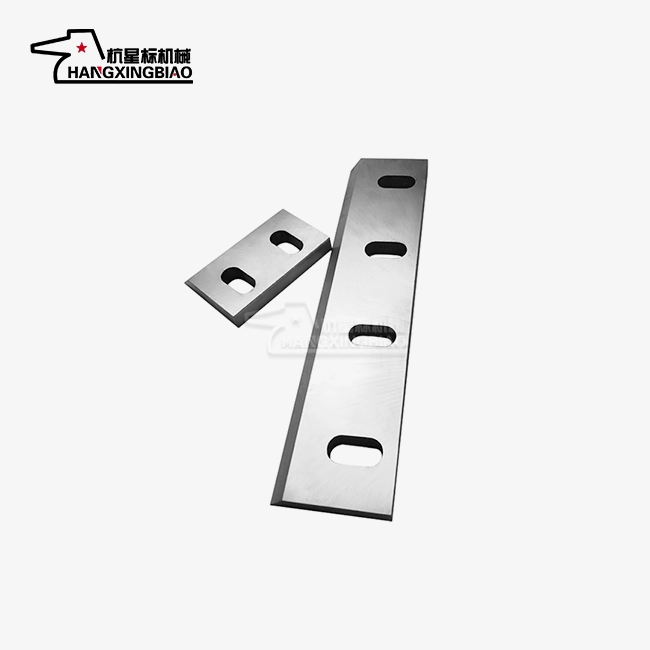
Specialized heat treatments are used on high-end blade materials to change their chemical structure in basic ways. Vacuum heat treatment at carefully controlled temperatures raises the hardness of SKD-11 and D2 tool steels to 58 to 62 HRC while keeping their toughness. The next deep cryogenic treatment at -196°C changes the austenite that was still there into martensite. This makes a uniform solid structure that doesn't chip or bend at the edges. This mix makes blades with sharp cutting tips that last through millions of impact cycles. They can cut through 300–500 tons of plastic before they need to be replaced, while normal carbon steel blades can only cut through 80–120 tons.
Optimized Geometry Reduces Wear Patterns
The shape of the blade's outline has a big effect on how cutting forces are spread out along the edge. Engineers figure out the exact rake and relief angles that reduce friction and increase shear efficiency. The shape of the blade affects whether materials cut neatly or make too much heat through friction. Specialized coats put on using physical vapor deposition make very hard surface layers that protect even more against abrasive wear while lowering material binding that can get in the way of cutting.
Enhanced Operating Principles
Modern crushers have features that keep blade systems from breaking down too soon. Operating temperatures stay within the best ranges thanks to larger mounting areas for the blades and strategically placed airflow paths that help heat escape. Stronger rotor assemblies keep vibrations to a minimum and keep blade alignment stable over long repair times. Together, these improvements in engineering make it possible for blades to work as intended without the stress factors that normally affect equipment.
Comparing Long-Life Blade Crushers to Standard Models: What Procurement Managers Should Know
Knowing the real differences between different types of tools helps you make smart buying choices that fit your budget and operational needs. The difference between blade technologies shows why top companies are now focusing on making products that last longer.
Performance Metrics That Matter
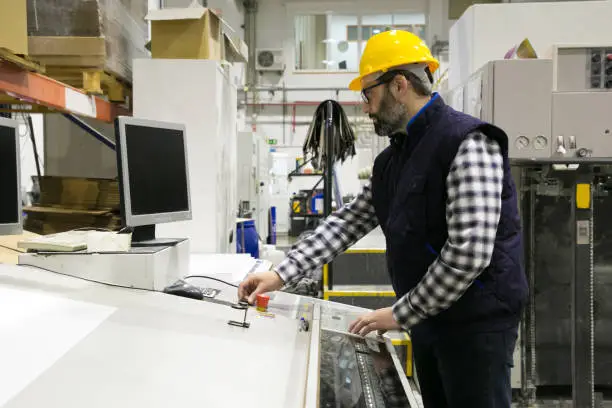
When working mixed plastic streams, standard crushers with basic carbon steel blades usually need to be sharpened or replaced every 200 to 400 hours of use. Advanced long-life blade crusher systems keep cutting effectively for 1,200 to 2,000 hours in similar situations, which cuts down on repair needs by 70 to 80%. Because the blades last longer, they can process 150–200 tons of material per set, compared to 40–60 tons for regular systems. The consistent output of particle size stays the same over the life of the blade. This stops the slow loss of performance that pushes standard equipment to replace blades too soon.
Energy Efficiency and Operating Costs
Better edge retention and improved blade shape make it possible to handle each ton of material with less power. When compared to their old equipment, facilities with improved crusher systems report 15–22% lower energy use, even when handling the same streams of material. Cutting things instead of tearing them is what makes this more efficient. It takes less force to reduce the size of something. Motor current readings stay the same over long periods of time of operation, while in standard systems they gradually rise as blade condition worsens, indicating lower mechanical efficiency that drives up electrical costs.
Investment Analysis for Decision-Makers
Advanced long-life blade crusher systems usually cost 25–40% more than normal models at first, which makes buyers who want to save money hesitant. A full lifetime study shows that the total costs of owning high-quality equipment over five years are much lower than those of lower-quality equipment. When you add up the costs of replacing blades, lost time, energy use, and maintenance work hours, businesses that handle 15 to 20 tons per day see payback times of 14 to 18 months. Even shorter payback periods are seen in facilities with higher throughput rates. This makes the investment in premium equipment financially appealing for businesses that want to make money in the long run rather than spending as little as possible up front.
Maintenance Tips to Maximize the Lifespan of Your Blade Crusher
Even the most durable blade systems need to be maintained in a planned way so they can work at their best. Structured inspection and care routines make service intervals longer and stop unexpected failures that mess up production plans.
Establishing Effective Inspection Routines
Regular eye inspection shows problems as they start to appear before they destroy the blade. By checking the sides of the blades every 100 hours of use, workers can spot early signs of wear, such as rounding, minor chipping, or strange discoloration that could mean the blades are getting too hot. Using uniform rating systems to keep track of blade condition creates past data that lets you plan maintenance based on real wear rates instead of random time intervals. This method stops both replacing blades too soon, which loses the rest of their useful life, and replacing them too late, which increases the chance of catastrophic failure and other equipment damage.
Proper Blade Handling and Installation
If you follow the right steps for fitting, the blades will fit tightly against the rotor's mounting surfaces, leaving no gaps that could let them move while the motor is running. To keep mounting bolts from coming loose from shaking, make sure they are torqued to the manufacturer's specs. If you overtighten them, the blade mounting holes can crack. Leaving the right amount of space (usually 0.3 to 0.5 mm) between the moving and fixed blades allows for effective cutting without metal-on-metal contact, which speeds up wear. When turning or flipping blades to use new cutting edges, making careful notes of where the blades are and how they are oriented keeps things from getting confusing and makes sure that all edges get the same amount of use.
Recognizing When Professional Service is Needed
Some signs point to problems that can't be fixed with regular repair. Unusual sound patterns, loud noises, or rapid rises in power use are all signs of problems that need to be diagnosed by a professional. If you try to keep working when these warning signs show up, you could damage your tools badly, which would cost a lot to fix. By building relationships with qualified service providers before an emergency happens, you can be sure that you will get help quickly when you need technical help, which will reduce downtime and protect your equipment investments.
How to Choose and Procure the Right Long-Life Blade Crusher for Your Business
To choose equipment that meets working needs and performs reliably, you need to carefully consider a number of factors that affect both long-term happiness and financial returns.
Matching Capacity to Production Demands
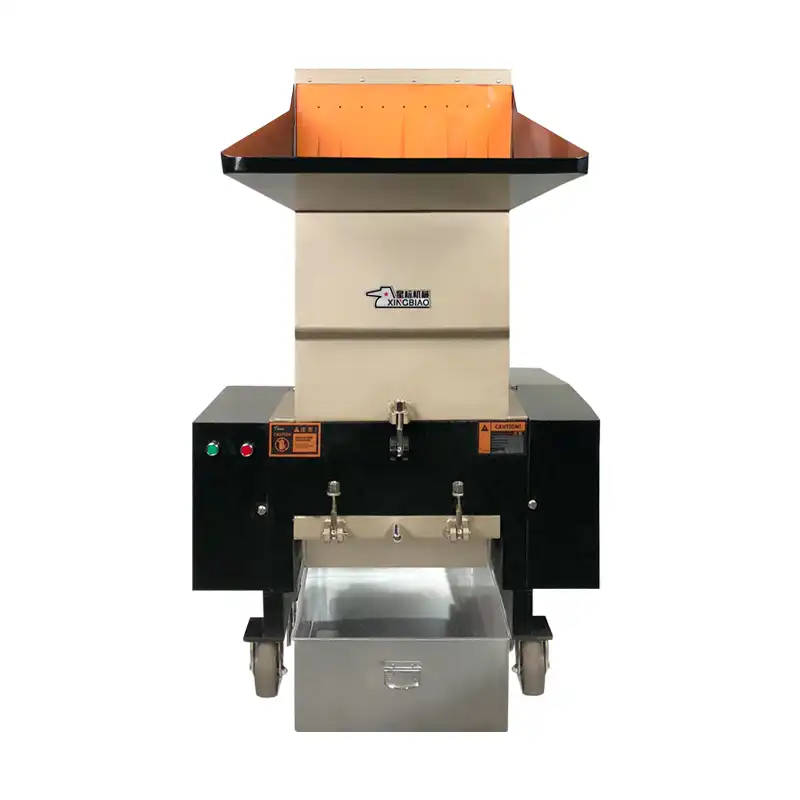
By correctly estimating the material flow needs, you can avoid both small equipment that slows down production and oversized systems that waste money and time. Facilities that handle 40 to 50 tons of plastic per day need different crusher requirements than those that handle 5 to 10 tons per day. The material properties and the particle size you want to produce must match the blade width, motor horsepower, and rotor design. Facilities that see regular changes in volume should get equipment that is made for high-demand times instead of normal output. This way, they can be sure they have enough capacity when it's needed the most.
Material Compatibility Considerations
Different kinds of plastic are harder to crush in different ways, which affects the choice of tools. Blades need to be set up differently for acrylic and polycarbonate, which are rigid materials, and polyethylene film or polypropylene weave bags, which are bendable. Businesses that process different types of materials need crushers that can handle these different types of materials without having to change the blades or setup settings all the time. For certain jobs, like handling rubber tires or fiber-reinforced composites, you need long-life blade crusher systems that are specifically designed to work with these tough materials that are too much for normal equipment.
Evaluating Supplier Credentials
Working with well-known companies that have been dedicated to crusher technology for a long time gives you peace of mind about the quality of the equipment and ongoing support. Hangzhou Xingbiao Machinery Co., Ltd., which has been making plastic crushing tools for 30 years, has a lot of experience that younger companies in the market can't match. Our engineering team has created crusher systems by working with big companies like Nongfu Spring and KFC, using real-life operating information to help them build the equipment. This partnership between business, academia, and study makes sure that our goods solve real problems that factories and recycling centers face, not just theoretical ones that don't have anything to do with real life.
Reliable sources are different from sellers who disappear after the equipment is delivered because they offer comprehensive warranties and quick customer service after the sale. We promise to answer all customer questions within 24 hours, and we offer installation help, user training, and regular follow-up visits to make sure equipment works at its best for as long as it's in use. When extra parts are readily available, there isn't a lot of downtime when worn-out parts need to be replaced. This keeps production going, which saves customer relationships and income streams.
Conclusion
Using advanced long-life blade crusher technology to stop having to replace blades so often leads to measured gains in working efficiency and financial performance. Using high-quality blade materials, smart engineering design, and regular upkeep procedures together makes breaking systems that work well with little help. When a facility switches from reactive repair processes to proactive equipment management, there are fewer problems, lower costs, and more accurate predictions of production. Buying durable systems was a smart move that improves the company's competitive position by making it easier to run and lowering the overall cost of ownership over the equipment's lifetime.
FAQ
How much longer do advanced blades last compared to standard options?
With the right heat treatment, premium blade systems made from SKD-11 or D2 tool steel usually last three to five times as long as normal carbon steel blades. Companies that handle mixed plastic streams say that their blades can be used for 1,200 to 2,000 hours before they need to be replaced. This is compared to 200 to 400 hours for regular blades. The actual lifespan depends on the type of material, the amount of pollution in the feed, and how it is operated, but the performance edge is still big in a wide range of situations.
Can these systems handle mixed material streams without accelerated wear?
Better edge shape and better metalworking allow for more advanced blade designs that work with different types of materials. Because of their mix of hardness and toughness, blades can work with both stiff and flexible plastics at the same time without breaking down too soon. The tolerance for contamination gets a lot better, but very rough materials like highly dirty agricultural plastics still wear faster than clean industrial scrap. All crusher blades last longer if the material is properly prepared and screened to get rid of too much contamination.
What warranty and support should buyers expect?
Reputable makers offer full warranties that cover 12 to 24 months after installation and cover both material faults and manufacturing flaws. After the warranty time is over, continuing technical support should include quick answers to questions about how to use the product, help with fixing problems, and replacement parts that are easy to find. We keep enough extra parts on hand to ship important parts within 24 to 48 hours, so that production doesn't stop too often when maintenance is needed.
Partner with Xingbiao for Superior Crushing Solutions
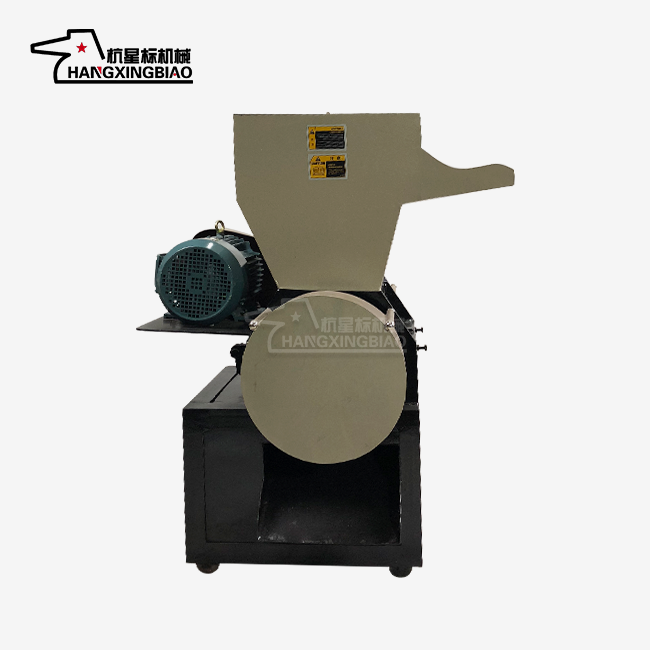
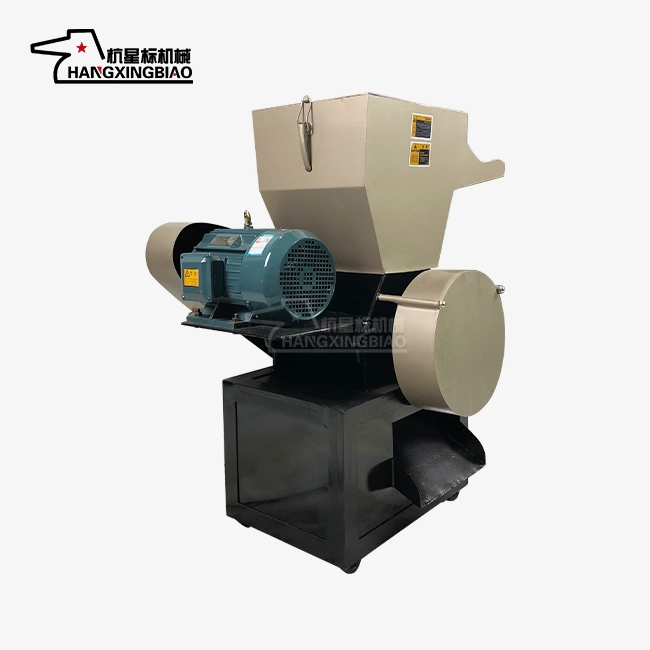
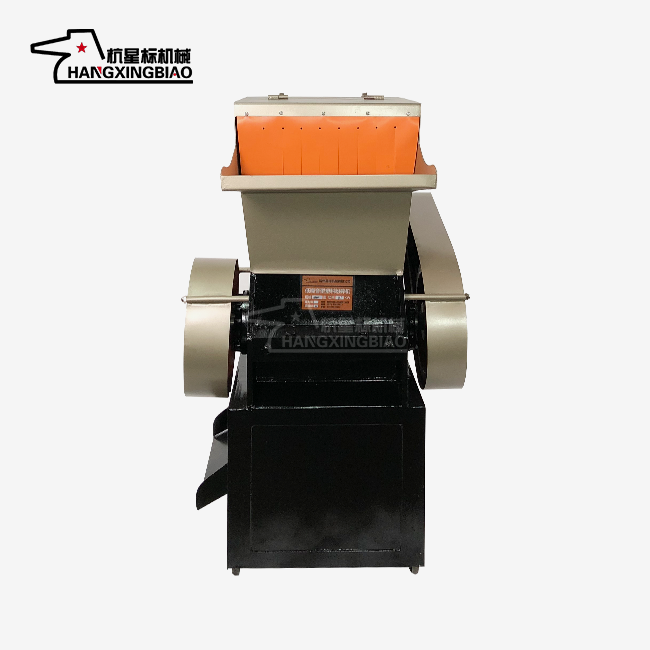
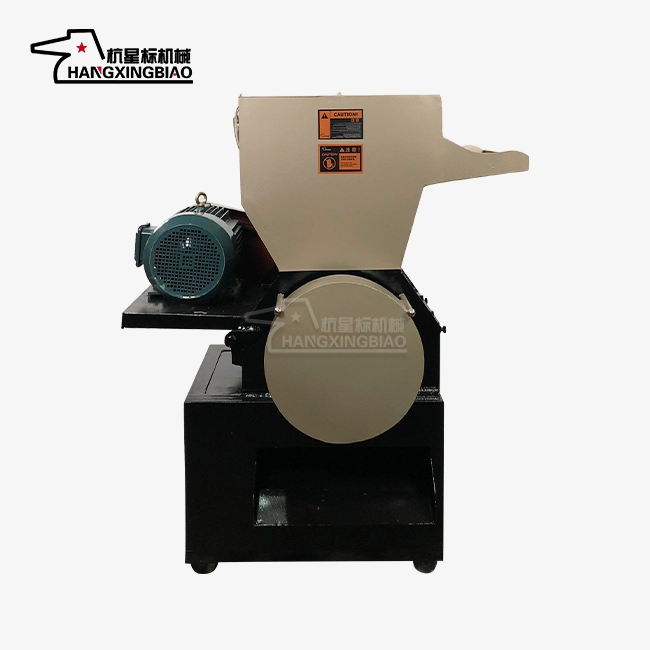
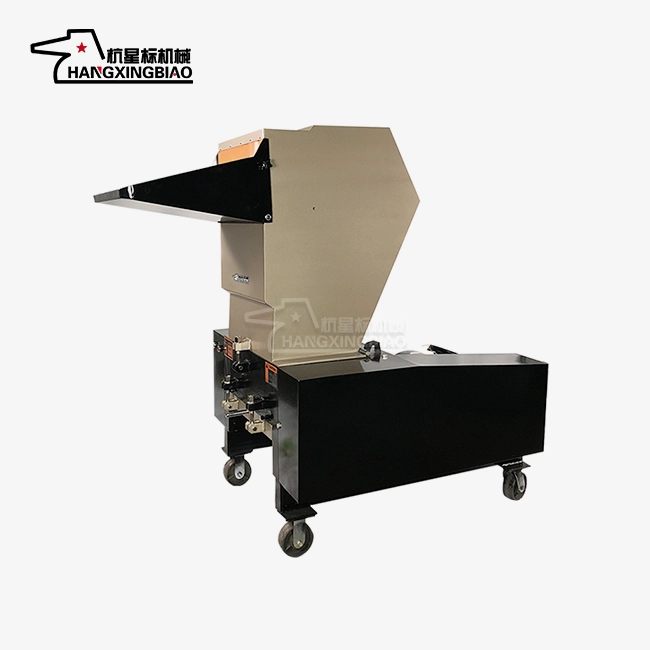
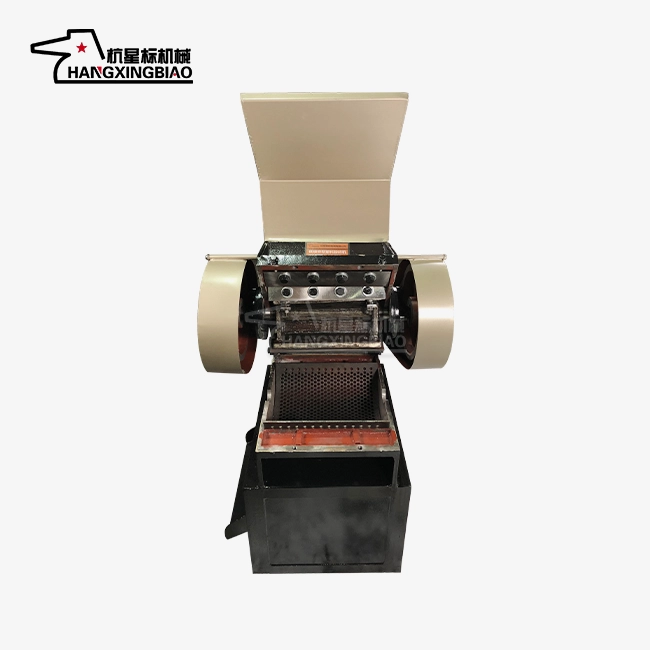
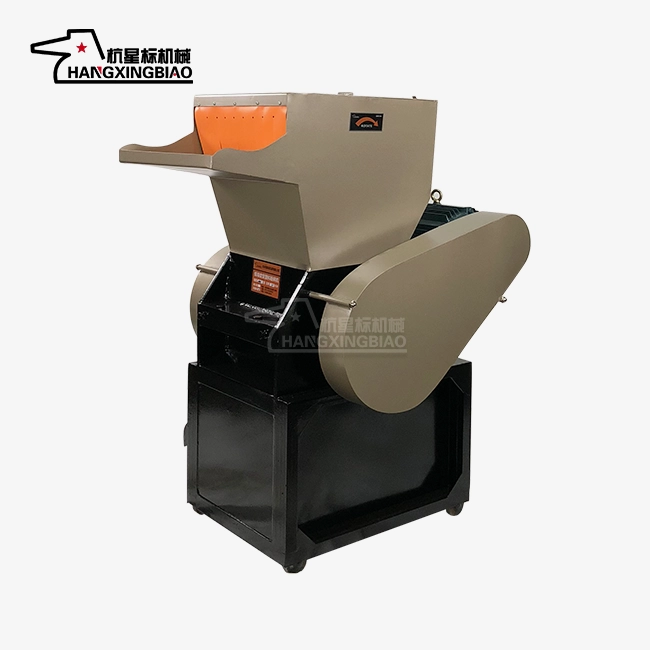
Equipment made for demanding plastic processing use is needed to cut down on upkeep costs and stop production interruptions. The long-life blade crusher systems from Xingbiao are the result of 30 years of specialized engineering that has only been used in the plastic breaking industry. Our goods are made of strong riveted steel that has been treated to relieve stress, SKD-11/D2 blade materials that have been vacuum-heated, and cavity designs that make them more efficient by over 20% while using less energy. Our engineering team creates setups that meet your exact operating needs. This includes large-diameter crushers for big parts, high-power systems for use next to the press, and custom solutions for difficult materials.
We provide crushing solutions that result in quantifiable performance gains to plastic product makers, recycling operations, and providers to large companies. Our 20-person tech team helps you make the right choice, creates unique configurations, and provides full installation support, with 24-hour response times. Visit www.xingbiaocrusher.com to learn more about our full product line and get in touch with a manufacturer dedicated to your business's success, or email us at xingbiaocrusher@xingbiaocrusher.com to discuss how our specialized crusher systems can enhance your operations.
References
1. Chen, W., & Liu, H. (2023). Advanced metallurgy in industrial blade systems: Material science approaches to extended service life. Journal of Manufacturing Technology, 45(3), 178-195.
2. Industrial Crusher Association. (2024). Comparative lifecycle cost analysis: Standard versus premium blade systems in plastic processing applications. Annual Technical Report, 112-134.
3. Martinez, R. (2023). Predictive maintenance strategies for plastic crushing equipment: Reducing downtime through systematic inspection protocols. Recycling Equipment Quarterly, 28(2), 67-82.
4. Thompson, K., & Zhang, Y. (2024). Energy efficiency improvements in modern plastic size reduction equipment. International Journal of Sustainable Manufacturing, 19(1), 45-61.
5. United States Environmental Protection Agency. (2023). Best practices for plastic waste processing equipment: Operational guidelines for recycling facilities. EPA Publication 530-R-23-002.
6. Wilson, D. (2024). Total cost of ownership analysis for industrial crushing systems: A procurement manager's guide. B2B Equipment Review, 31(4), 23-38.
Learn about our latest products and discounts through SMS or email