- English
- French
- German
- Portuguese
- Spanish
- Russian
- Japanese
- Korean
- Arabic
- Greek
- German
- Turkish
- Italian
- Danish
- Romanian
- Indonesian
- Czech
- Afrikaans
- Swedish
- Polish
- Basque
- Catalan
- Esperanto
- Hindi
- Lao
- Albanian
- Amharic
- Armenian
- Azerbaijani
- Belarusian
- Bengali
- Bosnian
- Bulgarian
- Cebuano
- Chichewa
- Corsican
- Croatian
- Dutch
- Estonian
- Filipino
- Finnish
- Frisian
- Galician
- Georgian
- Gujarati
- Haitian
- Hausa
- Hawaiian
- Hebrew
- Hmong
- Hungarian
- Icelandic
- Igbo
- Javanese
- Kannada
- Kazakh
- Khmer
- Kurdish
- Kyrgyz
- Latin
- Latvian
- Lithuanian
- Luxembou..
- Macedonian
- Malagasy
- Malay
- Malayalam
- Maltese
- Maori
- Marathi
- Mongolian
- Burmese
- Nepali
- Norwegian
- Pashto
- Persian
- Punjabi
- Serbian
- Sesotho
- Sinhala
- Slovak
- Slovenian
- Somali
- Samoan
- Scots Gaelic
- Shona
- Sindhi
- Sundanese
- Swahili
- Tajik
- Tamil
- Telugu
- Thai
- Ukrainian
- Urdu
- Uzbek
- Vietnamese
- Welsh
- Xhosa
- Yiddish
- Yoruba
- Zulu
How to change the screen of a plastic crusher machine?
Changing the plastic crusher screen is an easy maintenance job that has a direct effect on the quality of the product and how well the machine works. The screen under the spinning blades controls the particle size by only letting material that has been properly crushed leave the room. When the screen is worn, torn, or jammed, the output goes down, particle sizes become less consistent, and more energy is used. To replace it, you have to turn off the machine, remove the bolts that hold the old screen in place, carefully remove it, carefully install a suitable new screen in perfect alignment, and run a test to make sure that the machine works properly again.
Understanding the Plastic Crusher Screen and Its Role
How Screens Control Particle Output
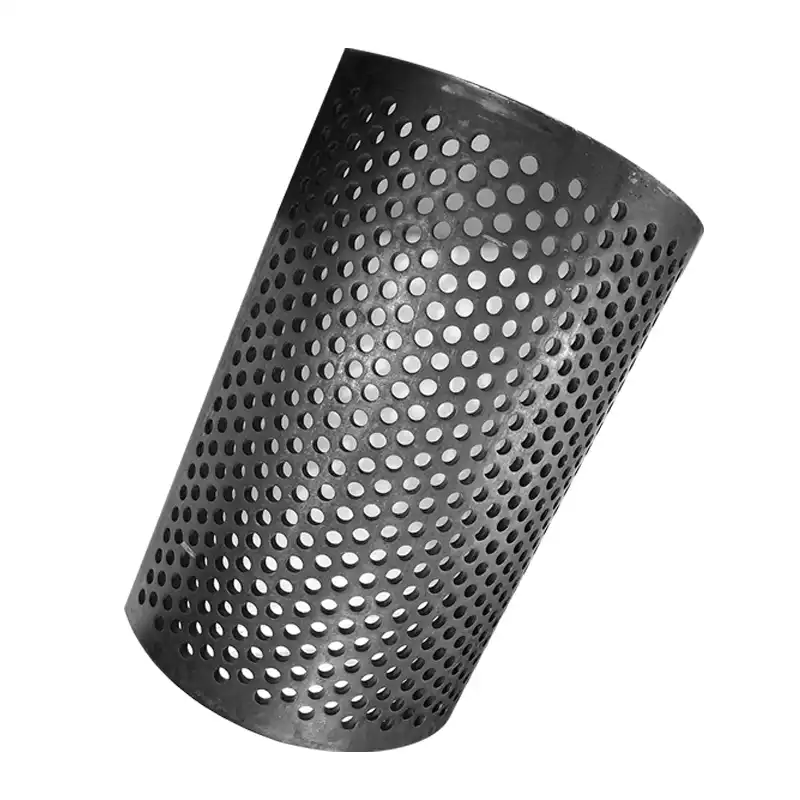
The screen is placed in the lower part of the crushing cylinder and works as a precise filter. Plastic is torn into pieces that fall to the screen as spinning blades cut them up against fixed counter-knives. Particles smaller than the screen holes can get through and out of the machine. Larger pieces stay inside for more cutting rounds. This system makes sure that the particles are spread out evenly, which has a direct effect on how well recovered material works in later manufacturing processes. Plastic crusher screen opening sizes are usually between 6 mm and 20 mm, but can be different based on the need. For injection moulding material, smaller apertures make particles that are finer, while bigger apertures work better when speed is more important than particle consistency. The material of the screen, which is usually high-carbon steel or stainless steel, has to be able to stand up to constant wear and tear from plastic bits and corrosion from the working environment.
Material Selection and Durability Factors
Stainless steel screens are better at resisting rust than other materials, so they can be used to process materials that are wet or in humid places. Alternatives made of high-carbon steel are stronger and last longer, but they cost more and need to be inspected more often in acidic circumstances. The thickness of the screen affects both how long it lasts and how much material it lets through. Thick screens can handle heavier loads for longer, but they may slow down output a little more than smaller ones. Mesh design can be either cut hole patterns or knitted wire patterns. Punched screens have uniform opening sizes and work well with rough materials. Woven screens, on the other hand, are more flexible and easier to clean when working with soft plastics or films. Knowing these differences in material and design will help you choose screens that are right for your breaking needs and the area where they will be used.
When and Why to Change the Plastic Crusher Screen
Recognising Performance Decline Indicators
Several clear signs let you know when the plastic crusher screen needs to be replaced. Particle size uniformity is broken when you can see wear patterns like long holes, frayed edges, or surface cracks. These patterns let extra-large pieces get into your output. If production data shows that flow has gone down even though feeding rates are normal, it's usually because the screen is clogged or partially blocked and cleaning it won't fix the problem completely. Spikes in the amount of energy used are another red flag. When screens get partially blocked, motors have to work harder to keep the rotor speed up. This uses more power and makes less output that can be used. Quality control teams may say that there is more variation in particle size or contamination, which means that the purity of the screen has been compromised beyond what is allowed.
Consequences of Delayed Replacement
When you use screens that aren't working properly, problems start to spread through your production system. When screens get torn, bits that are too big can get into equipment further down the line, which could damage extruders, pelletizers, or shaping machines that are set up to handle certain input sizes. The uneven flow of material puts uneven stress on the parts of the crusher, speeding up the wear on bearings, shafts, and blade groups that are much more expensive to repair than screens. When screens get blocked or broken, they make the rotors work against the buildup of material, which causes too much heat and vibration. This kind of mechanical stress shortens the life of bearings and could lead to shaft failure before its time. When these things go wrong in places that are always running, they cause unplanned downtime that messes up production plans and makes customers less confident in delivery promises.
Step-by-Step Process to Change the Screen of a Plastic Crusher Machine
Safety Preparation and Machine Shutdown
Start every plastic crusher screen change with a full list of safety rules. Turn off the power at the main breaker and use lockout-tagout methods to keep the machine from starting up by chance while maintenance is being done. Use a multimeter or voltage tester to make sure the state of zero energy is correct before moving on. If the crusher was just used, give it enough time to cool down. Internal parts may still be hot, which can cause burns. Get rid of any tools and materials that aren't needed in the work area to keep people from tripping. Get the tools you need, like the right wrenches, new screens, cleaning supplies, and safety gear for yourself. Wearing cut-resistant gloves protects your hands from the sharp edges of the screen, and safety glasses protect your eyes from falling pieces while you're taking it apart.
Removing the Existing Screen
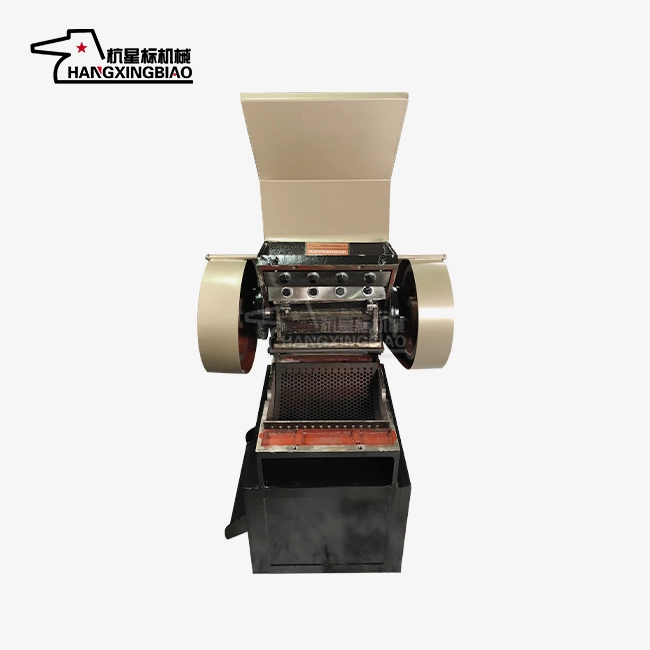
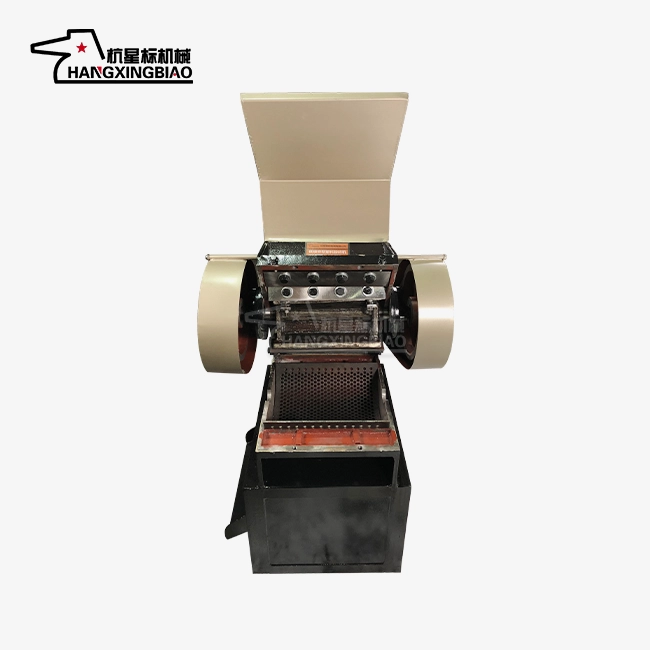
Most crushers have frames or clamps that hold screens in place with bolts and don't need any tools to be removed. Find the locking device, which is usually placed around the edge of the release chute. Loosen the nuts in a cross-pattern so that the frame doesn't warp, and then carefully lift the holding frame off. Plastic dust on the old screen may cause it to stick to sealing surfaces. A soft tap with a rubber mallet can usually free stuck screens without hurting the mounting surfaces. After taking the screen off, carefully check the place where it was mounted. If you see plastic dust, melted material, or metal pieces, you need to clean the area before putting in the new one. Clean the mounting surfaces, bolt holes, and chamber areas next to them with the right brushes and compressed air. This step of cleaning keeps the new screen from not sitting properly, which could lead to premature wear or particle leaks.
Installing the New Screen
Carefully place the new screen so that it faces the right way in relation to the flow of material. Some screens have directional patterns that work best with certain types of discharge; putting them backwards makes them less effective. Make sure that the sides of the screen are perfectly lined up with the fixing surfaces and that the holes are level and not blocked by frame parts. Put the retaining frame back in place and start hand-tightening the bolts that hold the frame in place before adding the final force. Spread the clamping force out evenly by using a cross-pattern tightening procedure. This will keep the screen from breaking or the frame from distorting. Check the manufacturer's instructions for the right pressure values. If you tighten them too much, the screen could get damaged, and if you tighten them too little, material could leak out.
Verification and Test Operation
Before turning the power back on, make sure that all of the tools and repair supplies have been taken out of the crusher. Do a first test run with no load on the plastic crusher screen that lasts a few minutes and listen for any strange noises or rattling that could mean the screen wasn't installed correctly. Check the output area for any material that might be leaking around the edges of the screen. Slowly add material at lower feed rates while keeping an eye on the quality of the result. Check the uniformity of the particle size distribution across several samples. This careful start-up method finds installation problems before full production loads put stress on the new screen, so fixes can be made that keep it from getting damaged.
Maintenance Tips for Plastic Crusher Screens to Extend Lifespan
Implementing Regular Cleaning Protocols
Setting up regular cleaning plans stops performance from slowly getting worse, which might not be noticed until big problems happen. Weekly reviews during planned breaks in production make it easy to quickly check the state of the screen and remove any built-up material. Soft-bristle brushes are good at getting rid of plastic dust without scratching the screen, and moderately pressurised air clears out the holes. Do not use harsh cleaning methods that make wear happen faster. Wire brushes, metal scrapers, and high-pressure water sprays may look like they would work well, but they actually hurt screen surfaces by making them rough, which makes it easier for material to build up. When working with materials that make static electricity, like PET films, regular anti-static treatments keep the best flow properties and lower the binding of particles.

Preventative Inspection Strategies
In addition to cleaning, regular checks find problems as they start to happen before they get worse and cause failures. Plastic crusher screens should be carefully checked every month, with measures and photos taken to record their state. This will create a baseline that shows how wear happens over time. Pay close attention to areas with a lot of stress close to discharge holes, where fast-moving materials combine abrasive forces. Measuring the aperture measurements in different places on the screen shows uneven wear, which could mean that the material isn't being distributed correctly or there are problems with the blade orientation that need to be fixed. If you catch these problems early, you can protect not only the screen but also more expensive parts of the crusher that can be damaged by loads that aren't balanced. Tracking the service life of screens made of different materials and in different working situations helps improve when they need to be replaced and how much they cost.
How to Choose the Right Plastic Crusher Screen for Your Business
Assessing Your Operational Requirements
To choose the right plastic crusher screens, you must first know what kind of work you need. Many choices are based on the properties of the material. For example, rigid plastics like PVC lines need screens that are strong enough to handle high impact forces, while flexible films need designs that keep the material from wrapping around and getting clogged. Goals for production output affect how durable screens need to be; high-throughput operations support premium screens with long service lives that reduce the number of times they need to be changed. The output particle specifications directly affect the choice of opening size. For injection moulding, applications that need fine, uniform particles need smaller openings and maybe even finer mesh patterns, which means that production rates will be a little lower. On the other hand, processes that make regrind for less demanding uses can use bigger apertures that put processing speed over particle consistency.
Evaluating Screen Specifications and Supplier Capabilities
Quality screens have consistent apertures, the same width of material, and well-finished edges that keep installation damage from happening. It is easier to compare products accurately when you ask for precise specs such as material certificates, dimensional tolerances, and expected service life ranges. Be wary of screens that seem to be incredibly cheap because they might be made with poor materials or inconsistent methods. Those savings quickly disappear when early failures stop production. As important as product specs are, supplier help skills are just as important. Reliable partners keep enough stock of popular sizes, offer fast shipping in case of situations, and offer expert advice to help you match screens to your application needs. Building partnerships with makers who know the problems your industry faces, whether you're processing used packaging or industrial waste, gives you access to knowledge that improves crusher performance in ways that go beyond just providing parts.
Hangzhou Xingbiao Machinery has been a leader in plastic crusher technology for thirty years, giving us a level of knowledge that other companies that sell tools can't match. Our engineering team works directly with clients to choose screens that work best with the blade shape and chamber designs of our crushers. This makes the screens last longer and produce better results. With this focused approach, you're not just buying new parts; you're also getting access to 30 years of specialised knowledge that has been built up through relationships with leaders in the field.
Conclusion
Managing the plastic crusher screen correctly is one of the most important parts of handling plastic efficiently. Understanding when replacement is needed, making changes using organised steps, and doing preventative maintenance all work together to cut down on downtime and improve output quality. When choosing a screen, you need to make sure that the material specs and aperture sizes are right for the crushing job, taking into account both short-term performance goals and long-term running costs. By working with specialised makers that offer full technical support, you can take advantage of the knowledge that has been built up over decades of focused development. These steps will help you keep your equipment in good shape, make sure that your production is consistent, and support the operating dependability that competitive manufacturing needs.
FAQ
How often should plastic crusher screens be replaced?
How often the plastic crusher screens need to be replaced depends a lot on their properties, the amount of work it does, and the settings it is used in. Facilities that work with rough materials, like glass-filled plastics, might need to change them every month, while facilities that work with softer materials might only need to do it every three months. Instead of using set plans, it's better to keep an eye on performance factors like throughput rates, particle consistency, and energy consumption to know when to change things. Recording the screen's service life under your specific conditions sets baseline goals that help you plan care better.
Can different mesh sizes be used interchangeably?
Changing grit sizes is technically possible in many crushers, but it changes the whole process further down the line. Smaller openings make particles that are smaller, but they also use more energy and lower the output. Larger openings speed up the process, but they might not produce particles that are evenly distributed, which is needed for apps that care about quality. Before you change the mesh size, you should think about how it will affect the storage, handling, and manufacturing processes that follow. If you don't, you could end up with quality problems or production delays elsewhere in the system.
What causes premature screen failure?
Processing materials that aren't designed to work with the crusher, not cleaning it well enough so that material builds up, and installing it wrong so that stress builds up are all common causes. When blades aren't properly maintained, screens have to deal with particles that are too big for them, which speeds up wear. When iron items hit screens at high speeds, they do a lot of damage because of the metal contamination. Strong quality control on arriving materials and regular maintenance of crusher parts as directed by the maker greatly increase the service life of screens.
Partner with Xingbiao for Superior Crushing Solutions
To keep your crusher running at its best, you need more than just new parts. You need to work with a plastic crusher screen maker that knows how hard it is to run your business. Because Xingbiao has only been working on crusher technology for thirty years, they have specific knowledge that other machinery providers can't offer. Our screens work well with crushers that have SKD-11 blades, stress-relieved steel frames, and improved chamber shape, all of which make them more efficient than traditional designs by more than 20%.
Whether you run an injection moulding facility that deals with production waste or a recycling plant that deals with a variety of plastic waste streams, our engineering team can help you find the right screen specs for your needs. We keep a large inventory to make sure that orders are filled quickly, and our technical support team responds within 24 hours to keep your business running smoothly. Talk to our experts at xingbiaocrusher@xingbiaocrusher.com about how Xingbiao's combined crusher and screen options can help you process more materials and keep your costs low.
References
1. Rauwendaal, C. (2014). Polymer Extrusion: Fifth Edition. Munich: Hanser Publications.
2. Harper, C. A. (2006). Handbook of Plastics Technologies: The Complete Guide to Properties and Performance. New York: McGraw-Hill Professional.
3. Goodship, V. (2007). Introduction to Plastics Recycling: Second Edition. Shawbury: Smithers Rapra Technology.
4. Rosato, D. V., & Rosato, M. G. (2012). Plastics Engineered Product Design. Oxford: Elsevier Science.
5. Martínez, J. L. (2018). "Optimisation of Size Reduction Equipment in Plastics Recycling Operations." Journal of Polymer Engineering, 38(7), 645-658.
6. Chen, W., & Liu, H. (2020). "Wear Mechanisms and Service Life Prediction of Crusher Screens in Plastic Waste Processing." Waste Management & Research, 38(4), 412-423.
Learn about our latest products and discounts through SMS or email