- English
- French
- German
- Portuguese
- Spanish
- Russian
- Japanese
- Korean
- Arabic
- Greek
- German
- Turkish
- Italian
- Danish
- Romanian
- Indonesian
- Czech
- Afrikaans
- Swedish
- Polish
- Basque
- Catalan
- Esperanto
- Hindi
- Lao
- Albanian
- Amharic
- Armenian
- Azerbaijani
- Belarusian
- Bengali
- Bosnian
- Bulgarian
- Cebuano
- Chichewa
- Corsican
- Croatian
- Dutch
- Estonian
- Filipino
- Finnish
- Frisian
- Galician
- Georgian
- Gujarati
- Haitian
- Hausa
- Hawaiian
- Hebrew
- Hmong
- Hungarian
- Icelandic
- Igbo
- Javanese
- Kannada
- Kazakh
- Khmer
- Kurdish
- Kyrgyz
- Latin
- Latvian
- Lithuanian
- Luxembou..
- Macedonian
- Malagasy
- Malay
- Malayalam
- Maltese
- Maori
- Marathi
- Mongolian
- Burmese
- Nepali
- Norwegian
- Pashto
- Persian
- Punjabi
- Serbian
- Sesotho
- Sinhala
- Slovak
- Slovenian
- Somali
- Samoan
- Scots Gaelic
- Shona
- Sindhi
- Sundanese
- Swahili
- Tajik
- Tamil
- Telugu
- Thai
- Ukrainian
- Urdu
- Uzbek
- Vietnamese
- Welsh
- Xhosa
- Yiddish
- Yoruba
- Zulu
The Perfect Shredder Machine for Multi-Solid Industrial Waste
To get the best solid waste shredder machine, you need to buy something that can reliably and accurately handle different types of industrial waste, such as plastics, metals, organics, and composites. We know the problems that industrial sites have, like the high costs of downtime, uneven output quality, and broken equipment that has to work at full capacity all the time. While integrating smoothly into current production processes, the ideal shredder is built to last, can handle a variety of materials, and uses minimal energy. This complete guide helps procurement workers find the best shredding option that lowers the amount of trash, gets valuable materials back, and meets environmental standards.
Understanding Solid Waste Shredder Machines: Functionality and Benefits
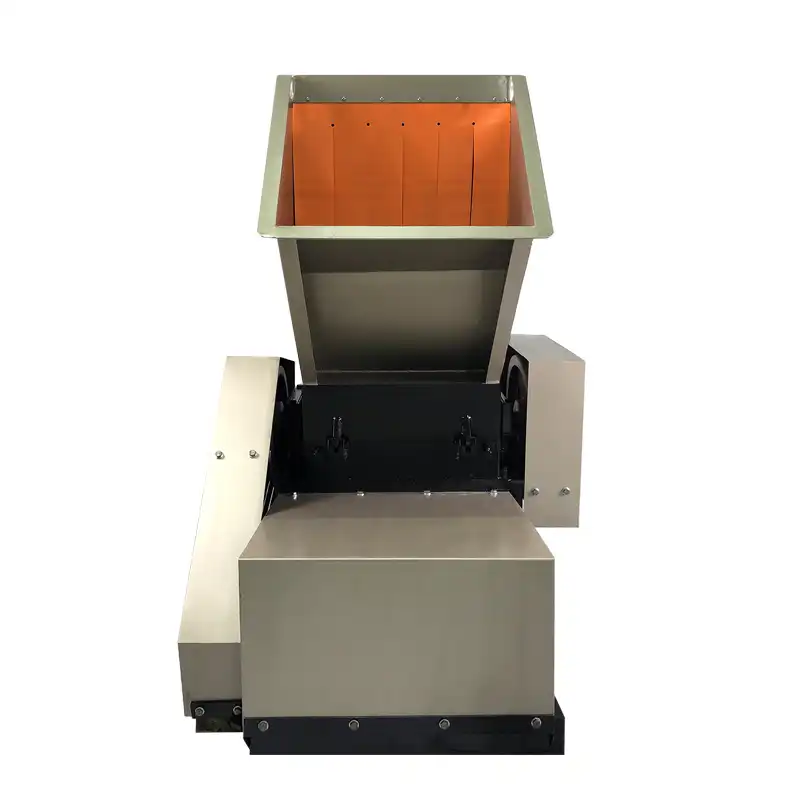
Solid waste shredder machines are designed to break down complicated industrial waste into smaller pieces that are easier to handle. This makes recycling and getting rid of the waste easier. In contrast to crushers, which mostly press materials together, shredders cut and tear trash into regular pieces that can be used again or thrown away.
How Shredding Technology Works
Modern shredders work by cutting through trash with spinning shafts that have cutting blades on them. The mechanical action tears and cuts through a wide range of materials, such as hard plastics, twisted films, metal parts, and living things. Advanced hollow structure design makes sure that materials move smoothly and stops jams that stop work.
Key Benefits Driving Industrial Adoption
Using shredding technology has benefits that go beyond just reducing waste. Shredders reduce the amount of trash by a large amount—often by 70 to 80%. This makes better use of storage space and lowers the cost of shipping. Better recycling recovery rates let sites get back important things like metals and high-quality plastics. By making it easier to sort and handle trash properly, the equipment lowers its impact on the environment. Costs are cut by making operations more efficient, lowering dumping fees, and getting the value of materials back. Adopting shredders is in line with legal requirements and supports circular economy goals in industrial settings. This makes them necessary investments for facilities that want to stay ahead of the curve.
Types of Solid Waste Shredder Machines and Their Industrial Applications
To choose the right shredder technology, you need to know how the different types of machines handle different types of waste. Which shredder configuration works best for you depends on what kind of trash you have: mixed plastics and metals, or organic garbage?
Single-Shaft Shredders for Light to Medium Duty
Single-shaft solid waste shredder machine units have one moving shaft with cutting blades that work against counter-knives that stay in place. These tools are great at dealing with light to medium-duty trash, like plastic bottles, cardboard boxes, and wood goods. Their small size makes them good for places with limited floor space, and the design lets you control the output size by choosing a different screen.
Dual-Shaft Shredders for Heavy-Duty Operations
Dual-shaft shredders have two counter-rotating shafts with cutting blades that fit together. They are made for tough jobs. Tires, metal bits, and big plastic parts are all big and tough things that can be handled by this setup. The slower spinning speed makes a lot of power, which lets the machine work with tough materials without getting too busy. Dual-shaft models work especially well for recycling centers that have to deal with a lot of different types of trash.
Specialized Configurations for Unique Challenges
Along with injection molding tools, high-power shredders work quietly to shred raw material during production cycles. Large-diameter models can handle plastic parts, lines, and die head materials that are too big for smaller units. Customized shredders are designed to handle problems like trash cans, fibers, and farming films that get jumbled up easily and stop normal equipment from working. Standard models offer flexible processing options for sites that deal with different types of trash, making them affordable for small to medium-sized recycling plants.
Real-life examples show how customized shredder solutions improve production productivity and material recovery. Manufacturers of plastic goods use high-power models to fix broken parts without stopping production. Dual-shaft shredders are used in recycling centers to deal with different types of city garbage. Suppliers to big businesses depend on custom setups to keep up output quality that meets strict client requirements.
How to Choose the Perfect Solid Waste Shredder Machine for Your Business
To choose the right shredder, you need to carefully look at your trash type, processing rate, and energy needs. Long-term value is gained from making purchases that fit the capabilities of tools with the needs of operations. Mismatches that cost a lot are avoided.
Assessing Your Waste Profile and Volume
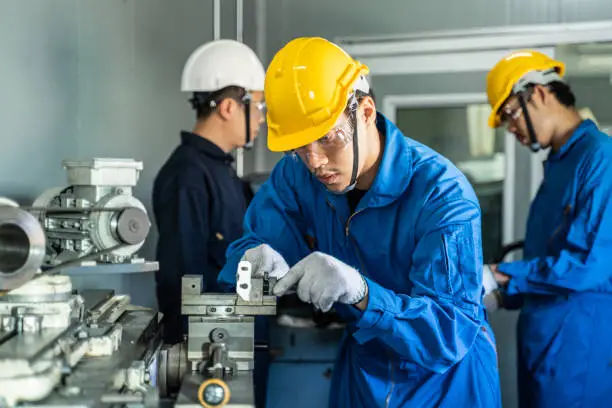
Start by writing down the kinds and amounts of trash your business makes. Look at the properties of the materials: are you working with hard, rigid plastics, soft, tangled films, or a mix of the two? To figure out how much waste needs to be processed, measure how much is generated each day or each month. Find sources of contamination, like metal screws in plastic trash, that the tools must be able to handle without breaking.
Critical Equipment Selection Criteria
Processing speed and output accuracy are based on how much a machine can hold. Check to see if your business needs constant high-volume processing or group processing every so often. Power source efficiency has a big effect on running costs. Electric motors work best in places with stable power, while diesel motors are more flexible and can be used in remote areas or on the go.
Durability Considerations for Continuous Operation
When an industrial facility has more than one shift, it needs tools that can handle long periods of high load. To keep the machine body from deforming over time, it should be made from high-quality, high-strength steel plates that have been treated to relieve stress. Strong building guarantees the same performance year after year, protecting your investment and keeping output schedules.
Flexible Procurement Methods
Based on your financial plan and working timeline, weigh the pros and cons of buying vs. leasing. Leasing keeps money safe for other purchases and gives you access to new technology. When tools will be used for a long time and the building can handle the costs up front, buying it outright makes sense. Some makers offer financing choices that help with both managing cash flow and buying equipment.
These details help buying teams make smart choices that save money and give a good return on investment over time. When you buy equipment that fits your specific needs, it works better, costs less to maintain, and makes you more productive than general options.
Maintenance, Safety, and Operational Guidelines for Industrial Solid Waste Shredders
Thorough upkeep and following safety rules are key to making sure solid waste shredder machines last as long as possible and work safely. When equipment is properly maintained, it works consistently and keeps workers safe from dangers in the workplace.
Routine Maintenance Protocols
Set up regular review times to check the state of the cutting blades, the hydraulic system, and the electrical parts. Bearings and moving parts should be oiled according to the manufacturer's instructions to stop them from wearing out too quickly. When cutting productivity goes down, blades should be sharpened or replaced because dull blades use more energy and cut down on output. Replacing wear parts like screens, seals, and bearings on time keeps expensive breakdowns from happening when things don't work as planned.
Operator Training and Safety Standards
Comprehensive user training makes sure that workers know what the machine can and can't do and how to use it safely. Safety rules should include how to feed materials, what to do in an emergency, and how to do lockout-tagout during maintenance. Cutting rooms that are closed off keep workers safe from debris, and systems that stop damage when materials that are too big for the machine enter it.
Troubleshooting Common Operational Issues
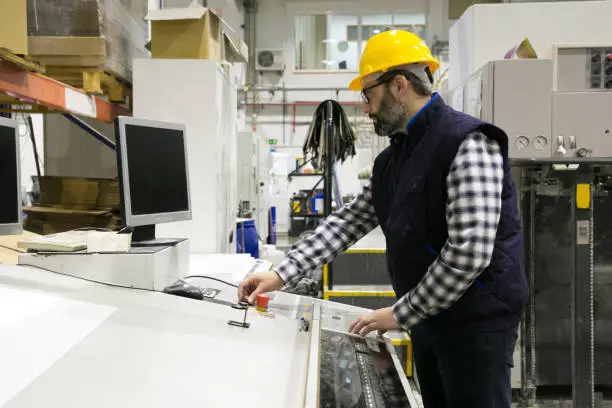
Material jams are usually caused by adding too much, using the wrong size of material, or blade wear. Setting limits on the feed rate and sorting the waste ahead of time can stop most jams. Too much shaking is often a sign of blade imbalance or bearing wear that needs to be fixed right away. A slower processing speed could mean that the motor isn't working right or that the blades aren't sharp enough. Using the manufacturer's insurance and support services can help you figure out how to fix complicated issues, make sure that the shredder always works, and keep your industrial waste processing processes running smoothly.
Procuring Solid Waste Shredder Machines: Trusted Suppliers and Purchase Recommendations
Finding trustworthy makers and approved sellers known for quality, compliance, and after-sales support is the first step in safe buying. When it comes to long-term business success, the relationship with the supplier is just as important as the specs of the tools.
Evaluating Manufacturer Credentials
Look for companies that have a history of being good at shredder technology and a strong commitment to always getting better. Companies that have been making plastic-breaking tools for decades are more likely to have better engineering and dependability than companies that make a lot of different kinds of products. Research and development skills, shown by relationships with other businesses and new technologies, show a dedication to improving shredder performance.
Service and Support Infrastructure
Professional service for a solid waste shredder machine is what sets great providers apart from basic equipment sellers. As part of full support, experts should be available for pre-sales consultations to help with product choices and create unique solutions. Technical support makes sure that the machine is set up correctly and works with other systems during installation. After-sales guarantee promises like answering questions within 24 hours, teaching how to use the equipment, making regular follow-up visits, and keeping enough spare parts on hand protect your investment and keep production running smoothly.
Transparent Pricing and Investment Strategies
Reliable providers set prices that are easy to understand and take into account the costs of shipping, installation, and ongoing support. Options for financing and leasing make it possible to create business plans that fit a wide range of corporate budgets. Comparing options correctly requires knowing the total cost of ownership, which includes things like how much energy they use, how often they need to be maintained, and how long they are expected to last. Important logistics issues like shipping times, skilled installation services, and ongoing technical support have a big impact on the success of the whole procurement process and the deployment of machines.
Conclusion
To find the best solid waste shredder machine, you have to weigh the technical specs, the working needs, and the supplier's abilities. The best solutions fit the durability and adaptability of the equipment to the type of waste being handled and make sure that the machine is fully supported throughout its entire lifecycle. Industrial sites get the most out of working with specialized makers that offer tried-and-true technology, quick service, and new ideas all the time. Procurement pros can get shredders that lower waste management costs, improve material recovery, and help meet environmental compliance goals by carefully examining shredder types, capacity needs, upkeep requirements, and supplier credentials.
FAQ
What factors determine shredding capacity and throughput?
How much material can be shredded relies on the motor's power, the shape of the blades, the form of the cavities, and the material itself. For harder materials like tough plastics, you need motors with more power and blades with a specific shape. The architecture of the feed system also affects throughput; for example, automatic conveyors speed up processes more than human feeding. The best way to use your equipment's ability is to make sure that its specs match your trash profile.
How do shredders differ from compactors and crushers?
Through blade contact, shredders cut and tear materials to make them smaller, producing regular output that can be recycled. Compactors squeeze trash to make it smaller without changing its shape. Crushers don't cut things; they mostly use collision or crushing forces. Each technology is best at a different type of trash handling task. For example, shredders are great at reducing the size of materials for recovery purposes.
Are electric or diesel models more energy-efficient?
When stable grid power is available, electric models usually use less energy, have lower running costs, and put out fewer pollutants. Diesel choices give you more operating freedom for remote areas or mobile apps, but they use more fuel per unit of material processed. Local power prices, operational schedules, and environmental effect goals should all be taken into account in a full energy efficiency review.
Partner with Xingbiao: Your Trusted Industrial Waste Shredder Manufacturer
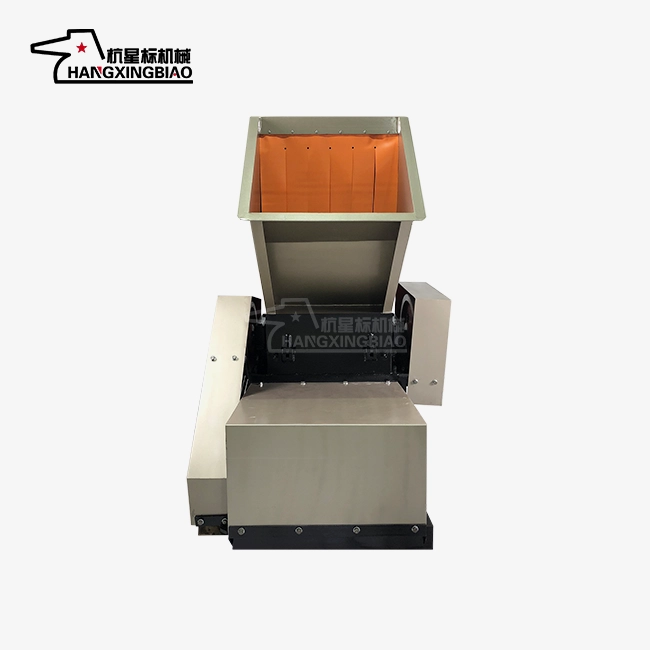
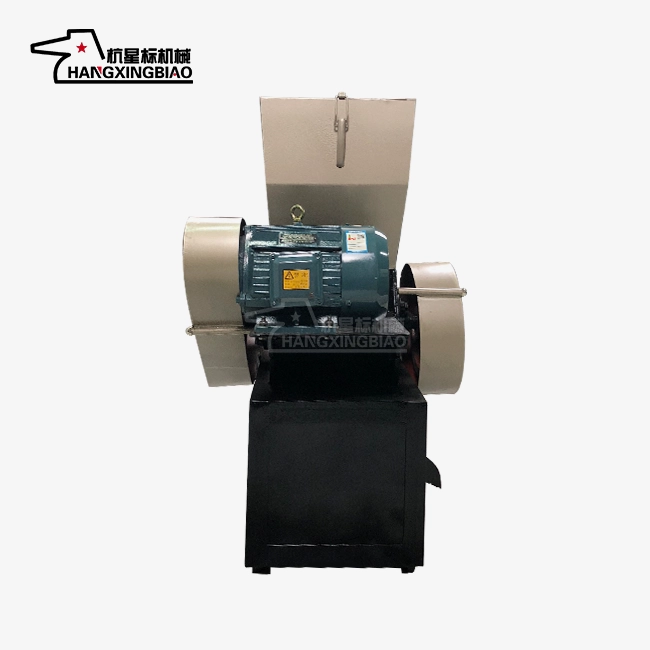
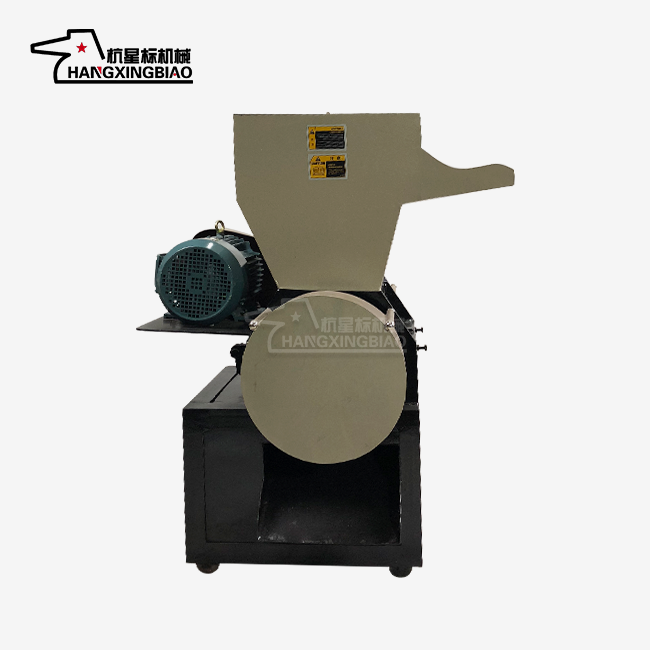
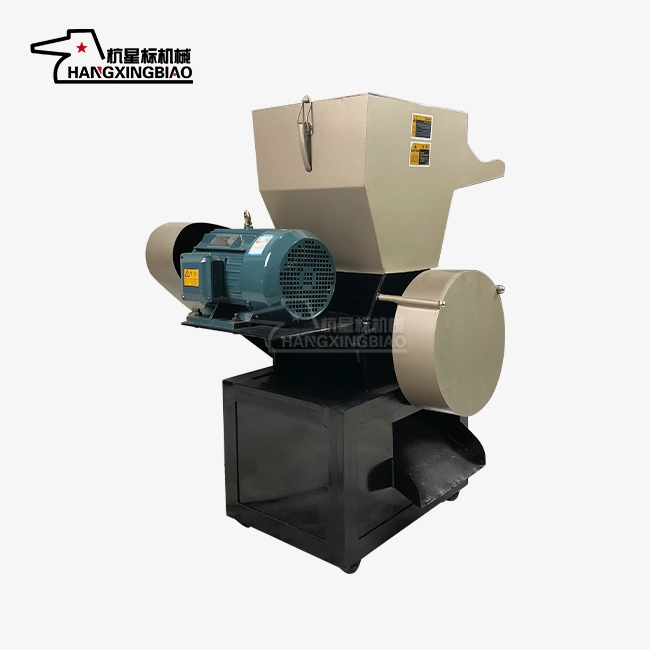
All over the United States, businesses need solid waste shredder machines that work well, are reliable, and last a long time. Hangzhou Xingbiao Machinery Co., Ltd. has been researching, developing, and making plastic crushers for thirty years. We are one-of-a-kind experts in our field because we focus on a single area. Instead of spreading our knowledge across many product lines, we keep building it up.
Twenty top engineers on our team work with big names in the industry, like Nongfu Spring and KFC, to make sure that our equipment meets the highest standards for operation. The strong structure starts with high-quality, high-strength steel plates that are bonded together and given extra support to make sure they don't bend while they're in use. Core blades made from SKD-11 and D2 mold steel go through vacuum heat treatment and deep cryogenic processing. This gives them great strength and wear resistance, which greatly increases their service life. Compared to regular equipment, the unique blade shape and hole structure design make the crushing process over 20% more efficient. At the same time, better motor matching lowers the amount of energy used.
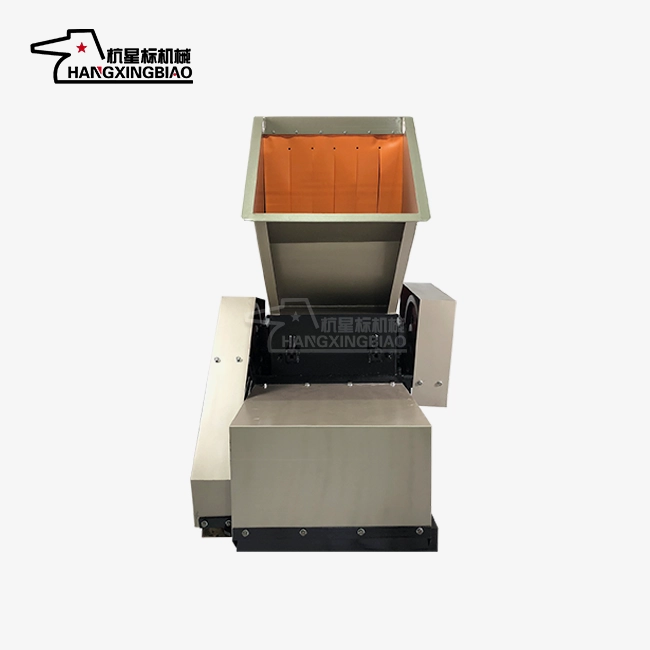
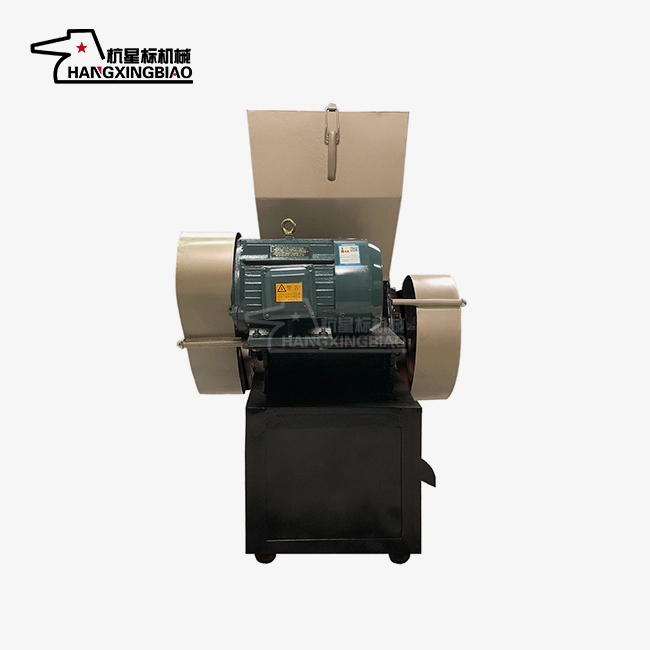
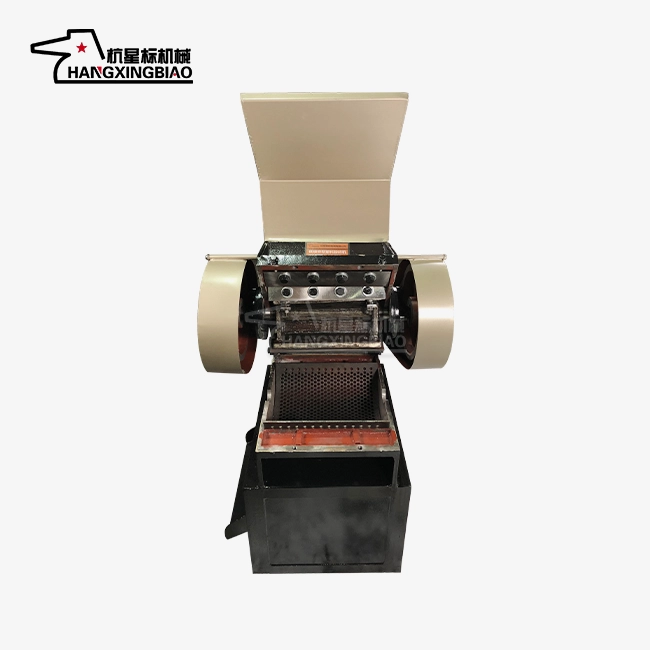
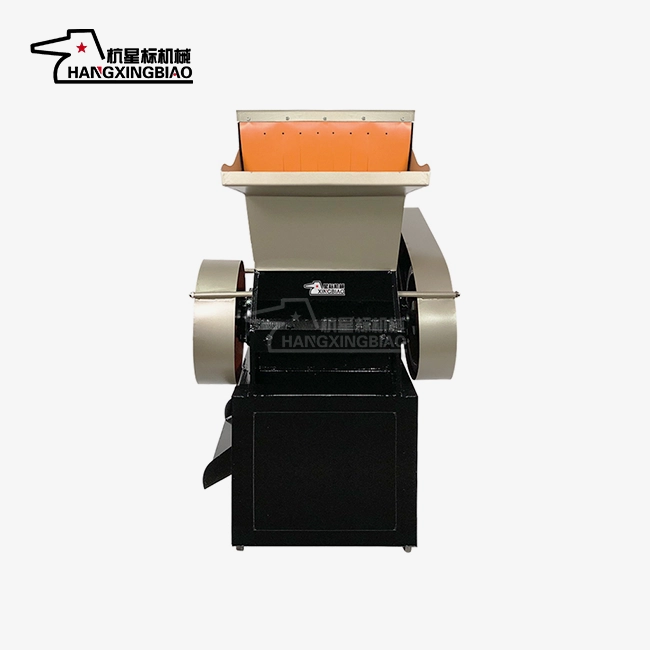
Our wide range of products meets the needs of many different industries. Bigger plastic parts, lines, and die head materials can be processed by large-diameter models. For reusing sprues at the same time, high-power, low-noise units are built next to injection molding machines. Standard crushers can easily and cheaply break down a wide range of leftover materials. Customized setups make it easier to deal with tough situations like jumbled films, big trash cans, and tires. Quick-change screen structures and open designs make it easy to clean and fix problems, which cuts down on downtime.
We take care of the whole process, from the first meeting to ongoing help. Professional engineers give you personalized selection help and solutions that are made to fit the type of trash you have. Our promise includes responding within 24 hours, helping with installation, teaching operators, making regular follow-up visits, and keeping an inventory of extra parts. To find a solid waste shredder machine provider with reliable technology and quick service, email xingbiaocrusher@xingbiaocrusher.com or go to www.xingbiaocrusher.com to learn more about how our specialized knowledge can help you with your industrial waste problems.
References
1. Miller, J.R. (2023). Industrial Waste Shredding Technology: Engineering Principles and Applications. Technical Publishing House.
2. Anderson, K.L. & Thompson, M.D. (2024). "Optimizing Shredder Selection for Multi-Material Waste Streams," Journal of Industrial Waste Management, 18(3), 245-267.
3. National Waste & Recycling Association (2023). Best Practices for Industrial Shredder Operation and Maintenance. Industry Standards Publication.
4. Roberts, S.P. (2022). Circular Economy Implementation in Plastics Processing Industries. Environmental Engineering Press.
5. Chen, W.H. & Rodriguez, A.M. (2024). "Energy Efficiency Analysis of Modern Waste Shredding Systems," Sustainable Manufacturing Review, 12(1), 89-112.
6. Industrial Shredder Manufacturers Association (2023). Equipment Selection Guide for B2B Procurement Professionals. ISMA Technical Report Series.
Learn about our latest products and discounts through SMS or email