- English
- French
- German
- Portuguese
- Spanish
- Russian
- Japanese
- Korean
- Arabic
- Greek
- German
- Turkish
- Italian
- Danish
- Romanian
- Indonesian
- Czech
- Afrikaans
- Swedish
- Polish
- Basque
- Catalan
- Esperanto
- Hindi
- Lao
- Albanian
- Amharic
- Armenian
- Azerbaijani
- Belarusian
- Bengali
- Bosnian
- Bulgarian
- Cebuano
- Chichewa
- Corsican
- Croatian
- Dutch
- Estonian
- Filipino
- Finnish
- Frisian
- Galician
- Georgian
- Gujarati
- Haitian
- Hausa
- Hawaiian
- Hebrew
- Hmong
- Hungarian
- Icelandic
- Igbo
- Javanese
- Kannada
- Kazakh
- Khmer
- Kurdish
- Kyrgyz
- Latin
- Latvian
- Lithuanian
- Luxembou..
- Macedonian
- Malagasy
- Malay
- Malayalam
- Maltese
- Maori
- Marathi
- Mongolian
- Burmese
- Nepali
- Norwegian
- Pashto
- Persian
- Punjabi
- Serbian
- Sesotho
- Sinhala
- Slovak
- Slovenian
- Somali
- Samoan
- Scots Gaelic
- Shona
- Sindhi
- Sundanese
- Swahili
- Tajik
- Tamil
- Telugu
- Thai
- Ukrainian
- Urdu
- Uzbek
- Vietnamese
- Welsh
- Xhosa
- Yiddish
- Yoruba
- Zulu
Why You Need a Water Injection Plastic Granulator?
When handling a lot of plastic bottles and stiff containers, it's hard to keep the particle sizes the same and keep the heat from building up. This need can be met by a plastic bottle granulator that has water input technology. This technology cools the materials while they are being granulated, which lowers the heat stress that can break down polymer chains. This technology improves throughput, makes blades last longer, and cleans the output with fewer fines. It is important for makers and recyclers who work with PET, HDPE, and other bottle-grade plastics and need precise and reliable size reduction operations.
Understanding Water Injection Plastic Granulators and Their Working Principle
Water injection granulators are a big step forward in technology for reducing the size of things. They are especially useful for cleaning used bottles and industrial scrap from injection molding operations. A constant water spray system is built right into the cutting area of these machines. This changes how plastics behave during the granulation process.
Core Components and Operation Steps
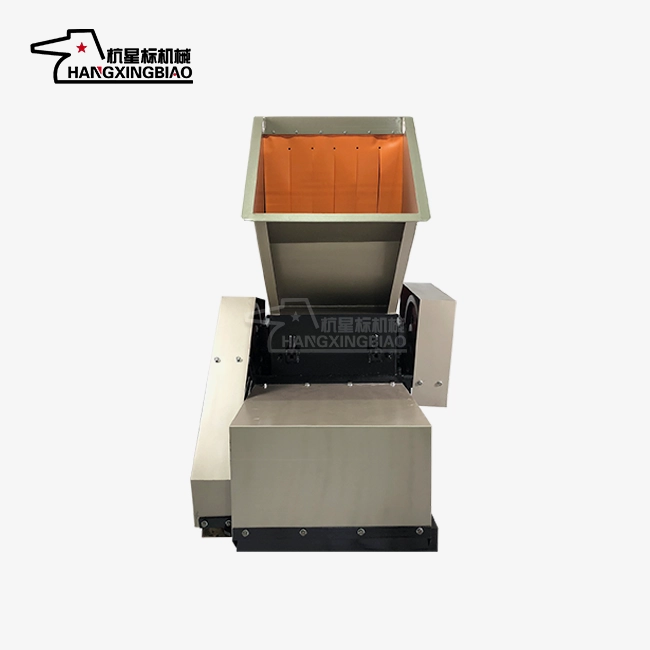
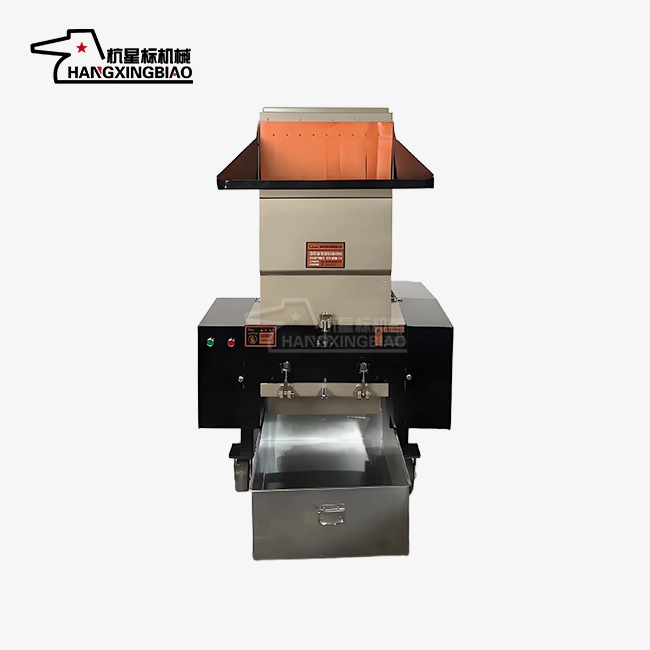
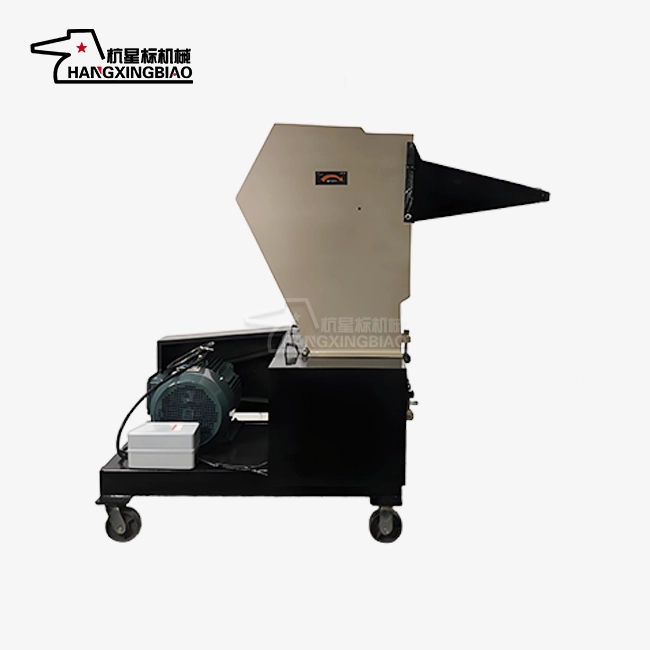
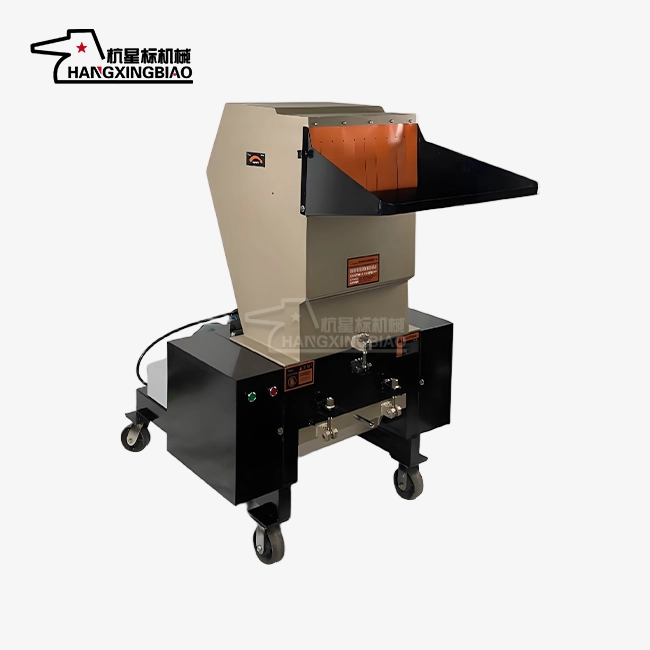
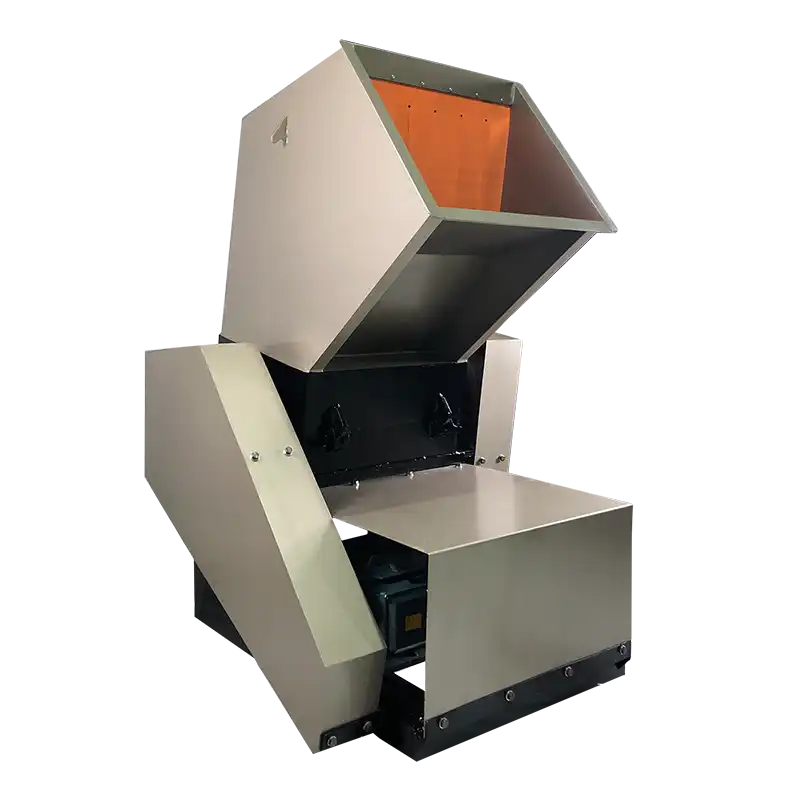
A strong cutting cylinder with precision-ground blades grouped in a V-pattern or staggered arrangement is at the heart of the basic design. The water pumping system has tubes placed around the rotor assembly in a way that creates a controlled mist or stream while the machine is running. The material goes into a feed bin, meets the spinning blade assembly, and is cut and cooled at the same time. The cooling effect stops the polymer from softening, which happens a lot during dry granulation. This makes the cuts smoother, and the particle shapes more regular. The treated material comes out of a screen, and the water drips off to be filtered and used again.
How Water Injection Reduces Heat and Static
During normal granulation, the friction between the blades and the plastic makes a lot of heat, which is often higher than the temperature at which most bottle materials turn into glass. This buildup of heat makes the material smear instead of breaking neatly, making pieces that aren't round and have rough edges. Injecting water directly at the cutting point gets rid of this heat, keeping the material weak so that it breaks cleanly. The wetness layer also cancels out the static charges that hold small particles to the chamber walls or make them stick together. This makes the discharge more even and lowers the number of times the chamber needs to be cleaned.
Granulator Types Supporting Water Injection
For different operating needs, different equipment combinations are needed. Standard water injection granulators can recycle a wide range of bottles and can handle throughputs of 500 to 2,000 pounds per hour, making them ideal for small to medium-sized recycling businesses. When compared to regular designs, high-efficiency models have better throughput because they have optimized blade shapes and faster rotor speeds. This makes them perfect for big manufacturing facilities that run continuous shifts. Manual systems need help from an operator to change the water flow and add materials, but they are cheaper for businesses with flexible production plans. Automatic models have PLC controls that change the water flow rates based on temperature monitors and the rate at which materials are fed. This makes sure that the machines work at their best without needing to be watched all the time.
Key Benefits of Using Water Injection Plastic Granulators in Plastic Bottle Recycling
Knowing the real benefits of water-assisted granulation helps procurement leaders decide whether to spend and predict how operations will get better. The technology has measured benefits across a number of performance areas that have a direct effect on making money.
Superior Material Quality and Reduced Contamination
Injecting water into a plastic bottle granulator makes grains that are all the same size and have smooth sides, which is important for extrusion and molding processes that come after. When material temperatures go above safe working limits, polymers break down. The cooling effect stops this from happening. Recycling centers have found that using water to help granulate materials keeps them from turning colors about 35% less than when they are used dry. The washing action also gets rid of surface impurities like leftover label adhesive and drink, which makes the next cleaning steps easier. This benefit is especially useful for buyers who care about product quality when they are sending recycled content to FMCG brands with strict standard needs.
Energy Efficiency and Operational Cost Savings
Water helps cool things down, which means motors can work with less load because they need less energy to beat the resistance of materials that have been weakened by heat. When facilities move from dry to water injection methods for processing bottles, they say their energy use drops by 12 to 18%. The longer blade life (often twice the time between service intervals) means lower tooling costs and fewer breaks in production for blade changes. These savings add up over the course of an average five-year equipment lifecycle. This improves the return on investment estimates that the finance and operations teams look over carefully during the approval processes for capital equipment.
Extended Equipment Lifespan and Lower Maintenance
Less heat stress has an effect on both the material being handled and the parts of the machine. Bearings, seals, and drive systems don't go through as many cycles of heat expansion and contraction, which can cause them to wear out faster and cause alignment problems. Maintenance records from factories that use water injection technology show that unplanned downtime is 40% less than with dry milling equipment of the same type. The water's greasing qualities also keep the blade tips and chamber walls from touching metal, which keeps the tolerances tight and the cutting efficiency high for the whole life of the equipment.
Comparing Water Injection Plastic Granulators with Other Granulation Solutions
Before you can choose the right size reduction tools, you need to know how different technologies work in different situations. Clear comparisons that match the skills of equipment to specific practical needs are helpful for procurement teams.
Water Injection Versus Standard Dry Granulators
Standard granulators don't help with heat control; they only use mechanical cutting. They work well with materials that reflect heat at high temperatures, but not so well with bottle-grade PET and thin-wall HDPE containers that get soft quickly when they rub against each other. Thermal imaging tests show that water injection methods keep room temperatures 8 to 12°C cooler while they are working. As output goes up, this temperature control becomes more and more important. Larger machines that make more frictional heat gain proportionally more from water cooling. The trade-off is a little more expensive equipment up front and the need for infrastructure for recirculating water. However, the practical benefits usually make these investments worth it for medium- to large-sized businesses that prepare more than 10,000 pounds of food every day.
Granulators Versus Shredders in Recycling Workflows
Shredders have cutting systems with lower speeds and higher torques that are intended to reduce the original size of bulky things like whole bales or big containers. They make strips and chunks that aren't straight and are usually 2 to 6 inches long. Granulators work faster and have blades that are precisely ground. They make regular pieces that are 8 to 20 millimeters long and can be fed directly to extruders or wash lines. Many recycling centers that do a good job use shredders for the first step of reduction and then granulators for the last step of size reduction. Water injection granulators are great for this secondary processing job because they can handle shredders' partly processed materials and make output that meets specifications. By understanding this equipment order, you can avoid misusing it, which can cause poor performance and make operators angry.
Manual Versus Automatic Water Injection Systems
People who work with manual systems for a plastic bottle granulator have to change water taps by looking at them and using their own experience. This means that each person's judgment and attention level will be different. Automatic systems use temperature sensors, pressure transducers, and programmable logic devices to keep the water flow at the right level no matter how skilled the user is or how different the materials are. Automation's uniformity is very helpful for facilities that have multiple shifts with operators with different levels of experience. Smaller businesses with committed, skilled workers may, however, find that manual methods work just fine and don't need the complexity and cost of automated controls. The decision point usually coincides with the amount of work being done—operations that make more than 15,000 pounds of goods every day usually support investing in technology because it leads to more stability and less variation in quality.
How to Choose the Right Water Injection Plastic Granulator for Your Business
To choose tools that meet practical needs, you have to carefully look at a lot of different factors. To avoid costly mismatches between what the equipment can do and what is needed, procurement managers and plant engineers should make this choice in a methodical way.
Evaluating Capacity and Material Compatibility
The equipment decision is based on how much throughput is needed. Find your peak hourly material flow and increase it by 1.3 to account for changes and future growth. This number is your minimum needed capacity. The qualities of the material are also very important. Different crystallinities cause PET bottles and HDPE milk jugs to behave differently during grinding. Suppliers of equipment should give you sample processing data that shows how well their products work with the materials you need. Different blade designs work best with hard materials, while others are better at cutting semi-flexible objects. We've seen that processes that deal with mixed bottle streams do better with general blade shapes, which don't optimize each material as well but do a good job with a wide range of feedstock.
Assessing Supplier Reliability and Service Capabilities
How long equipment lasts and how often it works depend a lot on how well the maker supports it. Hangzhou Xingbiao Machinery has been specializing in crushing and grinding technology for 30 years. This shows that we have a lot of experience in this area. Check to see if providers keep enough spare parts in stock in the United States. Delays in foreign shipping can make downtime last from hours to weeks. Our promise includes answering technical questions 24 hours a day and giving full installation instructions that stop common starting problems. Make sure that providers include user training as part of commissioning the equipment, since the right way to use the equipment has a big effect on both the quality of the output and how long it lasts. Partnerships with big companies like Nongfu Spring show that we can meet the strict needs of the corporate world.
Budget Considerations and ROI Calculation
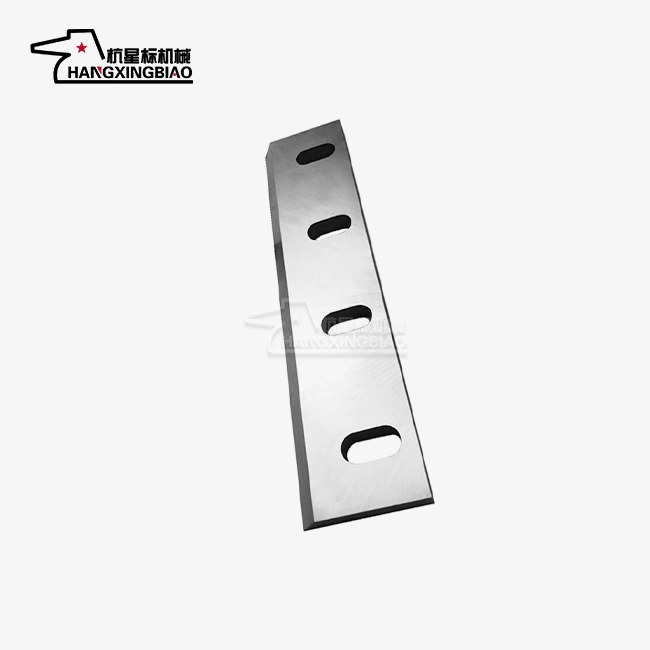
Prices for water injection granulators range from $25,000 to $150,000, based on how much they can handle and how automated they are. Instead of just looking at the purchase price, you should also figure out the overall cost of ownership, which includes how much energy it uses, how much it costs to maintain, and how often the blades are expected to need to be replaced. Compare these numbers to what you're already paying for processing or to what tolling services are telling you. Most places that make more than 8,000 pounds of food every day get their money back in 18 to 30 months. SKD-11 and D2 tool steel blades that have been vacuum heated and frozen are used in our equipment. These blades have a 60–80% longer service life than blades made from other materials. This longevity has a direct effect on your business economics by lowering the cost of replacement parts and reducing the number of production stops.
Ensuring Safety and Optimal Performance: Maintenance Tips and Common Issues
Following the right maintenance procedures will keep tools working well and keep people safe from operating dangers. Setting up systematic processes stops most mistakes before they happen and greatly increases the service life.
Routine Maintenance Practices
Every day checks for a plastic bottle granulator should be made to make sure the water flow rates are right and to listen for strange noises that could mean bearing wear or blade damage. As part of the weekly routine, screens are cleaned and blade tips are checked for chips or wear patterns that are too heavy. Motor mounting bolts need to be checked for proper torque once a month, and electrical lines need to be checked for rust or looseness. The manufacturer's instructions say that the filter in the water recycling system needs to be changed every 500 hours of operation. With our quick-change screen design, you can replace it without any tools in less than five minutes. This cuts down on downtime during regular maintenance. Regularly lubricating bearings as part of a maintenance plan keeps them from breaking down too soon. High-quality synthetic greases can be used between service times longer than regular lubricants.
Troubleshooting Common Issues
Clogging usually happens when there isn't enough water flow or when handling materials that aren't made for that equipment. Check that the water flow meets the minimum standards and look for debris blocking the nozzles. Overheating despite adding water means that the blades are old and need to be replaced, or that the feed rates are too high and the cooling capacity is being exceeded. If material is crossing in the feed throat, it means that the moisture content is too high for free-flowing release. This can be fixed by changing the feed rate or drying the material first. If there is water leaking around the shaft seals, it needs to be fixed right away because bearings break down quickly when water gets in. Our strong steel construction goes through a stress-relief process that keeps the frame from warping even when it's under constant high loads. This gets rid of alignment problems that cause seals to wear out faster than they should.
Safety Guidelines for Water Injection Systems
When water and power tools are near each other, electrical safety comes first. Electrical rules say that all setups must have ground fault circuit interrupters and the right way to ground equipment. Set up lockout-tagout processes for repair work and make sure that guards stay in place while the work is being done. When moving parts are mixed with water, it's easy to slip. Keep the floor around equipment dry by designing drainage systems correctly and following good cleaning practices. Operators should get training on how to shut down in an emergency and how to spot situations that aren't normal. Safety audits done on a regular basis find possible problems before they happen, saving both people and tools.
Conclusion
Water injection granulation technology has clear benefits for businesses that process a lot of plastic bottles and hard containers. Better material quality, less energy use, and longer machine life all add up to strong economics that make investment worthwhile for medium- to large buildings. These systems make specification-grade granules that can be used in challenging applications while keeping the best thermal conditions during size reduction. This is done with minimal operational delays. Careful choice of tools based on specific capacity needs, material properties, and budget limits guarantees a successful implementation that meets both output and financial goals.
FAQ
What plastic materials can water injection granulators process?
Most plastic bottle materials, like PET, HDPE, PP, and PVC, can be handled well by water injection devices. They are especially good at working with materials that break down easily at high temperatures. Some industrial resins and polluted post-consumer streams might need to be washed or pre-sorted first. Talk to the manufacturers of the tools with sample material to make sure they are compatible.
How does water injection affect energy consumption?
When compared to dry granulation of the same material, facilities usually see a 12–18% drop in energy use. Since heat-softened plastic needs more force to cut, the cooling action lowers the load on the motor. Savings depend on the type of material, the rate of production, and how well the machine is working at the start.
Can these systems be customized for specific production needs?
Reliable makers let you change things like the size of the chamber, the way the blades are configured, and the amount of automation to fit your needs. Custom solutions can be made for special materials, to work with current production lines, or to meet specific output needs. Detailed talks about the application during the quote process make sure that the right specifications are met.
Partner with a Trusted Plastic Bottle Granulator Manufacturer
Xingbiao is ready to help you get the most out of your bottle handling with water injection granulation solutions that are built to last in the industrial world. Our 20-person engineering team gives you personalized advice based on the things you need, the amount of work that needs to be done, and your practical limitations. As a specialized plastic bottle granulator supplier, we offer full support, from the original meeting to installation, operator training, and ongoing technical support. Our dedication to greatness in a single area means that you will get equipment that has been improved over the course of 30 years of focused development. Email our team at xingbiaocrusher@xingbiaocrusher.com to talk about your application needs and get a thorough plan that shows how our technology can improve quality, efficiency, and profits in a way that can be measured.
References
1. Plastic Recycling Technologies Handbook, Third Edition. Society of Plastics Engineers, 2021.
2. Energy Efficiency in Plastic Size Reduction Equipment. Industrial Energy Technology Conference Proceedings, 2022.
3. Material Quality Considerations in Post-Consumer PET Recycling. Journal of Polymer Recycling, Volume 28, 2023.
4. Equipment Selection Guidelines for Plastic Recovery Facilities. Association of Plastic Recyclers Technical Report, 2022.
5. Comparative Analysis of Granulation Technologies for Bottle Processing. Plastics Recycling Update Industry Report, 2023.
6. Maintenance Best Practices for Industrial Size Reduction Equipment. Process Machinery Maintenance Quarterly, 2022.
Learn about our latest products and discounts through SMS or email