- English
- French
- German
- Portuguese
- Spanish
- Russian
- Japanese
- Korean
- Arabic
- Greek
- German
- Turkish
- Italian
- Danish
- Romanian
- Indonesian
- Czech
- Afrikaans
- Swedish
- Polish
- Basque
- Catalan
- Esperanto
- Hindi
- Lao
- Albanian
- Amharic
- Armenian
- Azerbaijani
- Belarusian
- Bengali
- Bosnian
- Bulgarian
- Cebuano
- Chichewa
- Corsican
- Croatian
- Dutch
- Estonian
- Filipino
- Finnish
- Frisian
- Galician
- Georgian
- Gujarati
- Haitian
- Hausa
- Hawaiian
- Hebrew
- Hmong
- Hungarian
- Icelandic
- Igbo
- Javanese
- Kannada
- Kazakh
- Khmer
- Kurdish
- Kyrgyz
- Latin
- Latvian
- Lithuanian
- Luxembou..
- Macedonian
- Malagasy
- Malay
- Malayalam
- Maltese
- Maori
- Marathi
- Mongolian
- Burmese
- Nepali
- Norwegian
- Pashto
- Persian
- Punjabi
- Serbian
- Sesotho
- Sinhala
- Slovak
- Slovenian
- Somali
- Samoan
- Scots Gaelic
- Shona
- Sindhi
- Sundanese
- Swahili
- Tajik
- Tamil
- Telugu
- Thai
- Ukrainian
- Urdu
- Uzbek
- Vietnamese
- Welsh
- Xhosa
- Yiddish
- Yoruba
- Zulu
How to Source a High-Quality Plastic Particle Crusher from China?
To get a trusted wholesale plastic particle crusher from China, you need to plan and know about the business. The key is to find manufacturers with strong technical skills, strong quality control methods, and full support after the sale. If you know what kind of material you need to process—injection-molded scrap, tangled films, or mixed plastic waste—suppliers who offer unique breaking solutions instead of standard equipment will be able to help you. Before signing any buy deal, it's important to check the credentials of the manufacturer, make sure that the equipment specs match the needs of the company, and set up clear lines of communication.
Understanding Plastic Particle Crushers: Key Knowledge for Procurement
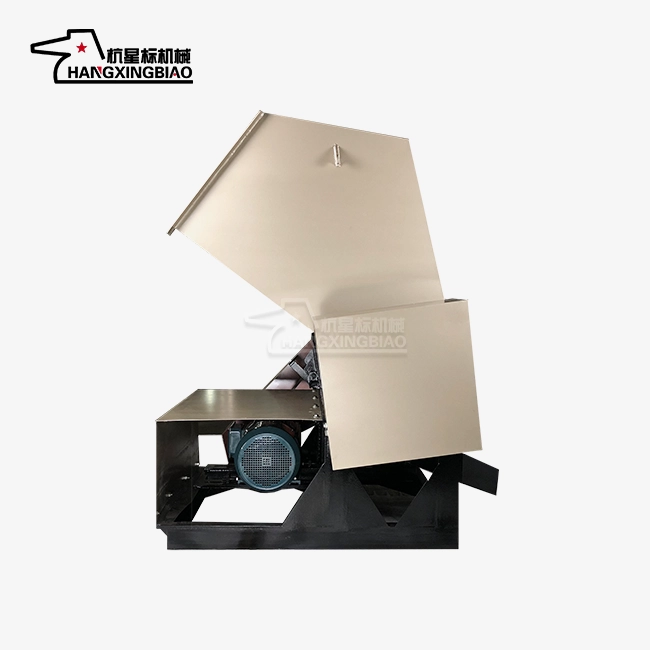
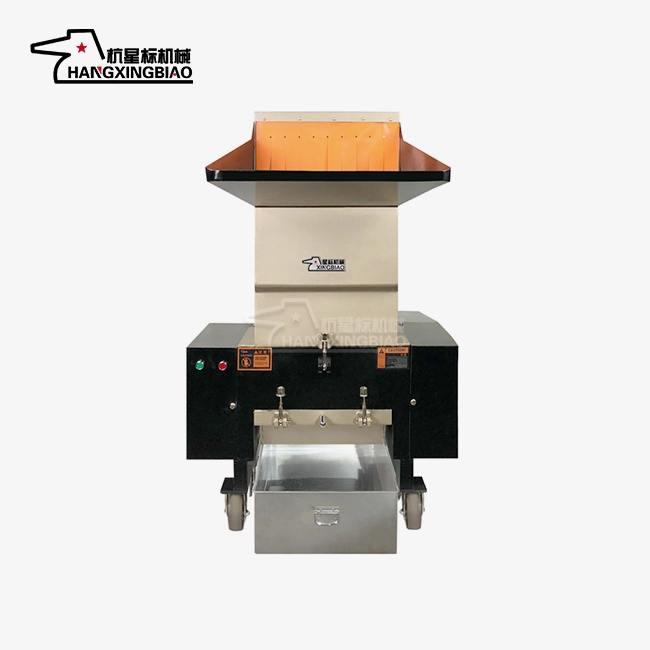
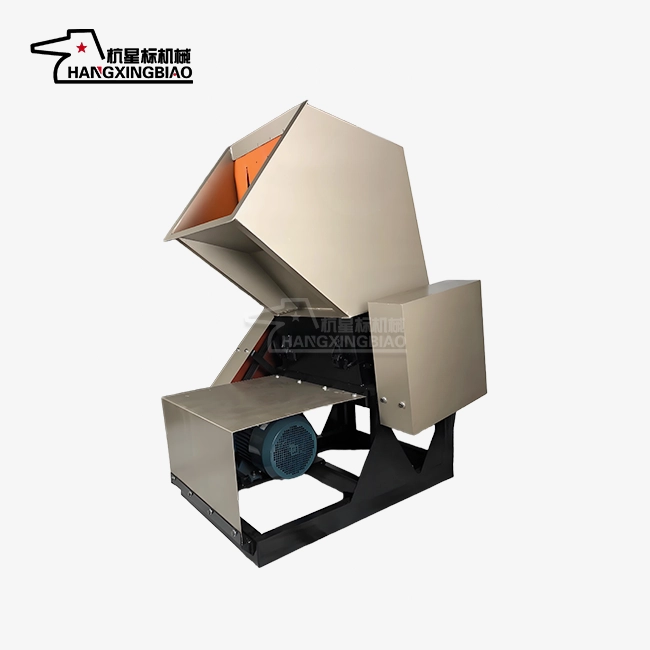
Understanding plastic particle crushers is important for buying things. Crushers for small pieces of plastic are important tools for modern recycling and production. These tools break down plastic trash into smaller pieces that can be easily handled and recycled or thrown away. Its main job is to shred, cut, and crush plastic into regular pieces using strong blades that rotate.
Core Applications Across Industries
Crushers are used in factories to get rid of the scrap metal that is left over from injection molding, extrusion, and blow molding. These tools are used by recycling plants to deal with used plastic items like bottles, containers, and packaging. The machinery turns big amounts of trash into useful materials for new production cycles. This lowers the cost of raw materials and supports efforts to be more environmentally friendly.

Distinguishing Between Crusher Types
Granulators have precise cutting sections made to make particles from hard plastics like styrofoam and acrylic that are clean and uniform. Shredders use strong breaking movements that work well for large amounts of mixed trash. Single-rotor crushers are great at breaking down film and fiber materials that tend to wrap around cutting surfaces. They have reverse features built in to keep them from getting stuck.
Critical Specifications for Performance Evaluation
The working efficiency is based on the throughput capacity, which is recorded in kilograms per hour. A medium-sized recycling plant needs systems that can handle 300 to 500 kg per hour, while a big manufacturing plant might need systems that can handle 1000 kg or more per hour. The breaking force and energy use are closely related to the motor power, which ranges from 7.5 kW to 75 kW. Blade materials have a big effect on how long they last. For example, SKD-11 and D2 tool steels are 300–400% more wear-resistant than normal carbon steels, which means they can be used for longer periods of time without needing to be serviced.
Screen mesh widths determine the sizes of the particles that come out, and they can be changed from 8 mm to 50 mm to meet the needs of different downstream processing steps. Variable frequency drives let you change the motor speed so that it uses the least amount of energy possible based on the material and the rate of feed.
Energy Efficiency and Environmental Considerations
Compared to older models, modern crushers use 15–25% less power because they use more advanced motor technologies. Enclosures that block out noise reduce noise pollution in work areas, keeping safety standards high. Dust collection systems stop the release of particles into the air, which is good for the health of the operators and meets environmental standards. Total cost of ownership is directly affected by energy-efficient equipment, so original investment estimates are incomplete without taking into account long-term operating costs.
Key Factors to Consider When Choosing a Plastic Particle Crusher from China
To choose the right breaking tools, you need to carefully look at your business's needs and the supplier's abilities. Specifications that don't match up cause output delays, high upkeep costs, and equipment failures before they should.
Identifying Your Specific Production Needs
The size and shape of the wholesale plastic particle crusher tools are based on the production scale. Standard-model crushers can handle a wide range of materials, which is helpful for small recycling businesses that process 50 to 200 kg/hr. When big factories use crushers as part of continuous production lines, they need systems with a lot of space, automatic feeds, and settings that work with each other. Material properties have a big impact on the choice of tools. For example, blade shapes need to be very different for brittle plastics like PVC and polystyrene than for flexible plastics like polyethylene and polypropylene. Tangled trash, like films and woven bags, needs special rotor designs that keep the material from getting wrapped.
Evaluating Manufacturer Credibility and Certifications
Manufacturers with a good reputation keep their ISO 9001 quality management certifications, which show that they have structured rules over their production. The CE mark means that the product meets European safety standards, and the UL mark means that it meets North American electricity standards. Check the manufacturer's operational background. Companies that have been focusing on one thing for 20 years or more usually have more technical knowledge than companies that sell a lot of different kinds of tools. Partnerships with well-known names like KFC and Nongfu Spring show that they can be trusted in difficult business situations. Ask for specific records of the quality control processes, such as material approvals for the blade and structural steel. When manufacturers stiffen blades using vacuum heat treatment and cryogenic processing, the edges stay sharp longer than when normal heat treatment methods are used.
Comparing Product Features and Technology
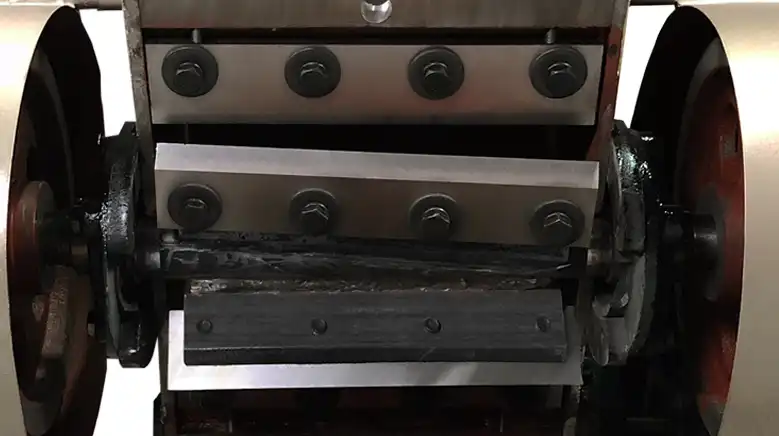
Blade technology is the most important factor in determining performance differences. Premium crushers use SKD-11 or Cr12MoV alloy steels that have been strengthened to 58–62 HRC. These steels last 3–5 times longer than basic tool steels. Different blade shapes and cavity designs make crushing 20–30% more efficient, which cuts down on cycle times and energy costs. There are different levels of automation, from quick-release methods that let you switch screens in less than 10 minutes to human screen changes that take 30 to 45 minutes. PLC control systems offer fault diagnosis, automatic overload safety, and operating tracking that make troubleshooting easier. Variable speed drives make it easier to process different types of materials without having to make changes by hand. This makes operations more flexible.
Understanding Total Cost of Ownership
The purchase price is only 40–50% of what the tools will cost over their lifetime. Think about how long the guarantee covers—full 24-month warranties show that the maker is sure the product will last. The provision of after-sales help has a direct effect on operating continuity. Response times of less than 24 hours keep production from stopping for long periods of time. Long-term repair costs are greatly affected by how easy it is to get spare parts and how much they cost, especially for parts that wear out quickly, like blades, screens, and bearings. Figure out how much energy the motor uses based on its specs and how long it is expected to run. At $0.12/kWh, a 22 kW breaker that is used 2,000 hours a year costs about $5,280 in power. This makes models that use 15% less energy appealing, even though they cost more at first.
How to Effectively Source Plastic Particle Crushers Wholesale from China
To successfully buy in bulk from Chinese makers, you need to find suppliers in a planned way, make sure they are trustworthy, and build relationships with them strategically.
Identifying Reliable Chinese Suppliers
Trading businesses aren't as good at quality control and technical help as working directly with established producers. Hangzhou Xingbiao Machinery Co., Ltd. is an example of a specialist maker that has been working on crusher development for 30 years. Their 20-person engineering team and partnerships between businesses and universities for study show a level of technical depth that you won't find from most equipment wholesalers. Industry trade sites like Alibaba and Made-in-China help buyers find suppliers, but they still need to be checked out. Trade shows like Chinaplas and the China Import and Export Fair let you evaluate manufacturers in person, check out equipment, and negotiate directly, which isn't possible when you're talking to someone online.
Navigating Minimum Order Quantities and Pricing
Standard bulk deals usually need at least two to five units to get the best prices. When you buy 10 or more units, you can get savings ranging from 8 to 15%. Talk about payment plans that minimize risk and offer good terms. For example, 30% deposits with the remaining 70% due before shipment protects both parties and shows commitment. When you buy something worth more than $50,000, a letter of credit gives you extra security. Ask for full quotes that list the specs of the equipment, any accessories that come with it, how it will be packaged, and how it will be shipped. It's important to know about any hidden costs, like special tooling fees, non-standard voltage configurations, and extra charges for fast output, before you pay.
Managing International Logistics and Customs
When wholesale plastic particle crusher goods are priced as FOB (Free on Board), buyers take on the cost of shipping once the goods are loaded onto ships. When prices are listed as CIF (Cost, Insurance, and Freight), delivery to target places is included. Shipping standard crushers in containers usually needs 20-foot containers that can hold two to four units, based on the model size. Ocean freight usually takes 25 to 35 days to get from Chinese ports to places in the US. When plastic processing machinery is classified under HS code 8477.80, it is subject to standard import taxes that range from 0% to 3.4%, based on the features of the machinery. Hiring qualified customs brokers who know about importing machines can help you figure out what paperwork you need and how to save money on duties.

Conducting Supplier Verification and Building Relationships
Factory audits check that makers' claims about their production skills, quality control systems, and operational scale are true. Virtual tours of factories can help you make initial decisions, but full checks at the plant itself are the only way to be sure about big purchases. Ask for examples from current clients in North America to check performance, help speed, and long-term happiness. When you have good ties with your suppliers, you can get better technical help, priority scheduling for output, and better terms on future orders. Regular contact about how the equipment is working and what you think about its use helps manufacturers improve their designs and shows that you are a valuable partner. Manufacturers with specific foreign service teams offer better support than providers who focus on domestic markets but are adapting to export markets.
Maintenance, Safety, and Common Issues: Securing Long-Term Value
Following safety rules and following the maintenance instructions will make tools last longer, protect workers, and keep output going.
Implementing Preventive Maintenance Best Practices
Before operation starts every day, the blades should be sharpened, the screens should be in good shape, and the bearings should be checked for temperature. Bearings and drive parts should be oiled at least every 200 to 300 hours of use with greases recommended by the maker. When particle size goes up, or motor amperage goes up 15-20% above standard readings, blades need to be rotated or replaced. This usually happens every 500–800 hours, but it depends on how rough the material is. When to replace a screen depends on the purpose. Hard metals wear out faster, so they need to be changed every 300–400 hours, while soft materials can last up to 800–1000 hours. Keep enough extra parts on hand, like blade sets, screens, belts, and bearings, so that you don't have to wait a long time when a part breaks.
Adhering to Safety Protocols and Standards
Equipment guards and interlocks keep operators from getting to the machine while it's running, which is what OSHA requires for gear safety. All operating places must be able to easily reach the emergency stop buttons. Using lockout-tagout methods during maintenance stops accidents that could cause serious injuries from happening. Having the right grounding and electrical safety systems in place can keep you from getting shocked, especially in places where there is a buildup of wetness or conductive dust. Operators need to be taught the right way to feed so that they don't overload the system and cause it to shut down or damage the motor. Personal protective equipment, like safety glasses, hearing protection, and gloves that won't cut you, is an important way to keep yourself safe during normal maintenance and operation tasks.
Troubleshooting Common Operational Issues
Too much shaking means that the rotors aren't balanced, the bearings are worn out, or the mounting nuts are loose. These problems need to be fixed right away to avoid a catastrophic failure. Different particle sizes could mean that the blades are dull, the screens are broken, or the screens were not installed correctly. Motors get too hot when they don't have enough airflow, are overloaded, or have old drive belts that cause too much friction. Material jams often happen when you feed too many large pieces, plastics that are wet, or too fast of feed rates that exceed the breaking capacity. Good crushers have an automatic backward feature that clears out material blocks right away and keeps motors and drive systems from getting damaged. For persistent jamming, the feed rate needs to be changed, the material needs to be pre-sorted, or the screen size needs to be changed to match the features of the material.
Manufacturers that offer online diagnostic help can quickly fix problems when troubleshooting on-site isn't enough. Video chat lets expert teams watch how equipment works, find problems, and get advice on how to fix them without having to wait for people to travel.
Case Studies and Practical Insights: Successful Sourcing Stories
Experiences with buying things in the real world show what works and what doesn't when buying crushing tools from Chinese makers.
Midwest Recycling Facility Transformation
A Michigan recycling company that processed 15 tons of mixed plastic trash every day had a lot of problems with their old fleet of wholesale plastic particle crusher units breaking down all the time. The buying team looked at five Chinese companies by taking video tours of their factories and calling references. They chose a specialized manufacturer because it had a history of working with big drinks companies and offered a full guarantee. Heavy-duty rotor construction and special blade geometry for handling dirty post-consumer materials were part of the personalized answer. Implementation included factory workers supervising the installation on-site and teaching operators how to use the equipment for three days. Within six months, output went up by 35% and upkeep costs went down by 45% compared to the old equipment. The partnership turned into an ongoing one, with yearly upgrades to the tools and priority expert help.
California Injection Molder Integration Success
A company in Southern California that makes car parts needed beside-press breakers to recycle sprue and runner right away. Because of noise and space issues, equipment had to be small and quiet, and it had to work with current methods for moving things. Engineers from a Chinese provider did thorough assessments of the facility via videoconferencing and suggested custom-sized crushers with better silencing and pneumatic feeding interfaces. As part of the buying process, thorough reviews of the specifications were done, samples of the materials were tested at the manufacturer's plant, and payments were made over time to protect the investment. Delivered equipment fit right into production lines, cutting down on material waste by 28% and getting rid of the need to handle scrap by hand. Performance checks with the provider every three months found more ways to improve things, which made the working relationship stronger.
Texas Plastic Compounder's Volume Purchase
For handling engineering-grade plastic trash, a Texas compounding business that was growing needed eight high-capacity crushers. Through talks, buying in bulk got 12% discounts and longer payment terms for three container orders. Factory checks confirmed that the factory had enough production capacity to meet tight delivery dates without lowering quality standards. The maker offered complete sets of extra parts at reasonable prices, which ensured that operations would continue even as capacity grew quickly. Using a single provider made it easier to coordinate technical help, maintenance training, and parts inventory. The strategic relationship method saved more than 20% on costs compared to buying things from different sources one at a time.
Conclusion
To get high-quality plastic particle crushers from China, you need to do a lot of research, carefully evaluate suppliers, and build smart relationships with them. Knowing the details of the equipment, what the manufacturer can do, and how much it will cost in total helps you make smart purchasing choices that meet practical needs. Specialized makers, like Hangzhou Xingbiao Machinery, have been reliable for decades thanks to their years of experience, strict quality controls, and quick customer service. Successful sourcing strikes a balance between the initial investment and the long-term value delivered by longevity, speed, and a commitment to a relationship. Companies can get reliable equipment that increases productivity while lowering working risks by following organized buying procedures and keeping communication lines open.
FAQ
How can I verify the quality of a Chinese plastic crusher manufacturer?
Ask for ISO 9001 and CE certifications to show that your safety and quality management systems are up to par. Check the blade's material requirements. High-end makers use SKD-11 or D2 tool steels that have known toughness levels. Get success examples from current customers in North America. Factory checks, whether they are done virtually or in person, show how much a business can produce, how it controls quality, and how big it is. Manufacturers with a good reputation accept openness and back up their quality claims with a lot of evidence.
What are typical delivery timelines for crusher orders from China?
Standard model crushers usually ship 20 to 30 days after the deposit is received. It takes 35 to 50 days to design, build, and test customized tools. It takes 25 to 35 days longer for ocean freight to get to US ports. From placing an order to having the work ready, the whole buying process usually takes between 60 and 90 days. For pressing needs, faster production may be possible at a higher cost. Unexpected delays can be avoided by being clear about shipping plans and production dates.
What after-sales support should I expect from Chinese crusher manufacturers?
Good makers offer 12- to 24-month warranties that cover flaws in both the products and the work. Technical support includes help with installation, tools for teaching operators, and fixing problems. Response times of less than 24 hours for urgent problems keep output from stopping too much. Maintenance can keep going as long as spare parts are available through established distribution networks or direct shipping. Remote diagnostic help through video chat speeds up the problem-solving process without having to pay for expensive foreign travel.
Partner With Xingbiao for Your Wholesale Plastic Particle Crusher Needs
With 30 years of experience making specialized machines, Hangzhou Xingbiao Machinery Co., Ltd. is ready to meet your plastic crushing needs. Our engineering team works directly with clients to set up the best crushing options for their unique types of materials, output rates, and facility limitations. People who make, recycle, or buy plastic and are looking for trusted wholesale plastic particle crusher providers are welcome to contact us. Email our team at xingbiaocrusher@xingbiaocrusher.com for full technical details, personalized quotes, and to talk about forming a relationship. You can see our whole line of products at www.xingbiaocrusher.com. These include large-diameter, high-power, standard, and custom crusher types made for American recycling and industrial businesses. We're committed to more than just selling you tools. We also offer full support to make sure of your long-term operational success.
References
1. Chen, H., & Wang, L. (2022). Advanced Blade Technologies in Industrial Plastic Crushing Equipment. Journal of Polymer Processing Engineering, 18(3), 145-162.
2. Morrison, R. D. (2021). B2B Procurement Strategies for Industrial Machinery Imports from Asia. International Trade and Manufacturing Quarterly, 34(2), 89-107.
3. Zhang, Y., Liu, X., & Thompson, K. (2023). Quality Assurance Practices in Chinese Plastic Processing Equipment Manufacturing. Industrial Equipment Standards Review, 12(1), 34-51.
4. Peterson, M. A. (2022). Energy Efficiency Optimization in Plastic Recycling Operations. Sustainable Manufacturing Journal, 29(4), 201-218.
5. Williams, J. T., & Garcia, S. R. (2021). Total Cost of Ownership Analysis for Industrial Crushing Equipment. Manufacturing Economics and Finance, 15(3), 112-129.
6. Kumar, P., & Schneider, B. (2023). International Logistics Management for Heavy Machinery Procurement. Global Supply Chain Review, 41(2), 67-84.
Learn about our latest products and discounts through SMS or email