- English
- French
- German
- Portuguese
- Spanish
- Russian
- Japanese
- Korean
- Arabic
- Greek
- German
- Turkish
- Italian
- Danish
- Romanian
- Indonesian
- Czech
- Afrikaans
- Swedish
- Polish
- Basque
- Catalan
- Esperanto
- Hindi
- Lao
- Albanian
- Amharic
- Armenian
- Azerbaijani
- Belarusian
- Bengali
- Bosnian
- Bulgarian
- Cebuano
- Chichewa
- Corsican
- Croatian
- Dutch
- Estonian
- Filipino
- Finnish
- Frisian
- Galician
- Georgian
- Gujarati
- Haitian
- Hausa
- Hawaiian
- Hebrew
- Hmong
- Hungarian
- Icelandic
- Igbo
- Javanese
- Kannada
- Kazakh
- Khmer
- Kurdish
- Kyrgyz
- Latin
- Latvian
- Lithuanian
- Luxembou..
- Macedonian
- Malagasy
- Malay
- Malayalam
- Maltese
- Maori
- Marathi
- Mongolian
- Burmese
- Nepali
- Norwegian
- Pashto
- Persian
- Punjabi
- Serbian
- Sesotho
- Sinhala
- Slovak
- Slovenian
- Somali
- Samoan
- Scots Gaelic
- Shona
- Sindhi
- Sundanese
- Swahili
- Tajik
- Tamil
- Telugu
- Thai
- Ukrainian
- Urdu
- Uzbek
- Vietnamese
- Welsh
- Xhosa
- Yiddish
- Yoruba
- Zulu
A Complete Guide to PVC Pipe Crusher Factories and Their Production Process
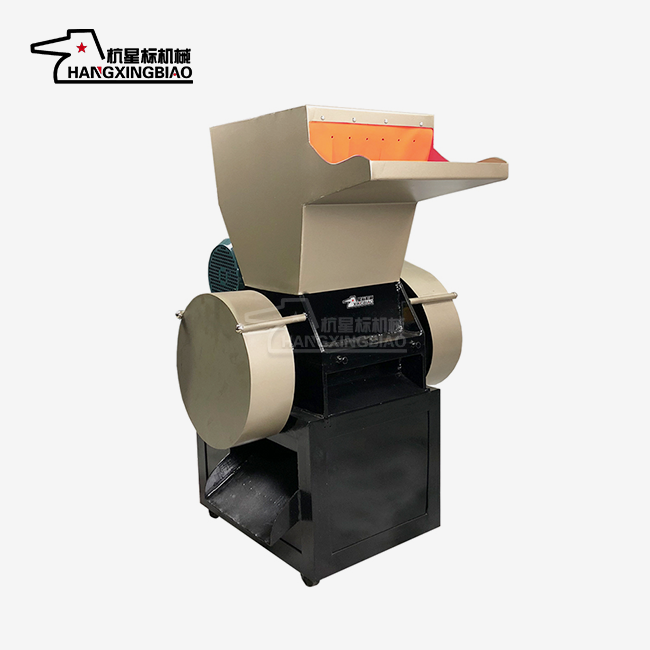
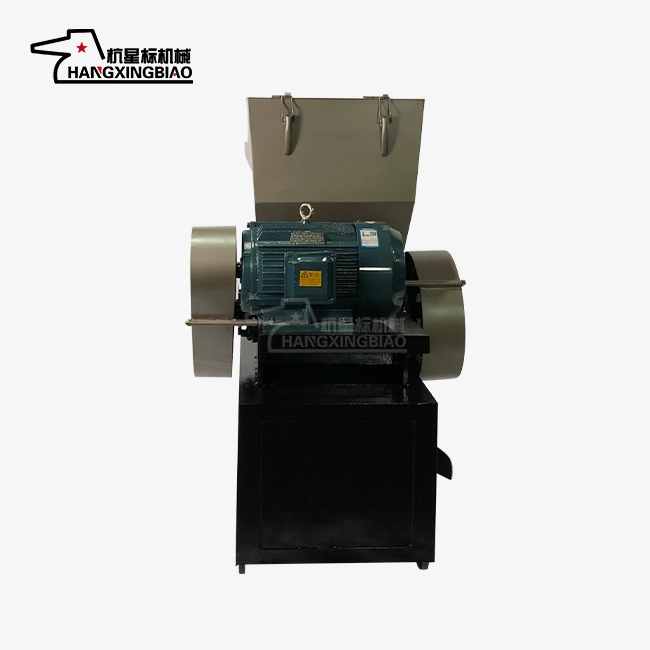
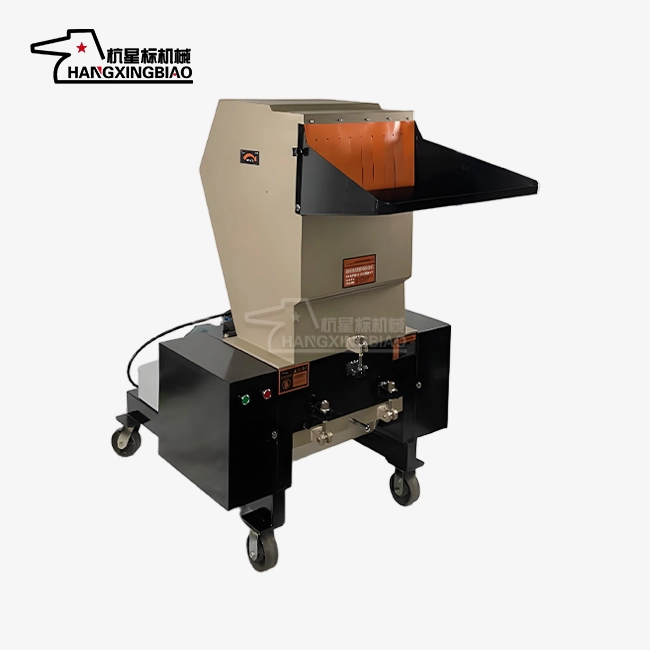
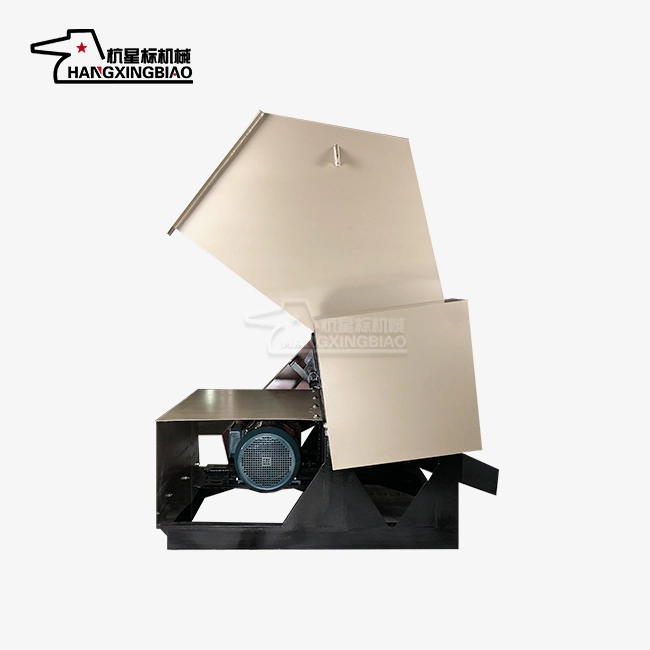
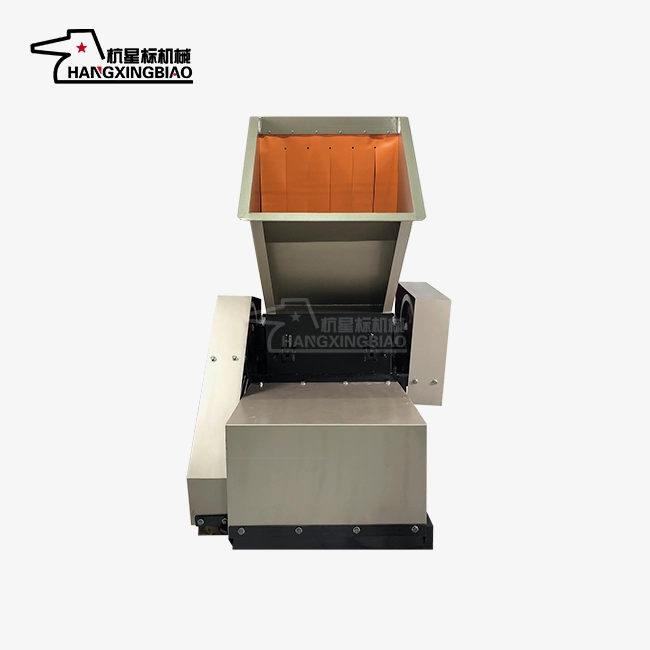
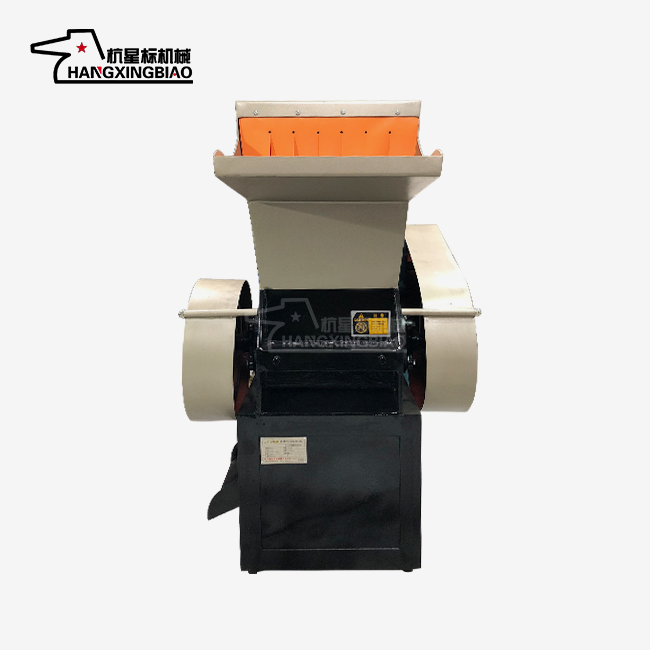
PVC pipe crusher factories are specialized manufacturing facilities that create, manufacture, and sell crushing equipment made especially for recycling and reprocessing PVC pipe waste. These companies use advanced engineering, quality control systems, and production lines to make machines that can turn used PVC pipe into materials that can be used again. Procurement pros can find reliable partners who can meet strict production needs while keeping quality and delivery performance by learning about their capabilities, production standards, and operating processes.
Understanding PVC Pipe Crusher Factories and Their Core Processes
Defining the Factory's Role in PVC Recycling
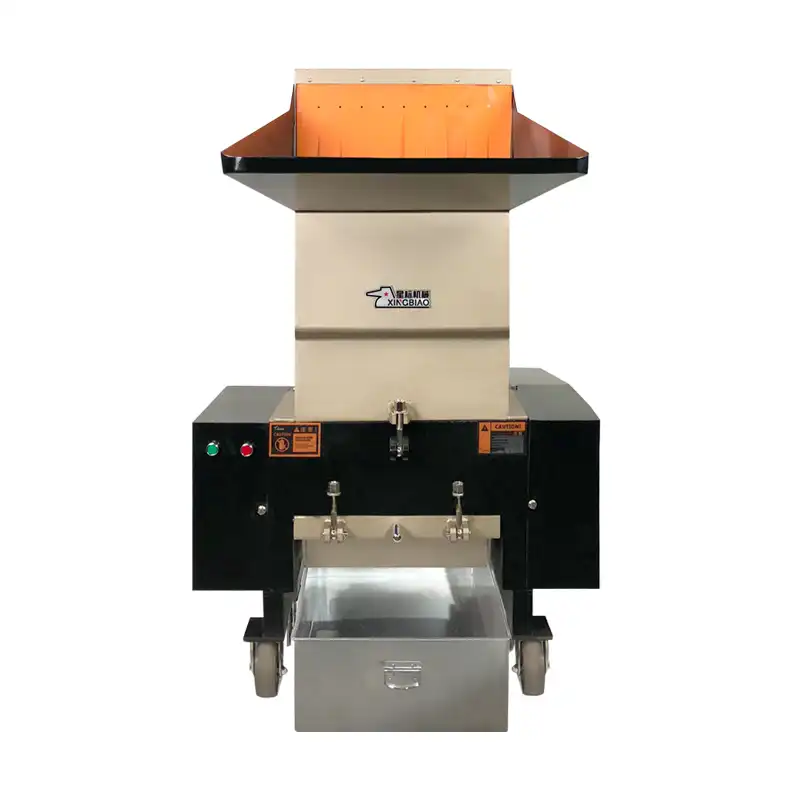
For rigid PVC products, PVC pipe crusher factories specialize in producing crushing machinery. These factories use their knowledge of metalworking and mechanical engineering to make tools that can handle the unique difficulties of crushing rigid pipe materials. The factory is in charge of more than just putting together tools. It also does research on materials, develops blade metallurgy, and can make changes to fit different production environments.
Production Process from Raw Materials to Finished Equipment
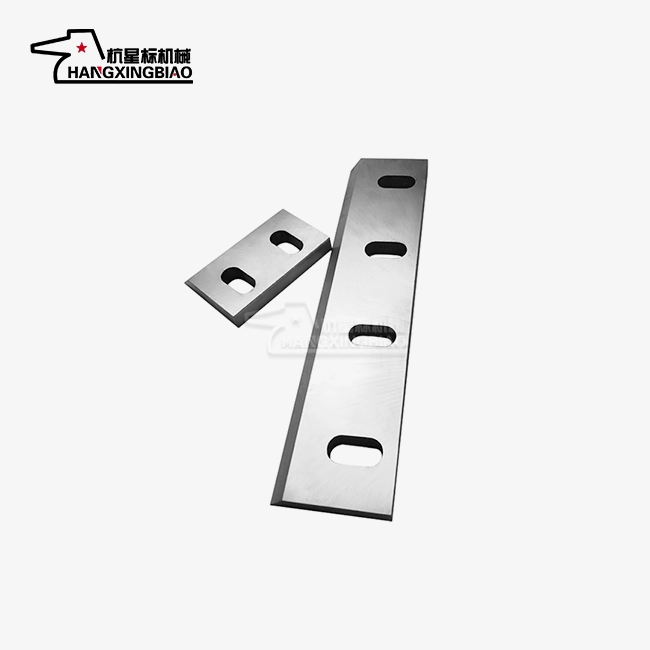
The process of making something starts with choosing high-quality steel plates and cutting them precisely according to engineering specs. Welding teams build the body frame of the breaker using special methods that make sure the structure stays strong even when it's under a lot of stress. Stress relief methods get rid of internal stress that could lead to deformation over time. Manufacturers of high-end equipment use materials like SKD-11 mold steel or D2 tool steel and put them through vacuum heat treatment and cryogenic processing to get hardness scores above HRC 58. The blade manufacturing process is a key quality step. Motors, rotors, blade sections, and screening systems are all put together on assembly lines using precise alignment steps. Before the final review, quality control stations check the accuracy of the measurements, the safety of the electricity, and the operation. Leading companies have traceability systems that keep track of where parts came from and how they were processed throughout the whole production process.
Key Machine Features and Environmental Benefits
Modern PVC pipe crushers have blade setups that are best for handling hard materials. This means that they use up to 30% less energy than older models. Enclosures that block out noise reduce noise pollution in the workplace, and systems that collect dust keep small particles from getting into production areas. These environmental controls help businesses stay in line with EPA and OSHA rules about air quality and safety at work. With this equipment, makers can keep PVC pipe scrap out of dumps by turning it into raw materials for other manufacturing processes. With this closed-loop method, less new material is used, and the carbon footprint of making PVC is smaller. End users can see a clear drop in running costs when factories focus on motor specs that use less energy and optimized crushing chamber geometries.
Key Advantages and Operational Insights of PVC Pipe Crusher Factories
Operational Advantages and Quality Control
Professional pvc pipe crusher factories use quality control methods with multiple steps that greatly lower the number of times equipment breaks down. These companies have testing sites where machines are put through load tests that make them work like they have been on all the time for years. This level of strict validation makes sure that the equipment is reliable, which directly leads to higher uptime rates in work settings.
Established companies use decades of experience with applications to improve designs that solve common problems. This specialized method is shown by Hangzhou Xingbiao Machinery Co., Ltd., which has spent 30 years developing plastic crushers only. Working on research with big companies like Nongfu Spring has led to new ideas in blade geometry and material choice that make it possible to go longer between service times and need less upkeep. Focusing on a single area has allowed constant improvement that is hard for companies that make a lot of different kinds of equipment to beat.
Production Capacity Considerations
The factory's production ability has a direct effect on how long it takes to buy things and whether customizing is possible. Large makers with many production lines can handle large orders with faster lead times, which are usually between 15 and 30 days for standard models. These places keep parts on hand so that they can be put together quickly once an order is confirmed. Smaller, more specialized companies may take 45 to 60 days longer, but they often give you more options for unique requirements and prototype development.
The amount of production also affects the system for after-sales service. Larger spare parts stockpiles and wider service networks are common in plants that make a lot of things. This cuts down on downtime when new parts are needed. Buyers should check to see if a factory's production level fits with their need for speed and their hopes for long-term support.
Maintenance Best Practices and Safety Compliance
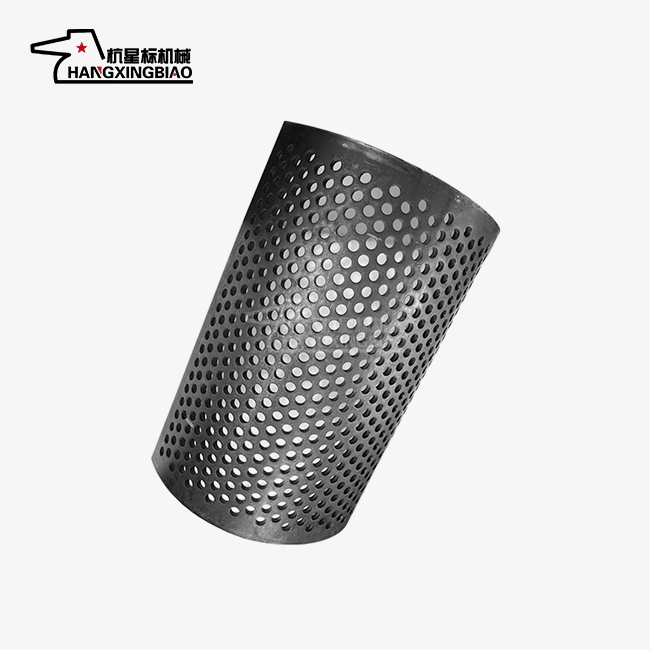
Routine repair plans greatly increase the life of a breaker and keep it from breaking down without warning. Factories should give thorough repair schedules that include how often to check the blades, how to grease the bearings, and how to change the screens. High-end makers like Xingbiao make machines with easy-to-reach inspection panels and screen structures that can be changed quickly. This makes servicing 40% faster than with regular designs.
Safety badges show that a plant cares about protecting workers and following the rules. Safety standards should be met by the equipment, which should have an emergency stop button, protected guards, and electricity safety certifications. Factories that sell to the U.S. should show that they know what OSHA requires and back up their claims of compliance with paperwork.
Comparative Analysis: Choosing the Right PVC Pipe Crusher Factory
Manual Versus Automatic Crusher Systems
Manual feeding systems are cheaper for businesses that handle smaller amounts of material or a range of different kinds of material that require the user to use their best judgment. These setups work well for recycling centers that have varying input lines and need flexibility more than automation. When making a lot of things, automatic feeding systems that include a conveyor work best in places where accuracy and worker efficiency are important.
The decision affects both the initial funding and the costs of running the business. Automatic systems cost more, but they save money on labor costs so quickly that they pay for themselves in 18 to 24 months in high-throughput situations. Manual methods keep costs low up front while still allowing for operating flexibility that helps sites that process different types of materials.
Energy Consumption and Sustainability Metrics
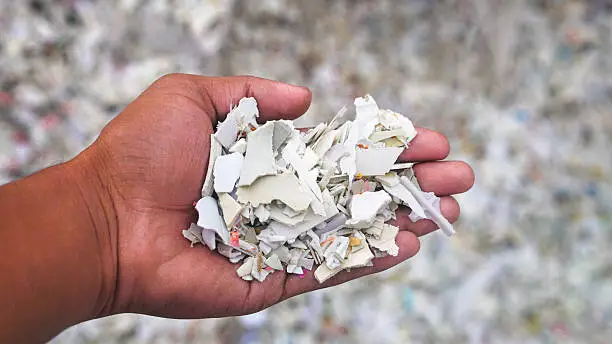
Energy economy has a direct effect on both the cost of doing business and the world. Optimized blade angles and chamber designs in crusher plants lower specific energy usage, which is the number of kilowatt-hours needed to process one ton of material. The engineers at Xingbiao have come up with blade plans that make crushing over 20% more efficient while lowering motor load. This means that over the lifespan of the equipment, electricity costs will be lower.
During the procurement process, buyers should ask for detailed information on how much energy a product uses. When you compare the kilowatt-hour rates of similar-capacity equipment, you can see that their levels of efficiency vary, which has a big effect on the total cost of ownership. Facilities that care about sustainability can use these measures to show stakeholders how their environmental performance has improved.
Price Evaluation and Transparency
Price changes between companies aren't just due to random markups; they're caused by differences in the quality of the materials, the amount of money spent on engineering, and the support infrastructure. More expensive equipment with vacuum-treated tool steel blades, stress-relieved frame construction, and precision-machined parts costs more but lasts longer and needs less upkeep. Cheaper options might use standard steel grades and simpler construction, which means the blades will need to be replaced more often and the frame might need to be fixed.
Transparent companies give thorough quotes that list the specs of the equipment, any accessories that come with it, the terms of the guarantee, and how the goods will be shipped. Buyers should carefully read plans to make sure they don't have any unclear language about the grades of parts or the limits of the support service. By asking for certifications of materials and detailed descriptions of parts, you can check that the quality standards being stated are met before you make a purchase.
Procurement Guide: How to Buy PVC Pipe Crushers Directly from Factories
Factory Verification and Due Diligence
Buyers of equipment from pvc pipe crusher factories are protected from bad tools and sellers they can't trust when they check the factory's credentials. Manufacturers who are legitimate keep business licenses, quality management certificates, and records of their production sites. You can get more proof than just marketing claims by asking for plant audit records, customer references, and third-party certifications. When it's not possible to visit in person, video views of a facility can show what it can do for production and quality control.
Looking at a factory's list of clients can help you understand how they've dealt with similar tasks in the past. Factories that work with big companies usually have stricter quality standards and better support systems. Hangzhou Xingbiao has worked with KFC and Nongfu Spring, which shows that it can handle difficult business tasks where equipment reliability affects production schedules directly.
Payment Terms and Shipping Logistics
When you buy tools internationally, you have to think about a lot of things, like when to pay and how to ship it. Standard terms usually call for a 30% deposit to be made when the order is confirmed, and the rest to be paid before the shipment or when the shipping papers are presented. Letters of credit protect both parties, but they come with fees and paperwork that must be filled out. Before signing a purchase deal, buyers should make sure they understand their rights to check, the conditions of acceptance, and how to settle a dispute.
How the goods are shipped has a big effect on the total cost and arrival time. If you buy something FOB, you have to pay for shipping yourself. If you buy something CIF, the price includes freight and insurance to the target port. The type of container you choose affects how well the equipment is protected. Standard containers work for most crusher models, but over-sized equipment may need flat rack containers or break-bulk shipping. Experienced companies give instructions on how to package goods and work with freight forwarders to make customs clearance go more smoothly.
Custom Orders and Installation Support
Specialized factories are different from general equipment sellers because they can make things to order. Buyers who need special materials, limited room, or help with integration can benefit from companies that offer engineering modification services. Custom blade combinations, changed hopper shapes, and specialized screening systems can solve problems that are unique to an application and can't be solved with standard models.
Installation help has a big effect on how quickly and well an operation goes. Comprehensive factories offer thorough installation guides, expert support over the phone, and, if needed, on-site setup services. Xingbiao's engineering team offers pre-installation consultations to confirm foundation needs and utility specs. This is followed by operation training to make sure support staff know how to do the right thing. This method to full-process support reduces problems during starting and sets best practices from the start.
After-Sales Service and Warranty Considerations
The warranty terms show that the firm is sure the product will last and wants the customer to be happy. Standard guarantees usually cover production flaws for one year after the product is put into service. However, wear parts like blades are not covered because they are disposable. Options for longer warranties or performance promises show that you have faith in the quality. To avoid problems during the insurance term, buyers should be clear about how to file a claim, how long they will be contacted, and what parts are covered.
How quickly operational problems are fixed depends on the framework for after-sales help. Factories that keep extra parts on hand and have technical support teams can solve problems faster than those that have to make parts for every service request. Xingbiao's promise to answer questions 24 hours a day and keep enough extra parts on hand is an example of the level of support that keeps production running smoothly when service needs appear.
Leading PVC Pipe Crusher Factory Brands and Trusted Suppliers
Evaluating Top-Rated Manufacturers
Leading crusher makers set themselves apart by consistently coming up with new ideas, keeping records of quality, and keeping customers happy. Hangzhou Xingbiao Machinery Co., Ltd. is an example of an expert maker because it has been developing plastic crushing equipment for 30 years straight. This one-sided focus has led to constant improvements in blade metallurgy, structure design, and application engineering that other makers can't match. Their 20-person engineering team and agreements with universities for research have led to unique improvements in the efficiency and longevity of crushers.
When looking at possible PVC pipe crusher factories providers, you should check how many products they offer and how well they can customize their products. Manufacturers that offer a range of crushers, from small units that can be used next to other machines to large systems for industrial use, show that they have a deep understanding of engineering and the market. Xingbiao makes a wide range of products, including large-diameter crushers for pipes and profiles, high-power, low-noise units for injection molding integration, standard crushers for general use, and custom designs for tough materials like films and heavy cases.
Industry Certifications and Standards
Certifications are an objective way to prove that a product is safe and of good quality. Having an ISO 9001 quality management certification means that there are structured process rules in place throughout the whole production process. The CE mark shows that the product meets European safety standards, and certain electricity certifications make sure that the parts are safe. To avoid having to make expensive changes or deal with compliance problems, U.S. buyers should give preference to providers who know North American electricity codes and safety standards.
In addition to certificates, you should also ask for written proof of the material requirements and testing procedures. When factories give out material certificates for structural steel and blade alloys, it shows that they are honest and dedicated to quality. You can be sure that the equipment will work by reading test results that show the strength of the blades, the stress levels in the frame, and how well the equipment worked.
Building Long-Term Supplier Partnerships
Successful equipment procurement goes beyond the original purchase and includes long-term relationships that help improve output. Long-term operational benefits come from building partnerships with companies that are dedicated to constant growth and quick response. Communicating regularly about how technology is working, new problems that might arise, and changes in production lets providers make suggestions and offer help at the right time.
In addition to providing tools, trusted providers act as technical resources. They give advice on how to use new types of materials, suggest changes to operations that will make them more efficient, and let customers know about new products that are important to their needs. Xingbiao's method of regular follow-up meetings and operation training is a great example of a partnership-based approach that gets the most out of tools over its entire life.
Conclusion
To choose the best PVC pipe crusher factories, you need to look at more than just the price of the equipment. You should also look at the factory's production skills, quality systems, support infrastructure, and focus on partnerships. Specialized makers with focused knowledge, proven client relationships, and full service promises offer better long-term value than options that focus on cost. When you buy good crushing equipment from well-known companies, it means more uptime, lower repair costs, and more regular material output, all of which make recycling operations stronger as a whole.
FAQ
How often should PVC pipe crushers undergo maintenance?
How often maintenance is done relies on how hard the material is used and its properties. In high-volume processes that work with rough materials, the blades should be inspected every 200 to 300 hours of operation, and the bearings should be oiled at the same times. For uses with less energy, inspections may be done every 400 hours. Every three months, you should do full repair, which includes checking the power system and the structure. High-quality machines with blades made of materials that don't wear down easily and strong construction need to be tended to less often, which lowers the cost of repair workers and stops in production.
What environmental benefits do crusher factories provide?
Multiple ways exist for modern crushing plants to help the earth stay healthy. With their tools, they can recover materials that keep plastic trash out of landfills, which protects the earth and keeps landfills from getting too full. Energy-efficient designs use less energy and produce fewer carbon pollution when they are in use. Particulate air pollution is stopped in production areas by dust collection systems. By making closed-loop recycling easier, these companies support circular economy efforts that cut down on the processing and extraction of new materials. This lowers the total environmental impact of making plastic products.
How can I verify factory compliance with safety standards?
Ask for copies of any safety certifications that are needed, such as electricity safety approvals and proof that the machinery order is being followed. Read the equipment's instructions to find out about safety features like electrical interlocks, emergency stops, and guards that block access to the blades. Ask for customer examples and find out how safe they felt using the tools. Factories with a good reputation give out thorough safety operation instructions and training materials. By auditing factories or reading reports from third-party inspectors, you can find out what the real safety standards are instead of what is said to be followed.
Partner with Xingbiao for Superior PVC Pipe Crushing Solutions
Xingbiao is ready to help you recycle PVC pipes with their tried-and-true breaker technology, which has been improved over 30 years of dedicated focus. In order to find the best machine combinations for your unique material properties and throughput needs, our engineering team works with your production staff. Whether you need standard models or custom solutions for tough tasks, we can provide you with strong equipment and quick expert help.
Email our team at xingbiaocrusher@xingbiaocrusher.com to talk to experienced application engineers about your needs. We offer clear quotes, thorough equipment specs, and performance records that help people feel confident in their purchasing choices. As a reliable PVC pipe crusher factories manufacturer, we offer precise engineering along with full after-sales support, such as help with installation, training for operators, and a steady supply of spare parts. With breaking tools made for tough industrial uses, you can turn your old PVC pipes into useful materials for production.
References
1. Thompson, R.C., & Mitchell, K. (2022). Industrial Plastic Recycling: Equipment and Process Optimization. Manufacturing Technology Press.
2. Williams, D.L. (2021). "Material Recovery Efficiency in PVC Pipe Recycling Operations," Journal of Sustainable Manufacturing, 15(3), 127-145.
3. Chen, H., & Liu, S. (2023). Advanced Blade Metallurgy for Plastic Crushing Applications. Materials Engineering International.
4. American Society for Testing and Materials. (2022). ASTM D5033-21: Standard Practice for Development of ASTM Standards Relating to Recycling and Use of Recycled Plastics. ASTM International.
5. Morrison, J.A. (2023). "Total Cost of Ownership Analysis for Industrial Crushing Equipment," B2B Procurement Quarterly, 8(2), 88-104.
6. Zhang, Y., & Anderson, P. (2021). Manufacturing Excellence in Specialized Equipment Production: Case Studies from the Plastics Industry. Industrial Press Publishing.
Learn about our latest products and discounts through SMS or email