- English
- French
- German
- Portuguese
- Spanish
- Russian
- Japanese
- Korean
- Arabic
- Greek
- German
- Turkish
- Italian
- Danish
- Romanian
- Indonesian
- Czech
- Afrikaans
- Swedish
- Polish
- Basque
- Catalan
- Esperanto
- Hindi
- Lao
- Albanian
- Amharic
- Armenian
- Azerbaijani
- Belarusian
- Bengali
- Bosnian
- Bulgarian
- Cebuano
- Chichewa
- Corsican
- Croatian
- Dutch
- Estonian
- Filipino
- Finnish
- Frisian
- Galician
- Georgian
- Gujarati
- Haitian
- Hausa
- Hawaiian
- Hebrew
- Hmong
- Hungarian
- Icelandic
- Igbo
- Javanese
- Kannada
- Kazakh
- Khmer
- Kurdish
- Kyrgyz
- Latin
- Latvian
- Lithuanian
- Luxembou..
- Macedonian
- Malagasy
- Malay
- Malayalam
- Maltese
- Maori
- Marathi
- Mongolian
- Burmese
- Nepali
- Norwegian
- Pashto
- Persian
- Punjabi
- Serbian
- Sesotho
- Sinhala
- Slovak
- Slovenian
- Somali
- Samoan
- Scots Gaelic
- Shona
- Sindhi
- Sundanese
- Swahili
- Tajik
- Tamil
- Telugu
- Thai
- Ukrainian
- Urdu
- Uzbek
- Vietnamese
- Welsh
- Xhosa
- Yiddish
- Yoruba
- Zulu
Plastic Crusher Working Principle and Applications
These days, plastic crushers are an important part of recycling because they turn piles of used bottles into useful raw materials. The Organization for Economic Cooperation and Development says that 353 million metric tons of plastic garbage are generated every year around the world. This makes it more important than ever to find efficient ways to handle this waste. The Chinese plastic bottle crusher stands out among other choices because it strikes a surprising balance between cost, technical sophistication, and processing capacity. These tools take PET bottles, HDPE containers, and other thermoplastic trash and turn it into uniform flakes that can be reused. This helps with circular economy efforts and gives businesses a clear return on investment (ROI). This article talks about how these crushers work, what they can be used for, and why recycling centers and makers all over North America prefer them.
Understanding the Working Principle of Chinese Plastic Bottle Crushers
Learning how Chinese plastic bottle crushers work is important. These days, plastic bottle crushers use coordinated mechanical systems that regularly and efficiently break down trash. Knowing these rules helps people who work in buying choose the right tools.
Core Mechanical Components and Their Functions
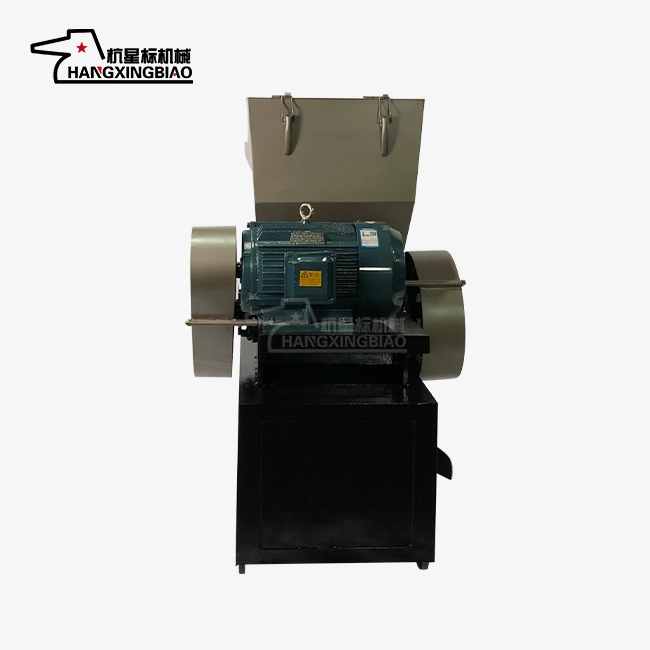
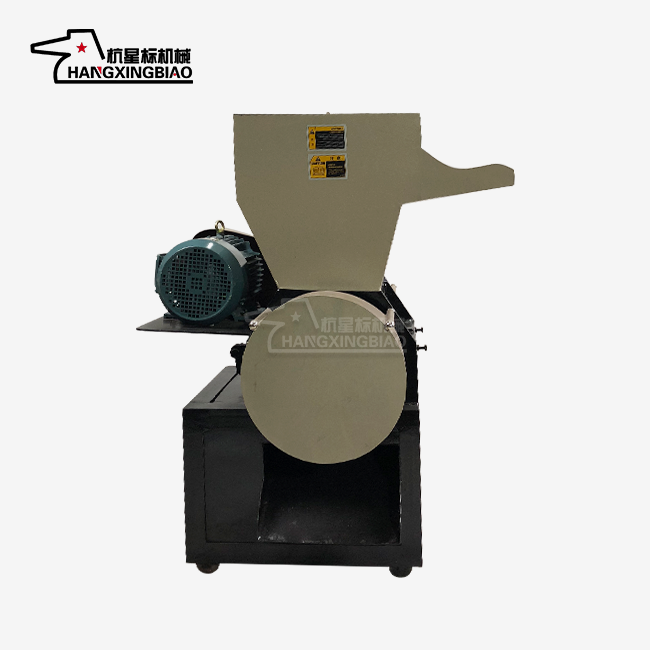
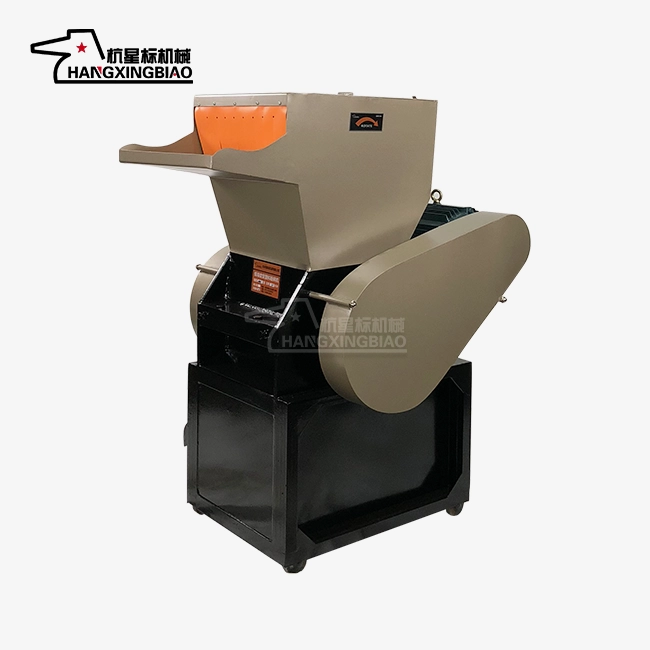
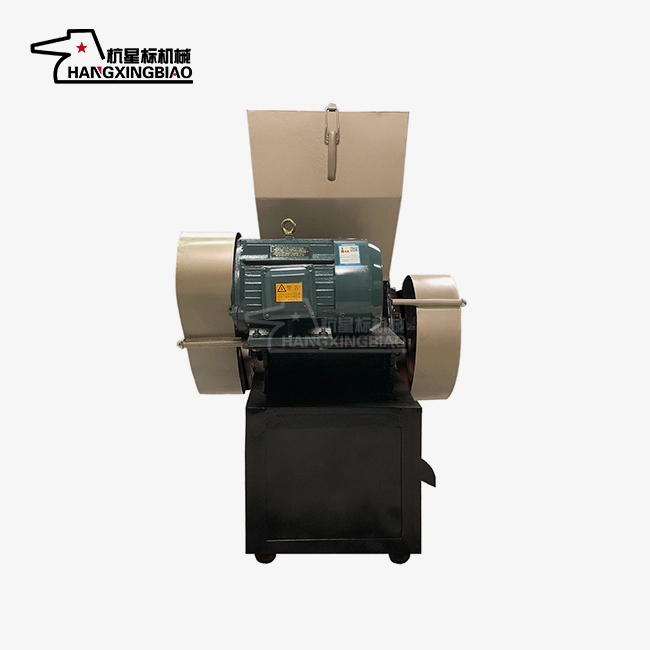
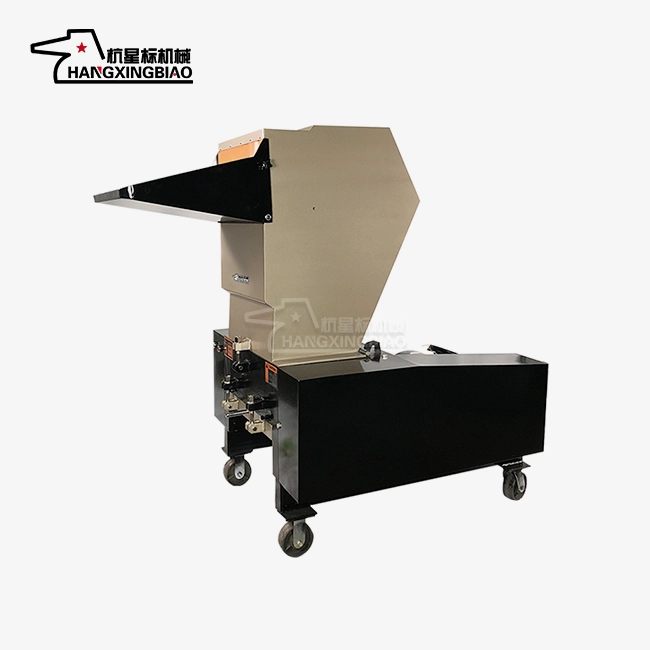
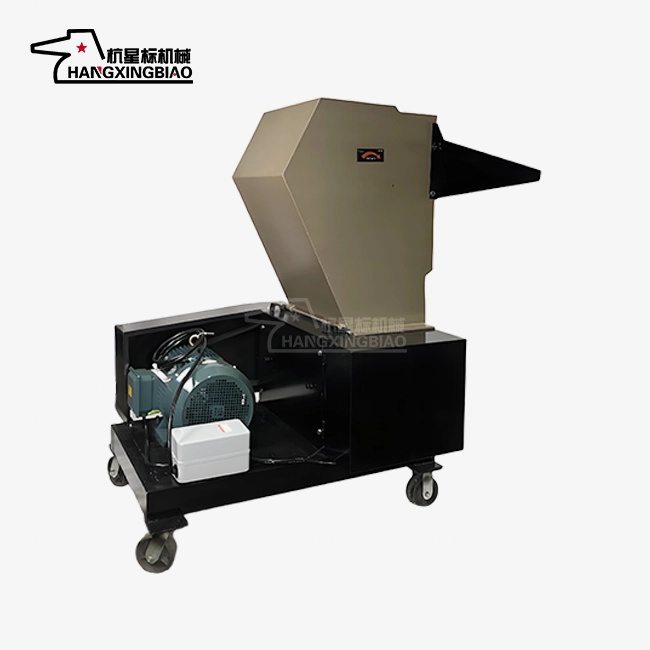
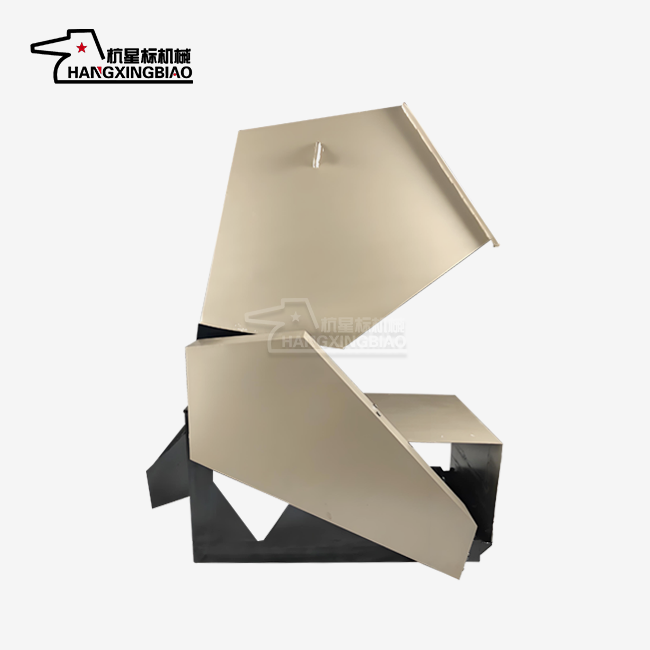
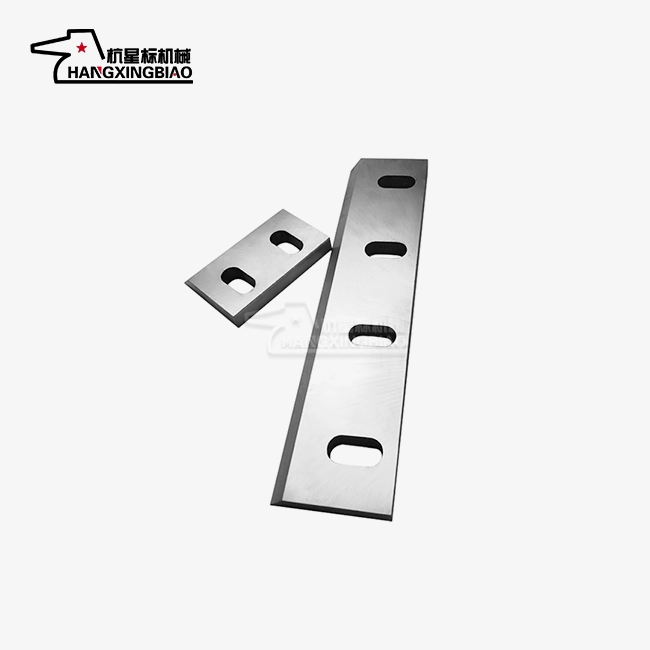
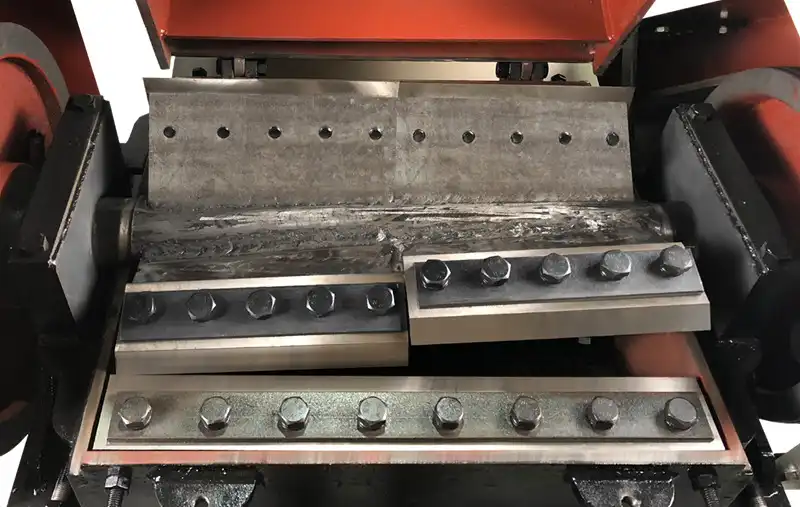
Several interconnected parts are present in a standard Chinese plastic bottle crusher. The feeding hopper takes in bottles that aren't organized and sends them to the crushing room, which is where the change takes place. Inside this chamber, blades on a center rotor spin very quickly, usually between 600 and 900 RPM, but this can change based on the material. When these cutting edges meet blades that are fixed to the room walls, they make an action that cuts through plastic structures like scissors. The material is then put through open screens at the bottom of the cylinder, which control the size of the particles that come out. Material that meets the size requirements leaves through discharge holes, while pieces that are too big go back in for more processing. This continuous-flow design makes sure that the rate stays steady without any help from a person while it's running.
Innovative Design Features from Chinese Manufacturers
Chinese tech teams have made a number of improvements that make the plans work better than before. Cutting forces are spread more evenly across the blade surface when the blade shape includes compound cutting angles. This uses less energy. We've seen that cavity shapes with carefully calculated gaps between rotor and stator parts reduce noise and heat production while the machine is running. Many types now have variable-speed drives that change the speed of the rotor based on the density of the material. This keeps the motor from getting too hot when handling heavy HDPE cases versus light PET bottles. Reinforced bearing kits with special sealing systems keep plastic dust out of internal parts, which means they can work for longer periods of time between repair rounds. These improvements in engineering directly lead to lower operating costs and less downtime for end users.
Safety Mechanisms and Maintenance Protocols
Safety concerns are still the most important part of designing a breaker. Modern units have interlocked access panels that stop the blades from turning as soon as they are opened. This keeps workers safe while they check or clear out blockages. There are emergency stop keys all over the machine that can be used to turn it off right away. Overload safety circuits watch how much current the motor draws and turn off the power immediately if they find unusual resistance, which could mean that the motor is jammed or broken. Setting up regular inspection plans for repair stops breakdowns from happening out of the blue. Every day, you should check the blade tips for wear, make sure the screen is still in good shape, and make sure that all the safety interlocks work. Lubricating the bearing points once a week according to the manufacturer's instructions keeps the machine running smoothly. Sharpening or replacing the blades once a month keeps the particle size output constant and stops the machine from using too much energy when the cutting edges are dull.
Key Applications and Benefits of Chinese Plastic Bottle Crushers for B2B Clients
Chinese plastic bottle crushers are useful in many industry settings because of their adaptability, which benefits the environment and the economy.
Material Compatibility and Industry Applications
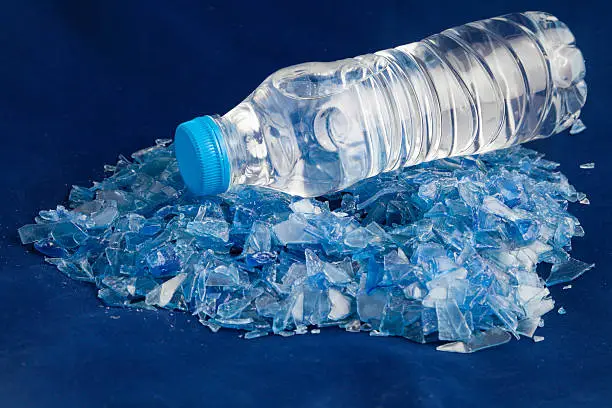
These tools can work with a huge variety of plastic materials that are often used to package drinks. Because PET is fairly flimsy, it works well for processing PET bottles from soft drinks, water, and juice containers. Even though their molecules are tougher, HDPE containers for milk, soaps, and personal care items all crush just as well. In addition to bottles, plastic caps, PVC pipes, polystyrene packing, and even difficult materials like multilayer films can be crushed with the right blade combinations. Recycling centers handle tons of mixed plastic trash every day with crushers, which are their main piece of equipment for reducing volume. Crushing machines are put next to injection molding machines so that sprues and broken parts can be quickly recovered and put back into production. Contract makers that work with FMCG companies use crushers to deal with the package waste that comes up during filling. Instead of paying disposal fees, the crushers turn the waste into sellable regrind.
Environmental and Economic Value Proposition
The benefits to ecology go beyond just reducing waste. We found that breaking and reusing plastic bottles uses about 66% less energy than making new plastic, and it also releases about the same amount of greenhouse gases. This is exactly what companies need to do to meet the standards for sustainability reports that investors and customers are asking for more and more. From a business point of view, the savings are very big. Regrind material is usually 40–60% cheaper to buy than virgin resin, which directly increases the factory profits. When businesses sell their crushed plastic trash to reprocessors, they make money from things that used to cost money to get rid of. For mid-sized recycling businesses that handle five tons of material every day, the return on investment for good crushers usually happens in 18 to 24 months. When you consider lower landfill fees and possible green licenses that improve your marketplace, these financial measures become even better.
Customization Options for Specific Operational Needs
Because makers know that no two sites have the same problems, they offer a wide range of customization options. Processing speeds range from small units that can handle 300 pounds per hour, which are good for small industry scrap recovery, to large systems that can handle over 4,000 pounds per hour for recycling plants. Screen perforation sizes range from 8 mm holes that make fine flakes for extrusion to 20 mm holes that make big chips for pelletizing systems. Different blade arrangements are used for different types of materials. For example, sharp tooth patterns work well with hard plastic housings, and offset blade arrangements keep film materials from wrapping around the rotor. For mixed garbage streams, hoppers can be made bigger for huge, low-density trash or set up with metal detection systems. This gives companies the freedom to buy equipment that is perfectly matched to their materials and processing needs, so they don't have to change their processes to fit the limits of their equipment.
How to Choose the Right Chinese Plastic Bottle Crusher: A Buyer's Guide
To choose the right breaking equipment, you need to carefully consider a number of things that affect how well the equipment works.
Defining Your Processing Requirements
To start, get a good idea of how much stuff you actually need to move. Figure out how much trash is made every day for a few weeks to get an idea of the average and find the busiest times. This information tells us how much crushing capacity we need. Choosing equipment that is marked 20–30% above what we normally need gives us extra capacity for changes in volume without having to run at full capacity all the time, which speeds up wear. Different types of crushers have very different footprints, so make sure you measure the floor room and ceiling heights you have available. Think about the properties of the material in more than just bottle types. Standard blade shapes can be used in places that mostly deal with hard bottles, but rotor designs that don't get wrapped in material are needed in places that deal with mixed trash like films or woven bags. Energy infrastructure is also important. Make sure that the electrical service capacity meets the needs of the crusher motor, especially for three-phase industrial units that need 30 to 75 horsepower. When making a budget, you shouldn't just look at the purchase price. You should also think about the total cost of ownership, which includes installation, operator training, extra parts inventory, and planned yearly maintenance.
Comparative Analysis: Chinese versus Western Equipment
Comparing Chinese plastic bottle crushers to similar products made in the West shows how much better they are. They are usually 40–55% cheaper to buy than similar systems with the same working power and features. This means that smaller businesses with limited cash can afford to buy them. As Chinese manufacturers have accepted foreign quality standards and more advanced production methods, performance characteristics have become much more limited. When properly kept, modern Chinese plastic bottle crusher models are on par with their Western counterparts in terms of consistent output, uniform particle size, and operating life. The main difference is where the parts come from: Western machines tend to use European motors and bearings, while Chinese units are using more and more local parts that meet international standards. After-sales support has gotten a lot better, and Chinese suppliers now offer quick expert help. However, time zone differences can make it take longer to communicate in real time than with domestic suppliers. It's important to think about how easy it is to get new parts. Chinese companies tend to keep bigger inventory networks in major markets, while some Western names have to wait longer for specialized parts to come in.
Identifying Reputable Suppliers and Manufacturers
Being careful when choosing a provider keeps you from making mistakes that cost a lot of money and stop operations. Give more weight to makers that have been in the business for a long time. Companies that have been around for 15 to 30 years have seen many market changes and built up their engineering knowledge. Check for certificates that are important to your market, such as ISO 9001 quality management systems and CE marking for safety standards on tools. Ask for specific reference lists with contact information for current customers in similar industries. Then, talk to these references about how well the equipment worked and how quick the seller was. When you buy directly from the factory, you can often get better prices than through a reseller, and you can also get in touch with engineering teams that can help you with technical questions. Check out a supplier's website to see how clear their technical paperwork is and how well they explain their specs. Professionalism is shown by companies that provide clear guarantee terms, thorough CAD drawings, and complete operation instructions. Be wary of sellers who won't give you their credentials or who offer prices that are much lower than the market average. This is because they might be selling used equipment or parts that aren't up to par, which can affect the efficiency in the long term.
Maintenance and Operational Best Practices for Long-Term Performance
Consistent repair procedures and good organizational discipline extend the life of equipment and lower the costs of unplanned downtime.
Essential Daily and Weekly Maintenance Routines
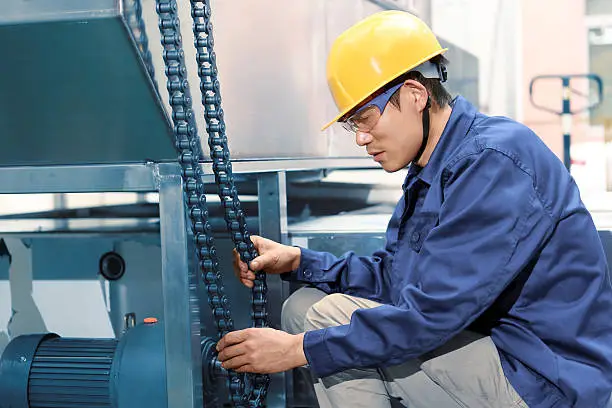
Setting up regular repair habits keeps small problems from getting worse and leading to major breakdowns. During daily checks, the state of the blades should be looked at visually to see if there are any chips, cracks, or excessive wear that would mean they need to be replaced soon. Check the stability of the screen for tears or larger holes that let big particles into the output streams. Make sure that the release chutes can move material without getting in the way of the flow. A grinding sound could mean that the bearings are wearing out, and shaking could mean that the screws are loose and need to be tightened. More careful care is needed for cleaning that happens once a week. Use compressed air to remove the plastic dust that has built up on motor housings and electrical casings. Dust layers can protect parts and cause them to overheat. Apply the right kind and amount of grease to the bearing points according to the manufacturer's instructions. If you use too much grease, the seals will fail, and if you don't use enough, the bearings will wear out faster. Check the tightness of belts on types that use belts and make any necessary adjustments to keep them from slipping. Check the electrical lines for signs of overheating, like leads that have changed color or insulation that has melted. Write down the times and details of all upkeep tasks so that you can create a baseline of data that shows how things are changing over time, before they break down completely.
Strategies for Efficiency Optimization and Energy Reduction
Through lower energy costs and higher throughput, operational efficiency of a Chinese plastic bottle crusher has a direct effect on revenue. Matching the crusher's capacity to the rate at which it is fed keeps it from being used too much or too little. For example, steady material flow at 70–80% of its total capacity usually uses the least amount of energy compared to intermittent maximum-load operation. If the motors didn't come with variable frequency drives, you might want to add them. These devices change the motor's speed to match the load needs instead of running at full RPM all the time. This change usually cuts energy use by 15–25%, though this can vary based on the medium. Regularly check the output particle size distribution because slowly dulling blades use more energy without changing how well they work. Cutting efficiency is maintained by cleaning the blades on a regular basis, every 200 to 300 hours of use. Look into waste heat recovery systems that use the heat from the breaker to heat the building. This turns a waste product into a way to save money on utility costs. Automatic material feeding systems keep flow rates steady, which stops the waste of human batch feeding and also cuts down on the amount of work that needs to be done.
Safety Compliance and Worker Training Protocols
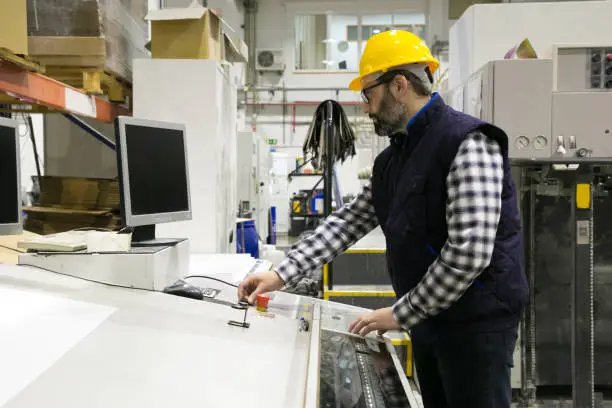
Comprehensive safety programs keep workers safe and make sure that rules are followed. Make detailed standard operating procedures that include how to start up the machine, how to watch normal performance, how to load materials, and how to shut down the machine in an emergency. Before letting operators operate tools on their own, make sure they are fully trained on these practices. Every year, they should get more training. Stress the importance of lockout-tagout processes that cut off the power and stop the blades from turning before any repair work or jam clearing. Make sure that everyone who works with crushers has the right safety gear, like safety glasses, hearing protection, and gloves that won't cut. Put up big signs that show where the danger zones are, where the emergency stops are, and what safety gear is needed. Do regular safety checks that look at both the state of the tools and how well the operators are following the rules. Review any events or close calls right away to find out what went wrong and take steps to fix it. Electrical fires, mechanical jams, and material contamination are all possible situations that should be covered by emergency action plans. The right firefighting gear and spill control materials should be kept nearby, and inspection dates should be kept up to date.
Conclusion
Crushing plastic bottles is an important part of infrastructure for businesses that want to handle trash in a sustainable way and run more efficiently. Advanced recycling capabilities are now available to sites of all sizes thanks to the Chinese plastic bottle crusher, which has emerged as a practical option that offers industrial-grade performance at affordable prices. We looked at how these tools change plastic waste using coordinated mechanical systems, how they can be used in many different industrial and recycling sectors, and how they help the economy by recovering materials and lowering costs. To make implementation work, you need to carefully choose equipment that fits the needs of the business and then follow strict upkeep procedures that keep it working well for years. There are more rules and higher standards for sustainability, so buying good crushing equipment helps businesses stay in line and gain a competitive edge in markets that value environmental responsibility more and more.
FAQ
What types of plastic materials can Chinese plastic bottle crushers process effectively?
Good Chinese plastic bottle crushers can handle most thermoplastics, like HDPE cases, PET bottles, polypropylene parts, polystyrene packages, and PVC materials. Specialized blade designs make it possible to work with tough materials like layered films, woven plastic bags, and even rubber parts. The thickness of the material can be as thin as 0.5 mm or as thick as 25 mm for rigid parts. However, exact specs depend on the model's ability and the design of the blades.
What are typical energy consumption levels for industrial plastic bottle crushers?
The amount of energy needed is directly related to how much the material can be processed and how it is made. Mid-range units that process 1,000 to 1,500 pounds per hour usually use 15 to 30 kilowatts of power when they're running. Larger industrial systems that move more than 3,000 pounds an hour may need 40 to 75 kilowatts. The actual amount used depends on the density of the material. For example, it takes more power to break hard HDPE than to process lightweight PET. Using variable speed drives and better blade geometry can cut energy costs by 15 to 25 percent compared to older versions that used set speeds.
Where can I source trustworthy Chinese plastic bottle crusher suppliers?
Give more weight to makers whose track records can be checked and who have official certifications like ISO 9001 quality management systems. Ask for customer references from people who work in the same business and area as you, and then call those people to ask about their experiences. Go to trade shows in your industry where reputable manufacturers show off their tools so you can try them out for yourself. Make sure that the sellers you're considering keep enough extra parts in stock in your area and offer helpful technical support in your language and time zone.
Partner with Xingbiao for Your Plastic Crushing Needs
To make the right tools investment, you need help from experts who have been in your line of work and understand the problems you face. Over the past 30 years, Xingbiao has specialized in making plastic crushers. They provide recycling centers and production companies across North America with custom solutions that are made to fit their material properties and output needs. Our engineering team works directly with clients to suggest the best configurations, whether you need small units next to the press to collect industrial scrap or large systems for dedicated recycling operations that process mixed waste streams. As a specialized Chinese plastic bottle crusher manufacturer, we keep a large stock of spare parts in China and offer expert help that answers your questions within 24 hours, reducing any downtime that might occur. Get in touch with our team at xingbiaocrusher@xingbiaocrusher.com to talk about your working needs, look over the machine specs, and get quotes on a Chinese plastic bottle crusher. We want to help you reach your goals for both sustainability and business efficiency by providing you with reliable, cost-effective crushing solutions backed by real knowledge and ongoing support.
References
1. Hopewell, J., Dvorak, R., & Kosior, E. (2009). Plastics recycling: challenges and opportunities. Philosophical Transactions of the Royal Society B: Biological Sciences, 364(1526), 2115-2126.
2. Al-Salem, S. M., Lettieri, P., & Baeyens, J. (2009). Recycling and recovery routes of plastic solid waste (PSW): A review. Waste Management, 29(10), 2625-2643.
3. Chen, Y., Awasthi, A. K., Wei, F., Tan, Q., & Li, J. (2021). Single-use plastics: Production, usage, disposal, and adverse impacts. Science of the Total Environment, 752, 141772.
4. Ragaert, K., Delva, L., & Van Geem, K. (2017). Mechanical and chemical recycling of solid plastic waste. Waste Management, 69, 24-58.
5. Schyns, Z. O., & Shaver, M. P. (2021). Mechanical recycling of packaging plastics: A review. Macromolecular Rapid Communications, 42(3), 2000415.
6. Zhao, Y. B., Lv, X. D., & Ni, H. G. (2018). Solvent-based separation and recycling of waste plastics: A review. Chemosphere, 209, 707-720.
Learn about our latest products and discounts through SMS or email