- English
- French
- German
- Portuguese
- Spanish
- Russian
- Japanese
- Korean
- Arabic
- Greek
- German
- Turkish
- Italian
- Danish
- Romanian
- Indonesian
- Czech
- Afrikaans
- Swedish
- Polish
- Basque
- Catalan
- Esperanto
- Hindi
- Lao
- Albanian
- Amharic
- Armenian
- Azerbaijani
- Belarusian
- Bengali
- Bosnian
- Bulgarian
- Cebuano
- Chichewa
- Corsican
- Croatian
- Dutch
- Estonian
- Filipino
- Finnish
- Frisian
- Galician
- Georgian
- Gujarati
- Haitian
- Hausa
- Hawaiian
- Hebrew
- Hmong
- Hungarian
- Icelandic
- Igbo
- Javanese
- Kannada
- Kazakh
- Khmer
- Kurdish
- Kyrgyz
- Latin
- Latvian
- Lithuanian
- Luxembou..
- Macedonian
- Malagasy
- Malay
- Malayalam
- Maltese
- Maori
- Marathi
- Mongolian
- Burmese
- Nepali
- Norwegian
- Pashto
- Persian
- Punjabi
- Serbian
- Sesotho
- Sinhala
- Slovak
- Slovenian
- Somali
- Samoan
- Scots Gaelic
- Shona
- Sindhi
- Sundanese
- Swahili
- Tajik
- Tamil
- Telugu
- Thai
- Ukrainian
- Urdu
- Uzbek
- Vietnamese
- Welsh
- Xhosa
- Yiddish
- Yoruba
- Zulu
How to Optimize Powder Processing with Pharmaceutical Pulverizers?
Pharmaceutical pulverizers need careful planning when it comes to choosing the right tools, operating settings, and maintenance schedules to achieve the best possible powder processing results. The controlled mechanisms of contact, shearing, and compression in these grinding machines reduce particle size with great accuracy. These mechanisms have a direct effect on the absorption of drugs and the stability of formulations. By matching the type of pulverizer to the properties of the material, regularly calibrating it, and setting up preventative maintenance plans, makers can greatly increase throughput while lowering the risk of contamination and energy costs. With the right pharmaceutical pulverizers, raw materials can be turned into regular powders that meet strict government standards.
Understanding Pharmaceutical Pulverizers and Their Role in Powder Processing
Pharmaceutical pulverizers are a special kind of milling equipment that is used to turn active medicinal ingredients and excipients into particles of very small sizes. Unlike most industrial crushers, these machines have to follow strict cleanliness rules and make sure that the particles are spread out evenly, which has a direct effect on how well medications are absorbed and how well they work as medicine.
Core Grinding Mechanisms Explained
Three basic physical laws work together or separately to make the grinding process possible. High-speed hammers or blades are used in impact pulverization to hit materials and make fracture lines that break them up into smaller pieces. This method works especially well for crystalline chemicals and rigid materials that need to be crushed quickly. Cutting things with shearing forces works by using blades or surfaces that move at different speeds and against each other. This method works for materials that are flexible or springy and don't easily break when hit. Continuous force is applied between surfaces in compression grinding, which slowly crushes materials. This method is perfect for breaking down thick, hard products in a controlled way.
Types of Pulverizers and Their Applications
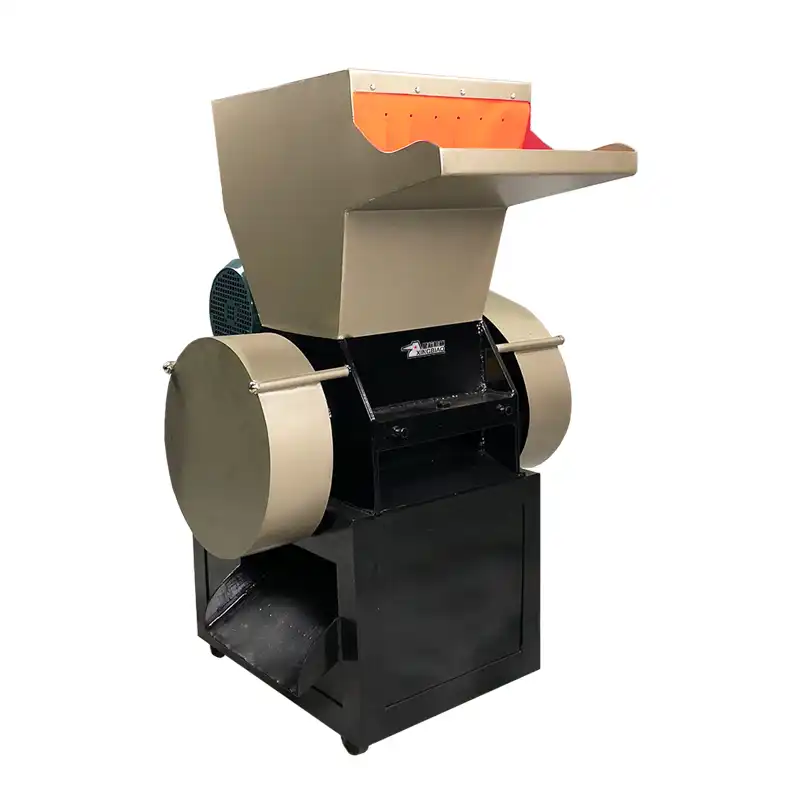
Pharmaceutical activities that need a high output and middling fineness mostly use hammer mills. These machines use spinning hammers inside enclosed rooms to get particles that are usually between 50 and 500 microns in size, but this depends on which screen is chosen. Their strong construction lets them handle continuous use while still letting screens be changed quickly for different product needs. Jet mills use compressed air or harmless gas streams to smash particles together at high speeds, making powders as fine as 5 microns without generating heat. This method doesn't let contamination happen, so it works well for temperature-sensitive materials and clean handling needs. However, it still uses more energy than mechanical options. Ball mills have circular rooms that spin and contain grinding media like ceramic, steel, or special alloy balls that hit and wear down materials over and over again. Ball mills are great at making very regular particle distributions, which is important for controlled-release formulas, but they take longer to process than other technologies. Pin mills have two spinning disks with pins that are spaced apart. As materials move through the small holes between the disks, they are sheared very hard. These small units consistently reduce particle size for solid powders and agglomerated materials that need a soft but effective milling action. Instead of using one-size-fits-all solutions, buying teams can match the capabilities of tools to production needs, the properties of materials, and quality goals when they understand these different technologies.
Common Challenges in Powder Processing and How to Solve Them
Performance bottlenecks in production settings often lower the quality of the output and make operations less efficient. When you understand these problems and put focused answers in place, you can turn operations that aren't working well into ones that are.
Particle Size Inconsistency Issues
Particles are spread out in an uneven way when grinding surfaces are worn, screens aren't chosen correctly, or feed rates aren't set correctly. Materials that go through worn-out screens create too-large particles that don't get reduced properly, and too much feed volume overruns the grinding capacity, leaving processing cycles unfinished. Setting screen check times based on flow volume is needed to solve this problem. For abrasive materials, this is usually done every 200 to 300 working hours. Using variable frequency drives on feed systems keeps the right amount of material flowing at the right rate for the grinding capacity. This keeps the chamber from getting too full, which can lead to inconsistent results.
Contamination Control Strategies
There are big quality risks in pharmaceutical manufacturing when different batches of pharmaceutical pulverizers get contaminated with each other or when machine surfaces get contaminated. Contamination events are caused by metal bits from old parts, leftover product building up in holes, and cleaning methods that aren't good enough. Some solutions are to choose pulverizers with quick-access designs that can be cleaned thoroughly between batches, make sure that all surfaces that come into contact with the product are made of food-grade or pharmaceutical-grade materials, and follow clear cleaning validation procedures. Before materials move on to the next step in the processing process, magnetic separators are put in place after the grinding rooms to get rid of any metal bits.
Energy Consumption Optimization
Too much power use raises running costs and could mean that efficiency is declining. High energy use is caused by spinning parts that aren't lined up right, worn bearings, and motors that are too small for the job. By doing baseline energy tests, you can set consumption standards for normal operation and find efficiency drops early on. When you replace normal motors with high-efficiency models, the amount of electricity used goes down by 15 to 20 percent. Also, switching to blade geometries that are optimized for better performance increases grinding efficiency, using less energy per kilogram handled. One North American pharmaceutical company said that it cut its energy use by 23% after putting in place a full optimization program that included motor upgrades, preventative bearing maintenance, and feed rate optimization. This shows that paying systematic attention to operational parameters can pay off.
Choosing the Right Pharmaceutical Pulverizer for Your Production Needs
The choice of equipment affects the long-term ability to produce, the uniformity of quality, and the prices of running the business. When you match the pharmaceutical pulverizer's features to the needs of the manufacturing process, you avoid costly mistakes that hurt performance goals.
Material Compatibility Assessment
Different pharmaceutical chemicals have different physical traits that need specific grinding methods. Impact-based hammer mills are good for quickly reducing the size of crystalline active ingredients with clear fracture lines. Shearing action from pin mills or specialty cutting mills is good for fibrous excipients that contain cellulose structures. Biologics that are sensitive to temperature need to be ground very slowly or in a jet mill, which doesn't generate any heat while the particles are being ground. Technology choice is based on how hard a material is on the Mohs scale, how much wetness it has, and its melting point. For materials harder than 4 Mohs, impact or compression grinding is usually needed. For materials softer than 3 Mohs, cutting devices work. Compounds that are sensitive to moisture need closed systems with controlled atmospheres that can keep them from breaking down during processing.
Production Capacity Planning
Equipment size and design choices are directly affected by how much throughput is needed. Standard floor-mounted pulverizers with replaceable screens can handle batch activities that process 50 to 500 kilograms per cycle. Larger industrial units with built-in feeding systems, dust collection systems, and automatic discharge devices are needed for continuous production lines that handle metric tons of material every day. To figure out the real capacity needed, you have to take into account things like changeover time, cleaning routines, and repair times that go beyond the theoretical maximum throughput. A blender with a capacity of 200 kg/hour that works 16 hours a day and is cleaned for two hours produces about 2,800 kg of useful material every day, instead of the theoretical 3,200 kg. This is because it takes into account real-world working limitations, which stops capacity shortages.
Cost-Effectiveness Analysis
The initial cost of buying tools is only one part of the total costs of owning them. Cost comparisons are true when you look at how many spare parts are available, how much upkeep is needed, and how much energy is used over a 10-year operational lifespan. Manufacturers who keep a lot of parts in stock and offer quick technical help keep production interruptions to a minimum, which is much less than the small price differences in equipment. Reputable pulverizer makers in the US, EU, and Asia keep up with established transportation networks that make sure parts are always available, and service is always possible. Building ties with providers that show long-term stability and technical know-how can help you avoid obsolescence risks and support discontinuity.

Maintenance, Safety, and Operational Best Practices for Pharmaceutical Pulverizers
To keep up peak performance, you have to pay close attention to repair schedules and safety rules that protect both the tools and the people who work on it.
Preventive Maintenance Schedules
Setting up repair intervals based on time and state for pharmaceutical pulverizers keeps output plans from being thrown off by unexpected failures. Every day, screens are checked for damage or wear, bearing temperatures are confirmed through thermal imaging or touch testing, and the dust collection system is ensured to work. As part of weekly maintenance, all areas that come into contact with the product are carefully cleaned, bearing assemblies are oiled according to the manufacturer's instructions, and drive system belt tension is checked. Precision calipers are used to measure blade wear once a month, and the measurement errors are compared to the specs for a new blade. If a blade's key measurements drop by more than 15%, it needs to be replaced before its performance starts to suffer. Motor links, electrical parts, and the operation of the safety interlock are all tested in a planned way every three months as part of routine maintenance.
Safety Protocol Implementation
When you grind, you make a lot of dust, noise, and mechanical dangers that need full safety steps. Effective dust collection systems catch flying particles where they are made, keeping work areas clean while recovering valuable goods. During operation, noise levels often go above 85 decibels, so hearing protection is needed and sound-dampening enclosures should be considered for installs in places where people will be. Lockout-tagout methods keep machines from starting up by mistake while they are being serviced, and machine guarding keeps people from getting hurt by moving or rotating parts. Multiple emergency stop keys at different entry points allow for quick shutdown in case of an emergency. Training workers on the right way to load, start up, and spot abnormal conditions lowers the risk of accidents and increases operating efficiency.
Performance Monitoring Systems
Modern pharmaceutical pulverizers have sensors built in that keep an eye on important factors in real time. Vibration monitors can find signs of bearing wear or imbalance weeks before they become catastrophic. This lets maintenance be planned ahead of time instead of having to be done quickly. Temperature sensors on motor housings and bearing kits let you know right away if the oil stops working or the motor is overloaded. Power meters that keep track of how much energy is used can find losses in performance that show when repair is needed or where the process could be improved. By using automated data logging to keep track of performance trends, baseline working characteristics are set, and any changes are instantly visible to operations staff. This proactive method changes maintenance from responding to problems as they happen to planning actions that will have the least possible effect on production.
Procurement Insights: How to Secure the Best Value Pharmaceutical Pulverizer
To buy equipment, you need to know how much it will cost, what the seller can do, and what kind of help you will need throughout the equipment's lifecycle.
Pricing Structure Components
The price of a pharmaceutical pulverizer depends on more than just the cost of making it. When compared to carbon steel options, equipment made from stainless steel alloys that meet FDA standards costs more, but this investment is necessary for medicinal uses. Custom changes that address specific material properties or integration needs raise engineering costs but provide features that aren't available in standard setups. When you buy a lot of units from the same maker, you may be able to get discounts of 12 to 18%. This is especially true if you use the same models on different production lines. When negotiating the first price, it's often cheaper to bundle installation services, operator training, and longer guarantee coverage than to buy each of these things individually.
Warranty and Support Evaluation
Having a full guarantee that covers production flaws for pharmaceutical pulverizers protects your finances during the first few years of use, which is very important. Standard warranties usually cover you for 12 to 24 months after installation, but some high-end makers give coverage for up to 36 months. Looking at what the warranty doesn't cover can show you where the holes might be. Normal wear and tear items like screens and blades are usually not covered by the guarantee, but important parts like motors, frames, and housings are. How quickly suppliers answer technical questions and requests for parts has a direct effect on the continuation of production. To judge a supplier's skills, you need to ask for customer references, check the supplier's parts inventory, and make sure technical help is available during work hours. When compared to sellers far away who need to ship parts and services internationally, manufacturers with regional service centers and networks of qualified technicians can respond more quickly.
Building Supplier Partnerships
Hangzhou Xingbiao Machinery's main area of experience is in plastic crushing technology, not pharmaceutical pulverizer applications. However, the buying strategies we've built over 30 years of working with manufacturing clients can be used in any field. Pharmaceutical processing companies that do well have a lot in common: deep engineering that can solve application-specific problems, quick technical help that keeps downtime to a minimum, and open communication that builds trust throughout the span of a project. By including thorough RFPs that list material properties, throughput needs, room limitations, and utility access, providers can come up with the best solutions instead of just giving generic ones. Site trips, which let suppliers see how things are done and learn about the production process, often show ways to improve things that weren't clear from the specifications alone.
Conclusion
To get the most out of pharmaceutical pulverizers for powder processing, you need to pay close attention to the equipment you choose, how it is used, how it is maintained, and how you work with your suppliers. To get reliable results, you need to know how grinding works and how to match the right pulverizer type to the properties of the material. Preventive maintenance, proper testing, and contamination control are some of the most common problems that need to be fixed. These steps protect product quality and lower running costs. Long-term success is guaranteed by thorough procurement methods that look at total ownership costs, supplier skills, and support infrastructure. By using these optimization concepts, manufacturing operations can improve their throughput efficiency, product consistency, and operating stability, all of which make them more competitive in the pharmaceutical market.
FAQ
What factors most significantly affect particle size control in pharmaceutical grinding?
The main control measure is the size of the screen opening. Smaller particles are made by finer screens, but they take longer and use more energy to process. The end particle distribution is also affected by the rotor speed, the feed rate, and the time that the material stays in the grinding chamber. When working with materials that need very fine results (less than 20 microns), jet mills or special types of ball mills are usually better than mechanical hammer mills.
How do I choose between hammer mills and jet mills for my application?
Hammer mills work well in high-throughput settings that process more than 100 kilos of material per hour and where particles with sizes between 50 and 500 microns are fine. Their strong construction means they can be used continuously with only minor upkeep needs. Jet mills can handle substances that are sensitive to temperature, need to be processed in a clean way, or need ultra-fine particles smaller than 20 microns, even though they use more energy and can't handle as much at once. This technology choice is based on how sensitive the material is to heat and the size of the particles that are wanted.
What maintenance tasks prove most critical for reliable pulverizer operation?
Screen replacement based on wear patterns and analysis stops particles that are too big and keeps the output quality uniform. By lubricating bearings at the times recommended by the maker, you can keep them from breaking down too soon and needing more downtime. By measuring blade wear and replacing them at the right time, grinding efficiency is kept up until it becomes obvious that performance is declining. Setting up written repair schedules that are based on working hours instead of random time intervals makes parts last longer.
Partner with Experienced Crusher Manufacturers for Your Material Processing Needs
Our company, Hangzhou Xingbiao Machinery Co., Ltd., has spent the last 30 years perfecting breaking technology for tough industrial uses. Because of relationships with Nongfu Spring and KFC, our engineering team has made specialized crushers for use by large companies. This shows that we can meet strict performance and dependability standards. Even though we don't normally deal with because we only work with plastic materials, we know how hard it can be for manufacturing companies to find reliable size reduction equipment. In our line of products, we have strong crushers with SKD-11 and Cr12MoV steel blades that have been vacuum-heated to make them very resistant to wear in settings where they are used all the time. If your plant handles plastic waste, broken products, or recycling streams along with pharmaceutical operations, we encourage you to look into whether our specialized crushing options could meet those needs as well. Get in touch with our expert team at xingbiaocrusher@xingbiaocrusher.com to talk about how you want to process your materials. Go to www.xingbiaocrusher.com to see all of our crushers' specs and see what they can be used for.
References
1. Rhodes, M. (2008). Introduction to Particle Technology, 2nd Edition. John Wiley & Sons, Chichester, UK.
2. Augsburger, L.L. and Hoag, S.W. (2008). Pharmaceutical Dosage Forms: Tablets, Volume 2: Rational Design and Formulation, 3rd Edition. Informa Healthcare, New York.
3. Perry, R.H. and Green, D.W. (2008). Perry's Chemical Engineers' Handbook, 8th Edition. McGraw-Hill, New York.
4. Staniforth, J. (2002). "Powder Flow" in Pharmaceutics: The Science of Dosage Form Design, 2nd Edition, edited by M.E. Aulton. Churchill Livingstone, Edinburgh.
5. Naik, S. and Chaudhuri, B. (2015). "Quantifying Dry Milling in Pharmaceutical Processing: A Review on Experimental and Modeling Approaches." Journal of Pharmaceutical Sciences, 104(8): 2401-2413.
6. European Medicines Agency (2006). Guideline on Manufacture of the Finished Dosage Form: Note for Guidance on Manufacture of the Finished Dosage Form. EMEA, London.
Learn about our latest products and discounts through SMS or email