- English
- French
- German
- Portuguese
- Spanish
- Russian
- Japanese
- Korean
- Arabic
- Greek
- German
- Turkish
- Italian
- Danish
- Romanian
- Indonesian
- Czech
- Afrikaans
- Swedish
- Polish
- Basque
- Catalan
- Esperanto
- Hindi
- Lao
- Albanian
- Amharic
- Armenian
- Azerbaijani
- Belarusian
- Bengali
- Bosnian
- Bulgarian
- Cebuano
- Chichewa
- Corsican
- Croatian
- Dutch
- Estonian
- Filipino
- Finnish
- Frisian
- Galician
- Georgian
- Gujarati
- Haitian
- Hausa
- Hawaiian
- Hebrew
- Hmong
- Hungarian
- Icelandic
- Igbo
- Javanese
- Kannada
- Kazakh
- Khmer
- Kurdish
- Kyrgyz
- Latin
- Latvian
- Lithuanian
- Luxembou..
- Macedonian
- Malagasy
- Malay
- Malayalam
- Maltese
- Maori
- Marathi
- Mongolian
- Burmese
- Nepali
- Norwegian
- Pashto
- Persian
- Punjabi
- Serbian
- Sesotho
- Sinhala
- Slovak
- Slovenian
- Somali
- Samoan
- Scots Gaelic
- Shona
- Sindhi
- Sundanese
- Swahili
- Tajik
- Tamil
- Telugu
- Thai
- Ukrainian
- Urdu
- Uzbek
- Vietnamese
- Welsh
- Xhosa
- Yiddish
- Yoruba
- Zulu
Industrial Plastic shredder Packages for Large-Scale Use
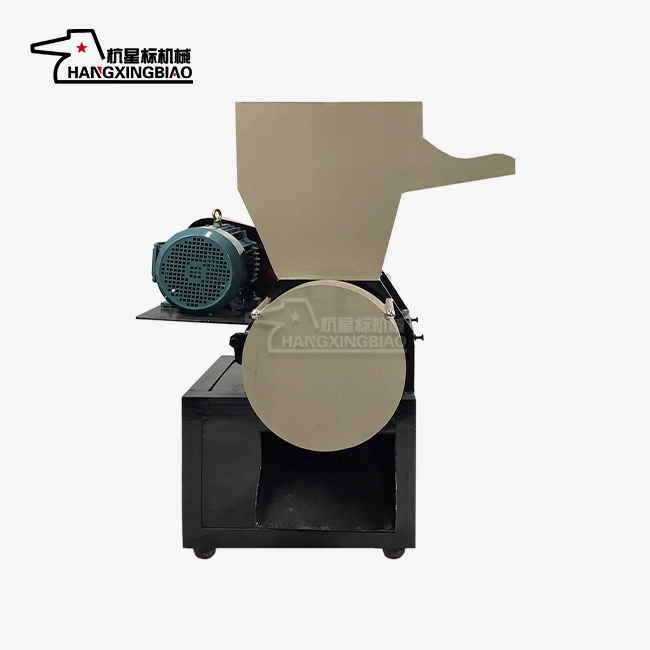
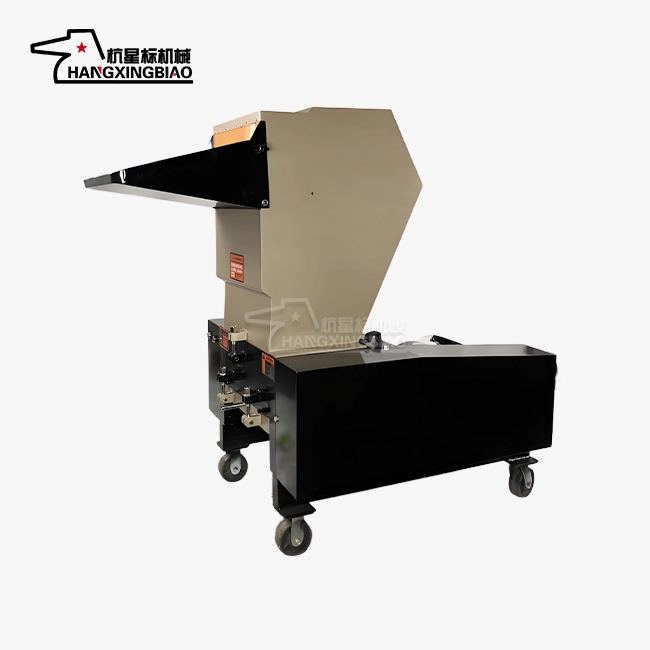
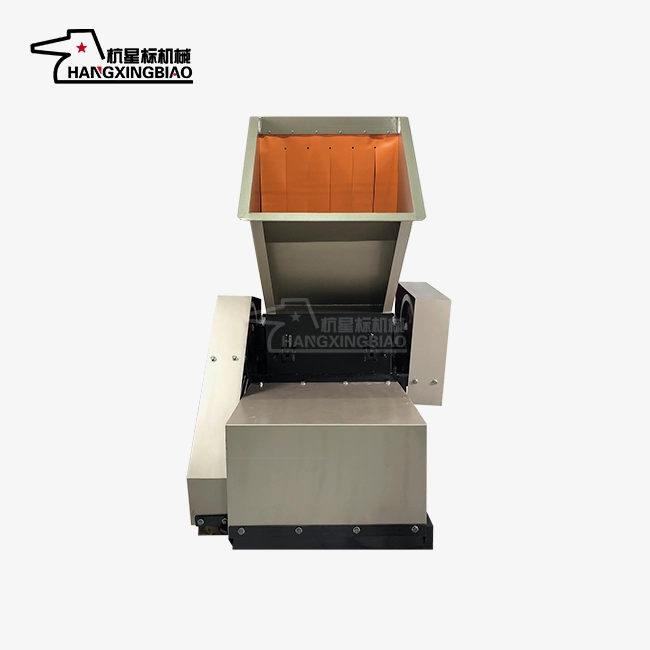
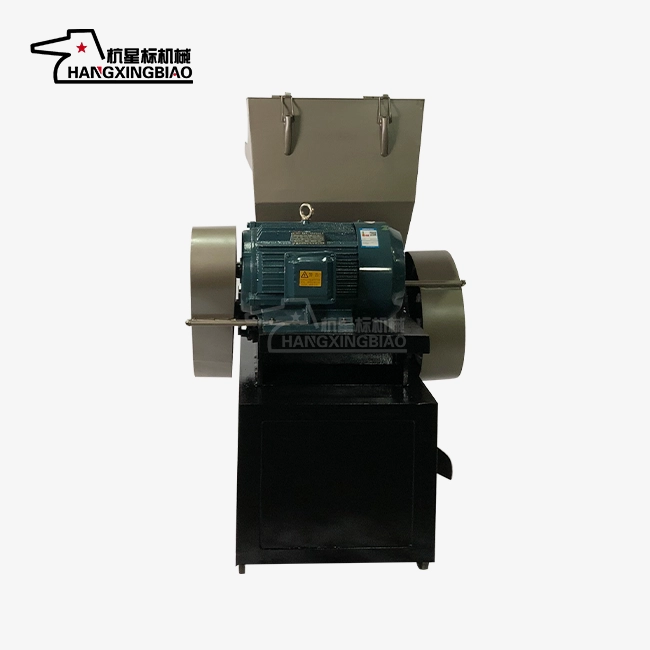
When you're in charge of large-scale plastic trash operations, choosing the right Plastic shredder package is a smart choice that affects how well you can cut costs, protect the environment, and make production more efficient. Industrial shredders made for high-volume use can do more than just reduce the size of things. They can also turn big pieces of scrap metal, broken goods, and post-consumer trash into small pieces that can be handled and ready for further processing. These all-in-one packages usually come with strong cutting mechanisms, automatic feeding systems, built-in safety features, and flexible screening options that let makers and recyclers handle tons of material per hour with little downtime and consistent output quality.
Understanding Industrial Plastic Shredders for Large-Scale Operations
What Makes Industrial Shredders Different from Standard Equipment
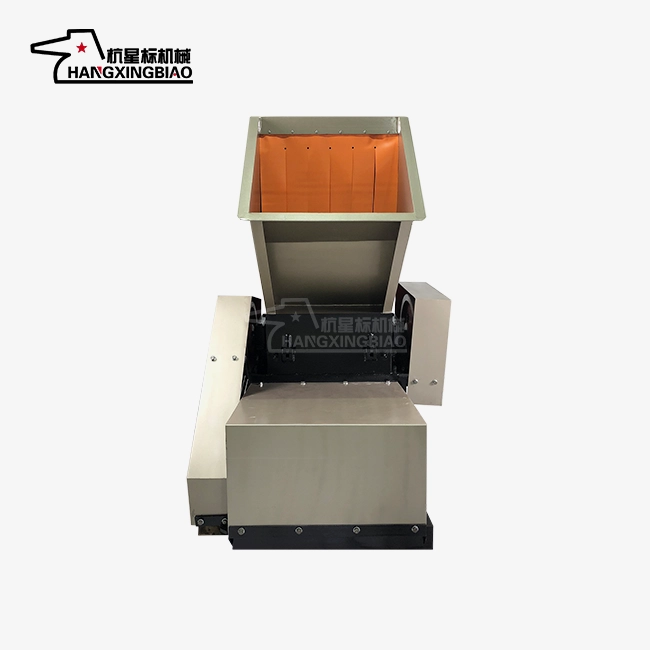
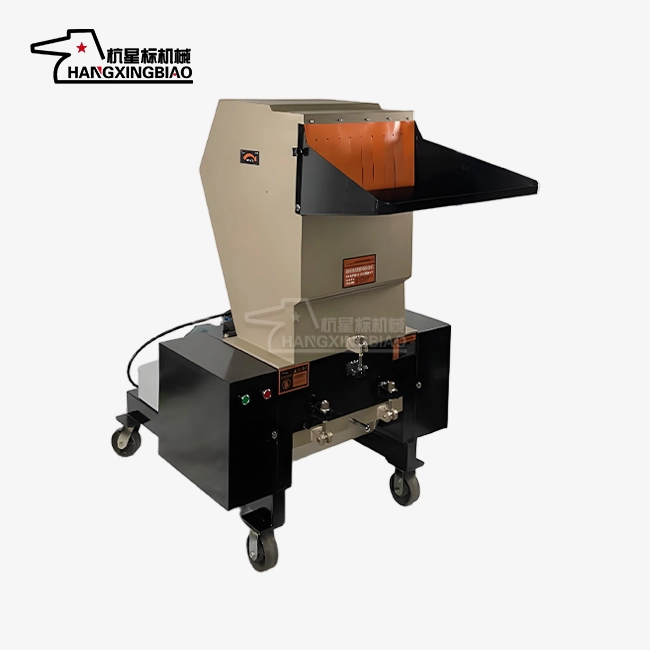
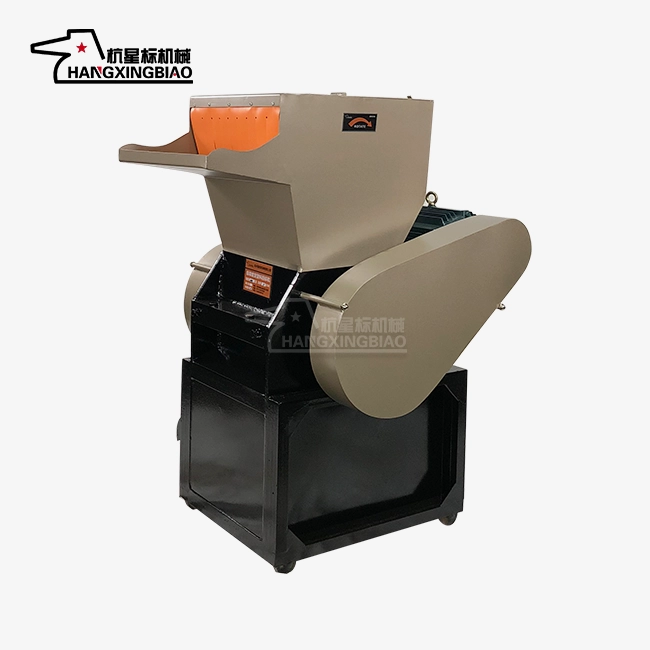
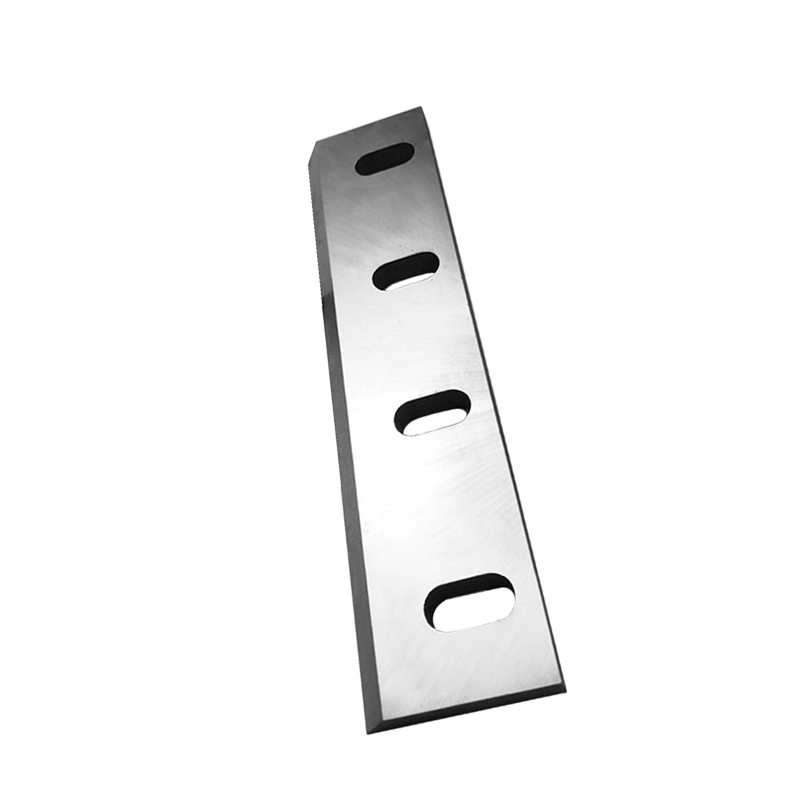
Industrial-grade cutting equipment works on a much larger scale than smaller types used in workshops. The building of these heavy-duty tools is strengthened with high-strength steel plates that go through a stress relief process to keep them from warping when they are used continuously. The cutting sections are much bigger, so they can handle big things like trash cans, pallets, and lines with large diameters without having to be prepared by hand first. The motor has between 15 and over 100 horsepower, which lets it work for a long time, even when working with tough materials like strengthened plastics or rubber-composite parts. At Xingbiao, we've spent 30 years getting better at figuring out what large-scale businesses really need. Our Plastic shredders have welded steel bodies and vacuum-heated blades made from SKD-11 and Cr12MoV special steels. These blades are very hard and don't wear down easily, so they last much longer than regular cutting tools. Working directly with high-volume users like Nongfu Spring and KFC has led to this way of thinking about building. When equipment breaks down, large amounts of production are lost.
Main Types of Industrial Shredding Systems
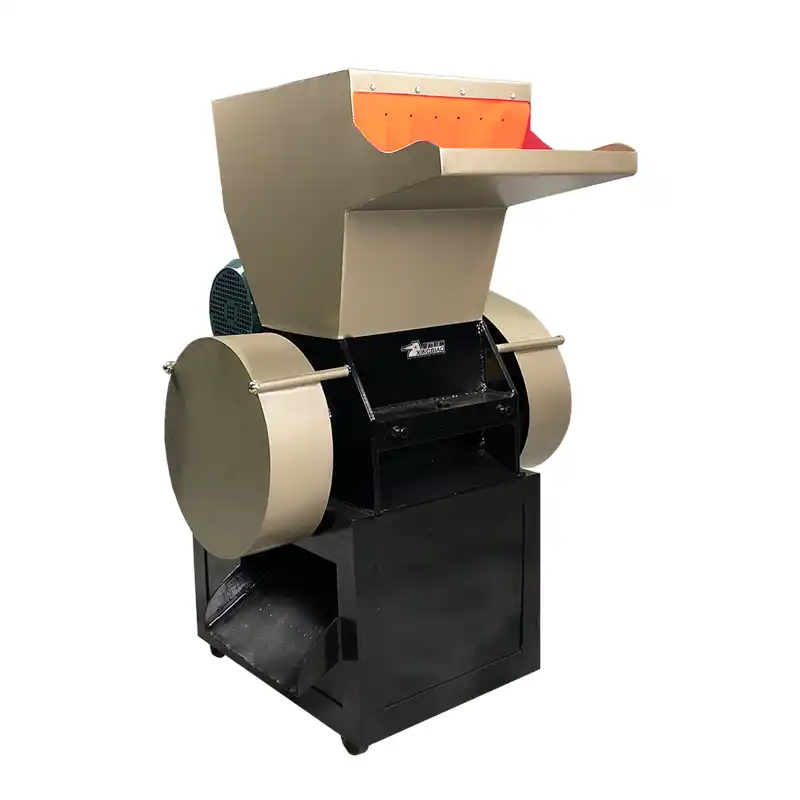
In big settings, different shredder configurations meet different working needs. Single-shaft shredders have a powered rotor with several cutting blades that work against a fixed bed knife. They are great at shredding large things and making particles that are mostly the same size. When the output size needs to be uniform for later granulation steps, these tools work especially well with post-consumer plastics like bottles, containers, and rigid packing materials. Besides these basic layouts, there are also specialized forms that are used to solve specific problems. Our film and fiber crusher was made to work with soft plastics. It has a blade shape that keeps materials from wrapping around, which is a common issue when working with shopping bags, farming films, and knitted polypropylene sacks. The system can handle these famously tough materials without having to be constantly cleared of jams by a person.
Capacity Metrics and Throughput Factors
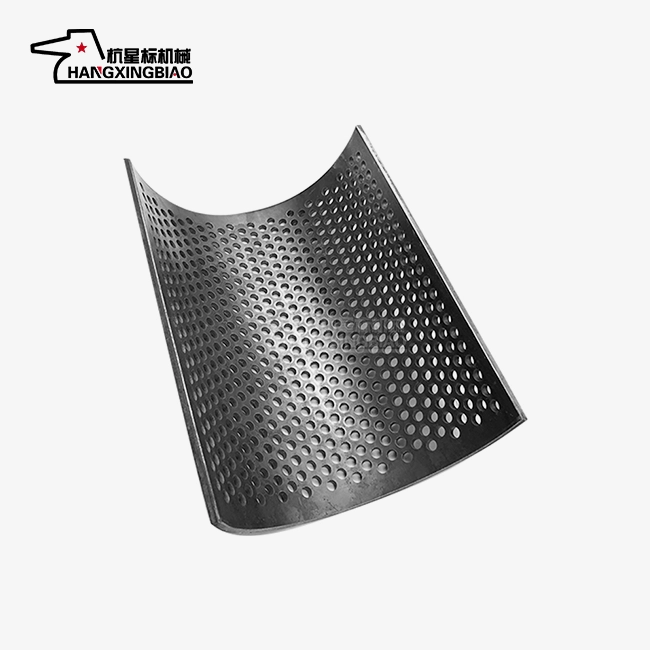
To understand flow, you need to look at more than just horsepower numbers. Processing capacity, which is measured in tons per hour or pounds per hour, is affected by many factors that work together. These include the mass of the material, the amount of water it contains, the spread of particle sizes, and the desired output size. When compared to other designs, our systems are more than 20% more efficient at crushing because they have better blade shapes and hole structures. This gain comes from using computational fluid dynamics to cut down on the recycling of material inside the cutting chamber. This makes sure that each piece gets the right amount of cutting force without wasting energy on processing that is already being done.
Environmental and Operational Benefits
Large-scale shredding businesses help the environment in more ways than just keeping trash out of dumps. Shredding plastic cuts its volume by 70–90%, which greatly reduces the costs and carbon emissions of transporting large amounts of trash. After being handled, the material can be used to make recycled plastic, which supports circular economy efforts that big brands are asking their supply lines to support more and more. When tools are used for long periods of time, energy economy is important. Our motor matching optimization cuts down on energy use without lowering output. This saves a lot of money over thousands of hours of use. One client said that after switching to our energy-optimized system, their yearly power costs dropped by more than $12,000. These savings had a big effect on their bottom line.
Key Considerations When Choosing Industrial Plastic Shredder Packages
Performance Metrics That Actually Matter
A motor's horsepower is often the most important feature for procurement teams to focus on, but other performance factors should also be looked at closely. Maximum rated capacity doesn't tell you as much about real-world capability as consistent throughput under changing material circumstances. A Plastic shredder that keeps up 85% of its peak flow with different types of material is more reliable than one that has a higher peak capacity but a lot of performance difference. Instead of motor nameplate rates, the real power used under load should be used to figure out how energy efficient a system is. Our improved drive systems usually use 15–20% less power than traditional designs with the same capacity. This can save a lot of money in places where shredders work long shifts.
Aligning Equipment with Specific Industry Needs
When it comes to shredding, different businesses have their own problems that may not be well solved by standard tools. Plastic product makers who deal with injection molding scrap need tools that can work right next to production lines and handle raw material, runners, and broken parts without stopping work. These uses gain from small sizes, low noise output, and the ability to switch between materials quickly. Suppliers to well-known market names have to meet strict standards for quality and regularity. These businesses need to be able to prove their success in writing, have methods for tracking things, and have the supplier stability that comes from working with well-known companies. Our 30-year history of business and ongoing partnerships with international companies give big companies' buying teams the trust they need before they buy capital equipment.
Safety Standards and Maintenance Protocols
There are risks that come with industrial shredders that must be covered by full safety features. Interlocked entry doors stop the machine from working when the guards are open, and emergency stop systems let people around the machine immediately turn it off from anywhere. Electrical systems should meet the NFPA 79 standards for industrial machines, and noise levels should stay below OSHA exposure limits so that people nearby don't need to wear extra hearing protection. Schedules for preventive repair should match how things actually work. We suggest setting inspection times based on real working hours instead of calendar time, since a machine that only works one job a day wears out much differently than one that works all the time. Monitoring vibrations can find worn-out bearings before they fail. This lets planned maintenance happen during planned breaks instead of emergency fixes that stop production.
Procurement Insights: Buying Industrial Plastic Shredder Packages
Sourcing from Verified Suppliers
There are a lot of makers of industrial Plastic shredders, but even though their specs may look the same, their machines can do very different things. Suppliers that have been around for a while and have their own engineering teams and factories are better than equipment dealers or sellers who don't know much about technology. When looking at possible providers, don't just look at their product catalog; also look into how they create and make things. Stable suppliers are important, especially for big-ticket items that will last 10 to 15 years. Companies that work in more than one industry may put less emphasis on supporting past product lines as they focus on new markets. Since we've only made crushing equipment for 30 years, all of our engineering resources, decisions about spare parts inventory, and technical support staff are solely focused on shredder technology. This gives us a level of knowledge that other makers can't match.
Analyzing Cost Versus Long-Term Value
The initial buying price is only one part of the total cost of owning. During a machine's working life, its operating costs, such as energy use, blade replacement, and regular upkeep, usually exceed its initial cost. Over ten years, a cheaper shredder that uses more energy and has parts that break down more often may have cost a lot more than a more expensive one that is more efficient and lasts longer. Getting financing choices like leasing tools or setting up installment plans can help you handle changes in your cash flow, especially when you need to buy several units to support your growing business. Some sellers offer performance guarantees that make sure throughput and running cost goals are met. This lowers the risk of buying. During the quotation process, we give customers specific projections of the operating costs. This helps them understand the whole financial picture, not just the purchase price.
After-Sales Support and Technical Assistance
Professional equipment providers are different from simple vendors because they offer full support services. Installation instructions make sure that machines are properly integrated into current workflows, and operator training programs teach staff the best ways to feed machines, do regular maintenance, and fix problems so that small problems don't turn into costly downtime. Follow-up calls on a regular basis help find ways to improve performance and take care of small problems before they get worse. These proactive service exchanges create the long-term partnerships that businesses need to run smoothly. They change the relationship between the business and its provider from one of transaction to one of collaboration.
Optimizing Performance and Longevity for Industrial Plastic Shredders
Maximizing Throughput and Efficiency
To reach the maximum capacity, you need to do more than just put stuff in the hopper. Consistent feed rates keep the rotor from being overloaded, which slows it down, and underfed, which loses capacity. Automated feeding systems with level monitors keep the right amount of material in the cutting area so that output is maximized without the need for constant human attention. Our unique blade shape and hollow design cut down on wasteful energy use by limiting the amount of material that is recycled. Computational research found turbulence patterns that keep particles that have already been handled in the cutting chamber, using energy but not reducing their size in a useful way. Optimized shape moves processed material toward the screen discharge while keeping the right holding time for bigger pieces that need more cutting action.
Maintenance Best Practices and Predictive Technologies
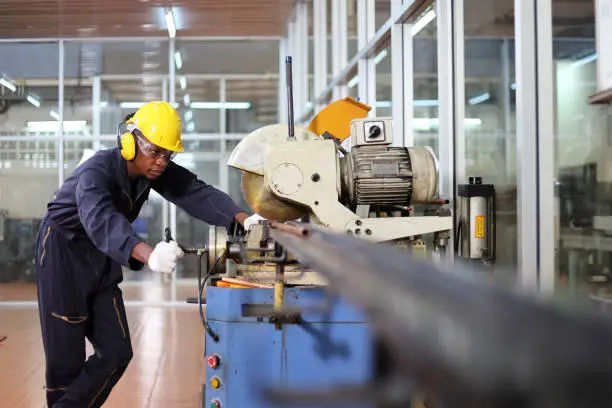
Equipment lasts longer and doesn't break down when it's least expected, when routine repair is done. Checking and rotating the blades at the recommended times keeps them cutting efficiently; dull blades use more energy and make particles of different sizes. Our quick-change blade mounting method makes it possible to take off and put back on in less than two hours, which cuts down on repair downtime. Vibration tracking tools find problems as they start to happen, before they become too big to fix. Baseline vibration signatures set up during launching can be used to compare; slow rises could mean that bearings are wearing out or blades aren't balanced, which needs to be fixed during regular maintenance rather than in an emergency. Monitoring the temperatures of the motor windings and bearing housings gives us more information that helps us predict what will happen.
Adapting to Evolving Material Streams
As consumer goods change and recycling systems grow, so does the makeup of plastic trash. As the features of the feedstock change, practical freedom is provided by equipment that can handle a variety of material types. Our flexible designs can work with almost all non-metallic materials, besides metal and rock. These include different types of plastics, rubber, wood, paper, cloth, foam, and more, without having to be completely rearranged. Modular design ideas allow for small increases in capability as business needs arise. Productivity can be raised without buying new core shredding equipment by adding things like automatic feeding systems, dust collection units, or material handling lines. With this method, investments in capital are protected, and businesses can grow based on real growth rather than guesstimated growth.
Conclusion
When choosing industrial Plastic shredder kits for large-scale operations, you have to weigh the needs for instant capabilities against those for long-term operations. With the right tools, you can get consistent throughput across a wide range of material types while also saving energy and reducing the need for upkeep. When making choices that will affect operations for years to come, technical specs aren't the only thing that matters. Supplier knowledge, full support services, and proven reliability are also very important. We've built our name over the past 30 years by working on crushing technology, forming partnerships with leaders in the field, and constantly improving equipment based on comments from real-world users. As a result, shredding systems have been created that can turn difficult plastic trash streams into useful recycled materials while keeping costs low and service high.
FAQ
What distinguishes plastic shredders from crushers?
Both Plastic shredders and crushers decrease the size of materials, but they do it in different ways. Some shredders have spinning blades that cut or tear material by ripping it apart. This makes them good for tough or large items. Most crushers work best with materials that break easily because they use compression or pressure forces. Shredders take bigger pieces of material and make bigger pieces of output, while crushers make smaller pieces. Many businesses use both at the same time, with shredders first to reduce the size of the material and then crushers to make it into small pieces.
How do I estimate the right shredder capacity for my operation?
Find out how much material you usually move in a shift, and then add 30 to 40 percent more to account for changes and avoid jams. A center that works with 10 tons of materials every day over two shifts needs at least 3–4 tons of tools per hour. The real output is affected by the properties of the material. For example, dense, rigid plastics work faster than films or foams. Talk to experts in the equipment so they can give you an accurate idea of its ability based on the materials you have and how much you need to produce.
What safety measures are essential for industrial shredder operation?
Interlocked access guards that stop operation when opened, emergency stop controls that can be reached from multiple places, and electrical systems that meet standards for industrial machinery are all examples of good safety features. Operators need to be taught the right way to feed the machine, how to use the right safety gear (like safety glasses and hearing protection), and how to do lockout/tagout steps for repair work. Regular checks make sure that safety devices work right and that guards stay in the right place.
Partner with Xingbiao for Reliable Industrial Plastic Shredder Solutions
Picking the right Plastic shredder provider will have long-lasting effects on your business through the dependability of the equipment, the quality of the expert support, and the availability of replacement parts. Xingbiao has been making specialized crushing equipment for 30 years and has relationships with big companies and a committed engineering team that is always making shredder technology better. Our wide range of products can be used for everything from processing high-speed injection molding scrap to recovering difficult soft plastics. All of them are built to last with high-quality parts like SKD-11 blades and stress-relieved steel frames.

We offer full support for the whole lifecycle of your equipment, from the initial meeting and custom solution creation to installation advice, operator training, and quick technical support. Our promise to answer questions 24 hours a day and keep enough extra parts on hand reduces the chances of downtime that could affect production plans. We have the knowledge and dependability that large-scale operations need, whether you need a plastic shredder manufacturer that can make special designs for unique uses or a provider that has a track record of delivering standard configurations.
Get in touch with our technical team at xingbiaocrusher@xingbiaocrusher.com to talk about your specific processing needs and find out how our custom crushing solutions can help you handle materials more efficiently while keeping costs low.
References
1. Thompson, R.C., Swan, S.H., Moore, C.J., & vom Saal, F.S. (2019). Plastics, the Environment and Human Health: Current Consensus and Future Trends. Philosophical Transactions of the Royal Society B: Biological Sciences.
2. Hopewell, J., Dvorak, R., & Kosior, E. (2018). Plastics Recycling: Challenges and Opportunities in Industrial Processing. Journal of Materials Cycles and Waste Management.
3. Kumar, S., Panda, A.K., & Singh, R.K. (2020). A Review on Tertiary Recycling of High-Density Polyethylene to Fuel: Size Reduction Technologies. Resources, Conservation, and Recycling.
4. Eriksen, M.K., Christiansen, J.D., Daugaard, A.E., & Astrup, T.F. (2019). Closing the Loop for PET, PE, and PP Waste from Households: Influence of Material Properties on the Technical Quality of Recycled Products. Waste Management Journal.
5. Al-Salem, S.M., Lettieri, P., & Baeyens, J. (2021). Recycling and Recovery Routes of Plastic Solid Waste: A Review of Industrial Shredding and Size Reduction Technologies. Waste Management Research.
6. Ragaert, K., Delva, L., & Van Geem, K. (2020). Mechanical and Chemical Recycling of Solid Plastic Waste: Performance Characteristics of Size Reduction Equipment. Waste Management & Research: The Journal for a Sustainable Circular Economy.
Learn about our latest products and discounts through SMS or email