- English
- French
- German
- Portuguese
- Spanish
- Russian
- Japanese
- Korean
- Arabic
- Greek
- German
- Turkish
- Italian
- Danish
- Romanian
- Indonesian
- Czech
- Afrikaans
- Swedish
- Polish
- Basque
- Catalan
- Esperanto
- Hindi
- Lao
- Albanian
- Amharic
- Armenian
- Azerbaijani
- Belarusian
- Bengali
- Bosnian
- Bulgarian
- Cebuano
- Chichewa
- Corsican
- Croatian
- Dutch
- Estonian
- Filipino
- Finnish
- Frisian
- Galician
- Georgian
- Gujarati
- Haitian
- Hausa
- Hawaiian
- Hebrew
- Hmong
- Hungarian
- Icelandic
- Igbo
- Javanese
- Kannada
- Kazakh
- Khmer
- Kurdish
- Kyrgyz
- Latin
- Latvian
- Lithuanian
- Luxembou..
- Macedonian
- Malagasy
- Malay
- Malayalam
- Maltese
- Maori
- Marathi
- Mongolian
- Burmese
- Nepali
- Norwegian
- Pashto
- Persian
- Punjabi
- Serbian
- Sesotho
- Sinhala
- Slovak
- Slovenian
- Somali
- Samoan
- Scots Gaelic
- Shona
- Sindhi
- Sundanese
- Swahili
- Tajik
- Tamil
- Telugu
- Thai
- Ukrainian
- Urdu
- Uzbek
- Vietnamese
- Welsh
- Xhosa
- Yiddish
- Yoruba
- Zulu
Best Portable Powerful crusher Units for On-Site Jobs
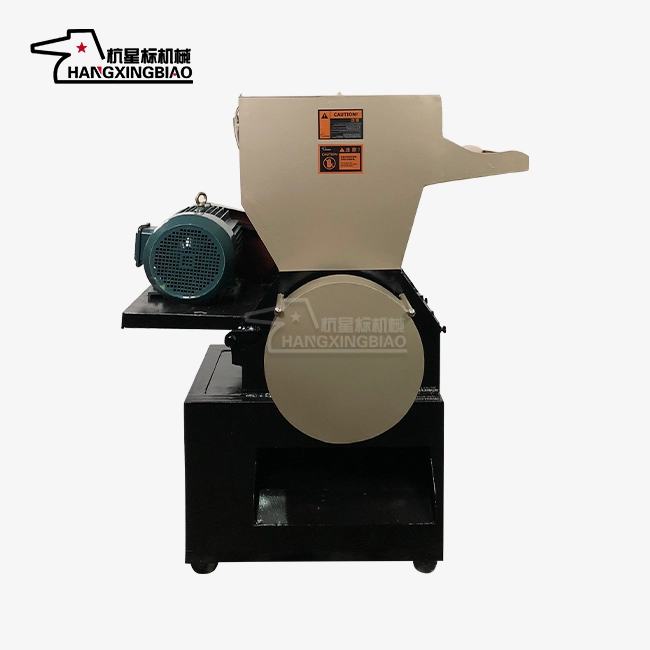
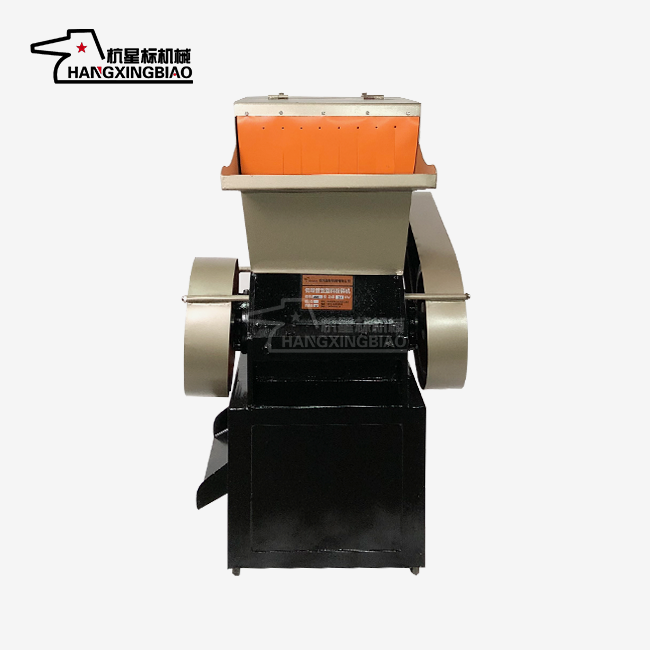
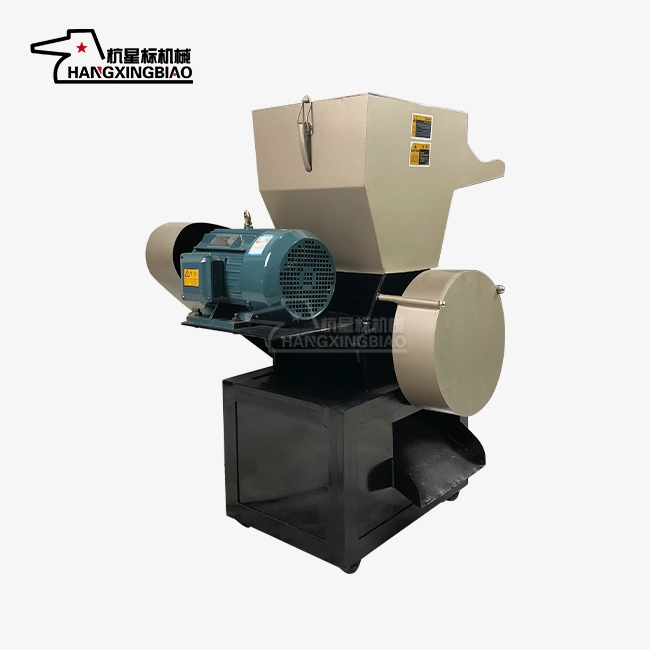
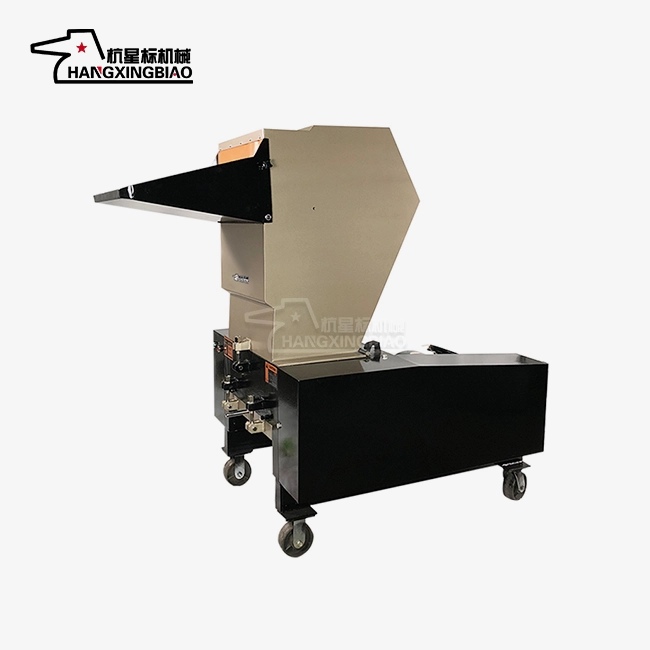
Getting the right tools can make a huge difference in how efficiently you handle plastic trash or damaged materials at factories, recycling centers, or job sites that are far away. A Powerful crusher for on-site use has a large crushing capacity and is portable, so companies can process materials right where they are made, without having to pay for expensive shipping or deal with a lot of downtime. These machines can handle a wide range of plastic waste, from injection-molded scrap and pipes to film and tire waste in bulk. They make sure that the particles are all the same size and cut down on the need for extra handling. Modern crushers are essential for makers and recyclers who want to get the most out of their material recovery processes while keeping costs low and production options open. They are built to last, use cutting-edge blade technology, and be smartly designed.
Introduction to Portable Powerful Crushers for On-Site Applications
Today's recycling and manufacturing processes need tools that can change to different site situations without losing its performance. When it comes to practical needs, portable crushing units fill the gap between fixed industrial crushers and the needs of changing work settings. A Powerful crusher doesn't just mean the motor's size; it also means the crusher's ability to regularly handle tough materials while keeping the particles' shape. Being portable doesn't just mean having wheels; it also means having a small size that fits next to injection molding machines, flexible designs that make moving them easy, and a less complicated installation.
These crushers are used in many fields, such as making plastic products, recycling, and supply lines that serve companies that make market goods. Construction sites that make plastic pipes out of trash, farms that process irrigation parts, and auto shops that deal with dashboard or bumper scrap can all benefit from equipment that goes to the material instead of going backwards. The strategic advantage is operational agility, which means being able to quickly adapt to changes in production, yearly changes in demand, or project-based work without having to set up expensive permanent sites.
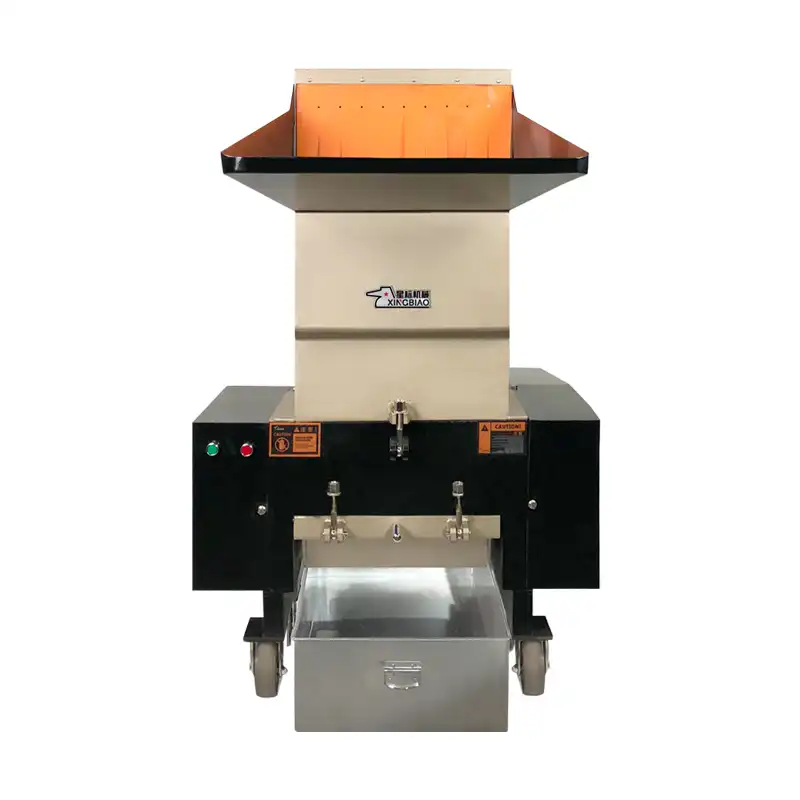
Types of Portable Powerful Crushers and Their Core Functions
Knowing the different types of crushers helps procurement teams match the skills of tools to specific material problems and work situations. Different types of crushing devices are used for different types of materials, production needs, and output requirements. A Powerful crusher setup can be categorized based on the specific crushing mechanism employed.
Jaw Crushers: Durability and Simplicity
To break things up, jaw crushers use the force of compression between two plates. The simple mechanical design works very well with hard plastics, parts with thick walls, and stiff shapes. Because they are made of simple materials, they are easy to maintain and cost less to run in the long run. Portable jaw units are often used in recycling yards that process mixed hard plastics because they are durable and don't need to control fine particles.
Impact Crushers: Efficiency for Softer Materials
Impact devices break things up with kinetic energy by spinning hammers or bars very quickly. This method works great for soft plastics, films, and things that need to be processed quickly. When set up correctly, the shear and impact action together make regular bits without making too much dust. When working with recycled packaging, farm films, or woven plastic sacks, portable impact crushers work well because the materials are better suited to dynamic crushing than compression.
Cone Crushers: Adaptability for Varying Feed
A spinning mantle inside a hollow bowl is used in cone crushers to break down materials gradually through several stages of compression. This arrangement works with different feed sizes and spreads out the particles more evenly. Because they are so flexible, cone crushers are useful for jobs that need to handle mixed amounts of materials or control the output very precisely. When it comes to cone designs, portability usually means skid-mounted setups that work for semi-permanent placements that move around every so often.
Hybrid and Specialized Models
Modern crushers have more than one motor or special features that help them deal with certain types of materials. Units that can both cut and impact can work with different kinds of plastic in the same machine. The "shear + impact" double-effect process improves the structure of the cavities and the distance between the blades, making the release more even than 90% of the time without the need for extra screening. When working with fabrics, films, or fiber-reinforced materials, built-in anti-winding comb-tooth shapes keep them from getting stuck. High-wear-resistant alloy blade sets that last more than 3,000 hours of use cut down on the number of repair visits and the cost of replacing tools. This is especially helpful for businesses that work with hard plastics or dirty trash.
How to Choose the Best Portable Powerful Crusher for Your On-Site Job
Structured evaluation frameworks that match equipment capabilities with practical goals help with purchasing choices. Instead of just looking at the big numbers, like horsepower or throughput, good picking takes the whole operating situation into account to find the right Powerful crusher for the task.
Defining Your Material and Site Parameters
Start by making a list of the things you handle most often. Write down the types of plastic (polyethylene, polypropylene, PET, PVC), the shapes they come in (solid parts, films, hollow goods), the amount of contamination, and any bad qualities they have, like twisting or too much moisture. Figure out how much you need in pounds or tons per hour, taking into account busy times and expected future growth. Site limits are just as important as equipment suitability. These include the power source that is available, the amount of floor space that is available, the need to move equipment between different working sites, and environmental factors like noise or dust control rules.

Weighting Performance Criteria
Depending on the process, different characteristics are given more weight. Along with injection molding tools, manufacturing facilities stress continuous operation and minimal downtime. This makes durability and easy upkeep very important. Recycling companies that deal with a lot of different kinds of waste value being flexible and being able to make quick changes to output requirements. When labor costs are high, operations emphasize automation features and ease of use. Companies that care about the environment look at how much power they use compared to how much they get done.
Evaluating Technical Specifications
Motor power is a starting point, but it doesn't tell the whole story. Check out the shape of the blades, the rotor, the chamber geometry, and the screen choices. Optimized knife group spacing in crushers that meet 2mm to 10mm discharge standards, stop over-crushing, and keep particle integrity. If the discharge consistency is above 90%, you don't have to do expensive additional screening. When fibers are a common part of your waste stream, anti-winding features become very important.
Considering Total Cost of Ownership
The purchase price is only one part of the real cost of the tools. Energy use, the cost and regularity of replacing blades, regular repair needs, and planned service intervals are all things to think about. Long-term worth is often higher for equipment that costs more up front but uses less energy and lasts longer between replacements. Warranty coverage, the availability of parts, and the quality of expert help all have a big impact on the continuity of operations, especially for companies that don't have a lot of in-house repair staff.
Benefits and Performance Optimization of Portable Powerful Crushers on Site
Getting equipment is the first step; to get the most out of a Powerful crusher, you need to understand how to optimize speed and effectively deal with typical bottlenecks.
Identifying and Eliminating Bottlenecks
One of the most common things that slows things down is clogging. It happens when the material comes in too fast for the crusher to handle, when the amount of moisture is higher than what was intended, or when flexible materials get tangled up in the cutting area. Fiber tangling can be avoided with comb-tooth anti-winding designs, and excess can be avoided by adjusting the feed rate. Putting in hoppers with timed feed controls keeps the flow of material steady, stopping spikes that are too much for the crusher to handle.
Maximizing Operational Efficiency
Preparing the feed material makes breaking much more efficient. Getting rid of metal contaminants keeps blades safe and stops damage. Pre-sorting sorts materials that are very different from each other, which lets the crusher configuration be optimized for each run. Controlling the amount of wetness in the material by storing it under cover or drying it stops it from sticking to the crusher surfaces.
Proactive Maintenance Practices
In addition to fixing instant problems, good performance that lasts needs regular maintenance. Scheduled lubrication stops bearing problems and lowers the amount of power used. Protocols for inspecting blades catch edge wear so that they can be replaced on time instead of having to be fixed in an emergency. Belt tension checks make sure that power is transferred correctly. Inspections of electrical connections stop shutdowns that aren't necessary.
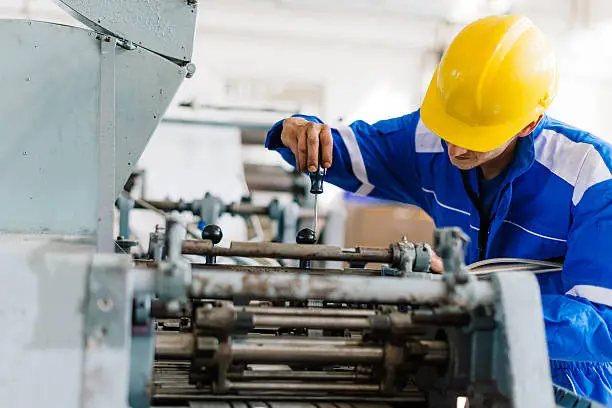
Safety Guidelines and Operational Best Practices for On-Site Crusher Use
Power and speed of equipment create inherent dangers that need thorough safety measures to protect workers while keeping output high. Operating a Powerful crusher requires strict adherence to safety protocols.
Mechanical Hazards and Protective Measures
Rotating parts of a breaker pose risks of getting tangled up or hitting something. The main defense is interlocked guards that stop entry during operations. Putting emergency stop controls where they can be reached right away lets you quickly shut down when you need to. Lockout/tagout processes make sure that machinery can't be turned on while repairs are being done.
Dust Control and Respiratory Protection
Crushing plastic releases particles into the air that can be harmful to your lungs and cause fires when the amounts reach dangerous levels. The best control is dust collection tools that catch particles where they come from. Portable crushers might have built-in collection features or need to be connected to systems in a building. When there aren't any designed rules in place, operations must use respiratory protection that is right for the amount of dust and material toxins.
Training and Competency Development
Companies that sell equipment and give full training to operators set up safe working conditions. Normal functioning, routine upkeep, recognizing hazards, emergency shutdown processes, and basic problem-solving should all be part of training. Competency tests make sure that people understand before they can work on their own. Refresher training keeps people aware of the rules and fixes any mistakes that happen in the way things are done over time.
Emergency Response Planning
Even with measures, accidents do happen sometimes. Setting up clear emergency reaction plans reduces the effects. Employees should know how to turn off machines, cut off power, call for help, and give basic first aid until expert help comes. Fire control tools that can put out electrical and dangerous dust fires must be easy to get to, and properly trained staff must know how to use them.
Market Overview: Trusted Portable Powerful Crusher Suppliers and Purchasing Options
Finding crushing equipment means managing a market with global makers, regional wholesalers, and specialized service providers, all of whom offer different benefits. A Powerful crusher supplier should be evaluated on their long-term support and technical expertise.
Manufacturer Direct Relationships
When you work directly with makers like Hangzhou Xingbiao Machinery, you can get access to their technical knowledge, ability to make changes, and long-term support infrastructure. For 30 years, Xingbiao has only made plastic crushers. This shows that they have specialized knowledge that you can't get from other machinery providers. Their 20-engineer development team and partnerships with big companies like Nongfu Spring show that they have the technical skills to meet complex application needs.
Dealer and Distributor Networks
Regional stores offer personalized service, streamlined purchasing processes, and sometimes better finance options. When you want to buy something from another country directly, language and time zone barriers can get in the way. Established sellers know the local rules, utility standards, and application conditions that affect the tools they suggest. Because they are close to each other, they can easily show off equipment and let you try it out before you buy it.
Purchasing Considerations and Process
Ask for detailed quotes that list the equipment, any extras that come with it, the shipping method, the steps needed for installation, the insurance terms, and how the money will be paid. Standard terms might include paying a deposit when you place your order, and the rest of the payment due before the package is shipped. Buying things from other countries involves taxes, fees, and import paperwork, which can be hard to understand and cost a lot of money.
Conclusion
To find portable breaking equipment that fits your needs, the properties of the material, and your business's top goals, you have to weigh many things, ranging from technical specs to the supplier's customer service. When you combine strong construction, cutting-edge blade technology, and smart design features in a Powerful crusher, you get reliable results in a wide range of uses. The focus on particle purity, discharge uniformity, and anti-jamming skills solves real production problems that recyclers and makers face every day. By using structured criteria to evaluate tools, knowing the total ownership costs that go beyond the purchase price, and building relationships with responsive providers, you can set up your business for long-term success and a competitive edge in markets that are becoming more demanding.
FAQ
What factors most significantly affect crusher energy consumption?
How much energy is used mostly relies on how hard the object is, how fast it moves, and how well the equipment is designed. It takes more power to break apart harder materials because they need more force. Processing materials that are wet or dirty makes them more resistant. When compared to older designs, modern crushers that have improved blade shape and chamber design use 20% less energy. When you run your equipment at the right feed rates, you keep the motor from overloading and keep it running efficiently.
How can I extend blade life and reduce replacement costs?
How long a blade lasts relies on the material used, the quality of the heat process, and how it is used. Blades made from SKD-11 or D2 steel that have been vacuum-heated and processed in a cold environment are harder and keep their edge better. Getting rid of metal particles in the feed material keeps the blades from getting damaged. Too much wear can be avoided by keeping the blades at the right distance apart and not feeding them too quickly. Regular inspections find wear and tear early, so replacements can be planned before a major failure damages other parts.
Can one crusher handle multiple plastic types effectively?
When set up correctly, versatile crushers can handle a wide range of materials. Shear and impact work well together on both hard and soft plastics. Features that stop spinning stop problems with films and fibers. Different output needs can be met by screens whose shapes can be changed. But materials with very different properties do better with batch processing, which lets configuration optimization work best for each type of material instead of sacrificing speed with general settings. A Powerful crusher remains the most efficient choice for mixed plastic streams when the blade geometry is optimized.
Partner with Xingbiao for Superior Crushing Solutions
Hangzhou Xingbiao Machinery has been a specialist in plastic crushers for 30 years and can help you with even the most difficult material handling needs. We only work on developing and making crushers. We have a 20-engineer expert team and have worked with leaders in the industry before, so you know the tools you get will work well in the real world. If you need a Powerful crusher unit for handling beside-press regrind, recycling bulk trash, or custom solutions for hard materials, we can help you with the whole process, from helping you choose the right equipment to installing it and making sure it stays in good shape. Our promise includes responding within 24 hours and making sure you have all the extra parts you need to keep your business running. Find out how our SKD-11 blade technology, anti-winding designs, and chambers that are designed for speed can change the way you recover materials. Email our team at xingbiaocrusher@xingbiaocrusher.com to talk about your idea and get a full proposal. Get in touch with a reliable, powerful crusher maker that wants you to succeed.
References
1. Anderson, M.J., & Roberts, K.L. (2023). Industrial Plastic Processing Equipment: Design Principles and Performance Optimization. Manufacturing Technology Press.
2. Chen, W., Liu, H., & Zhang, Y. (2022). "Blade Wear Mechanisms in Plastic Crushing Applications: Materials Science and Operational Factors." Journal of Materials Processing Technology, 45(3), 287-304.
3. Industrial Equipment Standards Committee. (2024). Safety Guidelines for Portable Crushing and Size Reduction Machinery. American National Standards Institute.
4. Martinez, R.A. (2023). "Total Cost of Ownership Analysis for Plastic Recycling Equipment." Recycling Industry Quarterly, 18(2), 34-51.
5. Thompson, D.G., & Wilson, P.T. (2022). On-Site Material Processing: Strategic Advantages in Modern Manufacturing. Operations Management Publications.
6. United States Plastics Recycling Council. (2024). Best Practices Guide for Plastic Waste Processing and Material Recovery Operations. USPRC Technical Series, Volume 12.
Learn about our latest products and discounts through SMS or email