- English
- French
- German
- Portuguese
- Spanish
- Russian
- Japanese
- Korean
- Arabic
- Greek
- German
- Turkish
- Italian
- Danish
- Romanian
- Indonesian
- Czech
- Afrikaans
- Swedish
- Polish
- Basque
- Catalan
- Esperanto
- Hindi
- Lao
- Albanian
- Amharic
- Armenian
- Azerbaijani
- Belarusian
- Bengali
- Bosnian
- Bulgarian
- Cebuano
- Chichewa
- Corsican
- Croatian
- Dutch
- Estonian
- Filipino
- Finnish
- Frisian
- Galician
- Georgian
- Gujarati
- Haitian
- Hausa
- Hawaiian
- Hebrew
- Hmong
- Hungarian
- Icelandic
- Igbo
- Javanese
- Kannada
- Kazakh
- Khmer
- Kurdish
- Kyrgyz
- Latin
- Latvian
- Lithuanian
- Luxembou..
- Macedonian
- Malagasy
- Malay
- Malayalam
- Maltese
- Maori
- Marathi
- Mongolian
- Burmese
- Nepali
- Norwegian
- Pashto
- Persian
- Punjabi
- Serbian
- Sesotho
- Sinhala
- Slovak
- Slovenian
- Somali
- Samoan
- Scots Gaelic
- Shona
- Sindhi
- Sundanese
- Swahili
- Tajik
- Tamil
- Telugu
- Thai
- Ukrainian
- Urdu
- Uzbek
- Vietnamese
- Welsh
- Xhosa
- Yiddish
- Yoruba
- Zulu
Industrial Shredders: A Complete Guide for Waste Management and Recycling Professionals
Taking care of trash properly is not an easy job. Getting the right solid waste shredder machine can make a big difference in your business, whether you make plastic, recycle, or sell materials to big companies. The amount of trash that ends up in landfills is cut down by these tools, which also help people follow environmental rules. This guide will teach you everything you need to know about industrial shredders, from the different kinds of machines to how to choose the best one for your needs. My goal is to give you the information you need to make smart choices that will boost your sustainability efforts, cut costs, and make them more efficient.
Understanding Solid Waste Shredder Machines
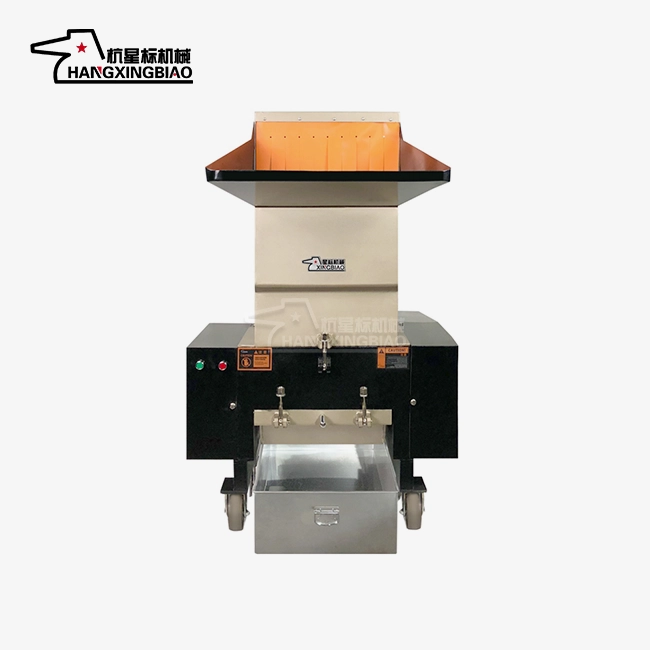
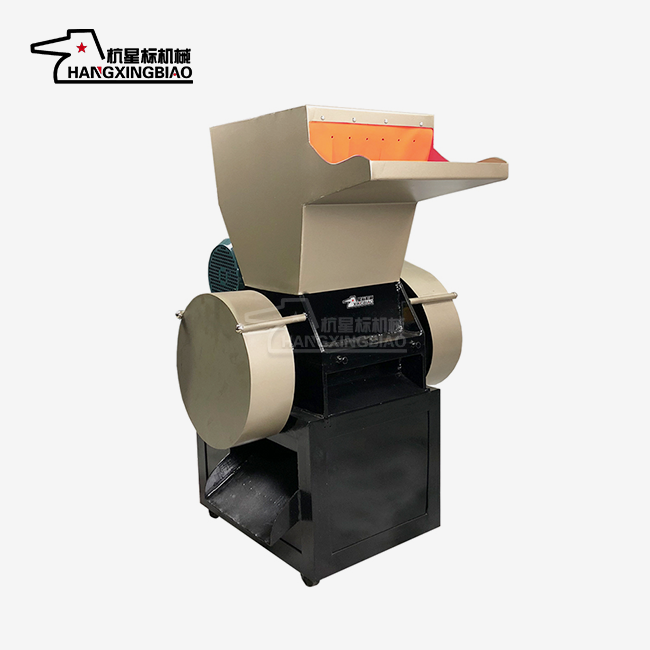
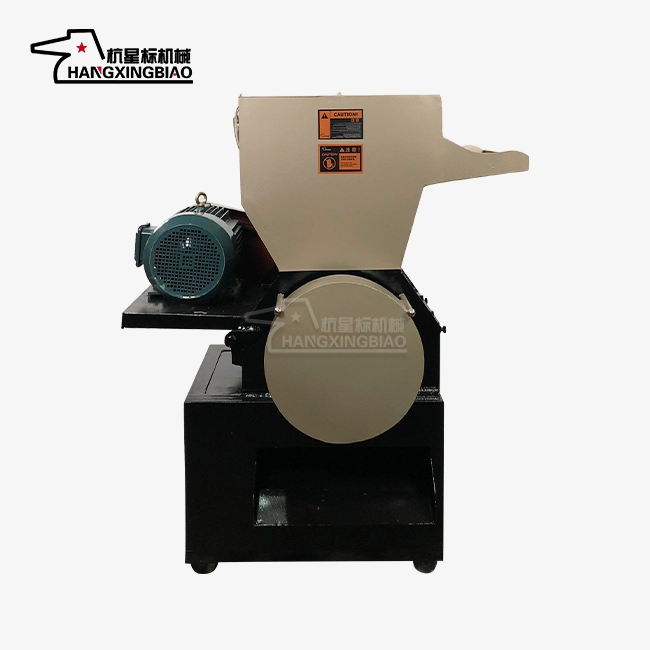
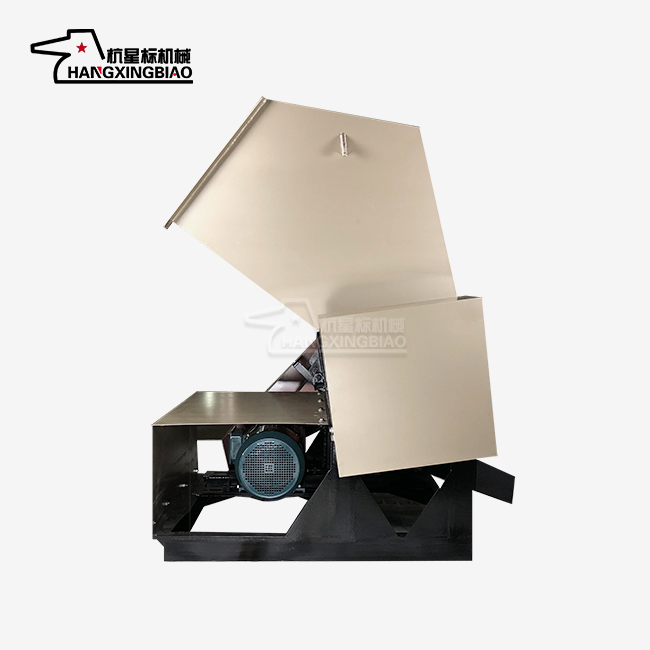
Industrial solid waste shredder machines are an important part of today's recycling and waste handling businesses. These tools take big things and break them down into smaller pieces that are easier to move and recycle. Shredders use spinning blades or cutting systems to tear, slice, and reduce waste into smaller pieces. This is different from crushers, which mostly squeeze materials.
Core Functions and Material Capabilities
Solid waste shredder machines can handle a huge variety of materials. They are needed by cities and towns to handle trash from homes, boxes, and other types of waste. Shredders are used in factories to get rid of production waste like injection-molded parts, pipes, and profiles. These tools are used by recycling sites to break down films, woven bags, tires, and even big objects like trash cans. This is useful for a lot of different things, like building waste, electrical waste, and medical waste that needs to be thrown away safely. The best thing about shredders is that they can get materials ready for the next step in the processing process. It's easier to sort shredded plastic by material type. Composite materials are harder to split, but metal parts do it more easily. Organic garbage is turned into materials that can be used in composting or energy recovery systems.
Mechanical Principles: Single Shaft vs. Double Shaft
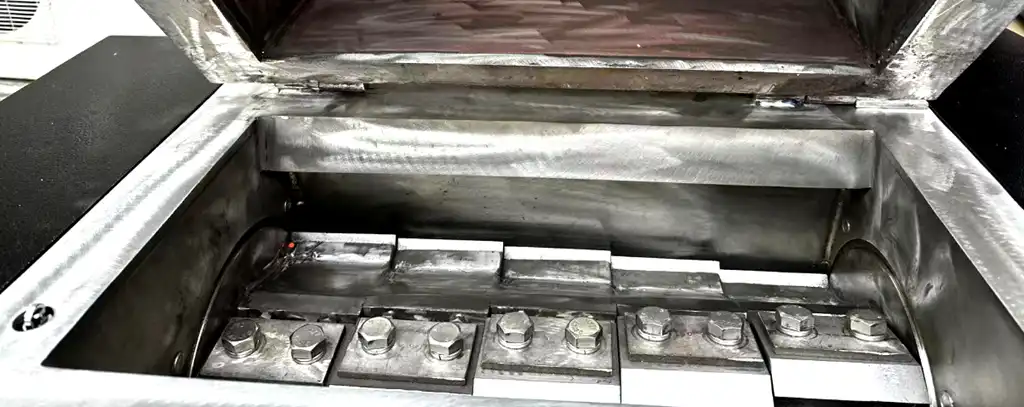
The way a shredder works mechanically affects how well it can shred certain types of things. Single-shaft shredders have one moving shaft with cutting blades that work against a counter-knife that stays in one place. This set-up works great with lighter things like cardboard, wood, and plastic film. Most of the time, the tools make output bits that are smaller and more uniform, making them good for straight recycling. Double shaft shredders have two shafts that rotate counterclockwise and have blades that connect with each other. This setup makes more torque at slower speeds, which is great for tough, big materials. When you need to cut metal-contaminated trash, thick rubber, or big, hard plastics, double shaft systems work well. The slower movement cuts down on noise and dust and makes the blade last longer during heavy-duty tasks. Both styles have their own benefits. Single-shaft machines can move more pre-sorted, uniform materials at once. Double-shaft machines can handle mixed or dirty trash streams without getting stuck. This is the most important choice you can make based on the properties of the material and the amount you need.
Strategic Value in Modern Operations
Industrial shredders do more than just reduce the size of documents; they also create measured business value. They reduce the amount of trash by 70–80%, which greatly lowers the costs of moving and getting rid of it. By crushing properly, facilities that process 500 tons of trash every month can cut their hauling costs by $15,000 to $25,000 a year. Also, these tools make it possible to restore things that would not be possible otherwise. By separating valuable materials from trash streams, shredding turns the costs of removal into ways to make money. When crushing comes before sorting, a medium-sized recycling plant can get back 20 to 30 percent more recyclables.
Choosing the Right Solid Waste Shredder Machine for Your Business
To choose the right shredder, you need to carefully look at your work surroundings. I've seen businesses buy strong tools that they don't need, which wastes money and time. Others pick equipment that is too small, which causes problems and irritation. The right method for selecting a solid waste shredder machine takes into account both present needs and growth in the future.
Evaluating Your Waste Profile
First, take a look at what you're tearing. Companies that make plastic usually deal with uniform production waste, like failed injection-molded parts, running systems, and goods that don't meet specifications. These materials are clean, easy to work with, and work well in single-shaft shredders with normal blade shapes. Recycling companies have to deal with more problems. You could get bales of films, dirty containers, mixed post-consumer plastics, and industrial waste all at the same time. Because of this, strong double-shaft shredders are needed that can handle metal bolts, labels, and moisture without constant supervision.
Critical Technical Specifications
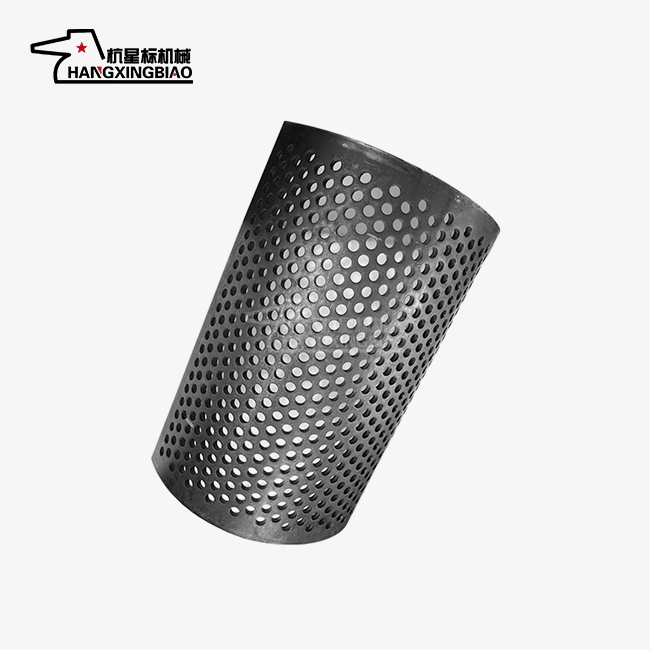
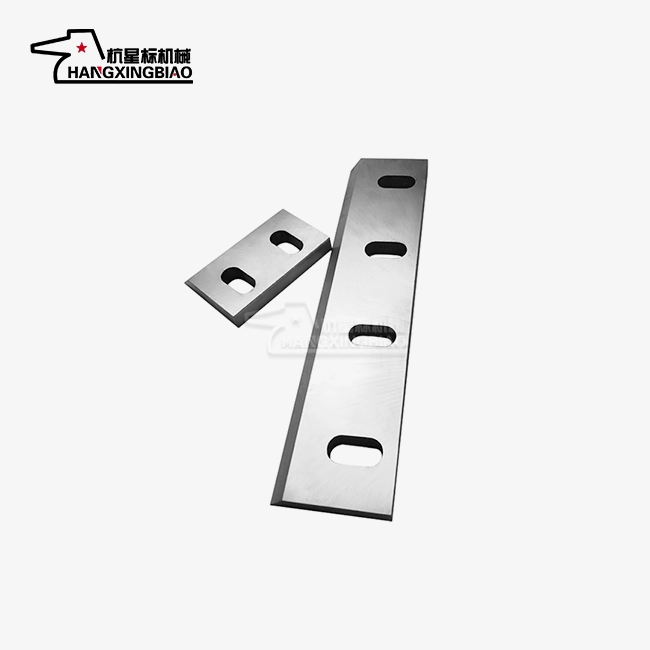
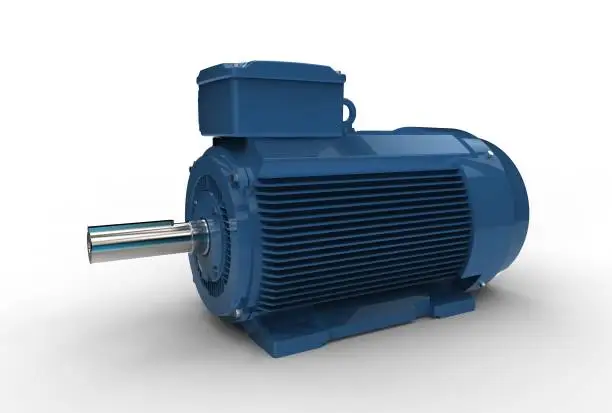
The power of the motor directly affects how well it can shred. Motors with 15 to 30 kW power are good for light-duty tasks with soft plastics. Heavy industrial shredding of rigid materials, trash that contains metal, or big parts needs 45–90 kW or more power. The motor has to be the right size for both the material hardness and the flow that is needed. Motors that are too big waste energy, while motors that are too small overheat and break down early. Blade material affects how long it lasts and how often it needs to be maintained. Standard tool steel blades can be used with soft materials once in a while, but they wear out quickly when used all the time. Specialized heat treatment makes high-grade tool steels like SKD-11 or D2 more resistant to wear. Premium blades may cost 40% more at first, but they last three to four times longer, which saves a lot of money on new work and downtime.
Application-Specific Considerations
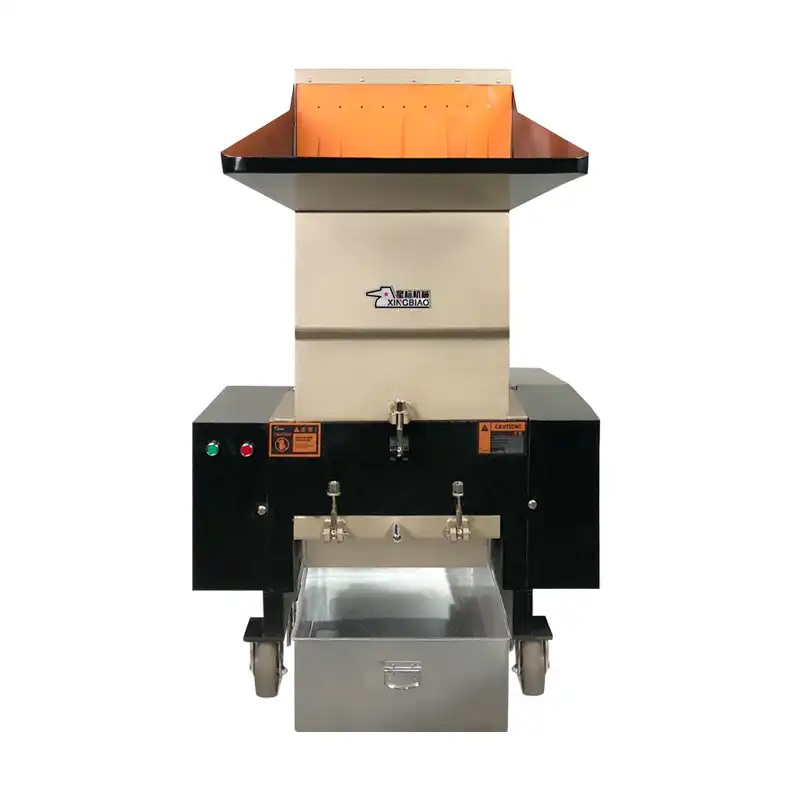
Side-press crushers that work directly with injection molding lines are helpful for companies that make plastic goods. These small units handle runners and flaws right away, so there is no need to move materials around, and the production floors stay organized. Look for designs with noise levels below 75 dB that won't bother people close by or break any rules at work. Specialized cutting systems are needed in recycling centers that deal with twisted materials like films and woven bags. When cutting materials that wrap around shafts, regular blades get stuck. Film shredders have blade designs that are staggered and bigger shaft spacing to keep the feed steady. Some have methods that cut the material into thin slices before it gets to the main rotor.
Manufacturer Relationships and Support
You can only get part of the picture from technical specs. Your long-term success depends on how well the maker can service your products. Companies like Hangzhou Xingbiao Machinery have been making plastic breaking tools for 30 years and know a lot about it. Because engineers are specialized, they know how to help you with your problems instead of just giving you general tools. Full guarantees keep your investment safe. Look for makers that cover major parts for at least 12 months and make it clear what is covered. It's common for warranty wording to leave out wear parts and operational problems, which means you have to pay for expensive fixes during the important break-in time.
Maintenance Tips for Maximizing Shredder Machine Performance and Lifespan
For the solid waste shredder machine to work reliably, even the strongest ones need to be serviced regularly. I've seen machines that were well taken care of work perfectly for 15 to 20 years, while machines that weren't were broken within five. To make a change, a plan must be planned out, and danger signs must be watched out for.
Establishing Preventive Maintenance Schedules
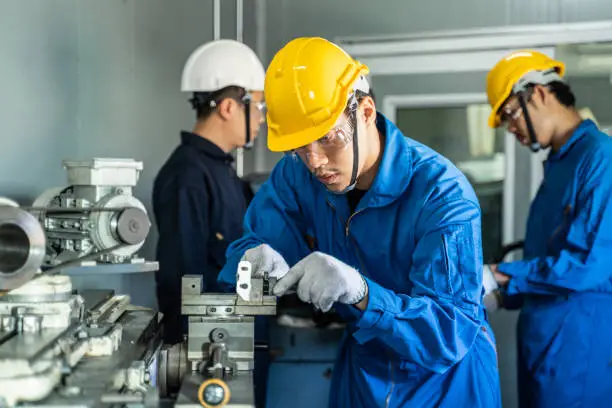
Daily checks only take 10 to 15 minutes, but they stop most major failures before they happen. Look at the blade to see if it has any chips, cracks, or signs of too much wear. If you hear strange noises, it means that a bearing isn't working right or that a part is loose. Make sure that the emergency stops and safety interlocks work properly. These keep people and tools safe. Lubricating bearings once a week keeps them healthy and stops them from wearing out too quickly. Follow the manufacturer's instructions for the amount and type of oil to use. Too much or too little oil can cause problems because it attracts dust and other debris that speeds up wear. A lot of new shredders have automatic cleaning systems that take care of this for you and make sure the results are always the same.
Blade Maintenance and Replacement
How sharp the blades are has a direct effect on both how much power they use and how well they cut. It takes 20–30% more energy to process the same amount of material with dull blades, and the particles aren't all the same size. Most businesses should plan to sharpen or replace blades every 500 to 1000 hours of use, but the exact time depends on how rough the material is. Professionally cleaning blades makes parts last a lot longer. When you grind something the right way, you keep the original shape and cutting angles of the blade that experts made for it to work best. Sharpening by amateurs often results in edges that aren't level, which makes vibrations worse and speeds up the wear on bearings and shafts. The small price of skilled repair pays off by making the machine last longer.
Troubleshooting Common Operational Issues
Material jams usually happen when you put in items that are too big, when you work with wet or sticky materials, or when the blades are worn out and can't cut well. By putting in the right feed controls, workers won't be able to force the wrong materials into the cutting area. When feed rates meet machine capacity instead of going over it, many sticking problems go away. If the blades aren't balanced, the bearings are old, or the mounting is loose, there is too much shaking. Take care of shaking right away—it speeds up wear all over the machine and can lead to catastrophic breakdowns. Most vibration problems can be fixed without major fixes by balancing the blade sets and replacing old bearings.
How Industrial Solid Waste Shredders Drive Sustainable Recycling Practices
Environmental duty and business growth are becoming more and more similar. Both goals can be reached with solid waste shredder machines, which turn trash into useful materials. As rules get stricter and people want to see real progress in sustainability, burning has never been more environmentally friendly.
Enabling Material Recovery and Circular Economy
The first step in recovering materials is to shred them properly. Before automatic sorting systems can separate plastics by material type, they need to be cut down to the same size. Metal pollution can only be removed after shredding, which makes the screws and other parts that are buried visible. Without the right size reduction, recycling centers can only get 40–50% of what they put in. Rates go up to 75–85% when shredding is done right.
Integration with Advanced Processing Technologies
These days, recycling centers use shredders along with other systems that work together to make things run more smoothly. 95–98% of the time, optical sorters that come after shredders can correctly identify and separate the different types of plastic. Separators that use magnetic fields and eddy currents automatically separate metallic and non-ferrous metals. Based on how they float, density separation devices separate different materials. Each technology works better when the material being shredded is the right size.
Environmental Impact and Regulatory Compliance
When tearing is done right, it leaves much smaller marks on the surroundings. Compared to hauling trash that hasn't been processed, reducing the volume of garbage cuts transportation emissions by 60 to 75%. Material recycling stops the need for extracting new resources and making things from scratch, which uses a lot of energy. Secure burning of private materials keeps the environment from getting dirty from throwing things away in the wrong way.
Conclusion
Shredding industrial trash is more than just reducing its size. The right solid waste shredder machine changes how things are done by lowering costs, allowing material recycling, making sure rules are followed, and helping with sustainability goals. To be successful, you need to make sure that the tools you use can handle the materials, volumes, and operating needs you have. Working with expert manufacturers who know the problems your industry faces and can offer full help lowers risk and increases long-term value. As rules about managing trash get stricter and making the best use of resources becomes more important, buying good cutting equipment will set your business up for long-term success in a world that is always changing.
FAQ
How often should industrial shredders undergo maintenance?
Every day, eye checks are done to see how the blades and safety measures are working. Lubricating bearings once a week keeps them healthy. All mechanical and electrical parts are checked thoroughly every month during deep checks. Every 500 to 1000 hours of use, the blade needs to be sharpened or replaced, based on how rough the material is. Professional servicing once a year takes care of worn-out parts and checks the general health of the system.
Can shredders effectively process mixed waste streams?
High torque and strong design make double-shaft shredders good at dealing with mixed trash. They can work with materials that are contaminated with metal, wet, and have different thicknesses without constantly getting stuck. Single-shaft shredders work best with materials that are already sorted and all the same. Reliable mixed-stream processing depends on choosing the right machine based on the type of trash you have.
Partner with Xingbiao for Superior Plastic Waste Processing Solutions
Choosing the right solid waste shredder machine maker will affect how well your business does for years to come. For thirty years, Hangzhou Xingbiao Machinery Co., Ltd. has only made tools for breaking plastic. Our 20-person senior engineering team has created solutions for Nongfu Spring, KFC, and other industry leaders, showing that we can meet even the most stringent production needs.
Our machines are made of high-strength steel that has been treated with a stress-relief process that keeps it from deforming while it's running continuously. Blades made from SKD-11 and D2 tool steels go through vacuum heat treatment and cold processing, which makes them very hard and resistant to wear. The improved layout of the blades and the design of the cavities make the crushing process more efficient by over 20% while using less energy. Accessible designs and quick-change screen methods cut down on repair downtime.
We have a wide range of models, such as large-diameter crushers for pipes and profiles, high-power, low-noise units for installation next to a press, standard crushers for a variety of uses, and special solutions for tough materials like tires and big containers. Every company that sells solid waste shredder machines should offer full support. We do this by offering professional advice on which machine to buy, answering questions 24 hours a day, helping with installation, teaching operators, and supplying spare parts reliably.
Email our team at xingbiaocrusher@xingbiaocrusher.com to talk about your unique needs. We'll help you choose the best way to set up your equipment and give you thorough specs that are special to your materials and production volumes.
References
1. Thompson, R.C., Moore, C.J., vom Saal, F.S., and Swan, S.H. (2009). "Plastics, the environment and human health: current consensus and future trends." Philosophical Transactions of the Royal Society B: Biological Sciences, 364(1526), 2153-2166.
2. Ragaert, K., Delva, L., and Van Geem, K. (2017). "Mechanical and chemical recycling of solid plastic waste." Waste Management, 69, 24-58.
3. Hopewell, J., Dvorak, R., and Kosior, E. (2009). "Plastics recycling: challenges and opportunities." Philosophical Transactions of the Royal Society B: Biological Sciences, 364(1526), 2115-2126.
4. Al-Salem, S.M., Lettieri, P., and Baeyens, J. (2009). "Recycling and recovery routes of plastic solid waste (PSW): A review." Waste Management, 29(10), 2625-2643.
5. Eriksen, M.K., Christiansen, J.D., Daugaard, A.E., and Astrup, T.F. (2019). "Closing the loop for PET, PE and PP waste from households: Influence of material properties and product design for plastic recycling." Waste Management, 96, 75-85.
6. Schyns, Z.O.G. and Shaver, M.P. (2021). "Mechanical Recycling of Packaging Plastics: A Review." Macromolecular Rapid Communications, 42(3), 2000415.
Learn about our latest products and discounts through SMS or email