- English
- French
- German
- Portuguese
- Spanish
- Russian
- Japanese
- Korean
- Arabic
- Greek
- German
- Turkish
- Italian
- Danish
- Romanian
- Indonesian
- Czech
- Afrikaans
- Swedish
- Polish
- Basque
- Catalan
- Esperanto
- Hindi
- Lao
- Albanian
- Amharic
- Armenian
- Azerbaijani
- Belarusian
- Bengali
- Bosnian
- Bulgarian
- Cebuano
- Chichewa
- Corsican
- Croatian
- Dutch
- Estonian
- Filipino
- Finnish
- Frisian
- Galician
- Georgian
- Gujarati
- Haitian
- Hausa
- Hawaiian
- Hebrew
- Hmong
- Hungarian
- Icelandic
- Igbo
- Javanese
- Kannada
- Kazakh
- Khmer
- Kurdish
- Kyrgyz
- Latin
- Latvian
- Lithuanian
- Luxembou..
- Macedonian
- Malagasy
- Malay
- Malayalam
- Maltese
- Maori
- Marathi
- Mongolian
- Burmese
- Nepali
- Norwegian
- Pashto
- Persian
- Punjabi
- Serbian
- Sesotho
- Sinhala
- Slovak
- Slovenian
- Somali
- Samoan
- Scots Gaelic
- Shona
- Sindhi
- Sundanese
- Swahili
- Tajik
- Tamil
- Telugu
- Thai
- Ukrainian
- Urdu
- Uzbek
- Vietnamese
- Welsh
- Xhosa
- Yiddish
- Yoruba
- Zulu
What are the best Heavy-Duty granulators for plastic recycling?
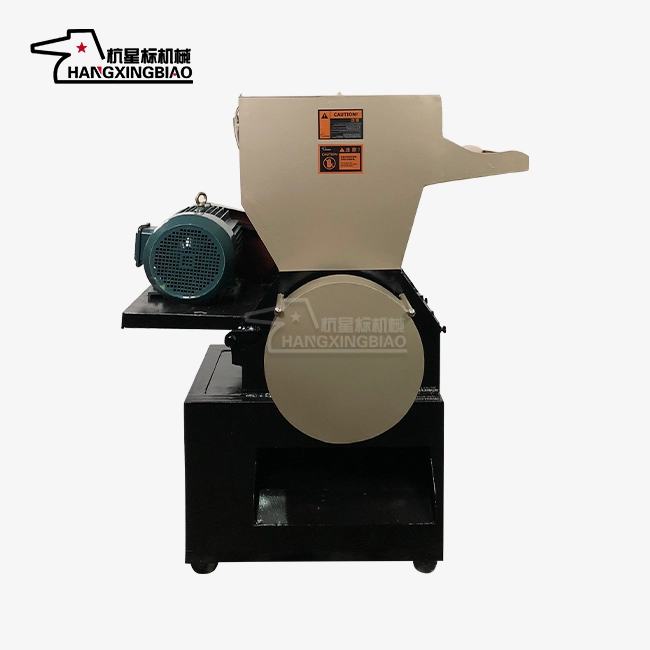
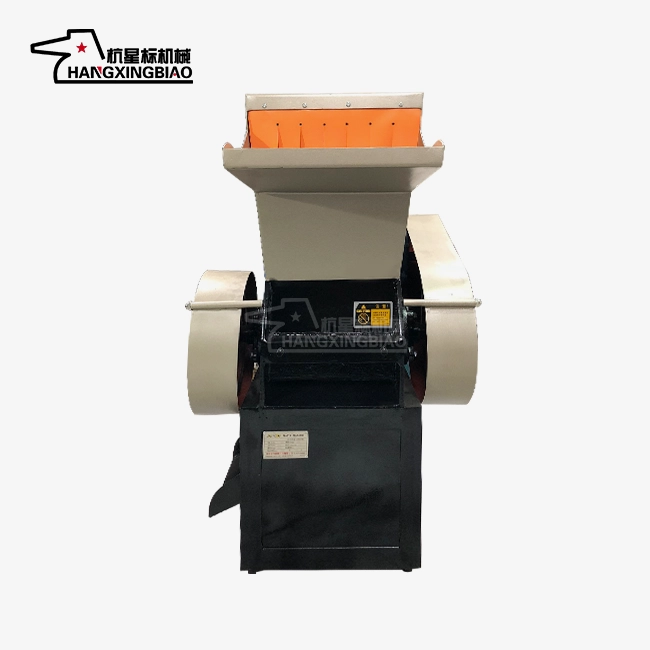
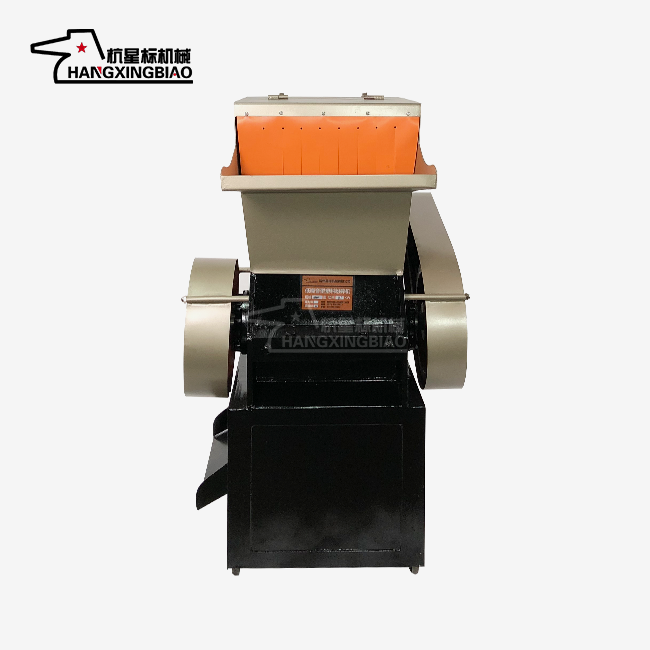
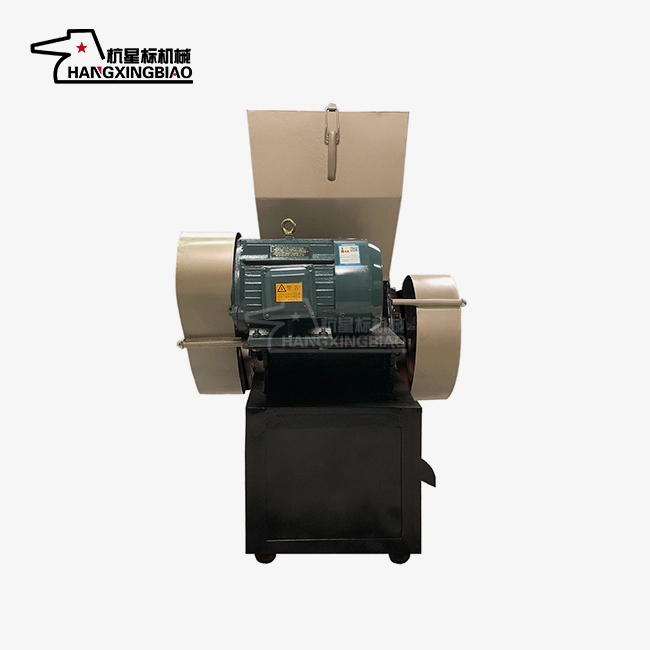
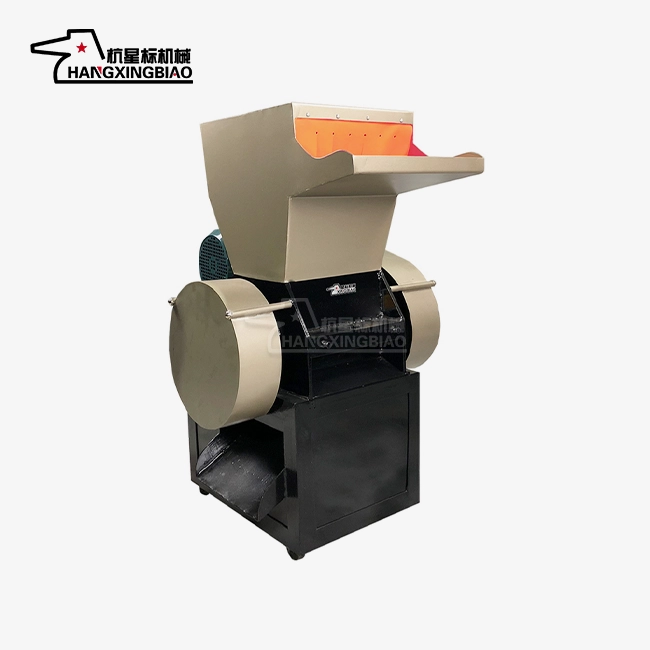
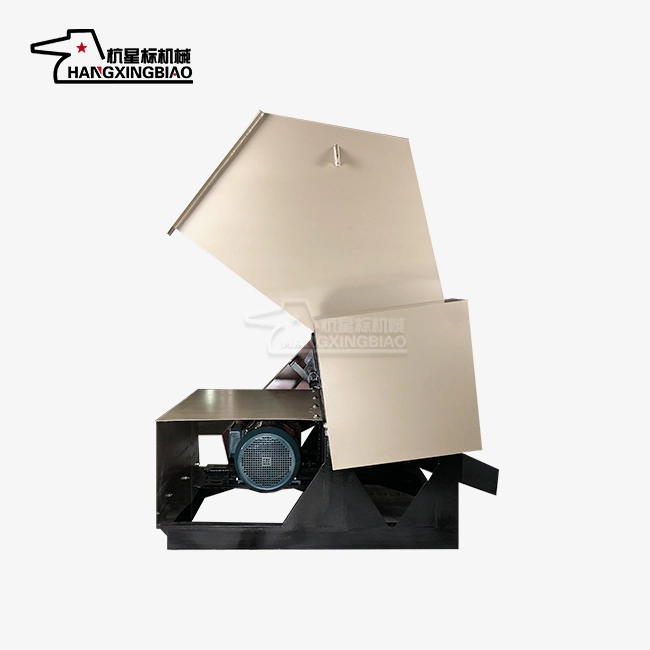
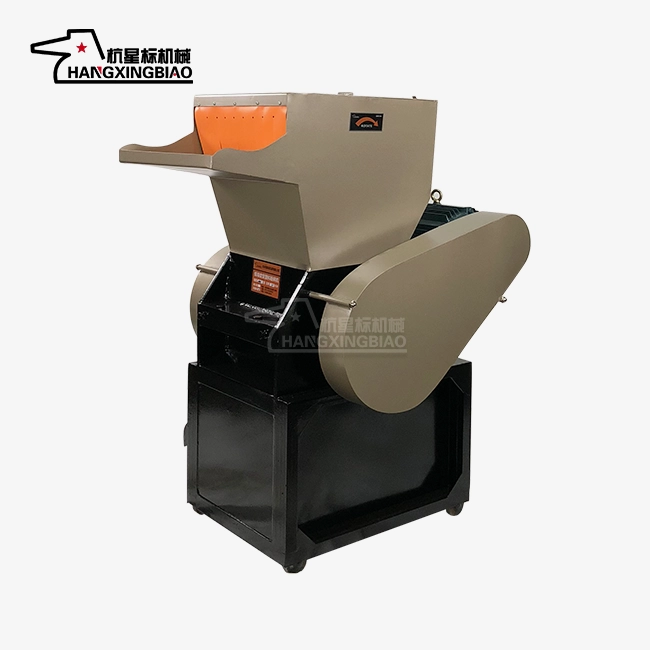
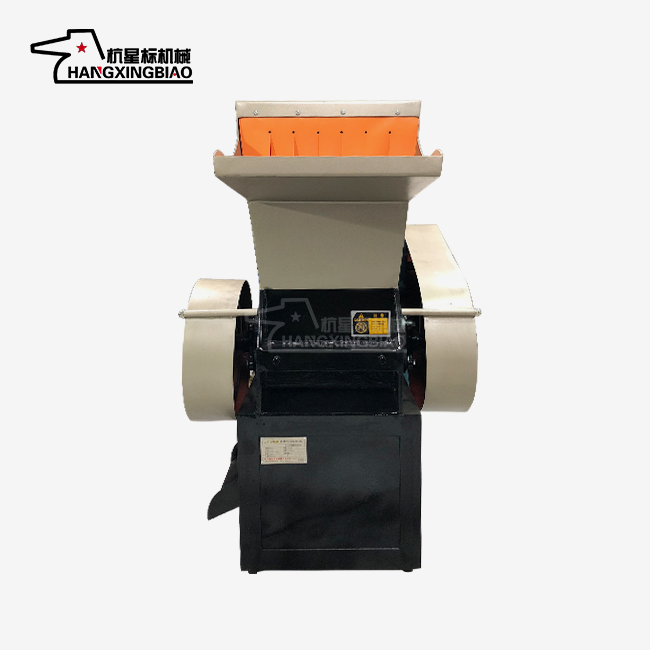
To find the best heavy-duty granulators for reusing plastic, you need to find well-built machines that use little energy and can handle a wide range of plastic types. A good plastic bottle granulator should have blades that don't break down easily, crushing chambers that work well, and a motor that can handle ongoing commercial use. Leading solutions use advanced blade shapes and stress-relieved steel frames that make sure they work reliably in a wide range of situations, from reusing PET bottles to processing soft plastics in complex ways. When it comes to throughput, energy use, and operating uptime, equipment from specialized makers with decades of focused knowledge regularly outperforms generic alternatives. This is true for both medium-sized recycling plants and large manufacturing facilities.
Understanding Heavy-Duty Plastic Bottle Granulators
Core Working Principles and Design Philosophy
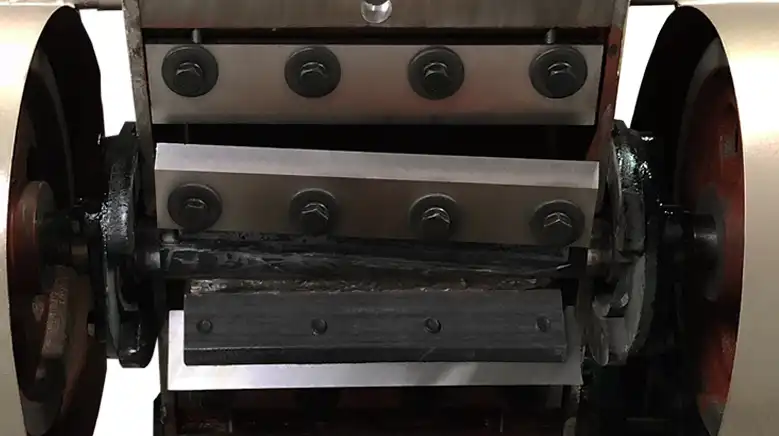
Heavy-duty crushing equipment works by using precisely designed rotating blades that meet fixed cutting edges. This creates shear forces that break down plastics into small, uniform pieces. The shape of the crushing chamber determines how the materials move and how long they stay in the chamber, which directly affects the particle size distribution and the amount of material that can be processed. Modern models have blade angles that are designed to use less energy while still cutting as efficiently as possible, which is very important when working with thousands of pounds of material every day. The main difference between normal and heavy-duty units is how well they are built and what parts they have. Industrial-grade machines have steel frames that are 40–60% thicker than normal models. This keeps the machines from vibrating and keeps their dimensions stable over long periods of time. Another important difference is the material of the blades. High-end models use special tool steels that keep the cutting edges sharp for 800-1200 hours of constant use, while regular models only last 200–400 hours.
Vertical Versus Horizontal Configuration
The machine direction of a plastic bottle granulator has a big impact on how it handles materials and how much space it takes up when it's installed. Because they feed materials through gravity, vertical models are great for handling hard plastics and bottles. They also take up very little floor space and produce particles of the same size. These layouts work well in places with limited space but good ceiling height, especially when the operation is next to injection molding equipment and quick recovery of scrap materials keeps material loss to a minimum. Horizontal designs can handle more materials that are tangled and handle higher flow rates better. The longer grinding chamber lets thin plastics and films enter more slowly, which stops the bridge problems that happen with vertical units when working with soft materials. Horizontal crushers give facilities that handle different types of waste more operating freedom, but they need about 30% more floor space to be installed than similar vertical models.
Energy Consumption and Capacity Considerations
Motor specs range from 15 horsepower for small units that can handle 200 to 400 pounds per hour to 150 horsepower or more for systems that can handle over 4,000 pounds per hour. Blade shape optimization and variable frequency drives that change motor speed based on material density have made a big difference in energy economy. Heavy-duty crushers made today use 15–25% less power per pound of material they process than crushers made ten years ago. This saves a lot of money over the course of a year. When planning capacity, it's important to match the specs of the equipment to the real rates of trash production while also taking into account changes in production. When production is low, units that are too big lose energy, and breakers that are too small cause bottlenecks that slow down production. Manufacturers with a lot of experience give thorough capacity charts that show how different types of materials, desired particle sizes, and realistic flow rates are related. This lets you choose the right equipment based on operational needs instead of theoretical maximums.
Critical Factors to Consider When Choosing Heavy-Duty Granulators
Performance Requirements and Application Specificity
The right tools must be chosen based on the properties of the materials. Blades need to be set up differently for rigid plastics like styrofoam and ABS and for soft plastics like polyethylene films. When handling PET bottles, open-screen designs are needed to keep fibers from getting tangled. On the other hand, pipe and profile scrap work best with closely spaced blades that make uniformly small pieces. Knowing the exact mix of materials you use lets you choose tools that will give you the best performance instead of settling for less-than-ideal options.
Durability and Construction Quality
The choice of materials and how the structure is built directly affect how long the equipment lasts. The frames of high-end crushers are made from steel plates that are thicker than 15 mm, joined using approved methods, and heated to relieve stress. This process gets rid of the internal stresses that cause bending during long periods of high-load operation. This keeps the exact blade gaps that are needed for consistent performance. When frames are built without the right stress release, the dimensions change in ways that make cutting less efficient and use more energy over time.
Maintenance Accessibility and Operational Simplicity
The design of the equipment has a big effect on how well it is maintained and how much downtime it causes. Replacements can be made in less than 20 minutes with quick-change screen systems, compared to more than 90 minutes with traditional designs. This cuts down on production stops. Open-access crushing areas make it easier to clean and check the blades, which is especially important when working with dirty materials or moving between types of plastic. Features like hinged access panels and wear parts that are placed on the outside of the machine turn regular repair from activities that stop output into activities that can be planned and completed on time.
Top-Rated Heavy-Duty Plastic Bottle Granulators
Specialized Manufacturers With Proven Track Records
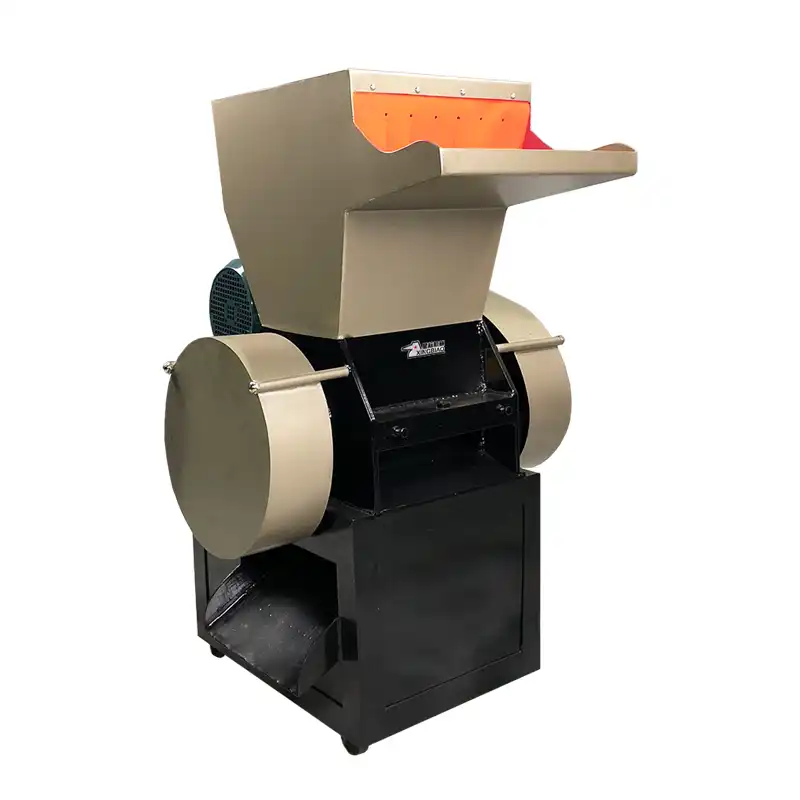
There are a lot of companies that sell industrial breaking equipment like plastic bottle granulators, but the ones that work only on this type of equipment always make the best products. Companies that only work on crushing technology for their research and development tools learn things that companies that sell a wide range of equipment can't learn. This skill shows up in finer technical details like optimized blade angles, unique screen designs, and frame shapes that have been honed over many years of field experience. Hangzhou Xingbiao Machinery is a good example of this specialized method because it has been developing and making plastic crushers for only 30 years. Their engineering team works closely with big companies like Nongfu Spring and KFC to improve the designs of their tools based on what is needed for real-world production. When businesses, universities, and researchers work together in this way, they come up with useful new ideas that solve real-world problems instead of just making things better in theory. The equipment that was made has real performance benefits in terms of being more efficient, lasting longer, and lowering running costs.
Equipment Specification and Application Matching
Product lines with a wide range of capacities and unique designs make it possible to precisely match equipment capabilities with operating needs. Large-diameter crushers can handle big parts like pipes, profiles, and die-head materials that are too big for other machines to handle. High-power versions that are low in noise can be used with injection molding machines, processing hopper systems, and broken parts without bothering work areas that need to keep noise down. Specialized soft material breakers get rid of the problem of films, bags, and fibers getting knotted up and blocking regular equipment. These machines have special blade shapes and changed crushing tanks that keep material from wrapping around the rotor sections. Specialized large-volume crushers can handle big things like trash cans and tire handling, which isn't possible with regular equipment. This wide range of specialized options gets rid of the problems that come with using general-purpose tools for tough jobs.
Performance Metrics and Total Cost Analysis
If you only look at how much something costs to buy, you might miss the ongoing costs that make up the majority of its ownership. Differences in how much energy efficient and standard models use lead to yearly electricity savings of over $5,000 for medium-capacity units that work single shifts. These savings grow proportionally with larger equipment and longer working schedules. Parts costs and production downtime are both affected by how often blades need to be replaced. This is why sturdy blade materials are a good investment, even though they cost more at first. The real worth of technology goes beyond its mechanical specs and depends on its service support system. Manufacturers who offer expert support 24 hours a day, detailed installation instructions, and guaranteed extra parts availability keep output from stopping, which costs a lot of money. Facilities that work in rural areas or with specialized equipment need providers who can help them quickly with problems and get parts to them quickly. When production plans don't allow for long periods of machine downtime, these service options come in very handy.
Maintenance Tips and Common Issues for Heavy-Duty Plastic Bottle Granulators
Preventive Maintenance Protocols
Monitoring the sharpness of the blades stops the machine's performance from slowly getting worse, which wastes energy and slows it down. Every 200 hours of use, a visual check finds edge wear that needs to be fixed before cutting efficiency goes down significantly. For best performance, the distance between the rotor blade and the stator blade should be between 0.3 and 0.5 mm. Too much distance lets material pass through raw, while too little distance leads to premature wear and possible damage. Setting up measurement methods for regular repair checks helps keep operations running at their most efficient. The maintenance plans for motors and bearings must match the manufacturer's instructions and the level of operation. High-duty-cycle uses need to be oiled more often than irregular ones, and the temperature of the bearings can be used to tell if they are working properly. If a bearing works above 160°F, it means that it needs more oil or is under too much load, which needs to be looked into. Modern equipment has thermal sensors that keep an eye on things all the time and let workers know when problems start to form before they become too big to handle.
Common Operational Issues and Solutions
Most of the time, uneven particle size distribution is caused by worn blades, broken screens, or too fast a material feed rate. Instead of trying things out and seeing what works and what doesn't, systematic inspection can find the exact cause and fix it. Damage to the screen makes particles that are too big, which lowers the quality of the material, and worn blades make cutting irregular, which changes the size of the particles. Fixing problems quickly and effectively means focusing on their causes instead of their signs. Motor overload conditions in a plastic bottle granulator stem from excessive material feed rates, foreign items getting stuck, or mechanical pressure from parts that aren't lined up right. Figuring out what the standard working amperage is gives you a starting point for finding problems. Cutting down on the material feed rate fixes overloads caused by trying to go through too fast, and getting rid of foreign objects fixes jams. Checking the mechanical balance makes sure that the machine runs smoothly and without any unwanted friction that wastes energy and puts stress on the parts.
Procurement Guide: How to Buy Heavy-Duty Plastic Bottle Granulators
Supplier Evaluation and Selection Criteria
To find suitable providers, you need to look at their manufacturing skills, quality control methods, and service infrastructure. Companies that keep their own engineering teams show that they are dedicated to product creation and expert help. ISO certification and recorded quality control systems show that consistent manufacturing is done in a planned way. Reference installations in similar uses show that the product works as promised, and customer reviews show that the service really lived up to what the company says it can do.
Customization Options and Lead Time Planning
Standard equipment setups work well for many uses, but sometimes specific operating needs call for custom changes. Customization choices include different blade configurations for different materials, different screen opening sizes for different particle needs, and built-in conveying systems for automatic material handling. Talking about customization options during the initial meetings helps avoid shocks after the purchase when standard equipment doesn't work for specific tasks.
Investment Protection Through Service Agreements
Full insurance coverage and quick service support protect investments in equipment throughout its entire useful life. Standard guarantees last between 12 and 24 months and offer basic safety, but choices for longer warranties offer extra security for important business tools. Service deals that include priority technical support, discounted spare parts, and regular preventive maintenance visits keep technology from breaking down when it's least expected and make it last longer.
Conclusion
To choose the best heavy-duty granulation tools, you have to weigh the technical specs, the working needs, and the total costs of ownership. Superior machines are built to last, have blades that work well, and come with full service support that helps you get the most work done for the least amount of money. Manufacturers that only make breaking technology offer advanced engineering solutions that work better than general-purpose options.
The choice includes more than just buying equipment. It also includes long-term relationships with providers that will provide ongoing technical help and solid parts availability. Manufacturers that offer full product lines for a wide range of specialized uses are good for facilities that work with different kinds of plastic. When you buy high-quality equipment with improved metallurgy, optimized shapes, and protective systems, you get a lot back in the form of less downtime, lower energy costs, and longer service life.
FAQ
What distinguishes heavy-duty granulators from standard plastic crushers?
Heavy-duty units have stronger frames made from thicker steel plates, blades made of expensive materials that have been heat-treated specially, and motors with more power that can handle constant industrial use. These specs make it possible to work with harder materials, process larger amounts of material at once, and keep the machine running for longer than light-duty options made for occasional use.
What distinguishes heavy-duty granulators from standard plastic crushers?
Heavy-duty, high-quality crushers can handle a wide range of plastics, such as pipes, profiles, films, and molded parts. Blade designs and screen choices that are specific to the material improve performance for certain uses. Talking about your whole range of materials with makers will help you choose tools that can handle all of your processing needs, not just one.
Can plastic bottle granulators process other plastic types beyond bottles?
Safety features that must be present include emergency stop buttons, locking switches that stop action when access panels are opened, and motor overload protection. Automatic jam-clearing systems and built-in dust collection systems are two more safety features that make operations safer while also lowering the need for upkeep and making working conditions better.
Partner With Xingbiao for Reliable Heavy-Duty Plastic Bottle Granulator Solutions
For thirty years, Xingbiao Machinery has only worked with plastic breaking technology. They can help your recycling business. Working closely with leaders in the industry, our engineering team has improved the designs of equipment, leading to measured gains in how well it crushes materials, how much energy it uses, and how reliably it works. Whether your facility works with PET bottles, scrap metal, or difficult soft plastics, our wide range of equipment includes options that are perfectly designed to meet your needs.
As a company that only makes plastic bottle granulators, we offer full help, from the original consultation to installation, training, and ongoing technical support. Our promise to respond 24 hours a day and our large collection of extra parts keep production running smoothly and equipment up and running as much as possible. Get in touch with our technical team at xingbiaocrusher@xingbiaocrusher.com to talk about your processing needs and find out how our custom crushing solutions can help you recycle more efficiently. We welcome procurement workers who are looking for dependable providers who can provide high-quality goods and quick service.
References
1. Society of Plastics Engineers. (2023). Industrial Plastic Recycling Equipment Standards and Best Practices. SPE Technical Publications.
2. American Society of Mechanical Engineers. (2022). Heavy-Duty Processing Equipment Design Specifications for Polymer Materials. ASME Manufacturing Standards.
3. Recycling Today Magazine. (2024). "Advances in Size Reduction Technology for Plastic Processing." Industrial Recycling Quarterly, Volume 46(2), pp. 78-94.
4. Plastics Technology Institute. (2023). Comparative Analysis of Granulation Equipment Performance Metrics. PTI Research Division.
5. International Association of Plastics Processors. (2023). Equipment Selection Guidelines for Plastic Recycling Operations. IAPP Technical Manual Series.
6. Materials Handling Industry Association. (2024). "Total Cost of Ownership Analysis for Industrial Size Reduction Equipment." Processing Equipment Review, Volume 31(1), pp. 112-129.
Learn about our latest products and discounts through SMS or email