- English
- French
- German
- Portuguese
- Spanish
- Russian
- Japanese
- Korean
- Arabic
- Greek
- German
- Turkish
- Italian
- Danish
- Romanian
- Indonesian
- Czech
- Afrikaans
- Swedish
- Polish
- Basque
- Catalan
- Esperanto
- Hindi
- Lao
- Albanian
- Amharic
- Armenian
- Azerbaijani
- Belarusian
- Bengali
- Bosnian
- Bulgarian
- Cebuano
- Chichewa
- Corsican
- Croatian
- Dutch
- Estonian
- Filipino
- Finnish
- Frisian
- Galician
- Georgian
- Gujarati
- Haitian
- Hausa
- Hawaiian
- Hebrew
- Hmong
- Hungarian
- Icelandic
- Igbo
- Javanese
- Kannada
- Kazakh
- Khmer
- Kurdish
- Kyrgyz
- Latin
- Latvian
- Lithuanian
- Luxembou..
- Macedonian
- Malagasy
- Malay
- Malayalam
- Maltese
- Maori
- Marathi
- Mongolian
- Burmese
- Nepali
- Norwegian
- Pashto
- Persian
- Punjabi
- Serbian
- Sesotho
- Sinhala
- Slovak
- Slovenian
- Somali
- Samoan
- Scots Gaelic
- Shona
- Sindhi
- Sundanese
- Swahili
- Tajik
- Tamil
- Telugu
- Thai
- Ukrainian
- Urdu
- Uzbek
- Vietnamese
- Welsh
- Xhosa
- Yiddish
- Yoruba
- Zulu
What Is a Screen Crusher and How Does It Work in Industrial Applications?
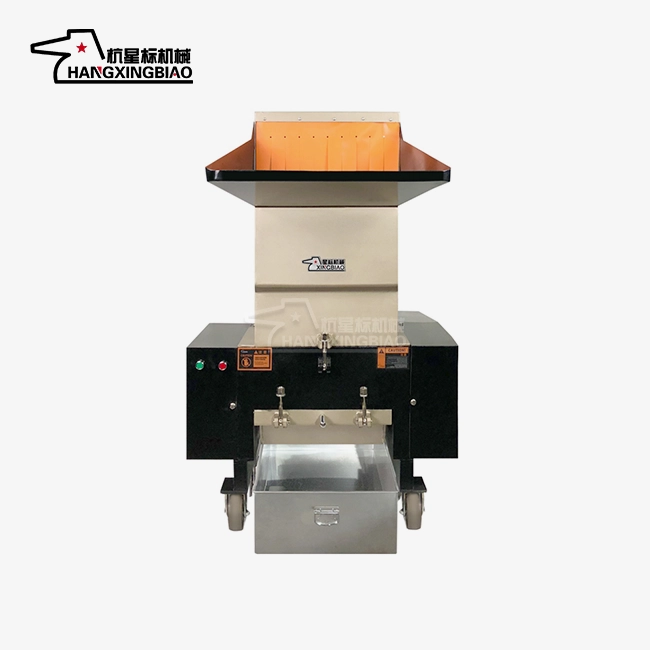
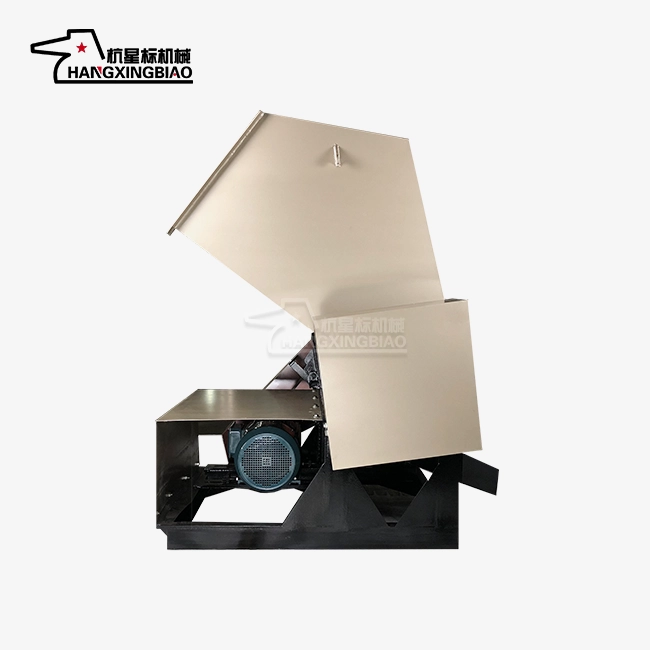
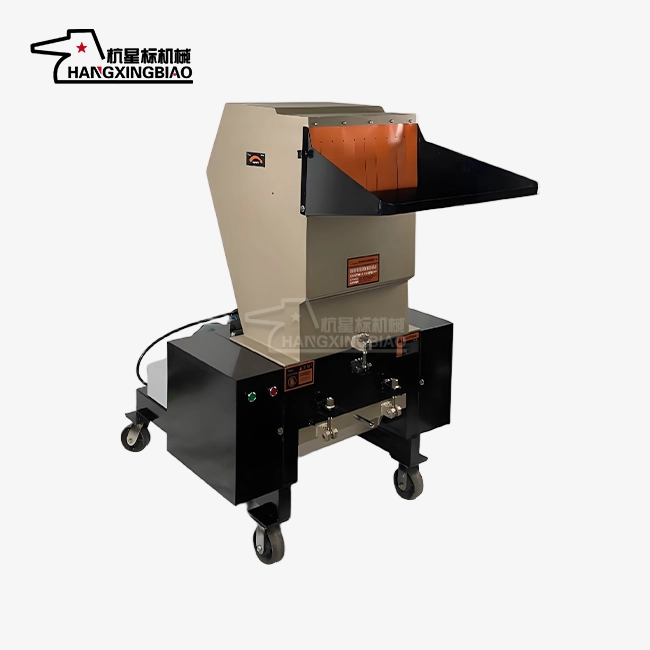
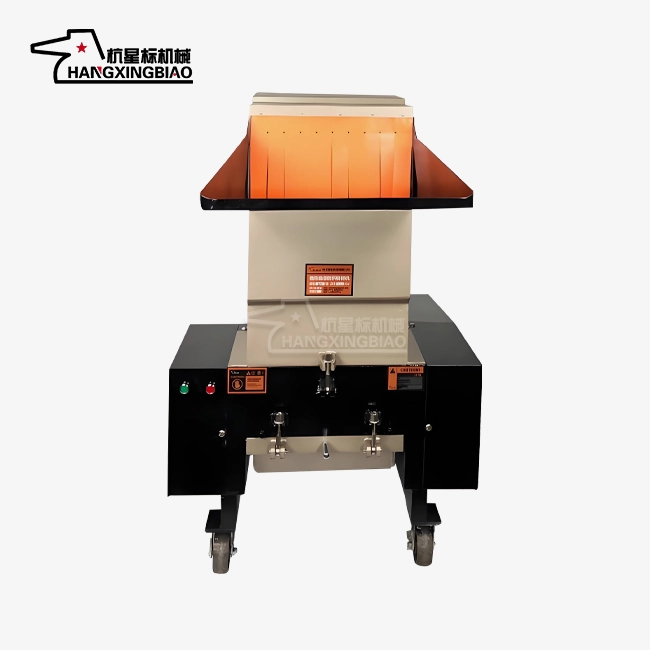
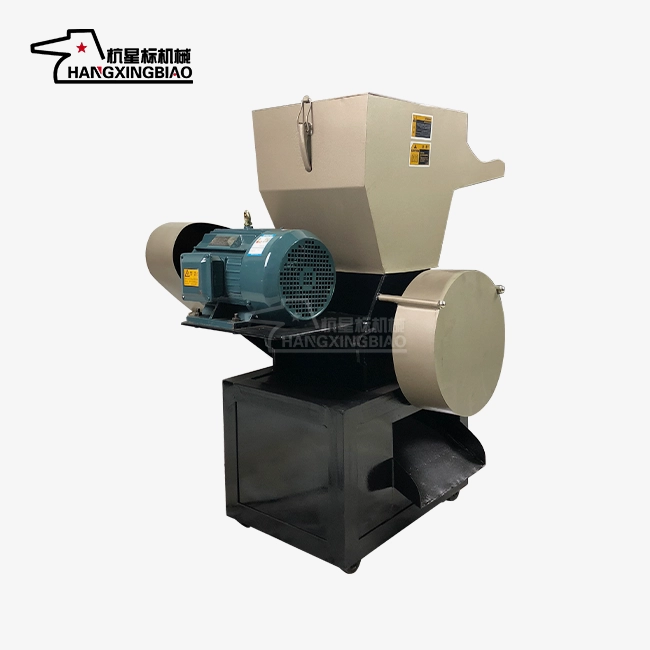
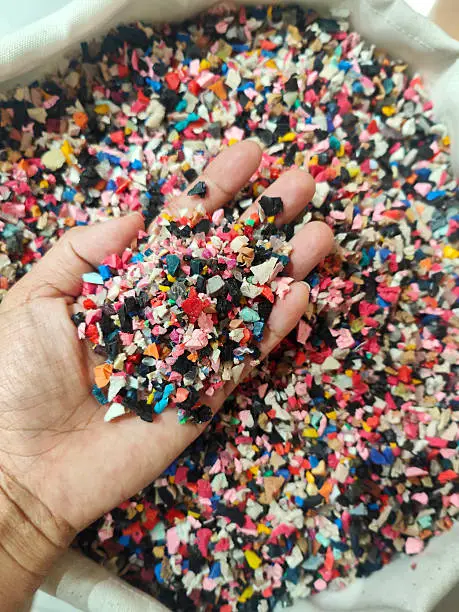
In the recycling industry, a screen crusher, which is also called a granulator or plastic crusher, is a precise machine that uses high-speed rotating cutting to break down plastic into uniform flakes or pieces. A wholesale screen crusher does both crushing and screening to make sure that the particles are all the same size. This is important for processes like cleaning, extruding, and remanufacturing that happen after the crusher. Screen crushers are essential in plastic recycling processes because the quality of the materials used directly affects how much money they make and how efficiently they make things.
Understanding Screen Crushers: Definition, Types, and Core Functions
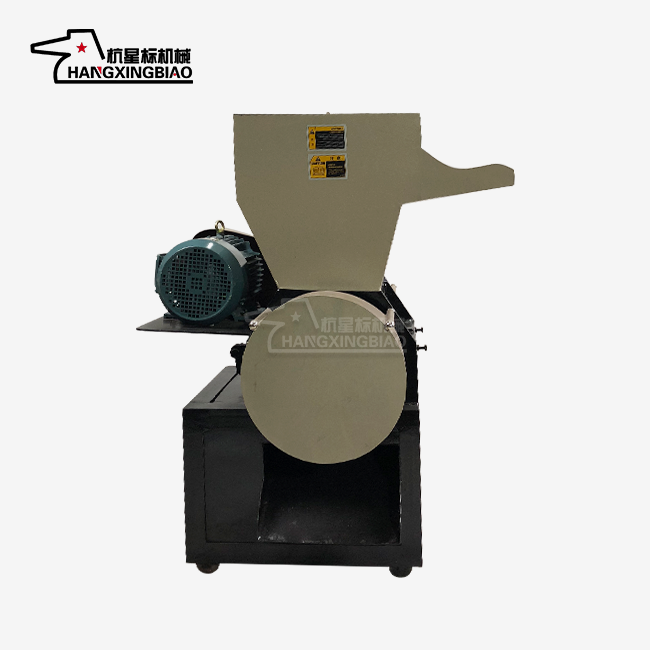
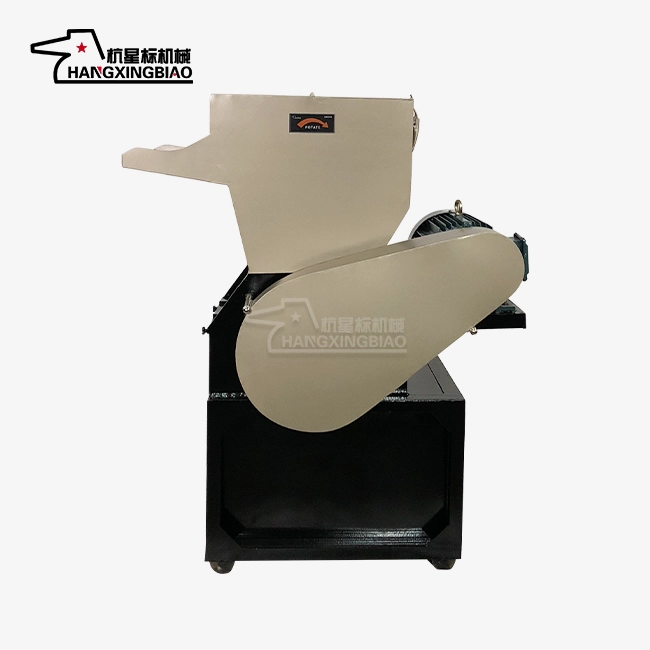
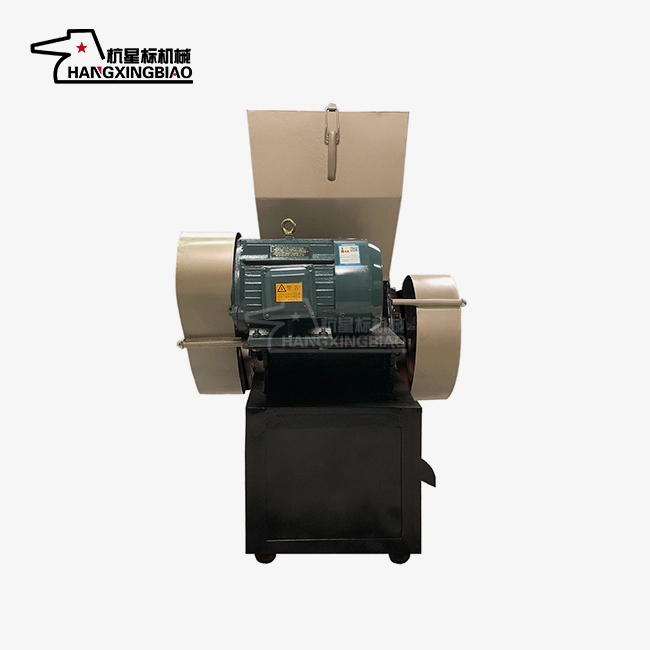
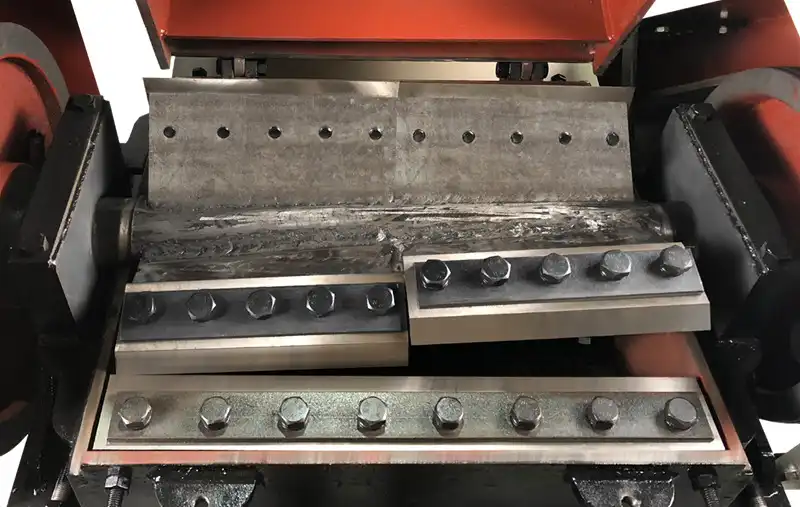
Screen crushers are a special kind of equipment that reduces the size of materials by combining breaking and screening into one easy process. These tools work by cutting plastic trash into small, mostly regular pieces with blades that spin on a central rotor. The built-in screen under the cutting chamber makes sure that only bits of the right size pass through. Material that is too big stays in the chamber to be processed further.
Primary Crushing Mechanisms in Screen Crushers
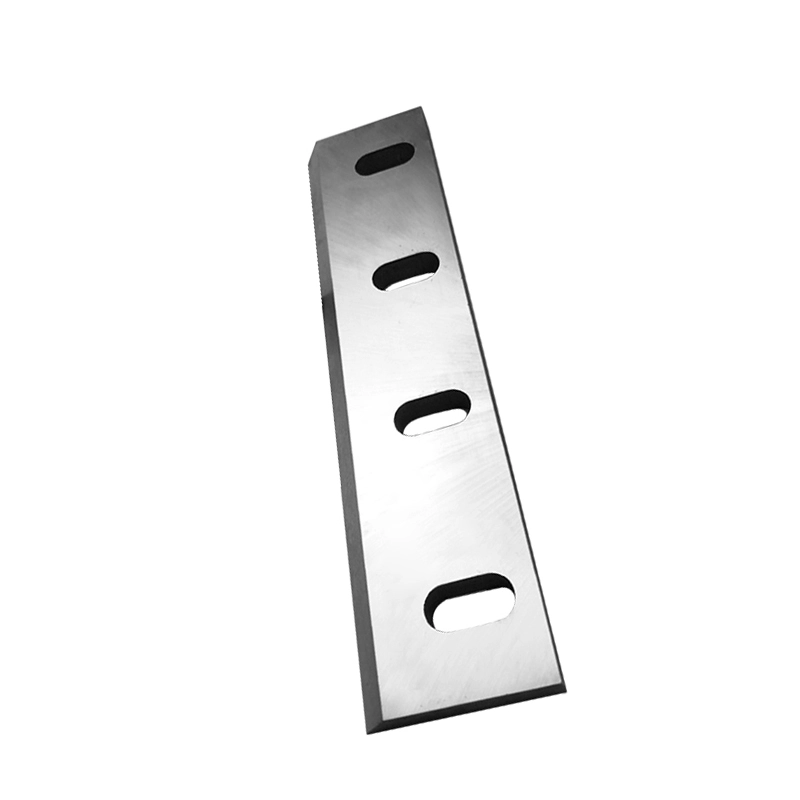
When plastic goes through the feed hole, the crushing process starts. The rotor spins at speeds between 500 and 900 RPM, which rely on how the machine is set up and the type of material being used. Sharp, angled blades on the rotor rub against unmoving knives attached to the room walls, making an action that is similar to scissor cutting. This exact cutting action is very different from impact-based crushing because it makes better cuts with less dust and heat buildup. The shape of the blade depends on the job. V-shaped blades work best with hard plastics like injection-molded parts, while flat blades work better with soft materials like films and woven bags.
Essential Screening and Discharge Functions
After the first round of size reduction, the broken-up particles land on the screen plate at the base of the cutting chamber. This screen with holes in it works as a quality control gate, letting only the right-sized flakes out and keeping the bigger ones for further processing. Screen hole sizes are usually between 8mm and 20mm, but can be changed to fit the needs of the final product. The rotor's constant spinning creates airflow that helps materials move across the screen surface, keeping throughput high and avoiding clogging. Flakes of the right size fall through the slide and into collection bins or straight onto conveyor systems to be sent to the next step in the processing process.
Key Performance Indicators for Procurement Evaluation
Several technical details need to be taken into account when looking at wholesale screen crusher choices. The machine's throughput ability, which is given in kilograms per hour, tells you how much material it can handle in normal circumstances. Production rates range from 100 kg/h for small models that can be used next to the press to 1,200 kg/h for large-scale industrial activities that handle large amounts of recycling. Power use directly impacts running costs. Newer, more energy-efficient designs use 30–40% less power than older models while still producing the same amount of work. Noise levels are important, especially in places that have to follow strict environmental rules. High-end units have sound-dampening casings that keep operational noise below 75 dB.
Advantages and Industrial Applications of Screen Crushers
Screen crushers are useful for more than just reducing the size of materials; they also have many other uses that save money and give you an edge over your competitors. Knowing about these perks helps people who work in procurement make strong business reasons for buying tools.
Operational Efficiency and Economic Benefits
Screen crushers are very good at separating things because they combine two processes into one machine, so you don't need separate tools for breaking and screening. This combination cuts down on capital costs, frees up floor space, and makes it easier to manage the flow of materials. One more big benefit is that it uses 20–30% less energy than older breaking technologies.
Noise Reduction and Maintenance Advantages
Modern screen crushers use new engineering techniques that fix problems that plastic production plants often have. Precision-balanced blades and sound-dampening casings keep vibrations and noise to a minimum, making workplaces safer and meeting OSHA standards. Maintenance needs are still doable thanks to screen structures that can be changed quickly and blade replacement systems that are easy to get to. At Hangzhou Xingbiao Machinery, our crushers are designed so that they can be cleaned and inspected without having to take them apart into large pieces.
Versatile Industrial Applications Across Sectors
Different types of businesses use screen crushers for different kinds of material handling needs. In the process of making plastic products, they deal with waste from injection molding, extrusion, and blow molding, putting useful materials back into the production cycle. Recycling centers use them to break down trash like bottles, containers, films, and stiff packaging that has already been used. Screen crushers are used in the building industry to get rid of scrap plastic pipe and profile.
Comparison of Screen Crushers with Other Crushers: Making the Right Choice
To choose the right crushing technology, you need to know how the different types of tools work and how to match their skills to your unique needs.
Functional Distinctions Between Crusher Types
Jaw crushers are great for breaking down very hard materials and big objects in the first stage of the process, but they can't screen, so you'll need to use different classification tools later on. They work at slower speeds but with more power, which means they can't be used for plastic purposes where too much heat breaks down the material.
When Screen Crushers Provide Optimal Solutions
Screen crushers are the best option when uniform particle size has a direct effect on the quality of the product or the economy of a process further down the line. Plastic recyclers who work with PET bottles gain a lot from uniform flakes because they wash better, dry faster, and extrude more evenly. Companies that use beside-the-press recycling like how small the equipment is and how quiet it is, which allows it be placed close to production machines.
Critical Technical Factors in Equipment Selection
Initial equipment selection is based on capacity needs, and output is matched to production or recycling amounts to avoid bottlenecks. A medium-sized injection molding business that makes 300 kg of scrap every day needs a crusher that can handle at least 400 kg/h of waste during busy times. Power supply infrastructure is important—three-phase motors work better but need the right kind of electricity. Because of noise restrictions in cities, sealed types with sound insulation may be needed. Dimensions play a role in installation, especially when adding crushers to production lines that are already in place and have limited room for other equipment.

Maintenance Tips and Specification Insights for Wholesale Buyers
To make sure that a crusher lasts a long time and keeps working well, you need to follow systematic repair procedures and know the key specs that affect the total cost of ownership.
Routine Inspection and Preventive Maintenance Protocols
Regular checking of the blades stops catastrophic breakdowns and keeps the quality of the output high. Once a week, check the rotor and fixed blades for cracks, chips, or too much wear, especially along the cutting edges. Blades made from SKD-11 or D2 tool steel that have been vacuum-heated and processed in a cold chamber, like those in Xingbiao crushers, stay sharp for 800 to 1,200 hours of use, depending on how rough the material is.
Troubleshooting Common Operational Issues
Less output usually means that the blades are dull, the screens are clogged, or the material feed rates are wrong. If the product quality goes down because of too many fines or bits that are too big, the blade-to-blade clearance probably needs to be changed. This important gap—usually between 0.2mm and 0.5mm—determines how well the material is cut and how the particles are distributed in size.
Decoding Technical Specifications for Informed Purchasing
Power usage specs show how much it costs to run an item over its lifetime, so models that use less energy are more cost-effective even though they cost more at first. At average industrial energy rates in the U.S., a crusher that uses 37 kW instead of 45 kW for the same output saves about $8,000 a year. Noise rates are important for following the rules and keeping workers safe. In most places, units that operate below 75 dB don't need hearing protection. Screen hole size affects how versatile the screen is, and quick-change screen methods make it easy to adapt to different product needs. The type of blade material directly affects how often and how much it costs to change it. For example, premium tool steels explain their higher prices by allowing longer service intervals.
Strategic Considerations for Wholesale Purchasers
When buying a lot of units for big businesses or to set up regional recycling networks, the price savings from buying in bulk become important. Wholesale screen crusher suppliers like Xingbiao offer savings of up to 15-20% on orders of three or more machines, which makes the project's economy a lot better. For unique setups that need to work with other material handling systems, installation services are especially helpful. Comprehensive warranty coverage protects investments. Look for providers who offer parts guarantees that last at least two years and include on-site service. Having access to approved distributors with local parts inventory makes it possible to respond quickly to repair needs, which cuts down on costly downtime during component replacement.
Selecting the Best Screen Crusher for Your Business: Criteria and Solutions
Matching the skills of equipment to the needs of operations ensures the best return on investment and keeps you from making common buying mistakes that cause equipment to fail or become obsolete too soon.
Defining Requirements Based on Industry and Production Scale
Plastic product makers who handle injection molding scrap need small, fast models like Xingbiao's high-power crushers that can be used next to production equipment and don't make too much noise to be used all the time in a factory setting. Usually, these units have 15–30 kW motors inside noise-dampening cases. Recycling centers that deal with a variety of post-consumer trash need strong standard crushers with 45–75 kW motors that can handle a wide range of materials, such as dirty bottles, colored plastics, and sometimes non-plastic contaminants. Large factories that work with big things like trash cans, industrial totes, or car parts can benefit from big crushers with feed holes that can handle materials up to 800 mm wide.
Evaluating Market Offerings for Durability and Value
The level of construction is what sets high-end tools apart from cheaper options. Welded high-strength steel frames that have been treated with stress-relief keep the structure from deforming over the years of heavy use. Another important difference is the material of the blade. When heated properly, Cr12MoV and SKD-11 tool steels last three to five times longer than normal carbon steel blades. The quality of the motor affects how reliable it is. Name-brand motors from Siemens or similar companies work consistently and have spare parts that are easy to find. Control systems can be as simple as contactors or as complex as PLC systems with touchscreen screens. More complex controls let you do things like automatically reverse to clear jams and integrate production tracking.
Xingbiao's Specialized Solutions for Plastic Processing
Our 30 years of experience in plastic breaking technology guide every design choice and feature implementation. The strong building method starts with main bodies made from premium steel plates that are bonded together and then stress-relieved to get rid of internal stresses that cause warping over time. Vacuum heat treatment and deep cryogenic processing are used to make blades. This gives them extreme hardness (58–62 HRC) and toughness that doesn't chip. The unique shape of the blades and the design of the cutting area make the machine more efficient than usual by more than 20%. This directly leads to higher flow or lower energy use.
Our line of products covers the whole range of uses for crushing plastic. Large-diameter crushers can handle pipes, profiles, and parts with thick walls. They can take in materials up to 1,200 mm wide. High-power models are made for the side-of-the-press installation process of frames, runners, and discarded parts. They work quietly and efficiently, sending valuable material back to production right away. Standard crushers are flexible enough to handle a wide range of garbage streams. Customized solutions are made to solve particular problems, like rotor designs that work with tangled films, heavy-duty setups for car bumpers and boxes, or sanitary setups for materials that come into contact with food and need to be cleaned very carefully. Wholesale screen crusher manufacturers should show that they have the skills and dedication to make sure their customers are happy, which are traits that every Xingbiao customer experiences.
Support Services That Reduce Operational Risk
Choosing the right equipment is only the first step toward a good execution. We offer full pre-sales consultations, during which our experienced engineers look at your unique materials, throughput needs, and building limitations to suggest the best configurations. Technical help continues after installation with advice on-site to make sure the right setup, alignment, and connection with other systems. Operator training includes safe ways to use the equipment, how to do regular maintenance, and how to fix basic problems. This gives your team the skills they need to get the most out of the equipment. Our promise to answer questions within 24 hours makes sure that they are quickly addressed, which reduces confusion during startup and early operation. Follow-up calls regularly find ways to improve things and deal with problems before they affect output.
Conclusion
Screen crushers are necessary for efficient plastic recycling and production because they reduce the size of materials and sort them into different sizes. When precision cutting and particle size sorting are combined, the final quality stays the same, which has a direct effect on the success of further processing. Knowing the differences between crusher types, comparing specs to working needs, and following the right upkeep procedures will make sure that equipment gives the expected results for as long as it lasts. Because Xingbiao focuses on plastic crushing technology and has strong building and full support services, they can offer reliable solutions to wholesale buyers that have been tested and come with quick expert help.
FAQ
What distinguishes screen crushers from standard plastic shredders?
Screen crushers use high-speed rotating cutting and built-in screens to make particles of the same size, while shredders use low-speed, high-torque mechanisms to reduce bulk size without controlling particle size. Screen crushers are good for tasks that need constant flake sizes, while shredders are great for breaking down big things into smaller pieces.
How often should the blades on a crusher be changed?
How long a blade lasts relies on how rough the material is, how many hours it is used, and how good the blade is. With the right heat treatment, premium tool steel blades can usually cut through normal plastics for 800 to 1,200 hours. Plastics that are filled with glass or minerals wear out faster, cutting their useful life by 40 to 60 percent. Regular review shows how wear is progressing, which lets replacements be planned before output quality drops.
Are installation and training services available for wholesale purchases?
Suppliers of wholesale screen crushers with a good reputation offer full installation and user training. As part of the service, the equipment is usually placed, help with the initial setup is given, and operation, upkeep, and repair steps are taught through hands-on training. During procurement talks, make sure that the terms of the services being offered are clear so that standards are met.
Partner with Xingbiao for Reliable Crushing Solutions
Xingbiao Machinery is an expert at designing wholesale screen crusher solutions that meet the specific needs of plastic processing activities in the recycling and industrial sectors. Because we've only worked on crushing technology for 30 years, we've made equipment that is known for being long-lasting, effective, and reliable. Strong steel construction, high-quality blade materials treated with improved heat, and an energy-efficient design all work together to give measurably better results than other options.
Our engineering team creates solutions that are exactly what you need for your business, whether you need small units that fit next to the press, standard models that can be used in a variety of ways, or unique designs for special materials. We keep a large inventory of parts to make sure that repair needs are met quickly. Our technology experts are also available to answer questions and address concerns right away. Wholesalers of screen crushers should show that they have the skills and dedication to make sure their customers are happy, which are traits that every Xingbiao customer experiences.
Email our team at xingbiaocrusher@xingbiaocrusher.com right now to talk about your crushing needs and find out how our custom solutions can help your business run more smoothly and make more money.
References
1. Chen, Y., & Wang, L. (2021). Advanced Plastic Recycling Technologies: Equipment Design and Process Optimization. Industrial Press.
2. Morrison, R. D., & Richardson, J. M. (2020). "Comparative Analysis of Size Reduction Equipment in Polymer Processing." Journal of Materials Processing Technology, 287, 116-129.
3. Thompson, K. E. (2022). Industrial Crushing and Screening: Principles, Applications, and Best Practices. Engineering Publications Ltd.
4. United States Environmental Protection Agency. (2021). Plastic Waste Management and Recycling Technologies: Technical Assessment Report. EPA Publication 530-R-21-003.
5. Zhang, H., & Kumar, S. (2020). "Energy Efficiency in Plastic Waste Processing: Equipment Selection and Optimization Strategies." Resources, Conservation & Recycling, 156, 104-118.
6. Williams, P. T. (2019). Waste Treatment and Disposal: Materials Processing Equipment for Sustainability. John Wiley & Sons.
Learn about our latest products and discounts through SMS or email