- English
- French
- German
- Portuguese
- Spanish
- Russian
- Japanese
- Korean
- Arabic
- Greek
- German
- Turkish
- Italian
- Danish
- Romanian
- Indonesian
- Czech
- Afrikaans
- Swedish
- Polish
- Basque
- Catalan
- Esperanto
- Hindi
- Lao
- Albanian
- Amharic
- Armenian
- Azerbaijani
- Belarusian
- Bengali
- Bosnian
- Bulgarian
- Cebuano
- Chichewa
- Corsican
- Croatian
- Dutch
- Estonian
- Filipino
- Finnish
- Frisian
- Galician
- Georgian
- Gujarati
- Haitian
- Hausa
- Hawaiian
- Hebrew
- Hmong
- Hungarian
- Icelandic
- Igbo
- Javanese
- Kannada
- Kazakh
- Khmer
- Kurdish
- Kyrgyz
- Latin
- Latvian
- Lithuanian
- Luxembou..
- Macedonian
- Malagasy
- Malay
- Malayalam
- Maltese
- Maori
- Marathi
- Mongolian
- Burmese
- Nepali
- Norwegian
- Pashto
- Persian
- Punjabi
- Serbian
- Sesotho
- Sinhala
- Slovak
- Slovenian
- Somali
- Samoan
- Scots Gaelic
- Shona
- Sindhi
- Sundanese
- Swahili
- Tajik
- Tamil
- Telugu
- Thai
- Ukrainian
- Urdu
- Uzbek
- Vietnamese
- Welsh
- Xhosa
- Yiddish
- Yoruba
- Zulu
Reviews of powerful plastic crushers designed for heavy-duty applications
When you deal with thousands of kilograms of plastic trash every day, you need tools that will work well. A powerful plastic crusher is the most important part of your recycling business. It turns scrap from injection molding lines, bulk plastic trash, and broken goods into granules that can be used again. After looking at several heavy-duty crushing options and performance data from industrial operations, we've found that specialized crushers with advanced blade systems and strengthened construction always give high-volume facilities the reliability and throughput they need. This review looks at what makes heavy-duty plastic breaking equipment unique and how to choose equipment that will work best for your business.
Understanding Powerful Plastic Crushers for Heavy-Duty Use
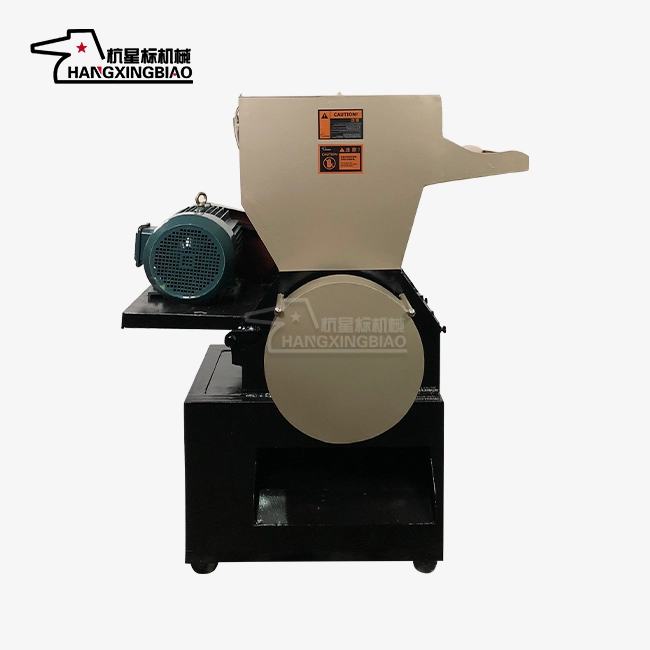
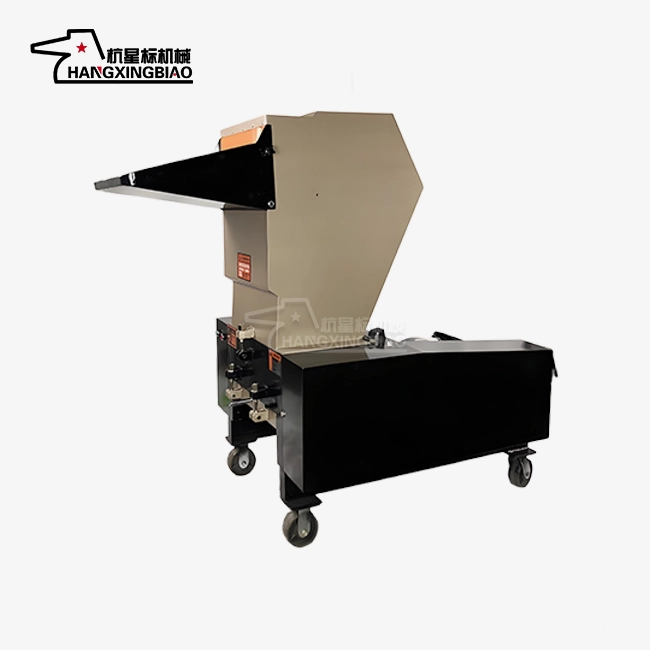
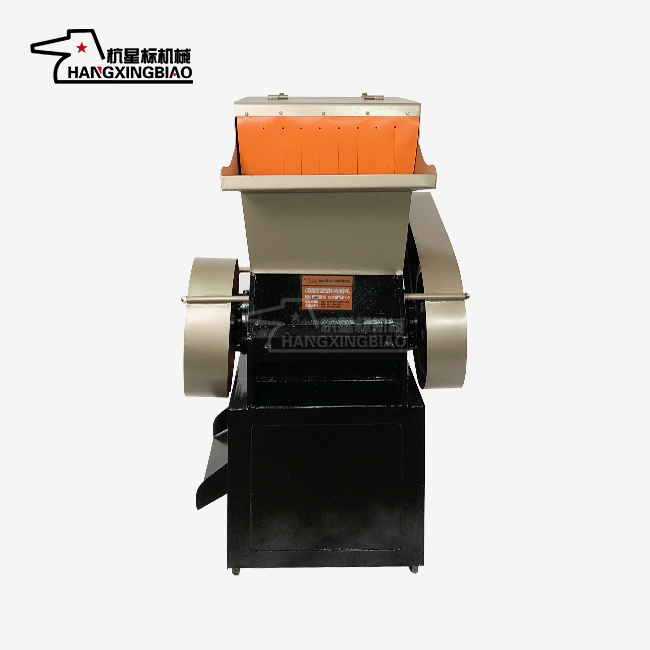
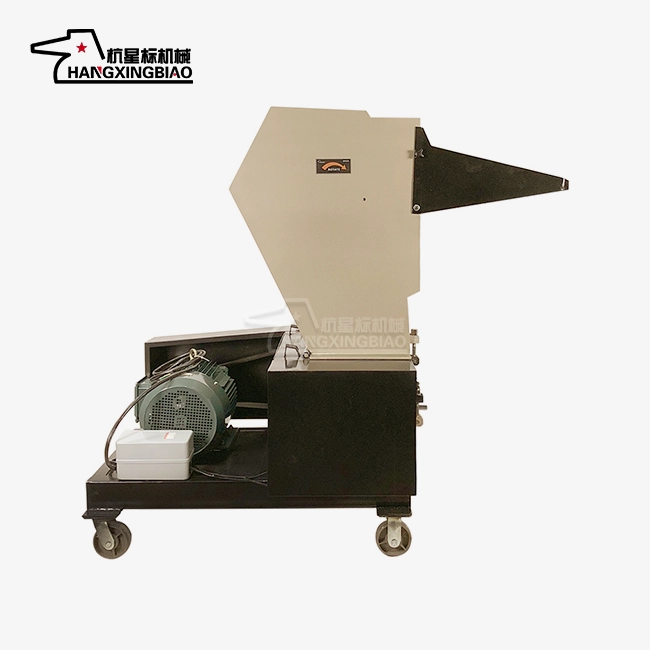
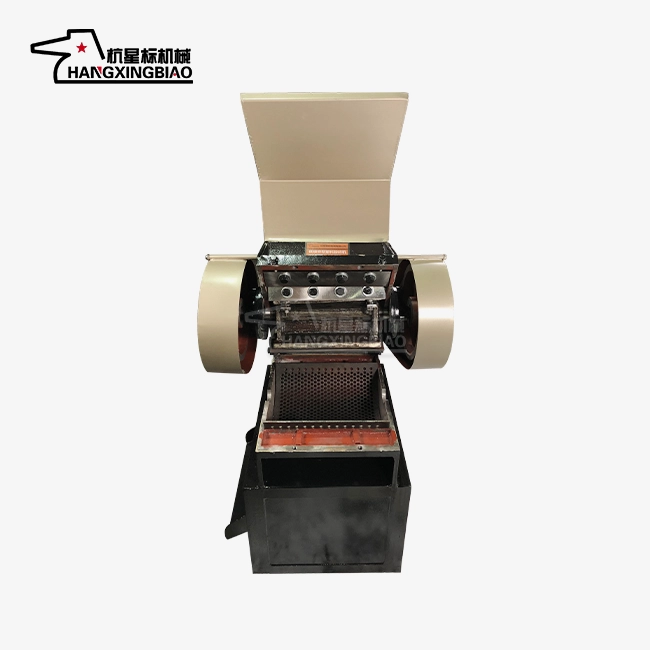
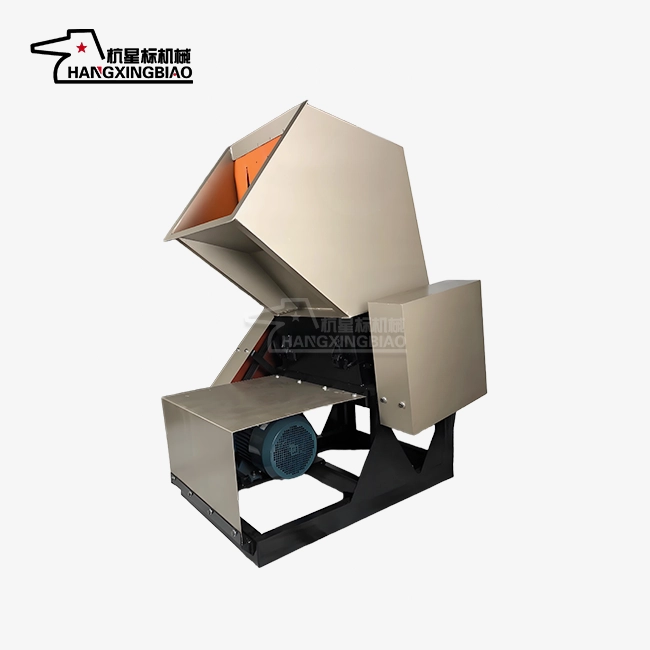
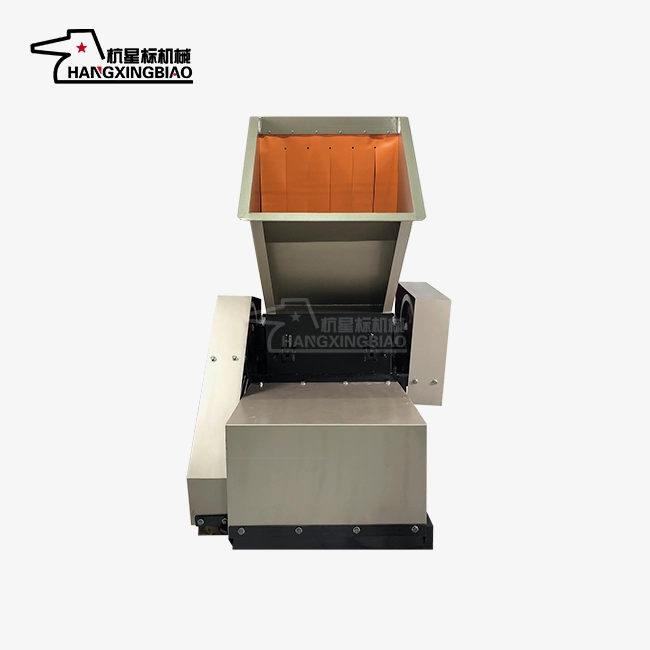
Heavy-duty plastic crushing equipment is very different from normal types in how it is built and the quality of its parts. These tools are made to work nonstop in tough conditions and can handle a wide range of materials, from PE and PP films to rigid PVC lines and PET containers. A Powerful plastic crusher is specifically engineered to handle these demanding environments.

Core Technical Specifications That Define Heavy-Duty Performance
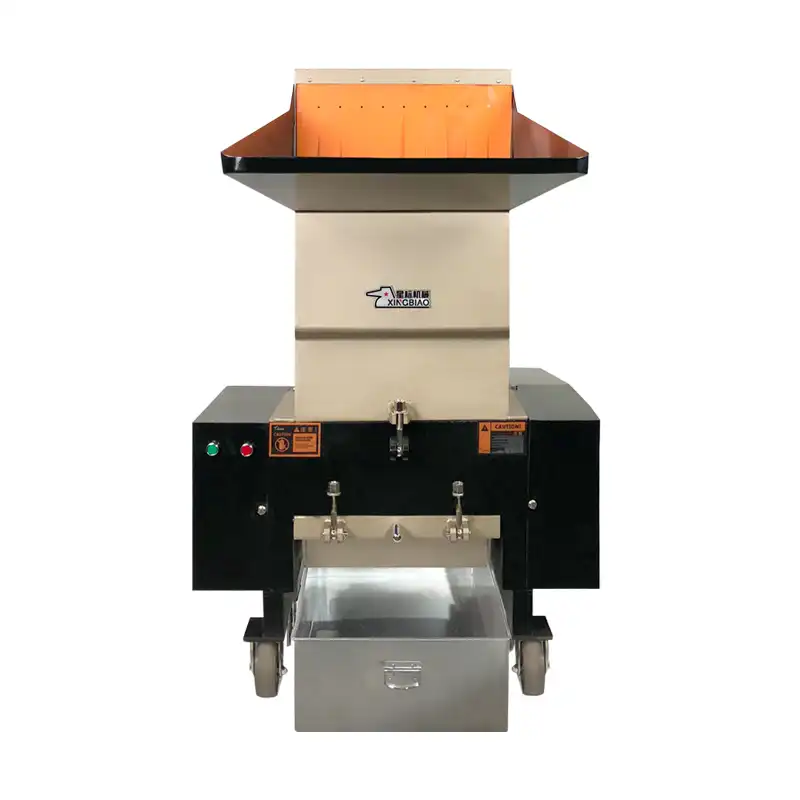
When it comes to breaking power, motor size is the most important thing. Motors in industrial-grade units usually range from 5HP to 75HP, and 100HP or more is needed for bigger jobs. These motors provide steady torque at rotor speeds ranging from 400 to 800 RPM, which controls both cutting force and particle size. Different types of feeders can handle a wide range of materials. Standard hoppers can hold materials up to 400 mm in diameter, while large-diameter crushers can handle pipes and profiles more than 1000 mm in diameter. The shape of the cutting room is also very important. Modern crushing rooms have hopper walls that are stronger and bottoms that don't wear down easily, so they can handle rough materials. Precision-engineered rotor parts keep the blades aligned even when they're under a lot of stress. This stops the uneven wear that leads to differences in particle size. Stress-relieved steel construction is used in the main body by high-quality producers like Xingbiao. This eliminates the risk of warping during long production runs.
How Industrial Crushers Achieve Superior Processing Results
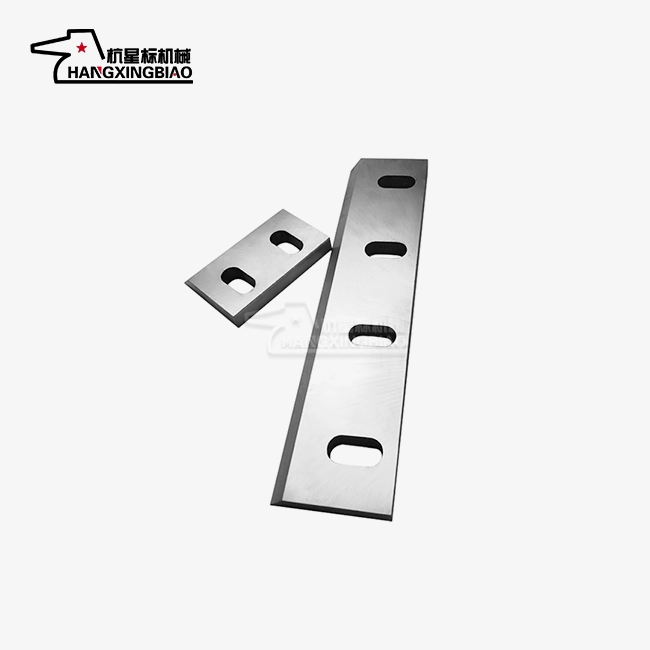
The breaking works by using the scissor-like action between the blades that are moving and the blades that are not moving. Heavy-duty units are set apart by the materials and treatments used on their blades. Blades made of SKD-11 or D2 mold steel are used in high-end crushers. These blades are vacuum-heated and frozen, which makes them HRC 55-60 hard. Standard steel blades need to be replaced every 800 to 1,200 hours, but these blades keep their sharp cutting edges for 5,000 hours or more. These technical decisions have a direct effect on throughput capability. Heavy-duty entry-level crushers can handle 50 to 500 kg/hour and are good for smaller industrial operations or use next to a press. Mid-range models can handle 500 to 1,000 kg per hour, which is enough for recycling lines. Large industrial crushers can process 1,000 to 2,000 kg of waste per hour or more. This helps organized recycling operations that collect garbage from many production sites. Over the course of 30 years of specialized manufacturing, Hangzhou Xingbiao Machinery has improved this technology. They have created crushing systems that are over 20% more efficient than traditional designs thanks to better blade shapes and hollow geometry.
Comparing Powerful Plastic Crushers: Making the Right Choice
To choose the right crushing tools, you need to carefully weigh the performance features against your business's wants and your budget. Selecting a Powerful plastic crusher requires matching machinery specs to your specific daily throughput.
Performance Attributes: Heavy-Duty vs. Standard Models
The most noticeable change is the throughput capacity. The most that standard crushers can handle is 300 to 400 kg per hour. Heavy-duty units, on the other hand, start at 500 kg per hour and can handle several tons per hour. This difference in capacity is due to stronger drive systems, bigger cutting areas, and more aggressive blade designs. Expectations for durability also change a lot. Standard crushers work well for irregular use, like grinding industrial waste for a few hours every day. Heavy-duty tools can work nonstop for 24 hours a day, which is important for recycling centers and factories that make a lot of products. Precision bearings, strengthened gears, and dynamic balance testing are all built into Xingbiao's industrial crushers. This lowers the rate of mechanical wear and cutting equipment failure by 40%. Heavy-duty equipment often uses less energy per ton of material worked, even though it has higher motor rates. High-quality heavy-duty crushers use only 8–12 kWh of electricity per ton, while normal units use 15-20 kWh. This is because the motors are better matched and the blades are more efficient. This difference grows over months of use, which changes both the costs of running and the damage to the environment.
Electric vs. Alternative Power Configurations
Three-phase electric motors are used in most industrial plastic crushers because they are reliable and don't need much upkeep. Electric units work quietly (quality models keep noise levels below 75 dB), don't release any direct emissions, and connect easily to the building's existing power system. Instead of fixing the engine, maintenance chores include simple things like lubricating the bearings and checking the blades. Diesel or gasoline-powered crushers are useful in places where electricity isn't available, like recycling activities that are far away or mobile processing units. These units give you more operating options, but they also make upkeep more difficult and raise concerns about noise and emissions. Electric types are preferred by most industrial sites because they have lower total costs of ownership and meet environmental standards for the workplace.
Evaluating Manufacturers and Brand Reputation
A brand's image is based on how satisfied customers are with its products and customer service. Established companies like Xingbiao show their dedication by specializing in a single area for decades. Companies that work with universities and other businesses, like Xingbiao's relationships with big businesses, use real-world operational data to keep improving the designs of their tools. Premium sellers are set apart by their warranty terms and customer service after the sale. Full service options include help with installation, training for operators, regular follow-up visits, and quick delivery of extra parts. Xingbiao's promise to answer questions 24 hours a day and provide full service support, from pre-sales consultation to ongoing upkeep, is an example of the customer-focused approach that lowers business risks and increases machine uptime.
Performance and Efficiency Insights for Powerful Plastic Crushers
Knowing about key performance factors can help you match the capabilities of your tools to the unique needs of your processing while also improving operational efficiency. A Powerful plastic crusher is evaluated by its ability to maintain consistent output under varying material loads.
Interpreting Crushing Capacity and Throughput Rates
Ratings for crushing capacity show the largest amount of material that can be processed in ideal circumstances, which are usually clean, uniform materials. In real life, output is usually only 70 to 85% of its stated capacity because of differences in materials, irregular feeding, and normal operating breaks. When you're figuring out what you need, figure out how much power you need by adding 20 to 30 percent to account for busy times. Processing rates are greatly affected by the properties of the material. Rigid injection-molded parts take longer to process than soft films and woven bags. Materials that get tangled or things with metal cores also take longer to process. Soft plastic crushers have special blade shapes that keep the plastic from wrapping around the rotor shaft, which happens a lot with regular units. Xingbiao's soft plastic crushers have special blade patterns that make it possible to handle films, woven bags, and threads without getting them tangled up.
Both productivity and energy use are affected by the particle size limits. To make particles 2 to 5 mm, you need smaller screens and maybe more than one pass, which slows down the working rate per hour compared to 8 to 12 mm output. Adjustable screen meshes, which come in lengths from 2 to 100 mm on good crushers, let you find the right mix between particle size and output needs.
Energy-Efficient Technologies Reducing Operational Costs
Heavy-duty breakers of today have several energy-saving features built in. Variable frequency drives change the motor speed to match the flow of material, which uses less power when the load is light. When the blade shape is optimized, the cutting motion wastes as little as possible. This means that more electrical energy is used to reduce size, rather than being spent on heat and vibration. In addition to using less energy, efficient crushing devices are better for the earth. Less energy use directly lowers carbon footprint. This is especially important for buildings that want to get sustainability certifications or meet business environmental goals. Effective size reduction also makes recycling better, which supports efforts for a circular economy by putting more plastic garbage to useful use.
Safety Features and Compliance Standards
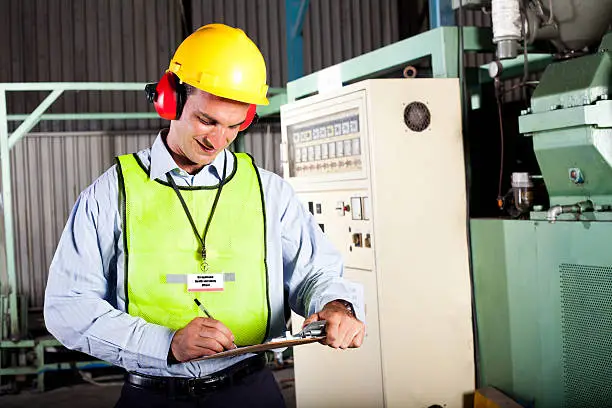
Heavy-duty breakers have many safety features that keep workers and equipment safe. Overload safety devices keep an eye on the motor's current and shut it down, and sound a warning if they come across hard objects like metal fasteners. This security stops damage to the blades and major mechanical breakdowns that could cause expensive downtime. Interlock systems keep people from getting into the cutting room while it's running, and emergency stop settings let the machine shut down right away. Fully sealed chamber designs keep noise and dust inside, keeping the air quality in the workplace good and lowering the amount of dust that workers are exposed to. Manufacturers of good products make sure that their products meet OSHA and other safety standards for electrical equipment. They also provide the paperwork that is needed to prove that the facility is following the rules.
Procurement Guide: How to Source Powerful Plastic Crushers
Strategic choices about procurement weigh the original cost against the long-term benefit of operations and service quality. Acquiring a Powerful plastic crusher is a commitment to your facility's recycling efficiency.
Partnering with Reputable Manufacturers and Distributors
Buying industrial tools from a direct maker is often the best way to get the best deal and the most help. Manufacturers like Hangzhou Xingbiao Machinery offer clear prices, full technical specs, and direct access to engineers for questions that are specific to your application. Their 30-year focus on making plastic crushing equipment shows that they have a level of focused knowledge that other machinery providers can't match.
Financial Considerations and Customization Options
The price of an industrial crusher depends a lot on its size, quality of construction, and features. Low-cost heavy-duty units start at around $8,000 to $15,000. Large industrial systems cost at least $25,000 to $100,000. Look at the total cost of ownership instead of just the purchase price. Good equipment that uses less energy and has blades that last longer is more cost-effective over its entire life.
After-Sales Support and Spare Parts Availability
Full service after the sale saves your investment in tools and keeps downtime to a minimum. Good providers give installation instructions and training to operators to make sure everything is set up and used correctly. Follow-up visits on a regular basis find possible problems before they become failures, and quick expert help fixes issues as they happen.
Maintenance Best Practices to Maximize Crusher Lifespan and Performance
Disciplined repair programs keep processing equipment working well, make it last longer, and stop unexpected breakdowns that throw off production plans. A Powerful plastic crusher's lifecycle depends on following structured maintenance protocols.
Structured Maintenance Schedules
As part of daily checks, the blades should be looked at visually for damage or excessive wear. All grease spots should also be checked to make sure they are properly oiled, and the feed hoppers should be checked for material buildup. During operation, listen for strange sounds. Changes in noise patterns often mean that technical problems are starting to show up. Make sure that the safety interlocks work right and that the emergency stops work right away.
Troubleshooting Common Operational Issues
Less output usually means that the blades are dull or the screen is clogged. Check the blades, sharpen or replace them as needed, and clean the screen if it's clogged. Misaligned blades or worn cutting edges are likely to cause particle sizes that aren't uniform. Either way, the blade needs to be serviced. Too much shaking means that the rotor isn't balanced or the bearings are wearing out. This needs to be fixed right away to stop problems from spreading.
Real-World Maintenance Success
A medium-sized recycling center that processes 800 kg/hour set up a strict preventative maintenance plan for their Xingbiao industrial crusher. They got 98.5% equipment uptime over 18 months of nonstop use by strictly following daily inspection routines and servicing blades at the recommended times. Their methodical approach cut unplanned downtime from the usual 8–12% in their business to less than 2%, which directly increased profits by maintaining working capacity. The facility estimated that proper maintenance increased blade life by about 40% compared to their old reactive method. This cut yearly parts costs by over $3,000 while keeping particle quality the same.
Conclusion
Heavy-duty plastic breaking equipment is a big expense that has a direct effect on how well the business runs, the quality of its products, and its long-term profits. The best crushers are built to last and have been carefully thought out. They use high-quality blade materials, motor systems that work at their best, and a lot of safety features to make sure they can be used continuously without any problems. Companies like Xingbiao show that focusing on specialized manufacturing and customer-centered service models can bring more value than just buying tools. To make a good purchase, you need to weigh the technical requirements against the total cost of ownership. Then, you need to be sure to follow good upkeep habits to protect your investment in the equipment's lifetime. When you correctly match the Powerful plastic crusher capabilities to your processing needs and work with makers that are committed to ongoing support, you set up a system for managing plastic waste that will be effective and profitable for your business for years to come.
FAQ
What kinds of plastic do Powerful plastic crushers work well with?
A Powerful plastic crusher can handle almost all plastic materials that are used in recycling and manufacturing settings. Soft plastics like PE and PVC films, woven polypropylene bags, and flexible packaging all work well in units that are set up correctly. With the right blade configurations, rigid plastics like ABS, PC, PET bottles, and pipes with thick walls break down easily. Foams like EPS and EVA are easy to work with. Flexible crusher designs work well with mixed plastic streams that include bottles, containers, trays, and injection molding scrap. However, materials that are highly damaged or contain large metal parts may need to be pre-sorted.

How do I figure out how much crushing power my business needs?
Figure out how much trash you make every day across all of your production lines and types of materials. This needs to be turned into hourly rates based on your chosen processing plan. For example, a business that makes 3,000 kg per day over an 8-hour shift needs a minimum capacity of 375 kg per hour. Add 20–30% to account for busy times and changes in the material. Plan for future growth—buying a little more capacity now will save you money in the long run than changing equipment that is too small later. Talk to the makers about the materials you have because the rates of processing are different for hard parts and soft films.
Transform Your Plastic Waste Management with Xingbiao Industrial Crushers
Hangzhou Xingbiao Machinery has been making specialized machines for 30 years and is ready to help you crush plastic. Our Powerful plastic crusher models can handle between 50 kg and 2,000 kg of scrap per hour, so they can be used for everything from small-scale scrap recycling next to the press to large-scale specialized activities. Each machine has SKD-11 vacuum-treated blades, stress-relieved steel construction, and built-in overload safety that makes failure rates 40% lower than the average in the industry. We offer full support from the initial meeting to ongoing upkeep, whether you need a standard crusher supplier for flexible material handling or custom solutions for difficult uses. Contact our engineering team at xingbiaocrusher@xingbiaocrusher.com to discuss your particular needs and get personalized equipment suggestions backed by full technical details and clear prices.
References
1. Johnson, M.R. & Stevens, A.L. (2021). Industrial Plastic Recycling Systems: Engineering and Performance Analysis. Manufacturing Technology Press.
2. Chen, W. & Martinez, D. (2022). "Blade Material Selection and Heat Treatment Effects on Crusher Longevity," Journal of Materials Processing Technology, 298, 117-129.
3. Thompson, K.E. (2020). Heavy-Duty Size Reduction Equipment: Specification and Selection Guide for Industrial Applications. Industrial Equipment Publishers.
4. Rahman, S. & O'Connor, P. (2023). "Energy Efficiency Optimization in Plastic Waste Processing Equipment," Recycling Technology Quarterly, 15(2), 45-62.
5. Williams, J.T. (2022). Maintenance Strategies for Industrial Processing Equipment: Maximizing Uptime and Service Life. Reliability Engineering Institute.
6. Anderson, B.K., Lee, H.S., & Foster, R.M. (2021). "Comparative Performance Analysis of Commercial Plastic Granulators and Crushers," Polymer Recycling and Engineering, 19(4), 203-218.
Learn about our latest products and discounts through SMS or email