- English
- French
- German
- Portuguese
- Spanish
- Russian
- Japanese
- Korean
- Arabic
- Greek
- German
- Turkish
- Italian
- Danish
- Romanian
- Indonesian
- Czech
- Afrikaans
- Swedish
- Polish
- Basque
- Catalan
- Esperanto
- Hindi
- Lao
- Albanian
- Amharic
- Armenian
- Azerbaijani
- Belarusian
- Bengali
- Bosnian
- Bulgarian
- Cebuano
- Chichewa
- Corsican
- Croatian
- Dutch
- Estonian
- Filipino
- Finnish
- Frisian
- Galician
- Georgian
- Gujarati
- Haitian
- Hausa
- Hawaiian
- Hebrew
- Hmong
- Hungarian
- Icelandic
- Igbo
- Javanese
- Kannada
- Kazakh
- Khmer
- Kurdish
- Kyrgyz
- Latin
- Latvian
- Lithuanian
- Luxembou..
- Macedonian
- Malagasy
- Malay
- Malayalam
- Maltese
- Maori
- Marathi
- Mongolian
- Burmese
- Nepali
- Norwegian
- Pashto
- Persian
- Punjabi
- Serbian
- Sesotho
- Sinhala
- Slovak
- Slovenian
- Somali
- Samoan
- Scots Gaelic
- Shona
- Sindhi
- Sundanese
- Swahili
- Tajik
- Tamil
- Telugu
- Thai
- Ukrainian
- Urdu
- Uzbek
- Vietnamese
- Welsh
- Xhosa
- Yiddish
- Yoruba
- Zulu
How to maintain a pulverizer?
It is important to keep pulverizers in good shape so that production lines can run easily and make money. These machines are also known as crushers, grinders, and pharmaceutical pulverizers. Taking good care of your crusher directly affects how well it crushes, cuts down on unplanned breaks, and extends its life by years, which saves you a lot of money on replacement costs. In industries like manufacturing and recycling plastic, where downtime means lost income, consistent repair practices separate businesses that are doing well from those that are constantly having to deal with broken equipment. This detailed guide shows you tried-and-true repair methods made just for plastic processing plants that deal with a wide range of plastic waste, from injection-molded scrap to bulk plastic waste. These techniques will help your team avoid common failures and get the most out of their equipment investments.
Understanding the Importance of Pulverizer Maintenance
Your blender is a big investment in terms of money, and how well it works has a direct effect on your bottom line. Maintenance keeps the crushing capacity high and keeps running costs low. Without maintenance, costs would go through the roof because of unexpected repairs and output stops. These tools are put under a lot of stress when they crush hard plastics like PVC pipes, soft plastics like polyethylene films, and tough, tangled trash from woven bags or farming uses. Without regular maintenance, blade edges wear down faster, motors strain inefficiently, and screen holes get clogged with residue, making it harder to get the uniform particle size that is needed for good recovered pellets.
When you don't do maintenance, it causes trouble all over your business. Less efficient crushing means less work gets done in less time, and more energy is used per ton handled. If the particle size distribution is off, it can affect processes further down the line, which could lower the value of your recovered material. Equipment becomes less reliable, which leads to unplanned breaks that mess up production plans and make it harder to work with clients who depend on a steady supply of materials. Maintenance isn't just a cost center; it's an investment that protects your business's ability to run efficiently and stay competitive in the market.

There are more financial effects than just repair bills. When a medium-sized recycling company has unplanned downtime, it can lose thousands of dollars every day in lost processing capacity, wasted labor, and missed supply dates. Preventive maintenance programs usually cost 20–30% less than reactive repair methods, but make tools much more available. Setting up structured repair plans for your pulverizer will turn it from a possible liability into a reliable production tool that will keep paying for itself over its intended lifetime.
Common Maintenance Challenges and Root Causes
There are problems that pharmaceutical pulverizers are likely to have that should be planned for by repair plans. Blade wear is one of the most common problems, especially when working with rough materials or when people feed pieces that are too big for the machine. When blades are worn, they produce variable particle sizes, make motors work harder to compensate for less efficient cutting, which uses more energy, and cause excessive shaking, which stresses bearings and structural parts.
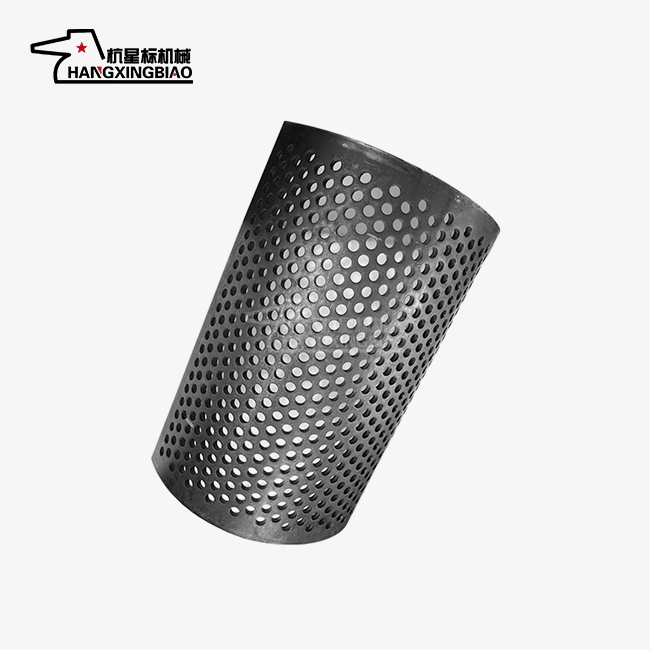
When material builds up inside crushing tanks or screen holes, it can cause blockages that stop activities. This usually happens because the screen wasn't cleaned well enough between material types, the feedstock was wet or dirty, or the wrong screen specs were used for the material being handled. Blockages require shutdowns so that cleaning can be done by hand, which can be dangerous and cause production delays. Electrical problems can happen when dust gets into control panels, when vibrations cause connections to come loose, or when motors get too hot because flying plastic dust clogs up cooling systems.
These problems don't just happen; they have root causes that can be stopped. When operators don't get enough training, they use the wrong methods for feeding, forget to do daily checks, and don't notice early danger signs like strange noises or vibration patterns. A lot of places don't have written maintenance plans that are in line with what manufacturers say should be done. This means that lubrication intervals are missed, seals are replaced too late, and component checks are put off. When your team knows these root causes, they can put in place focused solutions that fix problems before they get worse and cost a lot to fix.
Step-by-Step Pulverizer Maintenance Best Practices
Maintenance that works well follows a tiered plan that goes from daily to yearly. This organized method makes sure that no important job is missed and that your repair team has an appropriate amount of work to do.
Daily Maintenance Protocols
Small problems don't turn into big ones when they get daily care. Operators should check the crushing tanks as soon as they are turned off and remove any leftover material that could harden overnight and cause problems when the machine starts up again. Visual checks of blades find chips or cracks that need to be fixed right away before the blades break in a terrible way. By listening for strange sounds like grinding, knocking, or clicking while the machine is running, you can find loose parts or bearing problems early on. By using hand-touch testing or simple vibration meters to check vibration levels, problems with mounting or uneven rotors can be found before they damage nearby buildings.

Weekly and Monthly Maintenance Activities
As part of weekly tasks, lubrication spots listed in equipment instructions are checked to make sure that bearings and moving parts get the right amount of grease without being over-oiled, which causes dust to build up. Checks of the belt tightness stop sliding, which lowers the drive's efficiency and speeds up belt wear. Seals around feed holes and outlet areas are checked once a month, and worn seals are replaced before they let material leak or dust escape. Screen health checks find holes that are worn out or structural cracks that need to be fixed. Motor and electrical link checks find problems like loose wires or too much heat before they cause electrical failures.
Quarterly and Annual Overhauls
Full reviews every three months for pharmaceutical pulverizers include exact measurements of each part compared to the manufacturer's instructions. Blade thickness measuring tells you how much service life is left, so you can change them during planned breaks instead of in a panic. By measuring bearing play, you can find wear that needs to be replaced before it causes damage to the shafts or housings. Inspections of structural welds find wear cracks in places that are under a lot of stress. As part of an annual repair, all parts are taken apart and cleaned thoroughly. All worn parts are replaced, no matter how good they look, and the safety interlocks are calibrated, and the electrical system is tested by an expert. This planned development increases dependability by giving the same amount of care at regular times, making the best use of upkeep resources and increasing the amount of time that equipment is available.
Selecting the Right Maintenance Approach for Different Pulverizer Types
Maintenance plans need to be flexible enough to fit the needs of each crusher and its design. Hammer mills are often used to recycle plastic. The rotor and hammers wear out quickly from repeated impact, so the hammers need to be rotated or replaced often to keep them working well. When fixed anvils are hit by spinning elements in impact crushers, the clearance needs to be adjusted on a regular basis because wear makes the gaps between the hitting surfaces bigger. Granulators that cut like scissors need exact blade gap settings that are kept up by adjusting them often as the cutting edges wear down.
Processing material properties has a big effect on how often repairs need to be done. Blade wear patterns can be predicted in operations that mostly work with hard plastics like ABS or polystyrene. This lets replacements be planned based on the amount of material handled. Crushing plants that use polyethylene films or woven polypropylene bags must deal with screen blocking and rotor buildup more often, which means they need to clean them more thoroughly. Mixed-waste crushers that deal with contaminated feedstock need cooling systems with strong filters and sealed bearing kits to keep contaminants out.
Enhancing Maintenance Efficiency and Safety
Putting in place preventive repair programs changes reactive defense into proactive management of equipment. Written plans give specific jobs to skilled people and make sure they are done by a certain date. Digital maintenance management systems make sure that nothing gets missed by sending automatic messages, keeping track of spare parts inventory, and recording details about jobs that have been finished. Technologies for predictive maintenance, such as vibration analysis, thermal imaging, and motor current signature analysis, can find problems that aren't noticeable during regular checks and let you fix them before they break.
Full training for operators and repair technicians is needed for the scheme to work. Staff members need to know how to operate equipment, spot problems, do their repair work properly, and follow safety rules to keep themselves and the equipment safe. When training people, they should talk about how to deal with different types of materials. For example, cleaning PET bottles is different from crushing polycarbonate sheet scrap. As maintenance methods change, regular refresher lessons keep skills up to date and add new ones.
Optimizing Blade Life and Crushing Performance
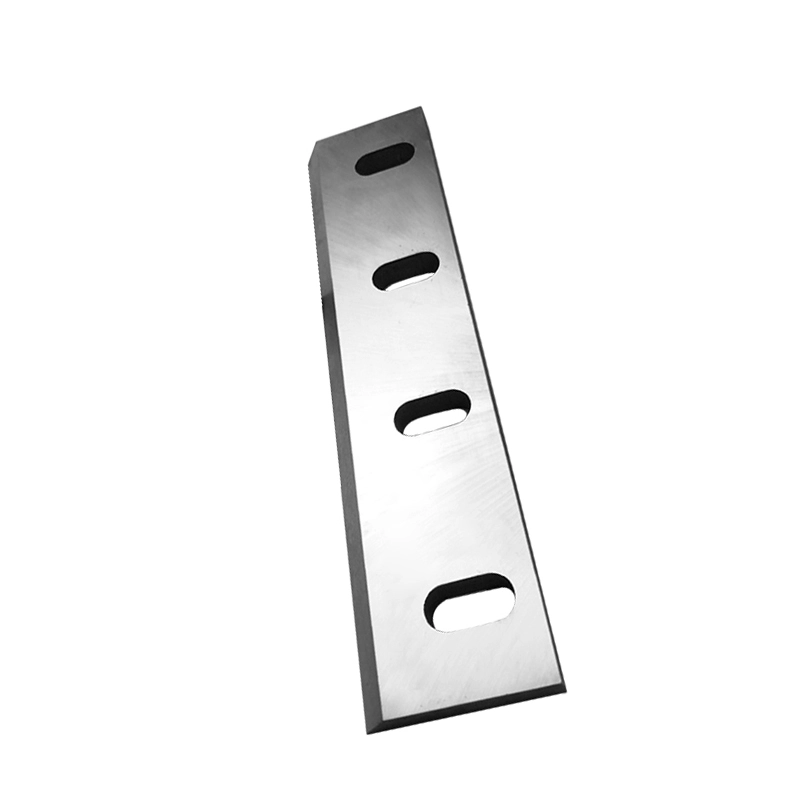
Blades are the most important part of pharmaceutical pulverizers because they directly affect how well they crush, how much energy they use, and the quality of the output. Knowing about blade material can help you decide how often to change them and what kind of performance you can expect. Premium blades made from tool steels like SKD-11 or D2 go through special heat treatment methods that make the cutting edges hard and resistant to wear. They stay sharp for a long time. These materials are especially helpful for businesses that work with sharp plastics or high-volume tasks where the cost of replacing blades directly affects how much the business makes.
Just as important as the quality of the blades is how they are installed and adjusted. The gaps between the rotating and fixed blades must be exactly what the maker says they should be. Too big of gaps waste energy and make cutting less effective, while too small of gaps could damage or threaten safety. Blade fixing bolts need to be tightened to the right torque and then retightened on a regular basis, since vibrations from operations can loosen screws over time. Rotation plans for blades extend their useful life by spreading wear patterns across more than one cutting edge before they need to be replaced completely.
Establishing a Spare Parts Strategy
Strategic spare parts inventory strikes a balance between practical safety and capital that is stuck in stored parts. Important wear parts like blades, screens, bearings, and drive belts must be kept in stock on-site so they can be used right away during planned repair or when something goes wrong without warning. Lead times determine how much inventory to keep on hand. For example, parts that take weeks to get or that need to be shipped internationally need bigger safety stocks than things that can be bought locally and delivered in days.
Conclusion
Effective pulverizer repair is the difference between businesses that make money and those that have to deal with constant machine problems and high costs. The organized steps described here, ranging from daily checks to full overhauls once a year, ensure dependability, which supports steady production and low costs. When you see repair as an investment instead of a burden, you can change how you handle your equipment from a crisis response mode to a performance optimization mode. The quality of your repair program has a direct effect on how well your crusher works, how much energy it uses, how consistent the quality of your products is, and eventually how competitive you are in markets that have high standards.
Sticking to written processes, thorough training, and constant improvement will make sure that your maintenance program changes with the needs of your business, providing long-term stability that helps it grow and make money.
FAQ
How often should pulverizer maintenance be performed?
When to do maintenance relies on how often it needs to be done, the type of material used, and how the equipment is designed. The basis is made up of daily inspections that include cleaning, visual checks, and operational tracking. Lubrication and checking the tightness of the belt once a week stop frequent wear problems. Regular checks of the seals and parts, done once a month, find problems before they get worse. Measurements of the blades and bearings every three months help plan when to replace them, and full overhauls once a year make sure they will last for a long time. Higher-throughput facilities that work with rough materials need shorter gaps than lower-throughput facilities that work with less difficult materials.
What are the most critical maintenance tasks?
Monitoring the state of the blades in pharmaceutical pulverizers is very important because old blades have a big effect on how well they crush, how much energy they use, and the quality of the output. When you lubricate bearings properly, they don't break and cause expensive damage to shafts and housings. Screen cleaning and checking keep particles at the right size and stop blocks from stopping production. Paying attention to the motor and electrical system stops problems like burning, loose connections, and control failures before they get worse. Verification of the safety system, which includes guards, interlocks, and emergency stops, keeps people safe. Putting these places at the top of the list will get the most reliability gain from repair spending.
How can maintenance reduce operational costs?
Emergency fixes are a lot more expensive than preventative maintenance, but preventative maintenance makes tools more available. Replacement blades scheduled for planned breaks cost much less than changes that must be made quickly during production shifts. Proper lubrication makes bearings last five to ten times longer than equipment that isn't maintained. Finding problems early on lets them be fixed before they become severe and hurt many parts. Equipment that is well taken care of works better and uses less energy per ton produced. Consistent particle sizing raises the worth of recovered materials and processes that use them, which increases income while keeping costs low.
Partner with Xingbiao for Superior Pulverizer Solutions and Support
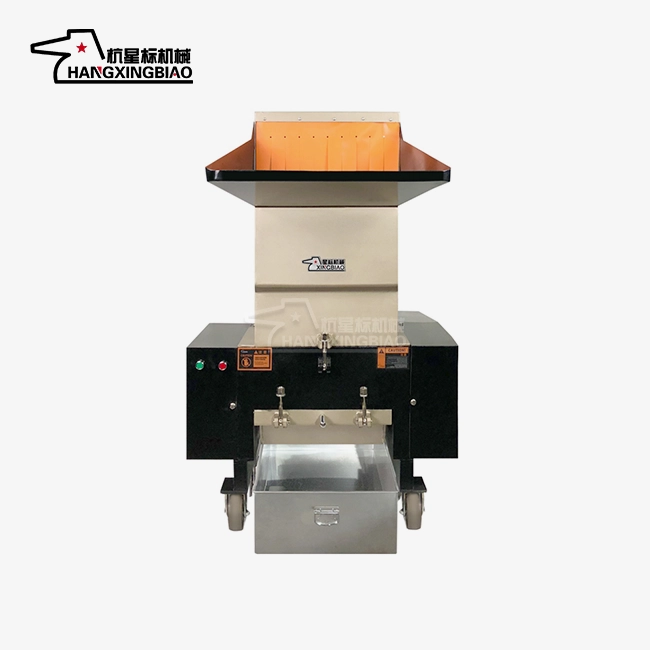
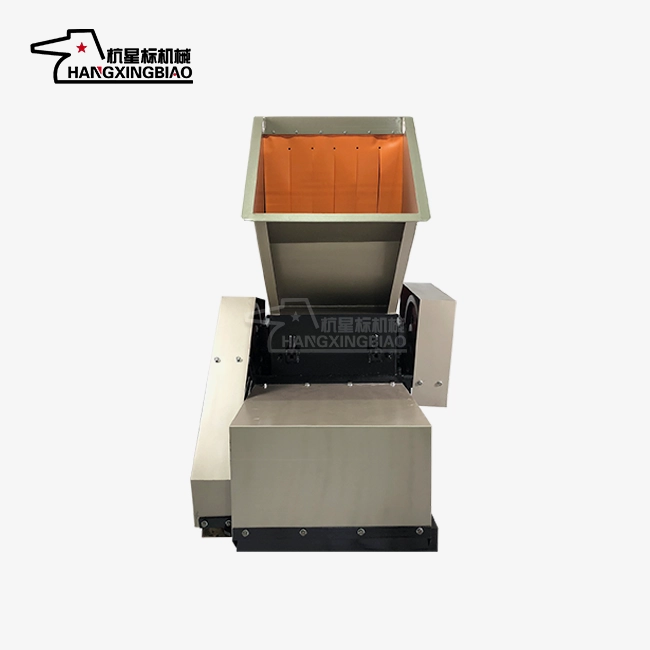
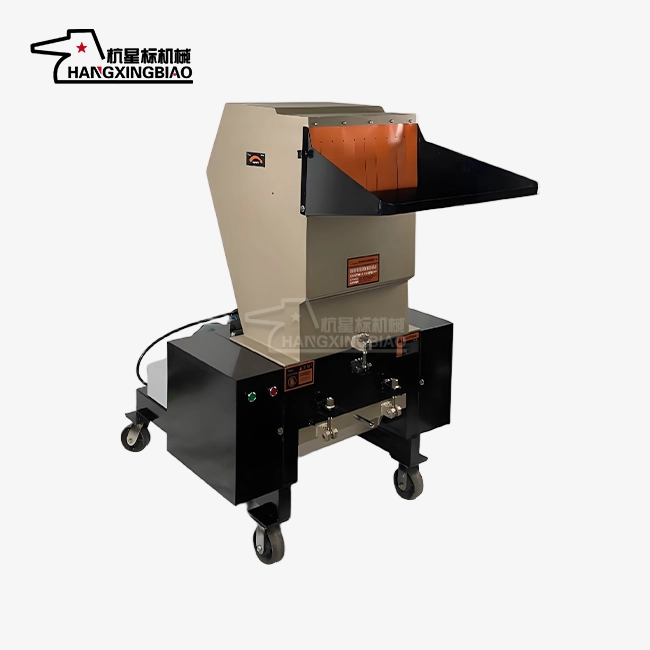
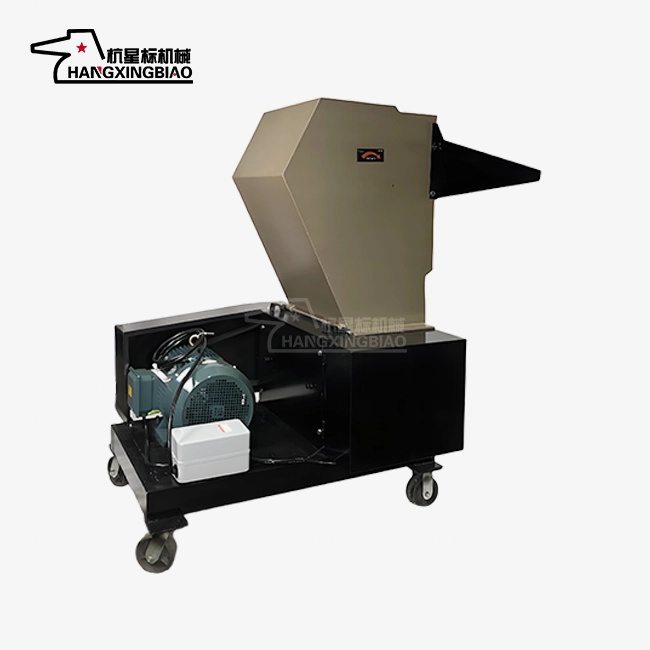
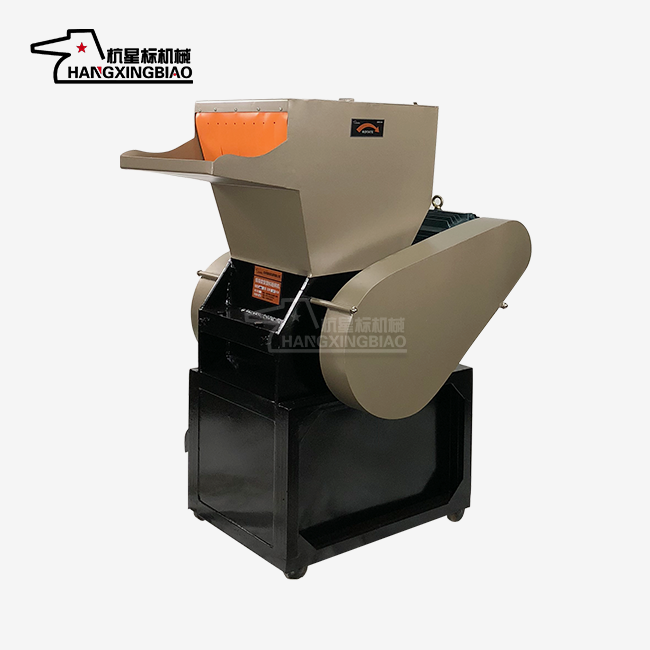
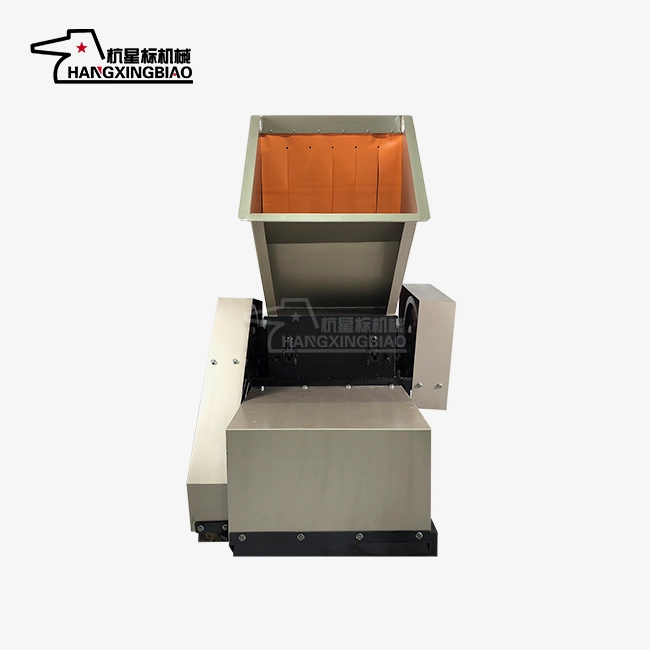
To keep a blender working at its best, you need to follow strict rules and use high-quality equipment that is built to last and be easy to fix. Hangzhou Xingbiao Machinery Co., Ltd. only makes plastic crushers. For 30 years, they've been improving equipment that is used in recycling and industrial activities around the world. Our engineering team builds strong tools out of high-strength steel and stress-relieved welding, which makes sure that the structure stays strong even after years of use. Blade systems made from SKD-11 tool steel that has been vacuum-heated and processed in a freezer give them great wear resistance, which means they last longer between repairs and require less upkeep.
We know how hard it is to do maintenance for businesses like yours because we've done it for thirty years. Our crusher designs include open-access layouts and quick-change screen systems that make regular repair easier, reduce downtime, and help your team work quickly. Xingbiao has the right equipment for the job, whether you need large-diameter crushers to handle big parts, high-power units for recovering scrap from next to the press, or custom designs to handle tangled films and woven materials. Our designs use less energy, which lowers running costs, and our careful engineering makes the maintenance jobs in this guide easier to do.
Xingbiao does more than just sell high-quality tools; they also offer full help to make sure you succeed. Our engineers are happy to help you figure out which combinations will work best for your materials and production needs. We answer technical questions within 24 hours, give thorough instructions on how to install and train operators, and keep a large stock of extra parts so that they can be sent out quickly. When looking at plastic crusher providers, Xingbiao's focus on one area means you'll be working with real experts instead of generalists who are interested in a lot of different types of tools. You can talk to our team at xingbiaocrusher@xingbiaocrusher.com or visit www.xingbiaocrusher.com to explain your needs, get full specs, or set up an evaluation of your equipment. We're ready to help your business by providing the tools and knowledge needed to process plastic in a reliable and effective way.

References
1. Brown, Michael J. Industrial Size Reduction Equipment: Maintenance and Optimization Strategies. Manufacturing Press, 2021.
2. Chen, Wei, and Thompson, Robert. "Predictive Maintenance Applications in Plastic Processing Equipment." Journal of Manufacturing Systems, vol. 58, 2021, pp. 234-247.
3. Global Plastics Recycling Association. Best Practices Guide for Plastics Crushing Operations. GPRA Publications, 2022.
4. Harrison, David L. Machinery Maintenance Management for Processing Industries. Technical Publications International, 2020.
5. Kumar, Rajesh, and Williams, Sarah. "Blade Metallurgy and Performance in Impact Crushing Applications." Wear, vol. 476, 2021, pp. 203-215.
6. United States Environmental Protection Agency. Pollution Prevention and Control Technologies for Plastic Processing Operations. EPA Technical Report 600/R-22/089, 2022.
Learn about our latest products and discounts through SMS or email