- English
- French
- German
- Portuguese
- Spanish
- Russian
- Japanese
- Korean
- Arabic
- Greek
- German
- Turkish
- Italian
- Danish
- Romanian
- Indonesian
- Czech
- Afrikaans
- Swedish
- Polish
- Basque
- Catalan
- Esperanto
- Hindi
- Lao
- Albanian
- Amharic
- Armenian
- Azerbaijani
- Belarusian
- Bengali
- Bosnian
- Bulgarian
- Cebuano
- Chichewa
- Corsican
- Croatian
- Dutch
- Estonian
- Filipino
- Finnish
- Frisian
- Galician
- Georgian
- Gujarati
- Haitian
- Hausa
- Hawaiian
- Hebrew
- Hmong
- Hungarian
- Icelandic
- Igbo
- Javanese
- Kannada
- Kazakh
- Khmer
- Kurdish
- Kyrgyz
- Latin
- Latvian
- Lithuanian
- Luxembou..
- Macedonian
- Malagasy
- Malay
- Malayalam
- Maltese
- Maori
- Marathi
- Mongolian
- Burmese
- Nepali
- Norwegian
- Pashto
- Persian
- Punjabi
- Serbian
- Sesotho
- Sinhala
- Slovak
- Slovenian
- Somali
- Samoan
- Scots Gaelic
- Shona
- Sindhi
- Sundanese
- Swahili
- Tajik
- Tamil
- Telugu
- Thai
- Ukrainian
- Urdu
- Uzbek
- Vietnamese
- Welsh
- Xhosa
- Yiddish
- Yoruba
- Zulu
Best Plastic Crusher for Waste Material Recycling
When factories and recycling plants have to deal with huge amounts of plastic waste, picking the right tools is what makes the difference between success and failure. The best plastic crusher for waste material recycling is made of strong materials and a smart design to quickly turn big pieces of plastic waste into useful, reused granules. A pet plastic crushing crusher is a unique way to break down polyethylene terephthalate bottles and containers into uniform particle sizes that are needed for further processing. These machines are the backbone of recycling businesses that make money because they cut the amount of trash by up to 90% while keeping energy costs low and cutting downtime during constant production cycles.
Understanding PET Plastic Crushing Crushers and Their Role in Waste Recycling
To turn plastic garbage into materials that can be sold, modern recycling sites need special tools. Knowing how these systems work helps procurement teams make smart choices.
How PET Plastic Crushing Crushers Work
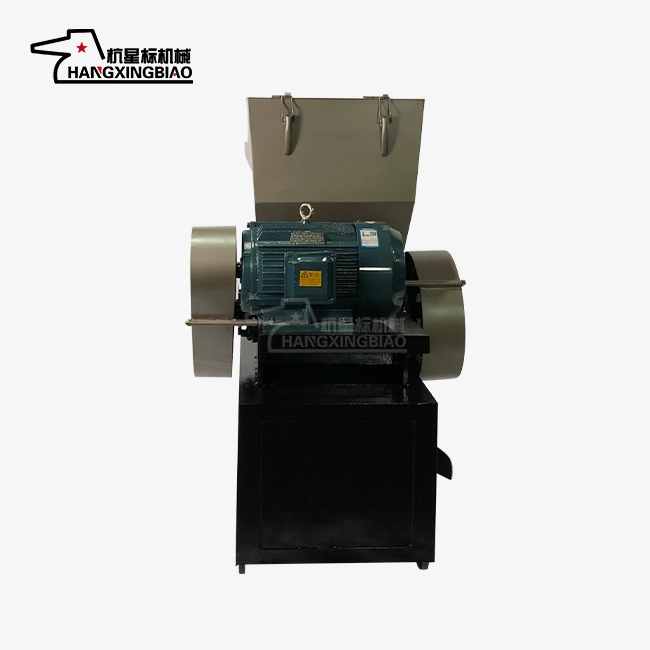
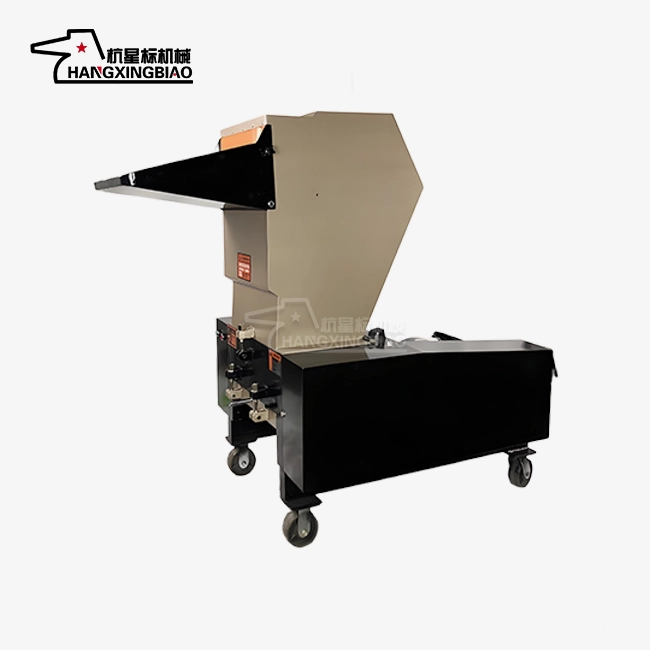
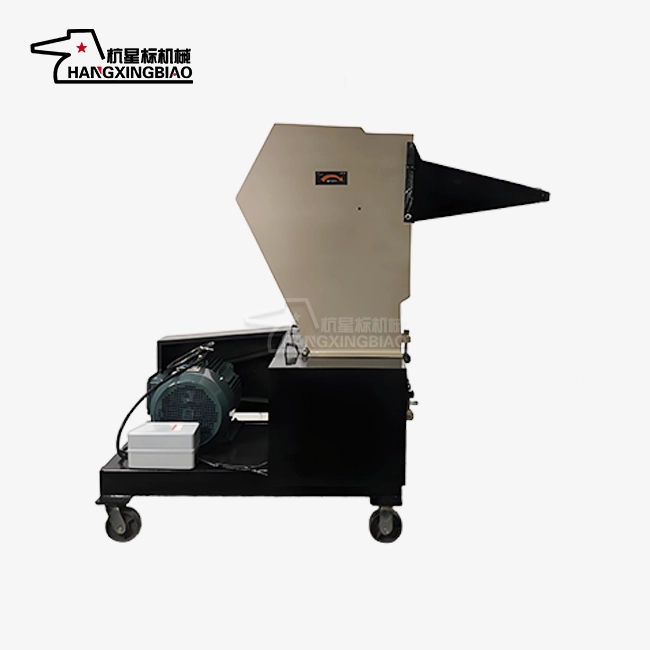
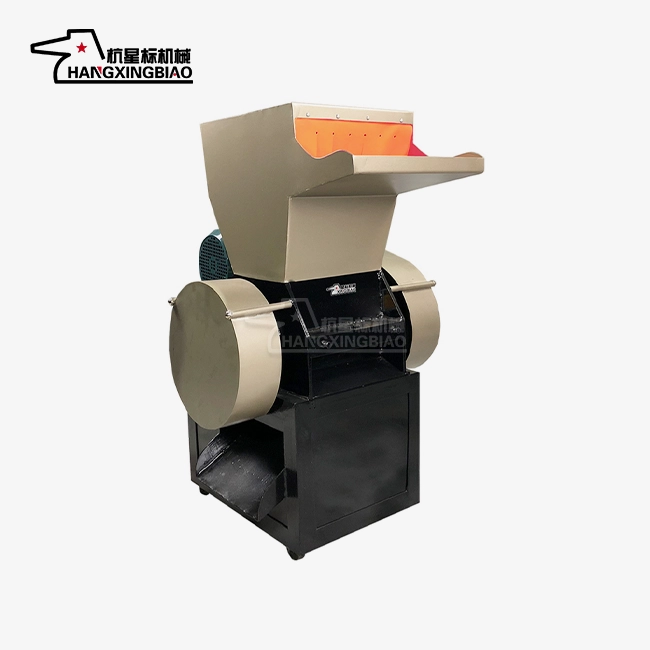
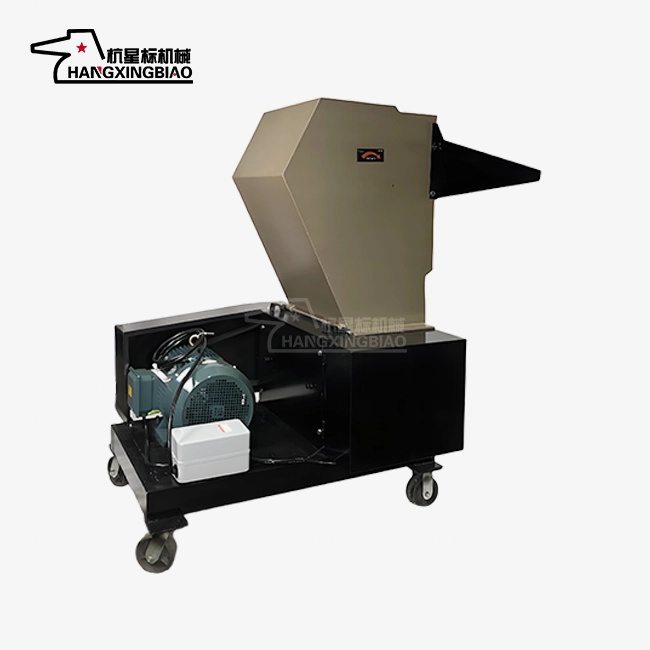
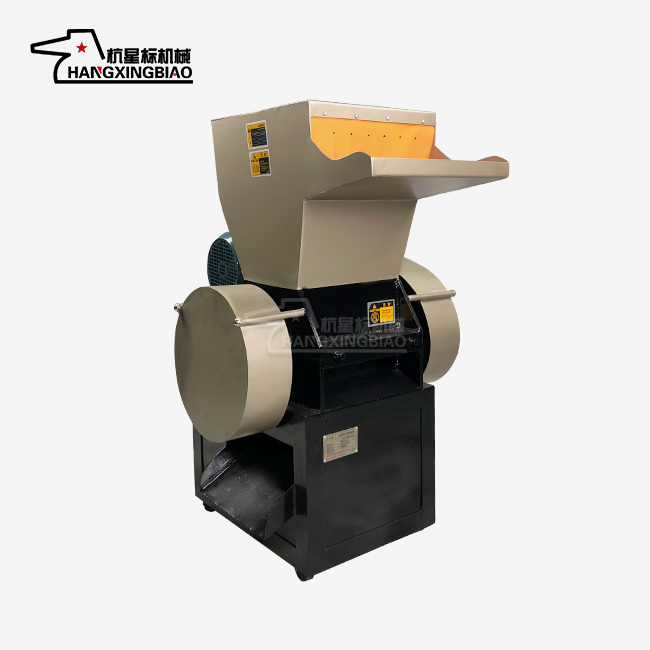
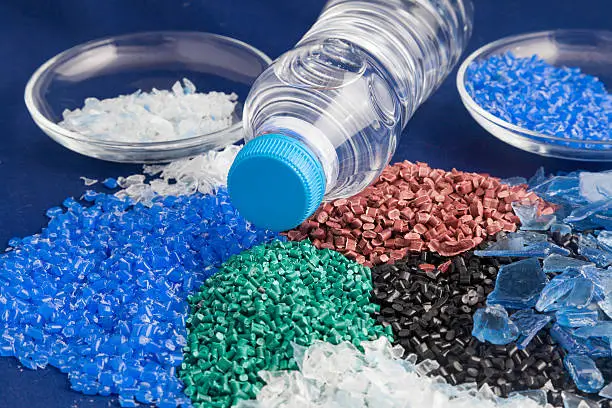
A plastic crushing crusher works by coordinating a series of mechanical actions that break down solid pieces of plastic into regular flakes. When plastic pieces go into the feeding bin and into the grinding room, the process starts. In this chamber, fast-moving blades on a rotor spin against fixed blades that stay in place, making a cutting action that looks like scissors. This two-blade method cuts precisely instead of roughly, making lines that are smoother and particles that are the same size all over. The crushed material goes through a screen with holes of different sizes, which sets the end size of the flake. Material that is the right size leaves through the discharge hole. Pieces that are too big stay in the chamber for more processing rounds until they are the right size.
Core Components That Drive Performance
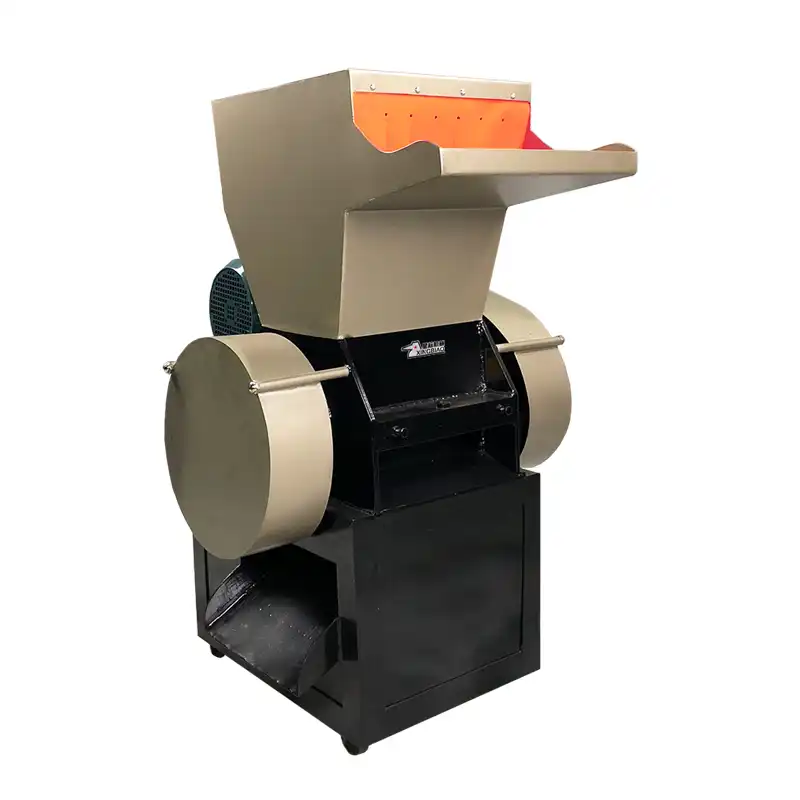
A welded steel body is one of the major structural parts that keeps the machine stable during high-speed operations. Heavy-duty rotors hold the cutting blades and keep the spinning steady, even when the load changes. Blade materials have a big effect on how long they last and how well they work. For example, premium crushers use SKD-11 or D2 mold steel that is vacuum-heated and frozen to get hardness values above HRC 58. The motor system gives off enough power, and the optimal gear ratios make sure that torque is transferred efficiently. Safety interlocks stop the machine from running when the entry doors are open, and screen panels can be quickly switched out to change output sizes based on material needs.
Types of Plastic Crushing Equipment and Their Applications
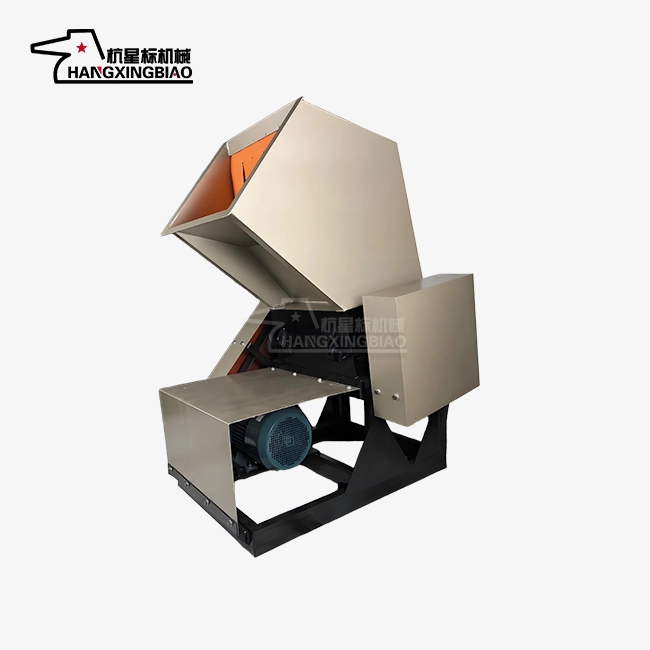
In recycling processes, different crushing methods meet different operational needs. Granulators have rotor blades that are at an angle that quickly cut materials into small, regular pieces. This means that they can be used to process bottles, sheets, and injection molding runners. Single-shaft shredders have a rotating shaft with cutting discs that press against set counter-knives.
How to Choose the Best Plastic Crusher for Your Business Needs
When you match the pet plastic crushing crusher's specs to the needs of the business, you avoid expensive mistakes and are sure to be happy with your equipment investments for a long time.
Evaluating Your Material Characteristics and Processing Volume
When they are crushed in a plastic crusher, different types of plastic behave in different ways. When cutting hard plastics like PET bottles and HDPE cases, you need stronger blades and more cutting force than when cutting soft films. Materials that get tangled, like braided bags and stretch films, need special cutter shapes that keep them from wrapping around the blades. Figuring out your daily throughput needs lets you know what your base capacity needs to be. For example, a small recycling plant that processes 500 kg of scrap per hour needs a different plastic crushing crusher than a big production facility that processes 2,000 kg of scrap per hour. Also, think about how wet the material is, because wet materials might need extra draining features or more motor power to keep the processing speeds steady.
Key Performance Metrics That Impact Operational Success
A plastic crushing crusher directly impacts the cost of production over the life of the equipment. Higher output per kilowatt-hour is possible with efficient crushers because their chamber designs and blade angles are designed to waste less cutting motion. The regularity of particle size affects the processing that comes after. Washing systems and extruders work better when they are fed uniform flakes instead of particles of different sizes. Noise levels are important in places that are close to living areas or where the happiness of employees affects their work. Hearing protection is not needed when operating equipment that is confirmed to be less than 85 decibels. This makes workplaces more comfortable. The durability of a machine rests on its structure and the quality of its parts. For example, high-end crushers have stress-relieved steel frames that stay aligned even after years of constant shaking and impact forces.
Comparing Equipment Scales for Different Production Environments
Standard crusher types with outputs between 150 kg and 800 kg per hour are good for small to medium-sized recycling businesses. These units are flexible enough to handle different types of materials without needing a lot of floor space or a lot of money. They have quick-change screen systems and easier maintenance access that make it easy for small teams to keep the equipment running smoothly. Large companies that make things need high-capacity grinders that are built right into the production lines, next to injection molding machines or extrusion systems. Customized solutions are needed for these installations, such as automated feeding systems, dust collection systems that work with other systems, and the ability to watch performance measures from afar in real time. When beside-the-press granulators work in continuous cycles, they need to be built to be very reliable so they don't mess up the main production processes. This makes reliability and service support important selection factors.
Maintenance, Troubleshooting, and Safety Guidelines for PET Plastic Crushers
Preventative maintenance of tools and methodical methods to solve problems helps keep workers safe and cuts down on costly downtime.
Routine Maintenance Practices That Extend Equipment Life
Setting up regular repair plans keeps small problems from getting worse and leading to major failures. Every 200 hours of use, the bearings need to be oiled using the grease recommended by the maker that can handle high temperatures and high spinning speeds. Once a week, the blades should be inspected to find wear patterns before they lose their cutting effectiveness. Dull blades use more energy and make particles of different sizes. Rotating the positions of the blades or flipping changeable cutting edges can make them last longer before they need to be replaced.
Diagnosing Common Operational Issues
Crushers may vibrate in strange ways when the blades aren't balanced because of uneven wear or when the bearings are breaking down because they aren't oiled enough. If you take care of these problems right away, you can avoid major bearing failures that require long fixes. Often, lower output is caused by dull blades that need to be sharpened, screens that are clogged and need to be cleaned, or motors that are too small and can't handle the properties of the material. Strange noise patterns can mean that fixing bolts are loose, foreign items are stuck in the cutting chamber, or drive components are not lined up properly. Instead of replacing random parts, a systematic review based on good diagnostic methods quickly finds the root causes.
Safety Protocols That Protect Personnel
Using a plastic crusher comes with some risks that can be reduced by following the right steps. Lockout-tagout procedures make sure that power sources are turned off during repair work so that machines don't start up by chance while workers are working on internal parts. Having emergency stop buttons close at hand lets you turn off the power right away if dangerous situations arise. Proper machine guarding keeps people from touching moving parts while the machine is running, and safety interlocks stop the machine from running when access panels are opened. Full operator training includes the right way to feed the machine so that your hands don't touch the entry areas, the right safety gear like safety glasses and hearing protection, and how to handle an emergency like a fire or a problem with the machine.

Energy Efficiency and Cost Considerations in Plastic Crushing Equipment
Lifecycle analysis is important for making smart purchasing choices because the total cost of ownership goes far beyond the initial purchase price.
Calculating True Operating Costs Beyond Purchase Price
The original cost of the pet plastic crushing crusher is only one part of the total costs that will be incurred over the life of the breaker. Electricity use adds up over time. For example, a breaker that uses 30 kW and runs 16 hours a day at $0.12 per kWh costs about $21,000 a year just in electricity. Ongoing costs are affected by how often blades need to be replaced and how much each one costs. For example, premium blades last 2,000 hours while budget blades need to be replaced every 500 hours. Screen panels, bearing sets, and drive belts need to be replaced every so often, depending on how rough the material is and how hard it is used. Operational budgets include the cost of labor for upkeep tasks like cleaning, adjusting, and changing blades. Downtime costs money because it means less production capacity.
Technological Innovations That Reduce Energy Consumption
Newer crusher designs include features that make them more efficient than older equipment in a measured way. Variable frequency drives change the speed of the motors based on the amount of material being fed at any given time. This lowers the power demand during light feeding times while keeping the full capacity when needed. Optimized blade shapes make cuts easier by making the angles and edge profiles better so that less force is needed to make clean cuts. Better chamber designs reduce the amount of material that goes back and forth by making flow patterns better so that treated material gets to discharge places more quickly. Intelligent control systems keep an eye on the current going through the motor and change the feeding rates automatically to keep the load at the right level.
Performance Benchmarks from Industry Applications
Companies that bottle drinks and process PET containers say that quality crushers can handle 800 to 1,200 kg per hour while using 22 to 30 kW of power and producing 30 to 40 kg of processed material per kilowatt-hour. When integrated into production cells, beside-the-press granulators cut the amount of work needed to move materials by 40% and allow scrap to be recycled right away without having to wait for storage. Large recycling plants that deal with mixed plastic waste streams say that buying dual-shaft shredders with automatic feeding systems cuts the amount of work that needs to be done by hand by 60% and improves the rate of material recovery by making the pieces of material more uniform in size.
Leading Brands and Procurement Options for PET Plastic Crushing Crushers
When you buy equipment from well-known companies with a track record of reliability, you can be sure that you will get full help for as long as the equipment is in use.
Identifying Quality Suppliers in the Recycling Equipment Market
Reputable makers of pet plastic crushing crushers show their dedication by showing off their technical skills and customer service infrastructure. Companies with focused research and development teams are always making ideas better based on data from the field and new customer needs. Industry-university relationships with big companies show that both sides are technically savvy and ready to work together on tough problems. Companies that make things and have quality licenses, like ISO 9001, use organized methods to make sure that their production standards are always met. Customers can get the most out of their tools if the supplier provides thorough operation manuals, upkeep tips, and resources for troubleshooting. Responding quickly is very important.
Procurement Strategies for B2B Equipment Buyers
Smart ways of buying go beyond just comparing prices and look at the overall value of a product or service. By asking for specific details, you can compare the quality of the building based on things like steel thickness, blade materials, and the names of parts used in assemblies. By visiting factories or sites that are already up and running, you can get a better idea of the quality of the build and how well it works. Implementation risks can be lowered by negotiating full-service agreements that include supervision of the installation, training for the user, and frequent follow-up visits.
Xingbiao's Three-Decade Specialization in Plastic Crushing Technology
Hangzhou Xingbiao Machinery Co., Ltd. has a lot of specific knowledge that they've gained through engineering and making plastic crushers for 30 years straight. This focused method leads to in-depth information that general equipment sellers can't match. Our 20-person senior engineering team works with big names in the industry, like Nongfu Spring and KFC, to come up with real-world production problems and answers. The range of products includes normal crushers that can be used for a variety of tasks, specialized high-power units that can be installed next to the press, and custom models made for difficult materials like tangled films. The structural stability comes from using high-strength steel plates and treating them with a stress-relief process that stops them from deforming during use.
Conclusion
To choose the best plastic crushing equipment, you have to weigh your short-term budget needs against your long-term operating needs, such as throughput capacity, energy efficiency, upkeep needs, and help available. Pet plastic crushing crusher models that are built to last with high-quality blade materials, solid construction, and well-thought-out chamber shapes offer consistent performance over years of use while keeping processing costs as low as possible per kilogram. It is important to carefully consider the properties of the material, the amount that needs to be produced, and the needs for integration to make sure that the equipment chosen is right for the job. When you work with makers who show they have a lot of technical knowledge through focused specialization, you can be sure that the tools you buy will work well, and full support keeps your operations running smoothly. In the end, the best plastic crusher for recovering waste material shows how good it is by consistently turning waste streams into useful materials in an efficient and profitable way.
FAQ
What crushing capacity should I select for my operation?
How much capacity you need depends on how much work you do every day and how you run your business. Figure out how much throughput you need at its peak every hour, and then choose equipment that is rated at least 20% higher than that number to account for changes in materials and keep productivity high. Standard crushers are fine for small recycling plants that process 300 to 600 kg per hour, but high-capacity models that can handle 1,500 kg or more per hour are needed for big production plants that make a lot of scrap.
How frequently does maintenance need to occur?
When to do a routine repair depends on how rough the material is and how hard it is being used. Every 150 to 200 hours of use, the blades should be inspected, the bearings should be oiled, and the whole system should be checked every 1,000 hours. Glass-filled plastics and other rough materials wear down faster and need more frequent maintenance than processing clean bottles.
Can one crusher handle different plastic types effectively?
When set up correctly, quality crushers can easily break down different kinds of plastic. But very different materials, like hard PET bottles and twisted stretch film, might work better with special tools that are made for their unique properties. Screen sizes can be changed and blades can be set up in different ways to give you more options, but specialty models work better with difficult materials.
Partner With Xingbiao for Your Plastic Crushing Solutions
Xingbiao is ready to help you recycle your trash with tools made for places that are tough on the environment. Because we've only been working on plastic crusher development for 30 years, you can be sure that the solutions we give you are backed by unmatched technical depth and real-world application knowledge. Our engineering team creates setups that exactly meet your needs, whether you need high-capacity systems that are built into automatic production lines or flexible standard models that can handle a wide range of waste streams. Email our technology experts at xingbiaocrusher@xingbiaocrusher.com to talk about your processing problems and get personalized advice. We offer thorough descriptions of the equipment, predictions of how well it will work, and detailed support plans that reduce the risks of implementation while increasing operating efficiency. As a dedicated pet plastic crushing crusher manufacturer, we invite procurement workers to see the dependability and performance benefits that come from having specific knowledge.
References
1. Thompson, R.C., Moore, C.J., vom Saal, F.S., and Swan, S.H. (2009). "Plastics, the Environment and Human Health: Current Consensus and Future Trends." Philosophical Transactions of the Royal Society B: Biological Sciences, 364(1526), 2153-2166.
2. Hopewell, J., Dvorak, R., and Kosior, E. (2009). "Plastics Recycling: Challenges and Opportunities." Philosophical Transactions of the Royal Society B: Biological Sciences, 364(1526), 2115-2126.
3. Al-Salem, S.M., Lettieri, P., and Baeyens, J. (2009). "Recycling and Recovery Routes of Plastic Solid Waste: A Review." Waste Management, 29(10), 2625-2643.
4. Ragaert, K., Delva, L., and Van Geem, K. (2017). "Mechanical and Chemical Recycling of Solid Plastic Waste." Waste Management, 69, 24-58.
5. Schyns, Z.O.G. and Shaver, M.P. (2021). "Mechanical Recycling of Packaging Plastics: A Review." Macromolecular Rapid Communications, 42(3), 2000415.
6. Garcia, J.M. and Robertson, M.L. (2017). "The Future of Plastics Recycling: Chemical Advances are Making it Easier to Recover and Reuse Plastics." Science, 358(6365), 870-872.
Learn about our latest products and discounts through SMS or email