- English
- French
- German
- Portuguese
- Spanish
- Russian
- Japanese
- Korean
- Arabic
- Greek
- German
- Turkish
- Italian
- Danish
- Romanian
- Indonesian
- Czech
- Afrikaans
- Swedish
- Polish
- Basque
- Catalan
- Esperanto
- Hindi
- Lao
- Albanian
- Amharic
- Armenian
- Azerbaijani
- Belarusian
- Bengali
- Bosnian
- Bulgarian
- Cebuano
- Chichewa
- Corsican
- Croatian
- Dutch
- Estonian
- Filipino
- Finnish
- Frisian
- Galician
- Georgian
- Gujarati
- Haitian
- Hausa
- Hawaiian
- Hebrew
- Hmong
- Hungarian
- Icelandic
- Igbo
- Javanese
- Kannada
- Kazakh
- Khmer
- Kurdish
- Kyrgyz
- Latin
- Latvian
- Lithuanian
- Luxembou..
- Macedonian
- Malagasy
- Malay
- Malayalam
- Maltese
- Maori
- Marathi
- Mongolian
- Burmese
- Nepali
- Norwegian
- Pashto
- Persian
- Punjabi
- Serbian
- Sesotho
- Sinhala
- Slovak
- Slovenian
- Somali
- Samoan
- Scots Gaelic
- Shona
- Sindhi
- Sundanese
- Swahili
- Tajik
- Tamil
- Telugu
- Thai
- Ukrainian
- Urdu
- Uzbek
- Vietnamese
- Welsh
- Xhosa
- Yiddish
- Yoruba
- Zulu
Best Heavy-Duty Mineral water bottle crusher for High Capacity
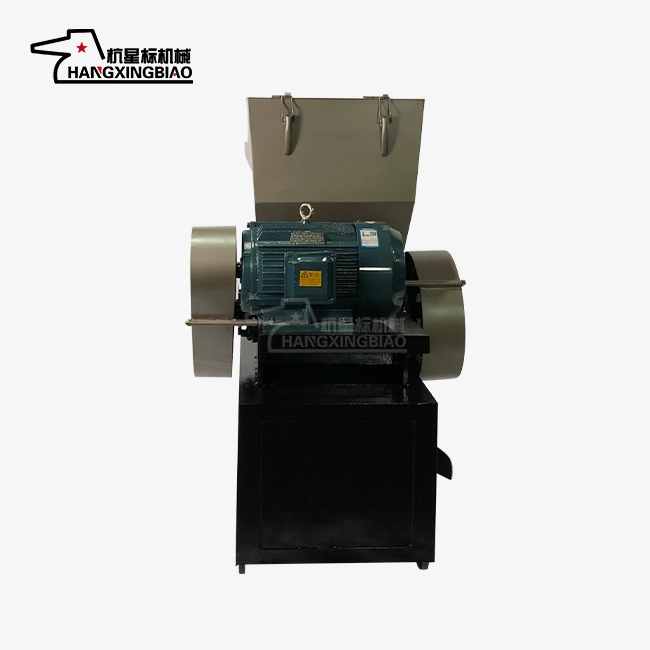
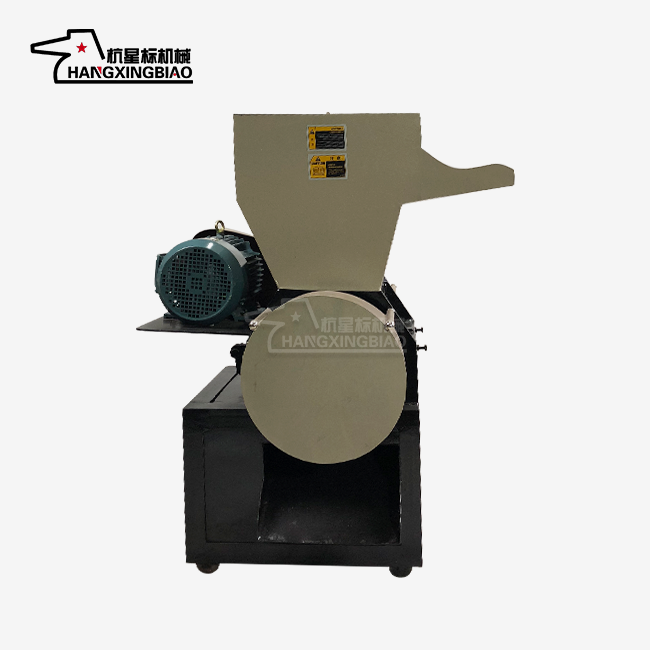
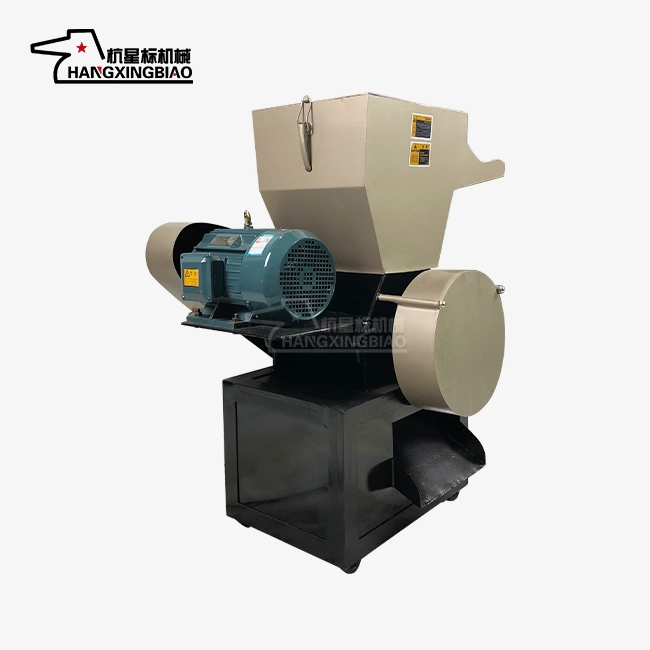
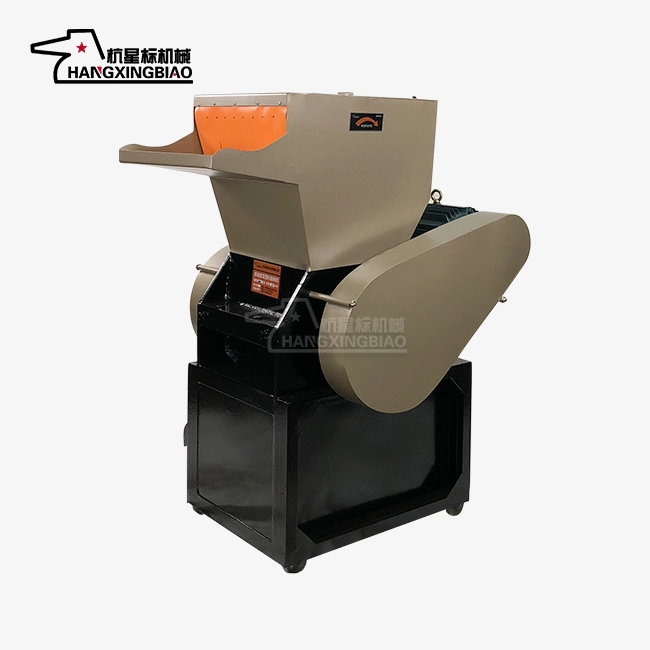
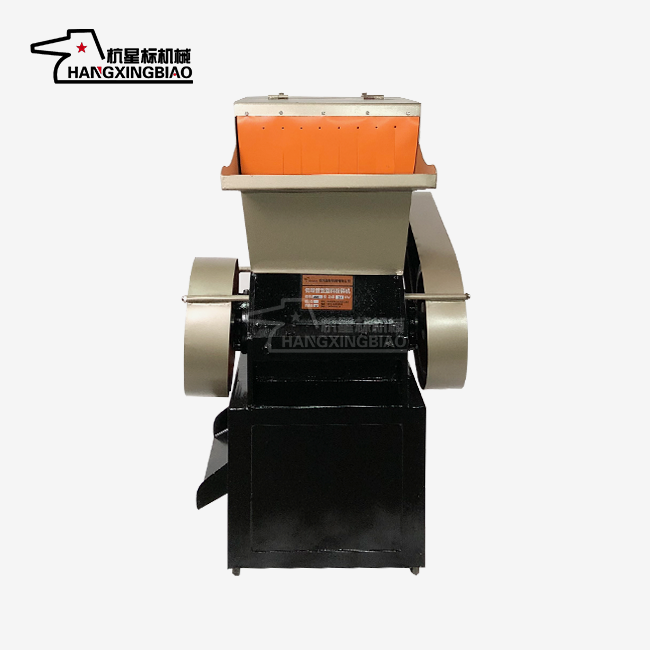
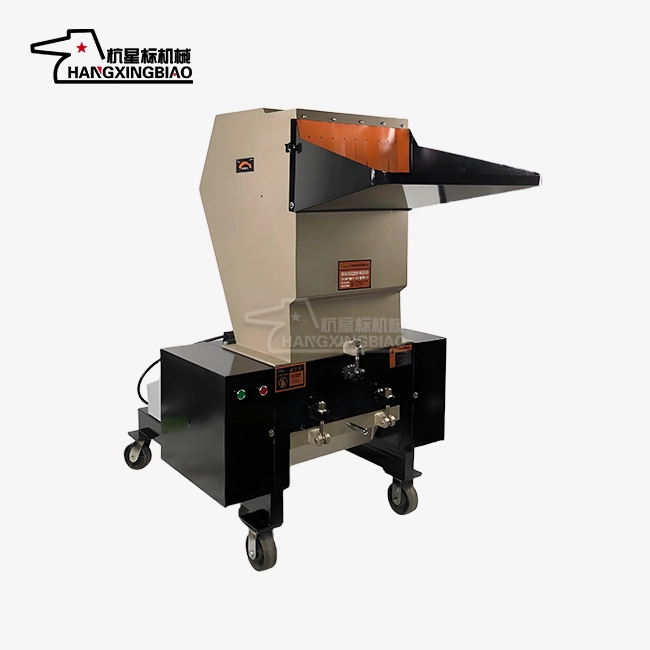
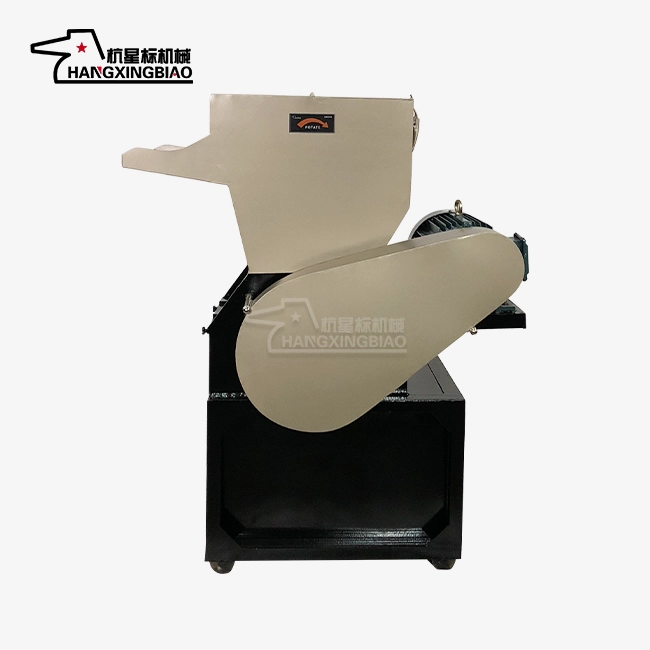
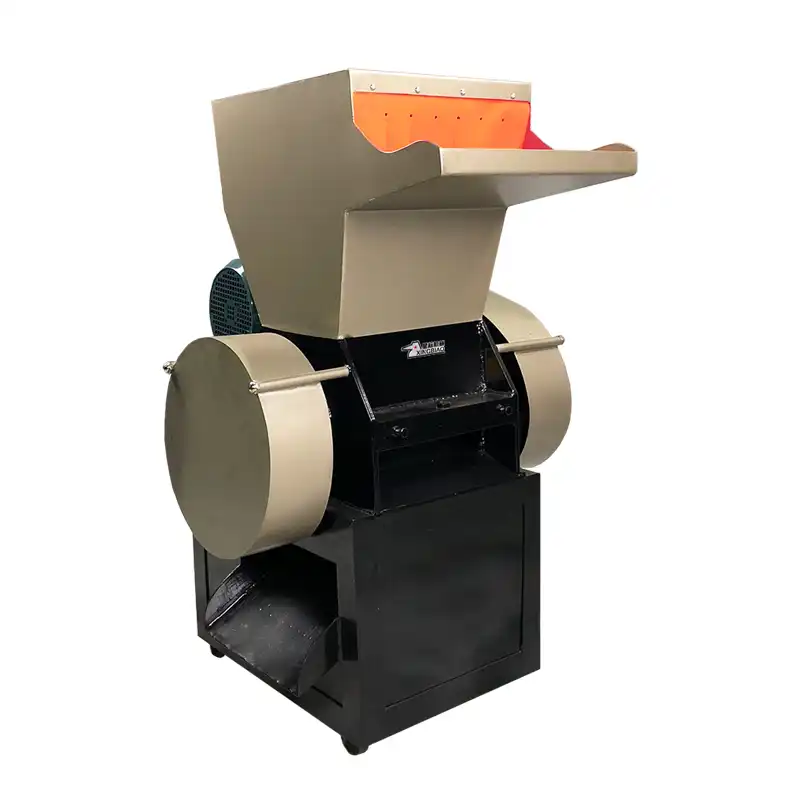
If you're looking for the best heavy-duty Mineral water bottle crusher for large-scale activities, Hangzhou Xingbiao Machinery stands out because they have been making these machines for over 30 years. Our Mineral water bottle crusher meets the important needs of companies that recycle plastic and businesses that are having a hard time getting rid of plastic trash. This machine is made of high-strength, stress-relieved steel and has cutting-edge blade technology. It can continuously handle 50 kg to 10 tons of PET, HDPE, and other plastic bottle materials without getting stuck. The machine can be used for more than just bottles; it can easily crush almost all non-metallic materials through flexible screen configurations ranging from 2mm to 50mm particle sizes. This makes it an excellent investment for businesses that need to handle a lot of plastic trash.
Understanding the Need for Heavy-Duty Mineral Water Bottle Crushers
The problem of plastic bottle trash has gotten so bad in factories across the US that it has never been seen before. Manufacturing plants and recycling centers are under more and more pressure to handle thousands of plastic bottles every day while staying environmentally friendly and running efficiently. This problem isn't just getting rid of trash; it also includes limited storage space, high shipping costs, and promises to be environmentally friendly that have a direct effect on profits.
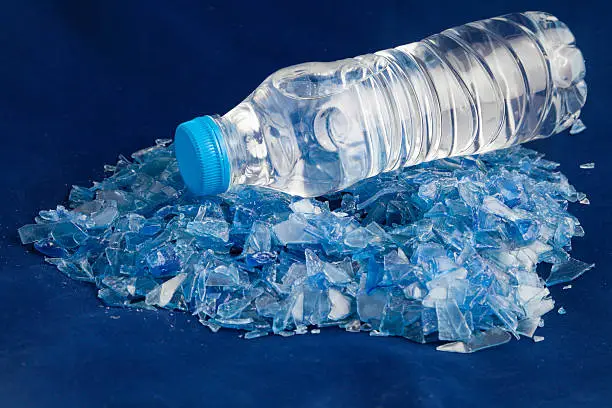
This practical load is made easier to handle by heavy-duty crushing tools. By reducing volume through mechanical crushing, storage room needs are cut by up to 80%. This quickly clears up warehouses and cuts down on the number of times waste needs to be hauled. Recycling sites that deal with a lot of plastic garbage say that using industrial-grade crushers saves them a lot of money because shipping costs go down as the amount of the material goes down.
States in the US are continuing to tighten environmental rules, especially when it comes to how to handle plastic trash and how often it can be recycled. Facilities that can't handle information efficiently have a hard time meeting safety standards, which can lead to fines and damage to their image. Companies can show they care about the environment by using industrial crushers to increase the amount of recycling they do. These crushers also support circular economy projects that fit with companies' sustainability goals and customer standards.
The Industrial Scale Challenge
Medium-sized to large companies that make injection-molded parts produce a lot of waste materials and damaged goods that need to be processed right away. The businesses in question can't afford to have waste stop the production line. Injection molding machine crushing options meet this need by allowing real-time recycling of scrap, keeping the workflow going while salvaging valuable materials for further processing.
Plastic recycling and reprocessing enterprises encounter different but equally demanding challenges. They handle diverse plastic waste streams—films, woven bags, rigid containers, and mixed materials—each presenting unique processing characteristics. Traditional single-purpose crushers force these businesses into costly multi-machine investments, whereas versatile heavy-duty models accommodate material variety without compromising efficiency.
Cost and Efficiency Considerations
Operating costs go beyond the cost of buying tools. Total cost of ownership is affected by things like how much energy is used, how often repairs need to be done, and how often the system is down. Modern heavy-duty crushers have technical improvements that make them 15% more energy efficient than older models. This means that facilities that run ongoing operations can save a lot of money. Downtime is kept to a minimum with quick-change screen structures and easy-to-reach repair points. This keeps production plans on track and maximizes return on investment.
In-Depth Comparison of Heavy-Duty Mineral Water Bottle Crushers
Manual crushers for Mineral water bottle crushers are good for small businesses with low output needs, like managing trash at a restaurant or other leisure site. These machines aren't good for business use because they take a lot of physical work from the operator and can only handle small amounts of data. Electric crushers are the standard in business and industrial settings because they work consistently and don't require any physical work.
It's important to know the difference between crushers and compactors. Compactors squeeze materials into tight bales without reducing their size. This makes them easier to store and move, but it doesn't make recycling easier later on. Crushers break down materials into regular particles that are ready to be washed, melted, and pelletized, all of which are important steps in the recycling process. When industrial sites want to collect as much material as possible, they choose crushers over compactors.
Capacity and Performance Metrics
When it comes to B2B purchases, processing ability is the most important factor. Basic industrial models can handle 50 to 500 kg per hour, which is enough for small to medium recycling plants that deal with average amounts of trash. Mid-range units can handle 500 to 3,000 kg per hour, which is good for growing businesses and work plans with multiple shifts. High-capacity systems can handle more than 3 tons of plastic trash per hour, which is enough for big factories and recycling centers that deal with large amounts of plastic waste.
Durability specifications separate industrial-grade equipment from commercial alternatives. Wear resistance and service life are based on the materials used to make the blades and how they are heated. When SKD-11 and Cr12MoV special steel blades are vacuum-heated, they reach an HRC of 55 to 60, which means they can be used for 3,000 to 5,000 hours before they need to be sharpened again. These blades can be regrinded three to five times, which extends their useful life and lowers the cost of replacement, which is very important for factories that run ongoing production plans.

Evaluating Design Features
The flexible design of the screen makes it possible to control the particle size to meet the needs of downstream processes. With quick-change screen systems, workers can quickly switch between mesh sizes to meet the needs of different materials without having to wait for long periods of time. A standard screen with a covering range of 2 to 50 mm can handle most industrial recycling tasks, from small particles for injection molding feedstock to bigger pieces for other processing methods.
Safety features warrant careful evaluation during procurement. Protective shields keep operators from touching moving parts, and emergency stop devices let the machine shut down right away if a danger arises. Automated feed systems with safety interlocks lower the risk of damage even more. This is especially important in places where workers on different shifts have different levels of experience.
How Heavy-Duty Mineral Water Bottle Crushers Work: Technical Overview
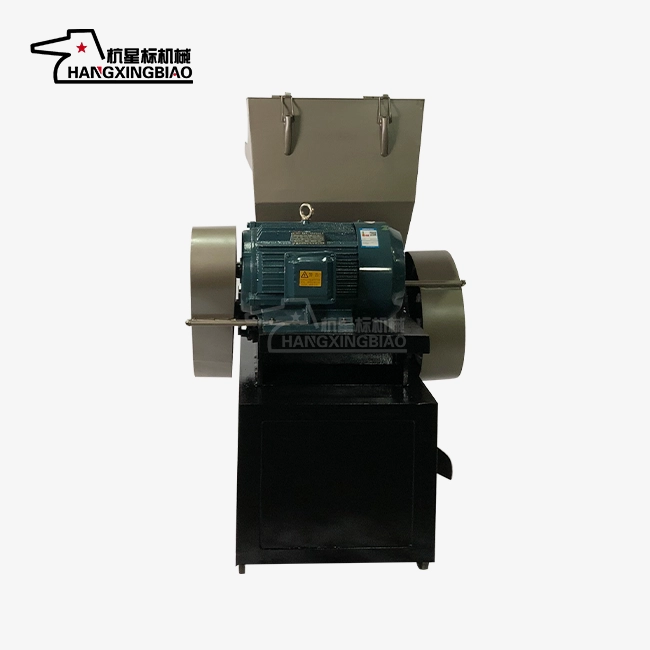
Motor power for the mineral water bottle crusher determines crushing force and throughput capacity. Motors for industrial models range from 5 to 75 horsepower, and are chosen based on the type of material and amount of work that will be done. Optimized motor matching strikes a balance between enough crushing power and energy use. This keeps motors from being too big, which wastes electricity when they're not working hard.
Key Component Functions
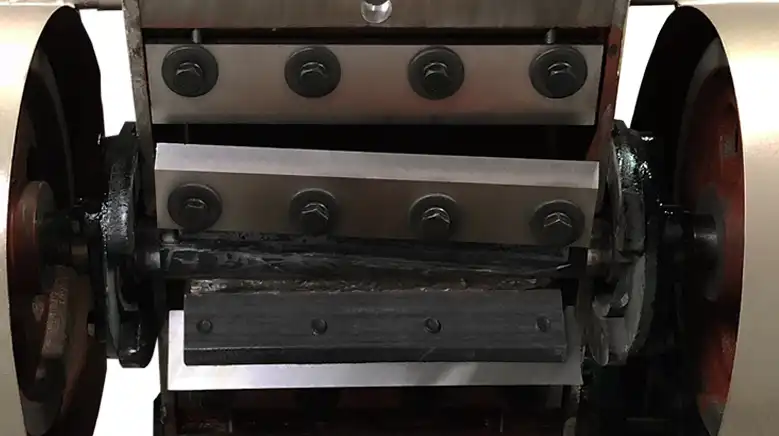
The shape of the crushing box affects how well the material flows and how efficiently it is processed. Optimized chamber shape keeps materials from getting stuck and helps particles move smoothly out of the chamber. Some advanced designs have curved surfaces that move materials toward blade contact zones. This makes the crushing more effective and cuts down on the time needed to process a unit of volume.
Operational Workflow Integration
Maintenance schedules have a direct effect on how long and reliably technology works. Examinations of the blades every day check their state and look for odd wear patterns that could mean they are not aligned correctly, or there are problems with the way the material is being processed. Lubricating bearings and other moving parts once a week keeps them from wearing out too quickly. Full inspections once a month check the structure's soundness and find parts that are getting close to needing replacement. Facilities that follow organized maintenance plans say that their equipment lasts 40% longer than facilities that use reactive maintenance methods.
Real-World Performance Examples
A medium-sized recycling center in the Midwest put in a 2-ton-per-hour breaker to break down PET bottles that were brought in. Within six months, the operation cut transportation costs by 65% by reducing the amount of plastic that had to be moved. At the same time, improvements in the quality of the materials raised the sale prices of recycled plastic by 12%. Over 98% of the time, the equipment was up and running; only planned maintenance stopped activities.
Selecting the Right Heavy-Duty Mineral Water Bottle Crusher for Your Business
In order to meet capacity requirements, it is necessary to take a serious look at the present and expected working rates. When equipment is too small, it causes production problems that slow down output and make it harder to improve efficiency. Oversized tools lose money and energy because they don't work as efficiently as they could. Accurate volume forecasts that take into account business growth over the equipment's service life—which for industrial breakers is usually between 10 and 15 years—help choose the right capacity.
Integration and Compatibility Assessment
Existing equipment in a building affects how easy and how much it costs to add something new. Equipment choices are limited by things like floor space, electrical service capacity, and material moving systems. Facilities with single-phase distribution may need to spend a lot of money on upgrades in order to accommodate machines that need three-phase power. Dimensional requirements must take into account not only the working area but also the entry needs for maintenance. This is to make sure that workers can change blades and fix problems without having to move the equipment.
Supplier Evaluation Criteria
There should be a thorough study into the supplier's credibility and service skills. Companies that have been making specific goods for decades bring technical skills that younger companies don't have. This specialized knowledge is shown by Hangzhou Xingbiao Machinery's 30-year focus on crusher development, which shows in design improvements that deal with real-world operating problems.
Financial Considerations
The terms and conditions of a warranty protect assets in cash. Standard guarantees on industrial crushers last between 12 and 24 months, but premium goods can come with longer warranties. The review of a warranty should look at the parts that are protected, the work that is included, and the steps for filing a claim. Suppliers who offer clear guarantee terms and easy-to-understand claims processes show that they are confident in their products and their promises to provide good customer service.
Optimizing Use and Maintenance to Maximize Efficiency and Lifespan
When you use a mineral water bottle crusher correctly and do regular repairs, you can make it last longer and keep it running at its best. Systematic methods for daily operations, routine repair, and replacing parts get the best return on investment and keep production plans from being thrown off by unexpected breakdowns. Operator training is the key to making sure that equipment works reliably. In-depth training programs teach the right way to feed, how to spot strange sounds or movements that mean problems are starting to happen, and how to shut down the machine in an emergency. Operators who have been taught well can spot small problems before they become big ones. This keeps both the tools and the workers safe.
Daily and Routine Maintenance Protocols
Inspections every day take very little time but are very useful. Operators should look at the edges of the blades for chips or too much wear, check the state and tightness of the belts, make sure there is enough oil in the machine, and listen for any strange sounds it makes. These quick checks, which are written down in maintenance logs, set performance baselines that show how things are slowly getting worse and needing attention.
Troubleshooting Common Issues
The most common problem in operations is material getting stuck. Oversized materials that are too big for the feed hole, too fast feeding rates that exceed the working capacity, and worn blades that don't cut well are some of the reasons. Some solutions are to set limits on the size of the materials that can be used, make sure that feed rates are matched to the stated capacity, and keep the blade tips sharp by resharpening them on a regular basis.
Technology Upgrades and Improvements
Retrofitting is a way for older equipment to get more modern efficiency gains without having to be completely replaced. Variable frequency drives adjust the motor speed to work best with different materials and loads. This saves 10–15 percent of energy and makes the motor last longer. Automated feeding systems keep the flow of materials steady, which increases output while lowering the need for workers. Advanced control systems let you watch and diagnose things in real time, which helps predictive maintenance plans work.
Conclusion
For high-capacity operations, choosing the best heavy-duty Mineral water bottle crusher means combining a lot of technical, financial, and practical factors. More and more, industrial sites are under pressure to handle plastic trash effectively while keeping costs low and keeping environmental promises. With the right crushing equipment, this problem can be turned into a competitive benefit through lower running costs, better environmental performance, and more efficient work processes. Hangzhou Xingbiao Machinery has the specialized knowledge and tried-and-true equipment designs that meet the specific needs of businesses that recycle and make plastic. Businesses can be successful in the long run and be good to the environment if they make purchasing choices based on careful analysis of capacity needs, material properties, source reliability, and the total cost of ownership.
FAQ
What capacity should we choose for our facility?
Capacity choice rests on how much work you're doing now and how much you expect to do in the future. Add 20 to 30 percent to your daily plastic waste production to account for times when you'll be making the most. Entry-level models work well for processing less than 500 kg per day, while high-capacity industrial systems are needed for processing more than 2 tons per day. To understand shift plans better, think about how single-shift activities need less space than 24/7 facilities that handle the same amount of work every day.
Can one crusher handle different plastic bottle types?
Good industrial crushers can break down different kinds of plastic without having to change their shape. When the blade systems and chamber shapes are set up correctly, they can crush PET, HDPE, PP, and mixed plastic bottles well. The screen size you choose determines the size of the particles that are sent to the next step in the processing process. Screen sizes between 2 and 50 mm are suitable for most uses.
What maintenance schedule should we implement?
Every day, the state of the blades and the sounds they make are checked. Cleaning and lubricating are jobs that need to be done once a week. Comprehensive inspections are done once a month to check for wear and find out what needs to be replaced. Following structured maintenance plans increases the life of equipment by 40% compared to reactive maintenance methods and lowers the number of unexpected failures that stop production.
How quickly can we expect a return on investment?
Most industrial crushing projects pay for themselves in 18 to 36 months through lower costs for moving trash, less space needed for storage, and sales of the recycled materials. Businesses with a lot of customers and jobs that never end usually see returns happen faster. Smaller businesses, on the other hand, take longer to get their money back, but they still save a lot in the long run.
Partner with Xingbiao for Your Industrial Crushing Needs
Crushing solutions from Hangzhou Xingbiao Machinery have been tried and tested over 30 years of specialized production excellence. Our status as a Mineral water bottle crusher seller shows that we have a lot of tech knowledge and are dedicated to making sure our customers are happy. We work with leaders in the field, like Nongfu Spring and KFC, to create solutions that meet the most stringent operating needs. Our 20-person engineering team helps with everything from choosing the right equipment to installing it, teaching employees, and providing ongoing repair support. Send us an email at xingbiaocrusher@xingbiaocrusher.com to talk about your unique processing needs and get personalized suggestions. We answer questions within 24 hours, and we offer flexible bulk prices for installs in more than one unit. Visit www.xingbiaocrusher.com to see our full line of products and learn how our Mineral water bottle crusher for sale can change the way you deal with plastic trash while saving you money and helping the environment.
References
1. Smith, J. & Williams, R. (2023). "Industrial Plastic Waste Processing: Technologies and Best Practices." Journal of Recycling Technology, 45(3), 234-251.
2. Anderson, M. (2024). "Equipment Selection Strategies for High-Volume Recycling Operations." Manufacturing Efficiency Review, 18(2), 67-89.
3. Thompson, L., Garcia, S., & Chen, W. (2023). "Lifecycle Cost Analysis of Industrial Crushing Equipment." International Journal of Sustainable Manufacturing, 12(4), 445-467.
4. National Recycling Coalition. (2024). "Best Management Practices for Plastic Recycling Facilities." Annual Industry Report, pp. 112-156.
5. Patterson, K. (2023). "Maintenance Optimization in Heavy-Duty Industrial Equipment." Facilities Management Quarterly, 31(1), 78-94.
6. United States Environmental Protection Agency. (2024). "Industrial Plastic Waste Management Guidelines and Compliance Standards." Federal Register Documentation Series.
Learn about our latest products and discounts through SMS or email