- English
- French
- German
- Portuguese
- Spanish
- Russian
- Japanese
- Korean
- Arabic
- Greek
- German
- Turkish
- Italian
- Danish
- Romanian
- Indonesian
- Czech
- Afrikaans
- Swedish
- Polish
- Basque
- Catalan
- Esperanto
- Hindi
- Lao
- Albanian
- Amharic
- Armenian
- Azerbaijani
- Belarusian
- Bengali
- Bosnian
- Bulgarian
- Cebuano
- Chichewa
- Corsican
- Croatian
- Dutch
- Estonian
- Filipino
- Finnish
- Frisian
- Galician
- Georgian
- Gujarati
- Haitian
- Hausa
- Hawaiian
- Hebrew
- Hmong
- Hungarian
- Icelandic
- Igbo
- Javanese
- Kannada
- Kazakh
- Khmer
- Kurdish
- Kyrgyz
- Latin
- Latvian
- Lithuanian
- Luxembou..
- Macedonian
- Malagasy
- Malay
- Malayalam
- Maltese
- Maori
- Marathi
- Mongolian
- Burmese
- Nepali
- Norwegian
- Pashto
- Persian
- Punjabi
- Serbian
- Sesotho
- Sinhala
- Slovak
- Slovenian
- Somali
- Samoan
- Scots Gaelic
- Shona
- Sindhi
- Sundanese
- Swahili
- Tajik
- Tamil
- Telugu
- Thai
- Ukrainian
- Urdu
- Uzbek
- Vietnamese
- Welsh
- Xhosa
- Yiddish
- Yoruba
- Zulu
Strong Plastic Crusher Vs Shredder – Buyer Decision Guide
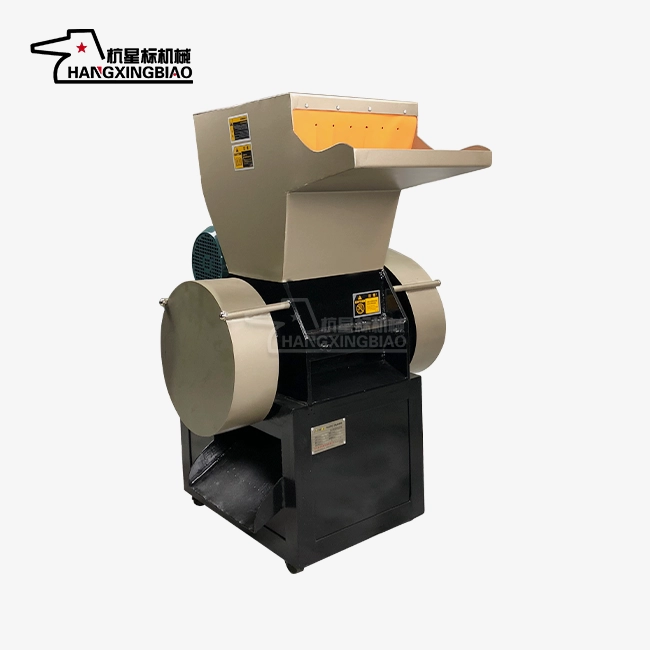
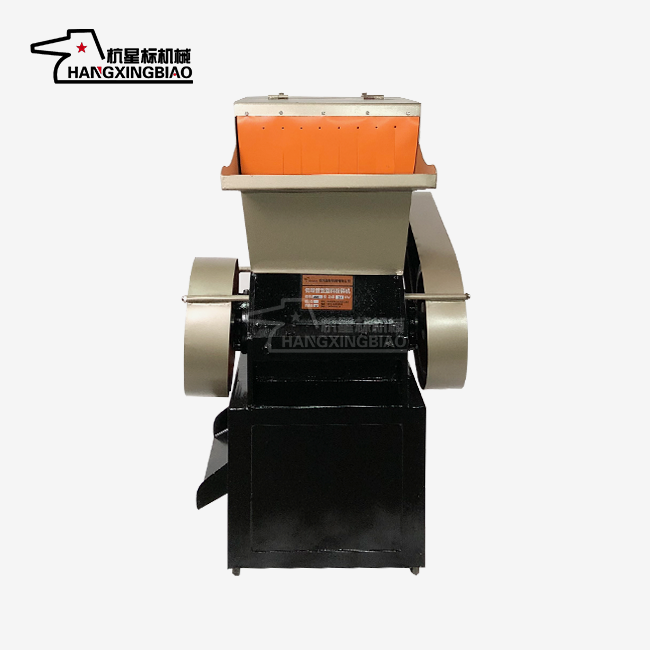
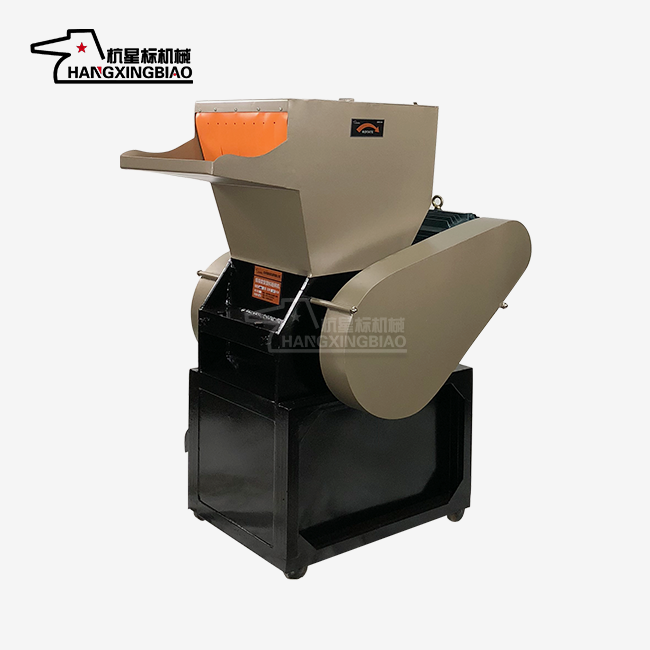
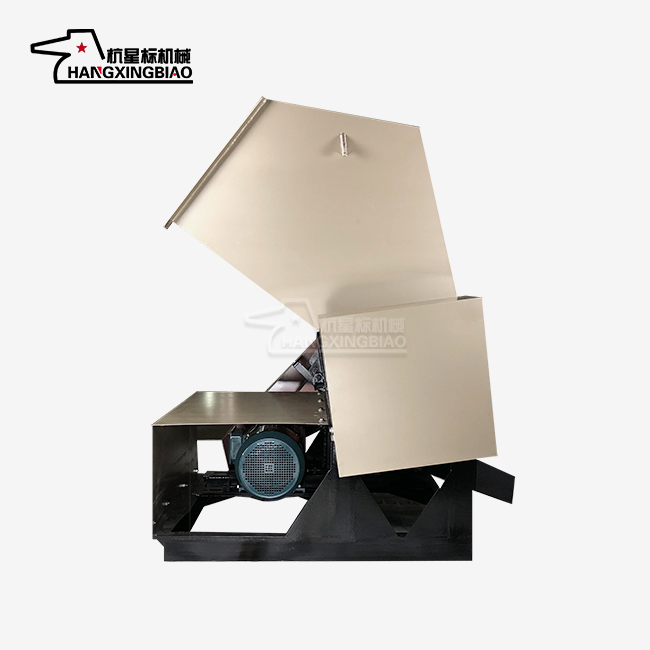
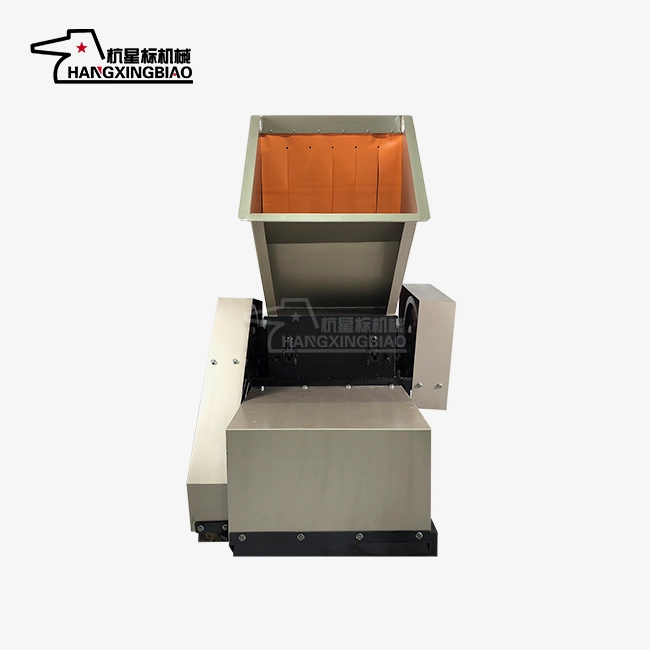
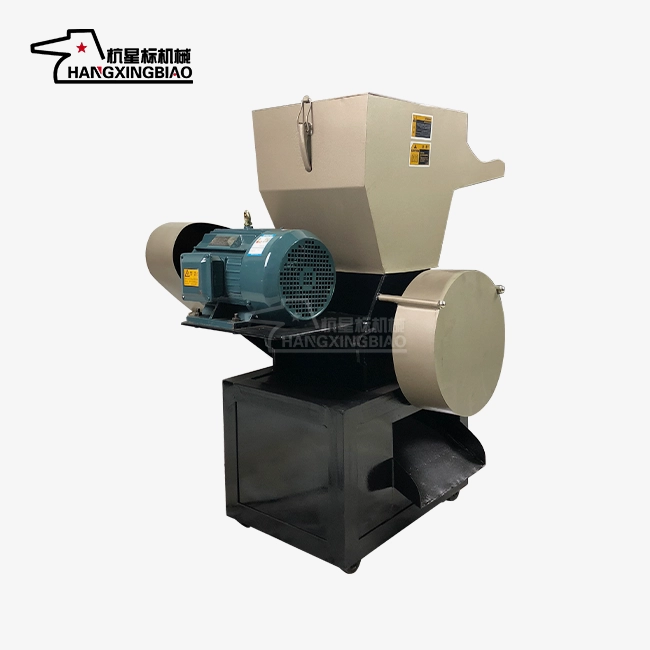
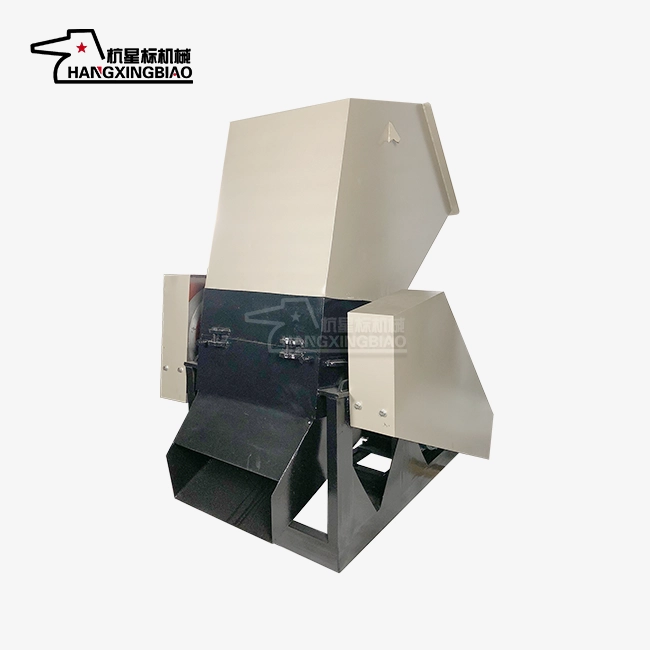
Whether you choose a strong plastic crusher or a shredder depends on the type of trash your facility has and your production goals. Through a dual-action process that combines shear and impact forces, crushers are great at turning rigid plastics into regular granules. This makes them perfect for processing injection molding scrap and hard plastic parts. Shredders use spinning blades to cut materials into strips or irregular flakes. They work best for big or heavy things that need to be shrunk at first. If you know about these practical differences, you can match the capabilities of your equipment to your output needs, the types of materials you recycle, and the recycling processes that come after. This will help you get the best return on investment from your plastic waste management system.
Understanding Strong Plastic Crushers and Shredders
To properly process plastic waste, you need to choose the right tools for your needs. The main difference between crushers and shredders is how they work mechanically and what they can produce, with a strong plastic crusher providing different results than a shredder.
How Crushers Process Materials
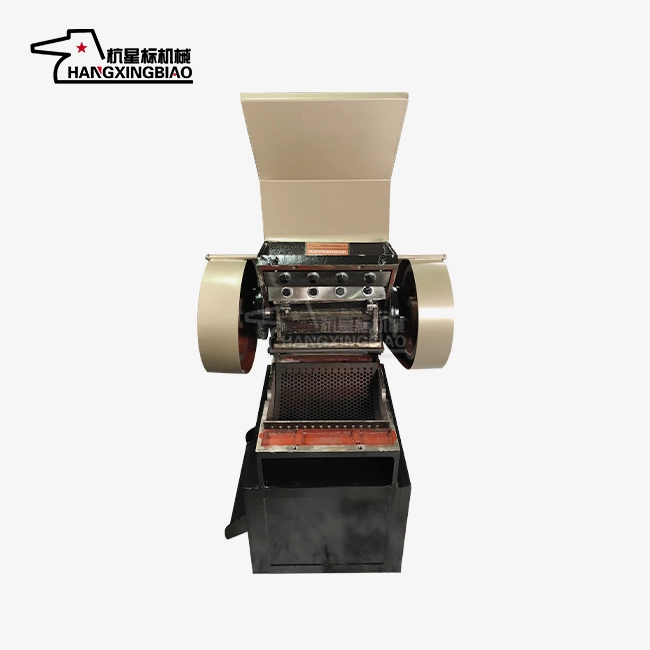
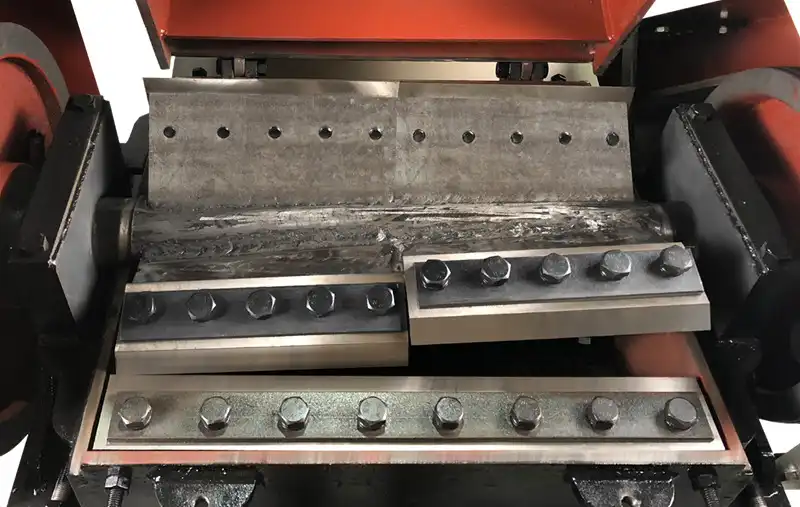
Crushers use a "shear + impact" dual-effect crushing method that cuts and compresses plastics at the same time to break them down. The well-designed hole structure and evenly spread blade groups make sure that the discharge particle sizes meet requirements greater than 2 mm without over-processing. This method keeps the purity of the material and makes uniform grains with little powder contamination. Most of the time, the consistency of the output is higher than 90%, so there is no need for extra screening processes that take more time and money.
Shredder Operational Principles
Shredders use spinning blade systems that use "torque" instead of impact force to cut through materials. Plastics are cut into strips, flakes, or uneven pieces by multiple cutting chambers. This method works well for moving big things like boxes, drums, and big containers, but the particles are not as evenly sized as when using a crusher. Shredders are good for reducing the size of materials before they go through more granular processes.
Capacity Range Considerations
The amount of equipment that can fit in each category changes a lot. Small crushers can handle 50–500 kg per hour and are good for handling running materials and broken parts in injection molding operations. Industrial-scale units can handle 1 to 10 tons per hour, which is enough for big recycling centers and factories that make a lot of things. Knowing how much throughput you need every day will help you choose equipment types that will keep you productive without requiring too much cash or causing operational bottlenecks.
Core Comparison Criteria for Buyer Decisions
When judging the performance of tools, you have to look at more than just the initial buy price. These factors have a direct effect on the total cost of ownership and how well the business runs in the long term, with a strong plastic crusher often offering distinct advantages.
Material Processing Efficiency
With stiff plastics like ABS, PC parts, thick-walled pipes, and car parts, crushers work better than other machines. When it comes to hard materials, the dual-action method can handle more than shredders can. In contrast, shredders are better at handling large or oddly shaped items, and can handle materials that are bigger than the feed throat measurements of a crusher. The built-in anti-winding comb tooth design in current crushers keeps them from getting stuck when they're handling fibrous materials like film, cloth, and paper, which is a common problem that slows down older equipment.
Energy Consumption Analysis
The amount of power needed has a big effect on daily budgets. Modern crushers use only 8–12 kWh of energy per ton of material they break down, which is 10–15 percent less energy than older models. Motor matching and blade shape that work better together use less power while still getting a lot done. Shredders usually use more power because they need motors with low speed and high force to cut through thick materials. When you figure out your expected processing rates and yearly energy costs, you can see that you will save a lot of money over the life of your equipment.
Maintenance Requirements and Durability
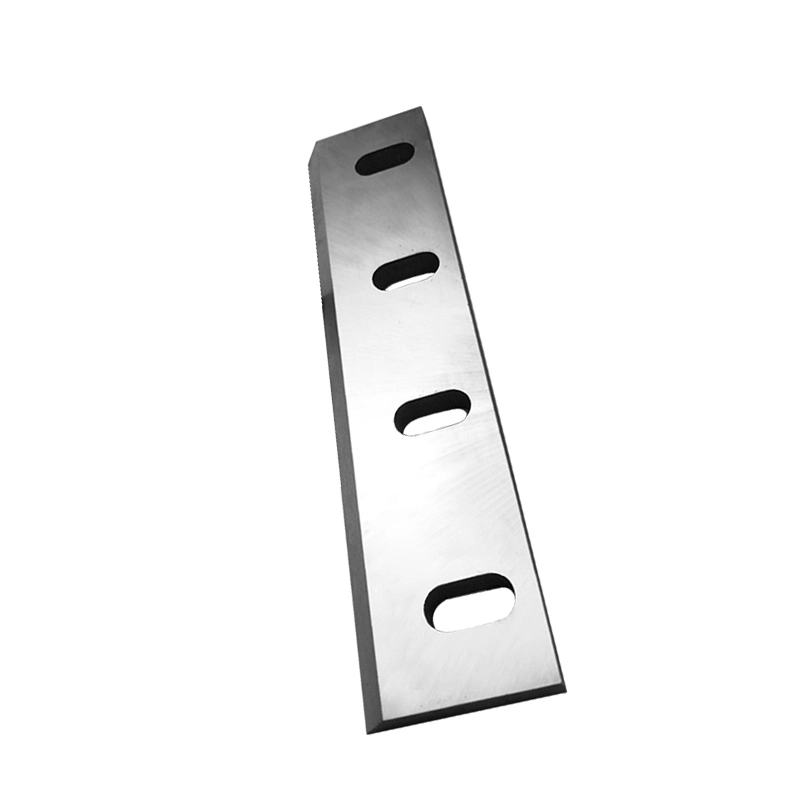
Downtime for equipment has a direct effect on work plans and profits. Stress-relieved steel frames keep crushers from deforming even when they are used continuously. Blades made from SKD-11/D2 mold steel or Cr12MoV metals go through vacuum heat treatment and cold processing, which makes them last more than 3000 hours. These blades can be sharpened three to five times before they need to be replaced. This makes tooling much cheaper. Maintenance time is cut down by quick-change screen structures and open-access designs that let workers quickly swap out parts without needing special expert help.
Safety and Environmental Impact
Safety rules at work require defensive features that keep operators from getting hurt. Fully enclosed crushing rooms stop material from ejecting, and anti-rebound baffles keep serving staff safe. When entry doors open, interlock systems cut the power automatically, keeping the blades from touching by mistake. Precision bearings and dynamically adjusted parts keep vibrations below 0.1 mm, which lowers stress on structures and lowers noise pollution in work areas. Compared to normal models, these engineering changes cut the number of times that equipment breaks down by about 40%.
Matching Machinery to Industry Needs
When you choose the right tools, you make sure that the machine's capabilities match the operational needs of your building and the properties of the material, especially when integrating a strong plastic crusher into your workflow.
Using Different Kinds of Plastic
The type of tools that give the best results depends on the makeup of the material. Soft plastics like PE/PVC films, woven bags, and packing materials can be crushed without any special changes. Optimized cavity shapes make it easy to work with hard plastics like injection-molded parts, rigid lines, and car parts. Adjusting the blade speeds is needed to keep foam materials like EPS/EVA buffer foam and insulator goods from being compressed too much. Being able to handle different materials without having to change your tools gives you operational freedom as your product mix changes.
Integration of Throughput and Production
By matching the ability of equipment to production needs, bottlenecks can be avoided, and unnecessary capital expenditures that are unnecessary can be avoided. Injection molding facilities have breakers next to the molding tools so that the runner and sprue can be recycled right away. This arrangement allows mixing broken materials with new resin at 30–50% ratios, which greatly lowers the cost of getting raw materials. Large recycling businesses need industrial-scale systems that can run nonstop for 24 hours a day with little control. Comparing the amount of trash you produce every day to the specs of your equipment will help you make sure you have enough processing power and enough spare capacity in case demand changes.

Customization and Scalability Options
Standard models work well for many uses, but when there are specific needs, custom solutions are often needed. Customized crushers can handle big things that are longer or wider than normal feed dimensions, like trash cans, bumpers, and industrial bins. Different uses further down the line can use fine particle size control thanks to screens that can be switched out and range in size from 2 to 100 mm. Blade speeds that can be changed make processes better for materials with different hardnesses and sizes. Modular designs let you add more space as your business grows, protecting your initial investments while helping it grow.
Supplier Credentials and Certifications
The knowledge and quality control methods of the manufacturer have a big impact on the quality and dependability of the equipment. Hangzhou Xingbiao Machinery has been researching and developing plastic crushers for thirty years. By specializing in just one area, they have gained a lot of scientific knowledge. Working with big names in the field, like Nongfu Spring and KFC, shows that engineers can do things that matter in the real world. Certification standards, such as CE and ISO compliance, show that a product meets international quality and safety standards. This lowers the risk for people who buy tools.
Practical Buyer Considerations: Pricing, Warranty, and Support
The total cost of ownership includes more than just the price of buying the equipment. It includes things like how much it costs to run and how reliable it is in the long term for your strong plastic crusher investment.
A Look at the Investment
The price of a crusher depends on its size, quality of construction, and features. Small to medium-sized businesses need to spend about the same amount of money on capital, as they can process 50 to 500 kg per hour, while industrial systems that can process 1 to 10 tons per hour cost more. Return on investment (ROI) is calculated by looking at how much money was saved on raw materials by recycling scrap, how much money was saved on garbage dumping fees, and how much energy was saved. Facilities that recycle production trash quickly regain a lot of their yearly costs by buying less new materials and spending less on disposal.
Terms of the warranty and service agreements
A full guarantee guards against problems with the way the product was made and parts that break too soon. Professional providers help with installation, teach users how to use the equipment, and make regular follow-up calls to make sure it works as planned. Twenty-four-hour reaction times for expert questions keep downtime to a minimum when problems happen. When there are enough spare parts in stock, work doesn't stop for long periods of time while waiting for new parts. These service elements set sellers who care about their customers' long-term success apart from those whose only goal is to sell tools.
Logistics for delivery and installation
Getting tools on time and installing them correctly has a direct effect on how long a project takes and how much it costs to start up. Schedule delays can be avoided by knowing about wait times, shipping plans, and installation needs. Before production starts, professional installation services make sure that the safety systems are checked, the electrical connections are made correctly, and the assembly is complete. Providing thorough training to operators during commissioning increases internal knowledge, lowering the need for outside professional help for routine tasks and basic problem-solving.
Troubleshooting and Maintenance Tips for Strong Plastic Crushers
Preventative maintenance and systematic troubleshooting make tools last longer, boost output, and cut down on unexpected downtime for your strong plastic crusher.
Common Problems with Operations
Blade wear is the most common upkeep issue because it lowers the cutting efficiency and makes the machine use more power. Monitoring the regularity of particle size and motor power lets you know early on when blades are wearing down, before the quality of the output drops significantly. Motor warming usually means that too much material is being loaded, there isn't enough airflow, or there are bearing problems that need to be fixed right away. Material jams happen when items that are too big or too small get into the breaking chamber or when fibrous materials get tangled up in the blade sections, even when anti-winding comb designs are used. Using troubleshooting methods for systematic identification and resolution of these problems works well.
Schedules for preventative maintenance
Regular repair routines greatly increase the useful life of parts and stop expensive breakdowns. Checking the blades' sharpness, the screen's soundness, and the right amount of lubricant should be done every day. Every week, the temperatures of the bearings, the performance of the motor, and the safety switch are checked. Every month, maintenance checks include a thorough cleaning, making sure all the screws are tight, and checking the electricity connections. When you change or sharpen blades based on how many hours they've been used, instead of waiting until they break completely, you can keep the quality of the output constant and keep the motor from working too hard.

Optimization of Operations
Paying attention to operational factors is needed to get the most out of the energy economy while keeping throughput steady. When you match the feed rate to the crusher's capacity, you avoid overflowing, which uses more power and speeds up wear. By choosing the right screen size for the job, you can avoid fine grinding that isn't needed and wastes energy. Parts changes, such as high-efficiency motors and better blade steel, raise performance while lowering costs. By keeping track of working conditions and maintenance tasks, patterns can be found that allow for ongoing growth.
Conclusion
When deciding between crushers and shredders, you need to carefully look at the types of materials you work with, how fast you need to work, and any operating limitations you may have. Crushers work better for hard plastics that need to be broken down into uniform pieces because they use less energy, need less upkeep, and produce more consistent results. Because they can crush in two ways, protect against twisting, and have longer blade lives, a strong plastic crusher is very useful in factories that need to recycle scrap right away and do injection molding. Shredders are special machines that are used to reduce the size of large items before they can be processed further. Working with skilled makers that offer full technical support, strong warranties, and a history of success guarantees that the equipment will be installed correctly and work reliably for a long time.
FAQ
Which equipment type suits small injection molding facilities?
For handling runner materials, sprues, and broken parts in injection molding processes, crushers work great. Small to medium-sized units that can process 50 to 500 kg per hour can easily handle the usual amounts of industrial trash. Putting crushers next to molding machines makes recycling possible right away. Crushed material is mixed with new plastic in the best way to lower the cost of raw materials without lowering the quality of the result.
How do maintenance costs compare between crushers and shredders?
When compared to shredders, crushers with high-quality metal blades that last 3000 hours or more need to have parts replaced less often. Accessible repair points and screens that can be changed quickly cut down on service time and the costs of work that goes with it. The strong steel construction and stress-relief treatment mean that frame fixes aren't needed very often. Instead, upkeep is mostly limited to regular blade sharpening and bearing greasing.
Can crushers process both hard and soft plastics effectively?
Today's crushers can handle a wide range of materials thanks to their improved hole designs and anti-winding comb shapes. Through shear and impact forces, hard plastics like ABS parts and stiff rods can be processed well. Specialized blade design keeps fibers from getting tangled up, so soft materials like films, woven bags, and packing materials can go through without getting stuck. This flexibility means that you don't have to change the tools you use to process mixed trash streams.
Get Expert Guidance from Xingbiao—Your Trusted Plastic Crusher Manufacturer
Xingbiao has specialized technical knowledge that comes from focusing on plastic breaking technology for 30 years. Our 20 top engineers work with leaders in the field to make sure that the equipment we create meets the strict operational requirements for safety, efficiency, and durability. We offer full help, from the original consultation to installation, training, and ongoing technical support, to make sure your crushing system works perfectly. Get in touch with our experts at xingbiaocrusher@xingbiaocrusher.com to get personalized equipment suggestions, full product details, and affordable prices on strong plastic crusher options designed to meet the needs of your facility. Discover why top makers trust Xingbiao for their plastic garbage processing needs by visiting www.xingbiaocrusher.com and looking through our wide range of products.
References
1. Chen, M. and Thompson, R. (2022). Industrial Plastic Recycling Equipment: Performance Analysis and Selection Criteria. Journal of Manufacturing Systems Engineering, 45(3), 234-251.
2. Davidson, K. (2021). Comparative Study of Size Reduction Technologies for Thermoplastic Materials. Polymer Processing Technology Review, 18(2), 112-128.
3. Martinez, P. and Wu, H. (2023). Energy Efficiency in Plastic Waste Processing: Equipment Design and Operational Optimization. Sustainable Manufacturing Quarterly, 12(1), 67-84.
4. Robinson, J. (2020). Blade Metallurgy and Wear Characteristics in Plastic Granulation Equipment. Materials Engineering for Industrial Applications, 31(4), 445-462.
5. Sullivan, A. and Zhang, L. (2022). Total Cost of Ownership Analysis for Plastic Processing Equipment in Manufacturing Environments. Industrial Equipment Economics, 27(3), 189-206.
6. Williams, D. (2021). Safety Standards and Best Practices for Size Reduction Equipment in Plastics Recycling Facilities. Occupational Safety in Manufacturing, 14(2), 78-95.
Learn about our latest products and discounts through SMS or email