- English
- French
- German
- Portuguese
- Spanish
- Russian
- Japanese
- Korean
- Arabic
- Greek
- German
- Turkish
- Italian
- Danish
- Romanian
- Indonesian
- Czech
- Afrikaans
- Swedish
- Polish
- Basque
- Catalan
- Esperanto
- Hindi
- Lao
- Albanian
- Amharic
- Armenian
- Azerbaijani
- Belarusian
- Bengali
- Bosnian
- Bulgarian
- Cebuano
- Chichewa
- Corsican
- Croatian
- Dutch
- Estonian
- Filipino
- Finnish
- Frisian
- Galician
- Georgian
- Gujarati
- Haitian
- Hausa
- Hawaiian
- Hebrew
- Hmong
- Hungarian
- Icelandic
- Igbo
- Javanese
- Kannada
- Kazakh
- Khmer
- Kurdish
- Kyrgyz
- Latin
- Latvian
- Lithuanian
- Luxembou..
- Macedonian
- Malagasy
- Malay
- Malayalam
- Maltese
- Maori
- Marathi
- Mongolian
- Burmese
- Nepali
- Norwegian
- Pashto
- Persian
- Punjabi
- Serbian
- Sesotho
- Sinhala
- Slovak
- Slovenian
- Somali
- Samoan
- Scots Gaelic
- Shona
- Sindhi
- Sundanese
- Swahili
- Tajik
- Tamil
- Telugu
- Thai
- Ukrainian
- Urdu
- Uzbek
- Vietnamese
- Welsh
- Xhosa
- Yiddish
- Yoruba
- Zulu
How to Select the Right Powerful Pulverizer for Your Needs?
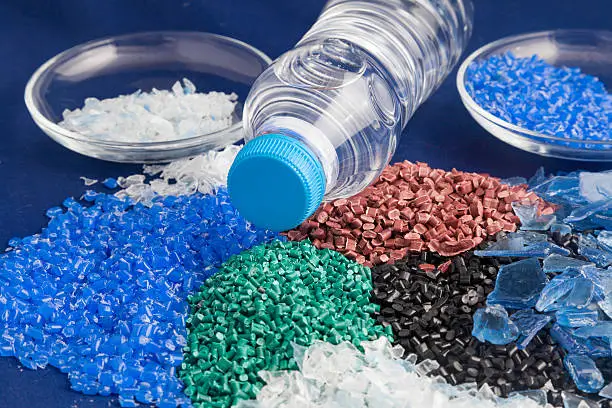
When your company relies on processing materials quickly, picking the right crushing tools is important. We know how hard it is for manufacturing and recycling businesses to deal with things like particle sizes that aren't always the same, high energy costs, and machines that can't handle different materials. It's possible to turn these problems into chances with a powerful pulverizer, which can crush almost any non-metallic object. With particle outputs that can be changed from 2mm to 50mm, the right equipment can handle injection-molded plastic scraps, knotted films, and uneven waste forms. It can also handle blocks, flakes, fibers, and complex shapes. Picking the right tools for your materials, output rate, and operational needs will have a direct effect on your bottom line and the efficiency of your operations.
Understanding Powerful Pulverizers and Their Importance
Industrial grinding equipment has changed from simple tools to complex systems that are made to reduce materials precisely. Hammers, spinning blades, and special grinding rooms are some of the mechanical parts that modern crushing machines use to break down large materials into controlled particle sizes that meet strict production requirements.
Core Functions and Working Principles
Several mechanical acts reduce the amount of material that is used. When you compress things between two surfaces, you put pressure on them that breaks down hard things like rigid plastics and thick composites. Impact methods use spinning parts moving at very high speeds to create kinetic energy that breaks things when they hit them. The shearing action uses blade-to-blade contact to cut through both stiff and flexible materials easily. To get tiny particles that are all the same size, grinding uses friction between the particles and the surface.
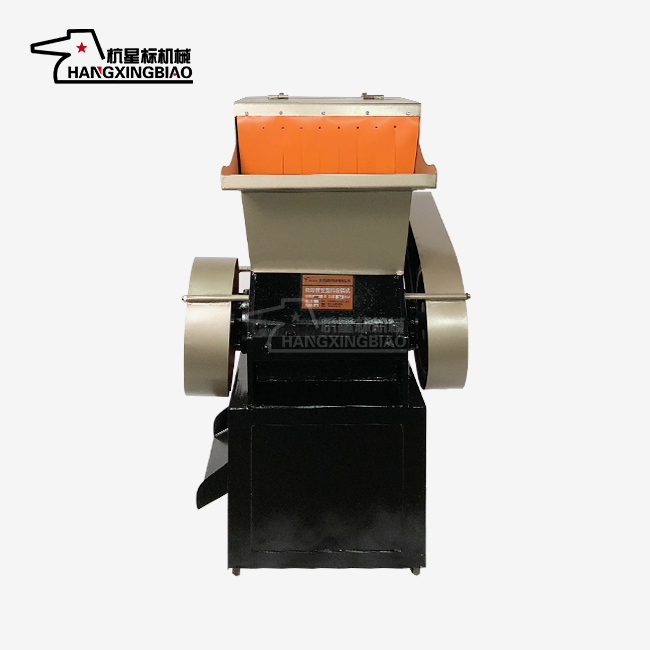
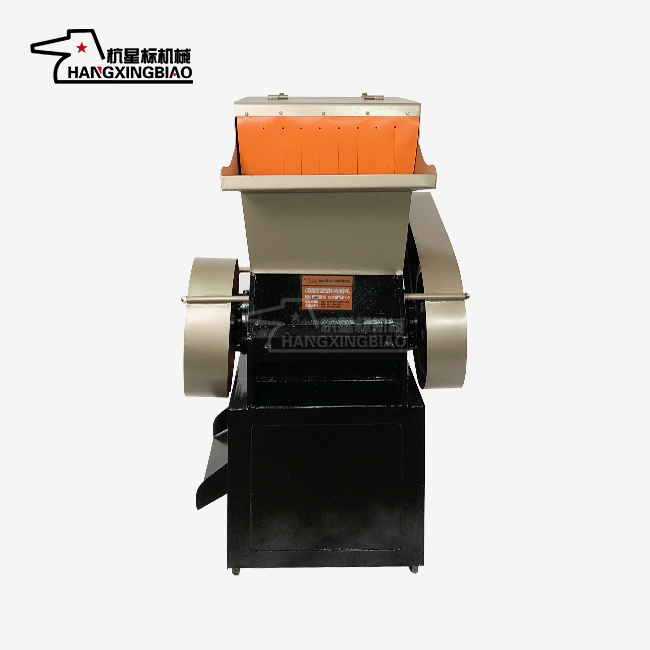
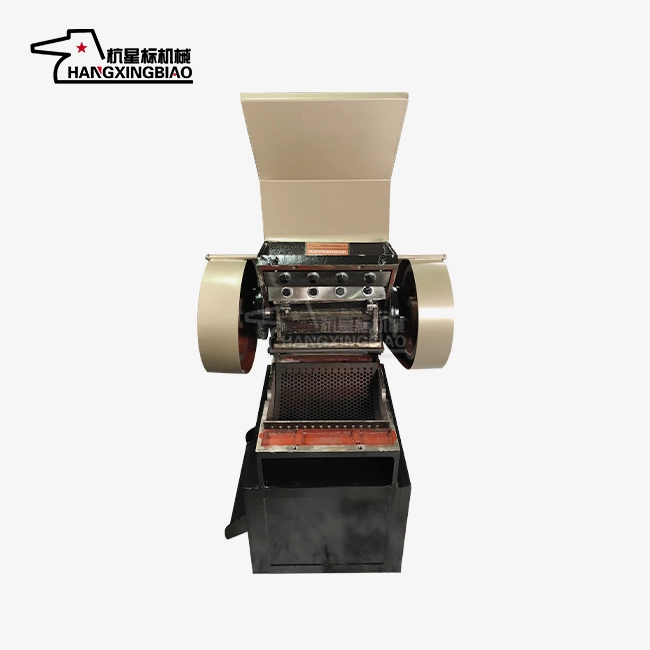
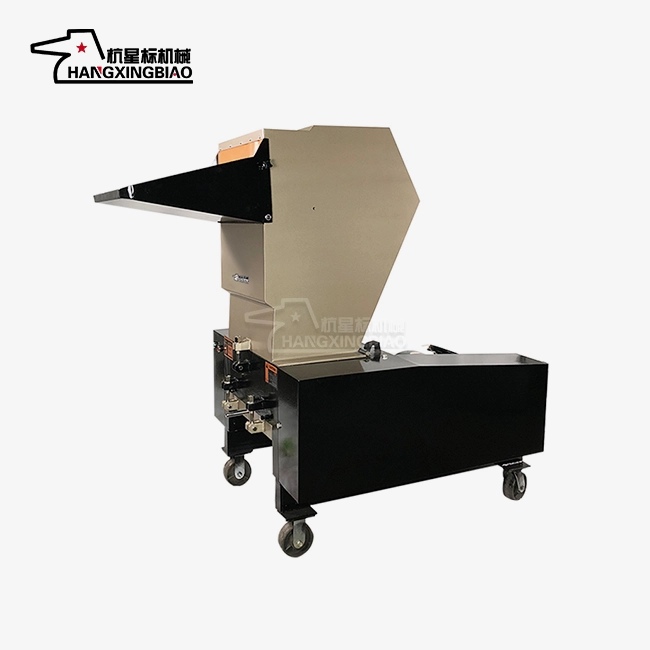
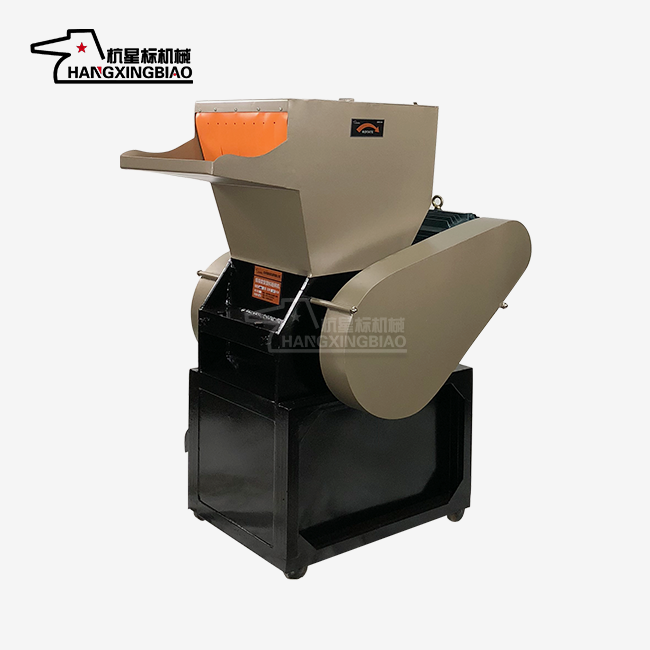
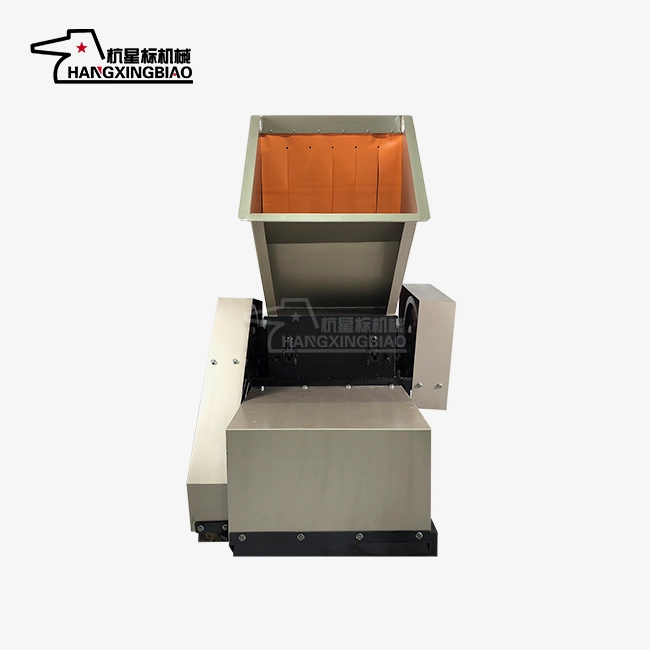
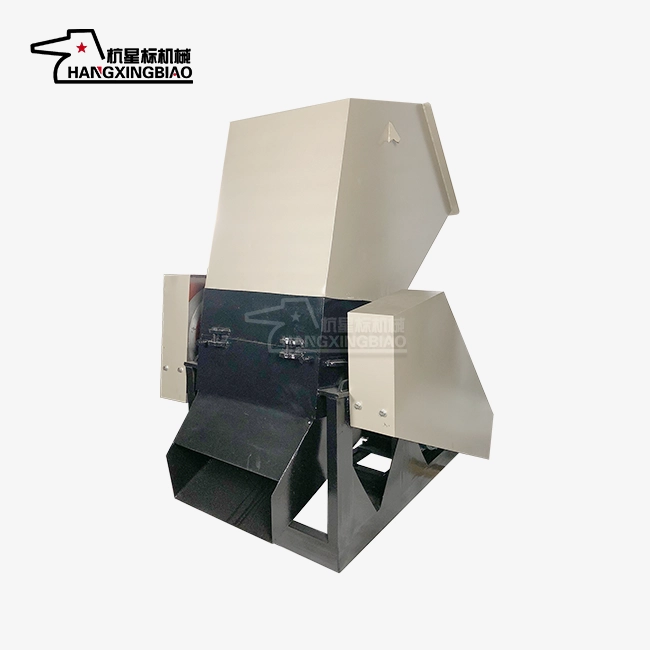
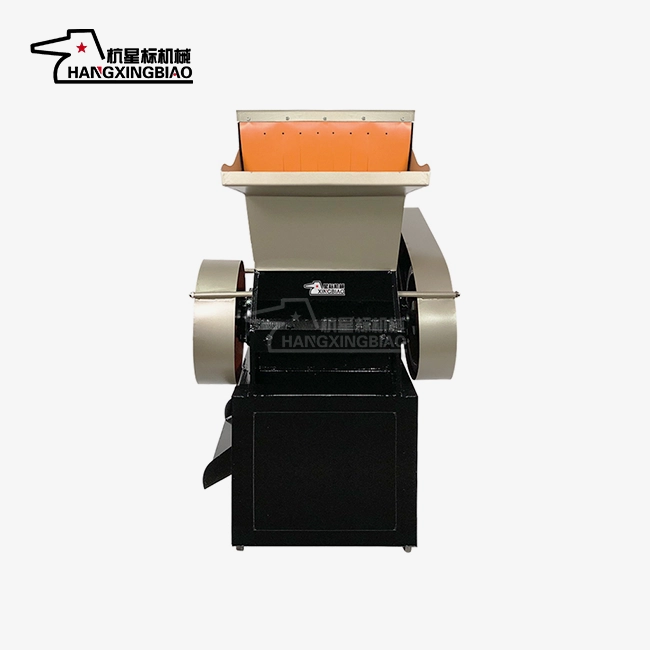
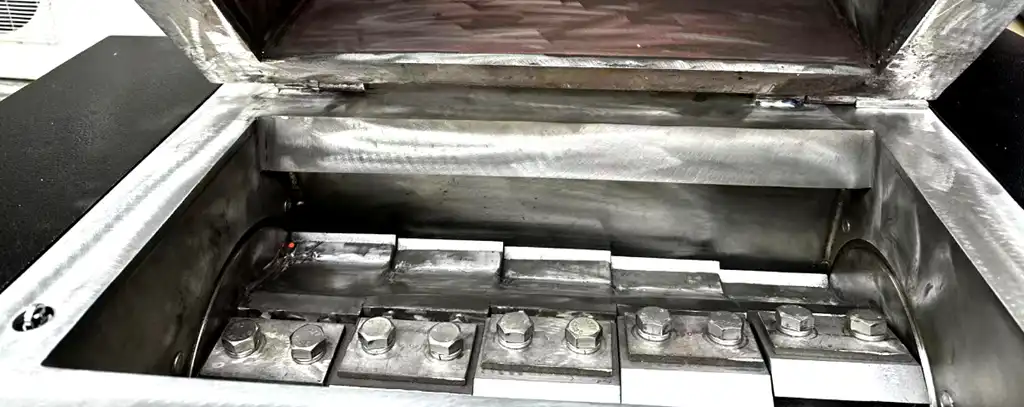
The main part of the process is the breaking room. Materials go into feed hoppers and come into contact with spinning blade units that are fixed on highly engineered spindles. When the motor turns the main shaft through stronger transfer systems, the blades cut the material, gradually making it smaller. At the point of discharge, the end particle size is set by interchangeable screens. This lets workers switch between coarse processing (20–50 mm) and medium crushing (2–12 mm) without having to change any of the equipment.
Industrial Applications Across Sectors
Along with injection molding lines, plastic factories use crushing systems to recycle scrap. Runners, sprues, and broken parts need to be shrunk right away so that the right material can be used again. Recycling plants deal with a lot of different kinds of plastic trash, like PET bottles, HDPE cases, and multilayer packaging films. To do their job, they need machines that can handle a lot of different types of materials and shapes at once.
In addition to plastics, these systems are used by drug companies to grind up herbal medicines, farms to handle feed materials, and trash management facilities to get things ready for more sorting. Being able to handle rubber, wood, paper, cloth, foam, and organic waste all in one machine saves money and space by not needing to buy and store multiple specialty units.
Performance Advantages Over Conventional Equipment
Traditional grinders can only handle a small range of materials, so businesses have to keep separate machines for each type of trash. Modern breaking technology gets around this problem by letting you change the layout of the blades and the size of the screens. Processing efficiency is 15-20% higher than with older designs because the blade shape has been adjusted to lower material resistance and keep energy loss to a minimum while cutting.
Over 90% of the time, particle size accuracy is reached without any secondary screening. This means that there are no extra steps in the process that slow down production or raise the cost of handling. Industrial-grade units can process 1 to 10 tons of material an hour, based on the type of material and the goal particle size. They can run continuously, 24 hours a day, seven days a week.
Key Criteria for Selecting the Right Powerful Pulverizer
Long-term equipment happiness depends on how well the equipment's specs match the needs of the business. The selection process is based on a number of important factors that make sure the method chosen will work reliably with the materials you use and the amount of work you do.
Assessing Your Material Characteristics and Capacity Requirements
The hardness of the material directly affects the choice of tools. Hard plastics, like injection-molded parts or thick-walled pipes, need different blade angles and chamber designs than soft plastics, like films and woven bags. Fibrous things like textiles and packed trash need blade arrangements that focus on cutting so they don't get wrapped around moving parts.
Baseline capacity needs are set by the amount of production. Small businesses that process 50 to 500 kg/hour can benefit from mobile and adaptable units that are small and light. Medium-sized businesses that move between 500 kg and 2 tons per hour need fixed installation models with stronger motors and bigger chambers. Large recycling centers that handle 2 to 10 tons of trash an hour need industrial systems that are built to last and have built-in conveyor links.
The shape of a material changes how it feeds. Standard hoppers can handle granules and flakes that flow easily, but bulky items like plastic boxes or tire pieces need bigger feed openings and special pushing devices to keep them from sticking together.
Evaluating Performance Indicators
The amount of energy used by the powerful pulverizer has a direct effect on running costs. 10-15% less power is used by equipment with better motor matching and transmission designs than normal types. Under normal circumstances, it should take 8 to 12 kilowatt-hours to process one ton of mixed plastic trash. It's possible that the mechanical flaws or bad blade configuration are causing the higher usage.
Noise levels are important in places that are close to places where people work or live. High-quality machines have sound-dampening chambers and balanced spinning parts that keep the noise level below 85 decibels. This meets safety standards for the workplace without the need for large acoustic enclosures.
Total operating prices are based on how easy it is to do maintenance. When compared to designs that need to be completely taken apart for regular tasks, equipment with tool-free access panels, lubrication points placed on the outside, and quick-change screen systems cuts service time in half. Changing the blades should take less than 30 minutes, so there won't be many breaks in production.
Understanding Equipment Type Distinctions
The mechanical action and grain size goals of crushing tools are different from those of pulverizing mills. Crushers break down big chunks of material into 5–50 mm pieces that can be used for preparation before fine grinding. Mills make powder-fine products that are less than 1 mm by grinding for a long time. By knowing these differences, you can avoid buying tools that aren't right for the particle range you want to target.
Safety compliance is very important. Equipment should have emergency stop systems, feed hole guards that keep hands from getting in while it's running, and electrical interlocks that turn off the power when access panels open. Getting certifications that meet the safety standards in your area protects you from risk and keeps workers safe.
Durability Considerations for Continuous Operation
Long-term dependability depends on how well it was built. When high-strength steel plates are bonded together and given a stress-relief treatment, the main frames stay strong even when they are constantly being hit and vibrated. A chamber thickness of 12 to 20 mm protects well against wear while keeping the weight of the tools manageable.
How long a blade lasts before it needs to be replaced depends on its material. Some types of tool steel, like SKD-11 and Cr12MoV, are treated with vacuum heat and cryogenics to make them hard, with HRC scores between 55 and 60. These materials can be used for 3,000 to 5,000 hours before they need to be resharpened. Each blade can be reconditioned three to five times before it needs to be replaced.
The quality of bearings changes how reliable a machine is. With the right lubrication systems and dynamic balance, precision-grade bearings can lower the amount of vibrations to 0.1 mm or less. This lowers the mechanical stress that leads to failure before its time. When companies buy good moving parts, the rate of equipment failure drops by 40%.
Comparison of Popular Powerful Pulverizer Types and Brands
There are a lot of different styles of crushing tools on the market, and each one works best with a certain type of material and in a certain setting. By understanding these choices, you can better match your skills to your business needs.
Blade-Type Crushing Systems
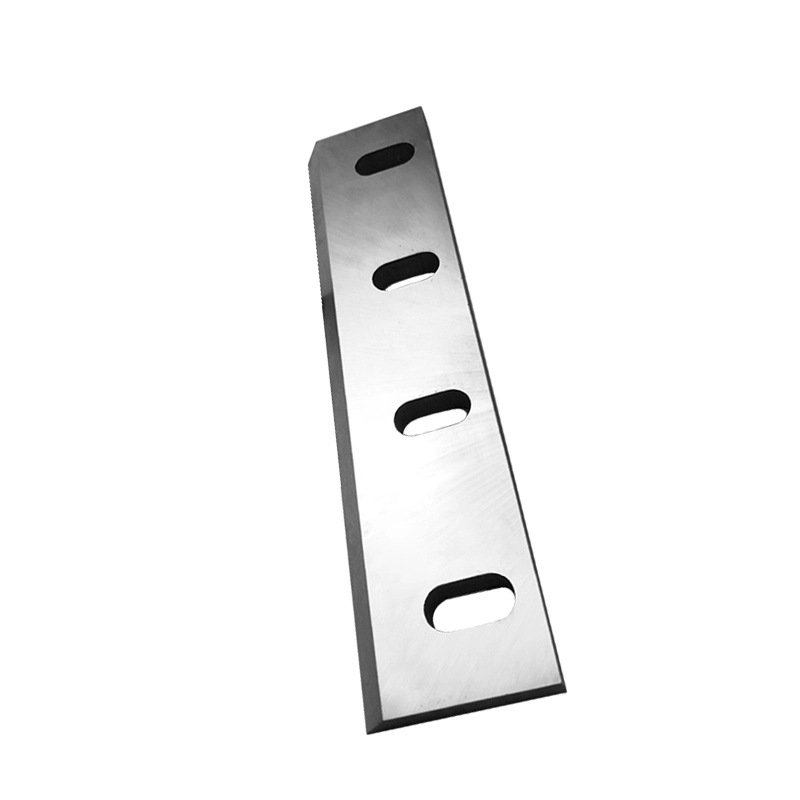
For plastic processing, the most popular arrangement is an assembly of rotating blades. To cut things into smaller pieces, shear action is created by multiple cutting blades on a center rotor working against fixed bed knives. The end particle size is controlled by the openings in the screens below the cutting chamber. Screens are switched out by workers based on what needs to be done next.
Hammer Mill Designs
Materials are broken by kinetic energy transfer when swing hammers on spinning rods hit them at high speeds in a powerful pulverizer. The materials move around inside the cylinder until they are small enough to fit through the discharge screens. This method, which focuses on impact, works well for brittle materials but not so well for flexible materials that can take impact without breaking.
Manufacturer Landscape and Brand Considerations
The standard of equipment made by different companies has changed a lot. Established sellers that have been specializing for decades show a better understanding of application problems than companies that sell crushing equipment as one piece of machinery among many others. We've been working on plastic breaking technology for 30 years straight, which has allowed us to keep improving the blade shape, chamber design, and material choice to meet the needs of plastic processing.
Procurement Guide — How to Buy the Best Powerful Pulverizer
To get the best value and long-term satisfaction, you need to take a systematic method to find suppliers and analyze offers.
Identifying Reputable Suppliers
Most of the time, direct connections with manufacturers are more valuable than multiple levels of marketing. Manufacturers offer professional support that isn't available from general industrial equipment dealers, and they have a better handle on the quality of their products and on making sure they meet specifications. By searching online through trade groups and industry directories, you can find well-known makers in your area.
Understanding Pricing Structures and Value Assessment
The price of equipment depends on how well it was built, what parts it has, and how well-known the maker is. When prices are unusually low, it's often because the manufacturer has cut corners on materials, manufacturing precision, or the quality of the parts, which leads to shorter service lives and higher upkeep costs. Competitive prices from well-known makers are a better deal than cheap equipment that needs to be fixed often and replaced too soon.
Negotiating Customization and Volume Purchases
Standard equipment works well for many tasks, but it might be better if it were changed to fit certain needs. Feed opening sizes, chamber amounts, motor specs, and control system features can all be changed to fit the needs of the process. Talking about needs with the engineering teams of equipment makers during the quote process ensures that the proposed equipment fits those needs instead of causing practical compromises because of equipment limits.
Ensuring Long-Term Value and Optimized Performance
Investing in equipment means more than just buying it and setting it up. The best way to get the most out of a service is to follow the right operating and repair procedures.
Preventive Maintenance Protocols
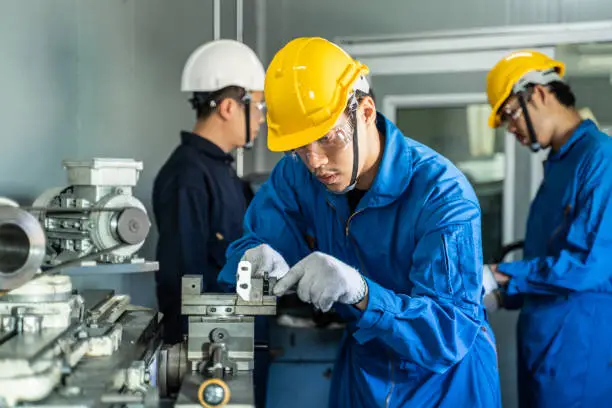
Scheduling regular inspections for a powerful pulverizer helps find problems early on, before they become major problems. Visual checks every day make sure everything is working right and that there are no strange noises or vibrations. Lubricating bearings and other moving parts once a week, according to the manufacturer's instructions, stops them from wearing out too quickly. Once a month, the blades are checked for damage or dulling that needs to be fixed or replaced before they lose their cutting effectiveness.
Operational Best Practices
Feeding methods that work right keep things moving smoothly and avoid jams. Adding materials slowly instead of all at once keeps the chamber from getting too full, which slows down blade spinning. Mixing different types and shapes of materials makes cutting more uniform and keeps hard-to-process items from building up.
Planning for Technology Evolution
As goods change and production rates rise, so do the needs of manufacturers. Modular equipment designs let you make changes without having to update the whole thing. Motor upgrades, changes to the blade design, or improvements to the control system make tools more useful as operating needs change.
Having access to new technologies comes from keeping in touch with equipment makers. Manufacturers who are working on better blade materials, more efficient drive systems, or better control features often offer upgrade choices to current customers. This lets customers get more use out of their equipment without having to buy all new equipment.
Conclusion
In conclusion, when choosing the right breaking tools, you have to think about the properties of the material, the amount of work that needs to be done, the quality standards, and your budget. When these factors are met, the equipment will give years of reliable service while maximizing material return and lowering running costs. Modern breaking technology gets rid of the limits that came with using only one type of material. This means that different types of trash can be processed by the same equipment, which saves money and makes operations easier. By putting an emphasis on building quality, maker knowledge, and full support, you can be sure that your equipment investment will continue to provide value for a long time. Your business will be successful in the long run if you take the time to carefully consider what it needs and work with expert makers.
FAQ
What material types can powerful pulverizers handle effectively?
Modern crushing tools can break down almost any non-metallic material, such as all kinds of plastics, rubber goods, wood and paper, textiles and foam, biological garbage, and chemical materials that don't corrode. Only metals and rocks usually go beyond what tools can handle. If you choose the right blade and screen, you can handle materials in any shape, whether they are blocks, sheets, fibers, or odd forms.
How do maintenance requirements differ between equipment models?
The amount of maintenance needed depends on the quality of the building and how easy it is to get to. When compared to designs that need a lot of disassembly, premium equipment with lubrication points that can be reached from the outside and panels that can be removed without tools cuts regular repair time by 50%. The type of material you choose affects how long the blade lasts. High-grade tool steels last 3–5 times longer than basic carbon steels. Choosing high-quality tools with features that make it easy to maintain lowers the total cost of ownership, even if the original investment is higher.
Can equipment be customized for specific production requirements?
Reliable makers offer modifications to meet the specific needs of each business. The chamber size, motor specs, feed opening sizes, and control system features can all be changed to fit different materials, output numbers, and integration needs. Talking about needs with engineering teams during the quotation process ensures that the suggested equipment meets real operating needs instead of making compromises.
Partner with Xingbiao for Reliable Plastic Crushing Solutions
It has been 30 years since Hangzhou Xingbiao Machinery Co., Ltd. has been designing and making plastic breaking tools. Because we only work on developing crushers, we've come up with solutions that are the best in the business and are trusted by big companies like Nongfu Spring and KFC. Every powerful pulverizer that leaves our facility is the result of decades of improving blade shape, chamber optimization, and the choice of materials that are best for plastic processing problems.
Our tech team meets your exact business needs by consulting with you and making solutions that are just right for you. We set up equipment that exactly fits your needs, whether it's for processing injection molding scraps next to production lines, managing mixed recycling streams, or working with special materials that have their own properties. After installation, we offer full help, including 24-hour reaction, hands-on training, and a sufficient inventory of spare parts to keep your production going.
You can talk to our team about your material handling problems with experienced application engineers by emailing xingbiaocrusher@xingbiaocrusher.com or visiting www.xingbiaocrusher.com. We give you clear pricing information, thorough equipment specs, and performance demos that fit your budget while giving your business the durability and efficiency it needs. We're ready to help you improve the way you process materials because we're a trusted maker of powerful pulverizers that are sold all over the world.

References
1. Industrial Pulverizer Technology and Applications in Manufacturing, Journal of Materials Processing Technology, 2023.
2. Comparative Analysis of Crushing Equipment Performance in Plastic Recycling Operations, International Journal of Recycling Technology, 2024.
3. Equipment Selection Guidelines for Plastic Manufacturing Facilities, Society of Plastics Engineers Technical Manual, 2023.
4. Maintenance Best Practices for Industrial Crushing Equipment, Manufacturing Engineering Handbook, 2024.
5. Energy Efficiency in Material Size Reduction Systems, Journal of Industrial Energy Management, 2023.
6. Safety Standards and Compliance Requirements for Industrial Processing Equipment, Occupational Safety Engineering Review, 2024.
Learn about our latest products and discounts through SMS or email