- English
- French
- German
- Portuguese
- Spanish
- Russian
- Japanese
- Korean
- Arabic
- Greek
- German
- Turkish
- Italian
- Danish
- Romanian
- Indonesian
- Czech
- Afrikaans
- Swedish
- Polish
- Basque
- Catalan
- Esperanto
- Hindi
- Lao
- Albanian
- Amharic
- Armenian
- Azerbaijani
- Belarusian
- Bengali
- Bosnian
- Bulgarian
- Cebuano
- Chichewa
- Corsican
- Croatian
- Dutch
- Estonian
- Filipino
- Finnish
- Frisian
- Galician
- Georgian
- Gujarati
- Haitian
- Hausa
- Hawaiian
- Hebrew
- Hmong
- Hungarian
- Icelandic
- Igbo
- Javanese
- Kannada
- Kazakh
- Khmer
- Kurdish
- Kyrgyz
- Latin
- Latvian
- Lithuanian
- Luxembou..
- Macedonian
- Malagasy
- Malay
- Malayalam
- Maltese
- Maori
- Marathi
- Mongolian
- Burmese
- Nepali
- Norwegian
- Pashto
- Persian
- Punjabi
- Serbian
- Sesotho
- Sinhala
- Slovak
- Slovenian
- Somali
- Samoan
- Scots Gaelic
- Shona
- Sindhi
- Sundanese
- Swahili
- Tajik
- Tamil
- Telugu
- Thai
- Ukrainian
- Urdu
- Uzbek
- Vietnamese
- Welsh
- Xhosa
- Yiddish
- Yoruba
- Zulu
Industrial Crushers Uses in Construction & Demolition
When building projects are over or structures reach the end of their useful lives, they leave behind piles of trash that need to be managed smartly. This problem can be turned into a chance by Industrial Crushers, which turn concrete, bricks, asphalt, and mixed debris waste into aggregates that can be used again. These powerful tools cut down on the amount of waste that needs to be moved, make recycling possible on-site, and lower the cost of hauling, all while helping the environment. When procurement workers know how crushing equipment fits into the process of demolition projects, they can make decisions that improve the economics of the project and the speed of operations.
Understanding Industrial Crushers in Construction & Demolition
Core Crushing Principles and Workflow Integration
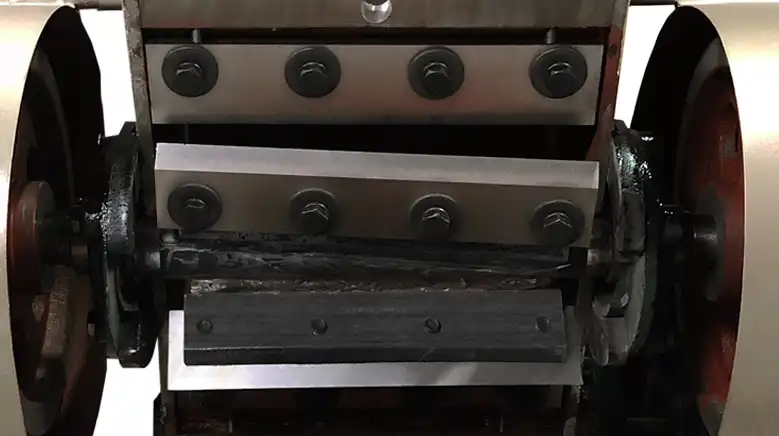
Different kinds of trash are created at demolition sites, which means they need different ways to be processed. Industrial Crushers use mechanical force, like compression, contact, or shear, to break up solid objects into pieces that can be handled. The process starts when lifters put trash into the entrance section of the crusher. Then, parts inside the machine use focused pressure or hitting force to break materials along their natural fault lines. The processed product is sent through screening devices that sort the pieces by size, making uniform aggregates that can be used again in concrete mixes, roadbeds, or backfill.
Modern breaking methods work perfectly with the logistics of a C&D plant. Operators put equipment near areas where garbage builds up. This keeps people from having to do the same work twice and saves fuel for moving vehicles. This smart placement makes it easy for materials to move from the demolition teams to the processing equipment and then to the stockpiles that are ready to be used again. The flexible process lets workers keep the project moving forward while properly handling waste.
Primary Crusher Types for Demolition Applications
Different types of crushing methods are best for different types of disposal material:
Jaw crushers are great for breaking down big chunks of concrete and brick debris into smaller pieces. A V-shaped crushing chamber is made up of two sharpened steel plates, one that stays in place and the other that moves. Concrete breaks into smaller pieces that fall through the discharge hole as the moving jaw presses against the fixed plate. These tough machines can easily work with strengthened concrete that has steel rebar in it without getting stuck.
Cone crushers provide secondary reduction for harder materials, like asphalt and rock. A spinning mantle spins inside a bowl that stays still, crushing the walls of the room all the time. Compared to jaw crushers, this design makes particles that are more regular in size. This makes cone units perfect when exact aggregate specs are needed.
Impact crushers strike incoming material with high-speed spinning tools or blow bars that break it up against impact plates. This way of crushing rocks works really well with sedimentary rocks that aren't very hard, and it makes more cubical pieces, which are better for making concrete. The design works better with sticky or wet materials than methods that use compression.
Mobile crushing units put whole processing systems on frames that are either wheels or tracks. These self-contained tools can be moved from one demolition site to another without having to be taken apart, which gives workers the most options. It is especially helpful to have mobile breakers in cities, where noise and space restrictions make it necessary to move equipment around.
Essential Design Features for B2B Buyers
Specifications for capacity have a direct effect on project timelines. Processing rates vary from 50 to over 800 tons per hour, based on the size of the machine and the properties of the material. By matching the output of the crusher to that of the disposal crew, you can avoid jams that waste expensive labor and tools.
The feed hole measurements tell you what size materials the crusher can handle without first being processed. Different types of demolition waste need different-sized feed holes. For example, solid concrete slabs need bigger holes than pre-broken rubble. Operators can change the output powder size as project requirements change, thanks to adjustable discharge settings. This makes the equipment more flexible.
There are safety features that keep both people and machines safe. Automatic overload protection, emergency stop systems, and metal recognition sensors keep rebar or underground utilities from causing damage when they get mixed in with demolition waste. Environmental rules are becoming more popular in cities, and dust suppression systems and noise-dampening shelters help places stay in line with them.
Key Benefits of Using Industrial Crushers in Construction & Demolition
Environmental Impact and Waste Reduction
Crushing and reusing demolition waste leaves a much smaller carbon impact than making new gravel. The process of mining, crushing, and moving raw stone uses a lot of energy and releases greenhouse gases. Reprocessing old concrete uses less energy and doesn't damage the earth as much as building a new mine does. Contractors who want to get LEED certification or meet standards for sustainable sourcing must do onsite crushing with Industrial Crushers to meet environmental goals for the project.
Economic Advantages and Cost Optimization
One of the most expensive parts of removal tasks is the transportation. Logistics costs double when you have to haul trash to faraway dumps and bring in new dirt to fix up the spot. On-site breaking gets rid of both types of costs by turning trash into fill material that can be used right away at the job site. Savings are especially big for projects in rural areas or places with few dumping facilities.
Regulatory Compliance and Safety Standards
Construction and removal sites have to follow strict safety rules set by OSHA and state agencies. Taking care of trash properly keeps walkways clear for emergency vehicles, stops people from tripping, and lowers the amount of dust that is created. Crushing equipment made for C&D uses safety features that help workers keep their workplaces in line with regulations. Enclosed breaking rooms keep flying debris inside, and built-in dust collection systems keep workers from breathing in dangerous silica.
Documentation about reusing materials is becoming more and more important for getting permits and meeting environmental reporting standards. Crushing processes make clear records of the flow of materials that show how much waste is diverted and how much recovered content is used. This paperwork helps with permit applications, shows stakeholders that you care about the environment, and can get projects green building benefits or tax breaks in places that have them.

Choosing the Right Industrial Crusher for Your C&D Projects
Material Characteristics and Processing Requirements
The size of the project has a big impact on the tools that are chosen. For short-term use, renting a portable crusher may be a good idea for small repair jobs that produce 50 to 100 tons of waste. Large demolition jobs that produce thousands of tons of debris over long periods of time need fixed crushing setups that can handle more weight and are built to last. Estimating the exact amount of trash helps procurement teams match the Industrial Crushers capabilities to the needs of the project. This way, costs are kept low, and handling isn't slowed down by equipment that is too small.
Comparing Jaw Crushers and Cone Crushers
Jaw crushers are used for primary reduction, which means they take in big materials and turn them into smaller pieces that can be used again or sent to be processed further. Because they are reliable and easy to maintain, their simple mechanical design makes them popular with freelancers who don't have their own expert staff. Jaw crushers are good at processing a wide range of materials, and they can handle intermittent loads without the operator having to constantly watch them. But compared to cone crushers, they don't make particles that are as uniform in size, so they might need more screening for uses that need very precise aggregate specs.
Power Systems and Operational Considerations
When electricity is available from the grid, most fixed crushers are driven by electricity. Electric motors give you steady power, don't cost anything for gasoline fuel, and are quieter than combustion engines. Demolition sites in cities that have to follow noise and pollution rules often need to use electric tools to stay in line with their permits. The lack of exhaust pollution also makes working conditions better in disposal sites that are closed off or don't have good air flow.
Supplier Selection and After-Sales Support
The image of the supplier is an important decision factor because it directly affects the success of the project. Established companies put a lot of money into research and quality control to make sure their machines can handle the rough conditions that are common in removal sites. Warranty terms show how confident the maker is in the product; for example, coverage for all wear parts shows that the source stands behind the quality of the product. Limited warranties that don't cover parts that wear out quickly could be a sign of poor quality, which will lead to higher total costs because of the need for more fixes and replacements.
Maintenance and Longevity Tips for Industrial Crushers in C&D
Routine Maintenance Practices
Systematic lubrication keeps bearing sets, pivot points, and drive systems from constantly vibrating and being hit with shocks from wearing out too quickly. Manufacturers of crushing equipment define how often to lubricate their machines and what kinds of oils should be used for high-pressure situations. Sticking to these plans greatly increases the life of parts compared to repair methods that are done on and off. Automated lube systems get rid of the chance of human mistakes and cut down on the amount of work needed for regular maintenance.
Troubleshooting Common Operational Issues
In C&D uses, blockages are the most common problem with Industrial Crushers. Large pieces of material, tangled rebar, or small pieces of wood can block feed holes or get stuck in breaking chambers. Modern machines have hydraulic cleaning systems that can change the jaw settings to move objects out of the way without any help from a person. Many jams can be avoided by operators who know how to properly feed materials by checking the size of the materials and removing any that aren't right before they go into the breakers.
Upgrade Strategies and Equipment Customization
Adding new, better parts to old breakers increases their useful life and takes advantage of new technology. When control systems are updated, automation features are added that make the braking settings better in real time. This increases efficiency without having to buy all new equipment. Better screening methods make it easier to tell the exact size of the particles, which means that recovered aggregates made on-site can be used for more things.
Real-World Case Studies: Industrial Crushers in Action on C&D Sites
Case Study: Highway Overpass Demolition and Concrete Recycling
A state transportation department hired someone to tear down an old concrete highway overpass, which created about 3,200 tons of reinforced concrete waste. The contractor didn't haul the trash to faraway dumps; instead, they set up a jaw crusher right next to the clearance zone. As workers removed concrete sections, the tools broke down reinforced beams and deck panels into 2 to 4-inch pieces that could be used for roadbeds.
Case Study: Urban Building Demolition with Mixed Debris Processing
As part of an urban rebuilding project, several business buildings made of concrete, brick, asphalt roofing, and structural steel had to be torn down. The site's limited downtown position made it hard to store materials, and city rules required the company to set high goals for diverting waste. To deal with the mixed stream of materials, the contractor asked for a mobile cone crusher and magnetic separation tools to be used together.
Case Study: Remote Site Airport Runway Reconstruction
A project to rebuild an airport runway in the middle of nowhere had trouble with operations because it was 120 miles from the closest landfill and aggregate source. Moving the broken-down concrete off-site while shipping new base material would have made the costs too high and the building schedule too long. The airport's management gave the go-ahead for a mobile breaking spread that transformed the old runway into engineered fill for the rebuilt pavement section.
Conclusion
Industrial Crushers turn getting rid of building and demolition trash from a pricey problem into a chance to make money. These tools make practices more environmentally friendly by recycling materials, lower project costs by cutting down on shipping costs, and shorten timelines by handling debris as it's created. To choose the right crushing tools, you need to carefully consider the types of materials, the size of the project, and the conditions of the place, as well as the supplier's skills and the infrastructure that supports them. Proper upkeep and operating procedures make equipment last longer and make sure it works the same way during tough removal projects. The case studies show that crushing technology has real economic and environmental benefits across a wide range of project types and sizes. This means that contractors and building owners who deal with C&D garbage streams need to think about it.
FAQ
What factors determine whether to use jaw crushers or cone crushers?
The type of material and the amount of product that is needed determine which crusher to use. Jaw crushers are used for the initial reduction of big, irregularly shaped demolition waste. They can handle materials up to several feet in size. Their strong design can handle the shock loads and steel reinforcements that are widespread in demolition trash. Cone crushers are used for secondary reduction, which means they make the material into more regular particles that meet the requirements for making concrete or a premium base. For basic fill projects that only need coarse material, jaw crushing is usually enough. For projects that need exact gradations, however, cone crushers are needed for secondary processing.
How critical is maintenance in minimizing equipment downtime?
Studies on equipment dependability show that 70–80% of crusher failures can be avoided with regular repair. Demolition waste has very rough materials in it that speed up the wear on breaking parts. This makes checking and replacing them more important than in other situations. When operators follow the manufacturer's upkeep instructions, unexpected breakdowns happen much less often, and the equipment lasts 40–60% longer overall. Unplanned downtime usually costs 5–10 times more in lost output than planned repair costs. This is why preventative measures are so important for projects to make money.
Can crushers effectively handle mixed demolition materials?
When paired with the right extra tools, modern crushing systems can handle different types of garbage streams well. Magnetic dividers get rid of ferrous metals before they are crushed. This keeps the equipment from getting damaged and recovers valuable scrap steel. Scalping screens get rid of big items and contaminants that can't be crushed, like plastics, wood, and insulating materials. Air classification methods sort mineral aggregates from lighter parts. This preprocessing makes the feed stream cleaner, which makes it easier for breakers to work with. The result is recycled aggregates that meet quality standards for most building projects. When there is a lot of dirty waste in a project, it may need to be sorted by hand first.
Partner with Xingbiao for Superior Crushing Solutions
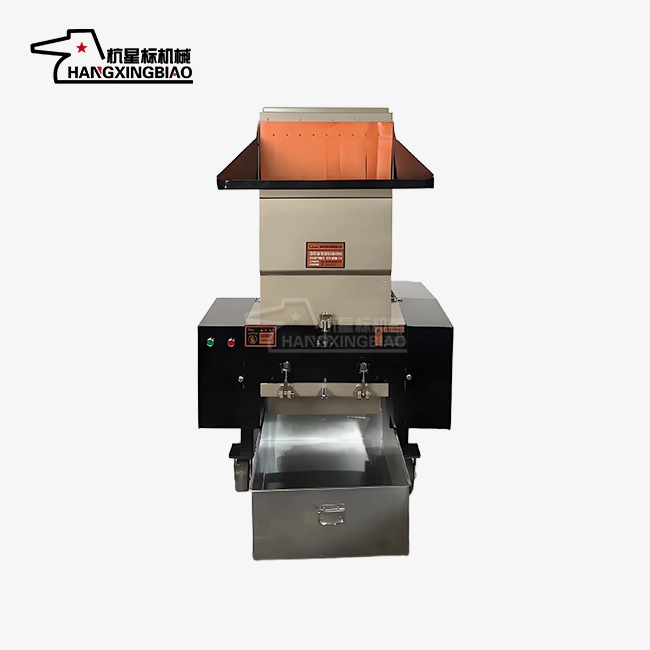
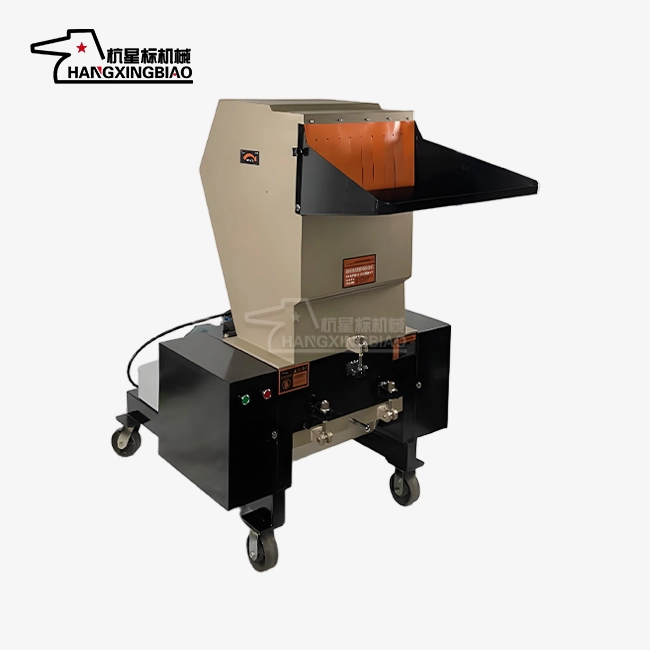
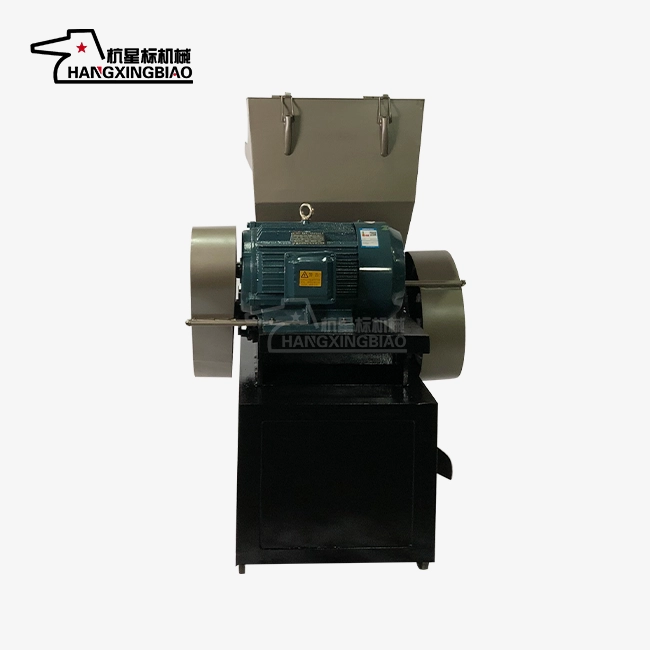
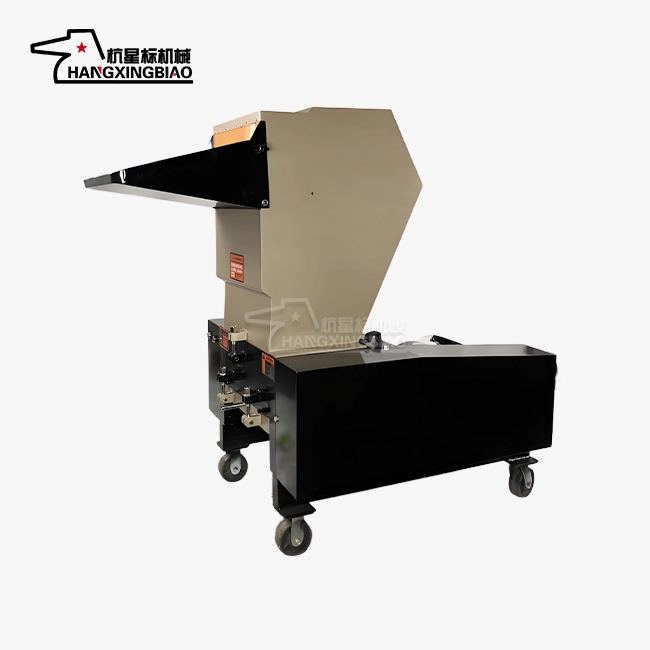
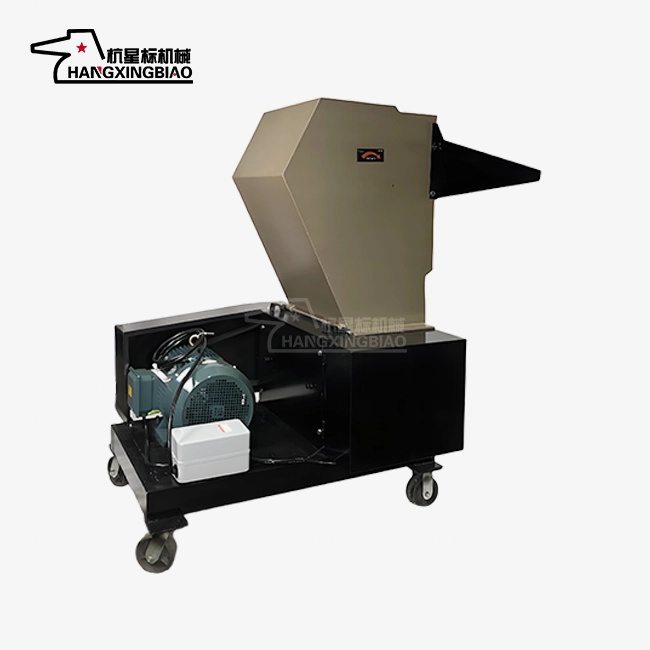
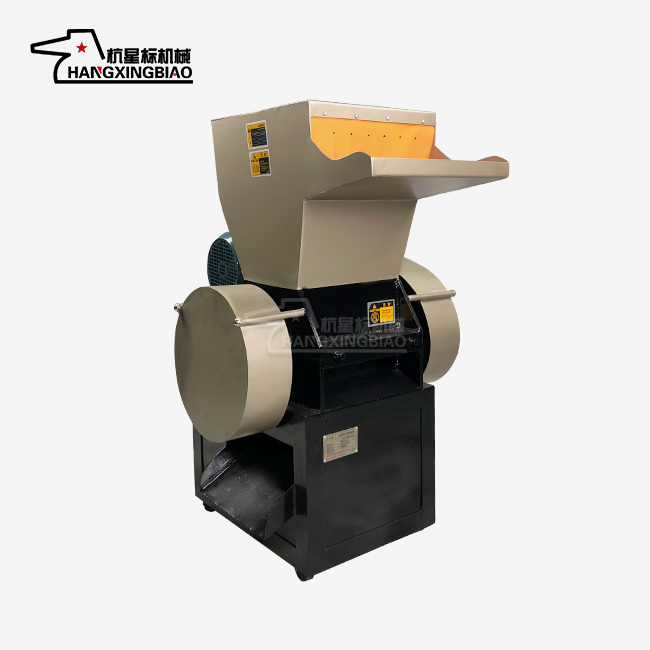
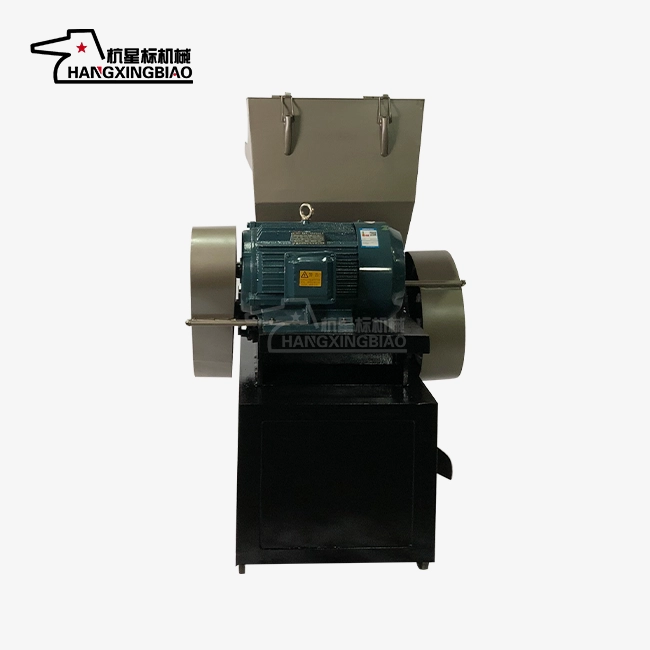
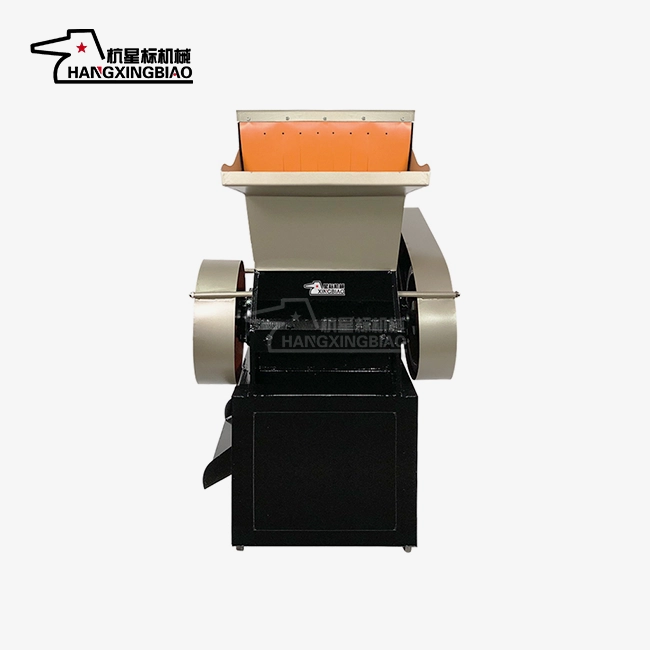
Hangzhou Xingbiao Machinery Co., Ltd. is ready to help you process your materials because they have engineers who specialize in breaking technology for 30 years. Our equipment is used for a wide range of tasks, from recycling building waste to cutting down on industrial waste. It works well and comes with full expert support. As a company that has been making Industrial Crushers for a long time, we know the problems that processing plants and removal companies all over North America have with production.
Our breaking systems are made of high-strength steel and have high-quality wear parts that can handle rough disposal sites. With processing speeds ranging from 50 kg/h to 10 tons/h, all kinds of jobs can be done. Whether you're in charge of handling construction and demolition trash on-site or running a recycling center, we can come up with solutions that work with the materials you have and the amount of waste you need to process. Contact our team at xingbiaocrusher@xingbiaocrusher.com to talk about how our Industrial Crushers can help you run your business more efficiently, cut down on handling costs, and get more material back. We offer detailed technical advice, help with installation, and continued support to make sure that your equipment gives you the most value over its entire life.

References
1. Smith, J.R. & Thompson, M.K. (2021). "Construction and Demolition Waste Management: Processing Technologies and Economic Analysis." Journal of Sustainable Construction Materials, 15(3), 178-195.
2. National Demolition Association. (2020). "Best Practices Guide for Onsite Material Processing in Demolition Projects." NDA Technical Publication Series, Chicago, IL.
3. Martinez, L.A. (2022). "Comparative Analysis of Jaw and Cone Crusher Performance in Mixed C&D Waste Applications." International Journal of Mineral Processing Equipment, 44(2), 203-218.
4. Environmental Protection Agency. (2021). "Recycling Construction and Demolition Materials: Equipment and Process Guidelines." EPA Report 530-R-21-004, Washington, DC.
5. Henderson, P.W. & Collins, R.T. (2020). "Mobile Crushing Systems: Technical Evolution and Field Performance Data from Urban Demolition Sites." Construction Equipment Technology Review, 28(4), 56-74.
6. Industrial Minerals Association of North America. (2022). "Recycled Aggregate Production Standards and Quality Specifications for Construction Applications." IMAN Technical Guideline 12-2022, Alexandria, VA.
Learn about our latest products and discounts through SMS or email