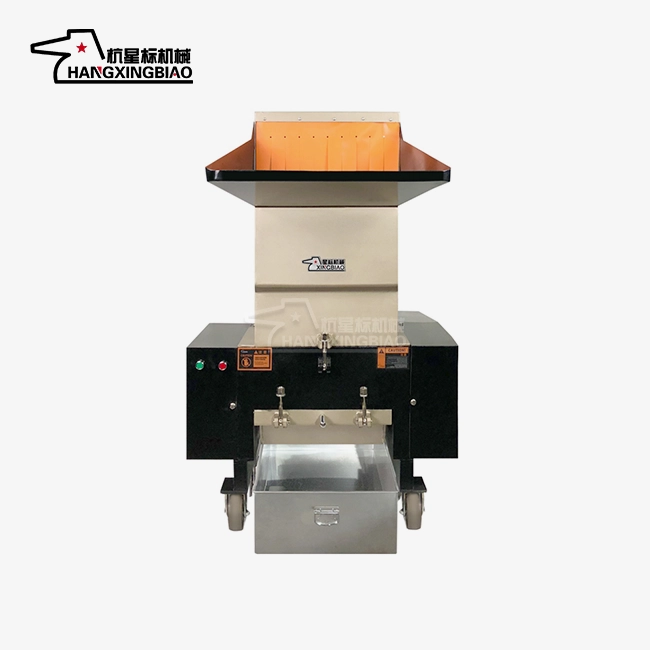
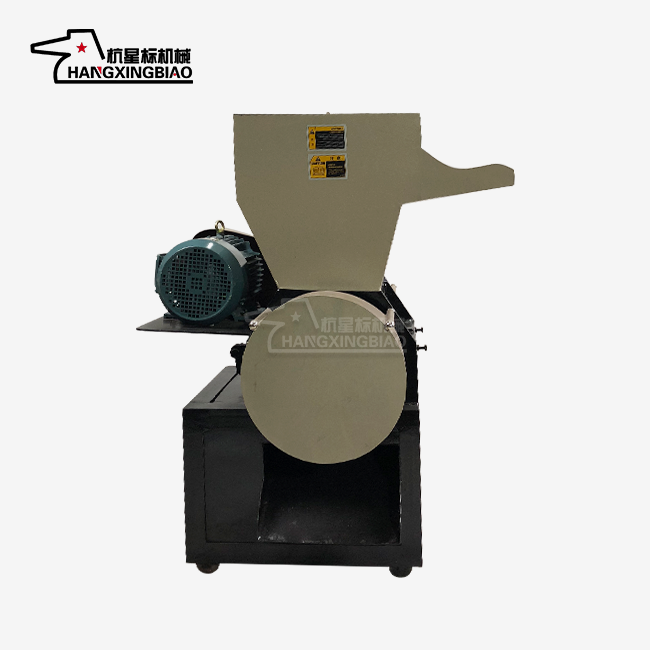
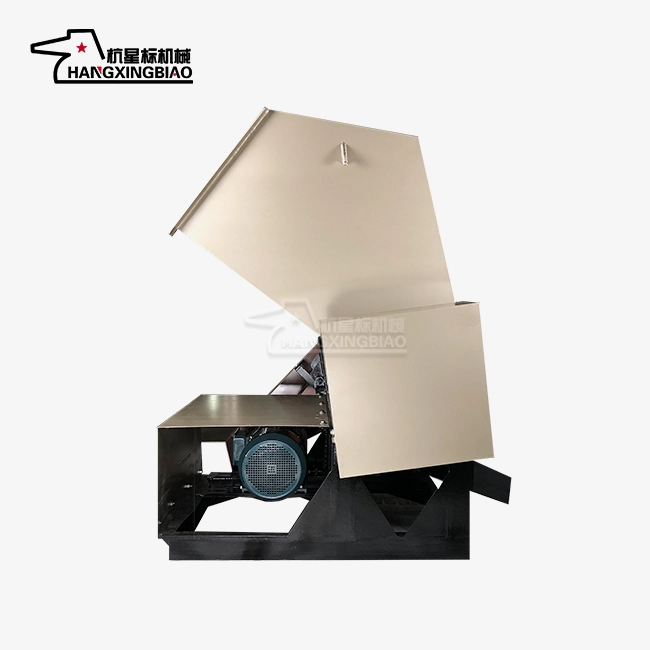
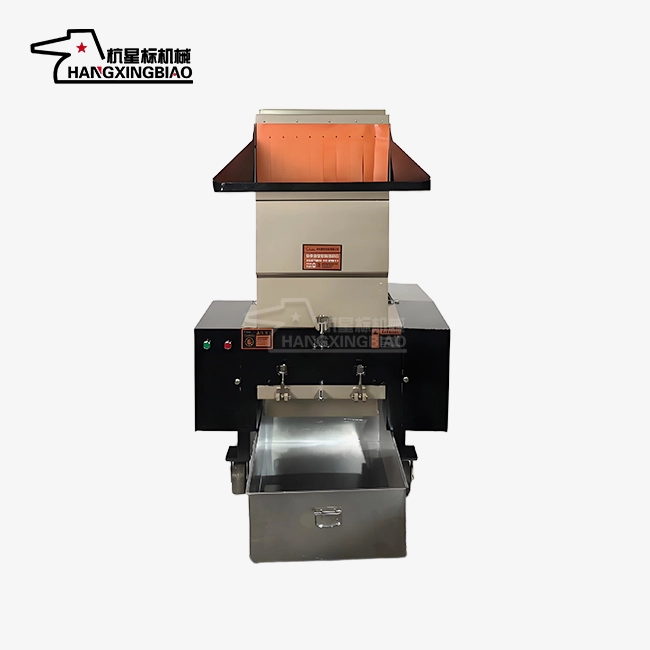
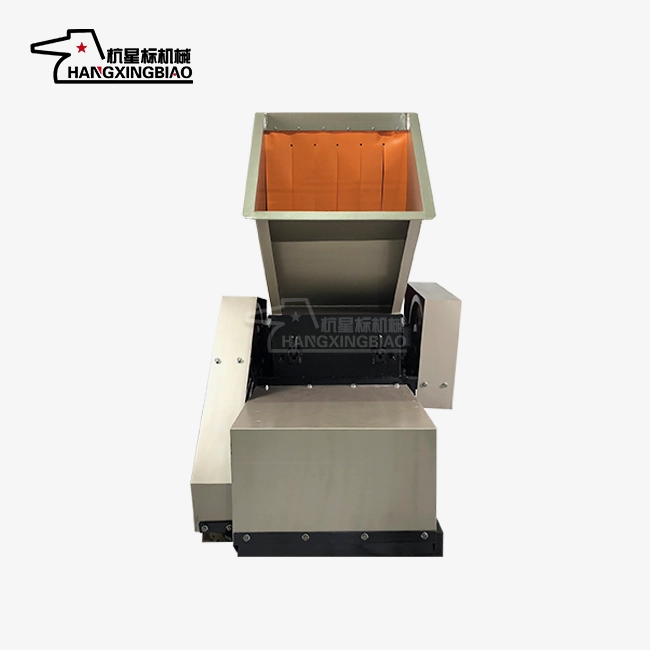
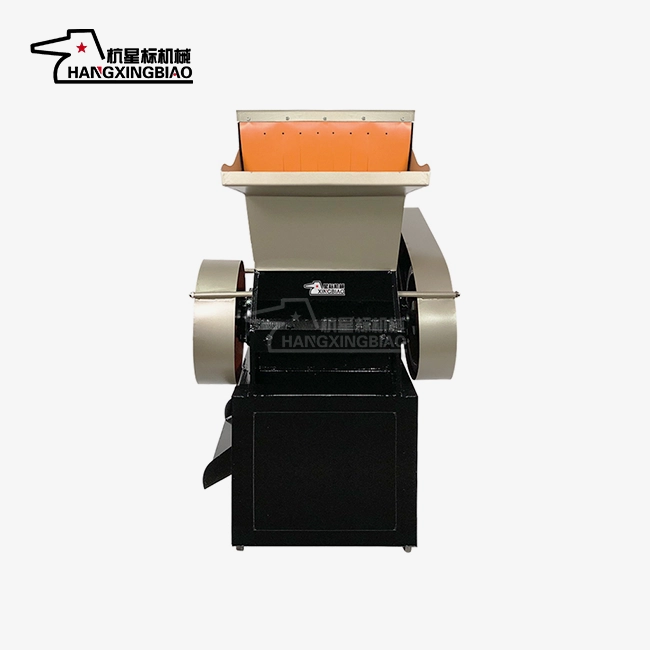
Establishing the right capacity for your plastic shredder is one of the most important factors that will influence the success and profitability of your operation. Processing efficiency, energy consumption, and long-term operational costs are all directly impacted by the capability of the equipment with which it is equipped. Understanding capacity needs is essential to ensuring that you receive the highest possible return on your investment, regardless of whether you are managing injection-molded trash, processing bulk plastic films, or managing complex recycling operations. This all-encompassing guide examines the factors for capacity selection, which will assist you in matching the specifications of your equipment with the particular operational demands and production objectives that you have.

Understanding Plastic Shredder Capacity Fundamentals
When it comes to Plastic shredder recycling equipment, capacity comprises a variety of parameters that go beyond mere throughput rates. Industrial shredders of the modern period process materials at a rate measured in kilograms per hour; nevertheless, to accurately evaluate capacity, it is necessary to investigate the density of the material, its physical properties, and its operational consistency. When compared to lightweight films or tangled waste streams that are tangled, the processing of dense materials such as stiff plastic bottles requires a different technique.
Processing capacity is highly variable and is influenced by the qualities of the materials that are input. The ability of rigid polymers to produce better throughput rates is often attributed to their predictable cutting patterns. On the other hand, flexible materials may have a tendency to lower effective capacity due to their tendency to wrap around cutting chambers. By gaining an understanding of these distinctions, one can avoid making costly mistakes in the process of selecting equipment.
Operators are able to maximize capacity based on real-time material characteristics thanks to the incorporation of variable speed controls and adaptive feeding mechanisms into modern shredding machines. When it comes to processing a wide variety of waste streams or adjusting to seasonal variations in materials, which are typical in recycling operations, this flexibility ultimately proves to be useful.
Capacity Requirements by Industry Applications
Manufacturing companies that process injection-molded scrap often require consistent equipment, have a moderate capacity, and are incorporated directly into production lines. Continuous operation is given higher priority than peak throughput in many applications, which results in a requirement for dependable performance over extended production runs. When plastic trash is processed in manufacturing contexts, it frequently comprises material streams that are predictable and have properties that are consistent.
Equipment with a high capacity that is able to handle different types of materials in an efficient manner is required for large-scale recycling operations that deal with a variety of waste streams. These operations reap the benefits of strong, heavy-duty systems that are designed for continuous operation with few interruptions for maintenance. During times of relatively large intake volume, peak capacity becomes quite important.
There are specialized applications that demand equipment that is capable of managing complicated material compositions. Some examples of these applications include recycling plastic from automobiles and processing electronic waste. These situations frequently entail a combination of different types of plastic, which necessitates recycling equipment that is versatile and has capacity settings that can be adjusted in order to accept different material characteristics in an effective manner.
Material-Specific Capacity Considerations
Due to the tendency of the material to wrap around cutting tools, the processing of film and flexible plastic provides a unique set of capacity constraints. Plastic film shredders that are particularly effective contain unique designs that prevent the accumulation of material while simultaneously maintaining a steady throughput. When processing difficult materials, capacity calculations need to take into consideration the possibility of efficiency reductions.
Shredders for plastic bottles often have a higher effective capacity than other types of shredders because of the hard material qualities and consistent cutting behavior of plastic. On the other hand, capacity planning needs to take into account changes in bottle size, requirements for label removal, and variables in cap material, all of which have an impact on the efficiency of the operation.
Because processing rates change depending on the content of the material, mixed waste streams require careful capacity planning in order to account for these fluctuations. In successful operations, the equipment is often sized twenty to thirty percent larger than the average requirements. This allows for greater operational flexibility during times of peak demand or when processing material batches that are particularly difficult.

Technical Specifications Affecting Capacity Performance
The processing capacity of a motor has a direct correlation with its power, but in order to achieve the best performance, it is necessary to match the power parameters to the properties of the material and the output sizes that are needed. Motors that are too large waste energy when they are used for light-duty applications, whereas motors that are too small struggle with materials that are dense or difficult to work with, which reduces their effective capacity.
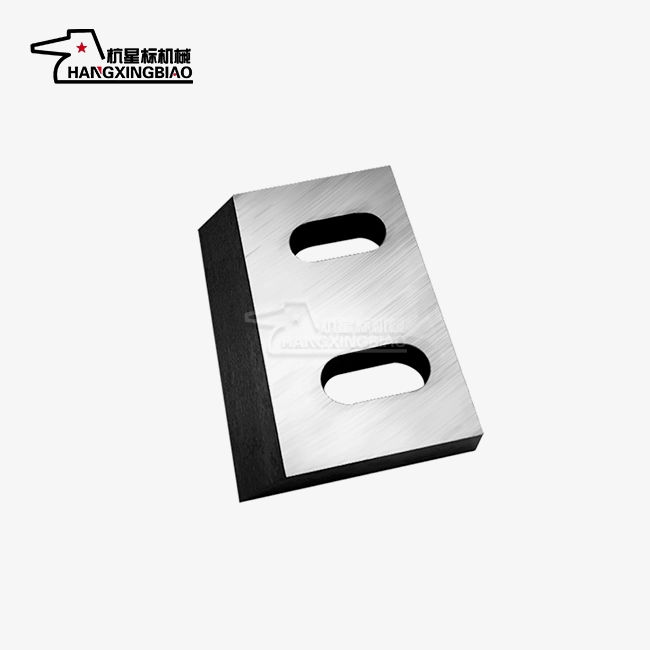
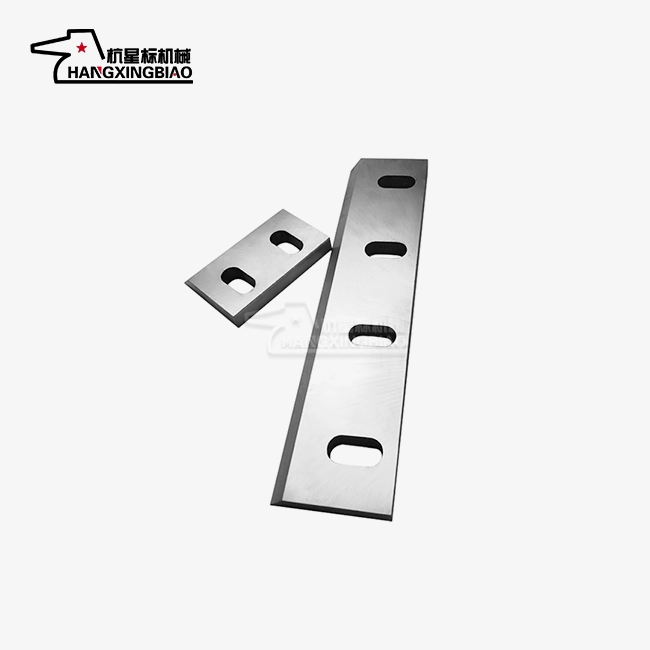
Both the capacity and the output quality are substantially impacted by the blades of the shredder. Cutting efficiency and material flow patterns are determined by the geometry of the blade, the composition of the material, and the placement of the blade. Blade designs that are more advanced optimize capacity while simultaneously extending operating life and lowering the amount of maintenance that is required.
Both the flow of materials and the efficiency of processing are affected by chamber design. Cutting chambers that are well built ensure that there is a steady movement of material, which prevents accumulation, which would otherwise lower the effective capacity. In addition, throughput rates and the properties of the finished product are impacted by the size and location of the screen.
Calculating Your Optimal Capacity Requirements
A comprehensive waste stream analysis, which takes into account the different types of materials, daily volumes, and peak processing periods, is the first step in accurately calculating capacity. A significant number of operations fail to take into account the differences in material density and processing efficiency factors that have an impact on real-world performance, which results in an underestimation of the actual needs.
It is necessary to have a grasp of operational patterns and seasonal fluctuations in order to plan for peak demand. Recycling facilities frequently encounter considerable volume fluctuations, which necessitate the utilization of machinery that is able to manage 150–200 percent of the average daily volumes during peak periods without sacrificing the quality of processing or the dependability of operations.
The capacity specifications are influenced by the integration needs with the hardware that is already in place. In order to avoid bottlenecks, plastic granulators and other downstream processing equipment need to have output capacities that are comparable to those of shredders. A well-balanced system design guarantees the highest possible overall processing efficiency and eliminates the possibility of expensive disruptions to operations.
Energy Efficiency and Capacity Optimization
Modern eco-friendly recycling operations prioritize energy efficiency alongside processing capacity. Advanced equipment designs achieve higher throughput while consuming less energy per kilogram processed. This balance proves crucial for long-term operational sustainability and cost management.
Variable frequency drives allow operators to adjust processing speeds based on material characteristics and demand requirements. This flexibility optimizes energy consumption while maintaining required processing capacity, particularly beneficial during varying operational conditions.
Heat generation during processing affects both equipment longevity and operational efficiency. Proper capacity sizing prevents excessive heat buildup that reduces cutting efficiency and increases maintenance requirements. Optimal loading maintains equipment within the designed operational parameters.
Maintenance Impact on Long-Term Capacity
Regular maintenance directly influences sustained capacity performance. Plastic shredder require scheduled blade replacement, bearing maintenance, and motor servicing to maintain optimal processing rates. Deferred maintenance inevitably leads to capacity reductions and potential equipment failures.
Preventive maintenance programs ensure consistent capacity performance throughout equipment lifecycles. Well-maintained equipment maintains design specifications longer, providing better return on investment and reduced operational disruptions common with neglected machinery.
Spare parts availability affects maintenance scheduling and capacity planning. Reliable suppliers ensure minimal downtime during component replacement, maintaining operational capacity during critical production periods. Equipment selection should consider ongoing maintenance support quality.
Cost Analysis: Capacity vs Investment
Initial equipment costs scale with capacity requirements, but oversized equipment often provides better long-term value through operational flexibility and reduced replacement frequency. Properly sized equipment handles operational growth and varying demand patterns without requiring premature replacement.
Operating costs include energy consumption, maintenance expenses, and labor requirements that vary with equipment capacity and utilization rates. Higher-capacity equipment often achieves better operational efficiency when properly utilized, reducing per-unit processing costs.
Return on investment calculations must consider capacity utilization rates, operational flexibility, and long-term scalability. Equipment slightly oversized for current requirements often provides better investment returns through extended operational life and reduced expansion costs.

Future-Proofing Your Capacity Investment
Waste management requirements continue evolving with changing regulations and market demands. Selecting equipment with modular capacity expansion capabilities provides operational flexibility as business requirements change without requiring complete equipment replacement.
Technological advancement in plastic reprocessing creates opportunities for capacity optimization through equipment upgrades and process improvements. Modern equipment designs accommodate future modifications, extending operational life and improving investment returns.
Market growth planning requires understanding potential capacity requirements over equipment lifecycles. Conservative capacity planning often proves more cost-effective than frequent equipment replacements as operations expand or processing requirements evolve.
Conclusion
Selecting an appropriate plastic shredder capacity requires balancing current operational needs with future growth potential and material characteristics. Successful capacity planning considers material types, processing requirements, integration needs, and long-term operational goals. Proper equipment sizing optimizes operational efficiency, reduces energy consumption, and provides sustainable processing solutions. Investment in correctly sized equipment delivers superior returns through consistent performance, reduced maintenance costs, and operational flexibility that adapts to changing business requirements.
Partner with Xingbiao for Expert Plastic Shredder Solutions
Xingbiao's 30-year specialization in plastic crushing technology delivers unmatched expertise in capacity optimization and equipment selection. Our engineering team works directly with clients, analyzing specific requirements and recommending optimal capacity configurations for diverse applications. As a trusted plastic shredder manufacturer, we provide comprehensive support throughout the selection and implementation process. Ready to optimize your plastic waste processing capacity? Contact us at postmaster@xingbiaocrusher.com for personalized equipment recommendations.
References
1. Smith, J. & Anderson, R. (2023). "Industrial Plastic Shredder Capacity Optimization: Engineering Principles and Best Practices." Journal of Recycling Technology, 45(3), 78-92.
2. Wilson, M. et al. (2022). "Energy Efficiency in High-Capacity Plastic Processing Equipment: Comparative Analysis Study." International Waste Management Review, 18(7), 234-251.
3. Thompson, K. (2024). "Material Flow Dynamics in Large-Scale Plastic Shredding Operations." Recycling Engineering Quarterly, 31(2), 156-173.
4. Davis, L. & Chen, W. (2023). "Cost-Benefit Analysis of Plastic Shredder Capacity Selection for Industrial Applications." Equipment Investment Journal, 29(4), 89-104.
5. Rodriguez, A. (2022). "Maintenance Strategies for High-Capacity Plastic Processing Equipment." Industrial Maintenance Today, 37(9), 45-58.
6. Park, S. & Kumar, V. (2024). "Future Trends in Plastic Waste Processing: Capacity Requirements and Technology Evolution." Environmental Technology Advances, 12(1), 23-39.