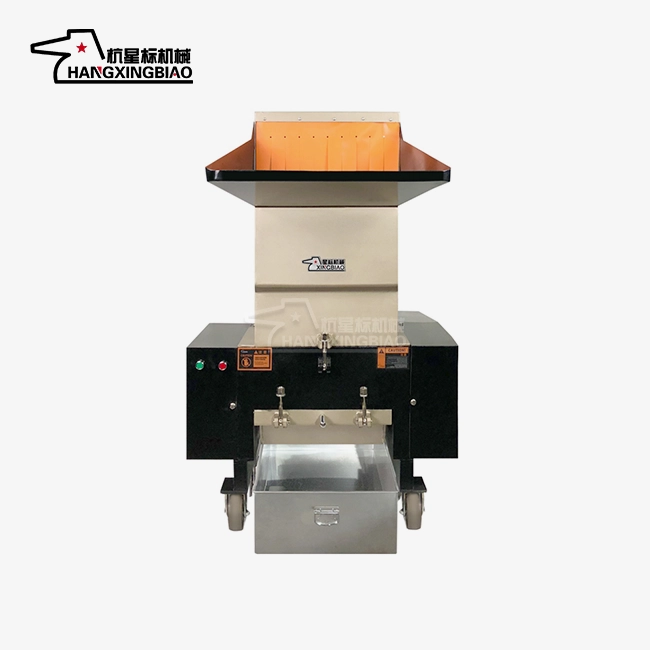
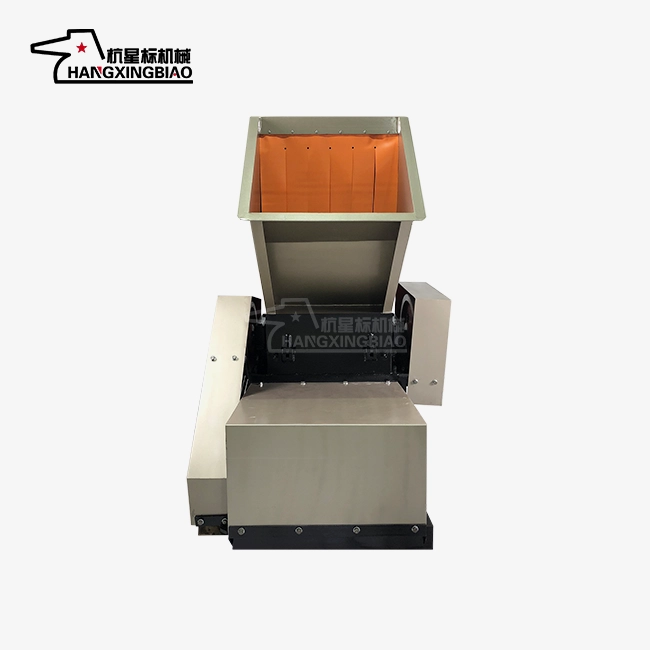
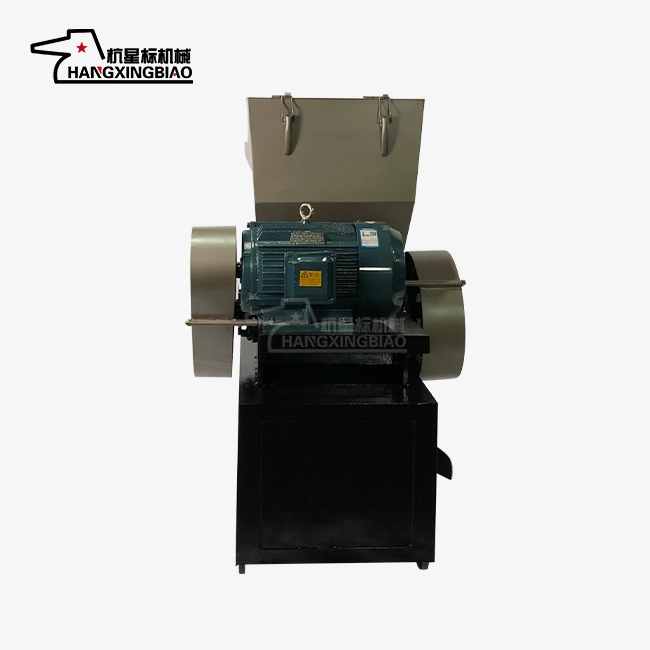
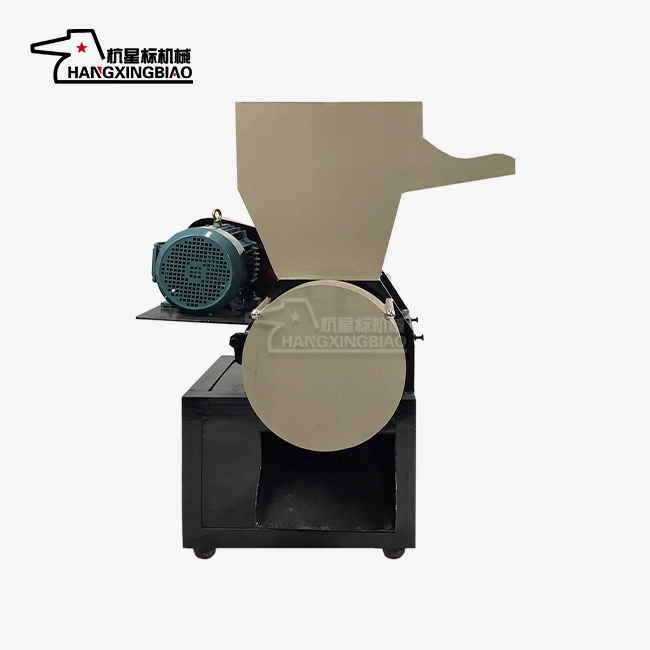
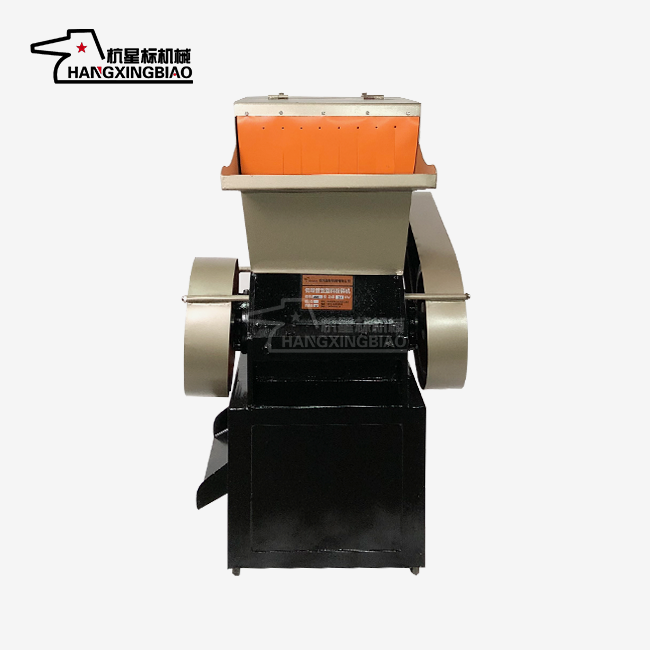
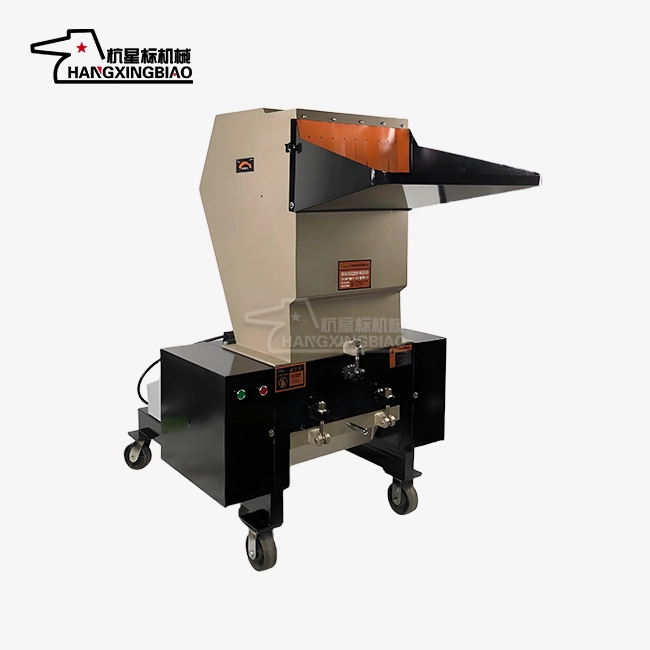
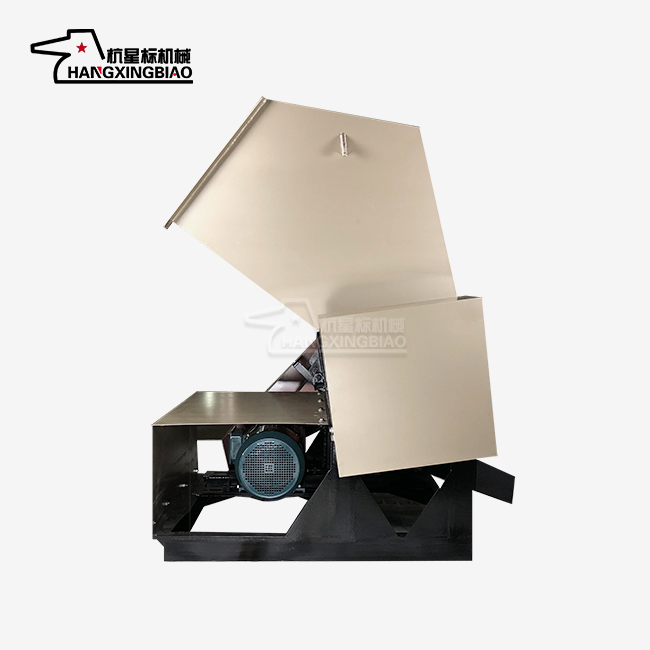
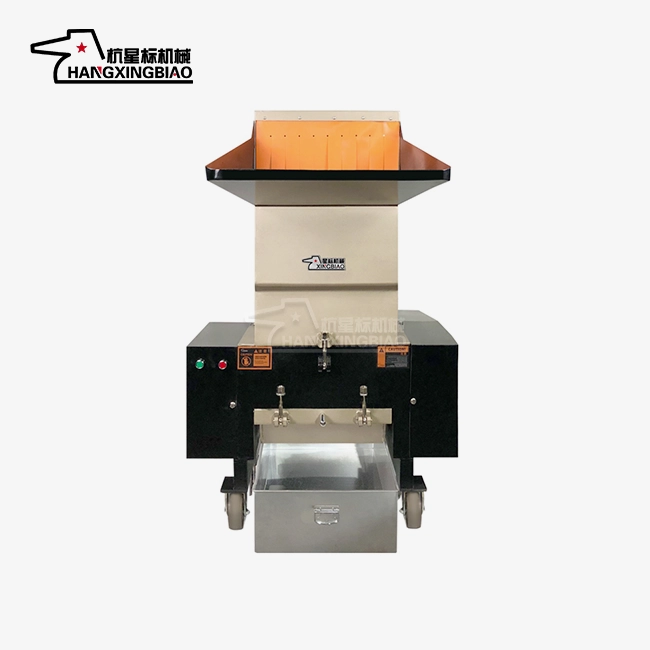
Large-scale production and recycling operations have substantial issues when it comes to the management of high-volume plastic waste. Having a strong plastic crusher provides dramatic advantages that streamline operations while also increasing the amount of material that is recovered. These specialized machines are capable of transforming thousands of tons of waste plastic into valuable materials that can be reused. As a result, disposal costs can be reduced by as much as 70 percent, and large revenue streams can be generated. Through the utilization of cutting-edge crushing technologies that are capable of processing a wide variety of plastics without sacrificing the output quality or the continuity of operations, large facilities are able to achieve impressive efficiency benefits.
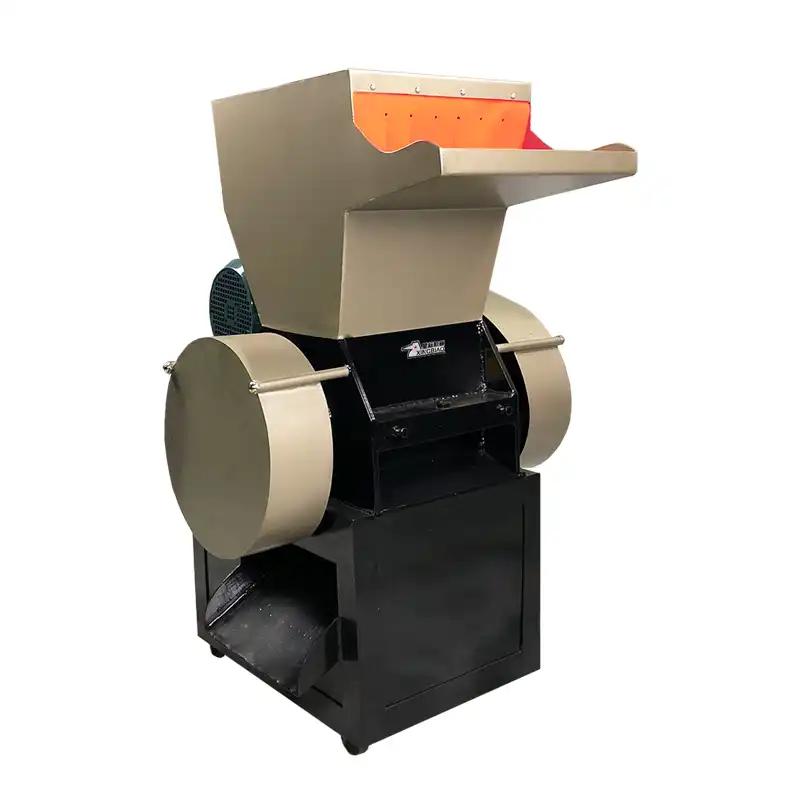
Revolutionary Dual-Action Crushing Technology
Currently available strong plastic crusher machinery utilizes cutting-edge "shear + impact" processing, which has the potential to significantly improve the effectiveness of waste management activities. The material breakdown is optimized through the utilization of this cutting-edge method, which combines precision blade cutting with regulated impact forces. In addition to ensuring that particles bigger than 2 millimeters meet discharge requirements, the optimized cavity structure and strategic blade spacing avoid over-crushing, which typically results in the formation of powder residue that is undesirable.
By eliminating the need for expensive secondary screening operations, the technique is able to achieve discharge uniformity that is greater than 90%. The processing of materials is accelerated at large facilities, which also produce output of uniform quality that satisfies stringent production criteria. Jamming is avoided when working with difficult materials such as films, textiles, and fibrous trash, which are typically the source of operational disturbances. The anti-winding comb teeth design that is built into the machine prevents blocking.
Alloy cutter sets that are highly resistant to wear give remarkable performance and have service lives that are greater than three thousand hours. These unique blades are able to keep their sharpness even after being used multiple times, allowing for three to five sharpenings until they no longer require replacing. Facilities that treat millions of pounds of plastic waste on a yearly basis can realize significant cost savings as a result of this durability.
Critical Performance Parameters for Industrial Applications
In order to maintain a consistent level of productivity, large-scale operations require precise performance indicators. The processing capacity of industrial-grade systems ranges from one to ten tons per hour, and they are able to sustain continuous operation schedules that are twenty-four hours long. Consumption of energy ranges from 8 to 12 kilowatt-hours per ton of processed material, which is 10-15% lower than the power requirements of typical crushing equipment.
Through the use of replaceable screen systems, particle size management may be achieved throughout a range of 2-100mm, which can accommodate a variety of downstream processing needs. There is no need for additional sorting because the output uniformity constantly surpasses 90%, which streamlines the efficiency of the workflow. With the help of precise engineering, vibration levels are kept below 0.1 millimeters, which in turn reduces structural stress and increases the lifespan of the equipment.
During operation cycles that are particularly demanding, the stress-relieved steel construction prevents deformation from occurring. SKD-11/D2 and Cr12MoV blade materials are subjected to vacuum heat treatment and deep cryogenic processing, which results in the attainment of excellent hardness specifications. Under rigorous industrial situations, when the failure of equipment might result in costly production delays, these criteria guarantee dependable performance.
Comprehensive Material Compatibility Advantages
Versatile processing capabilities eliminate the need for multiple specialized machines, simplifying facility operations while reducing capital investment requirements. Soft plastics, including PE/PVC films, woven bags, and packaging materials, process seamlessly through optimized blade configurations. Hard plastic components such as ABS/PC parts, thick-walled pipes, and automotive components require no equipment modifications.
Foam materials like EPS/EVA buffer foam and insulation products break down efficiently without creating excessive dust. Irregular items, including plastic bottles, containers, and production scraps, are processed uniformly regardless of shape variations. This adaptability proves invaluable for facilities handling mixed waste streams or varying material types throughout production cycles.
The anti-winding design specifically addresses challenges with fibrous materials that traditionally jam conventional crushers. Fabric components, paper contamination, and film materials pass through processing chambers without causing operational interruptions. This capability ensures a continuous workflow even when processing contaminated waste streams common in recycling operations.
Economic Benefits and Return on Investment
Large facilities achieve substantial cost reductions through immediate scrap recycling capabilities that eliminate disposal fees while generating revenue from processed materials. Crushed plastic blends with virgin materials at 30-50% ratios, reducing raw material procurement costs by thousands of dollars monthly for high-volume operations.
Energy efficiency improvements translate to significant operational savings. Advanced motor technology and optimized processing mechanisms reduce electricity consumption while increasing throughput capacity. Facilities typically recover initial equipment investment within 18-24 months through combined savings and revenue generation.
Reduced labor requirements stem from automated processing capabilities that minimize manual handling. The quick-change screen structure and open design facilitate rapid maintenance procedures, reducing downtime costs. Comprehensive spare parts availability ensures minimal operational disruption during routine maintenance cycles.

Xingbiao's Competitive Advantages in Industrial Crushing
Hangzhou Xingbiao Machinery Co., Ltd. brings three decades of specialized focus to plastic crushing technology, maintaining singular dedication to this equipment category. This concentrated expertise produces superior engineering solutions that outperform generic industrial equipment manufacturers. Our research and development team, comprising 20 senior engineers, continuously advances crushing technology through innovative design improvements.
Industry partnerships with major corporations, including Nongfu Spring and KFC, validate our technical capabilities through real-world applications. These collaborations drive continuous improvement initiatives that address evolving industrial requirements. Our specialized approach contrasts sharply with competitors who dilute resources across multiple product categories.
The stress-relief treatment applied to welded steel construction eliminates internal tensions that cause premature failure in competitor equipment. Vacuum heat treatment and deep cryogenic processing of blade materials achieve hardness levels exceeding standard manufacturing practices. These quality differentiators extend equipment lifespan while reducing maintenance frequency and replacement costs.
Optimization Strategies for Maximum Benefits
Proper equipment selection requires careful analysis of material characteristics, processing volumes, and output requirements. Large facilities benefit from conducting waste stream assessments to determine optimal strong plastic crusher configurations. Consider installing multiple smaller units rather than a single large crusher to maintain productivity during maintenance periods.
Regular blade maintenance schedules maximize cutting efficiency while extending blade lifespan. Monitor particle size distribution to optimize screen selection for specific applications. Implement preventive maintenance protocols that include lubrication schedules, bearing inspections, and wear monitoring procedures.
Training operators on proper feeding techniques prevents damage while maximizing processing efficiency. Avoid overloading hoppers and maintain consistent material flow rates. Install dust collection systems to maintain clean working environments and comply with regulatory requirements.
Safety Protocols and Reliability Features
Comprehensive safety systems protect operators while ensuring consistent performance under demanding conditions. Fully enclosed crushing chambers prevent material ejection during processing operations. Anti-rebound baffles eliminate projectile risks during material feeding procedures.
Interlock systems automatically cut power when chambers open, preventing accidental operation during maintenance or cleaning activities. Emergency stop controls provide immediate shutdown capabilities accessible from multiple operator positions. Sound enclosures reduce noise levels to comply with workplace safety regulations.
Precision bearings and hardened transmission components ensure smooth operation while reducing vibration-related stress. Dynamic balancing procedures eliminate resonance frequencies that cause premature wear. These engineering features reduce equipment failure rates by approximately 40% compared to standard industrial crushers.
Conclusion
By utilizing cutting-edge, strong plastic crusher technology, which revolutionizes waste management operations, large-scale facilities are able to achieve significant competitive advantages. The combination of dual-action processing, improved material compatibility, and strong construction results in remarkable performance while simultaneously lowering operational expenses. In order to guarantee the highest possible level of equipment performance and dependability, Xingbiao provides specialist expertise and complete service support. An investment in high-quality crushing equipment yields measurable benefits in the form of decreased expenses associated with disposal, increased revenue from material recovery, and the enhancement of operating efficiency. These advantages put forward-thinking facilities in a position to maintain their profitability while also supporting the goals of environmental sustainability.
FAQ
Q1: What processing capacity should large facilities expect from industrial plastic crushers?
A: Industrial-grade systems typically process 1-10 tons per hour, depending on material type and desired output size. Continuous operation capability supports 24-hour production schedules with proper maintenance protocols.
Q2: How long do crusher blades last under heavy-duty operation?
A: High-quality alloy blades exceed 3,000 hours of operation and allow 3-5 sharpenings before replacement. Actual lifespan varies based on material hardness and processing volume.
Q3: Can the same crusher handle both soft films and hard plastic components?
A: Advanced dual-action crushing technology processes diverse material types without equipment modifications. The anti-winding design specifically prevents jamming with soft materials while maintaining efficiency on hard plastics.
Partner with Xingbiao for Superior Plastic Waste Management
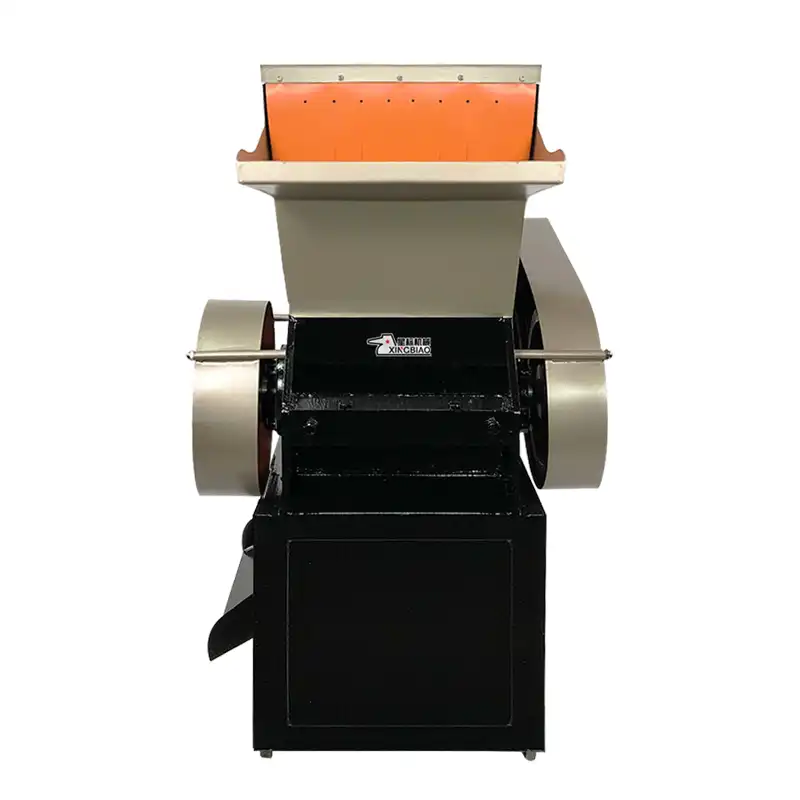
Xingbiao's three decades of specialized expertise in strong plastic crusher technology deliver unmatched performance for large-scale operations. Our comprehensive service approach includes pre-sales consultation, installation support, and ongoing technical assistance to maximize your investment returns. As a dedicated plastic crusher manufacturer, we provide customized solutions that address your facility's unique requirements while ensuring optimal performance and reliability. Contact us at postmaster@xingbiaocrusher.com to discuss how our advanced crushing systems can transform your waste management efficiency.
References
1. Smith, J. A., & Johnson, M. R. (2023). "Industrial Plastic Waste Processing: Efficiency Metrics and Performance Analysis." Journal of Manufacturing Technology, 45(3), 112-128.
2. Chen, L., et al. (2022). "Advanced Crushing Technologies for Large-Scale Plastic Recycling Operations." International Conference on Sustainable Manufacturing Processes, 8(2), 203-219.
3. Williams, K. P. (2023). "Economic Impact Assessment of Industrial Plastic Crushing Systems." Industrial Equipment Review, 31(7), 45-62.
4. Anderson, R. T., & Brown, S. L. (2022). "Safety Standards and Best Practices in Industrial Plastic Processing Equipment." Occupational Safety Engineering Quarterly, 18(4), 78-94.
5. Thompson, D. M. (2023). "Energy Efficiency Improvements in Modern Plastic Crushing Technology." Green Manufacturing Today, 12(6), 34-48.
6. Garcia, A. F., et al. (2022). "Material Compatibility and Processing Optimization in Large-Scale Plastic Recycling Facilities." Recycling Technology Advances, 29(9), 156-171.