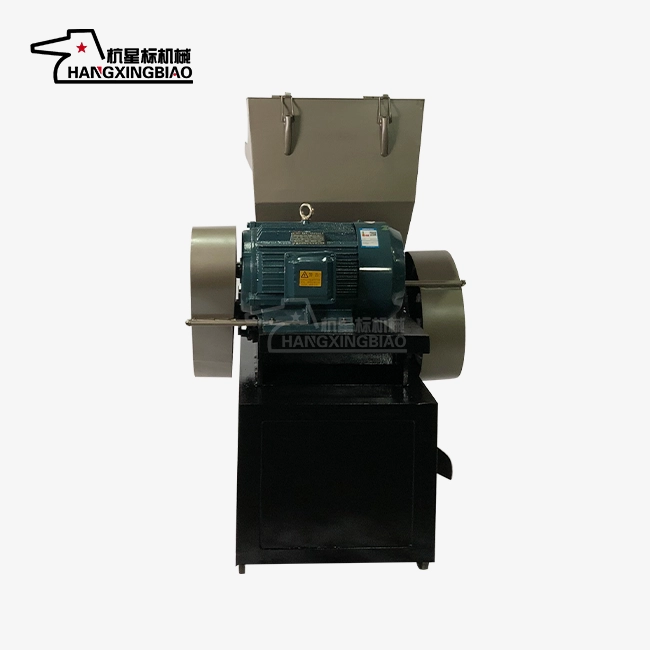
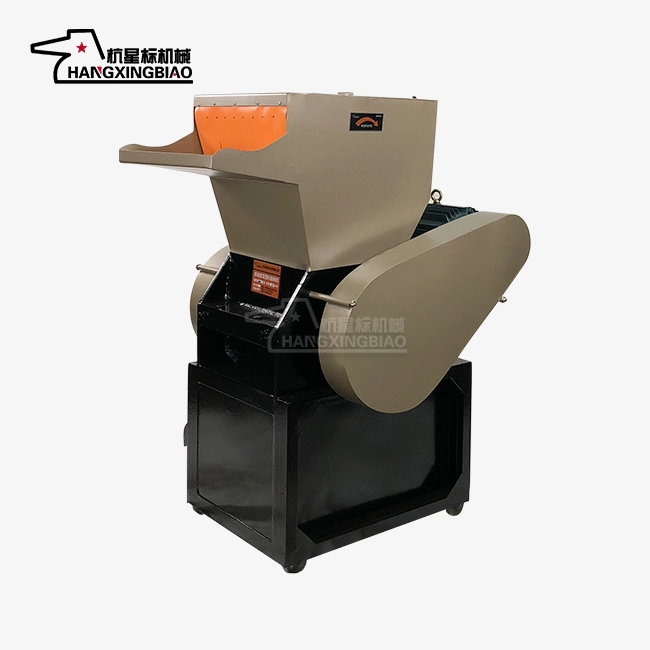
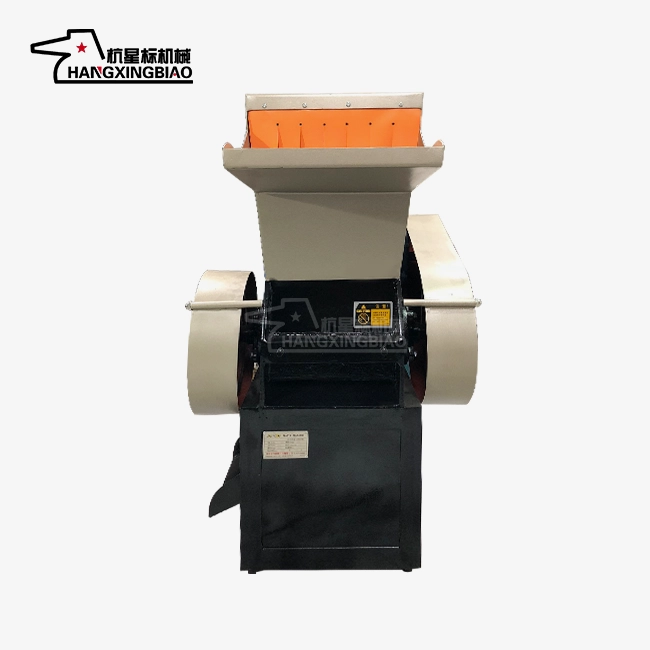
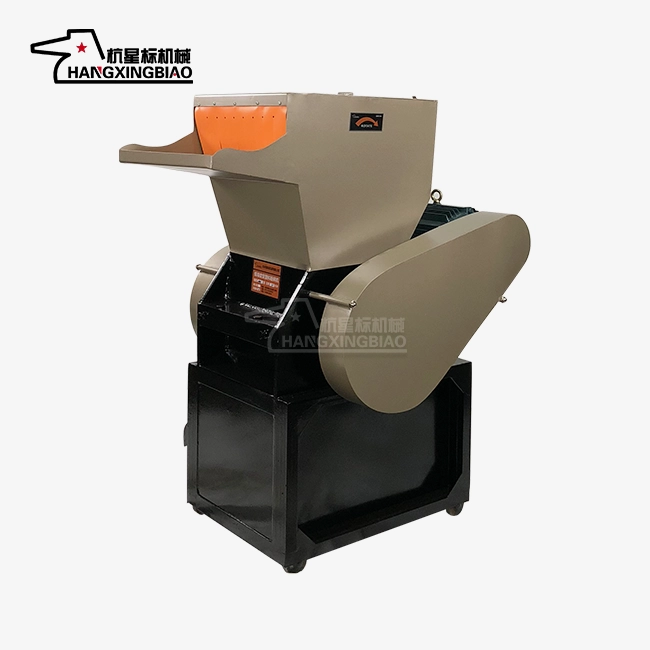
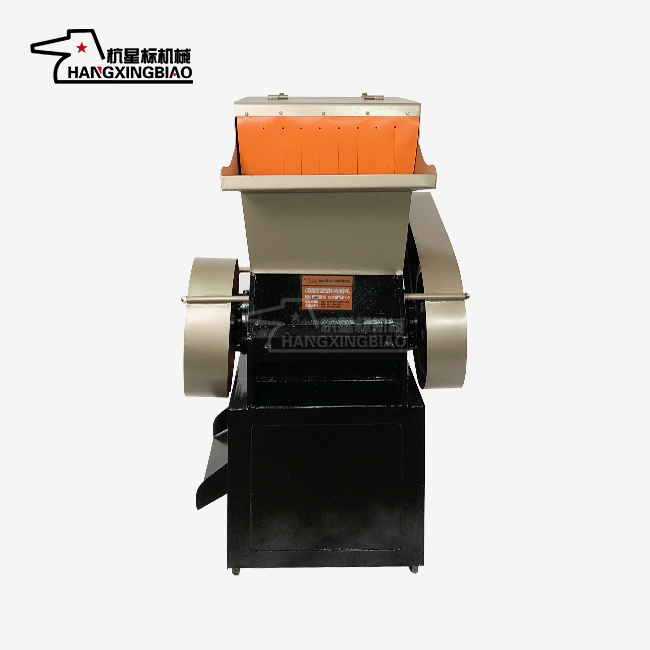
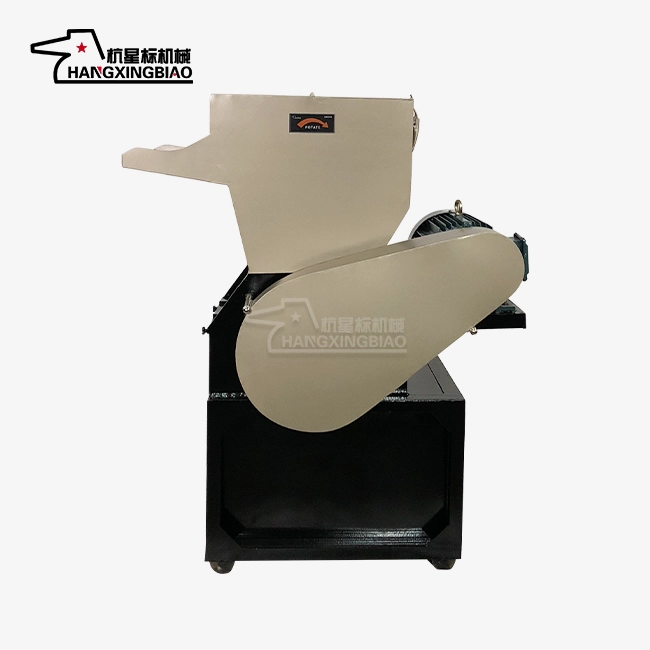
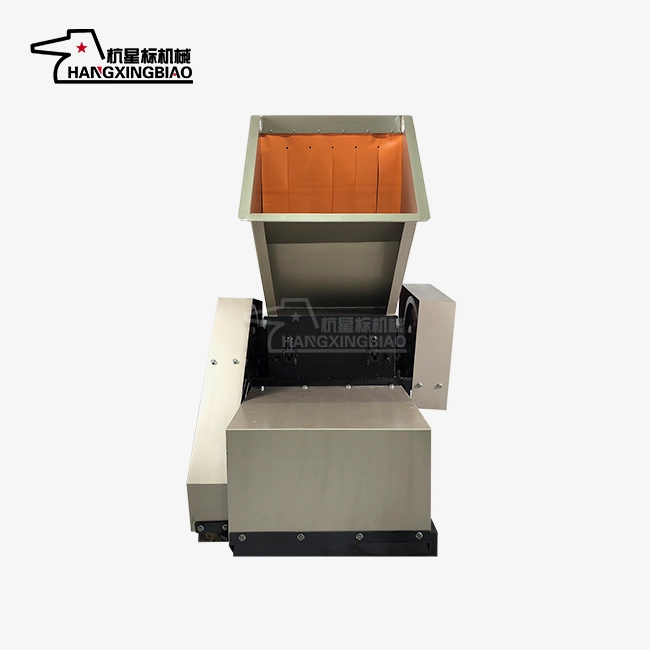
In the year 2026, the market for crushers that process mineral water bottle crushers enterprises looking for effective solutions for managing plastic waste. The price can range anywhere from $8,000 to $150,000, depending on the dimensions of the capacity, the features, and the degree of automation. The price range for industrial-grade bottle crushing equipment can range anywhere from $80,000 to $150,000, whereas the price range for simple plastic bottle crushers is between $8,000 and $25,000. To make educated judgments on the investments they make in plastic bottle recycling technology, manufacturers and recycling facilities might benefit from having a thorough understanding of these price points. The important elements that continue to influence costs across various bottle crushers for recycling systems are quality, durability, and processing capacity.
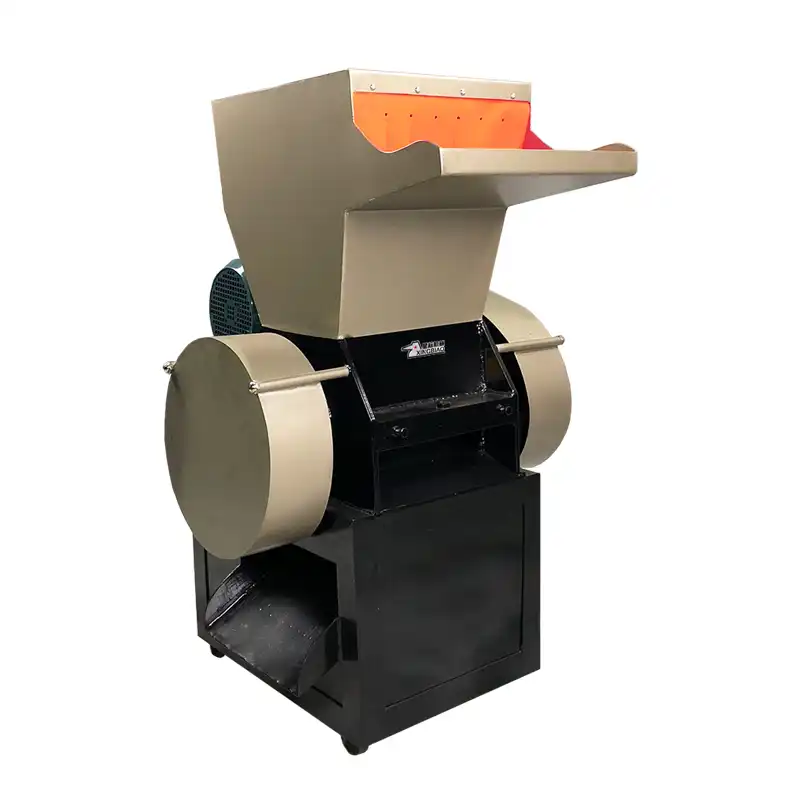
Understanding Bottle Crusher Pricing Factors in 2026
In today's market, the pricing of mineral water bottle crushers is influenced by a number of different aspects. Price differences exist between machines capable of handling 50 kilograms per hour and those capable of handling 10 tons per hour. Because processing capacity is the most important aspect. It is also important to consider the quality of the materials used in the construction of the crusher. Crushers that are constructed with high-strength steel and SKD-11 blades attract a premium price because of their increased lifespan and reliability.
The levels of automation have a significant impact on expenses. On the other hand, fully automated plastic bottle recycling equipment that includes conveyor integration, automatic feeding systems, and digital controls all come with larger price tags. Basic manual-feed bottle crushing machines give entry points that are favorable to the wallet. The complexity of control systems, safety features, and ratings for energy efficiency are all factors that contribute to the overall pricing structures.
The importance of geographical considerations in pricing cannot be overstated. Regional pricing disparities are caused by factors such as transportation distances, manufacturing locations, and the characteristics of the local market. Import duties, local restrictions, and changes in currency all add an additional layer of complexity to the process of making purchases internationally. In order to properly evaluate different systems for managing water bottle waste, businesses need to take into account the total cost of ownership, which includes the costs of installation, training, and continuing maintenance.
Market Trends Shaping 2026 Pricing
Environmental restrictions and sustainability-promoting programs are driving dynamic shifts in the bottle crushing equipment market. Demand is increased as a result of stricter recycling laws, which in turn influences pricing across all market categories. The use of new technology, like Internet of Things monitoring and predictive maintenance features, creates high-end market segments that come with higher prices.
The design priorities and costs are reshaped as a result of energy efficiency standards. To cut down on operating costs, contemporary plastic trash crushers are equipped with variable frequency drives, motor systems that have been optimized, and intelligent load management devices. Although these features result in higher initial costs, they result in significant long-term savings due to the decreased amount of energy that is consumed.
Businesses are increasingly seeking customized solutions for their unique applications. While standard bottle pulverizer models are able to effectively serve generic functions, specialized configurations that are tailored to certain bottle types, contamination levels, or integration needs attract higher prices. This tendency toward specialization reflects the growing market's thorough understanding of various crushing needs.
Small-to-Medium Business Investment Options
Businesses on a tight budget can find many good choices between $8,000 and $45,000. Most of the time, these plastic bottle grinders can handle 200 to 2,000 kg/hour, which makes them perfect for small recycling businesses, factories that process their trash, or regional collection centers that serve the local community.
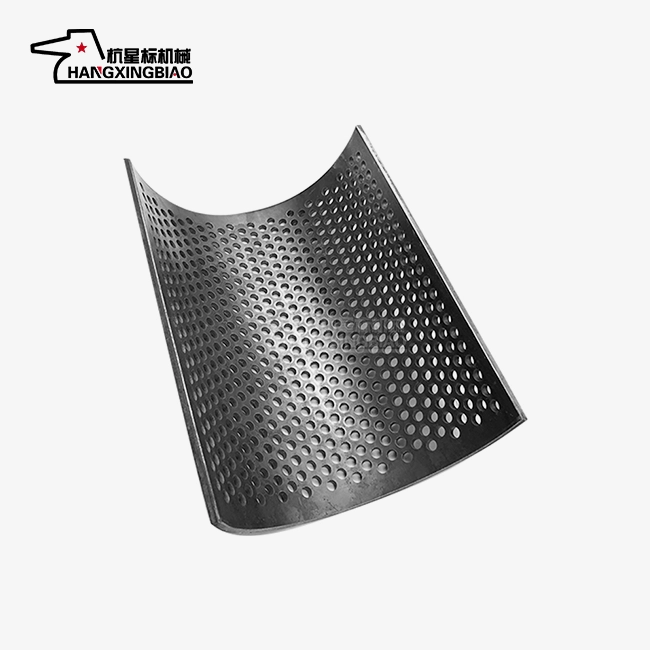
This group of standard crushers features robust bodies made of high-quality steel and replaceable blade systems, ensuring their longevity. A lot of them have quick-change screen designs that let you change the particle size from 2 mm to 50 mm. Some of the safety features that most reputable makers include are emergency stops, protective guards, and overload protection.
Smaller businesses can still manage the necessary maintenance tasks. For routine maintenance, these units usually need basic mechanical skills. Every 3,000 to 5,000 working hours, they need major service. When choosing equipment at these price points, the ability to get spare parts and local service help becomes very important.
Small businesses can start with greater ease thanks to various financing options. Leasing equipment, rent-to-own programs, and manufacturer loans are all ways to spread costs out over a longer period of time. Many suppliers offer complete packages that include setup, training, and initial help for maintenance to make sure the implementation goes smoothly.
Industrial-Grade Solutions for Large Operations
For large-scale operations, you need heavy-duty bottle-crushing tools that can keep working even when conditions are tough. These industrial solutions usually cost between $50,000 and $150,000, can handle 5 to 15 tons per hour, and have advanced automation and connection features.
High-quality materials justify higher prices in factory settings. Blades that have been vacuum heated and have a hardness grade of HRC 55 to 60, which indicates their hardness on the Rockwell scale, last longer when they are used continuously in high volumes. Stress-relieved steel construction keeps things from deforming over long periods of time, which means steady performance and less downtime.
Industrial systems are different from smaller pieces because they can integrate different functions. Modern bottle crushers work well with conveyor systems, sorting machines, and machines that do work further down the line. Programmable logic controls enable remote monitoring, automatic adjustments, and predictive maintenance planning.
For industrial setups, service support is essential. Manufacturers that offer expert support 24 hours a day, on-site service, and a large inventory of spare parts charge more, but they deliver value by keeping production running as smoothly as possible. Training programs make sure that operational staff can get the most out of their tools and spot problems before they cause costly downtime.
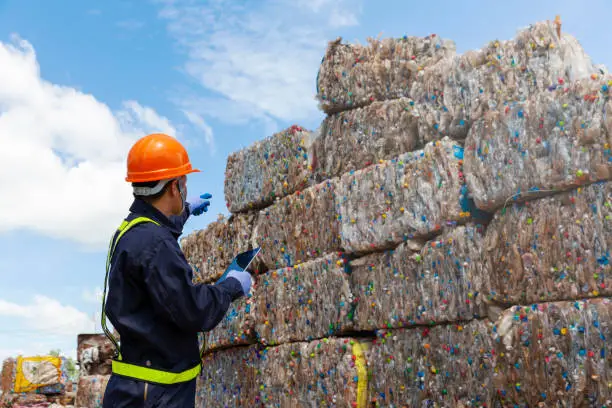
Specialized Applications and Custom Solutions
Mineral water bottle crusher designs that are needed for specific tasks cost a lot of money. Custom engineering and specialized parts are needed to process contaminated bottles, work with different types of plastic, or connect to current production lines. These solutions usually cost around $40,000, but for more complicated setups, they can cost over $200,000.
Multi-material powers make crushers more useful, but they also make them more complicated and expensive. Modern equipment for reusing plastic bottles that can handle different types of bottles, caps, labels, and levels of contamination needs to be well-designed and made with high-quality parts. Different types of materials can be cut with ease using variable speed controls, different cutting chamber designs, and specialized blade geometries.
Handling contamination is a rising market segment. For bottle crushers that need to work with leftover liquids, labels, or mixed materials, they need better cleaning systems, the ability to drain, and building that doesn't rust. These qualities come at a high cost, but they are necessary for many real-world uses.
Custom solutions are priced based on how hard they are to integrate. It takes a lot of engineering and special connections to connect crushers to washing systems, density separators, or pelletizing lines. Services like project management, installation supervision, and system tuning add a lot to the overall cost of the project.
Regional Price Variations and Market Dynamics
Prices vary a lot across global markets because of things like geography. Base prices are affected by how much manufacturing is concentrated in certain areas, while final delivered prices are affected by the cost of transportation and import taxes. Regional pricing structures are also affected by the amount of competition in the market, the provision of service networks, and government rules.
Changes in currencies have a big effect on buying things from other countries. Long-term contracts often have ways to change the price that protect both buyers and sellers from bad changes in the value of the currency. When doing business across borders, it's important to think about things like payment terms, the availability of financing, and hedging choices.
Some markets have local content rules that favor native manufacturers or require a lot of assembly to be done in the country. These rules may make things more expensive, but they often make things better by improving service, cutting down on shipping times, and making parts easier to find. To make the best buying choices, you need to know how the local market works.
Total ownership costs are greatly affected by the provision of service infrastructure. In places where service networks are well-established, spare parts are easy to find, and technicians are trained, long-term operating costs are cheaper, even if the equipment costs more at first. For reliable operation, remote sites may need more service contracts or a bigger supply of parts.
Technology Advancements Affecting 2026 Pricing
Adding digital technology changes what bottle-size reducers can do and how much they cost. Smart sensors monitor factors such as blade wear, machine performance, and the need for repair. Such data lets maintenance programs plan ahead and avoid unplanned downtime. The price of these high-tech devices is high, but they have big operational benefits.
Design is still changing because of better energy economy. Modern plastic bottle crushers use 15–25% less energy than older models. This advantage is because they have better cutting shapes, motor matching that works better, and intelligent load management systems. Even though they cost more at first, these improvements pay for themselves quickly by lowering running costs.
Automation options are growing quickly across all price ranges. These days, even the most basic types come with programmable controls, automatic start/stop, and basic monitoring features. Advanced systems can fully connect with enterprise resource planning systems, which lets you plan and improve output in more complex ways.
The development of safety technology affects both the price and the style. Better emergency stop systems, better safety for the operator, and more advanced monitoring features become standard on most models. To keep up with changing safety standards, money has to keep going into developing safety equipment.
Return on Investment Considerations
To get a true ROI, you need to look at both direct and indirect benefits in great detail. Direct saves include lower costs for getting rid of trash, money made from recycled materials, and better efficiency in moving things around. Indirect benefits include following the rules, showing that you care about the environment, and maybe even getting carbon credits.
Processing efficiency has a direct effect on all apps' profits. Higher-capacity plastic bottle compactors often have lower handling costs per ton, even though they cost more to buy at first. Energy efficiency, maintenance requirements, and operator productivity all influence ongoing operational costs. These costs have a big impact on the long-term return on investment (ROI).
The market factors for recycled materials significantly influence the potential profit margin. Stable, long-term contracts for processed materials provide predictable streams of income that help people decide what tools to buy. When commodity markets are volatile, ROI estimates need to be more conservative, and the payback period may need to be shorter.
In markets that change quickly, operational freedom is very valuable. Competitive benefits are worth the extra cost of equipment that can handle different types of bottles, change particle sizes, and adapt to changing feedstock properties. Future-proofing protects against changes in the market and in the rules that govern it.
Conclusion
The 2026 mineral water bottle crusher market has a wide range of products priced from $8,000 to $150,000 or more. Success relies on matching the capabilities of the equipment with the needs of the operation while taking into account the costs of ownership over time. Automation, energy economy, and digital integration are just a few of the technological advances that are changing the market. Long-term results are usually better for businesses that buy good tools from well-known brands with good customer service. Knowing how the local market works, your financing choices, and the return on investment (ROI) factors can help you make smart buying decisions that support long-term growth.
Partner with Xingbiao for Your Mineral Water Bottle Crusher Needs
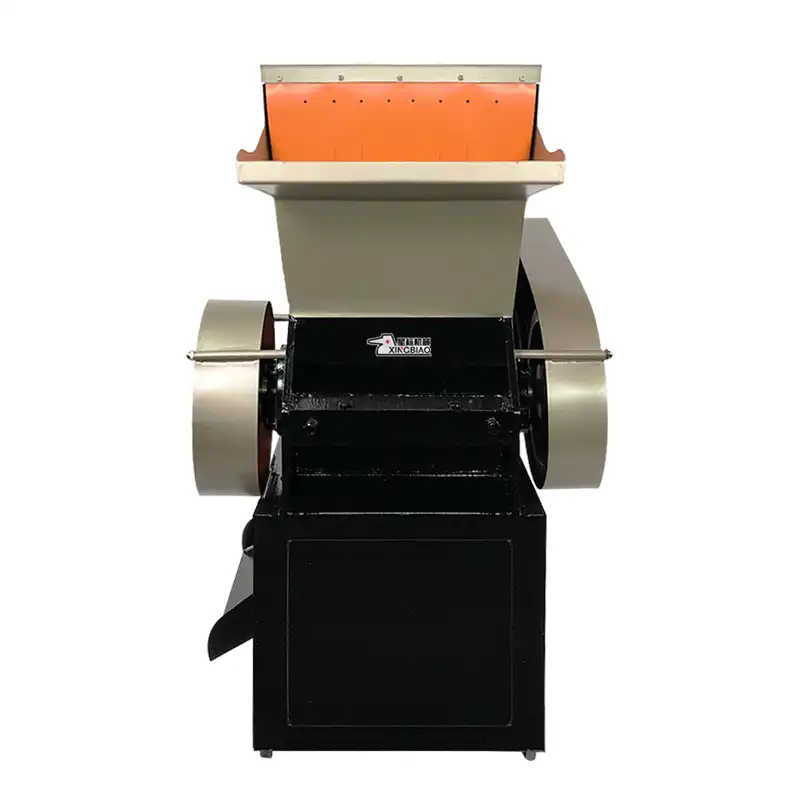
Xingbiao's 30-year specialization in plastic crushing technology delivers proven solutions for businesses seeking reliable mineral water bottle crusher equipment. Our comprehensive range serves everyone from small recycling plants to large manufacturing enterprises with customized solutions. Industry partnerships with companies like Nongfu Spring demonstrate our expertise in beverage industry applications. Contact us at postmaster@xingbiaocrusher.com to discuss your specific requirements with our engineering team and discover why leading manufacturers choose Xingbiao as their preferred plastic bottle crusher supplier.
References
1. Industrial Recycling Equipment Market Analysis 2026. Global Manufacturing Research Institute, 2025.
2. Plastic Waste Processing Technology Trends and Price Forecasts. Environmental Technology Journal, Vol. 45, No. 3, 2025.
3. Bottle Crushing Equipment Performance and Cost Analysis. Recycling Industry Trade Association Annual Report, 2025.
4. Regional Market Pricing Study: Plastic Processing Equipment in Asia-Pacific. Manufacturing Equipment Quarterly, 2025.
5. Energy Efficiency Standards for Industrial Crushing Equipment. International Environmental Engineering Society, Technical Publication 2025-12.
6. Return on Investment Analysis for Plastic Recycling Equipment. Sustainable Manufacturing Finance Review, 2025.