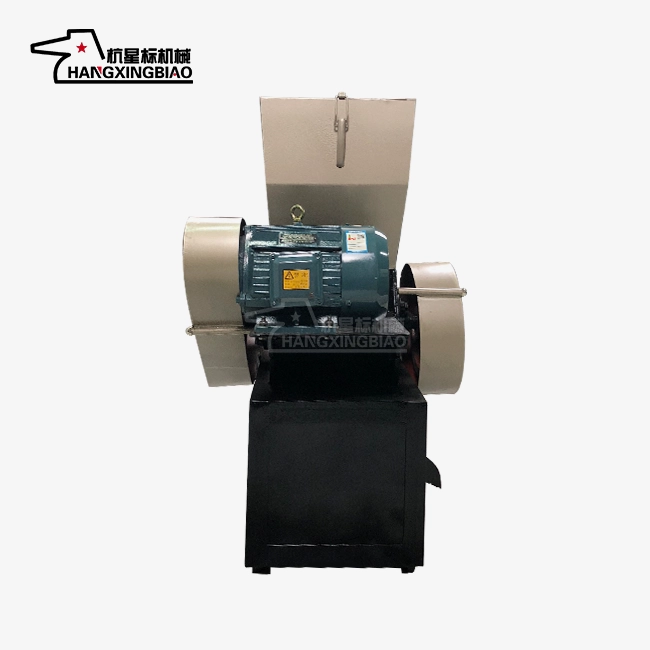
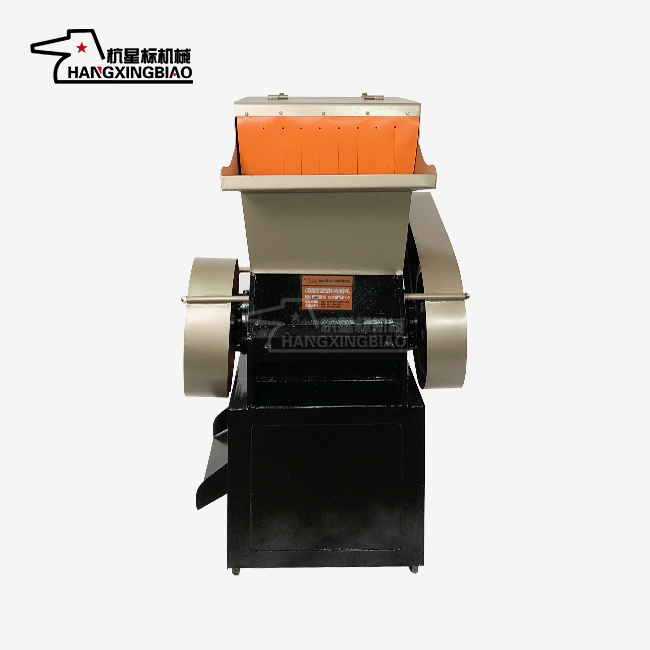
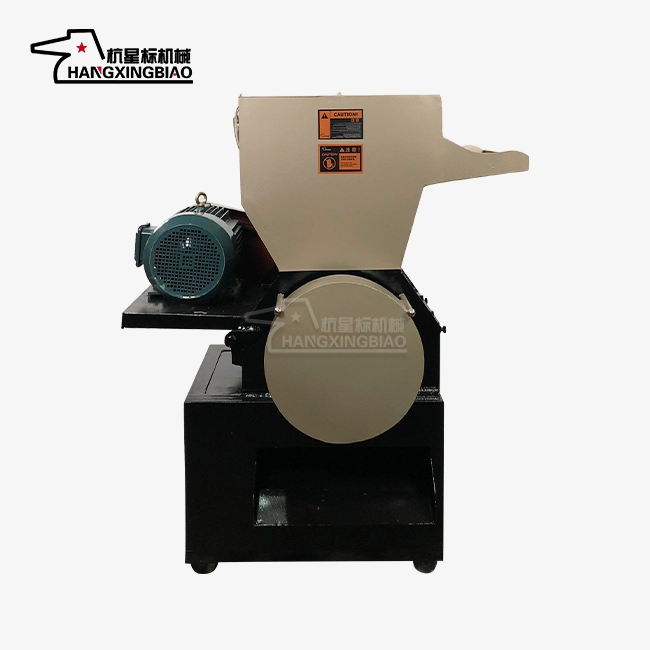
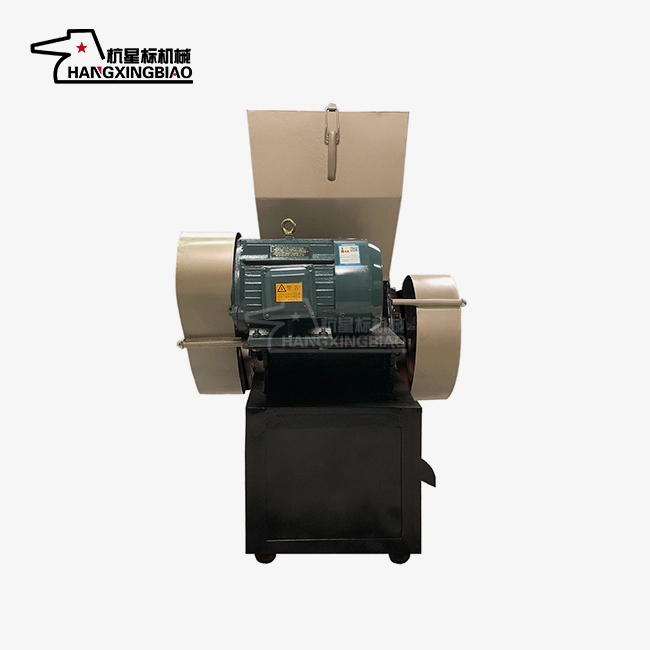
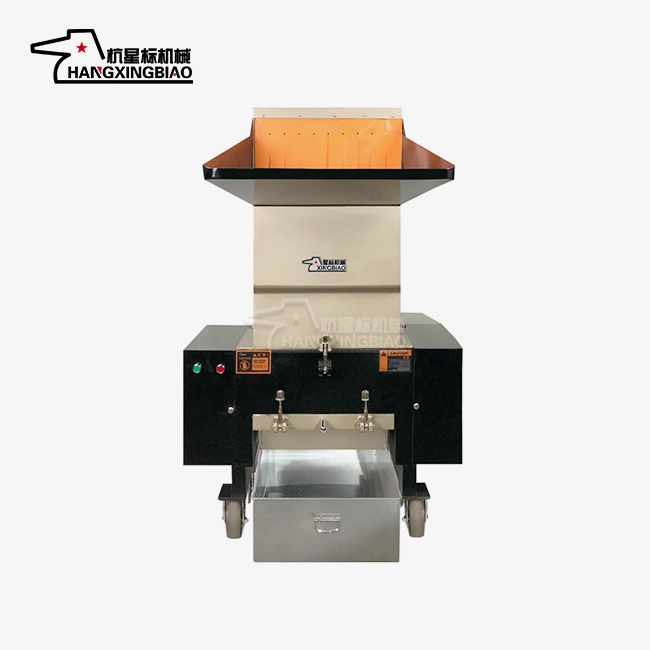
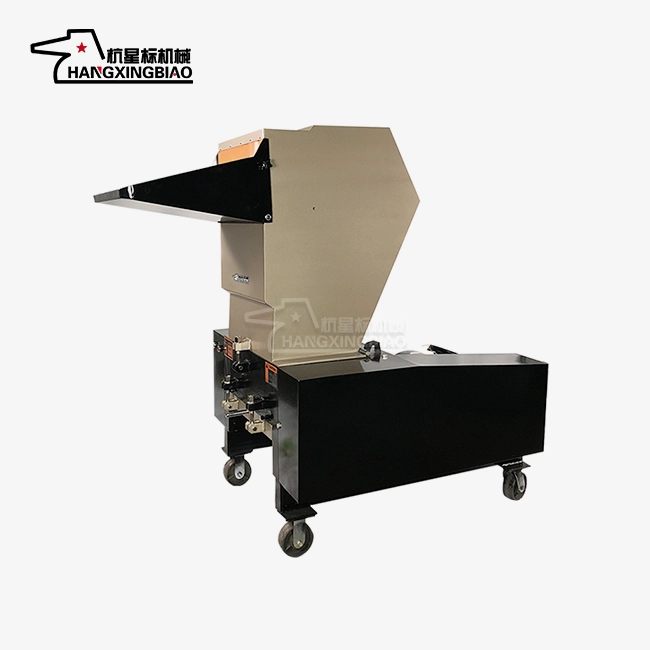
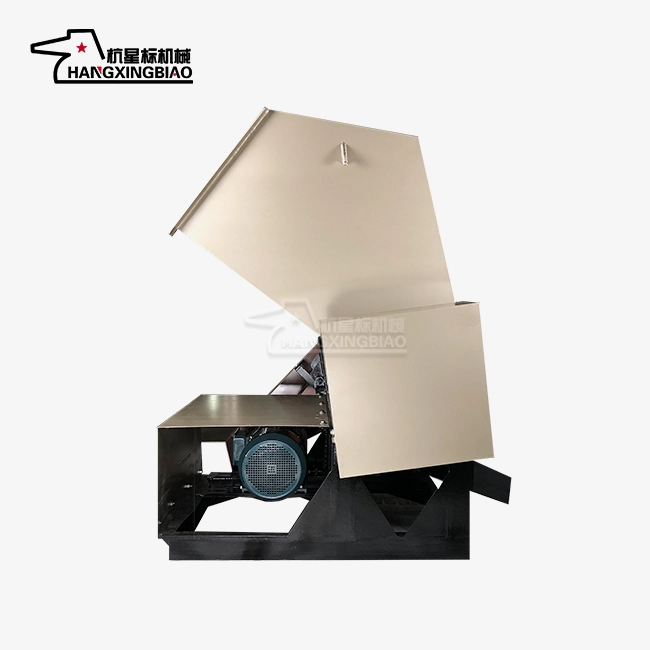
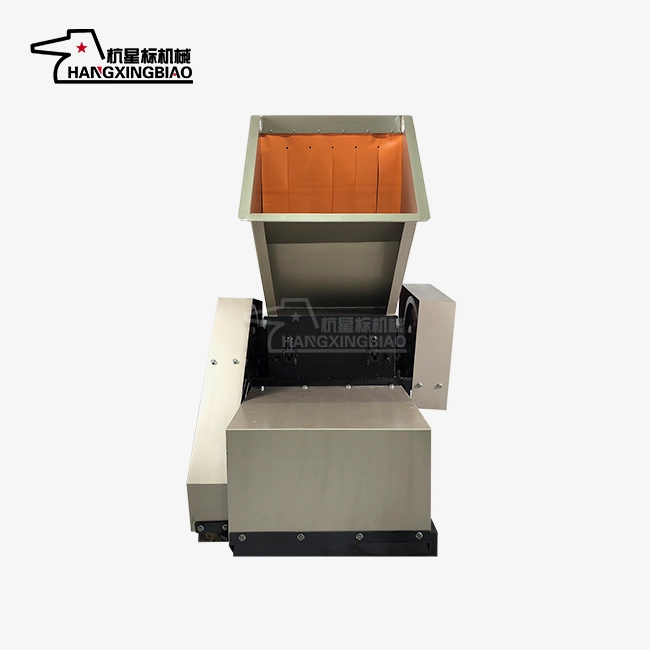
Because of the current global market, it is vital for importers who are looking for industrial crushing equipment to have a solid understanding of the pricing of powerful crushers. A high-performance crusher's price is determined by several criteria, including the complexity of its manufacturing process, the requirements of the materials it uses, and the technological features it possesses. The demand for sophisticated crushing solutions in the market is continuing to increase across various industries, including waste processing, manufacturing, and plastic recycling. As a result of the enormous impact that recent trade policies and supply chain dynamics have had on price structures, making informed procurement decisions is essential for the success of a firm. With this all-encompassing guide, you will learn about the primary factors that determine crusher prices all around the world.
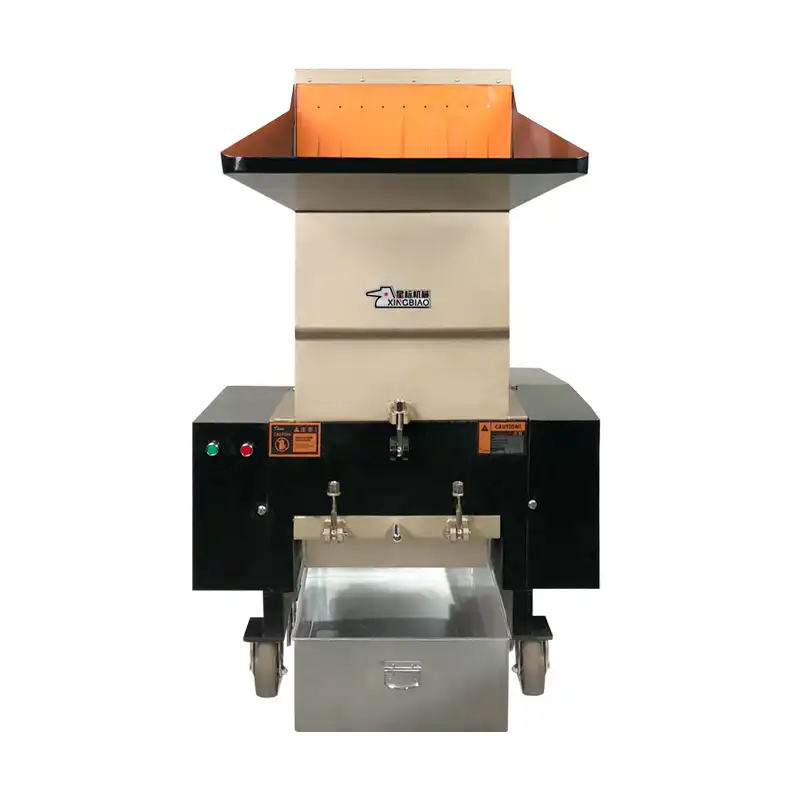
Global Price Breakdown: Understanding Factory Costs and Additional Expenses
Factory Price Ranges and FOB Considerations
There is a large amount of variation in the cost of heavy-duty crushers depending on the capacity and specifications. In general, the price range for entry-level industrial crusher models is between $8,000 and $15,000 FOB, whereas the price range for high-capacity crushing equipment can reach anywhere from $50,000 to $120,000. Advanced jaw crusher systems, equipped with specialized capabilities, often command a premium price range of $25,000 to $80,000. Similar patterns may be seen in the stone crusher market, with the most basic machines starting at approximately $12,000 and the most advanced impact crusher units topping $100,000.
The inclusion of CIF price, which stands for Cost, Insurance, and Freight, might add anywhere from 15 to 25 percent to FOB expenses, depending on the destination and the shipping requirements. There is a seasonal variation in ocean freight rates, which has an effect on the overall delivered prices. Although air freight options result in a forty to sixty percent rise in expenses, they drastically cut down on delivery times.
Minimum Order Quantities and Bulk Advantages
Most manufacturers of powerful crusher machines set minimum order quantities (MOQs) for common models between one and three units. As a result of the intricacy of the production process, cone crusher systems sometimes require larger MOQs. These discounts normally begin at five units or more and offer savings of three to eight percent. Large-scale orders of twenty or more devices can result in discounts of ten to fifteen percent off the advertised price.
The producers of portable crusher units provide excellent pricing for fleet orders, which allows them to take advantage of significant economies of scale. Purchasing a mining crusher frequently requires engaging in bulk negotiations, which can have a considerable impact on the costs per unit.
Hidden Costs and Import Considerations
Tariffs on imports can range anywhere from 5 to 12 percent, depending on the country of origin and the country of destination. Customs duties add an additional two to eight percent to the overall expenditures. The price of handling, inspection fees, and documentation fees adds up to around $800 to $2,500 for each cargo. Imports of aggregate crushers might be subject to new regulatory procedures, which would lengthen the processing time and increase the expenses.
Currency fluctuations, particularly for long-term contracts, influence price changes in the final product. Over the course of typical procurement cycles, fluctuations in exchange rates can influence expenses that range from three to seven percent.
Critical Factors Influencing Crusher Pricing
Raw Material Costs and Manufacturing Inputs
The prices of steel have a direct impact on the costs of powerful crusher technology, which accounts for between 35 and 45 percent of total manufacturing expenses. When it comes to crusher components, high-grade alloys fetch a premium price, but they also give higher performance. The final prices are affected by the fact that different manufacturing regions have different labor costs.
Innovative crushing process technologies necessitate the use of specific components, which subsequently raises the costs of production. Precision engineering and wear-resistant materials both require larger initial investments but also reduce long-term maintenance costs.
Technological Features and Performance Capabilities
Sophisticated crusher operation systems equipped with automated controls incur a 15–25% increase in base pricing. The advanced maintenance features and diagnostic capabilities of the crusher justify its premium placement. To achieve improved crusher performance criteria, precision manufacturing is required, which results in an increase in costs.
Designs that are more energy-efficient fetch higher pricing, but they result in operating savings over the course of the equipment's lifecycle. Both value and expense are added by technology that reduces noise and features that comply with environmental regulations.
Market Dynamics and Supply Chain Factors
Price fluctuations at crusher plants are influenced by seasonal demand patterns, with peak construction seasons being the primary driver of higher costs. It is possible for disruptions in the global supply chain to result in shortages of materials and pricing instability. Delivery times and shipping costs are both impacted when there are bottlenecks in transportation.
Availability of pricing flexibility is impacted by the utilization of regional manufacturing capacity. During times of high demand, it is common for lead times to be prolonged and for pricing structures to be more expensive.
Regional Price Comparisons and Market Positioning
Asian Manufacturing Hubs
With competitive price structures, Chinese manufacturers possess a dominant position in the cost-effective market segment. Improvements in quality have led to an increase in the quality of Chinese products while maintaining pricing advantages. Producers from South Korea and Japan concentrate their efforts on premium markets that utilize cutting-edge technologies.
The manufacturers in India provide options that are competitive and have quality requirements that are increasing. Vietnamese production capacities are rapidly expanding, introducing new pricing dynamics into the regional market.
European and North American Markets
Because of their emphasis on premium quality and superior engineering, European manufacturers command price premiums that range from 25 to 40 percent. When it comes to technological innovation and dependability, German and Italian brands are in the forefront. Producers in North America concentrate their efforts on specialized applications and individualized solutions.
The stronger after-sales support and technical expertise offered by these markets justifies the larger initial investments required for applications that are particularly demanding.

Strategic Procurement: Maximizing Value in Crusher Investments
Negotiation Strategies and Supplier Relationships
The establishment of long-term connections with dependable suppliers allows for the creation of prospects for discounted pricing. Larger volume commitments made over longer times typically result in more favorable conditions. Options for early payment can cut prices by two to five percent.
Technical support packages and training programs add value to the equipment, in addition to its original expenditures. Agreements for spare parts not only guarantee availability but also protect against future price increases.
Customization and OEM Opportunities
When it comes to specific applications, OEM agreements can help cut costs while simultaneously assuring quality requirements. The operational benefits of custom setups offset the premiums they may charge. A reduction in the complexity and costs of maintenance is achieved by standardization across equipment fleets.
It is possible to optimize performance while also managing investment levels by making design tweaks for individual applications. Modular designs enable investments to be made in stages and future expansion capabilities.
Total Cost of Ownership Considerations
Efficiency ratings in terms of energy consumption have a substantial impact on operational costs over the lifecycle of equipment. There is a significant amount of variation in the maintenance requirements between manufacturers and models. The availability of parts and the coverage of service networks both impact your long-term operational expenses.
The reduction in expenses associated with downtime justifies premium investments, as demonstrated by reliability records and uptime performance. Protection against unforeseen costs is provided by service agreements and their associated warranty coverage.
Market Outlook and Price Forecasting
Economic Indicators and Trend Analysis
The need for crushing equipment continues to rise across various industries as a result of global infrastructure initiatives. The rise of the recycling business creates new market opportunities and pricing stability. The patterns in the prices of raw materials imply that there will be mild increases over the next 12–24 months.
Continuous cycles of technological innovation continue to drive growth in the premium market. There is a widespread use of automation integration, which impacts pricing structures across all market categories.
Supply Chain Evolution and Cost Implications
Regionalization in manufacturing may reduce transportation costs, but it may also lead to an increase in labor costs. While diversifying the sources of components enhances supply security, it may also lead to an increase in costs. Integrating digital technology into supply chains improves both efficiency and the ability to control costs.
Although they encourage innovation, sustainability regulations impose compliance expenses. Regulations pertaining to the environment have an impact on product manufacturing processes and price structures.
Conclusion
The intricate interconnections between manufacturing costs, technological improvement, and market dynamics are reflected in the pricing of powerful crushers at the market level. To be successful in procurement, it is necessary to have an awareness of these aspects while the total cost of ownership, which goes beyond the initial purchase prices, is evaluated. The capabilities of regional manufacturing continue to develop, which results in the creation of new prospects for cost optimization without compromising quality requirements.
Strategic alliances with skilled manufacturers can facilitate access to technical competence and competitive pricing structures. The market for crushing equipment is experiencing consistent growth, which is being driven by the expansion of the recycling industry and the construction of infrastructure. This growth is sustaining stable pricing conditions for purchasers who are well informed.
FAQ
Q1: What factors contribute most significantly to powerful crusher price variations?
A: Manufacturing complexity, material specifications, and technological features represent the primary cost drivers. Steel prices, specialized components, and automation systems significantly impact final pricing. Regional labor costs and manufacturing standards also influence price structures across different suppliers.
Q2: How do bulk orders affect crusher pricing negotiations?
A: Volume commitments typically secure 3-8% discounts starting at 5 units, with larger orders achieving 10-15% savings. Manufacturers offer better terms for long-term partnerships and multi-year agreements. Fleet standardization provides additional negotiating leverage and operational benefits.
Q3: What hidden costs should buyers consider when importing crushing equipment?
A: Import tariffs, customs duties, and documentation fees add 7–20% to FOB prices. Transportation, insurance, and handling costs contribute between $800-2,500 per shipment. Currency fluctuations and extended payment terms can impact total costs by 3-7% over procurement cycles.
Partner with Xingbiao for Premium Crushing Solutions
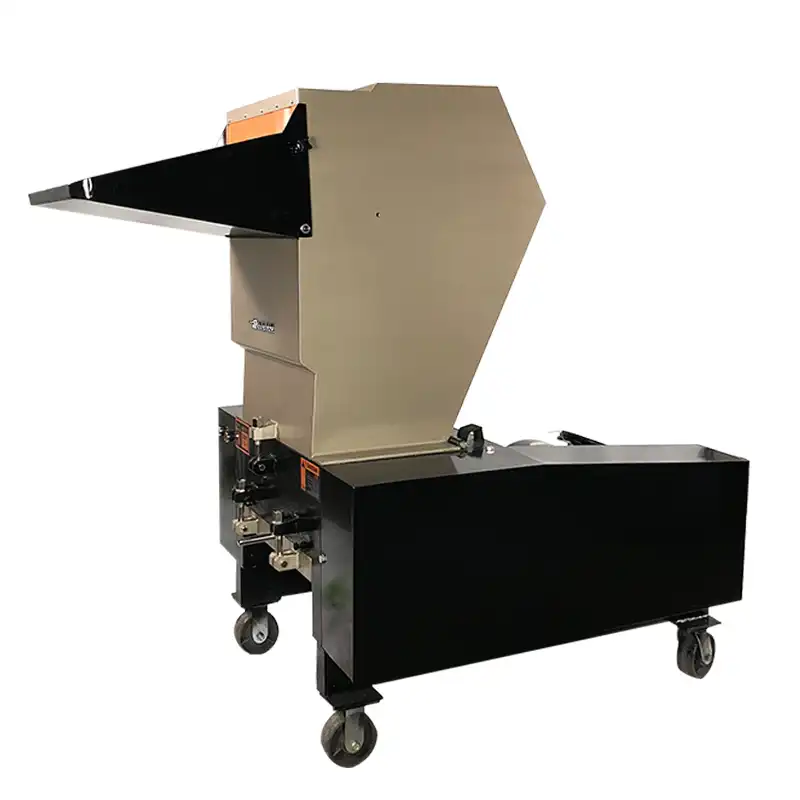
Xingbiao Machinery delivers exceptional value through advanced crusher technology and competitive pricing structures. Our specialized focus on plastic crushing equipment ensures superior performance and reliability for demanding applications. With 30 years of dedicated research and development, we understand the unique requirements of plastic manufacturing and recycling industries.
Our powerful crusher manufacturer capabilities include custom solutions designed for specific material characteristics and production requirements. The innovative "shear + impact" double-effect crushing process optimizes particle integrity while maximizing efficiency. Built-in anti-winding features handle challenging materials, including films and fibers, without operational disruptions.
Contact our technical team for personalized recommendations and competitive pricing. We provide comprehensive support from initial consultation through installation and ongoing maintenance. Reach out to our experts at postmaster@xingbiaocrusher.com for detailed specifications and pricing information tailored to your specific requirements.
References
1. Industrial Crushing Equipment Market Analysis and Price Trends 2023-2024, Global Manufacturing Research Institute
2. Supply Chain Dynamics in Heavy Machinery Manufacturing, International Trade Economics Journal
3. Raw Material Cost Impact on Industrial Equipment Pricing, Materials Science and Engineering Review
4. Regional Manufacturing Competitiveness in Crushing Equipment Sector, Asian Industrial Development Report
5. Technology Integration and Pricing Strategies in Machinery Manufacturing, Engineering Economics Quarterly
6. Global Trade Policies and Industrial Equipment Import Costs Analysis, International Commerce Studies