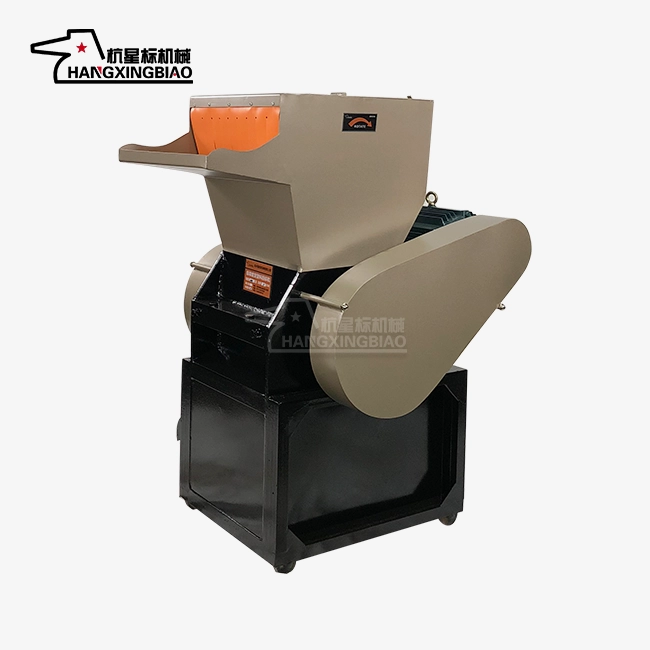
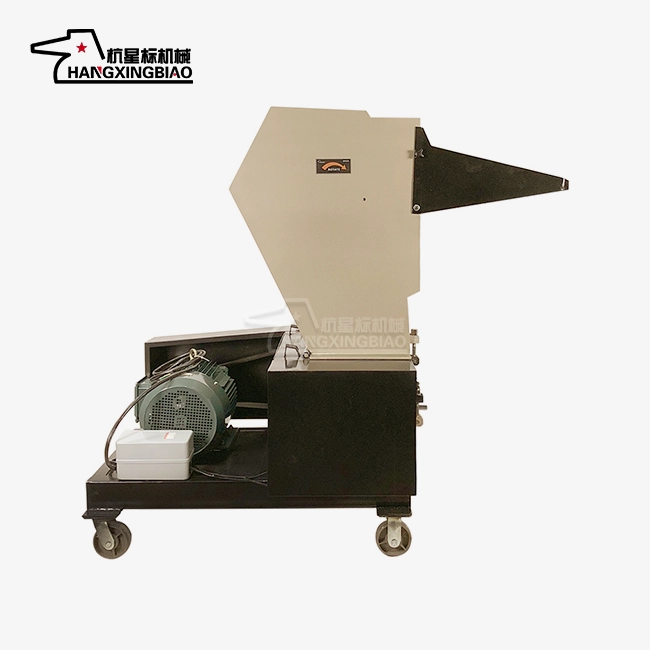
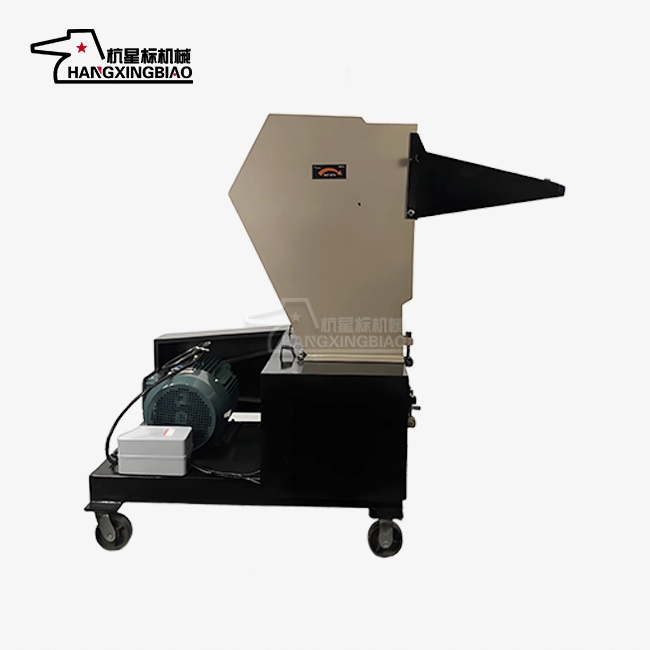
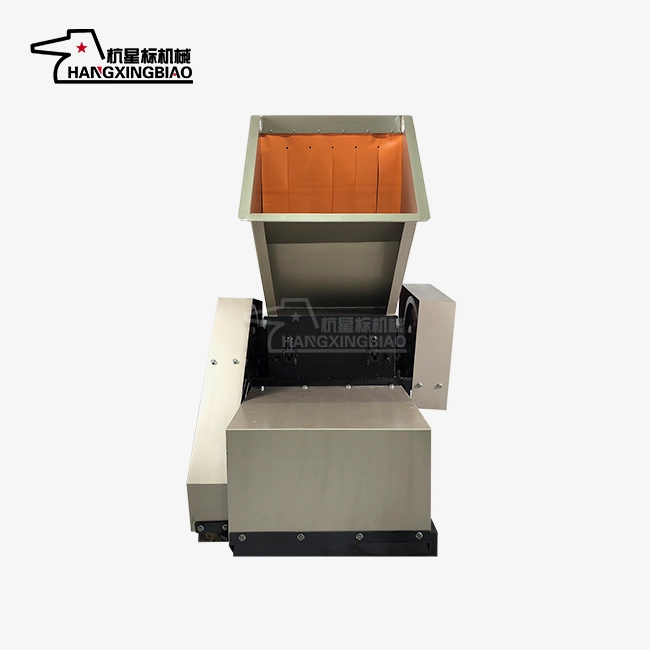
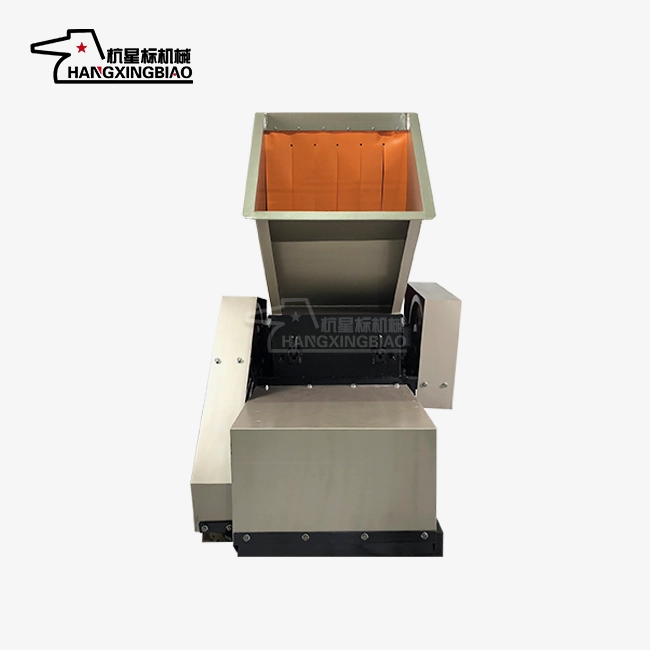
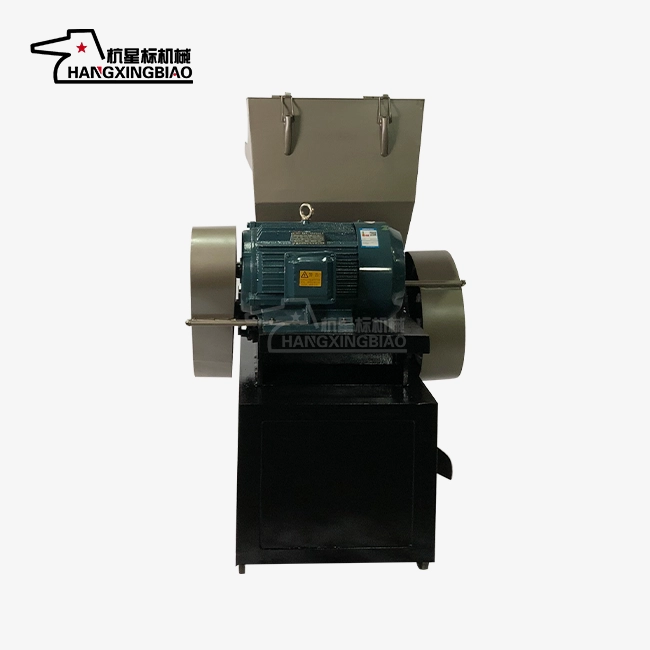
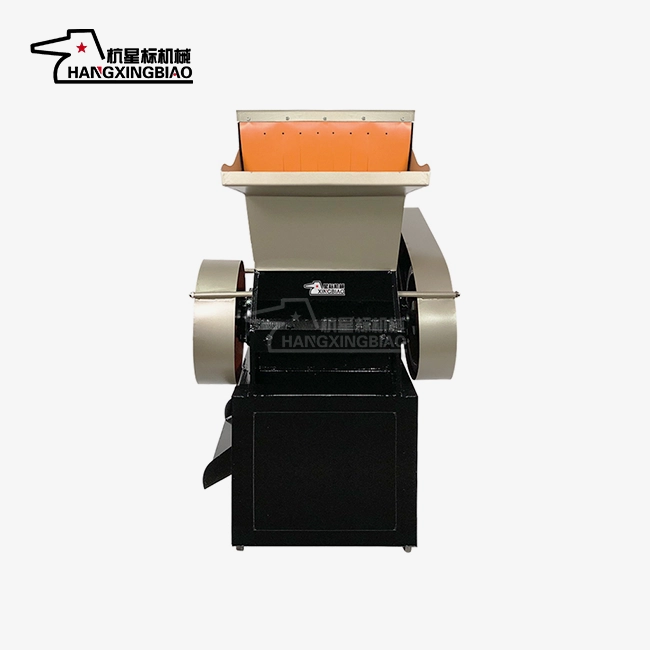
The selection of the appropriate plastic crusher necessitates a thorough analysis of your particular processing requirements, the types of materials you work with, and the operational requirements. An intelligent buying selection considers a variety of aspects, including crushing efficiency, the durability of the equipment, energy consumption, and the expenses of long-term maintenance. To determine whether you require a standard crushing solution or specialized equipment, it is helpful to have an understanding of your production volume, the characteristics of the material, and the integration requirements necessary. This thorough guide exposes critical elements that manufacturing businesses, recycling facilities, and processing plants should take into account while searching for the most effective equipment for reducing plastic waste that provides dependable performance and maximizes return on investment.

Understanding Your Plastic Crushing Requirements
Each plastic recycling business faces its own set of obstacles, which necessitate the development of individualized crushing solutions. The majority of the time, manufacturing companies deal with injection-molded components, pipelines, and profiles, all of which demand constant particle size output. When it comes to reprocessing, these materials frequently require precision size reduction to comply with quality standards. Recycling facilities deal with a wide variety of waste streams, such as films, woven bags, and things with complex shapes that provide varied degrees of difficulty while crushing.
The qualities of the material heavily influence the choice of appropriate equipment. PVC pipes, which are made of tough plastics, require cutting mechanisms that are both durable and have a high resistance to wear. For the purpose of preventing jamming, specialized anti-winding features are required for materials that are soft, such as polyethylene films. Careful treatment of waste items that are tangled is required to prevent delays in operations. If you want to achieve optimal throughput, the processing volume will determine whether standard models are sufficient or whether customized solutions are required.
Integration of production lines adds still another layer of complexity to the situation. For some activities, positioning crushing machines right next to injection molding machines can be advantageous as they facilitate fast scrap processing. Others need independent units that are able to process waste materials in batches and are capable of handling gathered waste materials. Acquiring an understanding of these operational patterns is beneficial in determining the crushing machine configuration that is most appropriate.
Critical Performance Features to Evaluate
There are advanced design characteristics that are incorporated into modern plastic grinding equipment, and these elements directly affect operational efficiency. A big step forward in the development of size reduction technology is represented by the "shear + impact" double-effect crushing method. Using this method, cavity structure and blade spacing are optimized to achieve a constant particle output that exceeds the discharge requirements of 2 millimeters. This procedure is accomplished without excessive crushing, which results in the creation of powder contaminants that are undesirable.
A discharge uniformity that is greater than 90% eliminates the need for further screening, which in turn reduces the number of processing steps and the costs of operations. The meticulous development of blade combinations achieves this precision, ensuring a consistent cutting action throughout the crushing chamber. When creating high-quality recycled flakes for demanding applications, the preservation of the material's integrity becomes an extremely important consideration.
It turns out that anti-winding systems are necessary when dealing with fibrous materials. The device incorporates comb teeth designs to prevent materials such as cloth, paper, and film from wrapping around rotating components. This feature maintains continuous functioning, which also helps reduce the downtime associated with manual cleaning interventions.
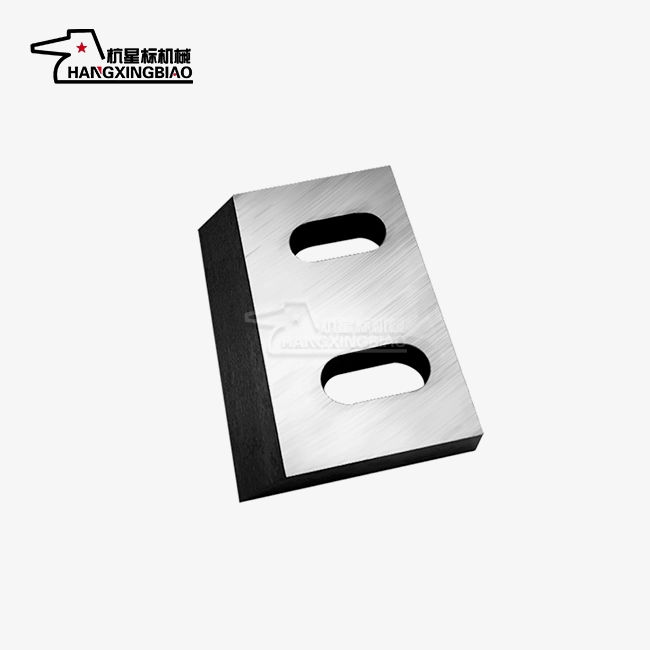
The durability of the blade has a direct impact on the operational costs. The frequency of replacement and the accompanying maintenance expenses are reduced when high wear-resistant alloy cutter sets with service lives that surpass three thousand hours are utilized. During the processing of abrasive materials, these specialist cutting tools keep their sharp edges for a longer period of time, which guarantees that the output quality remains consistent even during extended periods of operation.
Equipment Durability and Construction Quality
For crushing applications in the industrial sector, outstanding structural integrity is required to endure constant exposure to high loads. High-quality steel plates, which have undergone stress alleviation treatment, form the major bodies of premium equipment. This manufacturing process eliminates deformation during extended operating cycles and maintains exact tolerances, both of which are crucial for excellent performance.
The materials used for blades have a considerable impact on their long-term reliability. By using the right heat treatment, SKD-11/D2 mold steel and Cr12MoV special steels become very hard and resistant to wear. Metallurgical qualities can be improved through the combination of vacuum heat treatment and deep cryogenic processing, which also helps to preserve cutting precision while extending the service life of the material.
There is a correlation between component accessibility and maintenance efficiency as well as operational downtime. Equipment that has been thoughtfully built will have open designs and screen structures that can be changed quickly, which will make cleaning and inspection operations easier. These characteristics make it possible for maintenance personnel to carry out routine chores effectively, reducing the number of interruptions to production.
In order to retain sufficient crushing force while also lowering energy consumption, motor matching optimization is utilized. Having drives that are the appropriate size eliminates the needless waste of energy while also ensuring that there is sufficient torque for difficult materials. This equilibrium becomes especially critical in high-volume operations, when the costs of energy have a substantial impact on the profitability of the business.

Sizing Your Investment for Maximum Returns
When selecting equipment, it is necessary to take into account the existing processing volumes while also taking into account appropriate expansion estimates. Plastic crushers that are too large squander both energy and capital resources, while crushers that are too small generate production bottlenecks that reduce the efficiency of operations. In order to conduct an accurate capacity evaluation, it is necessary to comprehend peak processing needs in addition to ordinary volumes themselves.
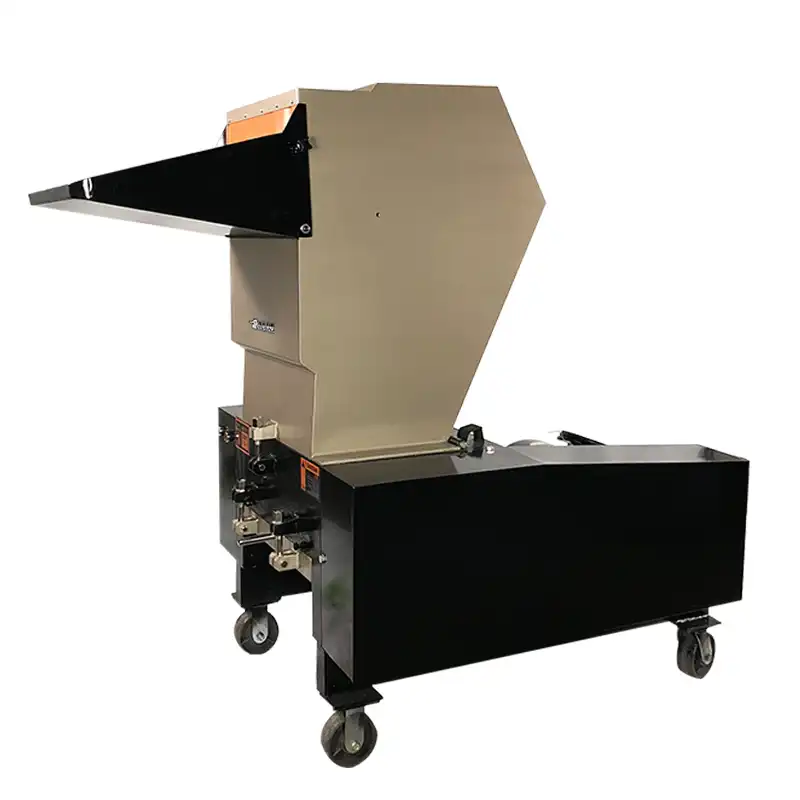
Different types of crushers are designed to meet various operational requirements. When it comes to thick plastic components, pipelines, and profiles that require a significant amount of cutting power, large-diameter crushers perform exceptionally well. The installation of high-power units that have noise reduction capabilities is suitable for use near injection molding equipment, where silent operation is increasingly important.
Crushing operations that process a wide variety of material streams can benefit from the versatile solutions provided by a standard plastic crusher. The purchase costs of these units are modest, although they are capable of efficiently handling multiple types of plastic. Models that are specialized are designed to handle specific issues, such as waste materials that are extremely entangled or things that are big and require individualized processing methods.
In addition to the initial purchase price, the examination of operating costs takes into account the amount of energy consumed, the amount of maintenance that is required, and the availability of spare parts. It is common for equipment with higher initial costs to produce improved long-term economics by reducing operational expenses and extending the service life of the equipment.
Service Support and Technical Assistance
Providing professional technical support over the whole lifecycle of the equipment has a significant impact on the success of the operation. The pre-sales consultation assists in determining the most suitable solutions by taking into account the particular material qualities and processing needs. Engineering professionals with years of experience offer invaluable insights that help minimize costly specification errors.
Operator training and installation guidelines ensure correct equipment setup and adherence to safe operating procedures. Training programs that are comprehensive shorten the learning curve while simultaneously maximizing the performance of the equipment from the very beginning. Continuous technical assistance ensures that operations continue to run smoothly and immediately tackles any new difficulties that may arise.
The availability of spare parts has a direct impact on equipment reliability and maintenance planning. Suppliers who maintain adequate inventory levels enable quick repairs and minimize downtime. Maintenance operations are made more efficient by the use of clear identification and ordering systems for spare components.
Suppliers demonstrate their commitment to customer assistance through response time pledges. Companies that guarantee response times of twenty-four hours demonstrate a genuine commitment to reducing the number of disruptions to customer operations. The identification of possible problems through routine follow-up visits helps prevent serious difficulties.
Quality Assurance and Performance Verification
Equipment performance validation requires comprehensive testing with actual production materials. Output quality assessment should include analysis of particle size distribution and evaluation of contamination levels. Consistent results across multiple test runs indicate reliable processing capability.
Energy consumption measurement during actual operation provides accurate operating cost projections. This data enables meaningful comparison between different equipment options while supporting informed purchasing decisions. Power factor and efficiency ratings affect ongoing operational expenses.
Noise level assessment becomes critical for installations near populated areas or noise-sensitive operations. Modern equipment incorporates sound-dampening features that maintain acceptable noise levels without compromising performance.
Safety feature evaluation ensures compliance with workplace safety standards and regulatory requirements. Proper guarding, emergency stops, and safety interlocks protect operators while meeting industrial safety expectations.
Conclusion
Smart plastic crusher selection balances performance requirements with long-term operational economics. Understanding your specific material characteristics, processing volumes, and integration needs guides equipment choice toward optimal solutions. Quality construction, advanced crushing technology, and comprehensive support services ensure successful implementation and sustained performance. Investing in properly specified equipment from experienced manufacturers delivers reliable operation, reduced maintenance costs, and superior processing results. This foundation supports profitable plastic recycling operations that contribute to sustainable waste management while achieving business objectives through efficient material recovery and processing capabilities.
Partner with Xingbiao for Superior Plastic Crusher Solutions
Xingbiao brings three decades of specialized expertise in plastic crushing technology, offering unmatched reliability for your waste management needs. Our engineering team delivers customized solutions that optimize processing efficiency while reducing operational costs. When you're ready to invest in proven crushing equipment from a dedicated plastic crusher manufacturer, contact us at postmaster@xingbiaocrusher.com for expert consultation and competitive pricing.
References
1. Thompson, R.A. (2023). "Industrial Plastic Processing Equipment: Selection and Optimization Strategies." Journal of Manufacturing Technology, Vol. 45, No. 3, pp. 78-92.
2. Chen, L.M. & Rodriguez, P. (2024). "Advances in Plastic Waste Reduction Technology: Performance Analysis of Modern Crushing Systems." International Recycling Review, Vol. 18, No. 2, pp. 156-174.
3. Williams, J.K. (2023). "Economic Analysis of Plastic Recycling Equipment: Cost-Benefit Assessment for Manufacturing Enterprises." Industrial Equipment Quarterly, Vol. 29, No. 4, pp. 234-248.
4. Zhang, H.F. et al. (2024). "Material Characteristics and Processing Requirements in Plastic Waste Management." Polymer Processing Technology, Vol. 33, No. 1, pp. 45-61.
5. Anderson, M.B. (2023). "Maintenance Strategies for Industrial Crushing Equipment: Maximizing Uptime and Performance." Equipment Management Today, Vol. 41, No. 6, pp. 112-128.
6. Kumar, S. & Johnson, D.L. (2024). "Safety and Environmental Considerations in Plastic Processing Operations." Environmental Technology & Management, Vol. 52, No. 3, pp. 89-105.