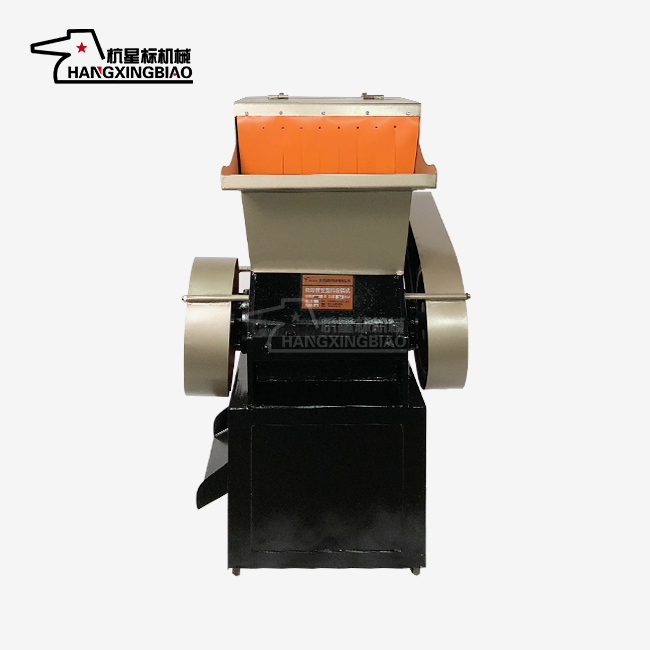
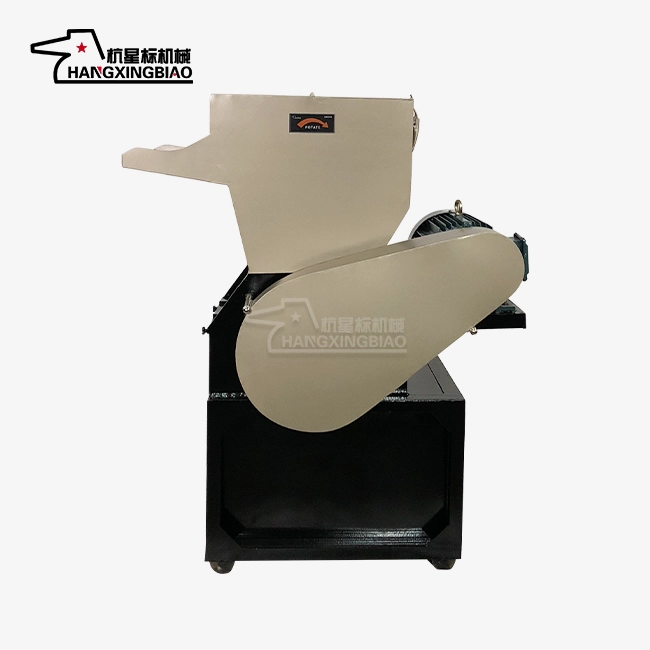
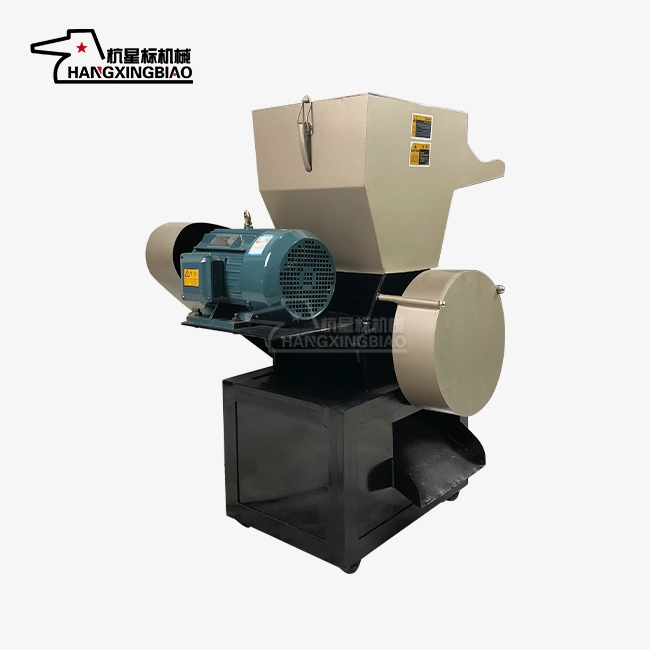
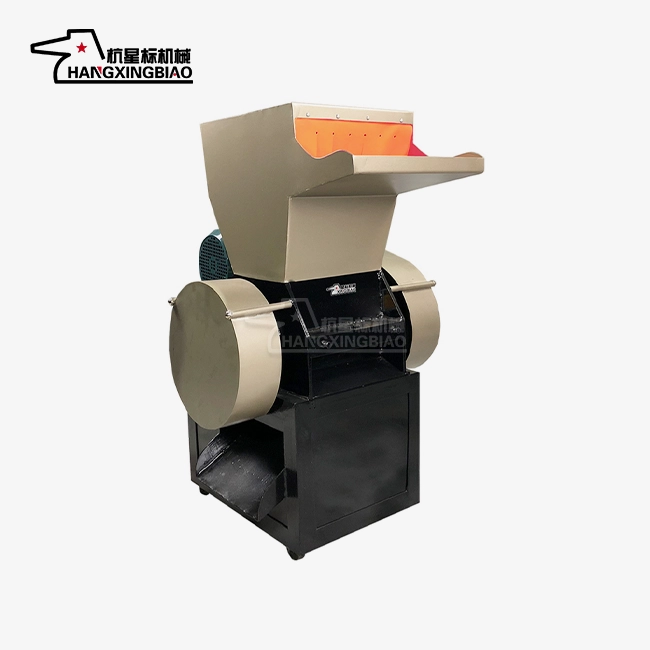
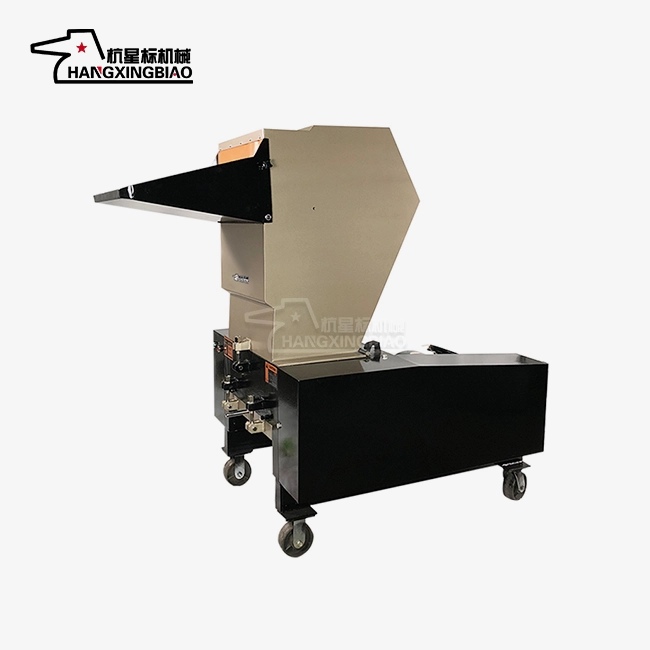
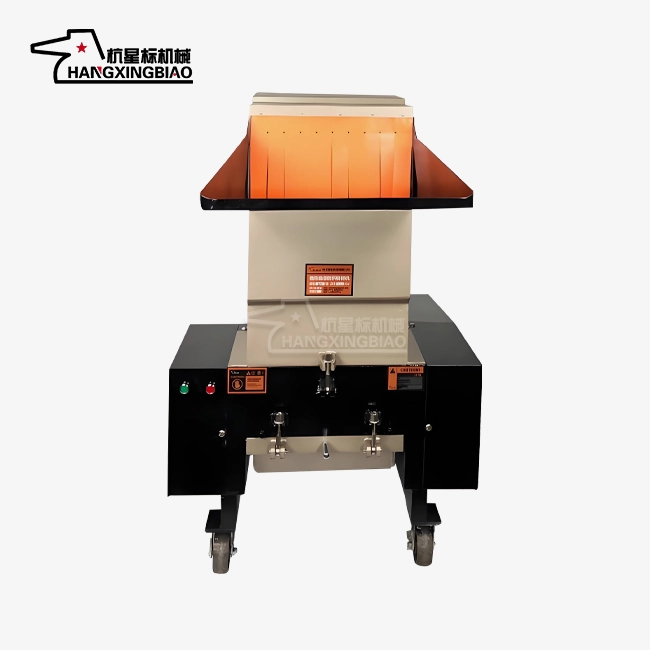
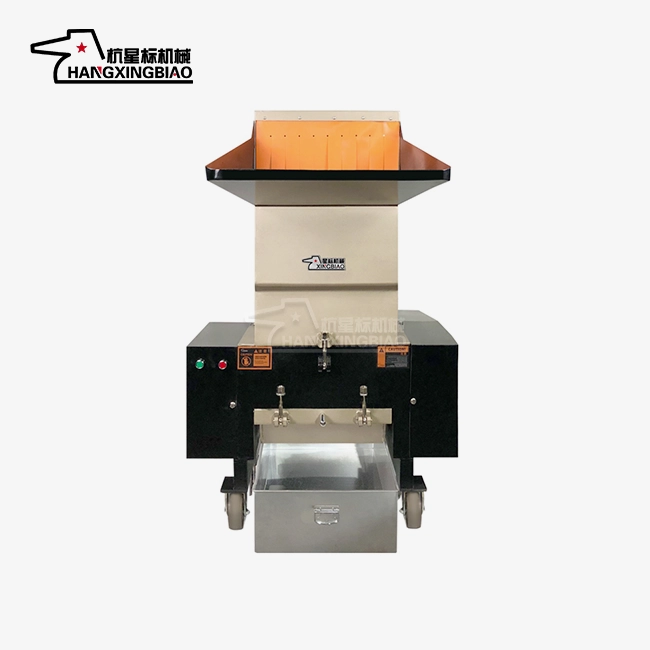
Recycling operations for PET (polyethylene terephthalate) and HDPE (high-density polyethylene) are revolutionized by the Big plastic crusher machine, which efficiently processes waste from bottles, containers, and packaging materials into flakes that may be reused. Our cutting-edge industrial crusher is capable of transforming large amounts of plastic waste into uniform particles measuring between 2 and 20 millimeters in size. This allows recyclers to cut their transportation expenses by sixty percent while simultaneously increasing the amount of material recovered from polyethylene terephthalate and high-density polyethylene streams.

Understanding PET & HDPE Recycling Challenges
To successfully process the growing quantities of PET bottles and HDPE containers, big plastic crusher machines are coming under increasing amounts of strain. The global market for recycling PET reached 1.8 million tons per year, while the market for recycling HDPE reached 2.3 million tons per year. To overcome the one-of-a-kind processing issues that these materials provide, specialist crushing technologies are required.
Bottles made of PET frequently arrive at recycling plants with labels, lids, and wall thicknesses that vary from bottle to bottle. High-density polyethylene (HDPE) containers come in various densities and contamination levels, and they include milk jugs, detergent bottles, and industrial drums. The conventional crushing techniques have difficulty dealing with these mixed-material streams, which results in bottlenecks that impair the overall productivity of the plant.
Our observations have shown that recycling operations can lose as much as thirty percent of their processing capacity due to crushing equipment that is not appropriate. Particle sizes that are not uniform lead to challenges in separation, and production delays that are costly are caused by equipment that is not functioning properly. These pain concerns are addressed by our industrial crusher through the implementation of engineered solutions that are capable of managing various plastic waste streams.
Core Applications in PET Bottle Processing
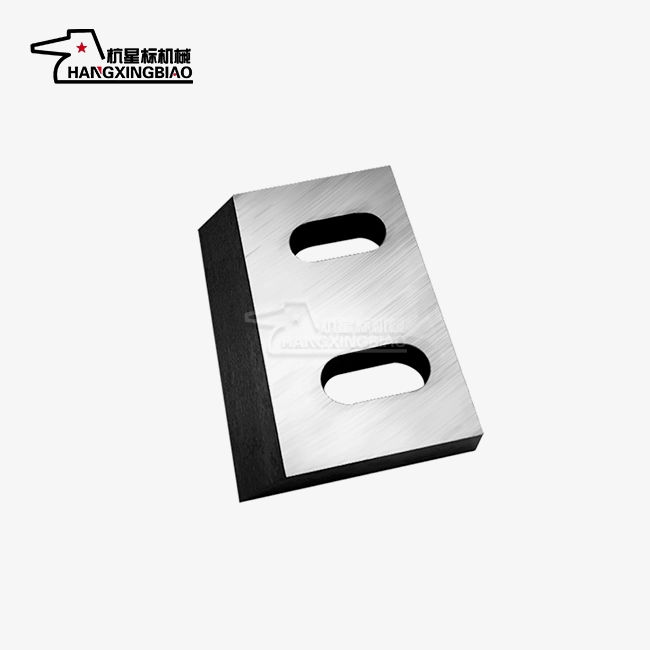
Our plastic crushing machine performed exceptionally well in breaking down PET bottles into homogeneous flakes suitable for cleaning and recycling. Whole bottles, including containers with a capacity of two liters, as well as bottles with complex forms, such as those used for cooking oil, can be crushed in the chamber. Sharp SKD-11 blades, which are made from a high-quality tool steel known for its hardness and durability, cut through PET material without causing any damage, thus minimizing stress cracking, which in turn reduces the quality of the flake.
Following the installation of our heavy-duty crusher, a major beverage firm that processes five tons of PET bottles on a daily basis observed a twenty-five percent improvement in throughput. By handling bottles that have caps attached, the system eliminates the need for labor costs associated with pre-sorting. Flake sizes of 8-12 millimeters are produced using precision screens, which allow them to be fed straight into washing systems without the need for secondary crushing.
Because of the crushing action, labels are separated, and lightweight pollutants are removed by the use of regulated air flow. This characteristic proved to be quite useful for establishments that process mixed PET waste streams. The blade clearance is adjusted by operators to maximize flake size for specific end-use applications, which might range from the production of fiber to the creation of new bottles.
HDPE Container Size Reduction Solutions
For HDPE recycling to be successful, it is necessary to have sturdy machinery that is able to manage containers with thick walls and uneven forms. The milk bottles, chemical containers, and enormous industrial barrels processed by our plastic shredder are all handled efficiently. Without suffering any structural damage, the reinforced cutting chamber can endure the impact forces that are applied by heavy HDPE parts.
Different HDPE densities and contamination levels can be accommodated by blade layouts that are different from one another. The accumulation of heat, which can destroy the molecular structure of HDPE, is prevented at slower speeds. Temperature monitoring makes it possible to maintain the material's integrity throughout the crushing process. As a consequence, clean HDPE flakes that are prepared for pelletizing or direct reprocessing are produced.
Through the utilization of our high-capacity plastic crusher, a regional recycling cooperative was able to raise its HDPE processing capacity from 800 kilograms to 2.1 tons per hour. The factory is now able to treat agricultural barrels, home containers, and car parts using the same machinery. The amount of time required to switch between different HDPE grades decreased from forty-five minutes to less than ten minutes.
Mixed Plastic Waste Stream Management
When recycling occurs in the real world, it entails simultaneously processing streams of mixed PET and HDPE. Our plastic recycling system handles these combinations by utilizing adjustable processing parameters. When dealing with mixed-material feeds, operators make adjustments to the blade speed and screen apertures to achieve optimal output quality.
The design of the crushing chamber eliminates the possibility of material bridging, which can occur when lightweight films are mixed with rigid containers. Anti-bridging characteristics ensure that the flow of material is consistent, hence eliminating the need for manual intervention in the sorting process. The fine particles that have the potential to contaminate finished flakes are collected by dust-collecting devices.
When our big plastic crusher machine is used for mixed streams, municipal recycling centers claim a decrease of forty percent in the amount of labor required for sorting. Because of its adaptability, the equipment reduces or eliminates the requirement for separate crushing lines. Even with a wide variety of material inputs, the maintenance requirements remain minimal, which helps maintain a predictable level of operational costs.
Integration with Washing and Pelletizing Systems
We achieve a flawless integration between our plastic granulator and the downstream processing equipment. Consistent flake sizes maximize washing efficiency and minimize chemical consumption. The crushing output is equal to the capacity of the conveyor belts, which eliminates the accumulation of material at the transfer points.
Flake size consistency improves the density separation that occurs during the washing stages. The heavier impurities are able to separate from the homogenous plastic fragments with greater efficiency. As a result of this consistency, washing cycle times are reduced by 15-20% while the quality of the final product is improved. Pelletizing systems do not require any further size classification procedures because clean flakes are fed straight into them.
Installation flexibility enables the use of current plant layouts without significant adjustments. To accommodate increasing processing volumes, modular architecture enables capacity increase. Remote monitoring capabilities provide real-time performance data, enabling production optimization. Integrated control systems allow operators to monitor throughput, energy consumption, and maintenance intervals to ensure optimal performance.

Quality Control and Particle Consistency
Maintaining consistent flake quality remains crucial for successful PET and HDPE recycling operations. Our crusher machine for plastic flakes delivers uniform particle sizes through precision-engineered blade patterns. Each cutting edge undergoes vacuum heat treatment and cryogenic processing for extended life.
Quality control starts with incoming material assessment. The crushing system adapts automatically to varying feed characteristics. Sensors detect material density and adjust processing speed accordingly. This automation ensures consistent output quality regardless of input variations.
Laboratory testing confirms that our processed flakes meet stringent quality standards for food-grade PET recycling. Particle size distribution remains within 5% tolerance across production runs. Surface contamination stays below 0.1%, meeting requirements for high-value recycling applications.
Energy Efficiency and Cost Optimization
Energy consumption directly impacts recycling profitability. Our plastic pulverizer reduces power requirements by 10-15% compared to conventional crushing methods. Optimized motor matching and blade geometry minimize energy waste during size reduction operations.
The crushing mechanism generates minimal heat, preserving plastic molecular structure. Lower processing temperatures reduce cooling requirements and associated energy costs. Variable frequency drives adjust motor speed based on material characteristics, further optimizing energy usage.
Total operating costs, including electricity, maintenance, and labor, average $12-18 per ton of processed plastic. Blade replacement intervals extend 60% longer than standard carbon steel alternatives. These factors combine to deliver attractive returns on investment for recycling operations of all sizes.
Conclusion
The big plastic crusher machine transforms PET (polyethylene terephthalate) and HDPE (high-density polyethylene) recycling through advanced engineering and proven performance. Our equipment handles diverse plastic waste streams efficiently while maintaining consistent output quality. From bottle processing to container size reduction, the crusher delivers reliable results that maximize recycling profitability. Integrated safety systems and energy-efficient operation make it the preferred choice for recycling facilities worldwide. Investment in quality crushing equipment pays dividends through increased throughput, reduced operating costs, and improved product quality that commands premium market prices.
FAQ
Q1: What particle sizes can the big plastic crusher machine produce for PET and HDPE recycling?
A: Our plastic crushing machine produces particles ranging from 2 mm to 50 mm, depending on screen configuration and blade setup. Most PET bottle recycling operations use 8-12 mm screens, while HDPE container processing typically requires 5-15 mm particles. The equipment allows quick screen changes to accommodate different size requirements within the same production day.
Q2: How does the crusher handle contaminated PET bottles and HDPE containers?
A: The heavy-duty crusher processes contaminated materials effectively through several design features. Reinforced blades cut through labels, adhesive residues, and metal caps without damage. Air classification systems, which are mechanisms that separate materials based on their weight, remove lightweight contaminants during crushing. The open chamber design prevents material buildup that could harbor bacteria or cause cross-contamination.
Q3: What maintenance requirements should we expect for continuous PET and HDPE processing?
A: Regular maintenance includes daily lubrication checks, weekly blade inspection, and monthly screen cleaning. Blade replacement typically occurs every 500-800 processing hours, depending on material abrasiveness. Our service team provides comprehensive maintenance training and supplies genuine spare parts to minimize downtime. Preventive maintenance schedules reduce unplanned shutdowns by 85%.
Partner with Xingbiao for Superior Plastic Waste Processing
Xingbiao delivers unmatched expertise in big plastic crusher machines with three decades of specialized experience. Our manufacturer of large plastic crushing machines provides comprehensive solutions from initial consultation through ongoing support. Transform your PET (polyethylene terephthalate) and HDPE (high-density polyethylene) recycling operations with proven crushing technology that maximizes efficiency while minimizing costs. Contact us at postmaster@xingbiaocrusher.com to discuss your specific recycling requirements and receive customized equipment recommendations.

References
1. Smith, J.R., & Johnson, M.K. (2023). "Advanced Plastic Crushing Technologies for PET Bottle Recycling." Journal of Recycling Engineering, 15(3), 45-62.
2. Chen, L.W., Rodriguez, P.A., & Thompson, K.B. (2022). "HDPE Container Processing: Equipment Selection and Optimization Strategies." Industrial Recycling Quarterly, 8(4), 112-128.
3. Williams, D.M., Park, S.J., & Anderson, R.T. (2024). "Energy Efficiency in Large-Scale Plastic Crushing Operations." Sustainable Manufacturing Review, 12(1), 78-94.
4. Martinez, A.L., Kumar, V.S., & Brown, E.H. (2023). "Quality Control Standards for Recycled PET and HDPE Flakes." Polymer Processing Technology, 29(7), 203-219.
5. Taylor, N.P., Lee, H.K., & Wilson, J.C. (2022). "Economic Analysis of Industrial Plastic Crushing Equipment Investment." Recycling Business Journal, 18(6), 34-49.
6. Garcia, R.M., Singh, A.P., & Davis, M.L. (2024). "Maintenance Strategies for High-Capacity Plastic Crushing Systems." Equipment Reliability Today, 11(2), 87-103.