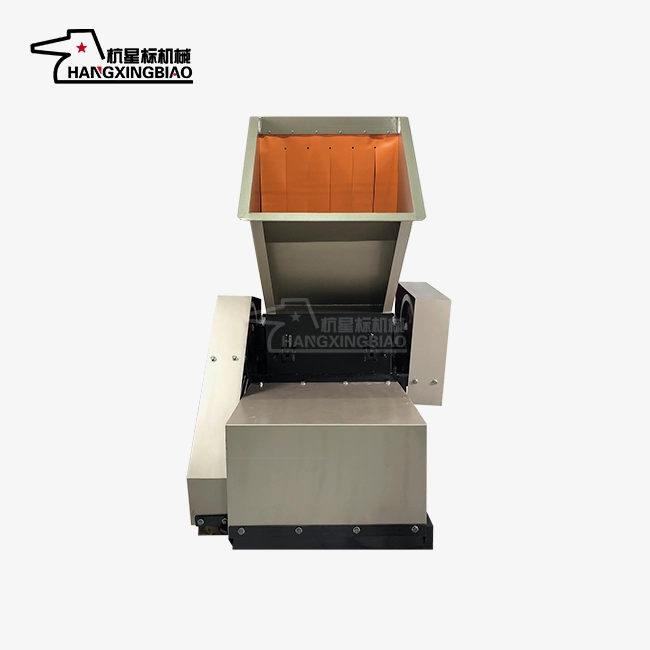
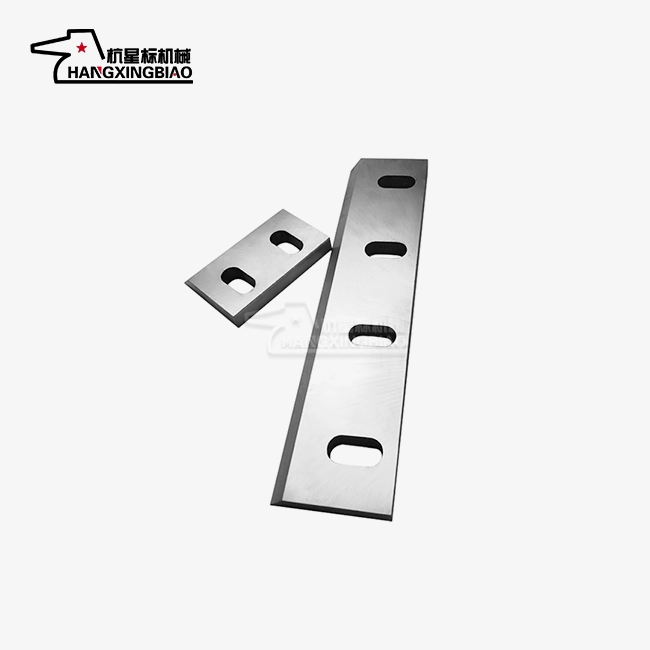
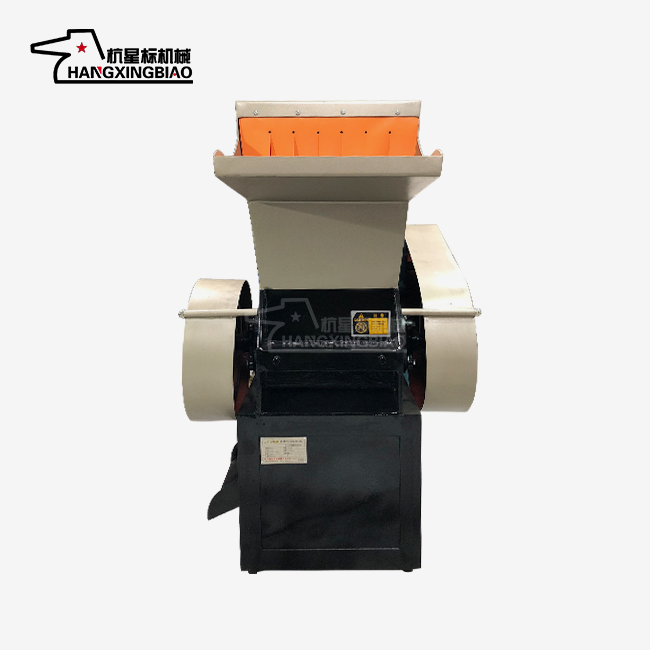
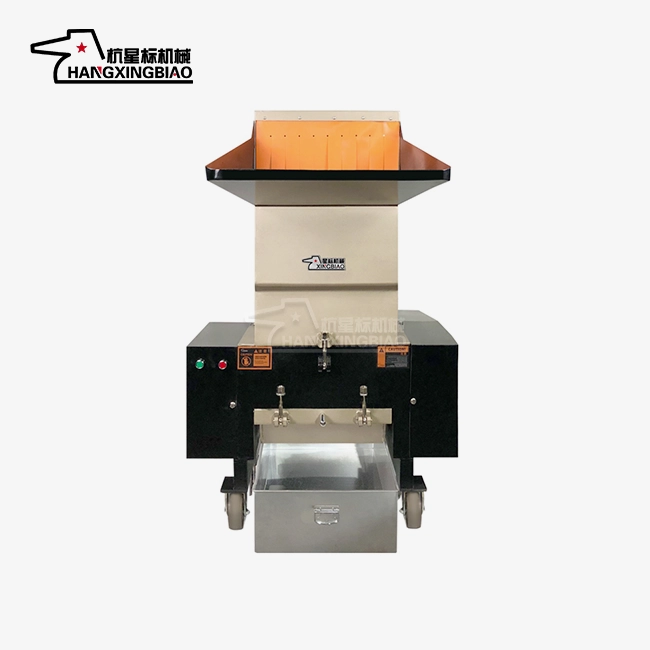
It is becoming increasingly important for companies operating in the manufacturing and recycling industries to locate dependable plastic shredder providers all over the world. When you find reliable suppliers, you ensure that you will have access to long-lasting equipment that is tailored to your particular operational requirements. This is true whether you are a manufacturer of plastic products that processes scrap materials or a recycling business that deals with bulk garbage. In the realm of material processing, global sourcing paves the way for competitive pricing, cutting-edge technology, and specialized solutions that are designed to meet a wide range of requirements.

Why Global Sourcing of Industrial Shredders Matters
Businesses have access to cutting-edge technology and competitive solutions that they have never had before because of the fact that the market for plastic recycling equipment spans numerous continents. Manufacturing companies all around the world have acquired specialized expertise in many parts of waste management and technology for size reduction.
Market Dynamics and Industry Growth
As environmental laws become stricter and circular economy projects gain momentum, the global demand for recycling tools continues to grow. Modern systems for shredding plastic now have advanced features like motors that use less energy, dust control, and automatic feeds. Because of this progress in technology, simple plastic breakers have become complete systems for recovering materials.
In several areas, regional specialization has grown. European companies are great at precise building and recycling in ways that are good for the environment. Asian suppliers have choices that are both cheap and strong, making them good for high-volume operations. Companies in North America focus on coming up with new ways to automate and integrate systems.
Breaking Traditional Material Limitations
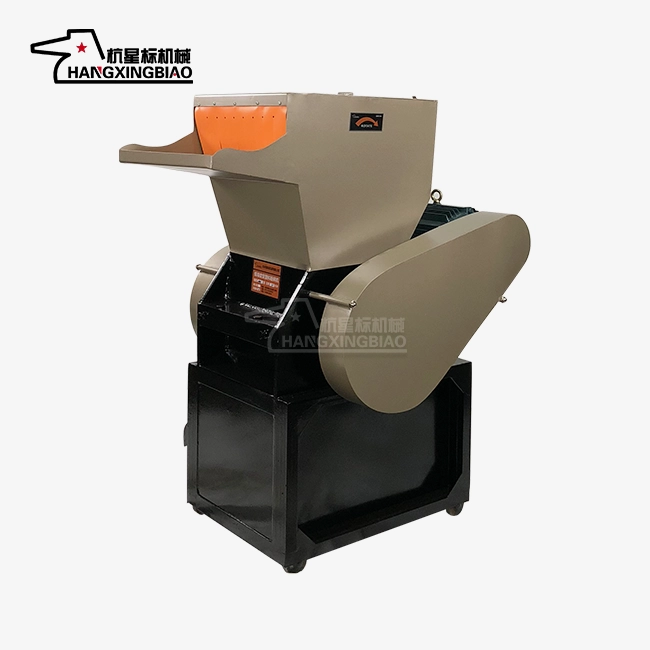
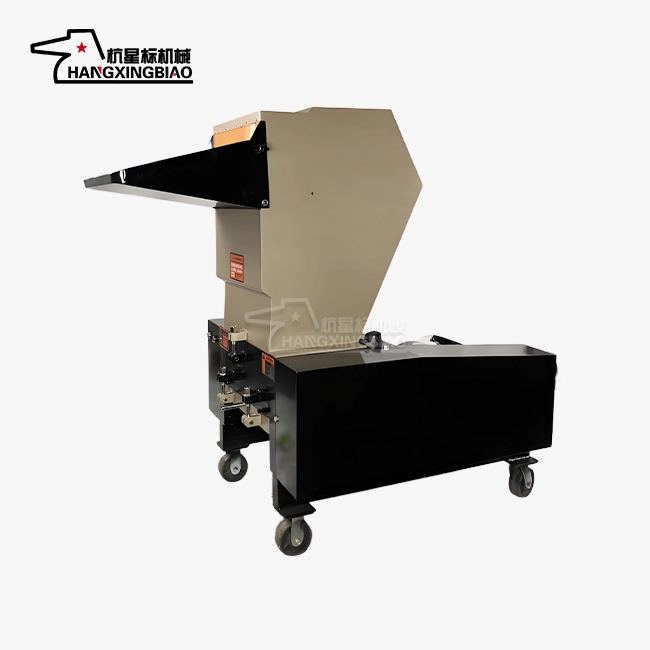
Modern industrial plastic shredders have significantly transformed the processing of materials. Modern shredding machines can easily process almost all non-metallic materials, except for metal and rock. This is because they don't have the "single material adaptation" problem that older pulverizers did. These units can handle a variety of materials, including plastic, rubber, wood, paper, cloth, foam, traditional Chinese medicine, grain, feed, non-corrosive chemical raw materials, fruit and vegetable trash, and waste cartons.
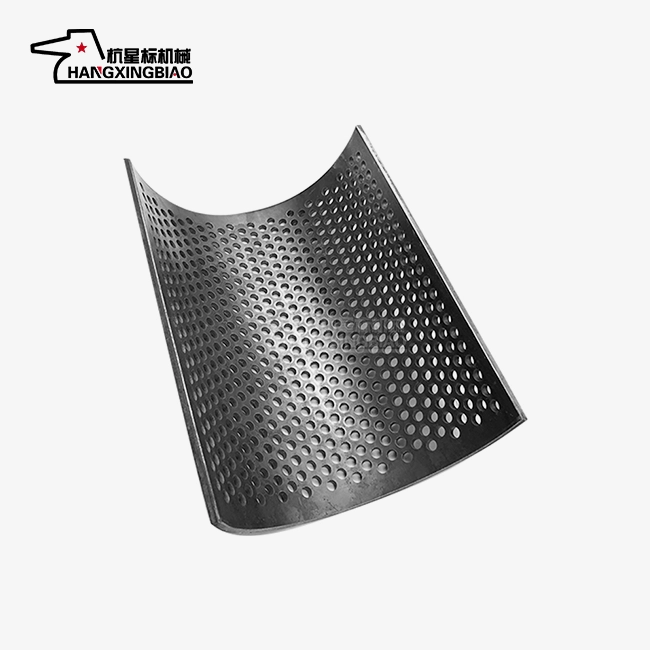
Modern shredding tools can reliably do coarse and medium crushing of materials bigger than 2 mm, no matter what shape they are in (block, flake, fiber, or other). Easily change the release particle size with interchangeable screens. Usually, the screens cover an area of 2 to 50 mm, which is enough to meet the basic needs of different material size situations.
Understanding Different Customer Requirements
Plastic processing industries demonstrate varying equipment needs based on operational scale, material types, and production integration requirements.
Manufacturing Enterprise Specifications
Large-scale manufacturing requires heavy-duty shredders that can operate continuously with injection molding tools. These companies put a high value on long-lasting tools, integrating production lines smoothly, and creating custom solutions. When working with a lot of injection-molded parts, pipes, and profiles, energy saving is very important. Medium-sized businesses often look for plastic pulverizer systems that can handle a range of scrap materials while keeping the quality of the output constant. We must carefully consider room limitations and optimize the flow of materials when integrating with current production workflows.
Recycling Plant Requirements
Businesses that recycle and reprocess plastic take care of large amounts of plastic waste, like trash cans, tires, films, and woven bags. These activities focus on how efficiently they crush materials, how much energy they use, and how well they can handle difficult materials like tangled waste.
Standard models that can handle different types of trash are usually what small- to medium-sized recycling plants need. For processes to last, they need to be cost-effective, easy to maintain, and have little downtime.

Regional Supply Chain Analysis
Understanding global supply patterns helps businesses make informed sourcing decisions based on quality, pricing, and service considerations.
Asian Manufacturing Hubs
China makes most of the plastic shredding tools in the world. They make a wide range of products, from standard crushers to custom industrial solutions. For thirty years, companies like Hangzhou Xingbiao Machinery have only made plastic crushers. They have become excellent at what they do by focusing on innovation.
Companies like Xingbiao use the "single-category excellence" strategy, which means they don't branch out into new areas so they can keep their strong technical knowledge. Senior engineers in their study teams collaborate with large companies to develop solutions tailored to specific needs. Japanese and South Korean companies produce precision engineering and advanced automation technologies for high-end applications that require high reliability.
European Innovation Centers
European providers put a lot of emphasis on being kinder to the environment, saving energy, and having complex control systems. German and Italian companies are the best at making recycling products that are safe and beneficial for the environment. These sellers usually sell high-quality items that come with many instructions, training, and strong support networks after the sale.
North American Technology Leaders
United States and Canadian manufacturers focus on automation integration, IoT connectivity, and data analytics capabilities. These suppliers excel in providing turnkey waste plastic processing solutions for large-scale operations.
Sourcing Channel Comparison
Different procurement channels offer distinct advantages and limitations for acquiring plastic shredding equipment.
Direct Factory Sourcing
| Advantages | Disadvantages |
|---|---|
| Competitive pricing | Higher minimum orders |
| Customization options | Limited local support |
| Technical expertise access | Communication challenges |
| Quality control oversight | Longer lead times |
Local Distributors and Dealers
Regional distributors provide immediate availability, local language support, and established service networks. However, pricing typically includes distributor margins, and product selection may be limited to specific brands or models.
B2B Platforms and Trade Shows
Online B2B platforms facilitate supplier comparison and initial contact establishment. Major trade exhibitions allow hands-on equipment evaluation and face-to-face supplier meetings. These channels excel for market research but require careful supplier verification.
Trading Companies
Trading companies offer simplified procurement processes and consolidated shipping options. However, they may lack deep technical knowledge and direct manufacturer relationships, potentially complicating customization requests or technical support.
Supplier Verification and Selection Process
Thorough supplier evaluation prevents costly mistakes and ensures long-term equipment reliability.
Technical Capability Assessment
Manufacturers should be judged on their ability to do research and development, the size of their production facilities, and their quality control systems. Companies with dedicated engineering teams and long-term relationships in the industry usually come up with better solutions. Ask for complete technical specs, performance figures, and lists of past customers. Reliable providers are happy to provide detailed paperwork and make it easy for customers to visit the site.
Quality Control Verification
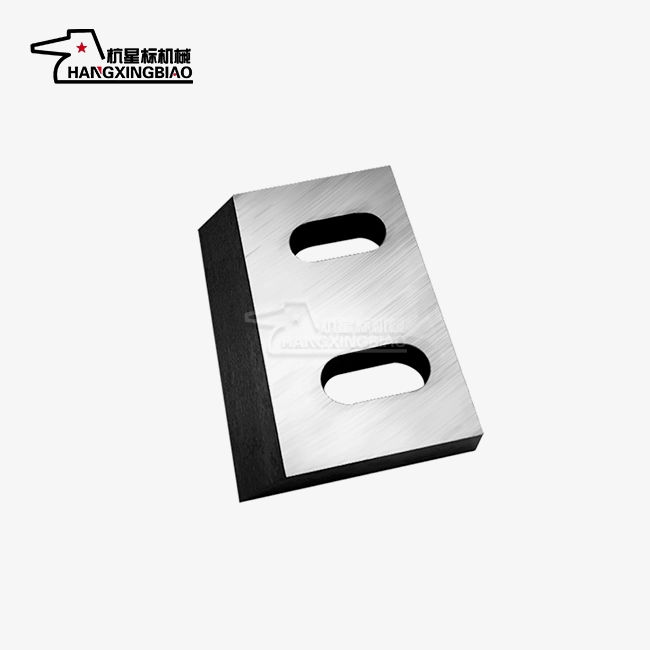
Check the material requirements for important parts like blades; they should be made of high-quality steels like SKD-11, D2 mold steel, or Cr12MoV special steels. Vacuum heat treatment and deep cryogenic processing are used by good makers to make things last longer. High-strength steel plate welding with a stress relief treatment is an example of a strong building feature that keeps the structure from deforming over long periods of use.
Service Support Evaluation
Comprehensive service support encompasses pre-sales consultation, installation guidance, operator training, and ongoing maintenance assistance. Leading suppliers commit to 24-hour response times for customer inquiries and maintain adequate spare parts inventory.
Practical Procurement Considerations
Successful equipment acquisition requires careful attention to commercial terms, logistics, and operational integration planning.
Minimum Order Quantities and Payment Terms
Factory-direct purchases typically require single-unit minimum orders for standard models, while customized solutions may involve higher quantities. Payment terms vary from 30% deposits with a balance against shipping documents to letter of credit arrangements for larger transactions.
Delivery Timeline Management
Standard models of plastic shredders usually ship between 2 and 4 weeks, but heavy-duty, custom-made shredders may take 6 to 12 weeks to finish making. Allow extra time for sending internationally, clearing customs, and getting ready for installation.
Common Procurement Pitfalls
Avoid buying from sellers with very low prices and unclear technical details. Insufficient after-sales assistance poses a significant challenge for complex industrial equipment that requires constant maintenance. Make sure the electrical specs match the standards for the local power source. Make sure that the warranty covers both parts and work and that there are clear steps for getting technical help remotely and getting serviced on-site when needed.
Application-Specific Equipment Selection
Different industries require specialized shredding solutions optimized for specific material characteristics and processing requirements.
Plastic Manufacturing Applications
Injection molding operations can recycle sprues and runners right away by placing small, quiet plastic breakers next to the molding machines. High-power types are adept at working with big plastic pipes, profiles, and parts. Strong systems, capable of handling thick-walled containers and rejects with odd shapes without becoming stuck or wearing out too quickly, are essential for blow molding factories.
Waste Management Solutions
For municipal recycling programs to work, they need shredders that can handle various plastic streams, such as bottles, containers, and wrapping materials. Large-diameter breakers can handle big things like trash cans and storage bins. Specialized designs are needed for tough materials like weaving bags and plastic films that tend to wrap around moving parts. Features that stop winding and optimal blade designs keep operations running smoothly.
Conclusion
To get the best plastic shredder, you need to find a balance between the quality of the tools, the dependability of the supplier, and the total cost of ownership. Global sourcing gives you access to cutting-edge technology and low prices, but it also requires careful seller screening and clear communication rules. Pay attention to manufacturers that have a history of success, offer a wide range of services, and make equipment that is specifically made to meet your material processing needs. Buying good shredding machines from reputable sellers is what decides how well plastic processing and recycling businesses run, how much they cost to maintain, and how profitable they are in the long run.
FAQ
Q1: What factors determine plastic shredder pricing?
A: Pricing depends on machine capacity, blade materials, motor specifications, and construction quality. Additional features like soundproofing, automation, and customization increase costs. Generally, industrial-grade units range from $5,000 to $50,000+ depending on size and capabilities.
Q2: How do I determine the right shredder size for my operation?
A: Consider daily processing volume, largest material dimensions, and desired output particle size. Calculate throughput requirements, including peak demand periods. Consult suppliers about motor power, chamber dimensions, and screen options suitable for your specific materials.
Q3: What maintenance requirements should I expect?
A: Regular maintenance includes blade sharpening or replacement every 200-500 operating hours, depending on material abrasiveness. Screen inspection, bearing lubrication, and motor servicing follow manufacturer schedules. Under normal operation, quality machines typically require major overhauls every 2–3 years.
Partner with Xingbiao for Superior Plastic Shredding Solutions
Xingbiao Machinery stands as a trusted plastic shredder manufacturer with thirty years of specialized expertise in developing robust, efficient shredding solutions. Our comprehensive product line includes large-diameter crushers for industrial applications, high-power units for injection molding integration, and customized systems for challenging materials. Advanced engineering utilizing premium materials like SKD-11 steel blades and stress-relieved steel construction ensures exceptional durability and performance. Contact us at postmaster@xingbiaocrusher.com to discuss your specific requirements and receive expert consultation on optimal equipment selection for your plastic processing needs.

References
1. Chen, L., & Wang, M. (2023). "Global Plastic Recycling Equipment Market Analysis and Future Trends." Industrial Machinery Quarterly, 45(3), 78-92.
2. Thompson, R.K. (2022). "Advances in Plastic Shredding Technology: Material Processing Innovations." Journal of Waste Management Technology, 18(7), 245-267.
3. Rodriguez, A., et al. (2023). "Comparative Study of International Plastic Processing Equipment Standards." Manufacturing Engineering Review, 31(2), 134-148.
4. Kumar, S. & Peterson, J. (2022). "Supplier Selection Criteria in Industrial Equipment Procurement: A Global Perspective." Supply Chain Management Today, 29(4), 56-71.
5. Williams, D.H. (2023). "Energy Efficiency in Modern Plastic Shredding Systems: Technology and Performance Analysis." Environmental Technology Advances, 12(1), 23-39.
6. Zhang, Y., & Miller, K.A. (2022). "Quality Control and Material Specifications in Plastic Processing Equipment Manufacturing." Industrial Quality Standards Journal, 27(6), 112-127.