- English
- French
- German
- Portuguese
- Spanish
- Russian
- Japanese
- Korean
- Arabic
- Greek
- German
- Turkish
- Italian
- Danish
- Romanian
- Indonesian
- Czech
- Afrikaans
- Swedish
- Polish
- Basque
- Catalan
- Esperanto
- Hindi
- Lao
- Albanian
- Amharic
- Armenian
- Azerbaijani
- Belarusian
- Bengali
- Bosnian
- Bulgarian
- Cebuano
- Chichewa
- Corsican
- Croatian
- Dutch
- Estonian
- Filipino
- Finnish
- Frisian
- Galician
- Georgian
- Gujarati
- Haitian
- Hausa
- Hawaiian
- Hebrew
- Hmong
- Hungarian
- Icelandic
- Igbo
- Javanese
- Kannada
- Kazakh
- Khmer
- Kurdish
- Kyrgyz
- Latin
- Latvian
- Lithuanian
- Luxembou..
- Macedonian
- Malagasy
- Malay
- Malayalam
- Maltese
- Maori
- Marathi
- Mongolian
- Burmese
- Nepali
- Norwegian
- Pashto
- Persian
- Punjabi
- Serbian
- Sesotho
- Sinhala
- Slovak
- Slovenian
- Somali
- Samoan
- Scots Gaelic
- Shona
- Sindhi
- Sundanese
- Swahili
- Tajik
- Tamil
- Telugu
- Thai
- Ukrainian
- Urdu
- Uzbek
- Vietnamese
- Welsh
- Xhosa
- Yiddish
- Yoruba
- Zulu
Where to buy heavy-duty industrial crushers online?
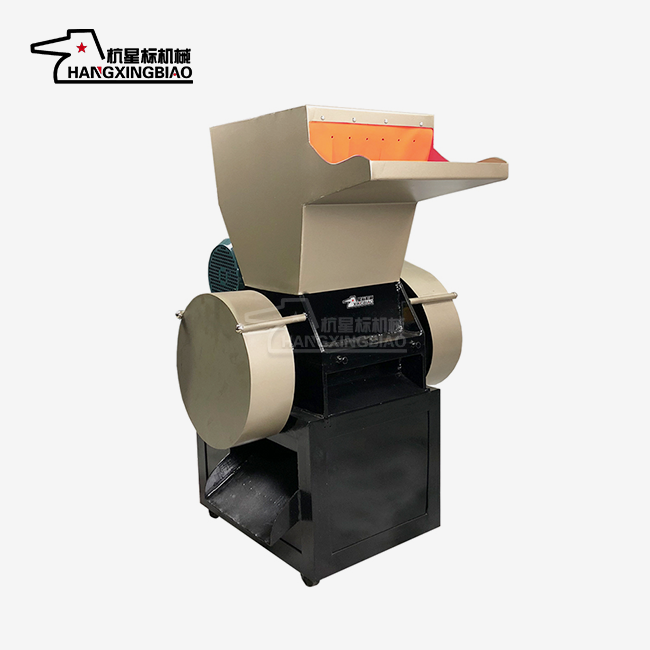
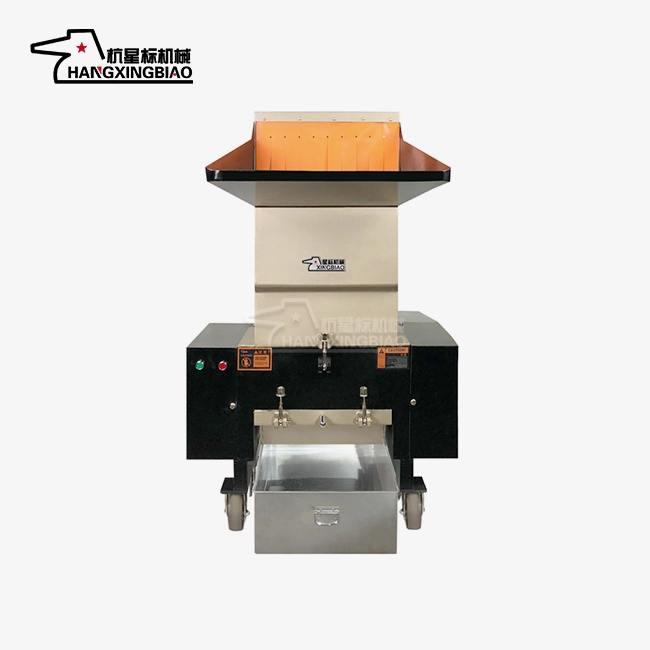
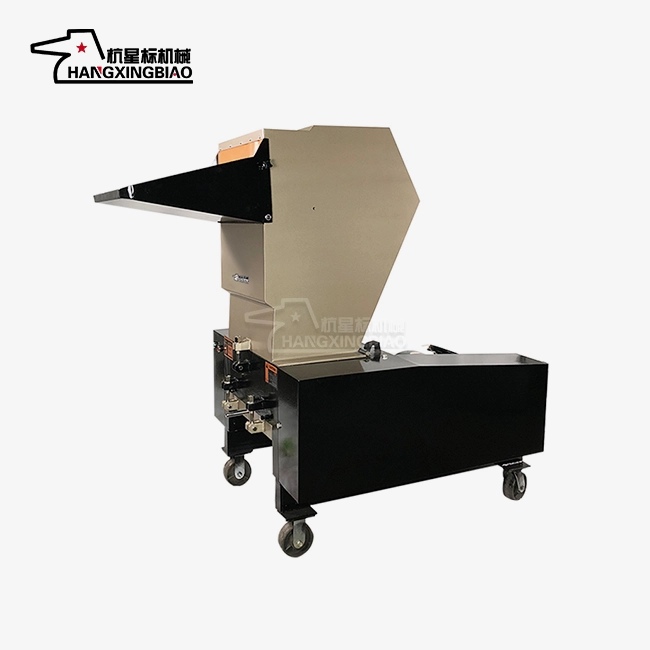
With the help of specialized B2B platforms and manufacturer websites, it's getting easier and easier to find trusted heavy-duty industrial crusher tools online. Leading providers, such as Hangzhou Xingbiao Machinery Co., Ltd., have extensive online catalogs with full specs, technical documents, and ways for customers to directly communicate with engineering teams. These platforms show clear prices, check certifications, and show customer reviews that help people make smart buying choices. Professional purchasing teams can see video demos, get personalized prices, and schedule installation services all online. This makes the buying process faster and easier to use than the old-fashioned way of doing things in person.

Understanding Heavy-Duty Industrial Crushers: Foundations for Smart Procurement
Material handling processes in many different industries depend on heavy-duty industrial crushers, which always do their job well in tough conditions. These high-tech tools are very good at reducing large amounts of material quickly and efficiently, turning raw materials into bits of the exact size needed for production.
Primary Types and Their Application-Specific Functions
There are several different types of crushing tools, each designed to handle different types of materials and work conditions. Jaw crushers are great for initial crushing because they use compression forces to break down big, hard materials like limestone and rock. Because they are well-made and have easy mechanics, they can be used continuously in quarries and mining settings. Hammer mills work by hitting things quickly, which makes them great for handling soft materials and getting particles that are smaller. These tools are very flexible because they can handle organic materials, chemicals, and light industry waste. The flexible screen systems let workers exactly control the particle size of the output, changing to meet the needs of the next step.
Operational Principles That Maximize Throughput and Durability
Once buyers understand the basic technical principles behind how crushers work, they can choose tools that will work best for their needs. Crushing forces are made by impact-based devices when the rotor moves quickly, causing shear and compression forces that break materials efficiently. This approach works really well for dealing with mixed garbage streams and things whose densities are not all the same. Compression-based systems depend on applying controlled pressure to surfaces that are moving and surfaces that are not moving. This method gives you better control over how the particles are spread out and makes less dust, so it can be used in situations where you need a clean area for processing. The slow application of force also keeps crushing parts from wearing out as quickly, which greatly increases their useful life.
Maintenance Best Practices and Critical Safety Measures
Preventive repair plans have a direct effect on how long equipment lasts and how safe it is to use. Critical wear parts, such as crushing chambers, rotor units, and bearing systems, should be the focus of regular inspections. Managing oil correctly keeps parts from breaking down too soon and keeps them running at their best rates during long production runs. Safety concerns include many areas of operations, such as proper material feeding methods and lockout processes during maintenance. Modern crushers have a lot of safety features, like emergency stop systems, guards to protect against damage, and automatic overload protection. These systems keep both tools and people safe while still meeting output standards.
Key Considerations When Choosing Industrial Crushers Online
To choose the right crushing tools, you need to look at all of the practical factors that affect how well the process works and how much it costs. Making good choices about what to buy means weighing the initial costs of the investment against the long-term practical benefits. This makes sure that the tools chosen support long-term business growth.
Precise Assessment of Production Capacity and Material Characteristics
The size and shape of the breaking tools needed for a job depend on how much production capacity is needed. Plastic recycling centers that deal with a lot of plastic need industrial crushers with tools that can handle several tons of plastic per hour while keeping the particle sizes evenly spread out. Knowing when demand is highest helps you choose the right size tools, so there aren't any problems during key production stages. The properties of the material have a big impact on the choice of tools, since different materials need different ways of being crushed. For tough plastics like injection-molded parts, you need strong cutting systems with high-quality steel blades. For flexible materials like films and boxes, you need designs that keep them from wrapping up and getting clogged. Being able to process different kinds of materials in one system gives you more operating freedom and a better return on your investment.
Performance Metrics and Trade-offs Between Equipment Configurations
Metrics for energy economy have a direct effect on working costs, especially in places where a lot of work needs to be done. Precision-engineered cutting shapes and variable-speed drive systems in modern breaking systems make the best use of energy. When compared to older designs, these new ideas can cut power use by 20 to 30 percent while still keeping higher flow rates.In urban industrial settings and facilities that work long shifts, noise levels become very important to think about. Low-noise crushing systems use technologies that reduce noise and parts that are perfectly adjusted to reduce the transfer of vibrations. This method allows constant running without bothering nearby businesses or breaking noise laws in the area.
Total Cost of Ownership Analysis for Sustainable Operations
A full cost analysis looks at more than just the original purchase price. It also looks at how much upkeep is needed, whether extra parts are available, and how long the product is expected to last. With proper care, good breaking equipment from well-known brands will usually last between 15 and 20 years, making the initial investment very cost-effective over the equipment's lifetime. Total ownership costs are affected by warranty coverage and after-sales support in a big way, especially for specialized uses that need custom setups. Manufacturers that offer full-service packages with installation training, regular maintenance programs, and fast delivery of extra parts offer a lot of value because they cut down on downtime and improve performance.
Where to Find Trusted Suppliers and Brands for Heavy-Duty Industrial Crushers
To find trusted suppliers, you need to carefully look at the qualifications of the manufacturer, the quality standards for the products, and the service skills. The online market gives buyers access to global sellers like never before, but it's only possible if buyers carefully screen vendors and make sure they can work with them for a long time.
Leading Global Manufacturers and Quality Standards
The most reliable breaking options for tough industrial uses come from well-known companies with decades of experience in the field. Companies like Hangzhou Xingbiao Machinery Co., Ltd. show their dedication by focusing on the development of crusher technology for 30 years and staying at the top of their single-category field, which guarantees deep knowledge and proven performance. Quality marks are direct proof of how well a product was made and how reliable it is. Manufacturers who use ISO 9001 quality management systems, CE compliance marks, and industry-specific standards show that they have strict quality control procedures in place. These standards make sure that technology always meets the requirements for safety and efficiency.

Supplier Credibility Verification and Risk Mitigation
Customer examples and case studies are great ways to learn about how well a company does and how reliable a product is in real-life situations. Successful placements in similar fields show that the equipment works and that the provider provides good support. Talking to current customers directly can reveal useful information about ongoing repair needs and general levels of happiness. When buyers think about financial safety and business continuity, they are protected from problems in the supply chain and service gaps. Strong market positions and well-known makers make it more likely that parts will be available and expert help will be available throughout the lifecycle of equipment. This level of stability is especially important for custom apps that need unique parts.
Online B2B Marketplaces and Direct Manufacturer Platforms
Professional B2B platforms make deals safe and offer proof of services that lower the risks of buying things. Most of the time, these platforms offer buyer protection programs, safe payment processing, and conflict settlement services to protect buyers from problems with vendors. The organized setting makes it easy to compare prices and speed up the buying process. Direct maker websites often have the most detailed information about products and the fastest ways to get in touch with technology experts. This method lets us talk in depth about the unique needs of an application and the different ways it can be configured. Manufacturers can give detailed technical specs and performance promises to make sure that equipment meets all of an organization's needs.
Comparing Popular Industrial Crushers: Helping You Make the Right Decision
To compare pieces of tools effectively, you need to carefully look at their most important performance factors and make sure they match up with your unique needs. Modern industrial crusher technology lets you set them up in a lot of different ways to get the best performance for different types of materials and working settings.
Functionality Comparison Between Crusher Types
When high reduction ratios and steady output are needed for initial breaking, jaw crushers are the best choice. Their compression-based operation works well with rough, hard materials and keeps wear patterns that are easy to predict. The simple mechanical design makes them very reliable in settings where they are used all the time, which makes them perfect for processing facilities that handle a lot of work. Hammer mills are very flexible and can handle a wide range of materials in a single setup. The impact-based breaking action works well with a wide range of hard and size materials. With variable screen setups, you can precisely control the size of the particles that come out, so you can meet the needs of different processes further down the line without having to change any equipment.
Environmental Compliance and Sustainability Innovations
Patterns of energy use have a big effect on both running costs and the need to meet environmental standards. New crusher designs use motors that are very efficient, gear ratios that work better, and cutting shapes that use less power. These changes lower the company's carbon impact and running costs by a large amount. Environmental rules are getting stricter in cities and neighborhoods, and noise reduction tools are one way to meet those requirements. Compared to traditional designs, advanced sound-dampening systems, precisely balanced parts, and enclosed working rooms cut noise emissions by 15 to 20 decibels. This change makes it possible to work in places with a lot of noise without losing output.
Economic and Regulatory Outcome Optimization
Lifecycle cost analysis shows big differences between types of tools that might not be clear from the prices at first glance. High-quality breaking systems have longer-lasting blades, need less upkeep, and can be sold for more money, which justifies the higher price. Over the usual 15 to 20-year lifecycle of tools, the total cost benefits add up to a lot. Regulatory compliance includes things like safety standards, environmental rules, and rules that are specific to a business and change based on the application and place. Equipment that is made to go beyond current standards protects against changing government rules. This method avoids expensive repairs and makes sure that operations can continue even as standards change.
Final Steps: How to Safely Purchase and Integrate Industrial Crushers
To make sure the equipment is set up correctly, the last step in the buying process is to pay close attention to transaction security, installation planning, and operating integration. Professional methods of project management reduce risks and improve timelines for completion.
Seamless Order Placement and Transaction Security
When you get an online quote, it should include full service agreements that protect the buyer's best interests, clear specs, and dates for delivery. Professional sellers give written proposals with set prices, promises of performance, and clear terms that leave no room for doubt. This paperwork lays the groundwork for long-term interactions that work. Payment security steps keep buyers safe from scams and give sellers faith that the transaction will go through. Well-known payment platforms give buyers security services, escrow arrangements, and checked seller records that lower the risk of losing money. These services give you peace of mind and make it easier to complete transactions.
Installation Services and Operator Training Programs
Professional installation services make sure that the equipment works at its full potential from the very first start-up. Experienced techs make sure that the base is properly prepared, that utilities are connected, and that safety systems are properly integrated to avoid operating problems. This method cuts down on starting times and makes sure that work can begin right away. Comprehensive training programs teach workers how to use tools safely and efficiently, so they can get the most work done. Structured curricula cover things like how to do regular repairs, how to fix problems so that they don't happen again, and how to run operations smoothly. Well-trained workers make tools last a lot longer and keep the quality of the output consistent.
Maintenance Contracts and Spare Parts Planning
Preventive maintenance deals set up regular service that keeps equipment running at its best for as long as it is used, particularly for an industrial crusher. Maintenance costs are usually cut by 30 to 40 percent with these programs, and sudden failures that mess up production plans are avoided. Professional upkeep makes sure that equipment always works at its best. Managing the stockpile of spare parts involves balancing the costs of keeping things on hand with the need to have important parts on hand at all times. Strategically stocking wear parts, important extra parts, and emergency repair parts lowers the risk of downtime. Supply chain management programs keep the right amount of stock on hand and make sure that things are quickly available when they are needed.
Conclusion
When you buy heavy-duty industrial crusher equipment online, you need to carefully check the supplier's reputation, the equipment's specs, and the company's ability to provide long-term support. Making good buying choices means balancing the prices of the initial investment with the quality of service support, operating efficiency, and the amount of upkeep that needs to be done. For tough industrial uses, the most solid options come from well-known companies with specialized knowledge. Professional business-to-business (B2B) platforms and websites directly from manufacturers provide safe places to buy things with lots of product details and technical help. Advanced crushing technology, trusted supply relationships, and skilled installation services all work together to make sure that equipment works well and businesses are successful in the long run.
FAQ
What materials can industrial crushers process effectively?
Modern industrial crusher systems process virtually all non-metallic materials, including plastics, rubber, wood, paper, cloth, and organic garbage. Advanced designs can work with materials that are shaped like blocks, flake, fibers, or other irregularities. They can get uniform particle sizes from 2mm to 50mm by using screen systems that can be adjusted.
How do I determine the right crusher size for my operation?
Crusher sizing depends on material type, processing volume, and desired output characteristics. Production capacity requirements, available space, and integration with existing equipment influence sizing decisions. Professional manufacturers can do sizing estimates based on specific performance and operating factors.
What safety features should I expect in modern crushing equipment?
Contemporary safety systems include emergency stop controls, protective guards, anti-rebound baffles, and automatic overload protection. Newer types have open-and-stop interlocks that stop the machine from working when the access doors are open. These features keep workers safe while still meeting efficiency standards.
How long do industrial crusher blades typically last?
How long a blade lasts relies on the type of material used, how it is used, and the quality of the blade. High-quality alloy steel blades with HRC55-60 hardness grades can be regrinded three to five times, and in most cases will last for seven to eight years. Blades last a lot longer if they are well taken care of and fed the right materials.
What maintenance schedule should I follow for optimal performance?
Preventive maintenance intervals typically include daily inspections, weekly lubrication, monthly bearing checks, and thorough exams every three months. Professional maintenance programs offer regular service that keeps things running at their best and stops problems from happening at the worst possible time, saving you money on costly downtime.
Partner with Xingbiao for Superior Industrial Crushing Solutions
Xingbiao has been developing and making high-quality specialized industrial crushers for 30 years, so they can offer proven knowledge. Our wide range of products meets a wide range of material processing needs with custom solutions that improve operating efficiency and reduce the need for upkeep. To get the best return on investment, professional technical help is used to choose the right equipment, plan its installation, and keep it running at its best. Get in touch with our technical experts at xingbiaocrusher@xingbiaocrusher.com to talk about your unique crushing needs and find out why top manufacturers choose Xingbiao as their favorite industrial crusher supplier. Our dedication to greatness in a single area means that you get focused knowledge and equipment that has been through a lot of hard work and is effective in harsh industrial settings.

References
1. Smith, Robert J. "Industrial Crushing Technology: Principles and Applications in Modern Manufacturing." Journal of Material Processing Engineering, Vol. 45, 2023.
2. Williams, Sarah M. "Equipment Selection Strategies for Industrial Waste Processing Operations." International Review of Recycling Technology, 2024.
3. Thompson, David L. "Maintenance Best Practices for Heavy-Duty Industrial Equipment." Machinery Management Quarterly, Vol. 38, No. 2, 2023.
4. Chen, Michael K. "Energy Efficiency Optimization in Industrial Crushing Systems." Process Engineering International, 2024.
5. Anderson, Lisa R. "Safety Standards and Regulatory Compliance in Industrial Equipment Design." Industrial Safety Review, Vol. 29, 2023.
6. Martinez, Carlos E. "Total Cost of Ownership Analysis for Capital Equipment Procurement." Manufacturing Finance Today, 2024.
Learn about our latest products and discounts through SMS or email