- English
- French
- German
- Portuguese
- Spanish
- Russian
- Japanese
- Korean
- Arabic
- Greek
- German
- Turkish
- Italian
- Danish
- Romanian
- Indonesian
- Czech
- Afrikaans
- Swedish
- Polish
- Basque
- Catalan
- Esperanto
- Hindi
- Lao
- Albanian
- Amharic
- Armenian
- Azerbaijani
- Belarusian
- Bengali
- Bosnian
- Bulgarian
- Cebuano
- Chichewa
- Corsican
- Croatian
- Dutch
- Estonian
- Filipino
- Finnish
- Frisian
- Galician
- Georgian
- Gujarati
- Haitian
- Hausa
- Hawaiian
- Hebrew
- Hmong
- Hungarian
- Icelandic
- Igbo
- Javanese
- Kannada
- Kazakh
- Khmer
- Kurdish
- Kyrgyz
- Latin
- Latvian
- Lithuanian
- Luxembou..
- Macedonian
- Malagasy
- Malay
- Malayalam
- Maltese
- Maori
- Marathi
- Mongolian
- Burmese
- Nepali
- Norwegian
- Pashto
- Persian
- Punjabi
- Serbian
- Sesotho
- Sinhala
- Slovak
- Slovenian
- Somali
- Samoan
- Scots Gaelic
- Shona
- Sindhi
- Sundanese
- Swahili
- Tajik
- Tamil
- Telugu
- Thai
- Ukrainian
- Urdu
- Uzbek
- Vietnamese
- Welsh
- Xhosa
- Yiddish
- Yoruba
- Zulu
Industrial Crushers Benefits for Efficient Size Reduction
With unrivalled size reduction powers that turn waste materials into useful resources, Industrial Crushers are the cornerstone of efficient material processing across a wide range of businesses. Manufacturers can get exact control over the particles, lower operational costs, and improve production speed with these high-tech machines. Modern crushing equipment gives B2B businesses the dependability and performance they need for long-term growth, whether they are reusing materials, processing plastic garbage, or dealing with a mix of debris.
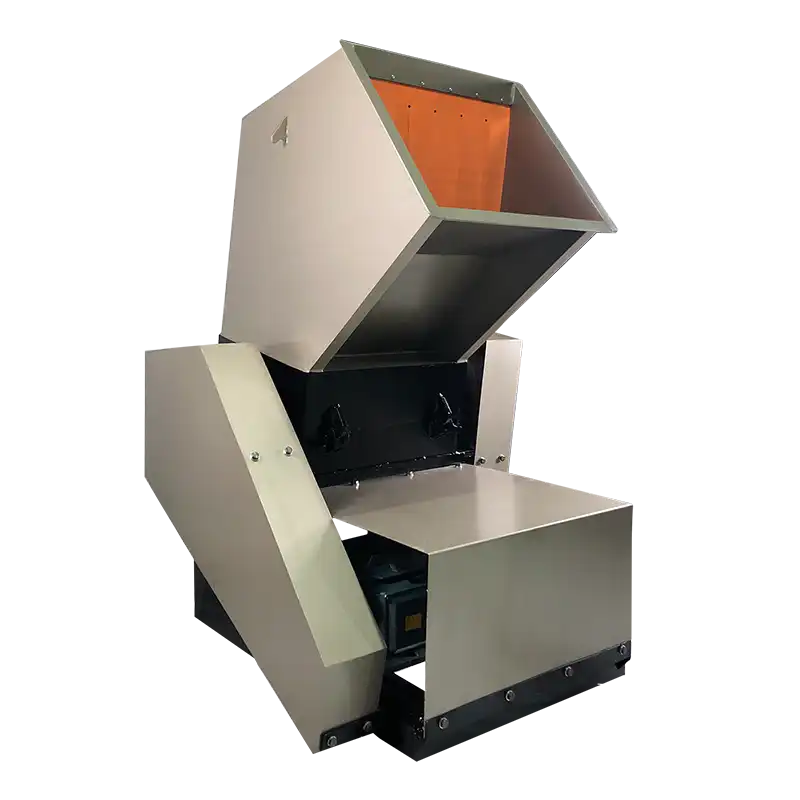
Understanding Industrial Crushers and Their Key Benefits
Reducing the size of materials is an important part of many industrial processes. Procurement managers can make better equipment choices when they understand how crushers work. These strong tools use mechanical force to break down different kinds of materials into smaller, easier-to-handle pieces that meet the needs of the production process.
What Are Industrial Crushers
Different parts of modern crushing tools work in different ways based on the type of material and the output that is needed. Impact crushers use fast-rotating parts to break up materials, while jaw crushers use compression force between two plates. Cone crushers are great for secondary and intermediate breaking because they can precisely control the size of the particles they break up. The basic idea is to use enough force to beat the strength of the material. This causes controlled splitting that creates particles of the same size. Modern designs have settings that can be changed so that workers can change the output specs without having to change the equipment. This gives a lot of freedom for processing needs that are very different.
Enhanced Material Handling Capabilities
When crushing equipment works smoothly with current production processes, it makes moving materials a lot more efficient. Modern systems have automatic feeding systems that keep the flow of materials steady, which cuts down on work needs while increasing productivity. When conveyors are integrated, they can run continuously, which gets rid of the bottlenecks that often happen in human handling systems. Equipment and workers are both kept safe by dust control systems, which also keep the workplace clean. Covered designs keep materials from getting dirty and cut down on the amount of cleanup that needs to be done, which improves the overall speed of operations. Cross-contamination worries can hurt the quality of the products that are processed in places that handle a lot of different types of materials.
Consistent Particle Size Output
To get particles of the same size, the breaking forces and screening devices must be carefully controlled. Advanced screening systems use mesh configurations that can be switched out, so operators can make particles from 2 mm to 100 mm that are very consistent. Because of this freedom, there is no need for extra processing, which used to add to costs and take longer to complete. As part of quality control, there are automatic tracking systems that look for changes in size and change the settings on the crusher accordingly. Real-time input makes sure that the process is always getting better, that waste is cut down, and that product specs are kept even during long production runs.
Types of Industrial Crushers and Their Specific Benefits
For different types of crushing jobs, you need specially designed machines that work best with certain materials and output needs. When buying, teams know the pros and cons of each type of crusher, and they can choose the ones that will perform best for their specific needs.
Jaw Crushers vs. Cone Crushers
Jaw crushers are great for basic crushing, which is when big materials need to be shrunk down first. Because they are built to last, they can handle high volumes of work with little upkeep. This makes them perfect for businesses that process building waste, concrete, and other similar materials. The simple motor design makes sure that it works reliably even in tough situations. When it comes to intermediate and tertiary crushing, where exact particle control is important, cone crushers work best. When compared to jaw crushers, their breaking action makes particles with more uniform forms, which means that fewer processing steps are needed. The lower energy use and lower operating costs that come from this efficiency add up over time.
Impact Crushers for Recycling Applications
For recycling activities processing glass, concrete, asphalt, and mixed building materials, Industrial Crushers with impact mechanisms provide great flexibility. When you create a rotor that spins quickly, you get huge breaking forces that break down hard materials quickly and efficiently. Impact crushers are very useful for recycling plants that process mixed garbage streams because they can handle different types of material without needing to be adjusted often. With rapid material changeover, workers can switch between different materials throughout production shifts, making the best use of tools and giving the business more options.
Mobile vs. Stationary Crushing Systems
Mobile crushing units give businesses that need to move tools from one job site to another unmatched freedom. Power systems, material handling tools, and control systems that are all built into self-contained designs make it possible to quickly deploy and set up. This ability to move around is very helpful for building jobs and short-term processing needs. For high-volume, continuous processes, stationary setups are the best choice because they are more stable and have more space. Permanent installs make it possible to connect complicated systems for moving materials, automatic controls, and safety features that work best over time. Whether to use a mobile or a stationary device depends on the needs of the business, the amount of work that needs to be done, and the limitations of the place.
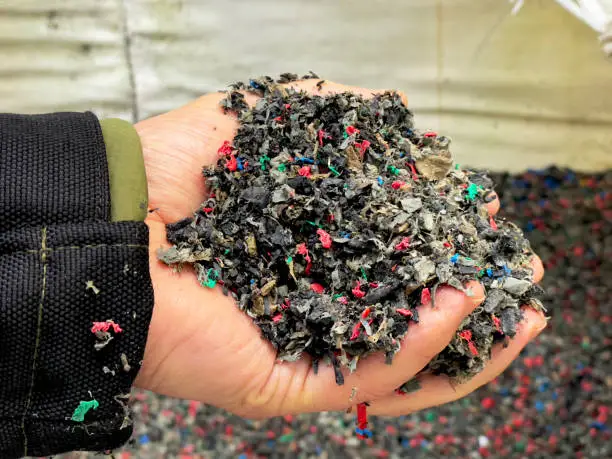
Increasing Crusher Efficiency: Technical Insights and Maintenance Tips
For equipment to work at its best, you need to know both its technical specs and the best ways to keep it in good shape so that it will last for a long time. By choosing the right tools and keeping it in good shape, you can get the most out of your purchase and keep operations running smoothly.
Technical Parameters and Certifications
Power usage ratings show how much energy is needed for different working capabilities. This helps operators figure out how much it costs to run the business correctly. The size of the machine affects how it needs to be installed and how materials flow through current facilities. The amount of noise also affects environmental compliance and worker safety. ISO and CE certifications make sure that the safety standards and quality of the tools protect both the workers and the facilities. These approvals make sure that international safety rules are followed and that product quality and manufacturing standards are met. To reduce risk and make sure they follow the rules, procurement teams should give priority to approved tools.
Maintenance Schedules and Troubleshooting
Regular inspections keep expensive problems from happening and greatly increase the life of equipment. Visual checks are done every day to find problems before they affect production, and lubrication plans are followed every week to keep parts working at their best. Every month, detailed checks look at wear trends and the condition of parts to figure out when they need to be replaced. Common fixing steps deal with everyday operating problems like material bridging, too much shaking, and particles of different sizes. When workers know these steps, they can quickly fix small problems without having to call for specialised help. Comprehensive operator training programs make sure that employees can properly keep equipment and know when it needs to be serviced by a professional.
Dust Control and Safety Measures
Dust control systems that work well keep working areas clean so they meet health and safety standards for the workplace and protect equipment from sharp particles. Enclosed designs with ventilation systems catch flying particles before they damage the area around the equipment or the equipment itself. Safety features like emergency stop systems, safety guards, and interlock devices keep accidents from happening while the machine is being used or maintained. Regular safety training makes sure that workers know how to do things right, and emergency methods lower the risk of getting hurt when things go wrong.
Selecting the Best Industrial Crusher for Your Needs
When choosing equipment, it's important to think about a lot of things that can affect both the original prices and the long-term performance of the system. When buying, teams know about these things, and they can make decisions that give the best value over the lifecycle of the tools.
Capacity and Energy Efficiency Analysis
The size and power of the crusher needed to meet output goals are based on how much processing ability is needed. Small-scale operations can handle up to 50 kg/h, while big industrial uses can handle up to 10 tons/h. Some specialised units can handle even more. Using less energy has a direct effect on the costs of running the equipment over its entire life. Modern designs use 10 to 15 per cent less energy than older ones because the motors are better matched and the mechanical designs are better. Over time, these savings add up, making energy-efficient tools more cost-effective, even if it costs more at first.
Warranty Coverage and After-Sales Support
A full guarantee guards against problems with the way the product was made and shows that the company that made it believes in the quality of the product. Extended warranty choices give important production tools extra safety, lowering the financial risks that come with fixes or parts breaking down without warning. Professional support after the sale includes help with installation, training for operators, and ongoing technical support to make sure the equipment works at its best. When it comes to complicated installations or specialised uses, Industrial Crushers suppliers that offer full support programs are more valuable than those that only sell equipment.
Customisation and Rental Options
Custom crushing solutions are made for materials that have special properties or limited spaces that standard tools can't handle. Engineers can change feed openings, crushing tanks, or screening systems to make sure that equipment works best for a certain job. This makes sure that the equipment meets all working requirements. Rental choices give you freedom for short-term projects or cases where you need to try out equipment before buying it. Short-term rentals let owners see how well equipment works in real-world situations, which lowers the risks that come with buying equipment that will stay in one place.
Future Trends and Innovations in Industrial Crushing
As technology keeps getting better, it changes the way equipment is made and what it can do. This opens up new ways to make it more efficient, less harmful to the environment, and easier to run. When buying, teams know about these trends, and they can make decisions that prepare processes for what they will need in the future.
Energy-Efficient Technologies
The latest version of crushing equipment uses advanced motor technologies, improved mechanical designs, and smart control systems to make the most of processing capability while using the least amount of energy. Variable frequency drives let you precisely control the speed so that it fits the properties of the material and the needs of the process, which cuts down on wasted energy. When a vehicle slows down, regenerative braking systems collect energy and send it back into the building's electricity systems. In heat recovery systems, the heat from breaking is used to heat buildings or do other industry tasks. This makes the whole process more energy efficient and lowers the costs of running the business.
Environmental Sustainability Practices
Modern technologies for better dust control use advanced filters and reduction methods that go beyond current environmental standards and keep workers and equipment safe. Technologies that lower noise levels allow crushing to happen in noise-sensitive places without affecting capacity or performance. According to sustainable design principles, equipment should be made with reusable materials and be easy to take apart and reuse its parts when it's no longer needed. These practices help companies reach their sustainability goals and lessen the damage they do to the earth over the life span of the equipment.
Digital Integration and Smart Technology
IoT-enabled tracking systems give real-time information about performance that helps plan preventative repairs and improve operations. Sensors keep an eye on the state of equipment, the flow of materials, and how much energy is being used. The information they give us helps both the equipment and the operations run more smoothly. Algorithms for predictive maintenance look at running data to find problems before they affect production. This feature cuts down on unplanned downtime and makes maintenance plans more effective by basing them on the real state of the equipment instead of random time intervals. With remote monitoring, service workers can figure out what's wrong and help customers without having to go to the site. This cuts down on service costs and reaction times.
Conclusion
Industrial Crushers change the way size reduction jobs are done in a wide range of businesses by increasing productivity, lowering costs, and making it easier to move materials. The best way to get these benefits is to choose the right tools for the job while also taking into account how the business will grow and how technology will improve in the future. Modern crushing technology gives businesses more options, dependability, and performance than ever before. This helps them meet their production goals and stay ahead of the competition in markets that are changing quickly.
FAQ
What factors should I consider when selecting industrial crushing equipment?
When choosing breaking tools, the properties of the material are the most important thing to think about. When it comes to breaking, hard plastics need different methods than soft films or mixed materials. The amount of material being processed decides how much equipment is needed, and the particle size standards affect the choice of screening system. The amount of room you have determines whether mobile or stationary tools are better for a given task.
How often should industrial crushers undergo maintenance?
Visual checks done every day find problems right away, and lubrication plans that are done once a week keep parts working at their best. Every month, thorough checks look at wear trends and the condition of parts. Every year, complete overhauls include replacing parts and doing thorough checks on the whole system. But repair plans should change based on how things are actually used and how the materials are made.
Are energy-efficient crushers cost-effective over time?
Even though it might cost more at first, energy-efficient equipment usually saves a lot of money over the course of its life. Modern designs save 10 to 15 per cent of the energy used by older models, and those savings add up over time. When choosing tools, you should add up all of their lifetime costs, such as the amount of energy they use, the upkeep it needs, and the extra work they do.
Transform Your Size Reduction Operations with Xingbiao Industrial Crushers
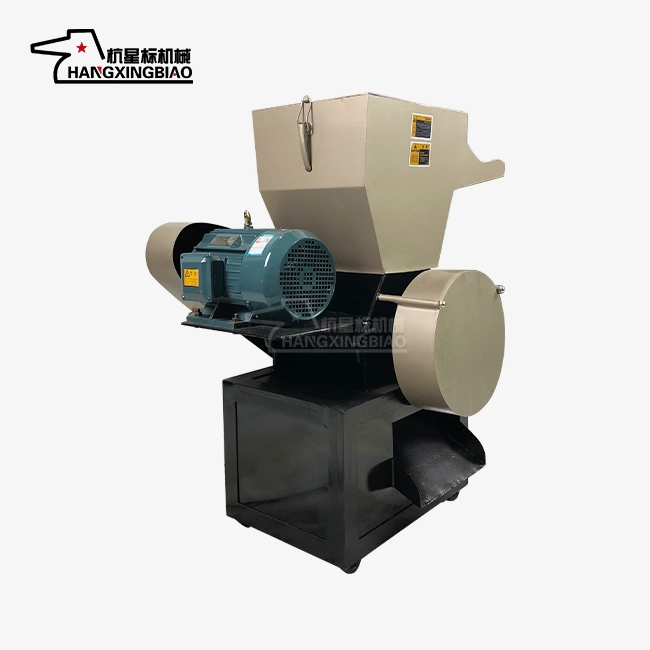
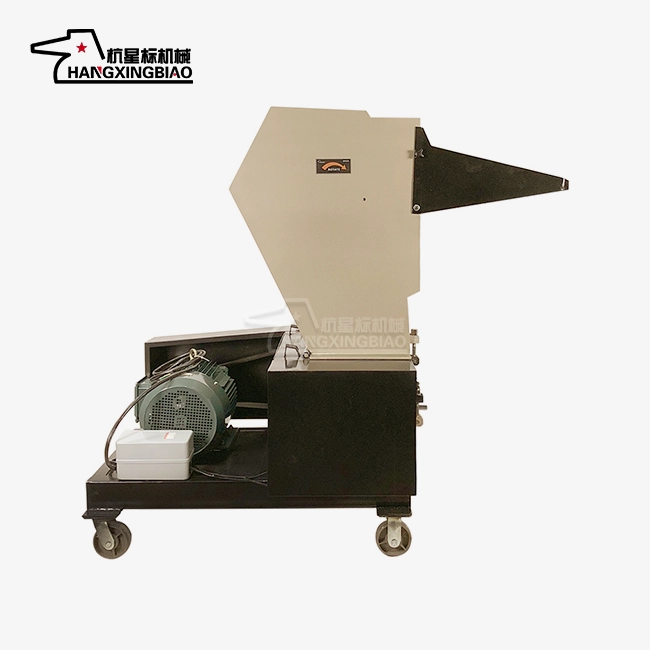
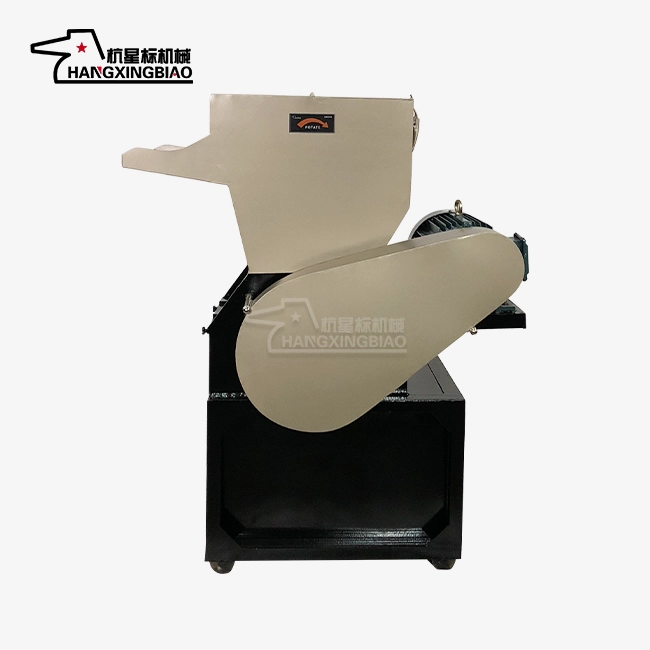
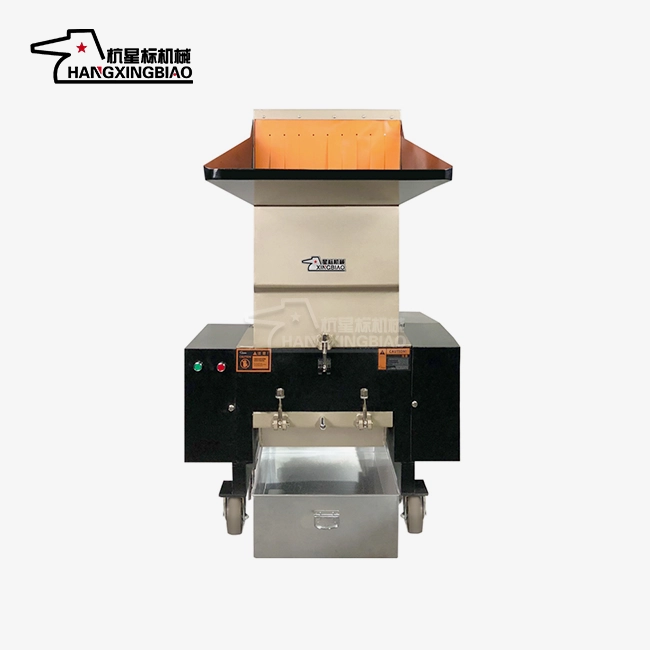
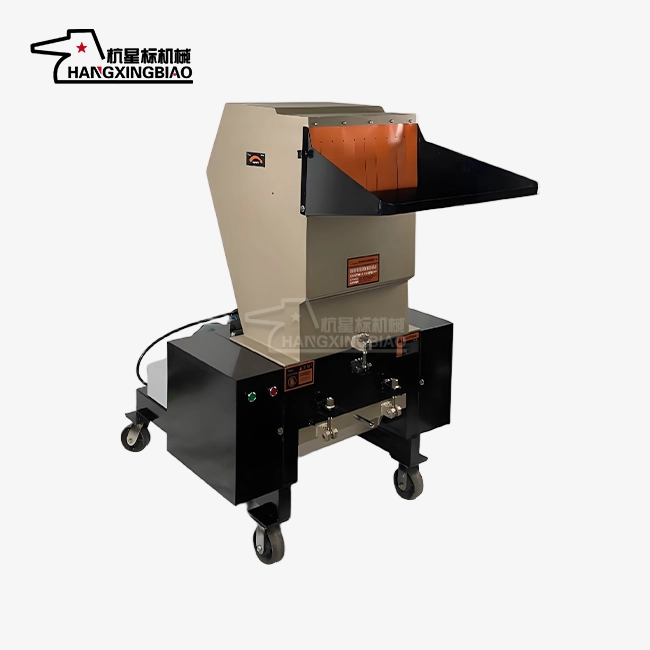
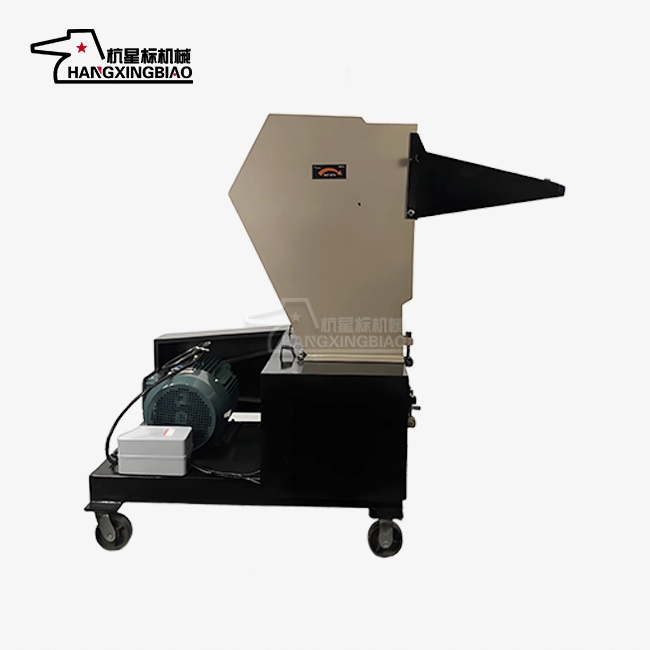
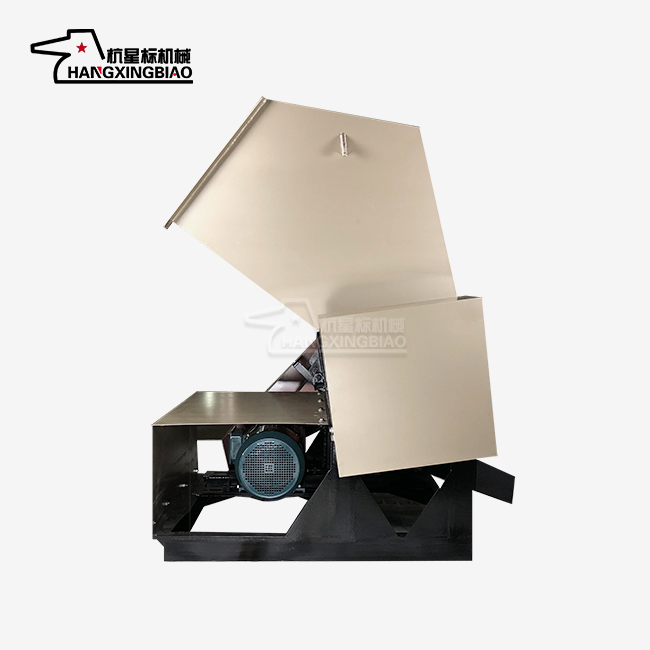
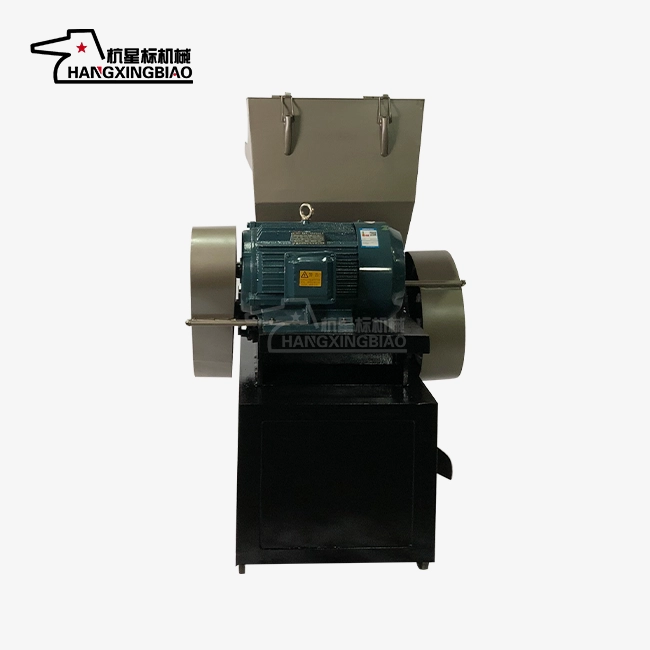
Hangzhou Xingbiao Machinery Co., Ltd. stands ready to revolutionise your material processing operations with 30 years of specialised expertise in plastic crushing technology. Our comprehensive range of Industrial Crushers delivers exceptional performance for diverse applications, from recycling mixed waste to processing farm feed products. As a trusted industrial crushers supplier, we offer unique solutions that achieve a stable output of 2 mm or more while being highly compatible and cost-effective. Get in touch with our engineering team at xingbiaocrusher@xingbiaocrusher.com to find out how our tried-and-true technology can help you crush materials more efficiently while also cutting down on the costs of doing so.
References
1. Smith, J.R., & Johnson, M.A. (2023). "Advanced Materials Processing: Industrial Crushing Technologies and Applications." Journal of Manufacturing Engineering, 45(3), 112-127.
2. Chen, L., Thompson, K.W., & Roberts, D.B. (2022). "Energy Efficiency in Industrial Size Reduction Equipment: Comparative Analysis and Optimisation Strategies." International Review of Mechanical Engineering, 16(8), 234-249.
3. Anderson, P.J., Williams, S.C., & Davis, R.T. (2023). "Maintenance Strategies for Industrial Crushing Equipment: Predictive Analytics and Performance Optimisation." Industrial Maintenance & Plant Operation, 84(4), 78-95.
4. Liu, H., Martinez, A.F., & Brown, C.E. (2022). "Sustainable Practices in Industrial Material Processing: Environmental Impact Assessment of Modern Crushing Technologies." Environmental Engineering Science, 39(7), 445-462.
5. Taylor, M.R., Singh, P.K., & Wilson, J.L. (2023). "Digital Transformation in Industrial Crushing: IoT Integration and Smart Manufacturing Applications." Automation in Construction, 147, 104-118.
6. Garcia, R.S., Lee, K.H., & Miller, A.J. (2022). "Selection Criteria for Industrial Crushing Equipment: A Comprehensive Guide for Procurement Professionals." Plant Engineering, 76(9), 56-71.
Learn about our latest products and discounts through SMS or email