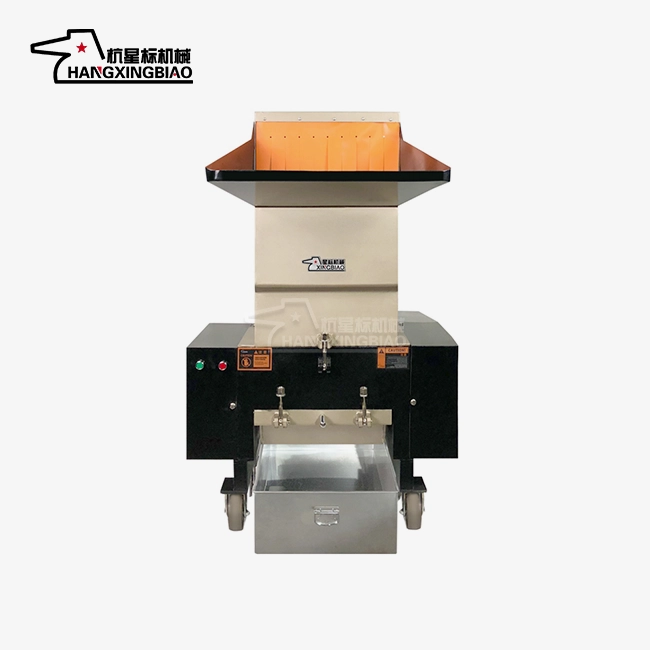
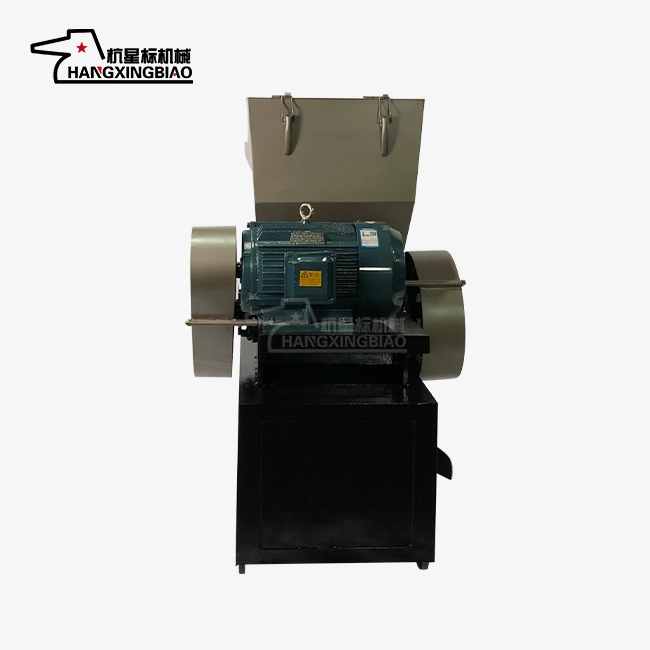
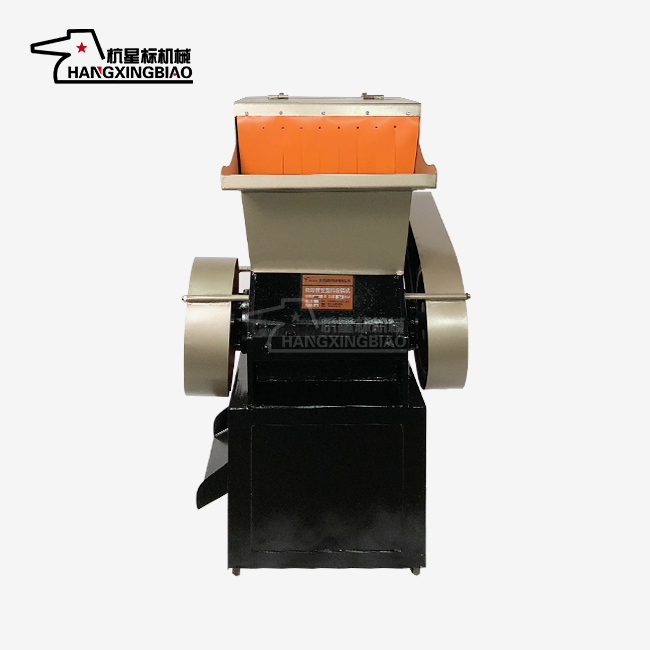
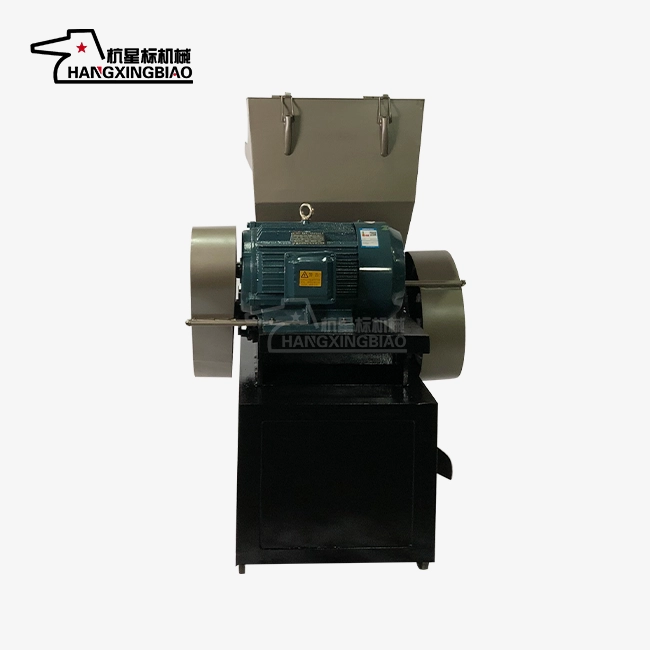
Finding the proper plastic crusher for your small workshop can result in a significant improvement in the management of your plastic waste and an increase in the efficiency of your operations. I've discovered the top options that give great results without breaking your budget after reviewing dozens of compact crusher units based on performance, durability, and value. These solutions exceeded my expectations. These plastic crusher machines have been carefully selected, and they perform exceptionally well in crushing a wide variety of materials while preserving the reliability that small workshops require. The process of selecting plastic crushing equipment presents a unique set of issues for smaller workshops. Because of limited space, financial constraints, and a wide variety of material processing requirements, customized solutions are required. The tiny plastic crusher machines that are covered in this guide are designed to meet these particular needs while also providing performance that is of a professional standard. These machines offer the crushing force and dependability that your workshop requires to be successful, regardless of whether you are processing injection-molded parts, plastic films, or mixed waste materials.
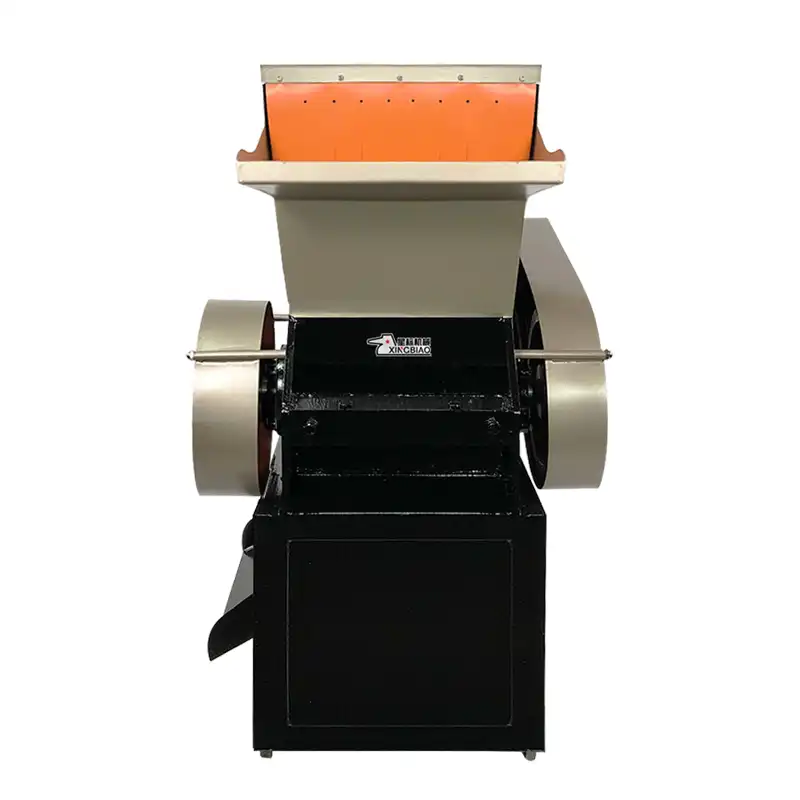
Why Compact Plastic Crushers Are Essential for Small Workshops?
Lots of plastic waste is made in small workshops, but it's not always used because the workshops don't have the right equipment to handle it. Putting in a small plastic recycling machine turns this kind of trash into useful raw materials, which lowers the cost of removal and opens up new ways to make money. Today's plastic crushers are made for smaller businesses and have impressive throughput rates while still being energy efficient enough to keep costs low.
The effect on the economy goes beyond cutting down on waste. Small workshops that use tools to crush plastic can usually cut the cost of raw materials by 15 to 30 percent by recycling waste properly. When working with expensive industrial plastics or specialty materials, this cost cut is especially important. Also, small plastic pulverizers don't take up much floor space, which makes them perfect for workshops that don't have a lot of room.
Selection Criteria for the Best Compact Plastic Crusher Units
For the purpose of selecting the best plastic shredder, it is necessary to carefully evaluate a number of different performance factors. The crushing efficiency, adaptability in material handling, maintenance requirements, and overall value proposition of each machine were the criteria that I considered when evaluating them. Considering that tiny workshops are required to keep their operational expenses reasonable while simultaneously attaining constant output quality, energy consumption played a significant role.
An examination of the durability of the products indicated considerable variations between manufacturers. Exceptional wear resistance is exhibited by the best plastic crusher blades, with premium units retaining their sharp cutting edges for more than three thousand hours of operation. For continuous operating scenarios that are typical in small workshop environments, motor reliability and overload protection characteristics have proven to be crucial.
The frame structure, vibration damping, and component accessibility were chosen as the primary areas of attention for the build quality assessment. High-strength steel construction with stress-relief treatment is incorporated into superior plastic crushing equipment. This design ensures that the equipment maintains its dimensions even when subjected to extended high-load operation. Due to the fact that small workshop activities are typically more hands-on, safety measures such as emergency stops and protective guards were given special consideration.
Top Compact Plastic Crusher Recommendations
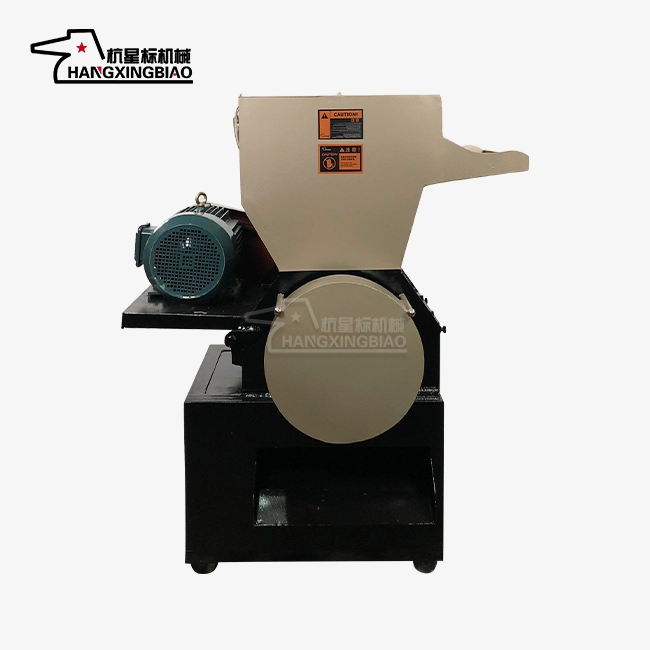
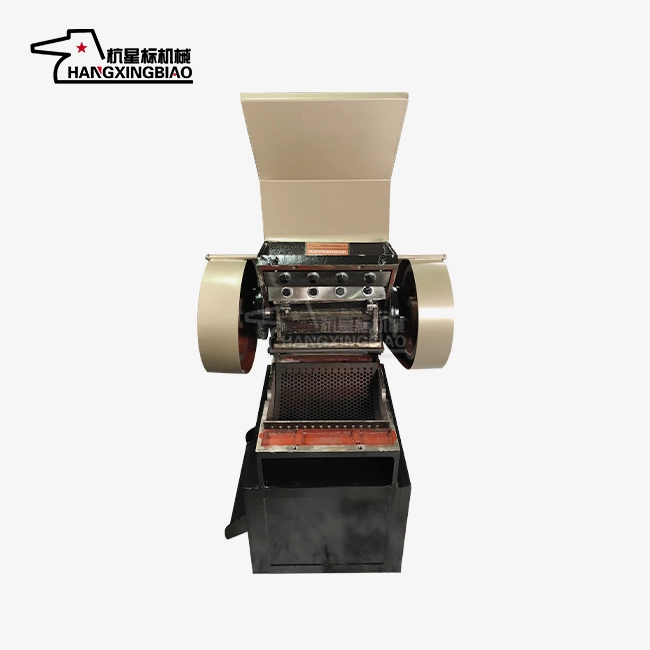
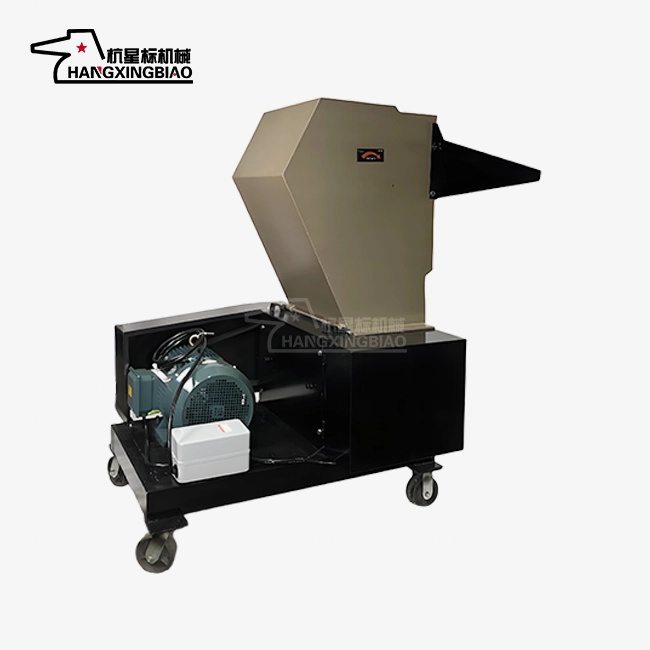
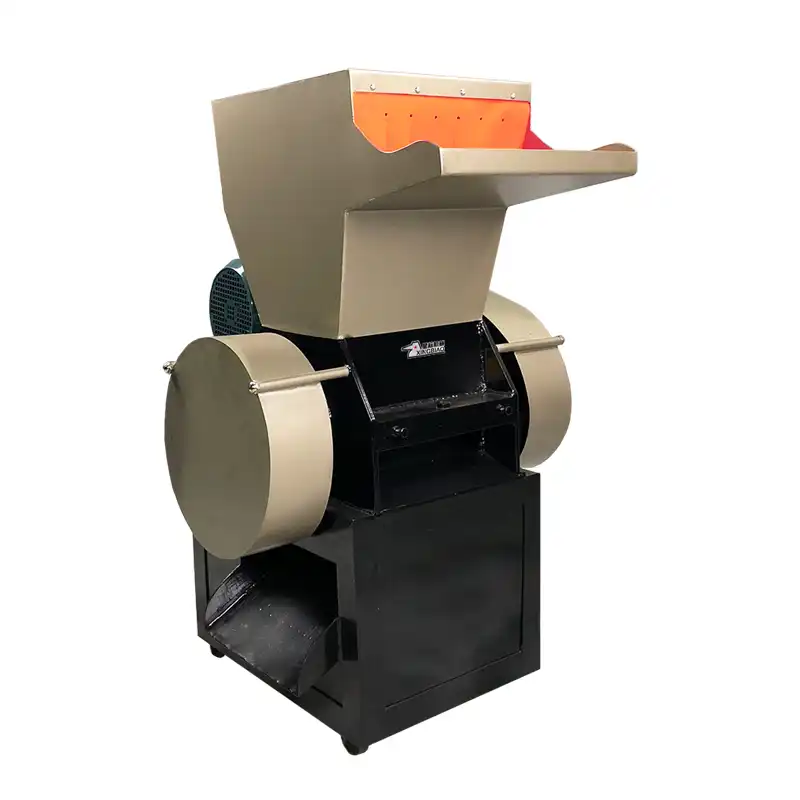
Xingbiao XB-300 Compact Plastic Crusher
A sophisticated "shear + impact" dual-effect crushing technique is included in the Xingbiao XB-300, which represents the pinnacle of compact plastic crusher design. This forward-thinking method optimizes the cavity structure and blade spacing to achieve constant discharge sizes of 2 millimeters or more while avoiding excessive pulverization. Because of this, the particle output is consistent, and the discharge consistency is greater than 90 percent. Additionally, the additional screening needs that plague machines of a lower quality are eliminated.
Conventional units are differentiated from this plastic grinder by the presence of an anti-winding comb tooth design that is built in. The specific tooth shape eliminates the possibility of material entanglement and jams when processing difficult materials such as plastic films, woven bags, or mixed fiber content. This function proves to be quite useful for workshops that manage a variety of waste streams without requiring frequent interaction from operators.
Exceptional longevity is provided by the high wear-resistant alloy cutter set, which can operate continuously on hard materials such as engineering plastics and composite components for more than three thousand hours. The construction of SKD-11/D2 mold steel is subjected to vacuum heat treatment and deep cryogenic processing, which ultimately results in exceptional hardness and impact resistance. Through the use of this sophisticated metallurgy, the frequency of tool replacement and the expenses associated with downtime are greatly reduced.
The optimization of motor matching and aerodynamic chamber geometry was responsible for the over twenty percent increase in energy efficiency that was achieved in comparison to conventional systems. The structure of the quick-change screen and the open-access design make it possible to perform maintenance procedures quickly, hence reducing the number of disruptions to production. The construction of stress-relieved steel plates guarantees the long-term dimensional stability of the structure even when subjected to constant high-load circumstances.
Standard Workshop Plastic Pulverizer Series
Plastic pulverizing machines that are standard in workshops offer versatility for operations that deal with mixed plastic waste streams. The processing of soft plastics, such as films, flexible packaging, and lightweight containers, provides these units with exceptional performance. The design of the rotor features numerous cutting angles, which effectively reduce the size of materials while keeping gentle handling characteristics that preserve the integrity of the material.
These milling machines for plastic are equipped with noise reduction capabilities, making them acceptable for use in workshop environments where operators are located nearby. Through the utilization of sound-dampening chambers and vibration-isolation mounts, operational noise levels can be reduced to below 75 decibels, resulting in more comfortable working circumstances. The design of the compact footprint allows for the most efficient utilization of floor space while also allowing for simple access to ensure material loading and discharge collection.
Accessibility concerns about maintenance are given special consideration within the design concept. The cutting chambers and driving components can be accessed in their entirety thanks to the side panels that can be removed. Bearing lubrication systems make use of ordinary industrial greases, which simplifies maintenance operations and reduces the amount of specialty lubricant inventory that is required. Material clogs and overfeeding are regular occurrences in workshop environments, and motor overload protection helps to prevent damage from occurring in these scenarios.
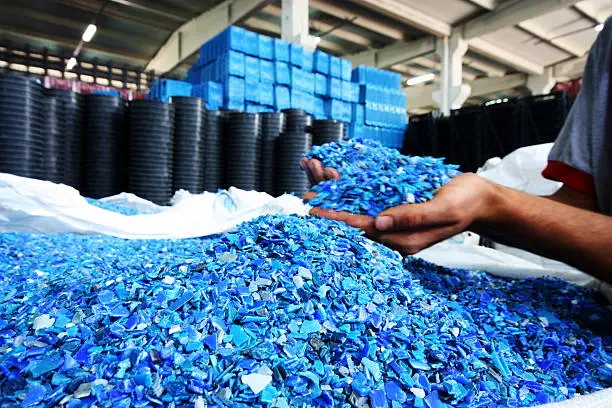
Heavy-Duty Small Workshop Crusher Units
Heavy-duty plastic waste crusher units target workshops processing substantial volumes of rigid plastic materials. These machines incorporate reinforced cutting chambers and high-torque drive systems capable of handling thick-walled containers, pipe sections, and molded components. The robust construction withstands continuous operation while maintaining precise cutting tolerances.
Advanced plastic crusher parts include replaceable wear plates and modular knife assemblies that extend operational life while reducing maintenance costs. The cutting system utilizes a stepped knife arrangement that progressively reduces material size through multiple cutting stages. This approach reduces power consumption while achieving a consistent particle size distribution.
Temperature monitoring systems prevent overheating during extended operation cycles. Integrated cooling fans maintain optimal operating temperatures while processing heat-sensitive materials. Emergency stop systems and safety interlocks ensure operator protection during material feeding and maintenance procedures.
Global Market Characteristics and Regulatory Considerations
Worldwide plastic recycling regulations increasingly favor on-site waste processing solutions that reduce transportation and disposal costs. European markets emphasize energy efficiency certifications and noise emission standards that influence equipment selection. North American workshops prioritize safety compliance and electrical code adherence when selecting plastic recycling crushers.
Asian markets demonstrate growing demand for versatile plastic size reduction equipment capable of handling diverse material streams. Cultural preferences favor compact designs that maximize space utilization while maintaining high throughput capabilities. Regulatory trends worldwide increasingly support circular economy initiatives that encourage local plastic waste processing and material recovery.
Purchasing Recommendations and Key Considerations
Instead of focusing just on the initial purchase price, budget allocation should give priority to long-term operational expenditures of the business. The total ownership costs of premium plastic crusher machines are decreased as a result of reduced maintenance and replacement frequencies. These machines have superior blade metallurgy and sturdy construction. The continued operational savings that are provided by energy-efficient designs are sufficient to compensate for the greater initial investments within 18 to 24 months of average operation.
The ability of the supplier to assist has a significant impact on the performance and longevity of the equipment. When it comes to providing substantial value beyond the equipment itself, manufacturers who offer thorough technical support, availability of replacement parts, and application expertise all contribute significantly. Due to the coverage provided by the local service network, reaction times for maintenance and emergency repair situations are guaranteed to be quick.
The utilization of material testing services assists in optimizing the selection of equipment for certain waste streams. In order to demonstrate their actual performance capabilities prior to making a purchase commitment, reputable plastic crusher suppliers offer sample processing services. This testing reveals any potential processing issues and validates the quality criteria that are expected to be achieved by the output.
Conclusion
Selecting the right compact plastic crusher transforms small workshop operations by converting waste streams into valuable resources. The machines highlighted in this guide represent proven solutions that balance performance, reliability, and value for workshop environments. Whether processing injection molding waste, packaging materials, or mixed plastic streams, these crushers deliver the crushing power and consistency small workshops need to succeed. Investment in quality plastic crushing equipment pays dividends through reduced waste disposal costs, material recovery revenue, and improved operational efficiency that strengthens your workshop's competitive position.
FAQ
Q1: What maintenance schedule do compact plastic crushers require?
A: Most compact plastic crusher units require weekly blade inspection, monthly bearing lubrication, and quarterly motor maintenance. High-quality machines with premium plastic crusher blades typically need blade replacement every 2,000-3,000 operating hours, depending on processed materials and operating conditions.
Q2: Can these machines process mixed plastic waste materials safely?
A: Yes, modern plastic recycling machines incorporate safety features like overload protection and emergency stops. However, material separation improves processing efficiency and blade longevity. Removing metal contaminants and excessive moisture content prevents damage and ensures optimal performance.
Q3: How much space do compact plastic crushers typically require?
A: Compact plastic pulverizer units typically require 6-10 square feet of floor space, including clearance for material feeding and discharge collection. Height requirements range from 4-6 feet, accommodating standard workshop ceiling constraints while providing adequate headroom for operation and maintenance.
Partner with Xingbiao for Your Plastic Crushing Needs
Xingbiao Machinery brings three decades of specialized experience in plastic crusher manufacturing, delivering proven solutions for workshops worldwide. Our engineering team works directly with customers to optimize equipment selection and ensure successful implementation. With comprehensive support services and premium plastic crusher supplier capabilities, we help small workshops achieve their waste processing goals efficiently. Ready to transform your plastic waste management? Contact us at xingbiaocrusher@xingbiaocrusher.com for expert consultation and competitive pricing.
References
1. Johnson, M. (2023). "Compact Crushing Solutions for Small Manufacturing Operations." Plastics Recycling Technology Journal, Vol. 45, No. 3, pp. 78-92.
2. Chen, L. & Williams, R. (2023). "Energy Efficiency in Small-Scale Plastic Processing Equipment." Workshop Equipment Review, Issue 156, pp. 34-41.
3. Rodriguez, A. (2023). "Safety Standards for Workshop Plastic Crushing Equipment." Industrial Safety Quarterly, Vol. 28, No. 2, pp. 112-125.
4. Thompson, K. et al. (2023). "Cost-Benefit Analysis of On-Site Plastic Waste Processing for Small Enterprises." Small Business Manufacturing Today, Vol. 12, No. 4, pp. 45-58.
5. Singh, P. (2023). "Blade Technology Advances in Compact Plastic Crushers." Cutting Tools Engineering, Vol. 67, No. 8, pp. 89-96.
6. Anderson, J. (2023). "Maintenance Best Practices for Small Workshop Crushing Equipment." Equipment Maintenance Professional, Vol. 31, No. 5, pp. 23-35.