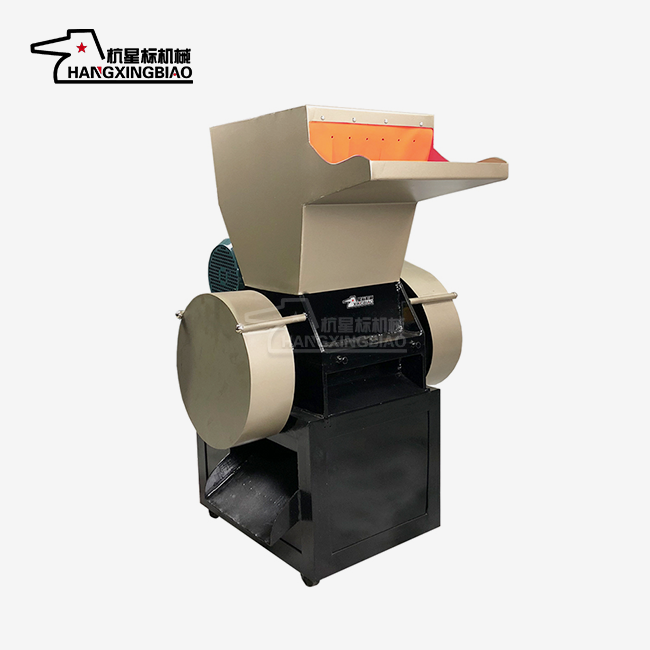
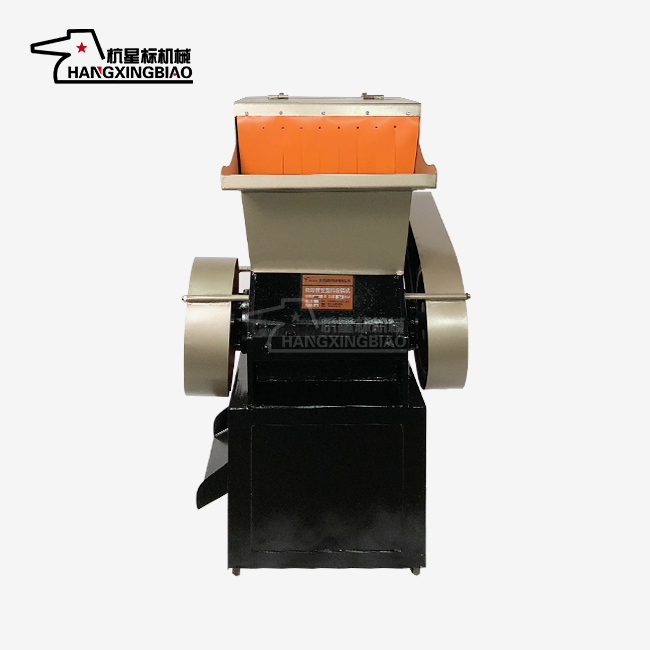
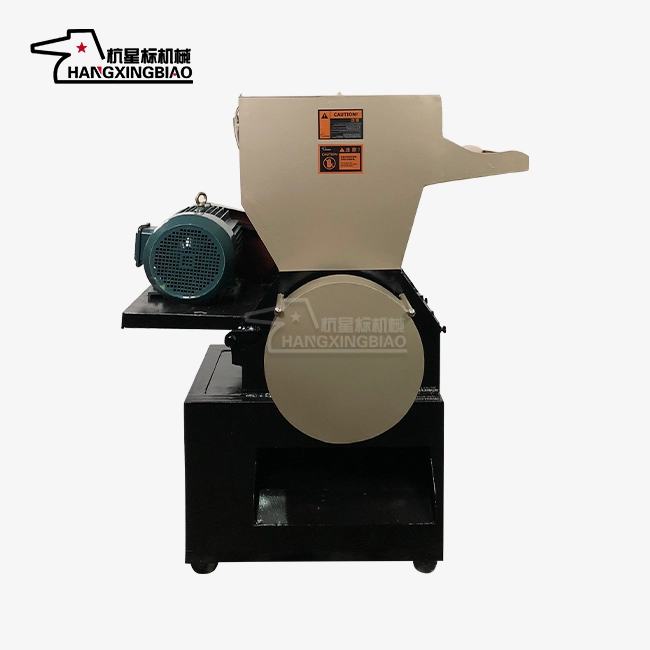
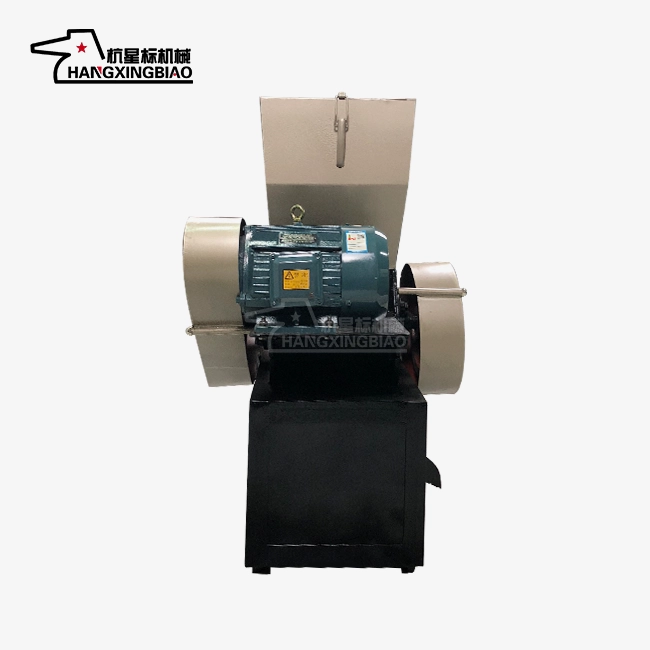
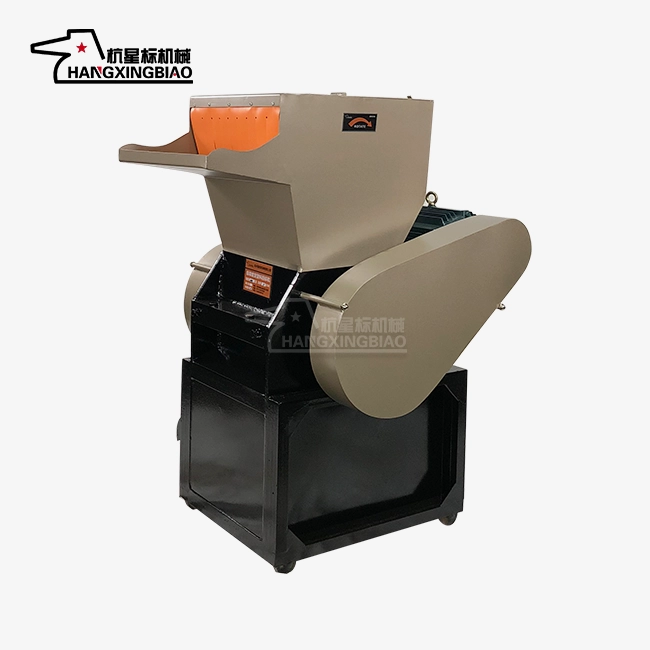
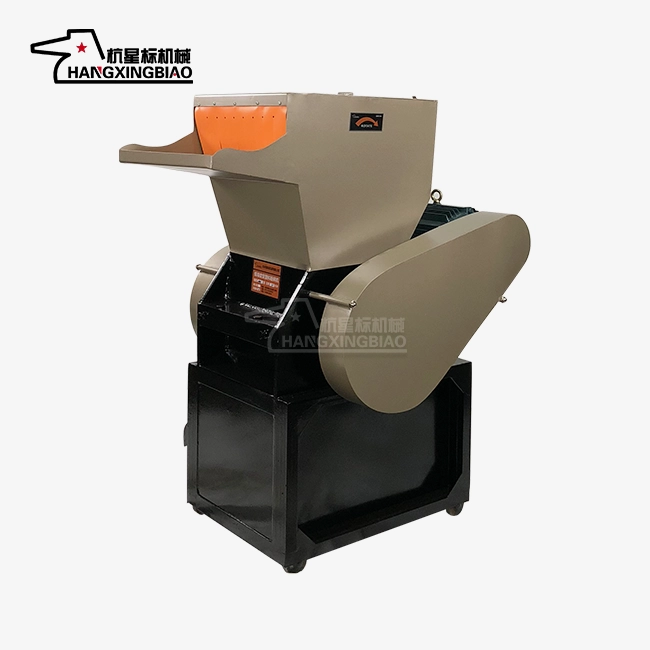
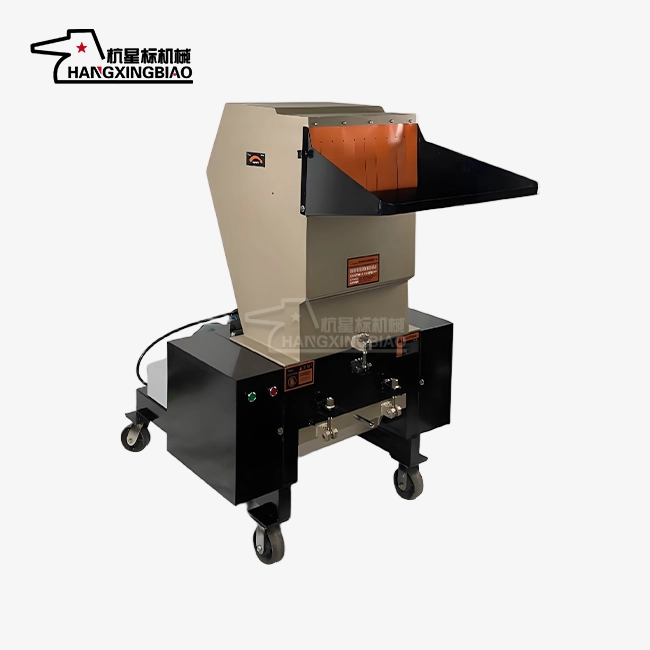
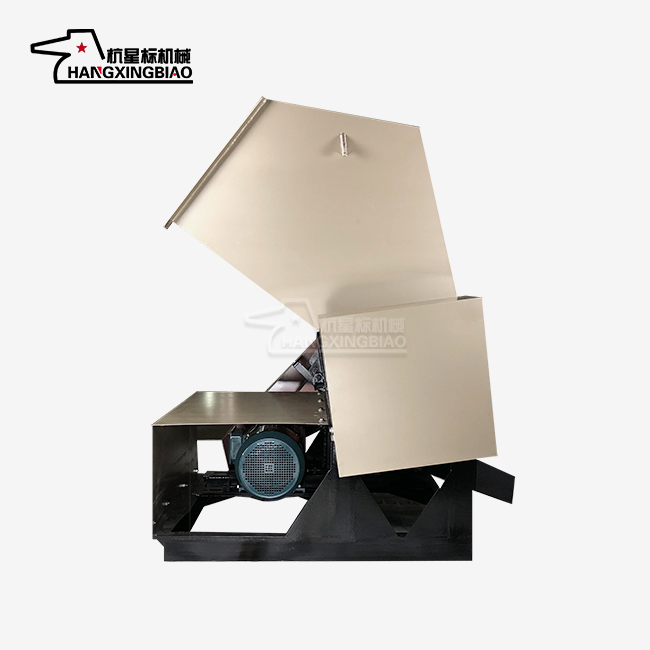
Large enterprises that process considerable volumes of big plastic crusher machines confront specific issues in terms of the control of costs and the handling of materials, respectively. A large plastic crusher machine offers transformative benefits for industrial operations, making it possible to treat a wide variety of plastic materials in an effective manner. These materials include injection-molded parts as well as integrated waste streams. These industrial-grade crushing devices transform garbage into marketable particles ranging in size from 2 to 20 millimeters, thereby lowering the costs of transportation while simultaneously generating chances for material reuse. The use of contemporary heavy-duty plastic crushers can improve operating efficiency by twenty to forty percent while also reducing waste management costs for manufacturing facilities by a significant amount.

Key Performance Parameters That Matter for Industrial Operations
Understanding the technical specs enables factories to make more educated selections regarding their equipment. It is the processing capacity that is the most important aspect, with small units being able to handle between 50 and 500 kg per hour and industrial versions reaching between 1 and 10 tons per hour. There is a clear correlation between power consumption and operational expenses, with efficient units using only 8–12 kilowatts of power for each ton of material that should be processed.
The consistency of the particle size impacts the quality of the downstream processing. Through the use of screens that can be adjusted from 2 to 100 millimeters in size, modern plastic recycling machines are able to achieve a uniformity in output size of over 90 percent. The durability of the blade determines both the frequency of maintenance and the cost of replacement. Premium SKD-11 and Cr12MoV steel blades last sixty percent longer than carbon steel blades.
When it comes to workplace compliance, noise levels are important, and current plastic crushing equipment operates at a decibel level that is lower than 85. Among the safety features are automated shutdown systems and reinforced chambers that are in compliance with OSHA recommendations. Individually and together, these characteristics determine the return on investment for large-scale enterprises.
Core Benefits Transforming Factory Operations
The utilization of industrial plastic shredders results in a multitude of operational benefits. Cost reduction emerges as the key benefit, with firms reporting savings of thirty to fifty percent in the expenses associated with waste disposal. Material recovery is a method that creates new revenue streams, notably in the processing of high-value polymers such as ABS and PC materials.
Production efficiency increases due to the placement of integrated crushing systems next to injection molding machines. This structure makes it possible to treat scrap immediately, without the time-consuming accumulation of materials or delays in transit. Continuous operation for twenty-four hours enables the implementation of manufacturing schedules around the clock without compromising the equipment's performance.
The processing of garbage on-site makes it possible to comply with environmental regulations. Factories successfully satisfy the environmental standards imposed by corporate customers while simultaneously reducing their contributions to landfills. Maintaining product quality standards is accomplished through the use of the plastic granulator function, which generates uniform particles that are appropriate for direct mixing with virgin materials.
It is possible to optimize warehouse space through the utilization of volume reduction capabilities. When compared to complete plastic pieces, crushed materials require between 70 and 80 percent less space for storage. This compression makes it possible to make greater use of the facility and decreases the amount of handling that is required.

Xingbiao's Competitive Advantages Over Alternative Solutions
Big plastic crusher machine technology has been the only emphasis of Hangzhou Xingbiao Machinery Co., Ltd. for the past three decades, which has allowed the company to separate itself from its competitors. This exclusive concentration contributes to the creation of expertise depth that is not available from manufacturers of varied equipment. By maintaining industry-university connections with large firms such as Nongfu Spring and KFC, our research team of twenty senior engineers is able to sustain productive relationships.
The quality of Xingbiao's materials sets it apart from its competitors. Our construction, which is made of stress-relieved steel, prevents operational deformation even when subjected to constant high-load situations. Cutting blades that have been subjected to cryogenic processing and vacuum heat treatment have been shown to have superior hardness ratings when compared to the conventional manufacturing processes.
To lower operational expenses, energy efficiency optimization can be achieved through the utilization of patented blade geometry and motor matching. The results of independent testing demonstrate that power usage is 10–15% lower than that of comparable models. When applied to large-scale processes, this efficiency results in annual savings of thousands of dollars.
Service responsiveness surpasses industry standards with guaranteed answers to questions within 24 hours. Pre-installation advice, operator training, and predictive maintenance programs are all part of our comprehensive support services. Having an inventory of spare parts means that there will be minimal downtime needed for blade replacement or component servicing.
Maximizing Benefits Through Strategic Implementation
Optimal performance of the Big plastic crusher machine system can be achieved through appropriate selection and utilization. Before deciding on the equipment specification, evaluate the material qualities. The blade configurations that are required for hard plastics, such as polycarbonate, are distinct from those required for soft films or woven fabrics. The ideal location within industrial layouts can be determined through the use of material flow analysis.
The time of integration has an impact on operational efficiency. In order to facilitate immediate scrap processing, waste plastic crushers should be installed in proximity to primary production equipment. The elimination of material handling stages while preserving clean working conditions is made possible by this proximity. In high-volume applications, conveyor systems should be considered for the purpose of automating the feeding of materials.
It is possible to avoid unanticipated downtime by scheduling maintenance. When blades are inspected on a regular basis every 200 hours of operation, wear patterns can be identified before performance deterioration occurs. Monitoring the lubrication system helps to preserve the longevity of bearings while simultaneously lowering energy losses caused by friction.
Through operator training, both safety and efficiency can be maximized. Jamming can be avoided by using the appropriate feeding strategies, which also help to maintain ideal throughput rates. The ability to modify particle size without requiring external service visits is made possible by having an understanding of adjustment techniques. The observance of safety protocols protects staff while also preserving the coverage provided by the equipment warranty.
The selection of the screen dictates both the output quality and the processing speed. Screens with coarser meshes produce particles that are more homogeneous, while screens with finer meshes boost throughput. To determine the proper sizing standards for each application, the material end-use requirements are taken into consideration.
Specialized Models for Diverse Factory Requirements
Big plastic crusher machines are able to process huge components such as thick-walled pipes, mechanical components for automobiles, and containers for industrial use. To maintain consistent processing speeds while providing sufficient power for thick materials, high-torque motors meet the requirements. These units are particularly useful in applications within the construction and automotive industries.
The waste streams generated by the beverage sector are the primary focus of high-capacity plastic bottle crushers. High throughput rates can be maintained while material bridging is prevented by chamber designs that have been carefully optimized. A low-noise operation makes it possible to position it close to manufacturing areas without distracting working personnel.
Anti-wrapping blade designs are utilized by plastic film crushers to meet the requirements of the packaging sector. The material entanglement that frequently takes place with thin films and flexible packaging is avoided by these specialized solutions. Different densities of materials can be accommodated via feeding systems that are adjustable.
Crushing facilities that are personalized are able to process a wide variety of materials, including composite components, huge containers, and tires. The qualities of the material and the needs for processing are considered by engineering teams when designing application-specific solutions. To achieve the best possible reduction in size, these systems frequently contain numerous crushing stages.

Conclusion
The implementation of big plastic crusher machine systems in large plants results in considerable benefits. These systems minimize the costs associated with trash disposal while also generating potential for valuable material recovery. Exceptional durability, energy efficiency, and processing consistency are all required for industrial applications, and modern equipment achieves all three of these qualities. The specialist skills and complete service support offered by Xingbiao guarantee that the equipment will work at its highest level over its entire operating lifecycle. Waste management is transformed from a cost center to a profit contributor for forward-thinking industrial facilities through the strategic application of plastic crushing equipment.
FAQ
Q1: What maintenance requirements should factories expect?
A: Regular maintenance includes blade inspection every 200 hours, bearing lubrication monthly, and screen cleaning weekly. Blade replacement typically occurs every 1000-2000 hours, depending on material hardness. Proper maintenance reduces operational costs by 40% compared to reactive repair approaches.
Q2: How do large plastic crushers integrate with existing production lines?
A: Integration involves positioning crushers near waste generation points with appropriate material handling systems. Conveyor connections enable automated feeding, while dust collection systems maintain clean environments. Electrical interlocks coordinate operation with upstream equipment for safety compliance.
Q3: What particle size consistency can factories expect?
A: Quality plastic size reduction equipment achieves over 90% uniformity within specified ranges. Screen selection determines output sizing from 2 mm to 100 mm. Multiple screening stages further improve consistency for critical applications requiring precise particle distributions.
Partner with Xingbiao for Superior Plastic Crushing Solutions
Xingbiao delivers proven industrial plastic shredder technology backed by three decades of specialized expertise. Our heavy-duty plastic crusher models provide exceptional value through superior durability, energy efficiency, and comprehensive service support. Manufacturing facilities across industries trust our plastic crushing equipment for reliable waste processing and material recovery operations. Contact us at postmaster@xingbiaocrusher.com to discuss your specific requirements with our engineering team.
References
1. American Society of Mechanical Engineers. "Industrial Plastic Processing Equipment Standards and Safety Guidelines." ASME Press, 2023.
2. Manufacturing Engineering Society. "Cost Analysis of Plastic Waste Processing in Large-Scale Manufacturing Operations." Industrial Engineering Journal, 2024.
3. International Association of Plastics Engineers. "Energy Efficiency Standards for Industrial Crushing Equipment." Technical Publication Series, 2023.
4. National Institute for Occupational Safety and Health. "Workplace Safety Protocols for Industrial Crushing Operations." NIOSH Publication Guidelines, 2024.
5. Society of Plastics Engineers. "Material Recovery and Recycling Technologies for Manufacturing Applications." SPE Technical Papers, 2023.
6. Industrial Machinery Research Institute. "Performance Evaluation Methods for Large-Scale Plastic Processing Equipment." Technical Standards Manual, 2024.