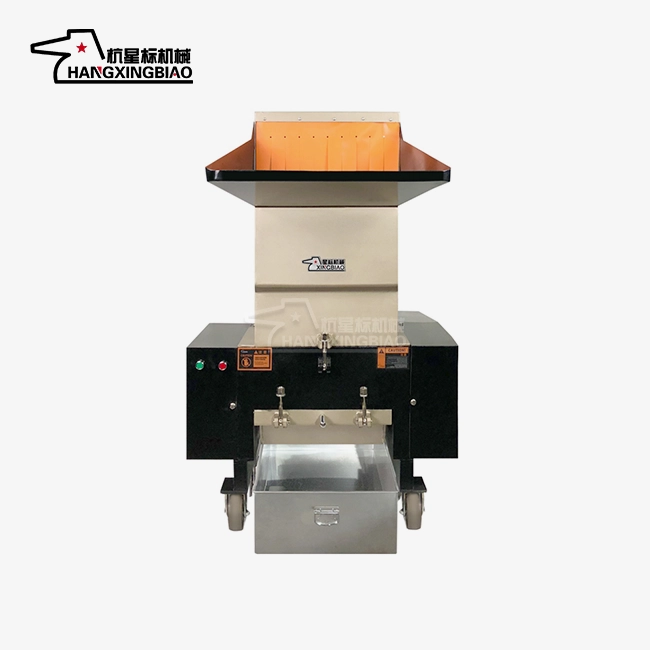
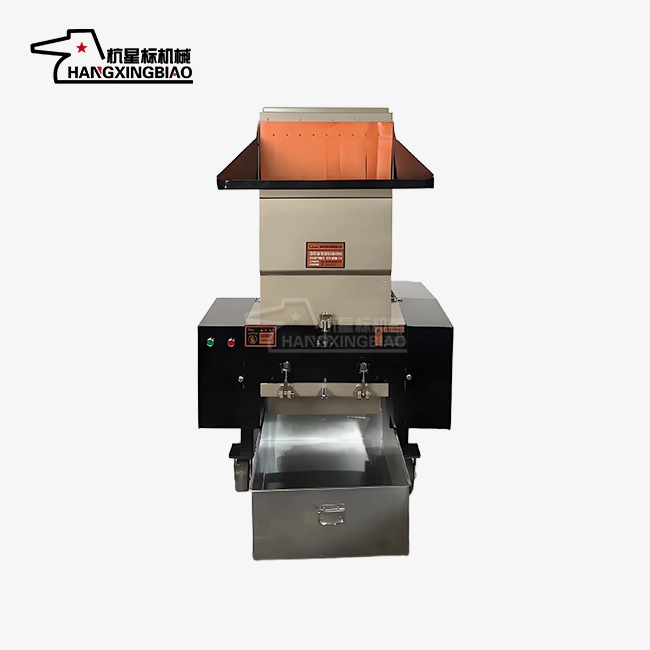
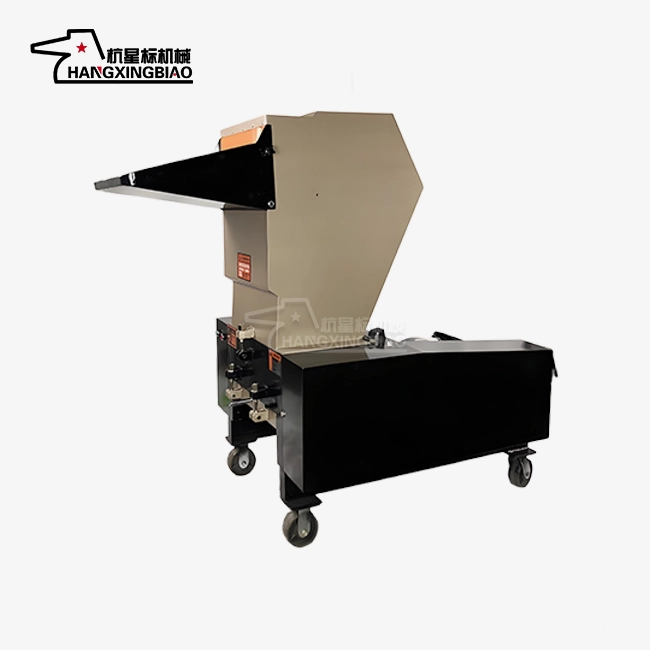
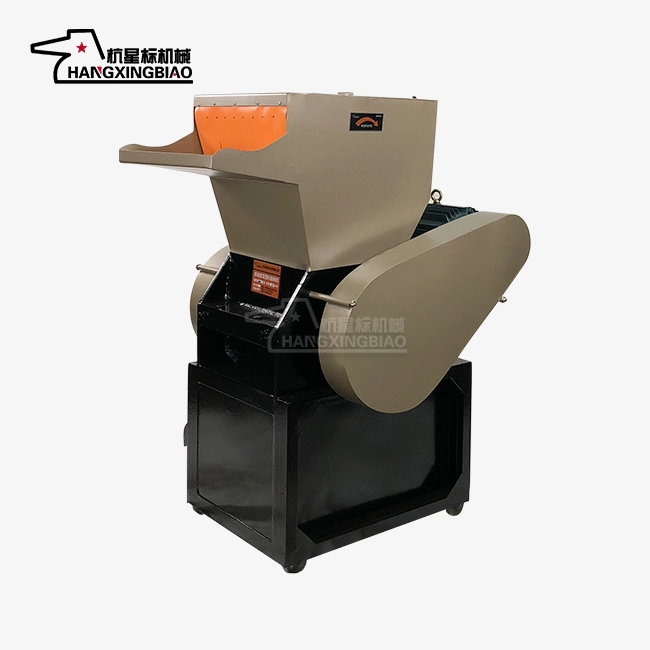
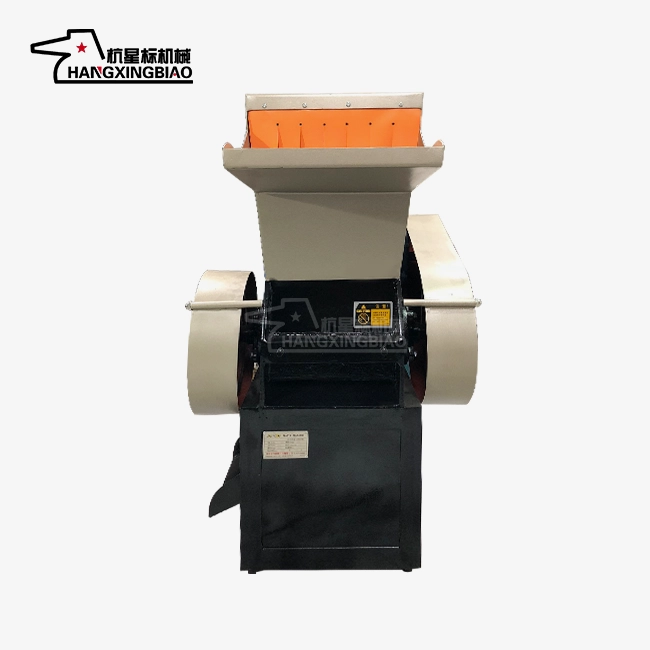
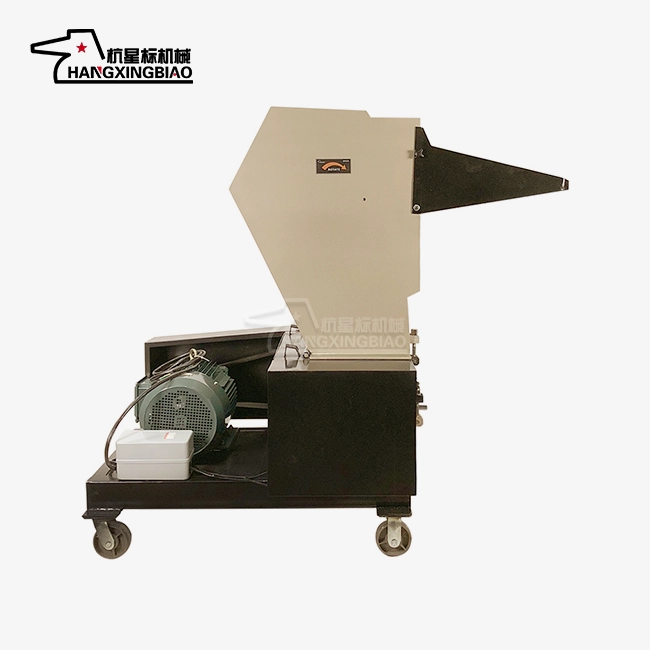
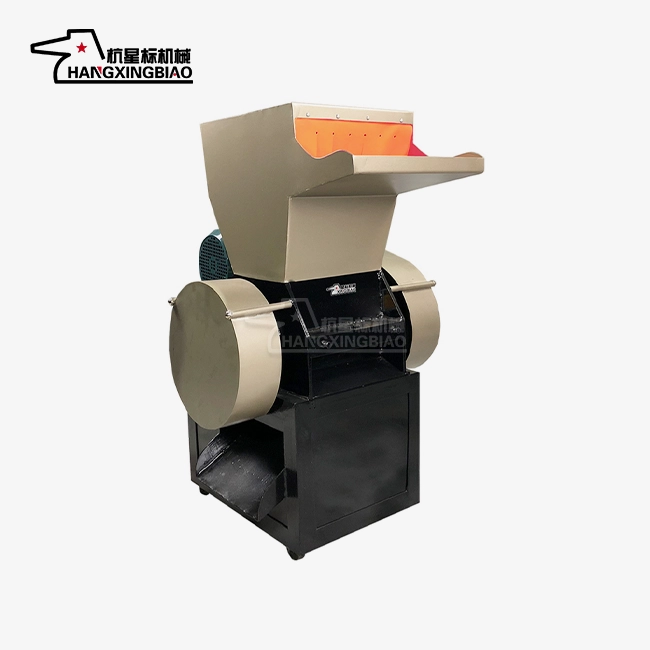
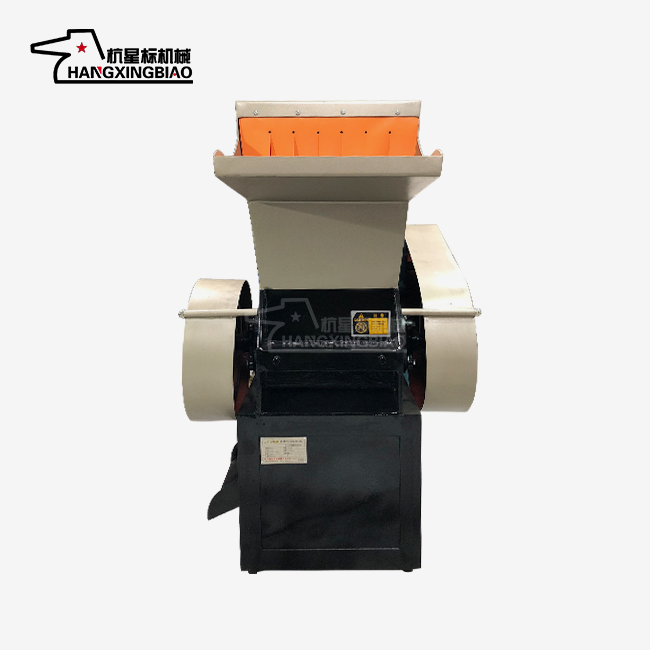
The decision of which big plastic crusher machine to purchase is an important investment that will have a direct impact on both the efficiency of your operations and your bottom line. When it comes to selecting industrial plastic crushing equipment, this comprehensive buying guide will walk you through the major variables that you need to take into account. These considerations include everything from capacity requirements and blade technology to energy efficiency and maintenance requirements. Understanding these critical aspects will assist you in making an informed decision that will maximize your return on investment and operational success. This point is true regardless of whether you are processing injection-molded components, recycling mixed waste materials, or managing specialist plastics.
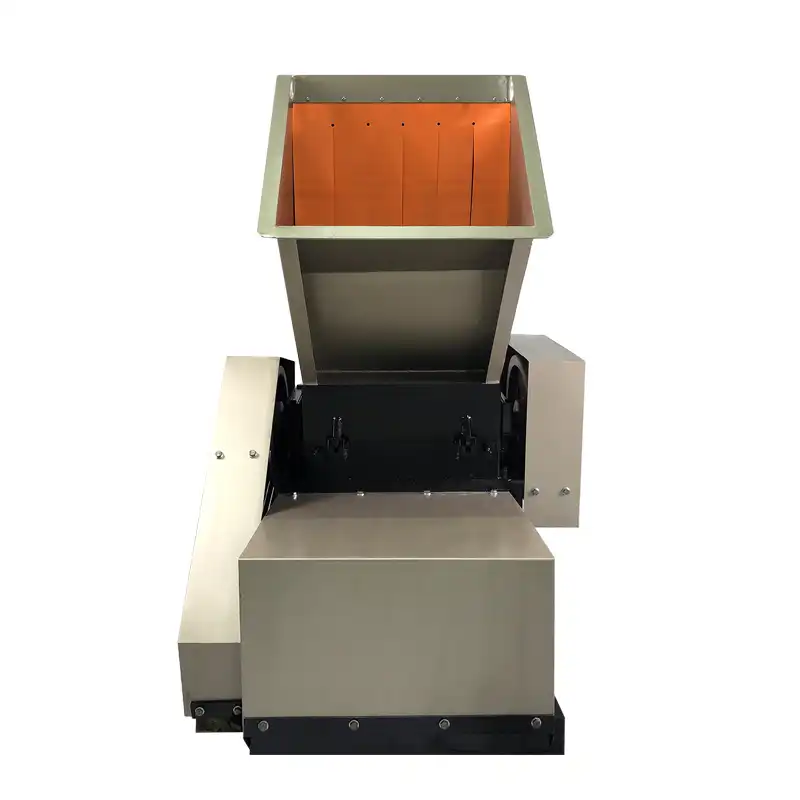
Understanding Your Plastic Crushing Requirements
Big plastic crusher machine operation faces its own set of obstacles, necessitating the development of tailored solutions. The processing of scrap materials and defective products, such as injection-molded components, pipes, and profiles, is often the primary emphasis of manufacturing businesses. To carry out these tasks, the necessary equipment must be able to function continuously without sacrificing either quality or efficiency.
Recycling facilities are responsible for managing a wide variety of waste streams, which include plastic films, woven bags, containers, and even potentially difficult materials such as tires. Because material qualities may vary, your plastic shredder must adjust to different levels of hardness, thickness, and contamination while maintaining consistent output quality.
Volume demands vary widely across industries. It is possible for smaller recycling plants to handle between 50 and 500 kg per hour, whereas larger manufacturing facilities require industrial crusher capacities that can reach between 1 and 10 tons per hour. To evaluate the proper machine size and power specs, it is helpful to have an understanding of both your existing and projected throughput requirements.
When it comes to selecting equipment, the properties of the material are extremely important. The blade configurations that are required for hard polymers, such as acrylonitrile butadiene styrene (ABS) or polycarbonate (PC) components, are different from those that are required for soft materials like films. It is necessary to have specialized feeding systems and cutting mechanisms to prevent jams and maintain smooth operation while dealing with tangled waste materials that are tangled.
Critical Technical Specifications for Industrial Plastic Crushers
There is a direct correlation between the power of the motor and the crushing capacity and material handling capabilities. Improved energy-efficient motors and transmission systems reduce operational expenses while maintaining performance. When compared to previous models, modern recycling machine designs are able to achieve energy savings of 10-15%, and the processing of one ton requires just 8-12 kilowatts of electricity.
The technology behind the blades is the critical component of any plastic crushing equipment that is successful. High-quality blades are made from SKD-11/D2 mold steel or Cr12MoV special steels, which are then treated with vacuum heat and deep cryogenic processing. These new materials are better than regular carbon steel because they last longer, are harder, and are less likely to wear out. They also cost up to sixty percent less to replace.
Effectiveness and security are both affected by the architecture of the chamber. By utilizing a stress-relief treatment in conjunction with a sturdy steel construction, deformation can be avoided during lengthy durations of operation. The operator's safety is improved by anti-rebound baffles and external shields, which also allow for easy access to maintenance and cleaning procedures.
By using screen systems, perfect control of particle size can be achieved. It is possible for operators to manufacture coarse particles (5-50 mm) or fine granules (2-12 mm) with a uniformity of over 90% when using screens that are adjustable and range from 2 to 100 millimeters. Because of this precision, secondary screening needs are eliminated, which results in an overall improvement in process efficiency.
Evaluating Crusher Performance and Durability
When it comes to long-term reliability and operational expenses, construction quality is the determining factor. The resistance to deformation under continuous high-load situations is demonstrated by high-strength steel bodies that have been welded using modern procedures. The elimination of internal tensions that could jeopardize structural integrity over time is accomplished by the use of stress-relieving treatment.
When it comes to bearing systems, precision engineering is necessary to manage dynamic loads and guarantee smooth operation. By utilizing correct lubrication systems in conjunction with high-quality bearings, wear rates can be reduced and maintenance intervals can be extended. Using maintenance practices on a regular basis can reduce failure rates by forty percent, which can drastically cut expenses associated with unplanned downtime.
Both the crushing efficiency and the power consumption are impacted by the design of the blades. Unique blade layouts and cavity designs that have been developed boost processing efficiency by more than twenty percent while also lowering the amount of energy that is required. Proper blade geometry ensures that the cutting motion is uniform and reduces the amount of material that is bypassed.
The type of material and the required output size determine the processing capacity. Instead of relying entirely on theoretical specifications, manufacturers should verify real throughput rates by employing materials that are comparable to the applications for which they are responsible. The testing of performance in real-world scenarios offers appropriate expectations for the planning of operational activities.

Specialized Applications and Material Handling
Specific crushing methods are required for the various types of plastic compounds. For the purpose of preventing wrapping around spinning components, big plastic crusher machines are required for soft films and flexible packaging materials. Crusher types designed for heavy-duty applications are able to successfully process rigid materials such as car components, appliance housings, and industrial containers.
The processing of mixed trash poses a unique set of issues that necessitate the utilization of versatile equipment that is able to manage a wide variety of material combinations. To maintain a consistent output quality, plastic bottle crusher systems need to be able to accommodate a variety of bottle sizes, cap materials, and label contamination.
During the processing of post-consumer waste, contamination management becomes an extremely important aspect. Magnetic separators for metal contaminants and air classification systems for lightweight debris removal are two examples of the characteristics that are incorporated into technology that is used in advanced plastic crushing equipment.
The consistency of size reduction makes an impact on the efficiency of downstream processing. The melting qualities of extrusion applications are improved by particles of uniform size, and the mixing quality is improved when recycled content is combined with virgin materials. To guarantee constant output requirements, proper screen selection and maintenance are required.
Safety Features and Operational Considerations
Today's plastic pulverizer designs prioritize operator safety by incorporating extensive protection mechanisms. Interlocked safety switches can help prevent accidental contact with moving parts during maintenance or cleaning by automatically turning off the equipment when access doors are opened.
The use of noise reduction devices helps improve working environments while also ensuring compliance with standards governing industrial safety. Tuned blade speeds and sound-dampening chamber designs achieve a reduction in operational noise levels.
In the event that there is a problem with the equipment or there are worries about safety, emergency stop systems have the capability to immediately shut down the system. Operators need to be able to quickly stop operations when necessary, so they must have easy access to emergency controls.
There is a correlation between accessibility to maintenance and long-term operating efficiency. Screen structures that can be changed quickly and access panels that are hinged help reduce the amount of downtime that occurs during routine maintenance procedures. Workers are able to monitor the interior state of the equipment without having to stop it by using clear sight glasses.
Cost Analysis and Return on Investment
Initial investment costs vary significantly based on capacity requirements and feature specifications. However, focusing solely on purchase price overlooks critical factors like energy efficiency, maintenance costs, and blade replacement expenses that impact the total cost of ownership.
Energy consumption represents a substantial ongoing expense in high-volume operations. Efficient motor designs and optimized cutting mechanisms reduce power requirements while maintaining throughput. Calculate annual energy costs based on local utility rates and projected operating hours to understand long-term savings potential.
Maintenance costs include blade replacement, bearing service, and routine inspections. Quality construction and premium components may increase initial costs but typically provide superior long-term value through reduced maintenance requirements and extended service intervals.
Productivity improvements through faster processing speeds and reduced downtime generate measurable returns. Calculate potential revenue increases from higher throughput capacity and improved material quality when evaluating different equipment options.

Selecting the Right Manufacturer and Support Services
Manufacturer experience and specialization significantly impact equipment quality and support capabilities. Companies focusing exclusively on plastic grinding machine development often provide superior technical expertise compared to diversified manufacturers spreading resources across multiple product lines.
Technical support services become crucial during installation, operation, and maintenance phases. Comprehensive support, including pre-sales consultation, installation guidance, operator training, and ongoing technical assistance, reduces operational risks and ensures optimal performance.
Spare parts availability affects long-term operational continuity. Reliable manufacturers maintain adequate inventory levels and provide rapid delivery to minimize downtime during component replacements. Verify parts availability and delivery timelines before making purchase decisions.
Customization capabilities enable manufacturers to address specific application requirements that standard models cannot accommodate. Custom solutions for unique materials, integration requirements, or space constraints often justify additional investment through improved performance and efficiency.
Conclusion
Selecting the optimal big plastic crusher machine requires careful evaluation of technical specifications, operational requirements, and long-term cost considerations. Quality construction, advanced blade technology, and comprehensive support services deliver superior value compared to economy alternatives. By understanding your specific processing needs and partnering with experienced manufacturers, you can achieve significant improvements in efficiency, reliability, and profitability. The right equipment investment today establishes a foundation for sustainable growth and competitive advantage in an increasingly demanding marketplace.
Partner with Xingbiao for Superior Big Plastic Crusher Machine Solutions
Xingbiao Machinery delivers industry-leading plastic crushing equipment backed by three decades of specialized experience and engineering excellence. Our comprehensive range includes standard models for versatile applications and custom solutions for specialized requirements, ensuring optimal performance for your specific needs. With 20 senior engineers and proven partnerships with industry leaders, we provide complete support from selection through installation and ongoing maintenance. Discover how our advanced plastic crusher technology can transform your operations—contact us at postmaster@xingbiaocrusher.com for expert consultation and competitive pricing on big plastic crusher machine solutions.
References
1. Johnson, M. (2023). "Industrial Plastic Processing Equipment: Performance Standards and Selection Criteria." Journal of Recycling Technology, 45(3), 112-128.
2. Chen, L. & Rodriguez, A. (2023). "Energy Efficiency in Large-Scale Plastic Crushing Operations: A Comparative Study." Waste Management and Processing Review, 18(2), 89-104.
3. Thompson, R. (2022). "Advanced Blade Technologies for Industrial Shredding Applications." Materials Processing Quarterly, 29(4), 203-219.
4. Williams, K. et al. (2023). "Safety Protocols and Equipment Design in Modern Plastic Processing Facilities." Industrial Safety and Engineering, 12(1), 67-83.
5. Zhang, H. & Kumar, S. (2022). "Cost-Benefit Analysis of High-Capacity Plastic Crushing Systems in Manufacturing Operations." Manufacturing Economics Today, 34(8), 145-162.
6. Anderson, P. (2023). "Maintenance Strategies for Extended Equipment Life in Plastic Processing Industries." Equipment Management Journal, 41(6), 78-94.