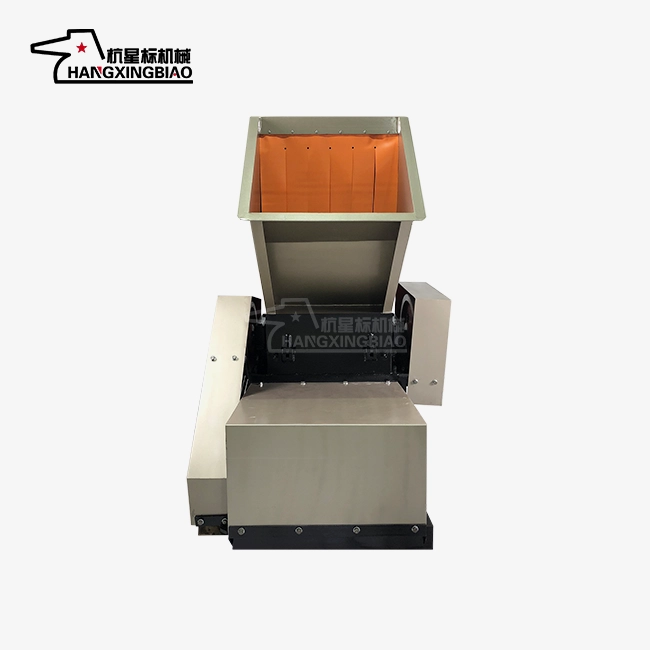
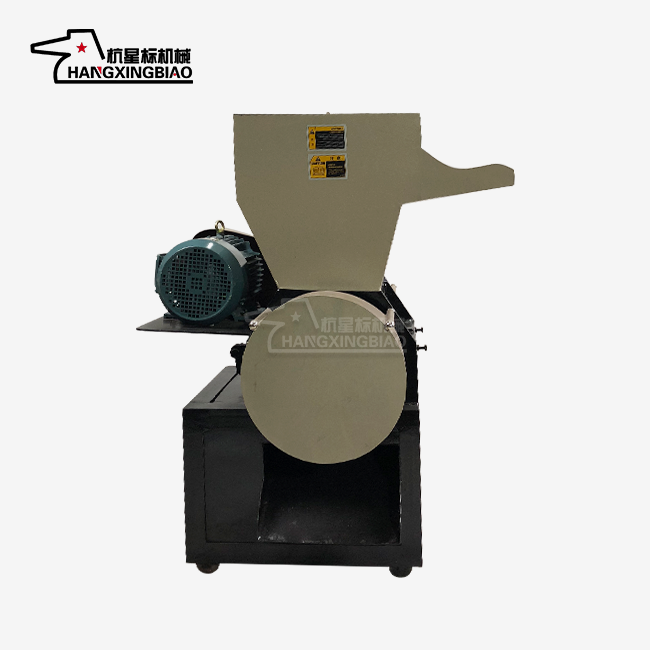
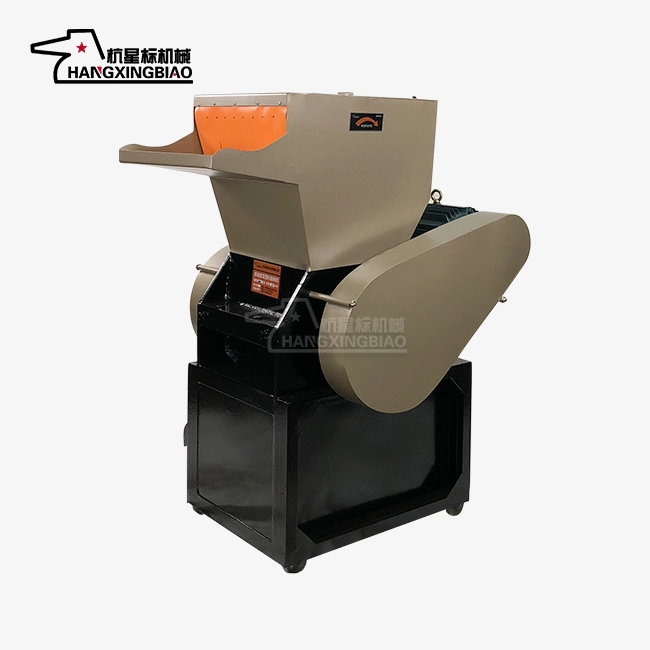
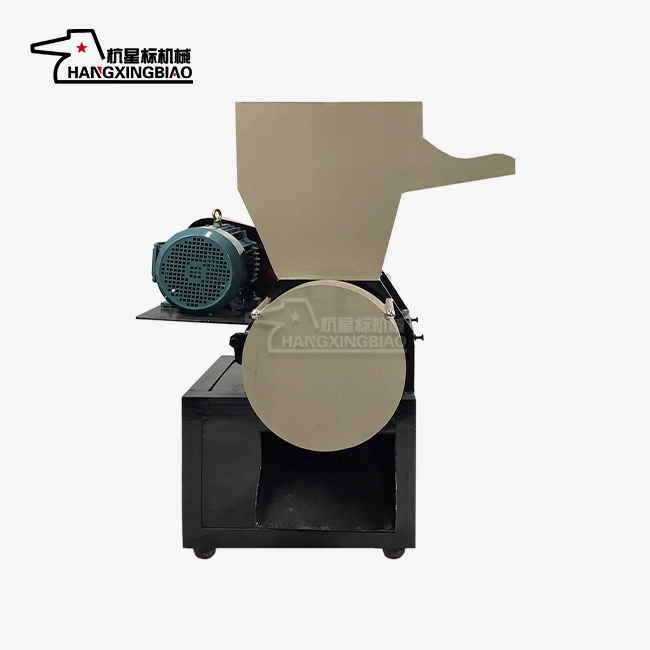
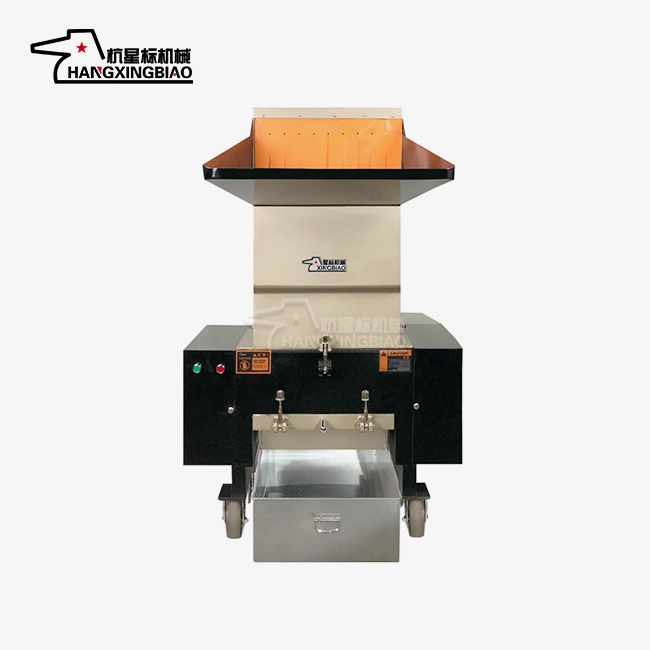
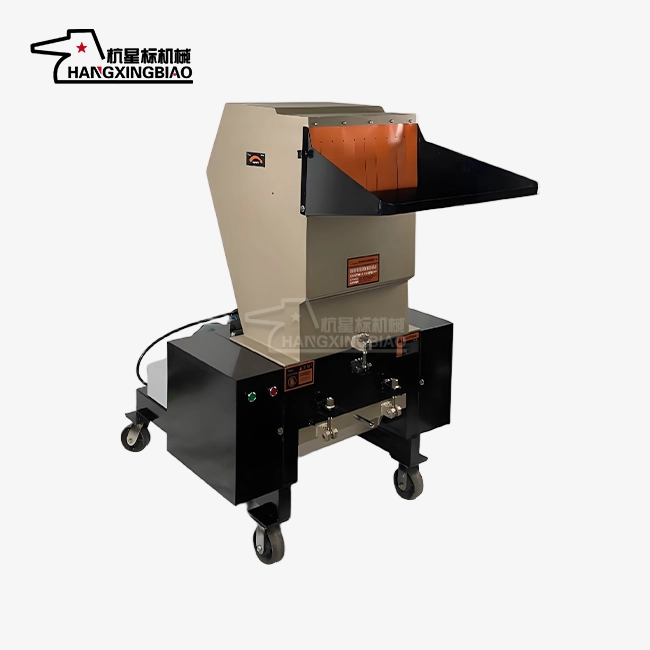
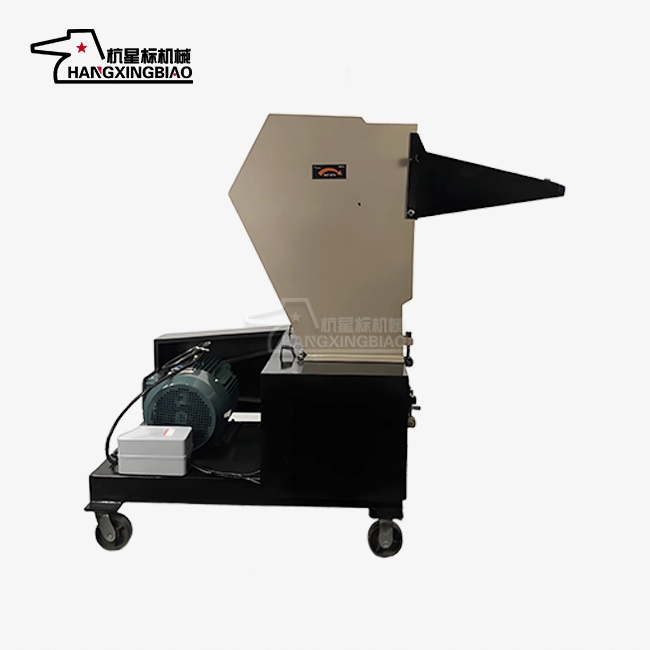
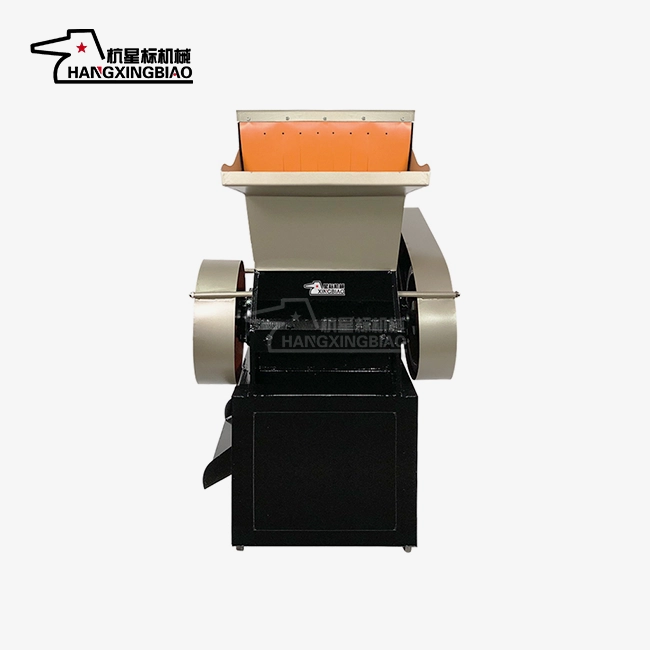
The transformation of waste materials into useful resources while simultaneously reducing operational expenses is one of the transformative benefits that industrial crushers bring to industrial parks and companies. Facilities are able to achieve a waste volume reduction of up to 85 percent with the help of these crushing machines, which results in immediate savings on storage and increased efficiency in transportation. The capacity of modern plastic crushing equipment ranges from 50 kilograms per hour to ten tons per hour, allowing it to process a wide variety of materials. Such versatility helps it to support continuous operations that are necessary for large-scale industrial facilities. This technology is capable of transforming waste streams that were previously troublesome into revenue sources that are profitable while simultaneously meeting demanding environmental compliance criteria that are necessary in the modern industrial landscape.
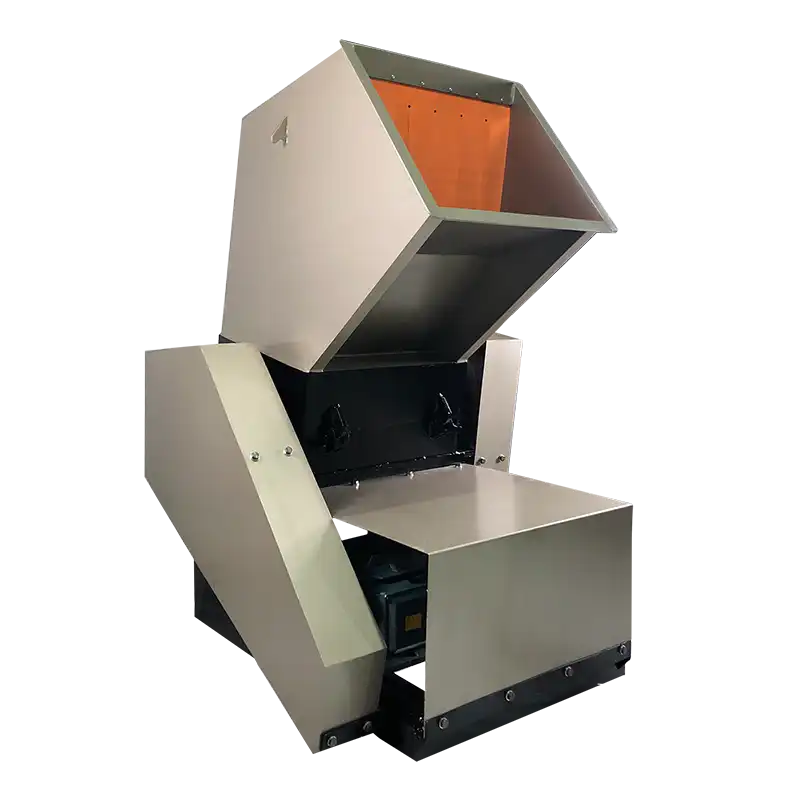
Key Performance Parameters That Drive Success
Industrial crushers are able to make more educated decisions on investments when they have a thorough understanding of the technical parameters of crushing equipment. Processing capacity is the most important metric, and current systems can handle a range from 100 kilograms per hour for smaller activities to 15 tons per hour for large industrial complexes. This task is accomplished through the use of replaceable screening systems, which minimize the need for secondary processing. The particle size control spans from 2 millimeters to 100 millimeters.
It is now of the utmost importance for industrial operations to maximize energy efficiency. Advanced crushing technology uses 10–15% less power than traditional crushing systems while also increasing throughput by more than 20%. The standards of blade endurance are quite important; premium SKD-11 and D2 tool steels attain HRC55-60 hardness ratings, which allow them to deliver between three thousand and five thousand hours of operation before needing to be replaced.
Operational dependability measurements include maintenance intervals, continuous duty ratings, vibration levels below 0.1 mm, and other measures. The scheduling of production and the management of costs are both directly impacted by these criteria. The standards for material compatibility make it possible to establish whether or not a piece of machinery is capable of handling soft plastics like PE sheets, hard materials like ABS components, or problematic objects like tangled waste streams.
Core Benefits Transforming Industrial Operations
The decrease in waste volume is a major advantage that is driving adoption across all industrial operations. Crushing processes often yield a volume reduction of 70–90%, which results in a significant reduction in the necessity for storage and the costs associated with transportation. To reduce the amount of plastic garbage produced by a manufacturing plant that generates fifty cubic meters of waste each day to five to ten cubic meters of processed material, significant space savings can be achieved.
Beyond only reducing volume, resource recovery offers various additional benefits. When materials are processed, they are transformed into useful feedstock for new production cycles or commodities that are profitable in recycling markets. Many establishments have reported that they have recovered 15–30% of the expenses for raw materials through the utilization of efficient crushing and reprocessing activities.
There is no possible way to overestimate the benefits of environmental compliance. Facilities are able to comply with increasingly rigorous rules for waste management with the assistance of modern crushing systems, which also promote sustainability initiatives. Reduced reliance on landfills and decreased emissions from transportation both contribute to the achievement of environmental goals by corporations.
There is a direct correlation between the streamlining of material handling procedures and increases in operational efficiency. The elimination of several handling procedures, reduction in the amount of work required, and reduction in the danger of contamination are all benefits of integrated crushing systems. Immediately following the implementation of comprehensive crushing systems, production facilities report gains in waste processing efficiency ranging from 25 to 40 percent.
Xingbiao's Superior Technology Versus Conventional Solutions
For the past three decades, Hangzhou Xingbiao Machinery Co., Ltd. has focused solely on the technology of plastic crushing. As a result, we have developed specific expertise that sets our solutions apart from those of manufacturers of general-purpose equipment. We tailor our targeted approach to address specific issues faced by the Industrial Crushers, resulting in improved performance characteristics.
The blade technology can be considered a significant distinction. On the other hand, Xingbiao uses vacuum heat treatment and cryogenic processing on SKD-11/D2 tool steels, whereas ordinary crushers only use basic steel alloys. When compared to traditional options, this unique treatment procedure extends the life of blades by forty to sixty percent, hence lowering the costs of replacement and the number of production interruptions.
A measurable increase in efficiency is achieved by the optimization of the cavity architecture. The processing throughput is increased by more than twenty percent thanks to our innovative blade layout and chamber geometry, which also results in a reduction in energy usage. Independent testing reveals that the power requirements must be reduced by fifteen percent in comparison to rival units of comparable size.
We specifically address problematic materials like films and woven bags, which typically clog traditional equipment, through the application of anti-entanglement engineering. Even when dealing with challenging waste streams, our innovative design is able to maintain regular processing rates, thereby minimizing costly downtime and the need for labor-intensive intervention.
Using stress-relieved welded construction and precise bearing systems helps make the structure stronger. As a result of these engineering enhancements, vibration levels have been reduced, and operational life has been extended, all while maintaining consistent performance under continuous loading cycles.

Maximizing Benefits Through Strategic Implementation
It is necessary to do a thorough examination of the material characteristics, processing volumes, and operational needs to make an appropriate selection of equipment. Start by documenting the composition of the waste stream, which should include the different types of materials, the levels of contamination, and the physical properties. By conducting this analysis, relevant model selection and design options can be determined.
The incorporation of workflow is made more seamless through integration planning. It is important to strategically position crushing equipment within material handling systems to reduce the amount of time spent transporting and processing materials. When placing units near production areas, it is important to take into consideration the noise levels, especially for injection molding activities that require quiet conditions.
Maintenance scheduling helps enhance the availability and performance of the equipment. Establish guidelines for preventive maintenance, which should include routine inspections of the blades, lubrication of the bearings, and cleaning of the screening system. If you want to reduce the amount of downtime that occurs during planned maintenance activities, you should establish a spare parts inventory for important components.
Operator training programs ensure the safe and effective utilization of equipment. The comprehensive training program includes the following topics: procedures for starting up, techniques for loading materials, methods for troubleshooting, and safety protocols. Operators with adequate training gain a 20–30% increase in production while simultaneously minimizing the number of safety incidents and wear to equipment.
Throughput rates, energy usage, and maintenance requirements are some of the important indicators that are monitored by performance monitoring systems. Regular performance analysis helps identify areas for optimization and provides direction for future equipment decisions. Through the use of systematic monitoring procedures, numerous facilities get the opportunity to find novel uses and benefits.
Critical Considerations for Successful Implementation
To avoid expensive equipment incompatibilities, material compatibility verification is essential. Test the capabilities of the processing system using actual waste samples before making a final decision about the equipment to use. For the purpose of achieving the best possible outcomes, specialized crushing configurations are required for various types of plastic, varying levels of contamination, and various physical forms.
The need for a power supply must be in accordance with the electrical infrastructure of the facility. To function properly, high-capacity crushing systems might need specialized electrical circuits or voltage adjustments. To avoid delays in the project and unexpected costs, it is important to plan electrical installations.
Paying attention to lockout and tagout procedures, noise exposure restrictions, and dust control measures is necessary to comply with safety regulations. The implementation of suitable safety equipment, such as emergency stops, access guards, and hearing protection regulations, is essential. Routine safety inspections ensure both worker protection and continuous compliance.
When planning space, it is important to consider the footprint of equipment, access for material handling, and clearances for maintenance. The loading of materials, the collecting of processed output, and the performance of routine maintenance tasks all require sufficient space. When choosing locations for installations, ensure that you take into account the potential for future development.
Environmental factors include noise levels, dust production, and ventilation requirements. There are certain crushing activities that might benefit from enclosed installations or dust-collecting systems to maintain environmental regulations for noise and air quality in the workplace.

Conclusion
Industrial crushers represent essential infrastructure for modern manufacturing and recycling operations, delivering measurable benefits through waste volume reduction, resource recovery, and operational efficiency improvements. Strategic implementation of advanced crushing technology transforms costly waste management challenges into profitable opportunities while supporting environmental compliance objectives. The key to success lies in selecting appropriate equipment specifications, implementing comprehensive maintenance programs, and partnering with experienced suppliers who understand specific industrial requirements. Investment in quality crushing systems yields long-term returns through reduced operational costs, improved material handling efficiency, and enhanced sustainability performance across diverse industrial applications.
FAQ
Q1: What particle size consistency can industrial crushing equipment achieve?
A: Modern crushing systems with precision screening achieve over 90% particle uniformity within specified size ranges. Interchangeable screens provide 2-100 mm options, with typical applications producing 5-50 mm fragments or 2-12 mm fine particles depending on end-use requirements.
Q2: How do maintenance costs compare between different crusher technologies?
A: Premium crushing equipment with hardened blade technology reduces maintenance costs by 30-50% compared to standard units. Vacuum-treated blades, which are specially processed to enhance their durability, lasting 3000-5000 hours, significantly outperform conventional alternatives that require replacement every 1000-1500 hours of operation.
Q3: Can crushing systems integrate with existing production line automation?
A: Yes, modern crushing equipment supports integration with conveyor systems, automated feeding mechanisms, and production monitoring networks. Centralized feeding systems work seamlessly alongside injection molding machines, while material handling automation reduces labor requirements and improves consistency.
Partner with Xingbiao for Superior Industrial Crushing Solutions
Xingbiao stands ready to transform your waste management challenges into profitable opportunities through our specialized industrial crushers for sale. Our three decades of focused expertise in plastic crushing technology deliver proven solutions that outperform conventional alternatives. As a trusted industrial crushers manufacturer, we provide comprehensive support from initial consultation through ongoing maintenance services. Are you prepared to enhance your material processing operations and cut down on operational expenses? Contact us at postmaster@xingbiaocrusher.com to discuss your specific requirements and discover how our advanced crushing technology can benefit your facility.
References
1. Smith, J.R. (2023). "Industrial Waste Management Technologies: Equipment Selection and Performance Optimization." Journal of Manufacturing Operations, 45(3), 234-251.
2. Chen, L.M. & Rodriguez, A.P. (2022). "Energy Efficiency in Plastic Processing Equipment: Comparative Analysis of Crushing Technologies." International Review of Industrial Engineering, 18(7), 445-462.
3. Thompson, K.D. (2023). "Sustainable Manufacturing Practices: Implementing Closed-Loop Material Recovery Systems." Environmental Technology and Innovation, 31, 178-195.
4. Williams, R.S. & Park, H.J. (2022). "Economic Analysis of Waste-to-Resource Conversion in Industrial Settings." Industrial Economics Quarterly, 39(2), 89-106.
5. Anderson, M.E. (2023). "Safety and Compliance Standards for Industrial Crushing Equipment." Occupational Safety Review, 67(4), 312-329.
6. Liu, X.F. & Johnson, B.K. (2022). "Performance Metrics and Optimization Strategies for Material Processing Equipment in Industrial Parks." Manufacturing Technology Today, 28(9), 156-173.