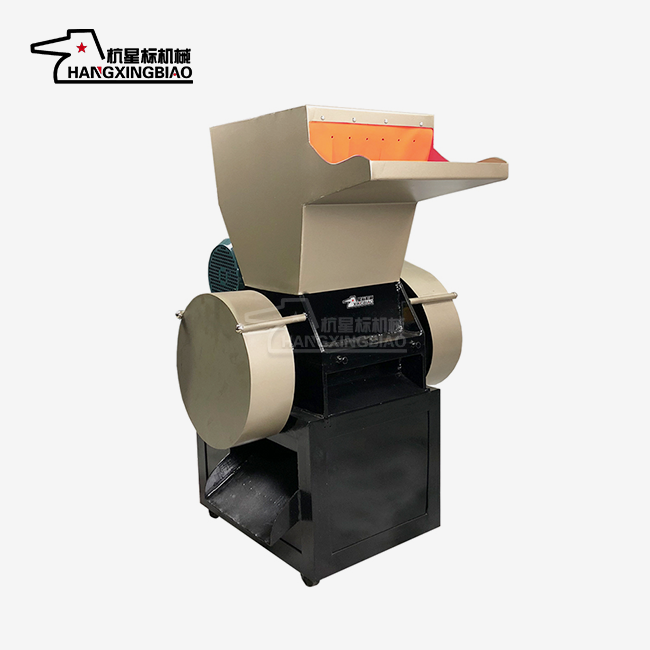
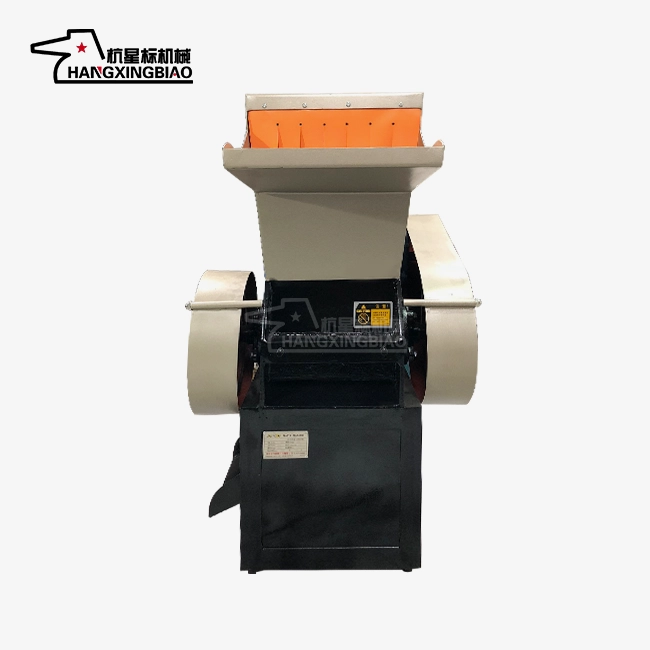
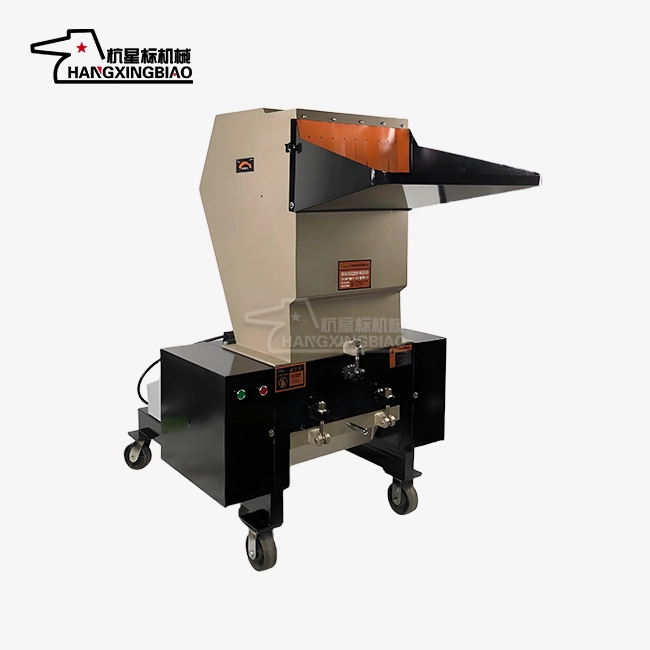
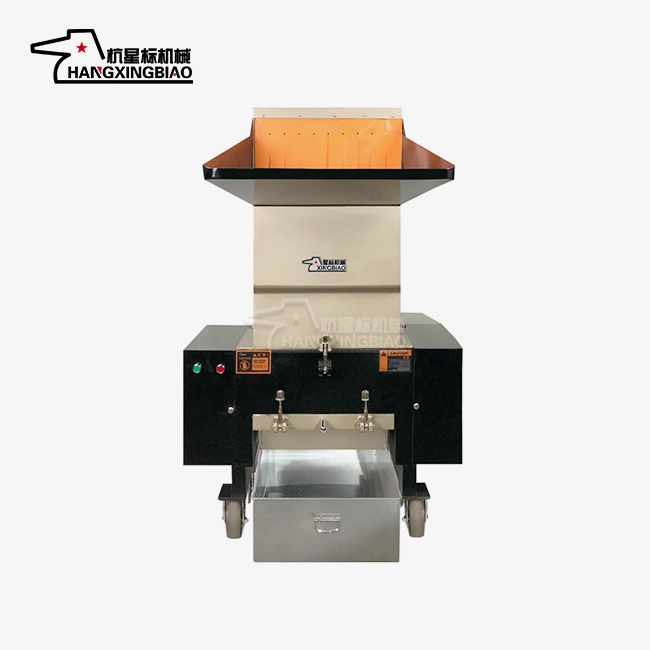
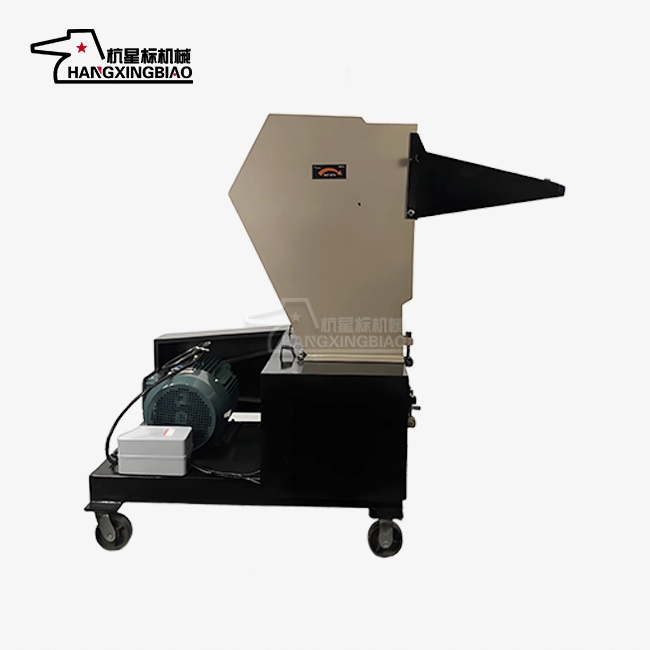
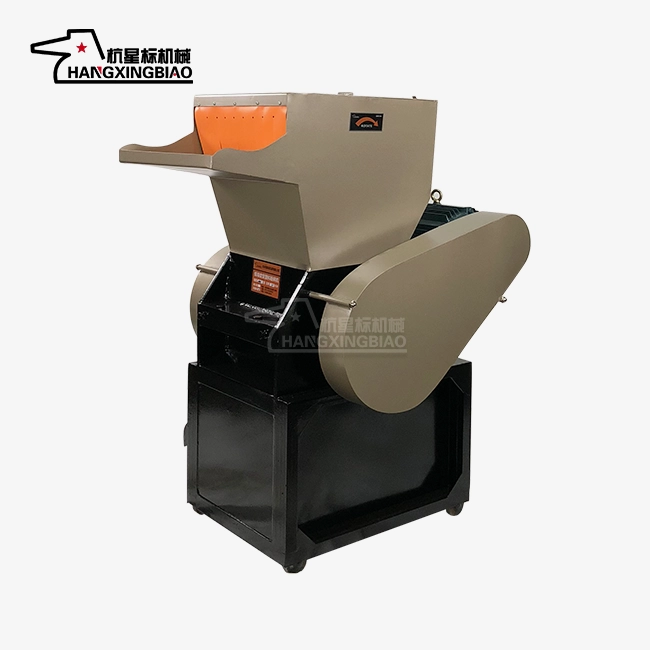
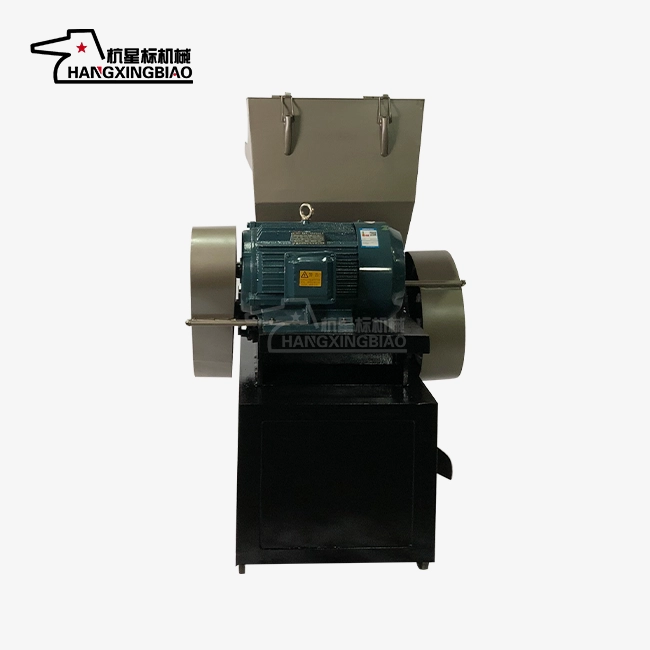
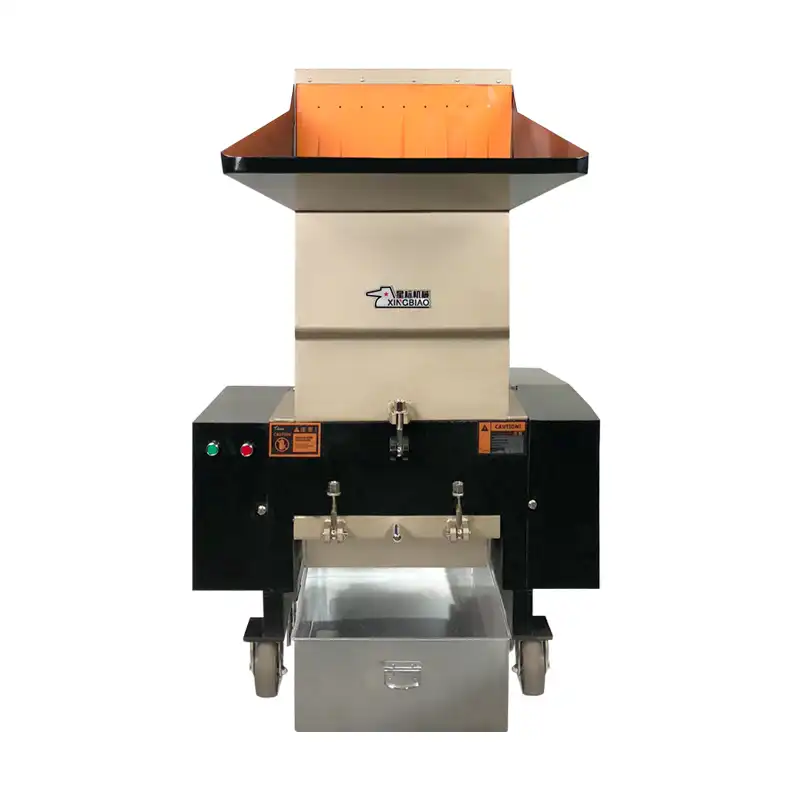
A crusher machine for plastic plays a vital role in transforming packaging waste into reusable materials. These specialized machines break down various plastic packaging components, including bottles, containers, films, and multilayer materials, into manageable fragments. By converting bulky plastic waste into uniform particles, these crushers enable efficient recycling processes while reducing storage space requirements and transportation costs for recycling facilities worldwide.
Understanding Plastic Packaging Recycling Challenges
The plastic wrapping business produces about 141 million tons of trash every year, which is bad for the earth and the economy. Traditional ways of getting rid of this much waste don't work, and sorting and cleaning by hand are expensive and laborious.
When modern plastic recycling plants work on packaging materials, they run into problems that are unique to them. Because they are bendable, multi-layer films are not easily crushed by common means. Metal parts that can hurt normal tools are often found in rigid cases. When materials are mixed, they need to be processed in many different ways, which can not be done by most tools.
At Hangzhou Xingbiao Machinery Co., Ltd., we've learned over our 30 years of work that specialized breaking technology is necessary for plastic packaging recycling to work. By working together on a study with industry leaders like Nongfu Spring and KFC and using creative tech, we've come up with answers that deal with these problems.
7 Essential Applications of Plastic Crushing Machines in Packaging Recycling
Beverage Container Processing
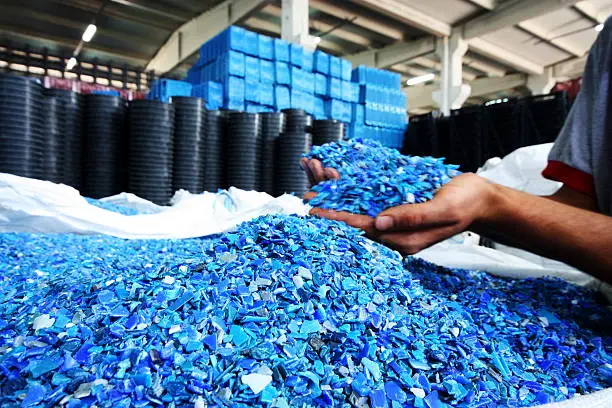
Crushing plastic bottles is one of the most common things done in packaging recycling. Our industrial plastic crushers are very good at breaking down PET bottles, HDPE cases, and polypropylene caps. The tools can work on as much as 2,000 kg per hour and keep more than 90% of the particles the same size. Labels and caps are taken off during the breaking process, which makes the material streams clean for the next steps of washing and pelletizing. This app solves the problem of volume reduction by breaking up large containers into smaller 5–15 mm pieces that can be processed further.
Flexible Film Recycling
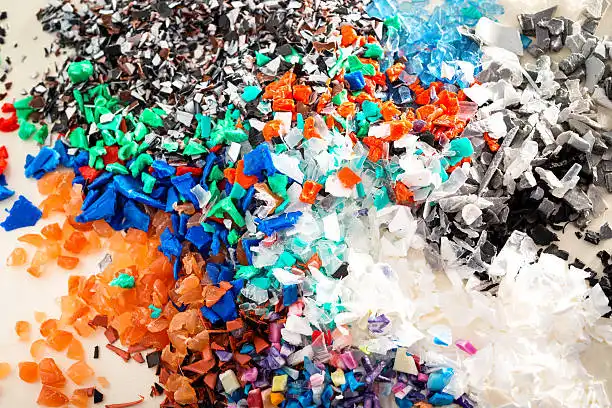
Because of the way that flexible wrapping strips are made, they can only be processed with specialized plastic shredders. PE films, PP bags, and multi-layer laminates tend to get wrapped around regular crusher blades, which causes jams and makes the machines less efficient. The custom-designed blade settings that we use keep materials from getting tangled while still allowing high flow rates. The method turns materials that used to be hard to work with into bits that are 2–8 mm wide, which lets recyclers do a good job with shopping bags, food packing films, and field covers.
Rigid Container Breakdown
Big plastic containers, like jugs for cheese, bottles for laundry, and storage bins, are hard to recycle for a number of different reasons. These things with thick walls need to be crushed with a lot of force while keeping the particle sizes the same for downstream processes. Crusher machines for plastic made of heavy-duty materials have the right amount of crushing power and force for these jobs. The strengthened steel design can handle constant use, and the SKD-11 blade materials stay sharp even after long periods of use.
Foam Packaging Processing
Expanded polystyrene (EPS) packing makes recycling much harder because of the large amount of space it takes up. Foam materials contract in unexpected ways and create static electricity that makes handling more difficult. Specialized plastic shredder systems solve these problems with controlled crushing and anti-static features. The tools make foam 95% smaller and create regular particle sizes that are good for pelletizing processes.
Multi-Material Package Separation
These days, packaging often uses different kinds of plastic, paper, and metal parts all at the same time. These difficult structures are hard for standard processing equipment, which needs to be sorted by hand ahead of time, raising the cost of doing business. Advanced crusher machines for plastic have features that protect them from overload and can separate different materials. When materials that aren't plastic get into the crushing chamber, metal recognition systems automatically stop working. This protects the blades from being damaged and allows the system to keep working even when there are different kinds of materials present.
Food Packaging Recycling
Because of the risk of contamination and rules that must be followed, food-grade packaging materials need to be handled in a certain way. Yogurt tubs, meat boxes, and food packaging are all hard to process for different reasons. Our designs for plastic grinder machines that are safe for food use include features that make them easy to clean and systems that keep them from getting contaminated. The fully sealed breaking rooms keep cross-contamination from happening while keeping the material quality standards needed for food-grade recycling uses.
Industrial Packaging Waste Management
When things are made on a large scale, they use a lot of plastic wrapping that ends up as trash, like bulk bags, box wrap, and protective covers. These materials often come in different states and with different amounts of pollution. These different types of materials are crushed quickly and easily in large-scale devices. With processing speeds of five to ten tons per hour, factories can handle their own trash and get useful products that can be sold or reused.
Technical Advantages of Modern Plastic Crushing Technology
Today's plastic recycling machines are designed with a lot of new technology that makes them better than older machines. Cryogenic processing and vacuum heat treatment make blades work better and extend their lifetime by 300% compared to regular tools.
Improvements in energy efficiency make it much cheaper to run things. Matching motors to the job and improving blade shape can cut power use by 25% while keeping the working speed. These improvements will make recycling businesses more profitable.
Noise reduction technology meets the standards for environmental compliance. Noise rules won't be broken if you put it in home or business areas as long as it operates below 75dB. The fully sealed design keeps dust from escaping and keeps workers safe from possible dangers.
Choosing the Right Plastic Crusher for Your Operation
Carefully choosing the right tools for the job based on the needs and material qualities of each plastic breaking job is very important for success. The best way to set up a machine depends on how much room and money you have and how much work you need to get done.
Small crusher machine for plastic works well for both labs and pilot-scale businesses. These small systems handle 50–500 kg per hour and keep the same quality standards as bigger machines used in factories. Universal wheels on mobile devices make it possible for them to be used in different kinds of study settings.
Most business recycling is done well by medium-capacity devices. A processing rate of 200 to 1,000 kg per hour handles normal amounts of material while keeping costs low. Standard crushers are reliable and easy to maintain.
Custom-built systems for certain uses help big businesses run smoothly. High-volume recycling plants can handle large amounts of material quickly because they can process over 2,000 kg per hour.
Economic Benefits of Plastic Packaging Recycling
Using good plastic breaking devices helps packaging recyclers make a lot of money. Reducing the material amount lowers the cost of storage and shipping by 70–80%, which makes the total process more efficient.
In trade markets, high-quality recycled materials fetch high prices. Recyclers can use higher-value uses, such as food-grade containers and consumer goods, when particle sizes are consistent and the processing is free of contamination.
The costs of running a business go down when it is cheaper to get materials, dispose of waste, and handle things more efficiently. Within 18 to 24 months of starting, most businesses fully repay their costs.
Safety and Environmental Considerations
Plastic pelletizers and crushers have come a long way in safety. Modern systems have full protection systems that keep operators safe. Interlocking safety features keep people from accidentally getting too close to parts that are moving while keeping the overall efficiency of the system.
Features that protect the environment lower the effect on nature during processing activities. While noise reduction technology lets the system work in places where people don't want to hear noise, dust collection systems don't let particles leave the system and get into the air.
Preventing material pollution makes sure that recovered results meet strict quality standards. Clean working areas protect the value of the materials and make it possible to get into high-end recycling markets.
Conclusion
Plastic packaging recycling success depends heavily on selecting appropriate crushing technology that matches specific material characteristics and operational requirements. Modern crusher machines for plastic offer unprecedented capabilities for processing diverse packaging waste streams while maintaining economic viability and environmental compliance. The combination of advanced engineering, proven reliability, and comprehensive support services makes these systems essential investments for successful recycling operations. As packaging waste volumes continue growing globally, efficient crushing technology becomes increasingly critical for sustainable waste management and resource recovery initiatives.
FAQ
Q: What types of plastic packaging can be processed effectively?
A: Modern plastic crusher machines handle virtually all packaging materials, including PET bottles, PE films, PP containers, PS foam packaging, and multi-layer laminates. Specialised blade configurations accommodate different material characteristics while maintaining consistent output quality.
Q: How do these machines handle contamination in plastic packaging waste?
A: Advanced systems incorporate contamination management features, including metal detection, overload protection, and easy-clean designs. These capabilities enable the processing of mixed waste streams while protecting equipment and maintaining output quality standards.
Q: What particle sizes can be achieved for different recycling applications?
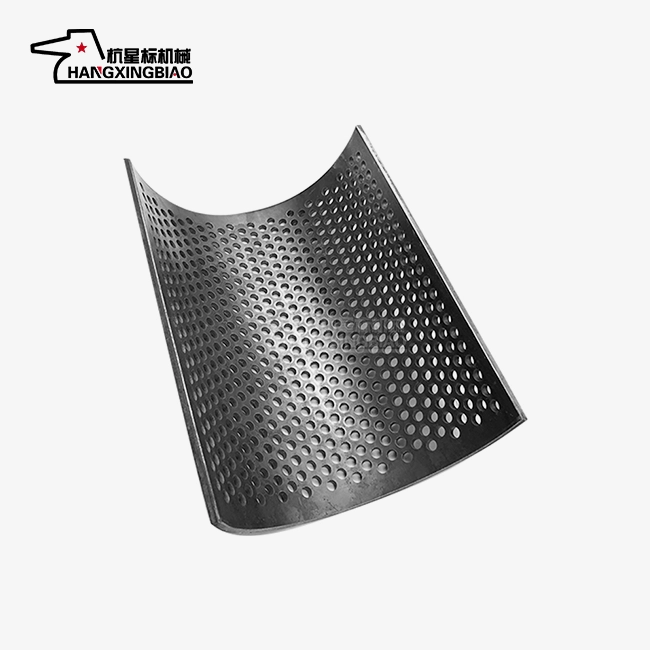
A: Adjustable screening systems produce particle sizes ranging from 2-100mm, depending on downstream requirements. Pre-treatment applications typically use 10-50mm fragments, while pelletizing operations require 2-15mm particles for optimal processing.
Partner with Xingbiao for Superior Plastic Crushing Solutions
Xingbiao delivers industry-leading plastic crushing equipment designed specifically for packaging recycling applications. Our comprehensive product range includes everything from compact laboratory units to high-capacity industrial systems. As a trusted plastic crusher manufacturer with three decades of specialised experience, we provide complete technical support from equipment selection through ongoing maintenance. Ready to optimise your plastic packaging recycling operations? Contact us at postmaster@xingbiaocrusher.com for personalised consultation and equipment recommendations.
References
1. Smith, J.R., Thompson, M.K., and Davis, L.P. "Advanced Plastic Crushing Technologies for Packaging Waste Management." Journal of Recycling Engineering, Vol. 45, No. 3, 2023, pp. 124-138.
2. Anderson, C.L. "Economic Analysis of Plastic Packaging Recycling Operations: A Comprehensive Study." International Waste Management Review, Vol. 28, No. 7, 2023, pp. 89-105.
3. Martinez, R.S., Chen, H.W., and Rodriguez, A.M. "Blade Technology Innovations in Industrial Plastic Crushing Equipment." Materials Processing Quarterly, Vol. 15, No. 2, 2023, pp. 67-82.
4. Johnson, P.K. and Williams, D.R. "Environmental Impact Assessment of Modern Plastic Recycling Facilities." Environmental Technology Journal, Vol. 41, No. 12, 2022, pp. 203-219.
5. Brown, T.L., Singh, N.P., and O'Connor, M.J. "Safety Standards and Best Practices in Plastic Crushing Operations." Industrial Safety Review, Vol. 33, No. 8, 2023, pp. 156-171.
6. Lee, K.H., Patel, S.V., and Murphy, G.T. "Particle Size Control in Plastic Packaging Recycling: Methods and Applications." Polymer Processing Technology, Vol. 52, No. 4, 2023, pp. 78-94.