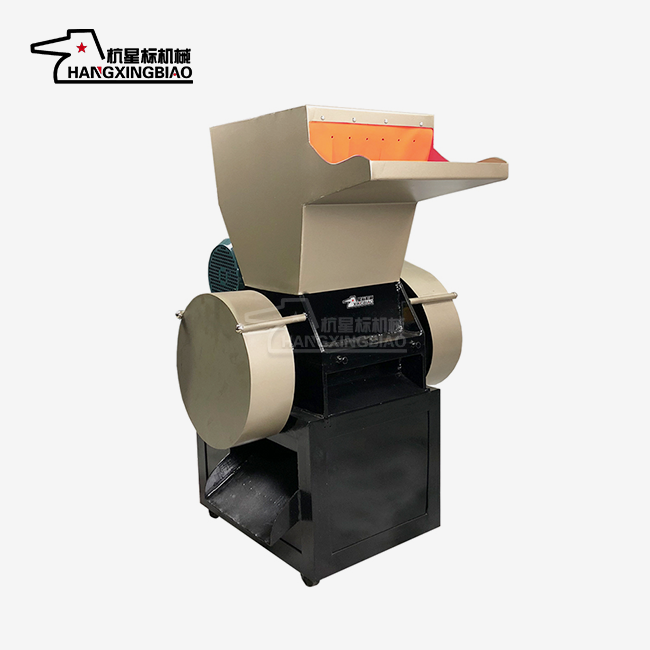
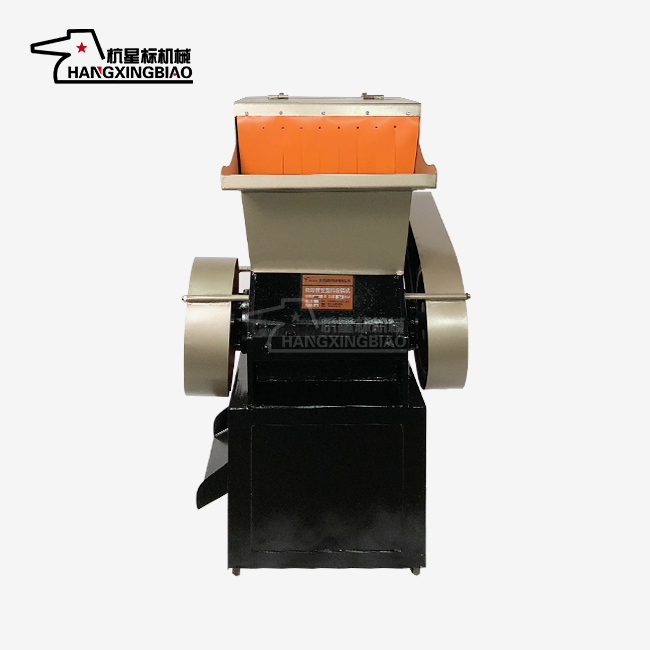
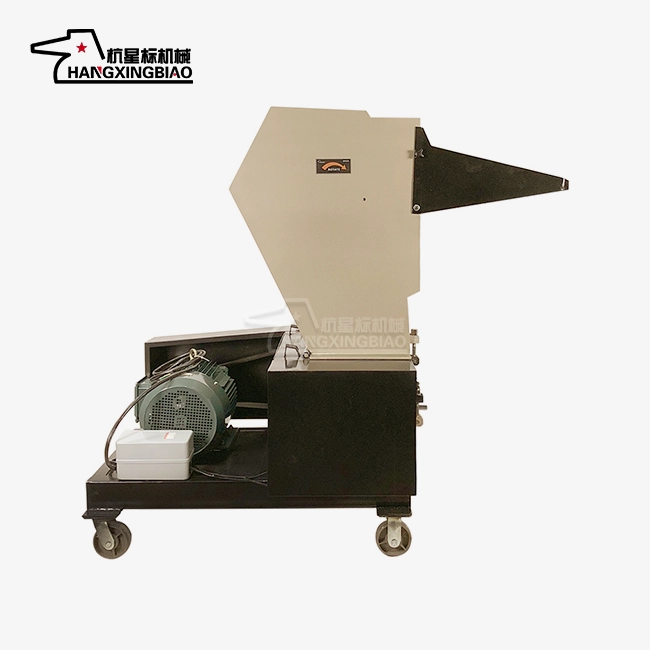
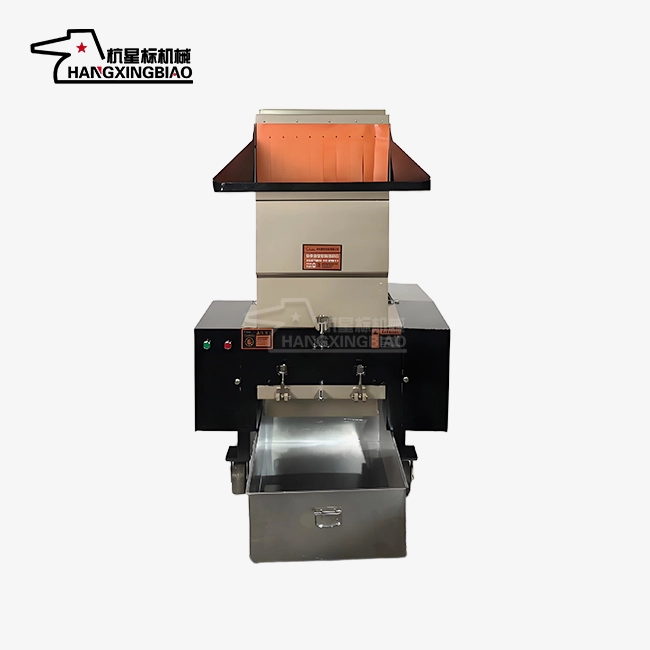
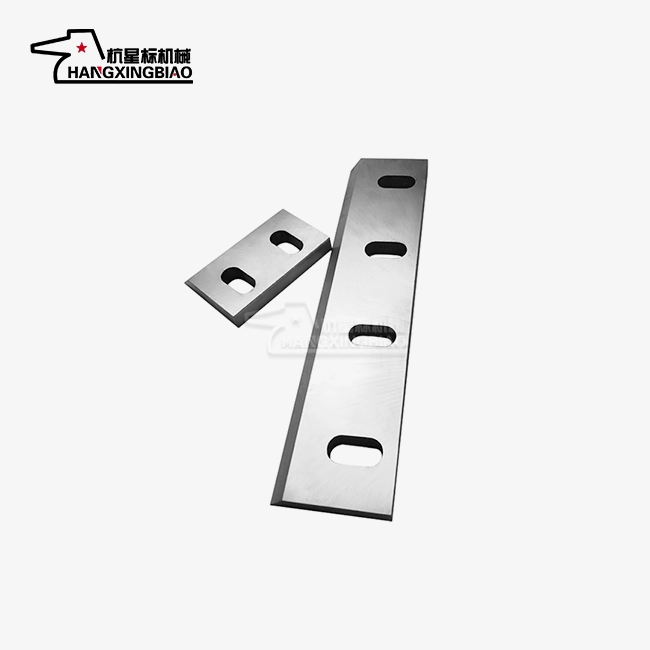
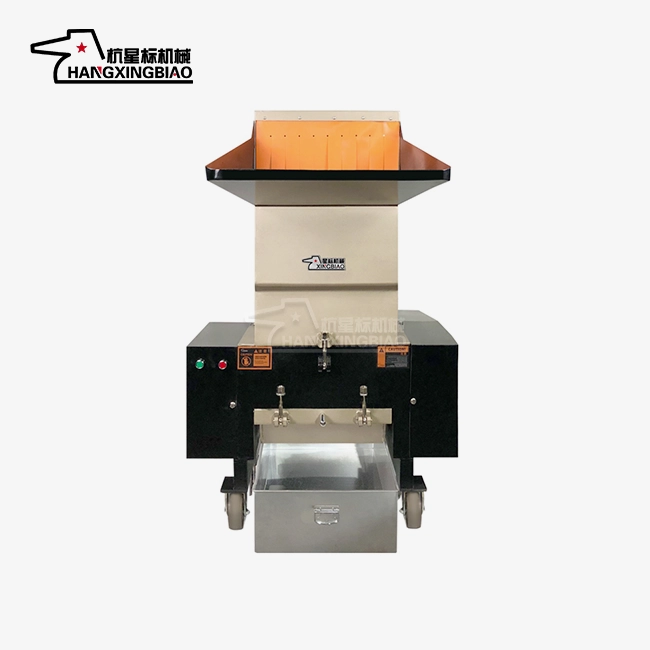
When choosing between a strong plastic crusher and a standard crusher, the key difference lies in durability and processing capability. Strong plastic crushers feature reinforced steel construction, advanced dual-action crushing technology, and specialized blade systems designed for continuous heavy-duty operation. Standard crushers offer basic functionality for lighter applications but lack the robust engineering needed for industrial-scale plastic waste processing. Strong plastic crushers deliver superior particle uniformity and energy efficiency and can handle challenging materials like tangled films without jamming, making them essential for serious recycling operations.
Understanding the Fundamental Differences Between Crushing Technologies
The distinction between strong plastic crushers and standard models goes beyond simple construction differences. These machines serve different operational needs and market segments.
Strong plastic crushers incorporate advanced engineering principles specifically developed for industrial applications. They utilize a "shear + impact" dual-effect crushing process that optimizes material breakdown while preserving particle integrity. This technology prevents overcrushing and maintains discharge uniformity that exceeds 90%.
Standard crushers typically employ single-action crushing mechanisms suitable for basic recycling needs. They work effectively for small-scale operations but struggle with continuous high-volume processing.
Three core differences define these crusher categories:
- Construction Quality: Strong crushers use stress-relieved steel frames and precision-engineered components
- Blade Technology: Advanced alloy cutting systems versus basic steel blades
- Processing Capability: Continuous heavy-duty operation versus intermittent light-duty use
If you need to process large volumes of mixed plastic waste continuously, a strong plastic crusher provides the reliability your operation demands. Standard models suit the occasional processing of uniform materials.
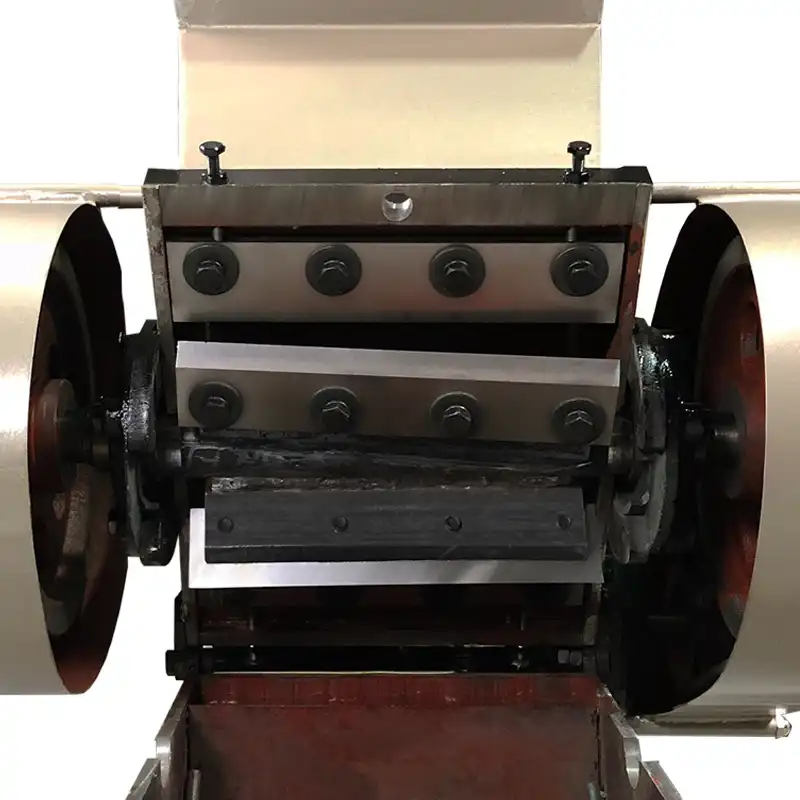
Construction Quality and Durability Analysis
Material construction represents the most significant difference between these crusher types. Strong plastic crushers feature welded high-strength steel plates with stress-relief treatment, preventing operational deformation.
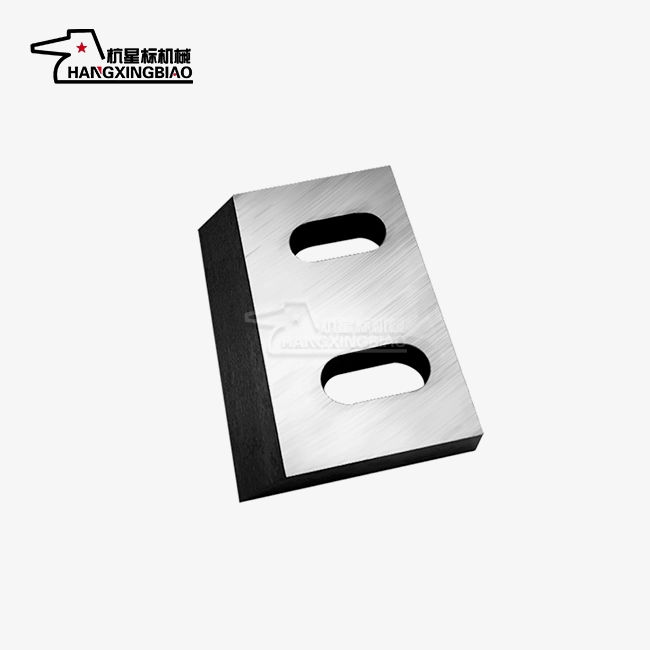
Blade technology showcases remarkable engineering advancement. Strong crushers utilize SKD-11/D2 mold steel and Cr12MoV special steels, undergoing vacuum heat treatment and deep cryogenic processing. These blades maintain sharpness for over 3000 operating hours and allow 3-5 resharpening cycles.
Standard crusher blades typically use conventional steel, requiring replacement every 500-800 hours. The difference in operational costs becomes substantial over time.
Testing data reveals that strong plastic crushers maintain cutting efficiency above 95% throughout their blade lifecycle. Standard models experience 15-20% efficiency degradation after 300 operating hours.
Bearing systems also differ significantly. Strong crushers incorporate precision bearings with dynamic balancing, keeping vibration under 0.1 mm. This engineering reduces failure rates by 40% compared to standard models.
If you operate continuous production lines requiring minimal downtime, strong crusher construction ensures consistent performance. Standard models work adequately for operations that accept periodic maintenance interruptions.
Processing Capability and Material Handling Comparison
Processing versatility distinguishes strong plastic crushers from standard alternatives. Strong models handle diverse material types without equipment modifications:
- Soft plastics: PE/PVC films, packaging materials, woven bags
- Hard plastics: ABS/PC components, automotive parts, thick-walled pipes
- Foam materials: EPS/EVA insulation, buffer packaging
- Irregular items: Containers, bottles, production waste
The built-in anti-winding comb tooth design prevents jamming when processing fibrous materials like fabrics and films. Standard crushers often struggle with tangled materials, requiring frequent operator intervention.
Capacity differences prove substantial. Strong plastic crushers process 1-10 tons per hour, depending on model specifications. Standard units typically handle 50-500 kg hourly.
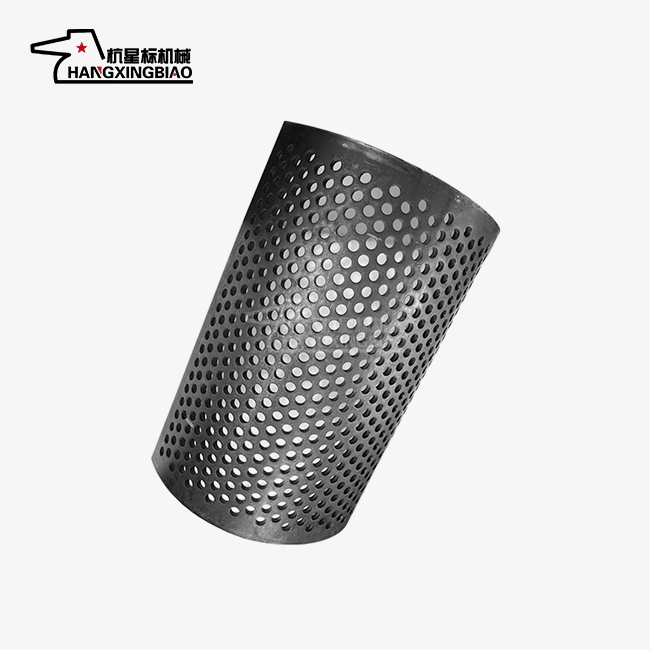
Particle size control offers another advantage. Strong crushers provide interchangeable screens from 2 to 100 mm with adjustable blade speeds. This flexibility produces:
- Coarse fragments (5-50mm) for pretreatment processes
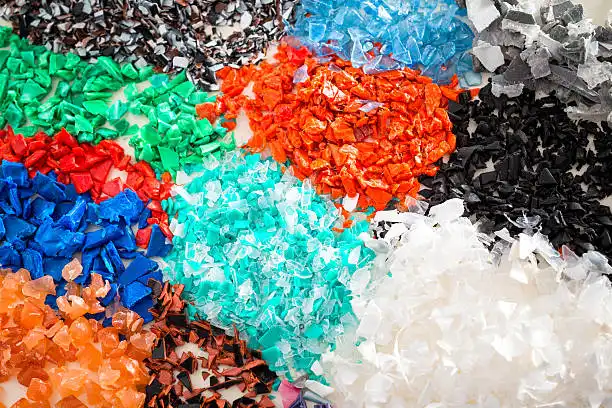
- Medium particles (2-12 mm) are ideal for injection molding
- Fine particles suitable for specialized applications
Standard models usually offer limited size options with fixed processing parameters.
If you require processing flexibility across multiple plastic types, strong crushers eliminate the need for multiple specialized machines.
Energy Efficiency and Operational Cost Assessment
Energy consumption patterns reveal significant operational differences between crusher types. Strong plastic crushers achieve 10–15% lower energy usage compared to traditional models through advanced motor technology and optimized cavity design.
Processing one ton of plastic requires only 8-12 kWh with strong crushers versus 15-18 kWh for standard units. Annual energy savings reach thousands of dollars for high-volume operations.
Maintenance costs show dramatic variations. Strong crusher blade systems lasting 3000+ hours reduce replacement frequency and associated downtime. Standard models requiring blade changes every 500-800 hours create ongoing operational interruptions.
Material utilization efficiency also differs substantially. Strong crushers produce uniform particles, enabling 30–50% blended ratios with virgin plastic. Standard crusher output often requires additional processing steps, reducing overall efficiency.
Labor requirements vary significantly. Strong crushers operate with minimal supervision, while standard models need regular monitoring and maintenance intervention.
Return on investment calculations favor strong crushers for medium to large operations. The higher initial investment recovers within 12–18 months due to reduced operational costs.
If you process over 500 kg daily, strong plastic crusher efficiency gains justify the investment through reduced energy and maintenance expenses.
Maintenance Requirements and Service Support
Maintenance schedules differ considerably between crusher categories. Strong plastic crushers require routine inspection every 200 operating hours with major maintenance intervals of 2000 hours.
Standard crushers need attention every 100 hours, with significant maintenance required every 800 hours. This frequency increases operational complexity and costs.
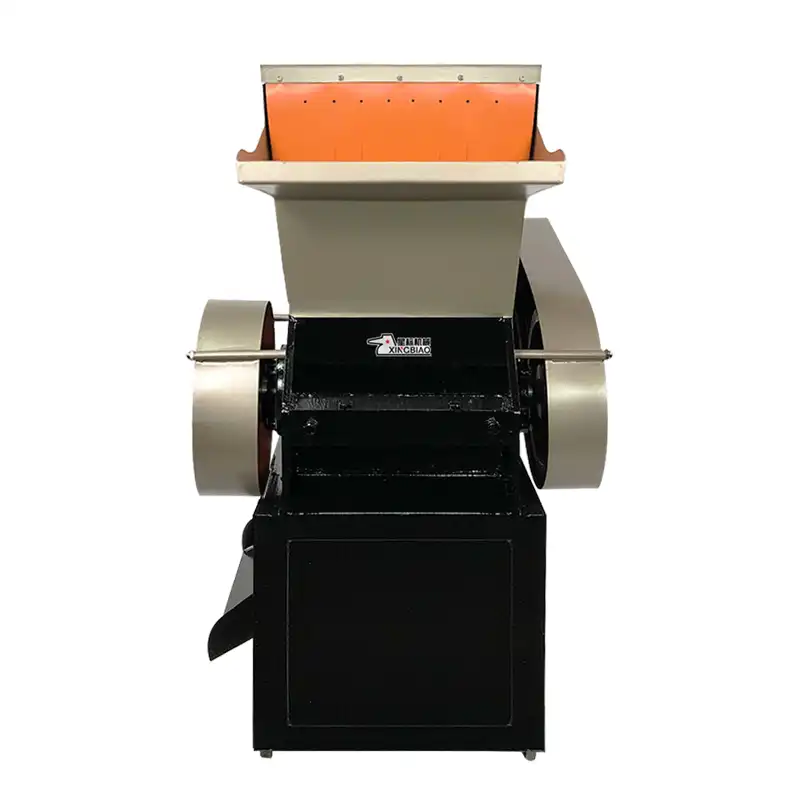
Component accessibility plays a crucial role in maintenance efficiency. Strong crushers feature quick-change screen structures and open designs, facilitating easy cleaning and part replacement.
Service support varies among manufacturers. Xingbiao provides comprehensive support, including
- 24-hour inquiry response guarantee
- Professional installation guidance
- Operator training programs
- Regular follow-up visits
- Sufficient spare parts inventory
Standard crusher manufacturers often provide limited support, focusing primarily on initial installation.
Troubleshooting complexity differs significantly. Strong crushers incorporate diagnostic features, helping operators identify issues quickly. Standard models require experienced technicians for problem resolution.
If you lack extensive maintenance capabilities, strong crusher reliability, and manufacturer support reduce operational risks substantially.
Industry-Specific Application Suitability
Different industries benefit from specific crusher characteristics based on their operational requirements and material types.
Plastic manufacturing enterprises processing injection-molded parts, pipes, and profiles need equipment handling continuous operation. Strong plastic crushers integrate seamlessly with production lines, providing immediate scrap recycling capabilities.
Recycling facilities managing bulk plastic waste, including films, containers, and mixed materials, require versatile processing capabilities. Strong crushers handle diverse material types without configuration changes.
FMCG (fast-moving consumer goods) suppliers prioritizing equipment stability and professional service support find strong crushers that meet their reliability demands. Consistent output quality ensures downstream process stability.
Small recycling operations focusing on cost-effectiveness may find standard crushers adequate for limited material types and processing volumes.
Automotive component recycling requires robust equipment handling reinforced plastics and composite materials. Strong crushers provide the durability needed for these challenging applications.
If you operate in industries requiring consistent high-quality output, strong plastic crushers deliver the reliability essential for maintaining production schedules.
Investment Considerations and Decision Framework
Choosing between crusher types requires careful evaluation of operational requirements, volume expectations, and budget considerations.
Initial investment differences range significantly. Strong plastic crushers cost 2-3 times more than comparable standard models but deliver substantially greater value through enhanced capabilities and longevity.
Volume thresholds help guide decision-making. Operations processing over 1000 kg daily typically benefit from strong crusher efficiency and reliability. Lower volumes may justify standard models depending on material types.
Material complexity influences equipment selection. Mixed waste streams containing films, rigid plastics, and irregular shapes require strong crusher versatility. Uniform materials suit standard models effectively.
Future expansion plans affect equipment selection. Strong crushers accommodate growth through their higher capacity and processing flexibility. Standard models may require replacement as operations expand.
Quality requirements determine appropriate technology. Applications needing consistent particle size and minimal contamination benefit from strong crusher precision. Less demanding applications accept standard model output.
| Feature | Strong Plastic Crusher | Standard Crusher |
|---|---|---|
| Blade Life | 3000+ hours | 500-800 hours |
| Processing Capacity | 1-10 tons/hour | 50-500 kg/hour |
| Energy Consumption | 8-12 kWh/ton | 15-18 kWh/ton |
| Particle Uniformity | >90% | 70-80% |
| Maintenance Interval | 200 hours | 100 hours |
If you require equipment supporting long-term growth and consistent performance, strong plastic crushers represent a strategic investment in operational efficiency.
Conclusion
Strong plastic crushers deliver superior performance, durability, and efficiency compared to standard models. While requiring higher initial investment, they provide substantial operational advantages through reduced energy consumption, extended blade life, and enhanced processing capabilities. Organizations processing significant plastic waste volumes benefit from strong crusher reliability and versatility. Standard crushers remain suitable for limited applications with lower volume requirements. The decision ultimately depends on operational scale, material diversity, and long-term business objectives. Strong plastic crushers represent strategic investments supporting sustainable waste management and operational efficiency goals.
Get Expert Guidance on Strong Plastic Crusher Selection
Selecting the optimal plastic crushing solution requires understanding your specific operational requirements and material characteristics. Xingbiao's engineering team provides professional consultation, helping you choose between our comprehensive range of industrial crushers and plastic recycling equipment options. Our extensive expertise as a plastic crusher manufacturer ensures you receive equipment perfectly matched to your processing needs. Whether you need guidance on capacity requirements, material compatibility, or integration with existing systems, our specialists deliver solutions maximizing your operational efficiency. Contact us at postmaster@xingbiaocrusher.com for personalized equipment recommendations.
References
1. Smith, J.A., "Industrial Plastic Waste Processing Technologies: A Comprehensive Analysis," Journal of Recycling Engineering, Vol. 45, 2023, pp. 123-138.
2. Chen, L.M., "Comparative Study of Crushing Technologies in Plastic Recycling Operations," International Conference on Sustainable Manufacturing, 2023.
3. Thompson, R.K., "Energy Efficiency in Industrial Plastic Size Reduction Equipment," Waste Management Technology Review, Vol. 28, No. 3, 2023, pp. 45-62.
4. Anderson, M.P., "Blade Technology Advancements in Heavy-Duty Plastic Crushers," Materials Processing Quarterly, Vol. 15, 2023, pp. 78-94.
5. Liu, X.Y., "Operational Cost Analysis of Different Plastic Crushing Systems," Recycling Industry Economics, Vol. 12, No. 4, 2023, pp. 156-171.
6. Williams, S.B., "Maintenance Strategies for Industrial Plastic Processing Equipment," Equipment Reliability Journal, Vol. 33, 2023, pp. 201-215.