- English
- French
- German
- Portuguese
- Spanish
- Russian
- Japanese
- Korean
- Arabic
- Greek
- German
- Turkish
- Italian
- Danish
- Romanian
- Indonesian
- Czech
- Afrikaans
- Swedish
- Polish
- Basque
- Catalan
- Esperanto
- Hindi
- Lao
- Albanian
- Amharic
- Armenian
- Azerbaijani
- Belarusian
- Bengali
- Bosnian
- Bulgarian
- Cebuano
- Chichewa
- Corsican
- Croatian
- Dutch
- Estonian
- Filipino
- Finnish
- Frisian
- Galician
- Georgian
- Gujarati
- Haitian
- Hausa
- Hawaiian
- Hebrew
- Hmong
- Hungarian
- Icelandic
- Igbo
- Javanese
- Kannada
- Kazakh
- Khmer
- Kurdish
- Kyrgyz
- Latin
- Latvian
- Lithuanian
- Luxembou..
- Macedonian
- Malagasy
- Malay
- Malayalam
- Maltese
- Maori
- Marathi
- Mongolian
- Burmese
- Nepali
- Norwegian
- Pashto
- Persian
- Punjabi
- Serbian
- Sesotho
- Sinhala
- Slovak
- Slovenian
- Somali
- Samoan
- Scots Gaelic
- Shona
- Sindhi
- Sundanese
- Swahili
- Tajik
- Tamil
- Telugu
- Thai
- Ukrainian
- Urdu
- Uzbek
- Vietnamese
- Welsh
- Xhosa
- Yiddish
- Yoruba
- Zulu
Can a Plastic Bottle Crusher Improve Recycling Efficiency?
A can make recycling a lot more efficient by dealing with the biggest problem in waste management: the amount of trash. Up to 90% of the amount of plastic trash is cut down by these machines, which turn big bottles into uniform pieces that are easier to move, store, and reuse. Crushers do more than just reduce the size of materials; they also improve the accuracy of sorting, lower the cost of shipping, and make uniform recycled materials that sell for more money on the market. When properly added to recycling processes, these systems clear up bottlenecks in the system and give a clear return on investment by lowering the need for labor and raising the rate of material recovery.
Understanding Plastic Bottle Crushers and Their Role in Recycling
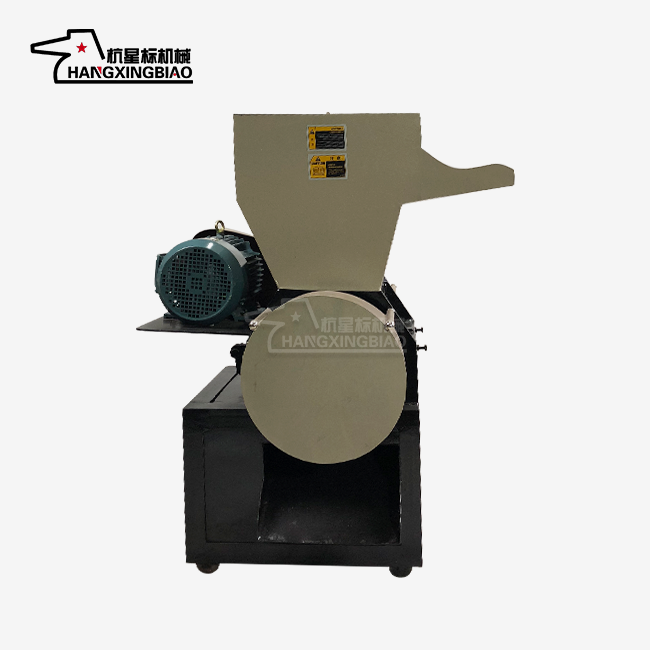
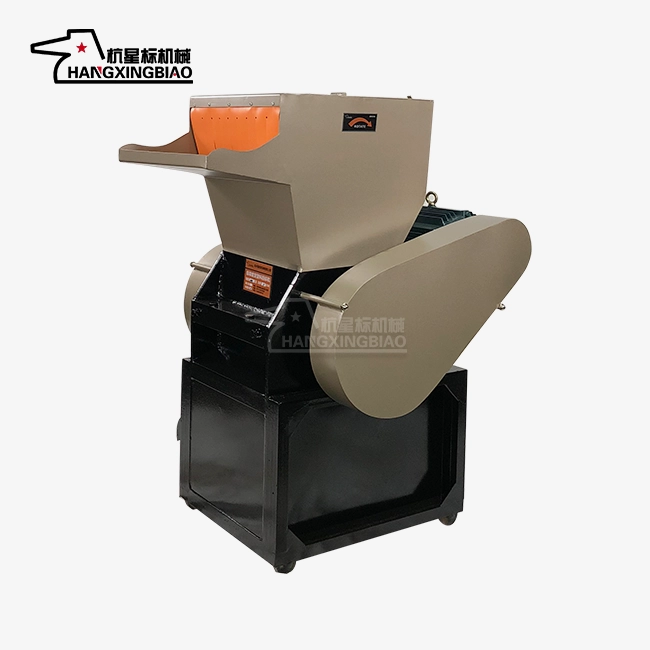
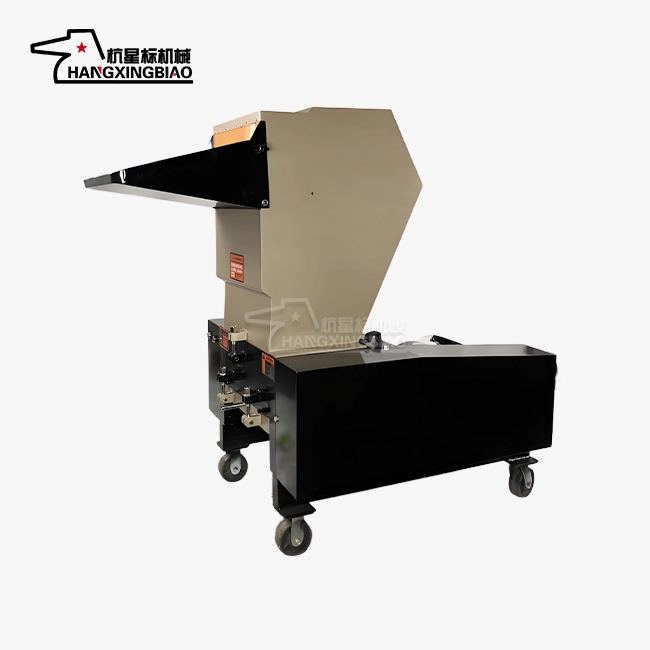
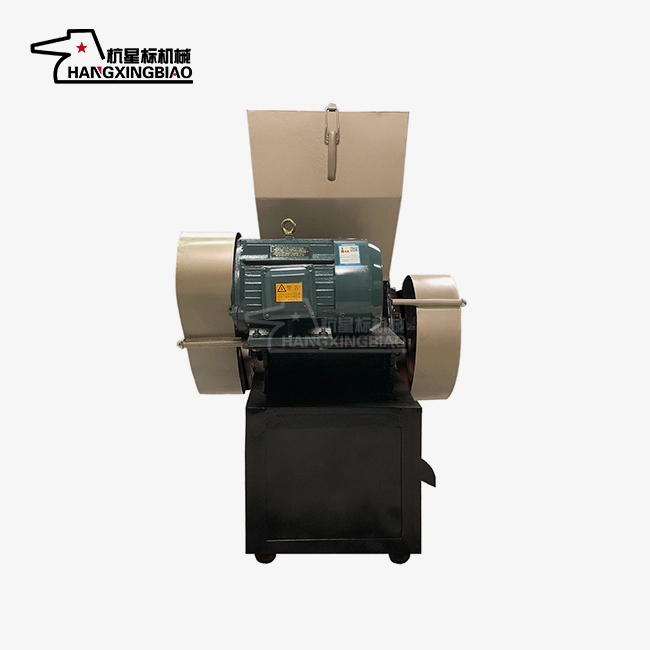
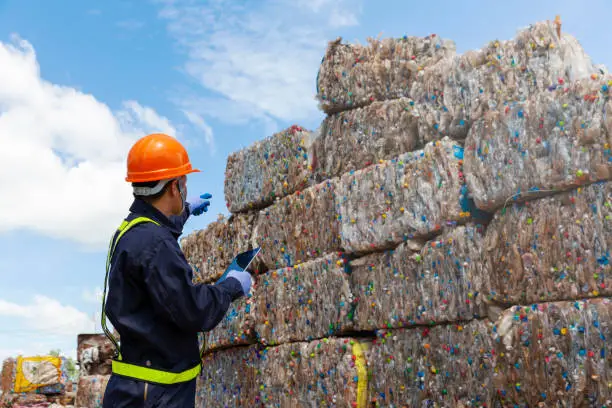
Plastic trash is one of the biggest environmental problems that businesses have to deal with right now. Manufacturing plants make a lot of broken parts, and recycling centers have a hard time dealing with huge piles of bottles that take up building space and make transportation more difficult. The main problem isn't just the amount of trash; it's how inefficient it is to deal with things that are mostly air. A Plastic bottle crusher directly addresses these volume-based inefficiencies.
What Defines a Modern Crushing System
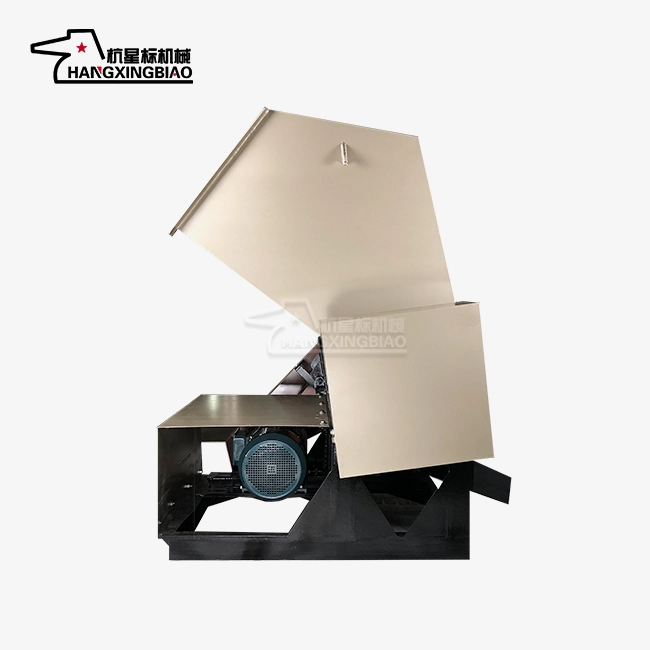
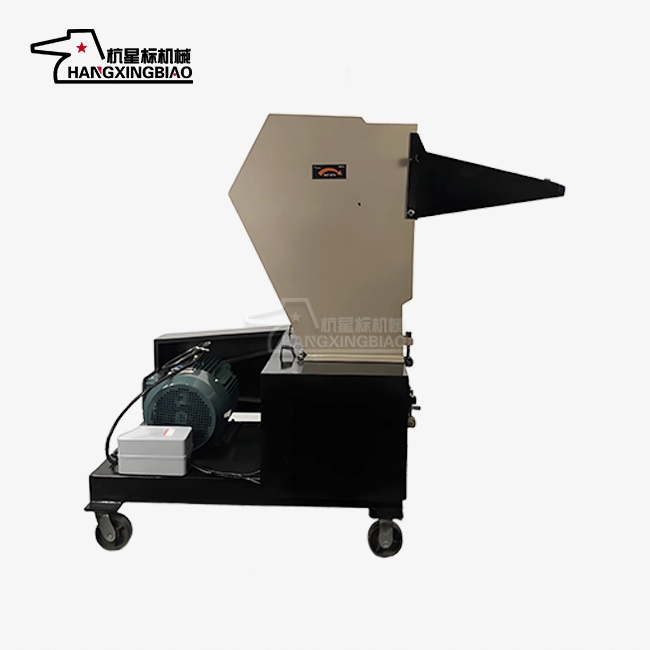
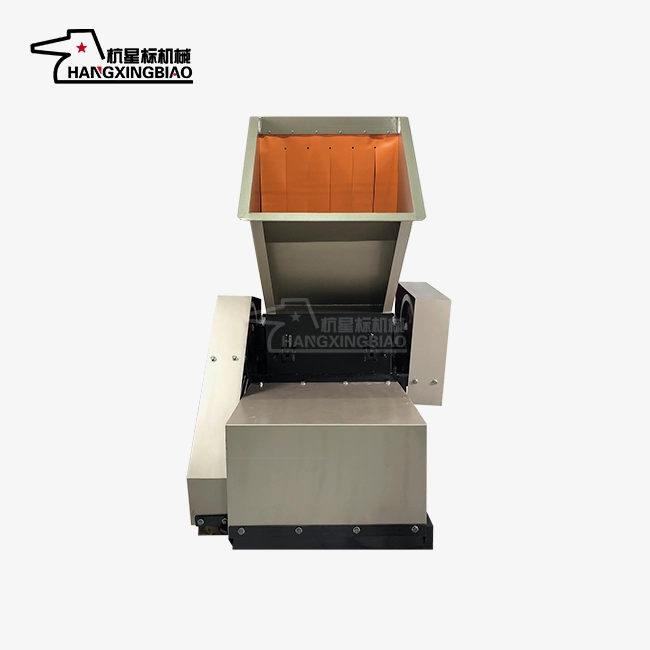
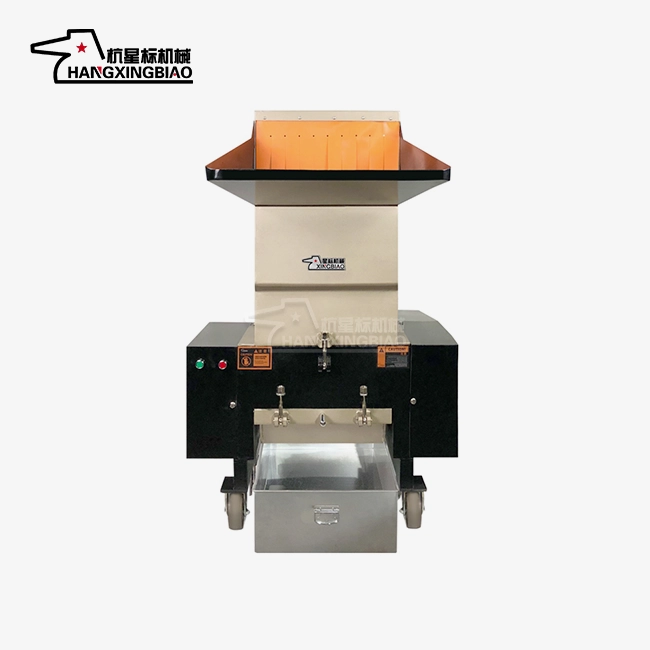
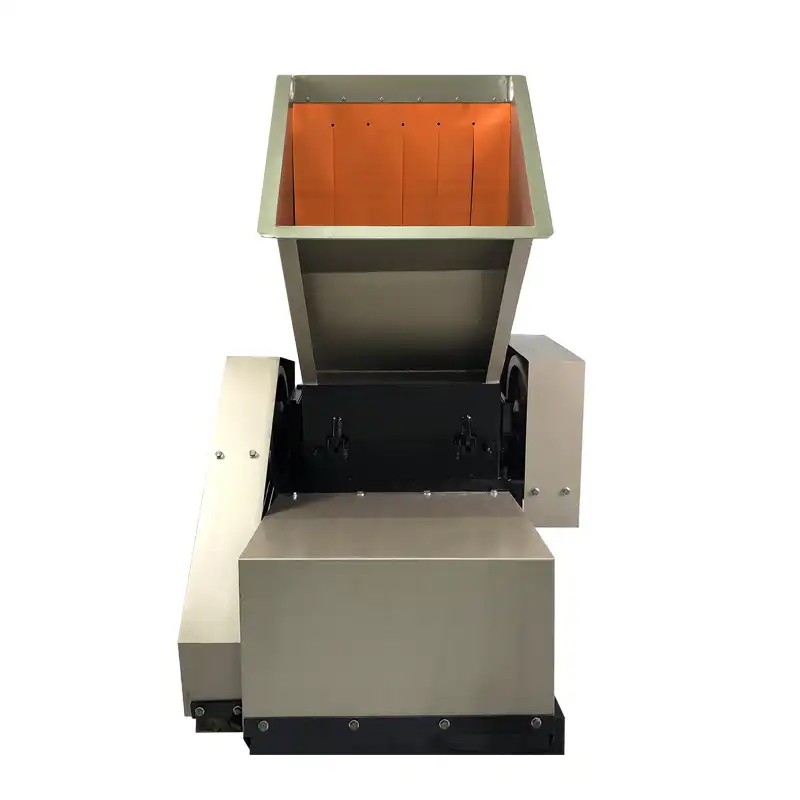
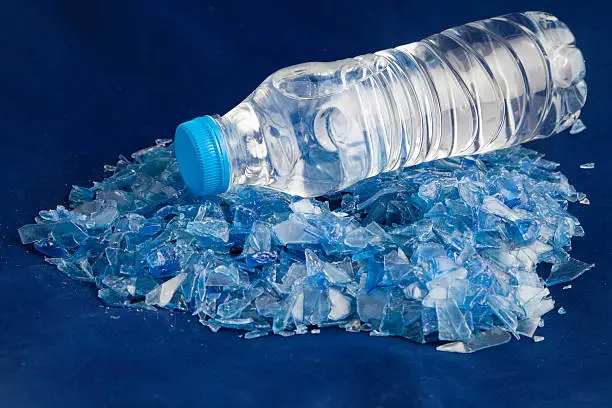
High-speed blades that cut plastic against set blades in a grinding room are what make a crushing system work. The plastic breaks up into small pieces, like pellets or flakes, that go through screens to determine their end size. This machine breaks down bottles, containers, and hard plastics into pieces that are easy to handle and can be washed, sorted, and reused. Modern systems use many technologies, such as automatic feeding systems and sensor-based contamination detection, to make a complete answer instead of just a cutting device.
Categories Serving Different Operational Scales
Depending on the amount of waste and the type of material, different industrial processes need different options. Small units are good for labs and small businesses that need to handle 50 to 200 kilograms per hour of materials like bottles, lab containers, and light industrial waste. These systems are professional-grade and can fit into small areas. They make noise levels at or below 75 dB, which is low enough for buildings next to offices.
Addressing Core Recycling Challenges
Bottles that aren't broken down cause problems all along the recycling chain. Transportation companies charge by volume, which means that a truck full of whole bottles might only be able to hold 200 kilograms of real plastic but two tons of broken material. Storage sites have the same problems—warehouses are full of bottles that don't add up to much plastic mass. The cost of labor goes up because workers have to sort and move heavy packages by hand, when they could be done much more quickly and easily if they were crushed.
Evaluating Plastic Bottle Crusher Efficiency: Breaking Performance Bottlenecks
When recycling companies don't have crushers, they often run into expected bottlenecks that slow them down and raise costs. Whole bottles get stuck on moving belts, need to be moved by hand too often, and fill up storage space before they can be processed. Sorting materials that could be crushed in minutes takes hours of work, and shipping arrangements turn into a costly puzzle of wasted space. A high-quality Plastic bottle crusher provides the necessary throughput to eliminate these delays.
Quantifying Workflow Improvements
When breakers are added to the process, the speed changes. With an industrial grinder, one person can do the work that used to take three people handling bottles by hand. Throughput capacity goes up in a proportional way. For example, businesses that used to handle five tons of work every day can now handle fifteen tons without adding more people. The accuracy of sorting goes up because crushed material moves more easily through automated systems that have trouble with whole bottles. This lowers the chance of contamination and raises the quality of the end product.
Technology Driving Performance
High-performance crushers have automation built in that gets rid of the need for human work and cuts down on operator mistakes. Consistent material flow is maintained by conveyor feeding systems, which keep the system from getting too full while increasing output. Sensor technology finds metal contamination and shuts down automatically before damage happens. This safety is very helpful for recycling centers that deal with mixed trash streams where nails, screws, or metal caps can get mixed up.
Maintenance Practices Ensuring Peak Operation
Systematic upkeep, not reactive fixes, is what makes performance last. Every day, checks should be made to make sure the blades are sharp, the screen is properly tensioned, and any strange noises are found. As part of the weekly practice, the chamber is thoroughly cleaned to keep it from getting clogged with materials that slow things down and put extra strain on the motor. Bearings are oiled, and belts are tightened once a month during maintenance. Every three months, blades are checked for wear, and repairs are planned before performance starts to decline significantly.
Choosing the Right Plastic Bottle Crusher for Your Business
When you make decisions about purchases in a planned way using clear criteria, the choices you have become much easier. Before choosing the right tools, it's important to be honest about your working needs, the material's properties, and your business goals. When equipment isn't matched correctly, it causes frustration and poor performance. When a Plastic bottle crusher is matched correctly to operational requirements, it gives returns that are higher than expected.
Defining Your Operational Requirements
Start by figuring out how much trash is generated every day and making good estimates that take into account the company's growth. A company that makes drinks and fills 5,000 bottles an hour during busy times needs a lot more space than a small recycling center that only handles 500 kilograms a day. Different types of materials are important—for example, PET bottles need different blade shapes than rigid HDPE cases. Also, businesses that deal with mixed streams need flexible systems that can handle different plastics without having to be adjusted.
Evaluation Metrics That Matter
The most obvious place to start is with throughput ability, but specs need to be carefully interpreted. Manufacturers estimate capacity based on ideal conditions and the best materials. Actual performance may be 20–30% different depending on the type of bottle, the amount of contamination, and how the operator uses the machine. Before you decide to buy, ask for demos using your own trash to make sure the product will work in the real world.
Comparing System Types and Cost-Benefit Trade-offs
The most affordable way to start is with a manual feed crusher. Small units that can process 50 to 100 kilograms per hour usually cost between $3,000 and $8,000. These methods work well for labs, small factories, and companies that don't make a lot of waste. Labor needs to be kept high because workers have to give material by hand, which slows down production and raises the risk of repetitive motion injuries during long operations.
Calculating Return on Investment
The total cost of ownership includes more than just the buying price. It also includes training, installation, energy use, upkeep, and replacing parts over time. A full study contrasts the present costs of managing trash (including labor, transportation, storage, and disposal fees) with the expected costs of incorporating a crusher. Most businesses find that the equipment pays for itself in 10 to 18 months, and they continue to save money every year for 15 to 20 years.
Environmental and Economic Impacts of Plastic Bottle Crushers
Environmental duty and financial success are becoming more and more important when choosing equipment. Procurement choices used to only be based on direct costs, but now they are also affected by environmental concerns, government rules, and customer standards. By helping businesses reach their goals and protecting the environment, a Plastic bottle crusher is a worthwhile investment.
Quantifiable Environmental Benefits
The most direct effect on the environment is the transfer of landfills. Without facilities for crushing, many bottles that could be recovered end up in trash lines that will take them to landfills, where they will stay for hundreds of years. Crushing makes recycling more cost-effective by lowering the cost of transporting the materials and raising their value, which directly leads to more recycling. When companies put in crushers, they can recycle 90% or more of their plastic trash, even if they had to dump 30 to 40 percent of it before because of transportation issues.
Economic Returns Across Business Models
Savings on storage costs start to show right away after the breaker is installed. Companies that pay $8 to $15 per square meter per month for warehouse space know that freeing up 100 square meters saves them $9,600 to $18,000 per year. Businesses that used to rent extra space to store big bottles can now get rid of those external facilities completely, saving six figures a year, that are much higher than the cost of buying a crusher.
Real-World Performance Data
In 2021, a medium-sized beverage company in the Midwest started breaking its production trash. Each month, they processed about 12 tons of broken bottles and runner material. The whole system, including the tools, the work, and the training, costs $32,000. Within the first year, the business saved $28,000 on shipping costs, $15,000 on storage costs, and $22,000 on better material sales. This meant that the $32,000 investment paid off in the first year, and the savings continued each year after that.
Maintenance, Safety, and Best Practices for Sustainable Use
Without regular upkeep, equipment performance drops in a way that can be predicted. This turns systems that should be reliable into sources of annoyance. Operators who think maintenance is optional find out the hard way when expensive problems happen during busy production times. With regular upkeep, a Plastic bottle crusher can last 18 to 20 years instead of the usual 10 to 12 years, and it will keep working at its best the whole time.
Essential Maintenance Protocols
Daily checks only take fifteen minutes, but they keep you from having to wait for hours. To make sure the blades are still sharp, operators should check the quality of the broken material. Particles of different sizes mean the blades need to be fixed because they are dull. Keep an ear out for sounds that don't make sense, like bearing wear or loose parts. Check the screen for tears or heavy wear that would let big particles pass through. Empty collection bins before they get too full to avoid jams that put stress on motors and lower performance.
Safety Standards and Operator Protection
Operator training is the most important part of safe operation. Workers must know what their tools can and can't do, how to spot malfunctioning equipment, and how to handle emergencies properly. During training, workers should be shown the right way to feed materials, what materials aren't allowed because they could damage equipment or create safety risks, and how to use lockout/tagout for upkeep and cleaning tasks. Refresher training once a year keeps people aware of safety issues and breaks any bad habits that might be starting to form.
System Integration Best Practices
Crushers perform best when they are carefully added to larger processes rather than being used on their own. Putting units close to where materials come from cuts down on handling and shipping costs and lets waste be processed right away. Manufacturers benefit from placement next to the press because it recycles production waste right away instead of having to wait for materials to be collected for batch processing. Recycling centers should put crushers inside of conveyor systems so that materials can move continuously from sorting to storage through breaking.
Conclusion
As production rates rise and environmental standards rise, so do the problems that come with managing plastic trash. Plastic bottle crusher technology directly solves these problems with tried-and-true methods that cut costs, boost material quality, and support goals for sustainability. There are clear returns on investment in a variety of industrial settings, including less wasted time and money on transportation, better use of storage space, less work, and higher recycling values. Modern systems are built to last for decades by including safety features, the ability to automate tasks, and strong construction. From small makers to large recycling centers, the range of available technologies helps them find the right solutions. Good upkeep and integration practices also make sure that the benefits last as long as the equipment does.
FAQ
How specifically do crushers enhance recycling efficiency?
There are three main ways that a Plastic bottle crusher improves the economy of recycling. When you cut the volume by 85–90%, you directly cut down on the number of trips and storage space needed, which in turn cuts costs. Having particles of the same size makes cleaning, sorting, and extrusion tools work more efficiently. It also makes higher-quality recycled materials that sell for more money. Manual handling is replaced by automated crushing, which can do in minutes what used to take hours and lowers the risk of injuries on the job.
What factors should guide crusher capacity selection?
Make choices about capacity based on accurate daily volume estimates that take into account yearly highs and expected five-year business growth. Match the flow number to the properties of the material. For example, bottles break faster than hard containers, and tangled films need to be handled in a certain way. Think about the integration needs. Applications next to the press need small areas, while organized recycling operations benefit from separate units with a lot of space. Instead of just depending on what the maker says, check reviews by doing demonstrations with your own materials.
Are energy-efficient and environmentally responsible models available?
Modern crushers have many features that make them more efficient and less harmful to the environment. Optimized motor designs use 10–15 percent less power than standard equipment, which saves thousands of dollars a year and lowers the carbon footprint. Low-noise motors that run at 75 decibels or less keep noise pollution to a minimum for tasks that are close to homes or other buildings. Fully sealed rooms keep dust from escaping, which improves the air quality in the workplace and makes cleanup easier. Many makers now make models that are especially made for use in the circular economy, which means they use recycled content more and new materials less.
Partner With a Trusted Plastic Bottle Crusher Manufacturer
For more than thirty years, Xingbiao has only been involved in Plastic bottle crusher technology, giving them skills that no other equipment provider can match. We have a wide range of tools, from small 50-kilogram-per-hour lab units to strong 2,000-kilogram-per-hour commercial systems that can run nonstop 24 hours a day. Every crusher has overload safety and will shut down automatically if metal contaminants are found. This keeps expensive damage and unexpected downtime from happening. The fully enclosed design with motors that run at 75 decibels or less meets strict environmental standards for sites that are close to communities, recycling centers, and workplaces.
Procurement teams value our engineering support throughout the duration of the equipment. We offer detailed selection advice to make sure that the systems you choose meet your specific material and throughput needs. We also offer installation help to make sure that the systems work best with your current processes and full user training to boost confidence and skill. Our twenty-person engineering team works with major companies to keep ongoing industry-university research relationships that improve crusher technology and performance. When you need quick help, our promise to answer your questions 24 hours a day and a large collection of extra parts reduces the chances of downtime.
Reach our technical team directly at xingbiaocrusher@xingbiaocrusher.com to discuss your operation's specific challenges and explore customized solutions. Whether you're a supplier looking at different pieces of equipment or a company trying to find the best way to handle trash, we have the knowledge and high-quality equipment to turn recycling into a competitive advantage.

References
1. Thompson, R.C., Moore, C.J., vom Saal, F.S., and Swan, S.H. "Plastics, the Environment and Human Health: Current Consensus and Future Trends." Philosophical Transactions of the Royal Society B: Biological Sciences, 2019.
2. Hopewell, J., Dvorak, R., and Kosior, E. "Plastics Recycling: Challenges and Opportunities." Polymer Degradation and Stability, 2020.
3. Chen, Y., Awasthi, A.K., Wei, F., Tan, Q., and Li, J. "Single-Use Plastics: Production, Usage, Disposal, and Adverse Impacts." Science of the Total Environment, 2021.
4. Garcia, J.M. and Robertson, M.L. "The Future of Plastics Recycling: Chemical Advances and Mechanical Innovations." Science, 2017.
5. Ragaert, K., Delva, L., and Van Geem, K. "Mechanical and Chemical Recycling of Solid Plastic Waste." Waste Management, 2018.
6. Walker, T.R. and Fequet, L. "Current Trends in Plastic Bottle Crushing and Recycling Technologies for Industrial Applications." Resources, Conservation and Recycling, 2022.
Learn about our latest products and discounts through SMS or email