- English
- French
- German
- Portuguese
- Spanish
- Russian
- Japanese
- Korean
- Arabic
- Greek
- German
- Turkish
- Italian
- Danish
- Romanian
- Indonesian
- Czech
- Afrikaans
- Swedish
- Polish
- Basque
- Catalan
- Esperanto
- Hindi
- Lao
- Albanian
- Amharic
- Armenian
- Azerbaijani
- Belarusian
- Bengali
- Bosnian
- Bulgarian
- Cebuano
- Chichewa
- Corsican
- Croatian
- Dutch
- Estonian
- Filipino
- Finnish
- Frisian
- Galician
- Georgian
- Gujarati
- Haitian
- Hausa
- Hawaiian
- Hebrew
- Hmong
- Hungarian
- Icelandic
- Igbo
- Javanese
- Kannada
- Kazakh
- Khmer
- Kurdish
- Kyrgyz
- Latin
- Latvian
- Lithuanian
- Luxembou..
- Macedonian
- Malagasy
- Malay
- Malayalam
- Maltese
- Maori
- Marathi
- Mongolian
- Burmese
- Nepali
- Norwegian
- Pashto
- Persian
- Punjabi
- Serbian
- Sesotho
- Sinhala
- Slovak
- Slovenian
- Somali
- Samoan
- Scots Gaelic
- Shona
- Sindhi
- Sundanese
- Swahili
- Tajik
- Tamil
- Telugu
- Thai
- Ukrainian
- Urdu
- Uzbek
- Vietnamese
- Welsh
- Xhosa
- Yiddish
- Yoruba
- Zulu
Strong Plastic Crusher Vs Impact Crusher – Side‑by‑Side
Choosing between a strong plastic crusher and an impact crusher has a direct effect on how productive and profitable your facility is when it comes to dealing with plastic trash in production and recycling operations. A strong plastic crusher has a two-action device that combines shearing and contact forces. It is designed to work with a wide range of plastic materials, from tough injection-molded parts to tangled films, while keeping particle size under tight control and producing as little powder as possible. Impact crushers, on the other hand, use high-speed collisions to break up hard materials. This makes them good for processing minerals and some tough plastic uses. Understanding these basic differences helps buying managers match the skills of tools with the needs of operations, which ensures the best return on investment.
Understanding Strong Plastic Crushers and Impact Crushers
The main difference between these two breaking technologies is how they work and what they're meant to be used for. This affects everything from the design of the blades to how often they need to be serviced.
Working Principles of Strong Plastic Crushers
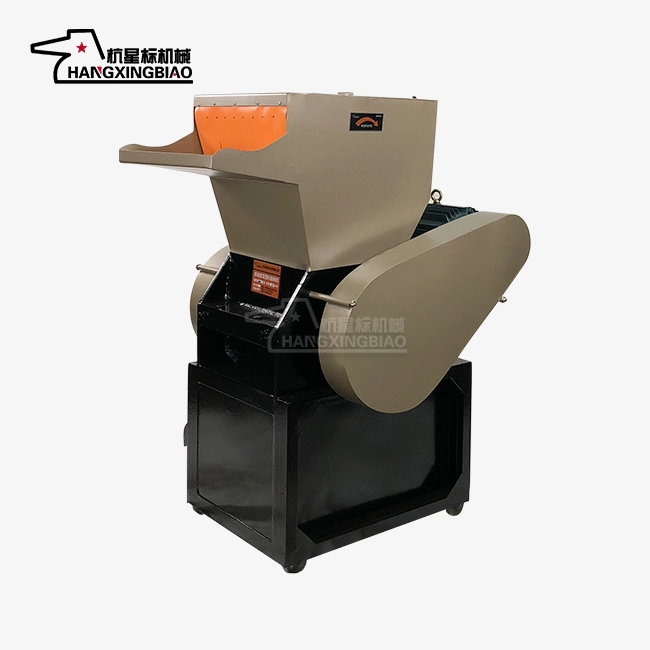
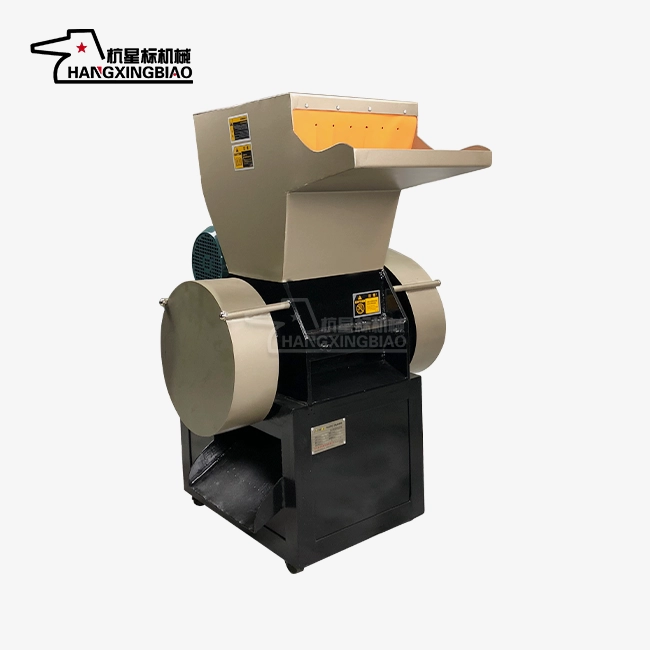
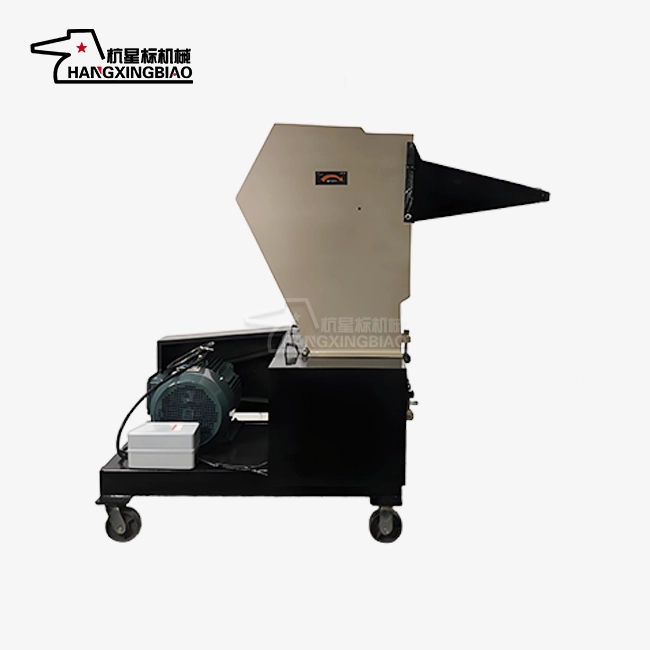
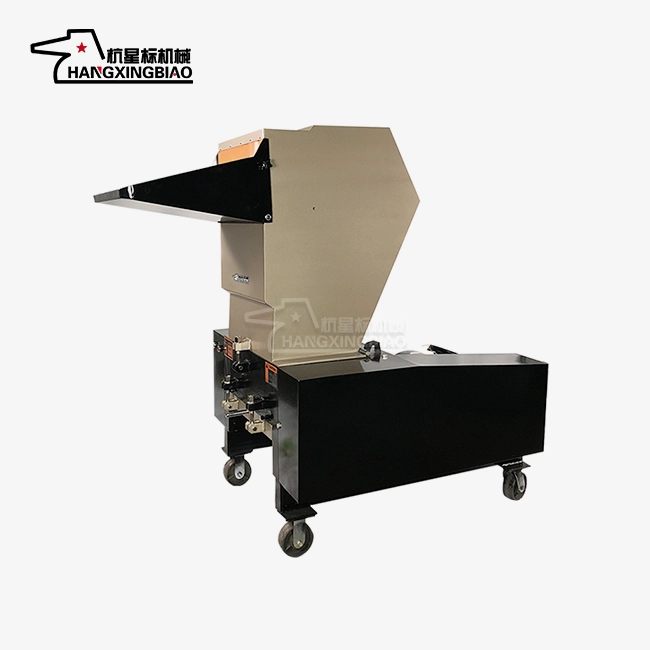
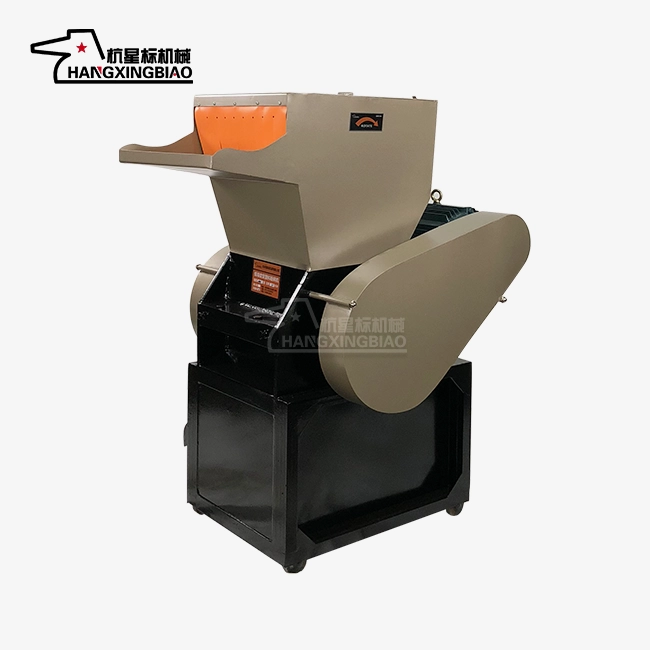
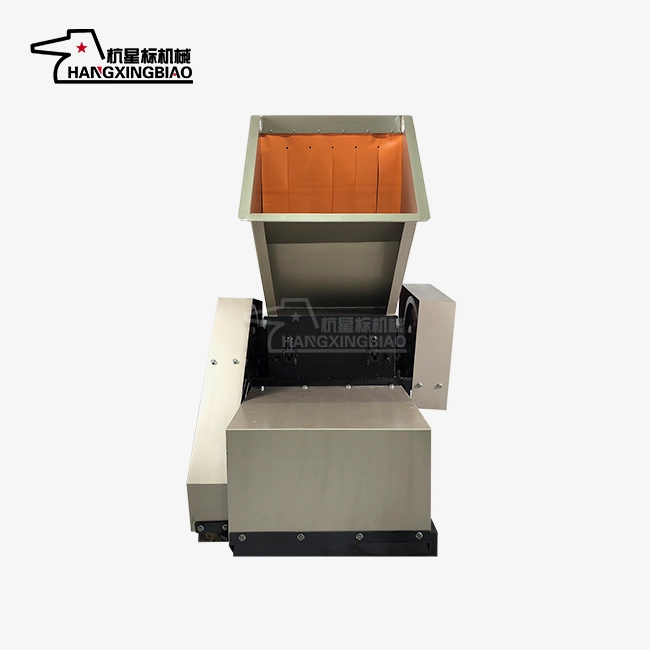
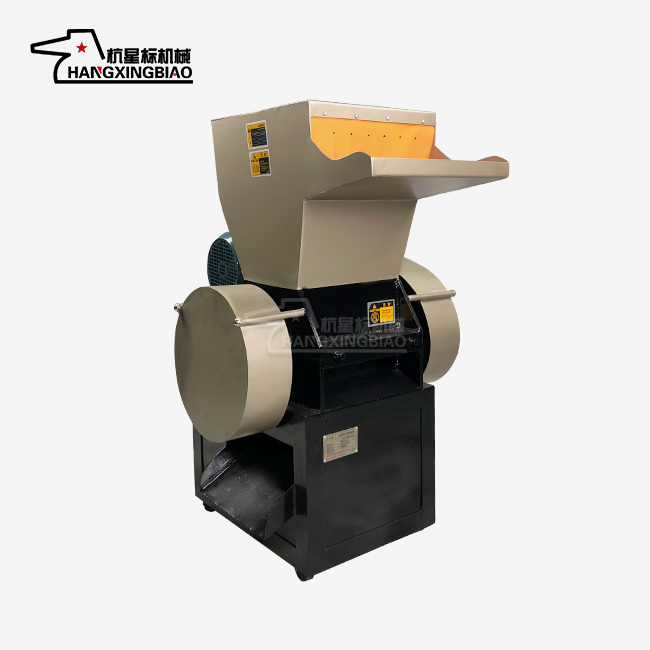
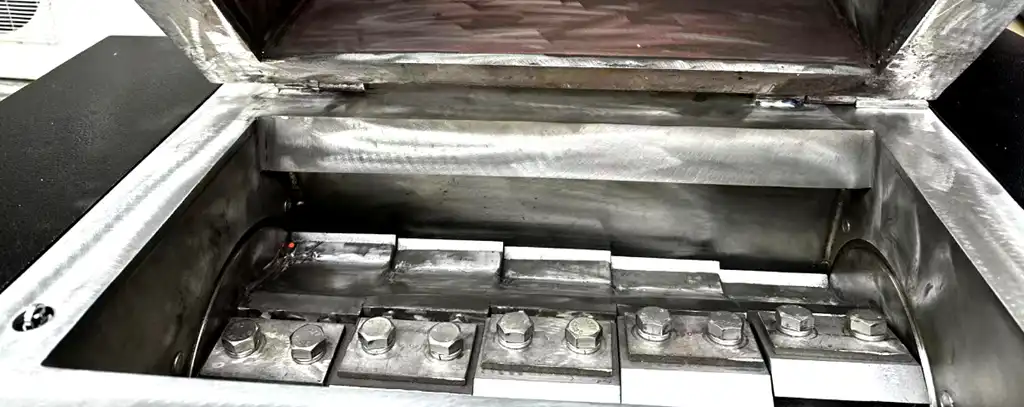
Our unique "shear + impact" double-effect process at Xingbiao blends controlled impact force with rotary blade cutting to make a strong plastic crusher. The machine has a carefully designed cavity structure where spinning blades meet fixed counter-knives. This makes an action that is similar to scissors cutting. This design makes sure that the structure of the material bits is maintained without being too finely ground. The optimal blade spacing meets discharge needs above 2 mm, which stops over-crushing that creates unwanted powder impurities. When discharge uniformity is regularly higher than 90%, there is no need for extra screening processes that slow down production and raise costs.
The system has an anti-winding comb tooth design built in, which solves one of the biggest problems in recovering plastic: material getting stuck. This feature is very helpful when working with fibrous materials like knitted bags, films, fabrics, and plastics that have been soiled with paper. Unlike regular crushers, which often stop working because of jams, this design keeps running all the time, which greatly increases output.
How Impact Crushers Function
Impact crushers work in a very different way. They use a fast-rotating rotor to push materials against set impact plates or anvils. Instead of cutting, the kinetic energy transfer breaks things by compressing and colliding them. This process is very good at breaking down solid, brittle materials like concrete, rocks, and some stiff plastics. There are usually fewer working parts in the crushing area than in blade-based systems, which can make some upkeep tasks easier.
But this method has some problems when it comes to working with plastic. Particle sizes are often not uniform when different types of plastic trash with different densities and levels of flexibility are mixed. Plastics that are soft or stretchy may bend instead of breaking, which lowers their effectiveness. The high impact forces also make more heat through contact, which could melt thermoplastics and stick things to the walls of the room.
Key Technical Specifications Comparison
Practical changes in efficiency can be seen by looking at capacity, power consumption, and output characteristics. Strong plastic crusher systems, like those made by Xingbiao, can process anywhere from 50 kg/h for small injection molding operations to 10 tons/h for industrial recycling plants. Motor power goes up or down in a linear way, usually between 3 kW and 110 kW, based on the size of the model. Thanks to better motor matching and efficient blade shape, the machine uses an average of 8 to 12 kWh of energy per ton of material it processes.
When working with plastics, impact breakers usually need more power to get the same amount of work done. This is because friction and heat loss waste energy. When it comes to natural materials, their performance is great, but when it comes to elastic plastics that receive impact energy instead of sending it, they often fall short. The output particle size distribution is usually more spread out, which means that more screening steps are needed to get uniform granule specs.
Technical and Operational Comparison
By testing these tools on a number of different operational factors, it becomes clear which technology works best for each facility's needs and type of material.
Crushing Mechanism Efficiency
The strong plastic crusher's blade-based cutting action makes clean split surfaces on the crushed particles, turning them into uniform flakes or pellets that can be used again. This technical advantage is especially clear when working with things that have thick walls, like covers for cars, pipes with large diameters, or industrial containers. The controlled cutting action keeps the properties of the material and keeps the polymer chain intact better than high-impact breakup.
Another important factor is how well the materials work together. Strong plastic crusher systems can handle a wide range of tasks, including:
- Soft plastics: PE/PVC films, farm sheets, stretch wrap, and flexible wrapping keep the flow of materials steady without getting stuck or gummed up.
- Hard plastics: ABS, PC, and PMMA parts, thick-walled lines (50–800 mm), and rigid shapes can be processed quickly and easily with blade speeds that can be changed based on the hardness of the material.
- Foam materials: EPS, EPE, and EVA are used for insulation and safe packing. They crush easily without making a lot of dust.
- Irregular items: Bottles, containers, production lines, and a mix of post-industrial scrap move easily through hoppers that have been designed to work best with them.
This variety of materials is hard for impact breakers to handle. To get good results with mixed trash streams, the materials often need to be pre-sorted or processed in more than one step.
Capacity and Throughput Analysis
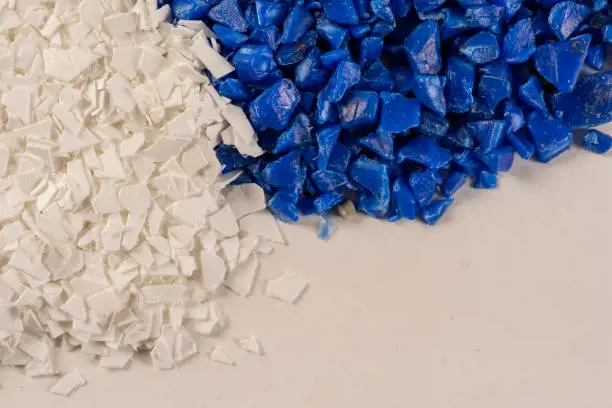
Throughput capacity depends a lot on the properties of the material and the specs for the output that is wanted. Industrial-scale strong plastic crusher systems work nonstop 24 hours a day, seven days a week, crushing 1 to 10 tons of plastic per hour with uniform particle sizes. The quick-change screen system lets workers switch between large pieces (5–50 mm) for preparation, medium pieces (2–12 mm) for injection molding feedstock, and small grades for specific uses, all without having to wait for a long time.
Impact crushers may say they have better nominal capacity rates, but when plastics are used, the actual throughput often falls short because of how the materials behave when they are hit. Effective working rates are slowed down by things like chamber building, elastic deformation, and the need for recirculation runs. Also, maintenance times are usually faster when working with rough or dirty plastics, which cuts into the time that can be used for work.
Energy Consumption and Operating Costs
Using less energy has a direct effect on the costs of running a business, especially in places with a lot of equipment that is always on. Our strong plastic crusher uses 10-15% less energy than other breaking tools because it has advanced motor technology. The improved blade shape and bearing systems reduce friction losses as much as possible, making it easier for mechanical input to reduce material size.
In addition to saving money on energy, material recycling saves a lot of money. Right away, recycling of scrap lets crushed materials be mixed with new plastic in amounts between 30 and 50 percent without lowering the quality of the result. Manufacturers say that the cost of raw materials goes down by a few thousand to tens of thousands of dollars every year, based on how much they make and how much the materials cost. This cost gain usually makes buying equipment worth it within 12 to 18 months.
Safety Features and Reliability
In industrial settings where machines work quickly and possibly dangerous materials are handled, worker safety must not be compromised. Our strong plastic crusher has several safety features. Fully sealed crushing rooms keep material from ejecting while the machine is running, and anti-rebound baffles keep workers safe while the machine is feeding. Some types have interlock systems that turn off the motor power as soon as the entry door opens. This keeps the blades from touching each other.
Strong building practices lead to mechanical stability. The main body is made of high-strength steel plates that are bonded together to exact specifications and then heat-treated to ease stress and stop deformation during long-term use. Precision bearings and gearbox parts that have been strengthened make sure that the car runs smoothly. Dynamic balance lowers vibrations to less than 0.1 mm, which helps cut down on component failure rates by 40% compared to standard crusher designs.
Choosing the Right Crusher for Your Business Needs
Instead of depending only on specs, choosing the best crushing equipment takes a thorough analysis of operating needs, material properties, and long-term business goals.
Feedstock Type and Characteristics
More than any other factor, the composition of the material decides how well it works with other tools. Blade-based systems are better for cutting precisely and evenly when working with hard, regular plastics that come from controlled sources, like rejected injection-molded parts or extruded profiles. The strong plastic crusher works great for these tasks, making granules of uniform size that can be easily fed into granulators and extruder systems.
Processing Volume and Throughput Requirements
Industrial-grade systems designed for ongoing duty cycles are needed by large recycling plants and makers that handle 1 to 10 tons of materials every hour. Our heavy-duty models have stronger construction, better cooling systems, and easy-to-reach repair places that cut down on downtime when changing blades or doing regular maintenance. When a business grows, scalable designs let the capacity grow with it, protecting the initial investment in equipment.
End-Product Quality Standards
Acceptable particle size ranges and contamination levels are set by downstream processing standards. For constant melt flow and product quality, granulation processes that feed extrusion lines usually ask for narrow size ranges (±2mm) with little fines content. The strong plastic crusher firmly meets this requirement, with an output uniformity of more than 90% and powder production below 5% by weight.
Cost Considerations and ROI Analysis
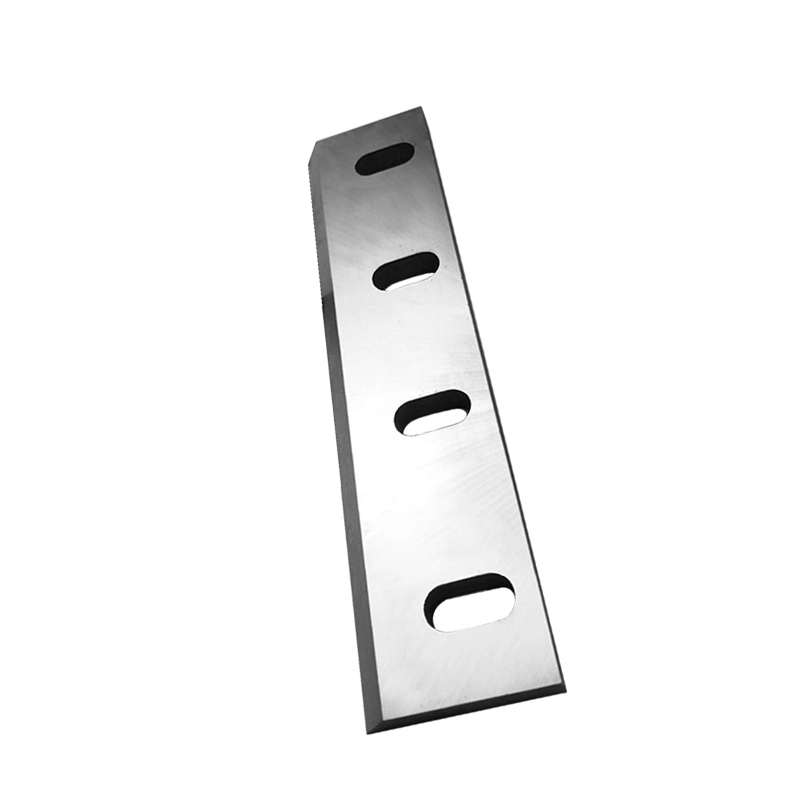
The purchase of equipment is a major expenditure that needs to be carefully justified financially. The purchase price is only one part of the total cost of ownership. Other costs include energy use, upkeep, replacement parts, and the length of time the system works. Our strong plastic crusher gives you a better return on investment in several ways: it uses less energy (10–15% less than regular equipment), the blades last longer (3000 hours or more with 3–5 cleaning cycles), and you get more material back, which means you don't have to buy as much new resin.
Market Comparison and Procurement Insights
The industrial crusher market has a lot of providers, and each one has different capabilities, quality standards, and service promises. It is important to do your research before choosing a vendor to make sure you get the best deal.
Supplier Evaluation Criteria
Xingbiao has been a specialist in plastic crushing equipment for 30 years. This is an example of the "focused excellence" method that sets luxury makers apart from generalist machinery providers. By focusing only on developing and making crushers and not branching out into other, unrelated product lines, we can gain deep technical knowledge and keep improving our core technologies. This focus directly leads to better product performance and dependability.
Customization and Service Support
Standard technology doesn't always meet the specific needs of each location. Our wide range of models, from small tools for injection molding to heavy-duty crushers for breaking down trash cans and industrial bins, lets us meet the needs of any job. Custom engineering lets you make changes to deal with odd materials, limited room, or the need to connect to current automation systems.
Warranty and Quality Assurance
Manufacturers back up their products with guarantees that show they trust the quality of the design and building. Our full warranty covers customers against problems with the materials or the way they were put together, and it also makes it clear what normal wear and tear and upkeep duties are. Strong construction with stress-relieved steel frames and high-quality parts like SKD-11/D2 mold steel blades makes the machine very reliable and reduces the number of guarantee claims.
Future Trends and Optimization Strategies in Plastic Crushing
Equipment technology keeps getting better with new ideas that improve efficiency, automation, and environmental friendliness. These changes will affect how strong the plastic-making industries are in the future.
Technological Innovations
Changes to the blade's metal and shape for a strong plastic crusher make it last longer between services and cut better. New covering technologies lower friction and stickiness, which is especially helpful when working with EVA foam or plastics that are dirty or sticky. Computational fluid dynamics modeling finds the best hollow forms to improve material flow and lower noise production. This is becoming a more important factor for facilities near residential areas or those that want to make the workplace better.
Maintenance Best Practices
Disciplined preventive repair practices that many workers don't think about until problems happen are needed to extend the life of equipment and keep it running at its best. On regular review plans, the state of the blades, the lubrication of the bearings, and the integrity of the screens should all be checked. Finding wear patterns early on lets you replace things when they're supposed to be down for maintenance, instead of having to stop production for emergency fixes.
Conclusion
To choose between an impact crusher and a strong plastic crusher, you need to know how each technology fits with your business goals, material properties, and working needs. The strong plastic crusher's dual-action cutting and impact mechanism works better with a wider range of plastics, controlling particles more precisely, making less powder, and working well with a wide range of materials. Because it uses little energy, is well-built, and has many safety features, it is the best choice for plastic recycling and production companies that need a stable, low-cost way to crush plastic. Impact breakers are useful for certain tasks, but they aren't flexible or precise enough for most plastic handling tasks. Careful consideration of the types of material, throughput needs, and quality standards helps choose the best tools that give the best return on investment.
FAQ
What types of materials can a strong plastic crusher process effectively?
These tools can work with almost every type of thermoplastic. They can handle soft plastics like PE/PVC films and weave bags, hard plastics like ABS and PC parts, foam products like EPS insulation, and odd-shaped plastics like bottles and production scrap. The anti-winding comb design keeps the machine from getting stuck on fibrous materials that stop other crushers from working. This means that our equipment can handle contaminated garbage streams that contain cloth, paper, and mixed plastics.
How does blade life affect total operating costs?
The life of a blade has a big effect on costs because it means more new parts and less production. After 3000 hours of use, our SKD-11/D2 mold steel blades don't need to be sharpened again, and they can handle 3–5 resharpening rounds, giving them a useful life of more than 10,000 hours. This longevity cuts yearly blade costs by 60–70% compared to standard equipment and cuts down on downtime for changeovers, which directly boosts profits.
What maintenance does a strong plastic crusher require?
As part of regular maintenance, the blades are inspected and rotated every 500 to 1000 hours, depending on how rough the material is. The bearings are oiled according to the manufacturer's instructions, the state of the screen is checked, and the chamber is cleaned. These easy steps only take a short time and require only simple tools. Our training programs teach building staff the right way to do things, which makes them less reliant on outside service providers and lowers the cost of upkeep.
Reach Out to Xingbiao for Expert Crushing Solutions
For industrial plastic processes, you need tools that work the same way every year. For thirty years, Xingbiao has only made crushers. They have made strong plastic crusher systems that are the best in the business and are trusted by makers and recyclers around the world. Our tech team is ready to look at your unique material problems and come up with custom solutions that come with full support. We offer tried-and-true technology that saves energy and lasts longer than any other. This is true whether you need small tools for reusing production waste or huge systems that process tons of material every hour. Get in touch with our experts at xingbiaocrusher@xingbiaocrusher.com to talk about your needs with a strong plastic crusher maker that cares about the success of your business. Today, ask for full specs, help with the application, and competitive quotes.
References
1. Anderson, K.L. & Martinez, J.R. (2021). Industrial Plastic Recycling: Equipment Selection and Process Optimization. Manufacturing Technology Press.
2. Chen, W.H. (2022). Comparative Analysis of Crushing Technologies for Post-Industrial Plastic Waste. Journal of Polymer Processing and Recycling, 18(3), 245-267.
3. Industrial Plastics Association (2023). Equipment Specifications and Performance Standards for Plastic Size Reduction Machinery. Technical Report IPA-2023-07.
4. Roberts, D.M. & Thompson, S.K. (2020). Energy Efficiency in Plastic Waste Processing: Technology Assessment and Best Practices. Recycling Engineering Quarterly, 45(2), 112-134.
5. United States Environmental Protection Agency (2022). Plastic Recycling Technologies and Market Analysis. EPA Publication 530-R-22-003.
6. Zhang, Y.F., Kumar, P. & Williams, R.T. (2023). Blade Design and Material Selection for High-Performance Plastic Crushers. Materials Processing Technology Journal, 31(4), 489-506.
Learn about our latest products and discounts through SMS or email