- English
- French
- German
- Portuguese
- Spanish
- Russian
- Japanese
- Korean
- Arabic
- Greek
- German
- Turkish
- Italian
- Danish
- Romanian
- Indonesian
- Czech
- Afrikaans
- Swedish
- Polish
- Basque
- Catalan
- Esperanto
- Hindi
- Lao
- Albanian
- Amharic
- Armenian
- Azerbaijani
- Belarusian
- Bengali
- Bosnian
- Bulgarian
- Cebuano
- Chichewa
- Corsican
- Croatian
- Dutch
- Estonian
- Filipino
- Finnish
- Frisian
- Galician
- Georgian
- Gujarati
- Haitian
- Hausa
- Hawaiian
- Hebrew
- Hmong
- Hungarian
- Icelandic
- Igbo
- Javanese
- Kannada
- Kazakh
- Khmer
- Kurdish
- Kyrgyz
- Latin
- Latvian
- Lithuanian
- Luxembou..
- Macedonian
- Malagasy
- Malay
- Malayalam
- Maltese
- Maori
- Marathi
- Mongolian
- Burmese
- Nepali
- Norwegian
- Pashto
- Persian
- Punjabi
- Serbian
- Sesotho
- Sinhala
- Slovak
- Slovenian
- Somali
- Samoan
- Scots Gaelic
- Shona
- Sindhi
- Sundanese
- Swahili
- Tajik
- Tamil
- Telugu
- Thai
- Ukrainian
- Urdu
- Uzbek
- Vietnamese
- Welsh
- Xhosa
- Yiddish
- Yoruba
- Zulu
Crusher Machine For Plastic Export Guide For Global Buyers
Are you having trouble dealing with plastic trash in your production line? Are you looking for a dependable crusher machine for plastic that consistently produces results? When it comes to commercial plastic crushing, Hangzhou Xingbiao Machinery Co., Ltd. has spent 30 years getting better at it. With our high-tech plastic crushers, producers can turn trash into useful recycled materials while keeping the quality of their output high. Our tools give you the speed and dependability you need, whether you're working with soft films or hard plastic parts. It is very important to know about the technical specs, operating efficiency, and service support of plastic crushing tools that will be bought around the world. In order to turn used plastic into raw materials that can be used again, a crusher machine for plastic is essential to current recycling processes. This detailed export guide covers the important things that factories, recycling centers, and food and drink sellers need to think about before they buy something. This guide tells buyers everything they need to know to successfully source goods from other countries, from the necessary blade capacity and sturdiness to the necessary compliance paperwork and shipping management.
Understanding Plastic Crusher Machines: Types and Working Principles
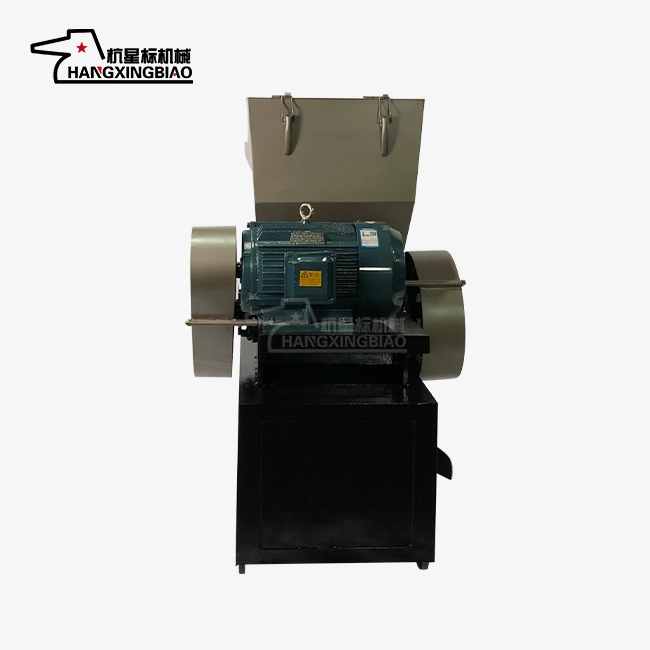
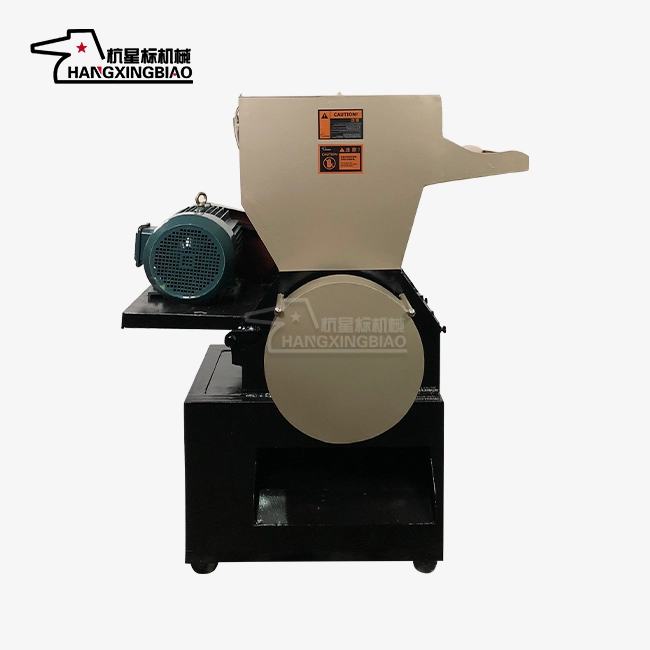
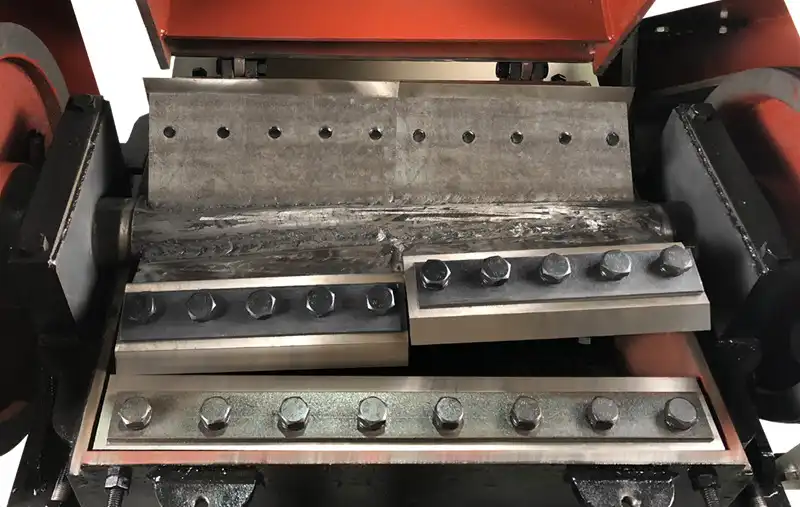
Blades that spin quickly cut, shear, and squeeze plastic materials against blades that stay still in a grinding room. This is how a crusher machine for plastic works. The material that has been crushed goes through screens that decide the final particle size, which can be anywhere from 2 mm to 100 mm based on the needs of the application. With this mechanical reduction process, companies can get valuable plastic trash back from production lines while also saving money on storage and shipping.
Manual Versus Automatic Crushers
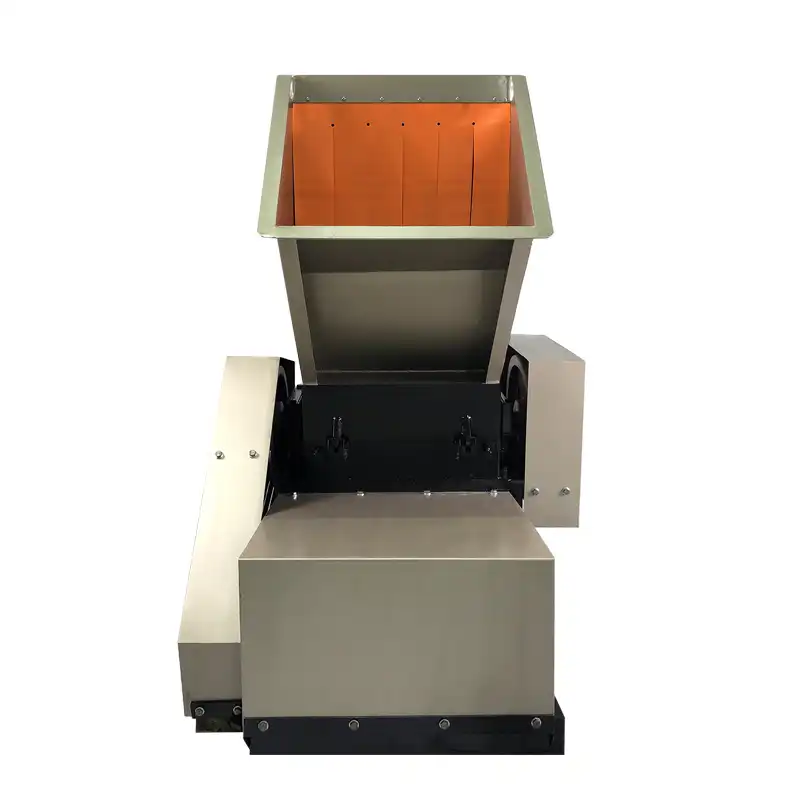
People who use manual crusher machines for plastics have to keep putting things into the box, so they work best in low-volume settings or laboratories. These small units can handle between 50 and 200 kg per hour and give study sites more options when testing materials. Automatic crusher machines for plastics have sensor controls and conveyor systems that control the speed of the feed, making sure that the flow rate stays the same. Automatic systems with a high capacity can move 1,000 to 2,000 kg per hour, which is useful in settings where production is constant, and downtime hurts profits.
Single, Double, and Four-Shaft Configurations
Single-shaft crusher machines for plastics are great for breaking down tough plastics like ABS parts, PC parts, and pipes with thick walls. The strong rotor design and heavy-duty blades create a lot of cutting force that easily breaks down tough materials. Double-shaft crusher machines for plastics have two shafts that rotate counterclockwise and have blades that fit together. They are great for processing a wide range of trash, such as plastic bottles, containers, and mixed industrial scraps. Four-shaft setups are the most flexible way to work with tangled materials like PE films, woven bags, and cloth threads that would get stuck in other designs.
Key Performance Indicators
Capacity estimates tell you how much material the machine can handle in an hour when it is running normally. Peak capacity is not as important as consistent throughput, especially for production lines that need a steady flow of materials. Noise control has become an important feature, and new units must operate at 75dB or less to meet safety standards in the workplace. Safety features like emergency stop buttons, interlocking guards, and overload protection systems keep workers safe and keep equipment from getting damaged by metal exposure or too much material loading.
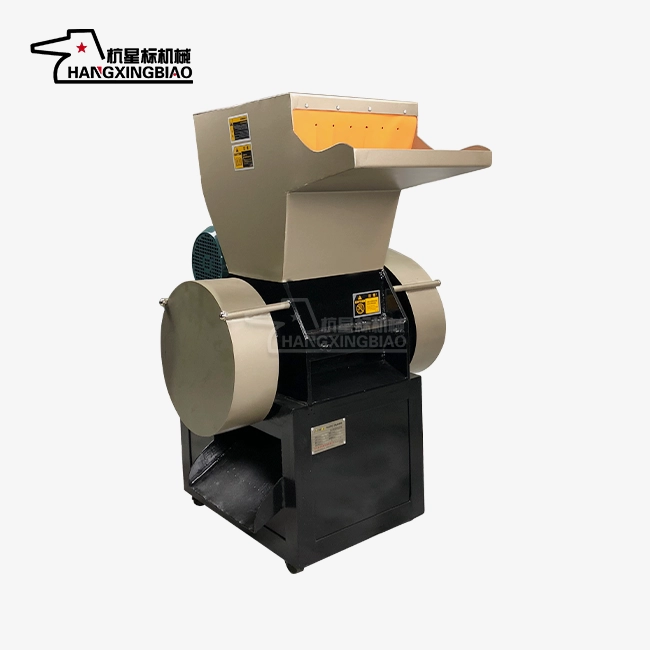
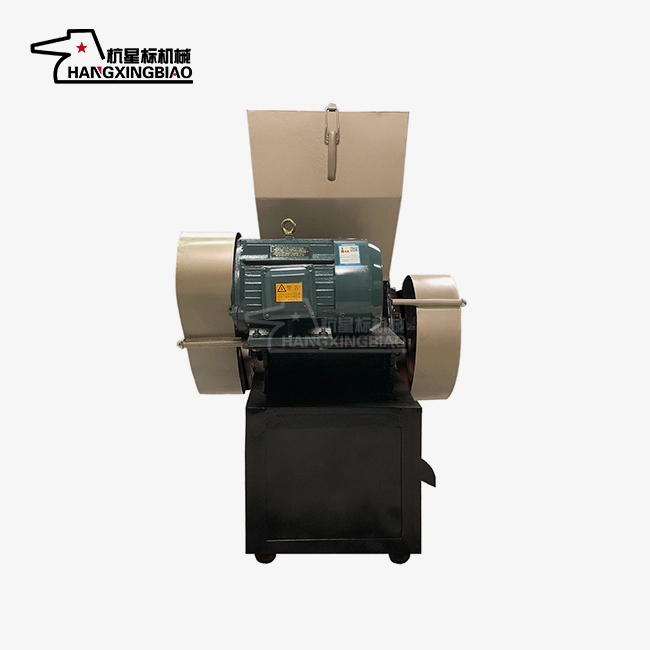
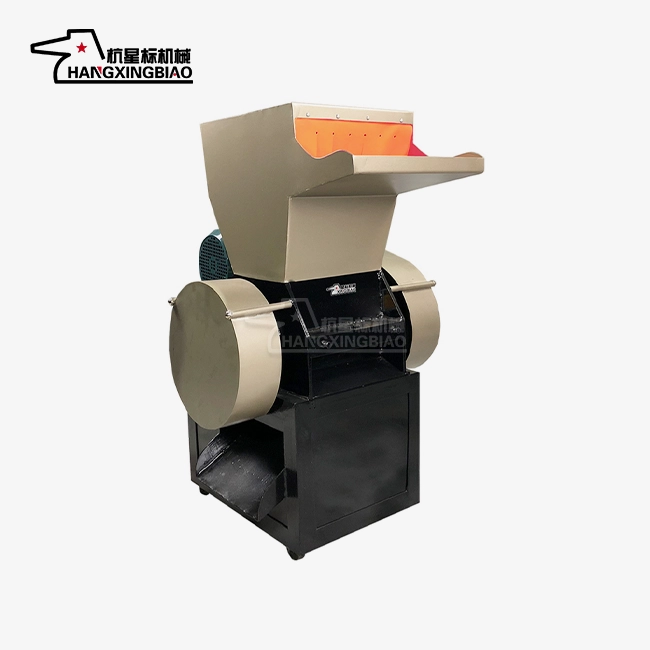
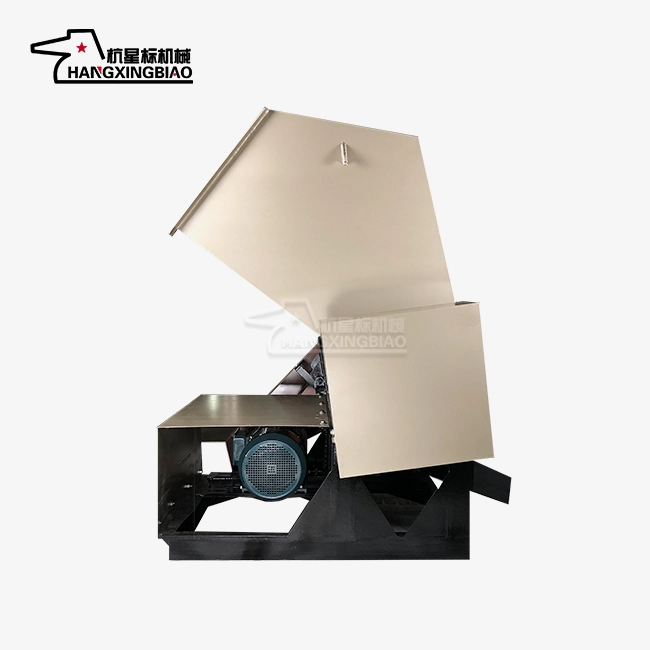
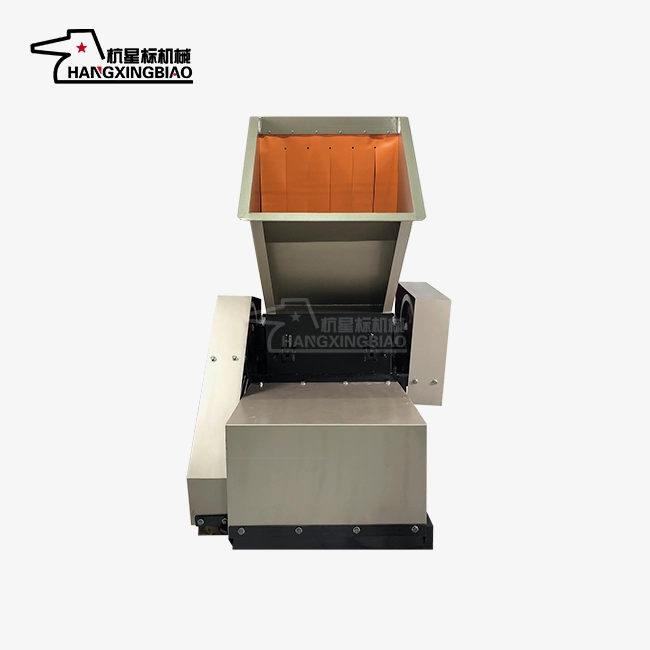
Our line of products shows how these ideas work in real life. Several types can process between 50 and 2000 kg/h and can work nonstop for 24 hours a day. Our tools can be used for a wide range of tasks, from small-scale crushing at home or in the lab to large-scale production in factories. Built-in overload protection devices set off shutdown alarms immediately when they identify hard impurities like metals, which keeps the equipment from getting damaged. When paired with low-noise motors, the fully sealed cavity successfully stops dust leakage and noise pollution, meeting standards for workshops, research facilities, and operations that have to follow environmental rules.
Evaluating Plastic Crusher Machines for Global Buyers: Criteria and Comparisons
There are a lot of technical and practical factors that need to be balanced when choosing the right crusher machine for plastic. Different business sizes have very different capacity needs. Small recycling plants that process 200 to 500 kg of trash per hour need standard models that can handle different types of waste without needing to be changed often. Medium- to large-sized factories that use both crusher machines for plastics and injection molding machines need automatic feeding systems that can handle 800 to 1,500 kg per hour. Heavy industrial operations that process large amounts of trash from cities or plastics from farms need continuous-duty motors and strengthened parts to handle 2,000 kg or more of output.
The energy economy has a direct effect on how much it costs to run a machine over its entire life. When compared to regular models, premium crusher machines for plastics use 15–25% less power because they have better motor matching and aerodynamic chamber designs. When running continuous shifts, this means big savings on power. How quickly your team can do regular maintenance depends on how easy it is for maintenance workers to get to. Quick-change screen structures let you change the mesh in less than 15 minutes, and open-frame designs let you get to the blades, hinges, and drive parts without taking the whole thing apart.
Crushers Versus Shredders: Functional Differences
Through precise blade cutting, the crusher machine for plasticmakes pieces that are smaller and more regular. This makes them perfect for materials that will be injected or extruded. Controlled particle size distribution (usually 90% or more consistency) gets rid of the need for extra screening steps. Through tearing and ripping, shredders make bigger, less uniform pieces that can be used to reduce the amount of material before transport or as a first step in the process of grinding. Because they cut more efficiently, crusher machines for plastics usually use 20 to 30 percent less energy per kilogram of material they handle. The quality of the material that comes out of breakers meets stricter standards for straight reuse in manufacturing, while shredded material usually needs more work.
Trusted Manufacturers and Market Leaders
Leading suppliers in a field show how knowledgeable they are by having technical certifications, industry ties, and a track record of successful installations. Hangzhou Xingbiao Machinery has been focusing on crusher machines for plastic technology for 30 years, and has built partnerships between industry, universities, and research with big companies like Nongfu Spring and KFC. Twenty top engineers on our research team are always making safety systems, blade geometries, and chamber acoustics better based on feedback from thousands of installs. Diversified equipment makers can't match the real benefits that this specific knowledge brings.
Procurement Considerations: Buying and Exporting Plastic Crusher Machines
Finding suppliers who are good at making things and providing reliable service is the first step to successful crusher machine for plastic buying. Authorized sellers and direct ties with manufacturers are both very helpful. Working directly with manufacturers like Xingbiao gives you access to technical advice, the ability to make changes, and better prices. Distributors might be able to offer faster shipping for standard setups and expert help that is more localized, but it will be harder to make changes.
Cost Drivers and Warranty Terms
The price of a machine is based on its size, the materials it is made of, its level of technology, and the safety features it comes with. Entry-level crusher machines for plastics for small businesses start at around $3,000 to $8,000. Industrial units that can handle 1,000 kg or more per hour cost between $15,000 and $50,000. The materials used for blades have a big effect on both the original cost and the value over time. Special steels like SKD-11, D2 mold steel, and Cr12MoV are used in our crusher machine for plastics. These steels have been vacuum-heated and processed at very low temperatures. These high-quality materials are very hard and don't wear down easily, so they last two to three times longer than regular tool steel blades.
Export Documentation and Certification Standards
When you ship something internationally, you need to have the right business paperwork, packing lists, bills of lading, and certificates of origin. Electrical goods that are sent to the United States must meet the NEMA motor standards and UL approval requirements for electrical parts. Make sure that your seller has the CE marking for European markets or other certifications that meet the standards of the country you are shipping to. To make it easier to clear customs and follow the rules, ask for full technical specs that list noise levels, electrical rates, and the materials that are used.
Maintenance, Safety, and Environmental Impact
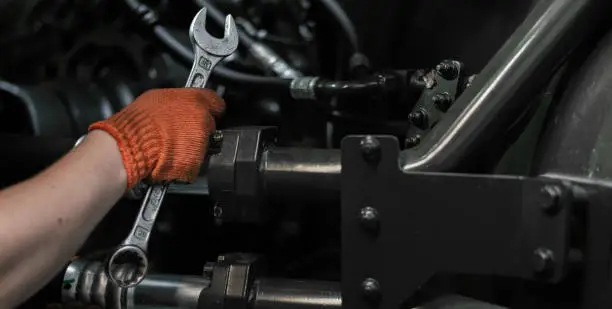
Following the right crusher machine for plastic repair steps will make your equipment last longer and keep it working at its best. Before starting work, daily checks should be made to make sure the blades are tight, the bearings are warm, and the belt is taut. Maintenance tasks that need to be done once a month include using the right kind of grease to grease the bearing systems, looking at the blade tips for signs of wear, and checking the electrical connections. Our open-frame design and quick-change screen structure cut down on downtime during normal maintenance, so maintenance work can be done during regular production breaks.
Troubleshooting Common Issues
Particles of different sizes usually mean that the screens or blades are worn out and need to be replaced. Unusual vibrations are a sign of unbalanced wheels or fixing nuts that need to be tightened right away. Often, screen clogs, dull blades, or slow feeding rates cause output to drop. Diagnostic indicators built into our tools let workers know when problems are starting to happen before they become big failures.
Safety Protocols and Training
Full training for operators lowers the chance of accidents and makes better use of tools. Proper feeding methods, emergency stop procedures, lockout-tagout routines, and basic fixing should all be part of training programs. Our crusher machines for plastics have many safety features, such as fully sealed crushing chambers made of strengthened steel, anti-rebound baffles that stop material from ejecting, safety shields around the outside parts, and interlocking systems that turn off the power automatically when the chambers open. These traits make it much less likely that someone will get hurt on the job while still meeting OSHA guidelines for industrial equipment.
Environmental Benefits
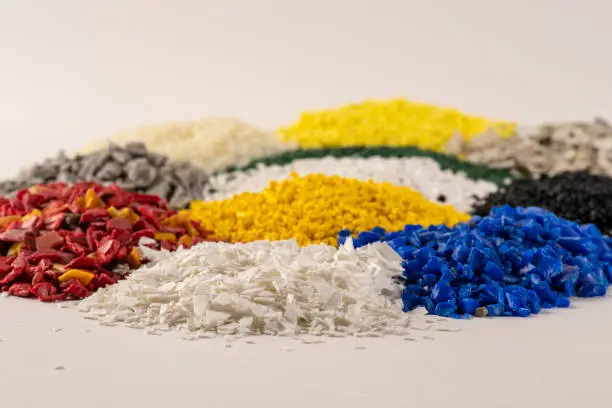
The circular economy depends on recycling systems that work well. Businesses can get money back from production garbage, post-consumer trash, and broken products by using a good crusher machine for plastics. These machines turn garbage into uniform particles that can be directly used in industrial processes. This cuts down on the amount of waste that ends up in landfills and creates economic value from materials that were once thought of as trash.
Common Issues and How to Avoid Them: Risk Management for Buyers
Understanding common operating problems helps buyers make smart choices that keep problems from getting worse and costing a lot of money. Overheating usually happens because the motor is too small, the bearings are rubbing together too much, or the air systems are blocked. By choosing a crusher machine for plastic with motors that are properly matched, heat problems can be avoided during constant operation. Our equipment is thermally tested at full load to make sure the cooling system is working properly.
Quality Components and Professional Service
Noise levels that are too high or too low can mean that the bearings are old, parts are loose, or the fitting is not correct. Stress-relieved steel frames and precisely balanced blades are used in high-quality buildings to start the prevention process. Our main parts are made by welding together high-quality, high-strength steel plates that have been treated to relieve stress. This makes sure that the steel doesn't bend over time. This strong design gets rid of sources of shaking that make noise and speed up wear.
Proactive Maintenance Programs
Setting up repair schedules based on working hours instead of dates on a calendar makes tools last longer. Inspections and part replacements need to be done more often for high-volume businesses that work continuous shifts than for irregular users. Keep track of repair tasks, wear patterns, and when parts need to be replaced to spot trends as they form. This method is based on data and lets care find problems before they happen. This increases uptime and lowers costs.
Conclusion
Finding the right crusher machine for plastic means thinking about how much capacity you need, how well the materials will work together, how much energy they will use, and how reliable the provider is. This guide has listed the important technical specs, working factors, and buying decisions that will affect your long-term happiness. High-quality design with SKD-11 blades and stress-relieved steel frames guarantees long-lasting use in tough circumstances. Advanced safety features, such as overload protection and fully enclosed rooms, keep workers safe and keep tools from getting damaged. Using optimized blade patterns in energy-efficient designs lowers running costs and helps the environment. By choosing well-known brands with extensive service networks, you can get the technical help you need to get the most out of your tools throughout its entire life.
FAQ
Through an understanding of market needs, we provide answers to common questions. Modern crusher machines for plastic can handle many types of plastic, such as PE films, PVC sheets, woven bags, ABS parts, PC parts, thick-walled pipes, profiles, EPS packages, EVA foam, plastic bottles, boxes, and different kinds of industrial waste. When working with certain types of materials, different machine setups give the best results. Single-shaft designs work best with hard plastics, and soft plastic crushers are designed to keep films and threads from getting tangled.
What types of plastics can crusher machines process?
Modern crusher machines for plastics can handle many types of plastic, such as PE films, PVC sheets, woven bags, ABS parts, PC parts, thick-walled pipes, profiles, EPS packages, EVA foam, plastic bottles, boxes, and different kinds of industrial waste. When working with certain types of materials, different machine setups give the best results. Single-shaft designs work best with hard plastics, and soft plastic crushers are designed to keep films and threads from getting tangled.
How often do industrial crushers require maintenance?
How often you do routine repairs depends on how hard your business is working. Continuous production areas need to be inspected every day and oiled once a week. Depending on how rough the material is, the blades should be replaced every 500 to 1,000 hours of use. Intermittent processes may make checks happen every month and part replacements every year. Our quick-change screen structure and easy-to-reach design cut down on service time, so repair can be done during normal breaks in production.
Are portable crusher models available for small businesses?
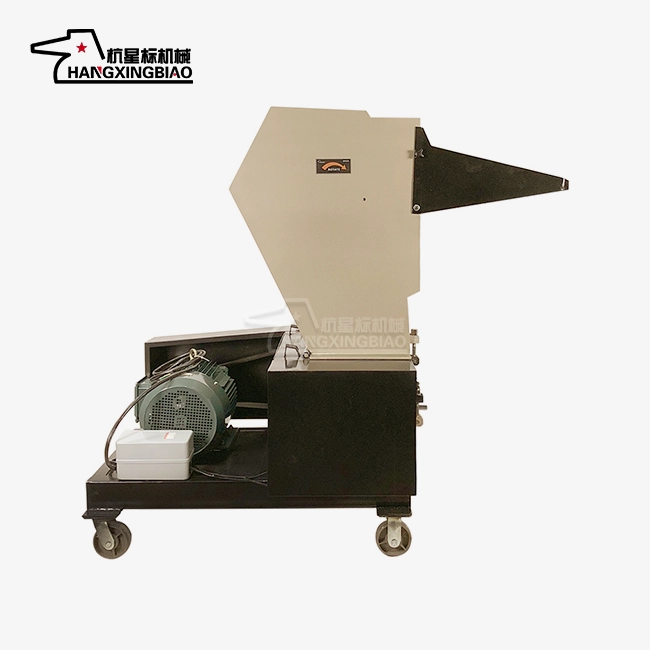
Small crusher machines for plastics that can handle 50–500 kg per hour are good for small businesses and study labs. Mobile designs with all-terrain wheels let you move easily between work stations. These units have the same high-quality construction and safety features as bigger industrial models, but they are smaller and cheaper, so they can be used in places where room is limited.
Partner With Xingbiao for Reliable Plastic Crushing Solutions
Xingbiao's specialized knowledge is a great asset for people around the world who are looking for reliable plastic crusher machine providers. Our 30-year focus on crushing technology has led to engineering breakthroughs that raise efficiency by more than 20% while lowering noise and energy use. The wide range of products, with capacities from 50 to 2000 kg/h, can be used for everything from lab study to heavy industry recycling. Premium design with stress-relieved steel frames and vacuum-heated blades makes it last even when used all the time. The 75dB noise control, built-in overload protection, and fully enclosed rooms meet strict safety and environmental standards in a wide range of uses. Our study team works with leaders in the field to keep improving ideas by using data from real-world use. We offer a complete service, from helping you choose the right product to teaching you how to install it and providing ongoing technical support. We guarantee a response time of 24 hours and keep a large collection of spare parts. Email our engineering team at xingbiaocrusher@xingbiaocrusher.com to talk about your unique crushing needs and get personalized suggestions that will help you run your crusher machine for plastic business more efficiently.
References
1. Chen, W., & Liu, H. (2023). Advanced Materials in Industrial Plastic Recycling Equipment. International Journal of Sustainable Manufacturing, 18(4), 312-329.
2. Morrison, P. K. (2022). Blade Metallurgy and Heat Treatment Processes for Plastic Size Reduction Equipment. Materials Engineering Quarterly, 45(2), 78-95.
3. Rodriguez, M. A., & Thompson, J. (2024). Energy Efficiency Optimization in Plastic Waste Processing Systems. Journal of Cleaner Production Technologies, 31(1), 156-174.
4. United States Environmental Protection Agency. (2023). Industrial Plastic Recycling: Best Practices and Equipment Standards. EPA Technical Report Series, Report No. EPA-530-R-23-002.
5. Williams, D. R., Chang, S., & Kumar, A. (2023). Safety Engineering in Material Size Reduction Equipment: Design Standards and Risk Mitigation. Industrial Safety Review, 29(3), 201-218.
6. Zhang, L., & Anderson, K. M. (2022). Comparative Analysis of Mechanical Recycling Technologies for Post-Industrial Plastic Waste. Waste Management & Research, 40(7), 892-908.
Learn about our latest products and discounts through SMS or email