- English
- French
- German
- Portuguese
- Spanish
- Russian
- Japanese
- Korean
- Arabic
- Greek
- German
- Turkish
- Italian
- Danish
- Romanian
- Indonesian
- Czech
- Afrikaans
- Swedish
- Polish
- Basque
- Catalan
- Esperanto
- Hindi
- Lao
- Albanian
- Amharic
- Armenian
- Azerbaijani
- Belarusian
- Bengali
- Bosnian
- Bulgarian
- Cebuano
- Chichewa
- Corsican
- Croatian
- Dutch
- Estonian
- Filipino
- Finnish
- Frisian
- Galician
- Georgian
- Gujarati
- Haitian
- Hausa
- Hawaiian
- Hebrew
- Hmong
- Hungarian
- Icelandic
- Igbo
- Javanese
- Kannada
- Kazakh
- Khmer
- Kurdish
- Kyrgyz
- Latin
- Latvian
- Lithuanian
- Luxembou..
- Macedonian
- Malagasy
- Malay
- Malayalam
- Maltese
- Maori
- Marathi
- Mongolian
- Burmese
- Nepali
- Norwegian
- Pashto
- Persian
- Punjabi
- Serbian
- Sesotho
- Sinhala
- Slovak
- Slovenian
- Somali
- Samoan
- Scots Gaelic
- Shona
- Sindhi
- Sundanese
- Swahili
- Tajik
- Tamil
- Telugu
- Thai
- Ukrainian
- Urdu
- Uzbek
- Vietnamese
- Welsh
- Xhosa
- Yiddish
- Yoruba
- Zulu
Is a Powerful Pulverizer Worth the Investment for Factories?
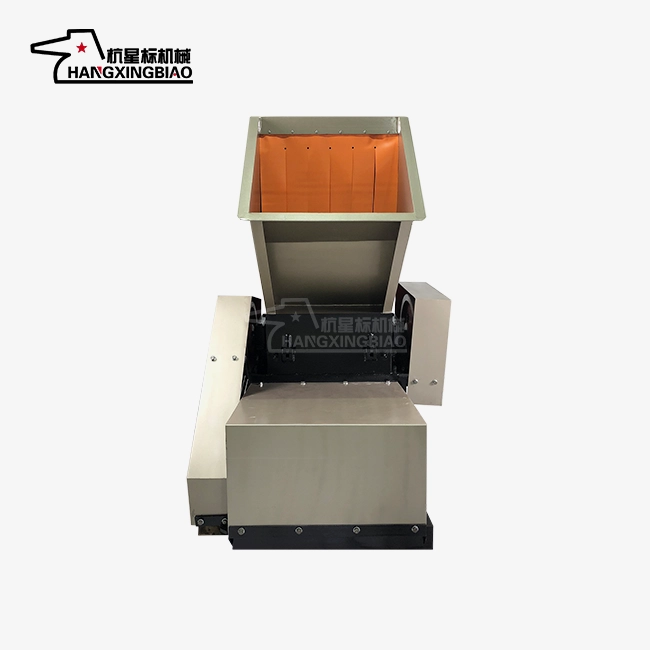
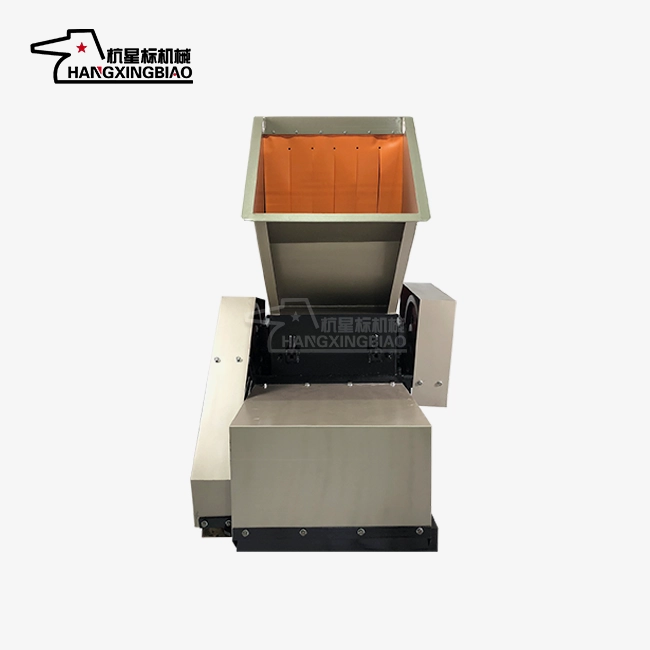
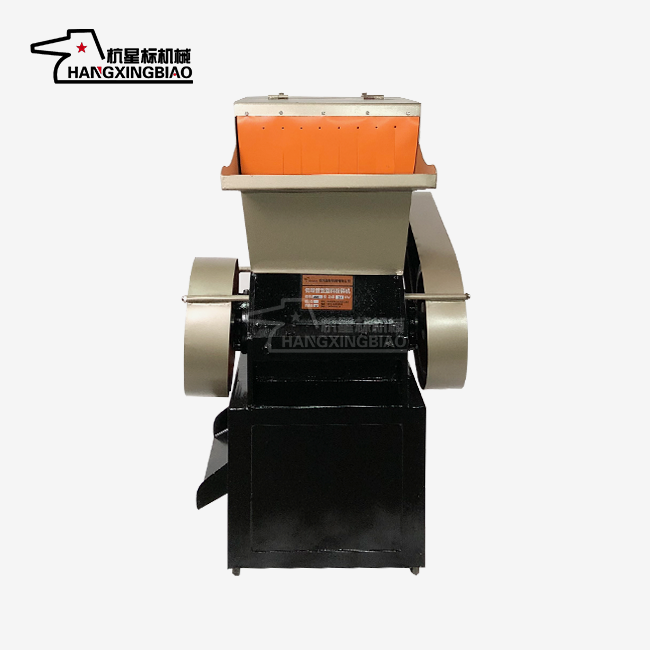
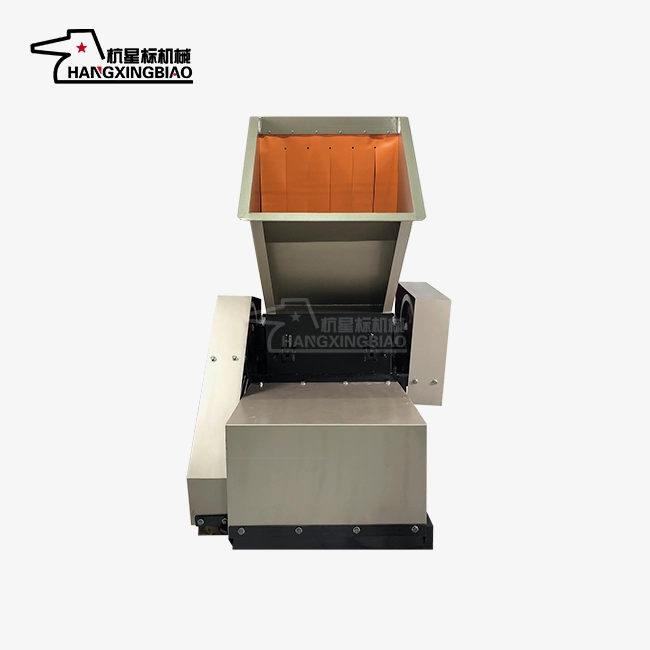
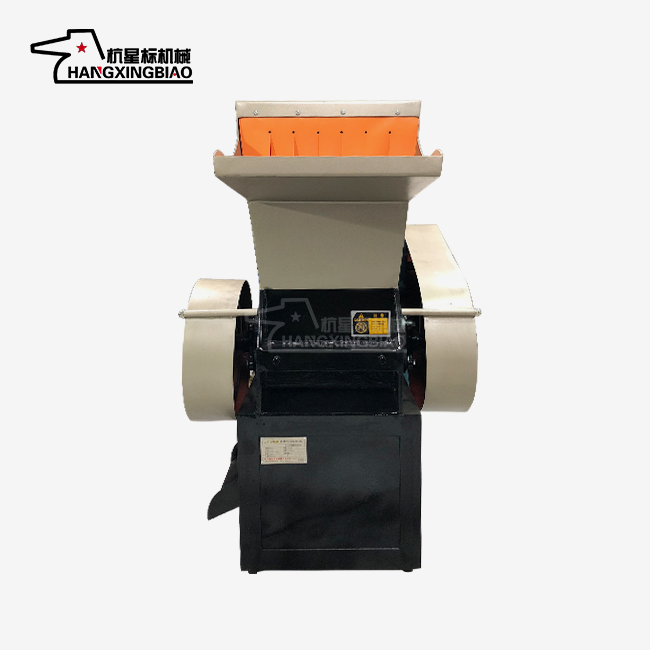
Companies that work with non-metallic materials can see a clear return on their investment in a powerful pulverizer. This high-tech breaking equipment changes the economics of production by making it more efficient, lowering energy costs, and recovering more material. Modern industrial pulverizers can handle a wide range of materials, from injection-molded scraps to woven bags, and produce particles with over 90% precision in sizes from 2 mm to 50 mm. When factories recycle their trash, they say they become 15-20% more efficient and use 30–50% more of the materials they have. It's not just a cost; the equipment pays for itself through lower energy bills, fewer trips to the store for raw materials, and less downtime.
Understanding Powerful Pulverizers: Technology, Benefits, and Applications
Industrial grinding technology has come a long way since the days of single-material crushers. Today's crushing equipment doesn't have to be limited to "single material adaptation." It can easily break down almost all non-metallic materials, except for metal and rock. This flexibility changes how companies deal with waste and get materials ready for use.
Core Components Driving Performance
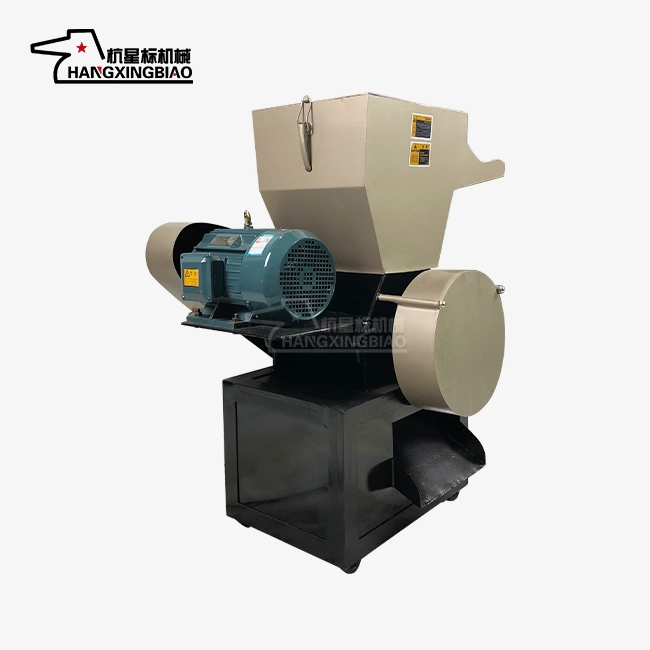
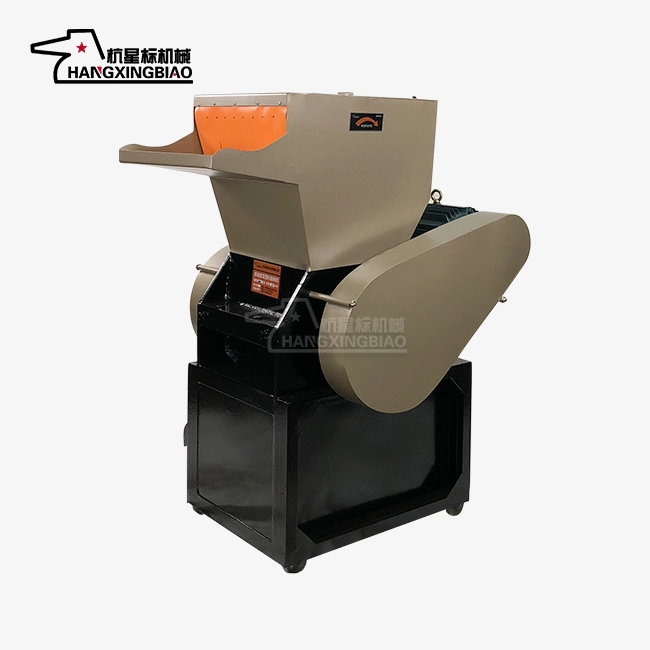
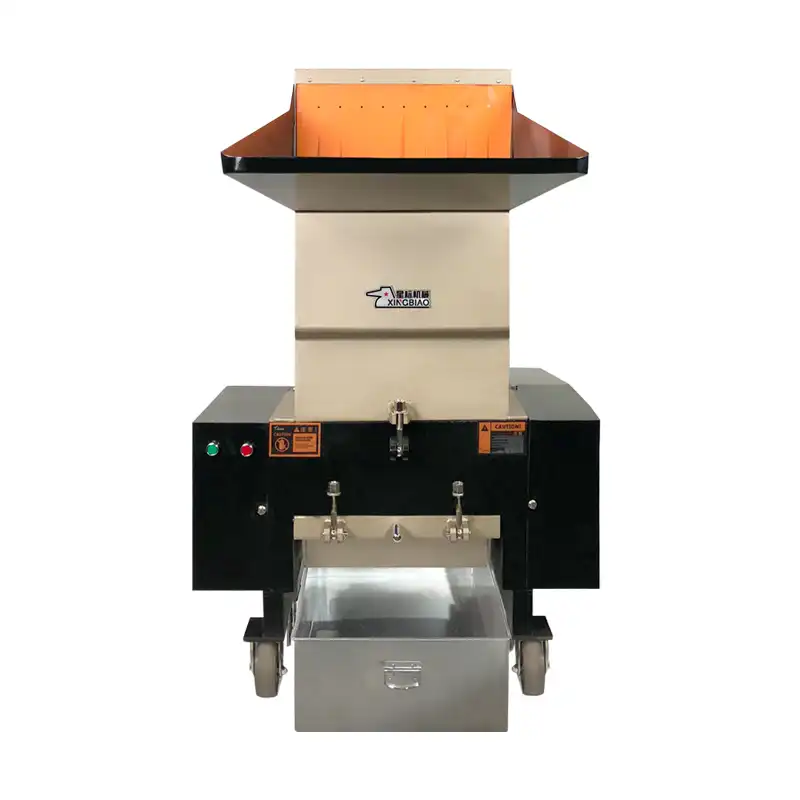
The mechanics of modern grinding devices depend on parts that were carefully designed to work together. Power is delivered consistently by high-specification motors that range from small 50 kg/hour units to industrial 10-ton/hour systems. The rotor system has blades made of SKD-11 and Cr12MoV tool steel that are hard (HRC 55–60) and can be used for 3,000 to 5,000 hours. These high-quality materials can withstand constant contact and still keep their sharp edges. The arrangement of the blades inside the crushing chamber makes multiple cutting points, which increases the frequency of material contact by 20% compared to standard designs. Stress-relieved steel plate construction ensures that the main body doesn't deform even when it's under constant high loads. This keeps the alignment accurate for the whole life of the equipment.
Operational Efficiency and Cost Reduction
How much energy a factory uses has a direct effect on how much money it makes. Motor matching and transmission structures that work better use 10-15% less power than normal equipment. One ton of plastic can be processed with only 8–12 kilowatts of electricity, which means that facilities that run nonstop can save a lot of money every year. The crushing chamber design eliminates material accumulation and blockages, maintaining throughput consistency during 24/7 production schedules. With quick-change screen systems, companies can use a single machine to meet the needs of a wide range of material requirements without having to shut down for long periods of time. This operating versatility cuts down on the need for capital investments and increases the rate at which equipment is used.
Industry Applications Across Manufacturing Sectors
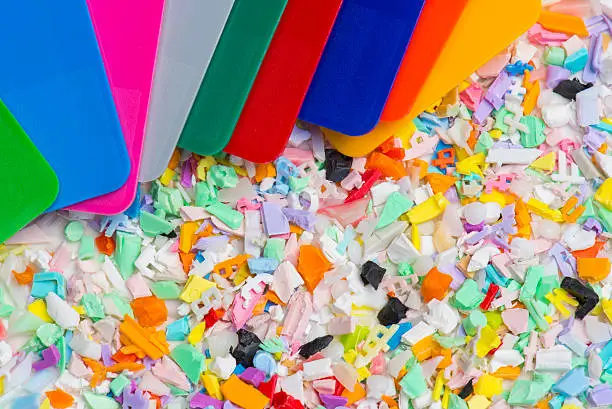
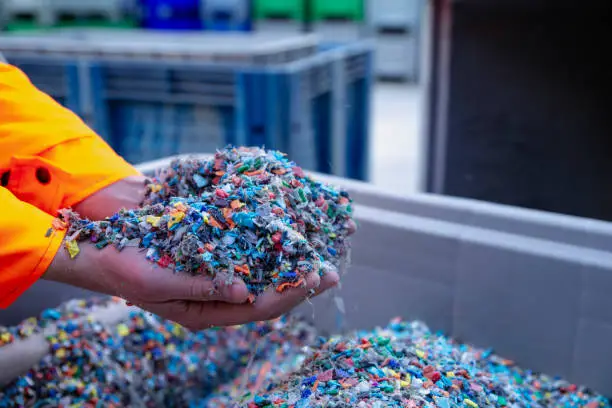
Along with injection molding tools, companies that make plastic products use equipment for breaking to recycle scrap right away. Instead of building up as trash, defective parts, runners, and products that don't meet specifications are turned into regrind material in minutes. Recycling centers that deal with used plastics handle different kinds of films, cases, and packing materials. Because the tools can handle tangled materials like braided bags and fibrous trash, there is no need to sort them by hand. The fact that manufacturers of rubber, wood processing, and composite materials all use the same breaking technology for their own materials shows that the equipment is useful across industries. This widespread use shows that reducing waste and recovering materials are good for the economy and help almost every business process.
Comparing Powerful Pulverizers to Traditional Grinding Solutions
To choose the right equipment, you need to know how the different types of crushing work. Modern, powerful pulverizer systems and traditional grinders work on different mechanical principles, so they perform differently. This has an effect on both short-term and long-term prices.
Functionality and Grinding Principles
Compression-based crushers push materials against wheels or flat surfaces. They work best with hard, brittle materials, but not as well with soft or flexible ones. Impact mills use fast blades to move kinetic energy, which creates heat and dust that can damage materials that are sensitive to temperature. When spinning blades hit fixed surfaces, shearing-action equipment cuts materials by applying controlled force. This method works with a wide range of materials, from hard blocks to bendable films, without generating too much heat or breaking down the materials. The cutting principle works especially well when working with plastic because it's important to keep the polymer's structure so that the material can be used again. The shape of the blades, their speed, and the size of the holes in the screen make it possible to change processing factors that can't be changed with easier crushing methods.
Performance Capabilities and Processing Speed
Throughput ability shows how productive a piece of equipment is. Small workshops and labs can use entry-level units that can process 50 to 500 kg/hour. Mid-range types that can handle 1 to 3 tons per hour are perfect for makers whose production lines make a lot of scrap. Large recycling activities and integrated production sites are supported by industrial systems that can handle more than 10 tons per hour. The processing speed is based on the properties of the material and the goal particle size. Rigid plastics break down more quickly than flexible materials, but smaller output specs take longer to process. Equipment with a certain capacity number believes that it will work perfectly and that the right amount of material will be fed into it. Oversized feed pieces slow down production and make blades wear out faster, which shows how important it is to match equipment specs to real production needs.
Maintenance Requirements and Equipment Longevity
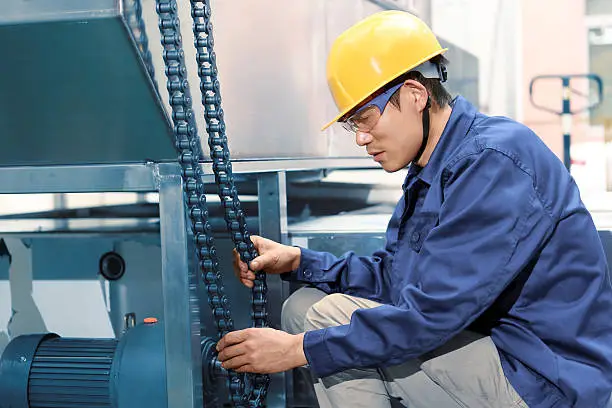
Beyond the initial buying price, the total cost of ownership is based on how long something lasts. When oiled according to the manufacturer's instructions, precision bearings and strengthened transmission gears keep mechanical wear to a minimum. Dynamic balance testing makes sure that the amount of the shaking stays below 0.1 mm, which lowers the stress on the mounting points and structural parts. When luxury tool steels are used to make blades, they can be resharpened three to five times before they need to be replaced. This saves 60% on blade costs compared to basic carbon steel blades. With an open-access design, repair points can be inspected and serviced without taking the whole thing apart, which cuts in half the time needed for service. When these design features are combined with training for operators and preventive repair plans, the rate of equipment failure drops by 40%. Because it is so easy to use, it cuts down on the need for specialized technicians. This means that regular care chores can be done by in-house staff.
Investment Considerations: Selecting the Best Powerful Pulverizer for Your Factory
When making a purchase choice, you need to look at more than just the original price of the equipment. Grinding capacity, motor specs, safety features, and the reliability of the provider all play a role in whether an investment pays off or ends up being an expensive disappointment.
Assessing Production Requirements and Capacity Needs
Material volume analysis starts with figuring out how much scrap is being made now and how much is expected to grow in the future. Recycling plants that handle loads of multiple tons of mixed plastics need different tools than facilities that make 100 kg of injection molding scrap every hour. The requirements for particle size are just as important. Applications that feed extruders need constant regrind of 5 to 8 mm, while pretreatment processes can handle output that is 15 to 30 mm coarser. Batch processing works well for operations that only make scrap occasionally, while continuous-duty models can handle production lines that are fully integrated. Underestimating capacity leads to jams that slow down production, and equipment that is too big wastes money and floor space. The right size matches times of high demand instead of normal rates. This makes sure that the equipment can handle production spikes without causing material backlogs. Talking to application engineers can help you turn production data into the right equipment specs.
Evaluating Supplier Credentials and Service Support
How long equipment lasts depends a lot on how well the maker knows how to take care of it after the sale. Suppliers who have been focusing in crushing technology for decades know more about it than dealers of all kinds of machines. Partnerships between businesses and universities for study show a dedication to constant growth and new ideas. Client lists with well-known names like big food and drink companies prove that the equipment works well in tough situations. Warranty terms show that the company that made the product is confident in its longevity. Standard one-year coverage is enough for well-designed tools, while longer guarantees make you wonder about the quality. Service agreements that include 24-hour reaction times and installation help keep operations from being interrupted for long periods of time during setup and problems. Repair turnaround time is based on how quickly spare parts can be found. When suppliers keep wear parts in stock, they can provide service the same week, but when they need to ship them abroad, work stops for a week. Checking references with current users gives you more information than marketing claims about how well the product works and how quickly the seller is.
Cost-Benefit Analysis and Return on Investment
When you figure out the payback time for a powerful pulverizer, you have to include both direct and indirect rewards. When material recovery hits 50%, equipment that costs $15,000 and processes two tons of $800-a-ton scrap plastic every day makes $1,600 every day. This saves $416,000 a year if the business is open for 260 days, which gives the investment a one-month payback before any other benefits are considered. Savings of $2,000 to $5,000 a year on energy costs due to better motor design add to the returns. Another way to save money is by getting rid of trash for $100 to $200 less per ton. By getting rid of the buildup of scrap, you can keep production going and avoid costly line stops. Consistent regrind particle size leads to better quality and fewer flaws in the final product. When all of these factors are added together, the total economic effect is usually 40–60% higher than the direct material return value. Spreading the cost of equipment over three to five years through monthly payments is one way to finance it. This usually creates positive cash flow from the first month on and doesn't require any upfront capital while improving operations right away.
Operation, Maintenance, and Safety Guidelines to Maximize Your Investment
If you place equipment correctly, keep it in good shape, and follow safety rules, it will either work as planned or become a liability. These practical factors have just as much of an effect on the total cost of ownership as the choice to buy in the first place.
Installation Best Practices and Commissioning Steps
Where you put equipment affects how well it works and how safe it is for workers. Level foundations stop vibrations from spreading and keep moving parts in line with each other. Enough space around the machine allows for adding materials, changing screens, and upkeep. The electrical source must meet the needs of the motor and have the right overload safety. When working with some metals, grounding standards stop static electricity from building up. Ventilation issues depend on the properties of the material. Airborne particles from weak materials are collected by dust collection systems. This protects workers' lungs and keeps the house clean.
Preventive Maintenance Schedules and Inspection Protocols
Bearing lubrication plans usually need to be checked every 200 to 300 hours of use, with greases recommended by the maker. Too much lubrication leads to burning and damage to the seals, while not enough lube speeds up the wear on the bearings. A close look at the blade shows that it is dull and damaged, so it needs to be re-sharpened or replaced. Keeping the machine running with broken blades increases energy use, slows down production, and increases the risk of a catastrophic failure. Screen condition changes the uniformity of particle size and the flow of material. Tears in screens let big particles pass through, but too much material builds up and lowers the useful opening area. Checking the balance and tightness of the belts keeps drive systems from slipping and wearing out too quickly.
Safety Features and Regulatory Compliance
When interlocked entry doors for the powerful pulverizer are opened, they stop operation, so people don't have to touch spinning parts. Having emergency stop keys close at hand makes it easy to cut off the power right away. Anti-rebound shields stop material from flying out during processing. The thick steel design of the chamber keeps blade pieces inside in case of a catastrophic failure, which is very unlikely. Belt drives and spinning connections have pinch points that are blocked by guards on the outside. OSHA rules say that lockout-tagout methods must be used during maintenance to make sure that energy sources are turned off while workers handle parts inside the machine. Electrical safety certifications ensure that the equipment meets national electrical safety standards.
Conclusion
Investing in equipment comes down to whether the benefits are worth the costs and risks. Performance, longevity, and cost-effectiveness have all reached a point where crushing technology is now developed enough to be useful for most industrial processes that produce non-metallic waste or handle recycled materials. Energy savings of 10-15%, material recovery improvements of 30–50%, and throughput gains of more than 15% compared to basic crushing tools are all reasons to spend. Payback times for facilities that handle even small amounts of data every day are measured in months instead of years. Safety features keep workers safe, and changes to reliability cut down on production delays that affect other parts of the manufacturing plan. To choose the right equipment, you need to make sure that the specs match your needs and work with providers who can show they have the technical know-how and service commitment you need. For businesses that consistently make a lot of scrap metal or recycling businesses that want to get ahead of the competition, modern, powerful pulverizer units represent sound investments that pay off in both financial and operational terms.
FAQ
What materials can industrial crushers handle effectively?
Plastics, rubber, wood, paper, cloth, foam, and organic materials can all be processed by equipment made for non-metallic materials. Forms of matter include blocks, flakes, fibers, and shapes that aren't round. There are limits on metals and rocks that can hurt blades. Films and braided bags get tangled easily, so chambers need to be designed in a certain way to keep them from getting jammed.
How do I determine the right equipment size for my operation?
Find out how much scrap is being made now and how much is expected to be made in the future, what particle size requirements there are, and how much floor space is available. The top demand for equipment should be 20–30% higher than its capacity, which acts as a working buffer. Consulting application workers with production data helps make sure that the right size is chosen, which avoids costly mistakes.
What factors most influence equipment lifespan?
Longevity depends on the type of material used, how often it is maintained, and how it is used. Basic carbon steel doesn't last as long as premium tool steels, which last between 3,000 and 5,000 hours. Regular inspections and cleaning keep things from breaking down too soon. Processing materials within the limits of the equipment keeps it from getting damaged by overload, which shortens its life.
Partner with Xingbiao for Reliable Industrial Crushing Solutions
Hangzhou Xingbiao Machinery Co., Ltd. has been a specialist in plastic breaking technology for 30 years. Twenty top engineers on our research team work with big names in the industry, like Nongfu Spring and KFC, to come up with real-world answers to production problems. The range of equipment includes small units for recycling injection molding scraps and large systems that can process 10 tons of recovered materials an hour. The SKD-11 and Cr12MoV blade construction makes them very durable, and the improved chamber design makes them more efficient than regular equipment. We offer full support, from helping you choose, teaching you on installation, and ongoing upkeep. When service needs appear, response times of less than 24 hours keep work interruptions to a minimum. Email our team at xingbiaocrusher@xingbiaocrusher.com to talk to skilled application engineers about your unique needs. Find out how working with a specialized, powerful pulverizer manufacturer can improve the performance of your equipment and give you help that you can't get from other machinery providers.
References
1. Smith, J. & Anderson, K. (2022). Industrial Pulverizing Technology: Principles and Applications. Manufacturing Press.
2. Thompson, R. (2021). "Cost-Benefit Analysis of Plastic Recycling Equipment in Manufacturing Facilities." Journal of Industrial Engineering, 45(3), 234-251.
3. Williams, M. (2023). Material Processing Equipment Selection Guide for Manufacturing Operations. Industrial Technology Publishers.
4. Chen, L. & Martinez, D. (2022). "Energy Efficiency in Crushing and Grinding Equipment: Comparative Performance Analysis." Energy Management in Manufacturing, 18(2), 112-128.
5. Roberts, P. (2021). Safety Standards and Best Practices for Industrial Crushing Equipment. Workplace Safety Institute.
6. Davidson, S. (2023). "Return on Investment Analysis for Material Processing Equipment in Plastic Manufacturing." Manufacturing Economics Quarterly, 31(4), 67-84.
Learn about our latest products and discounts through SMS or email