- English
- French
- German
- Portuguese
- Spanish
- Russian
- Japanese
- Korean
- Arabic
- Greek
- German
- Turkish
- Italian
- Danish
- Romanian
- Indonesian
- Czech
- Afrikaans
- Swedish
- Polish
- Basque
- Catalan
- Esperanto
- Hindi
- Lao
- Albanian
- Amharic
- Armenian
- Azerbaijani
- Belarusian
- Bengali
- Bosnian
- Bulgarian
- Cebuano
- Chichewa
- Corsican
- Croatian
- Dutch
- Estonian
- Filipino
- Finnish
- Frisian
- Galician
- Georgian
- Gujarati
- Haitian
- Hausa
- Hawaiian
- Hebrew
- Hmong
- Hungarian
- Icelandic
- Igbo
- Javanese
- Kannada
- Kazakh
- Khmer
- Kurdish
- Kyrgyz
- Latin
- Latvian
- Lithuanian
- Luxembou..
- Macedonian
- Malagasy
- Malay
- Malayalam
- Maltese
- Maori
- Marathi
- Mongolian
- Burmese
- Nepali
- Norwegian
- Pashto
- Persian
- Punjabi
- Serbian
- Sesotho
- Sinhala
- Slovak
- Slovenian
- Somali
- Samoan
- Scots Gaelic
- Shona
- Sindhi
- Sundanese
- Swahili
- Tajik
- Tamil
- Telugu
- Thai
- Ukrainian
- Urdu
- Uzbek
- Vietnamese
- Welsh
- Xhosa
- Yiddish
- Yoruba
- Zulu
What Materials Can Industrial Crushers Process Efficiently?
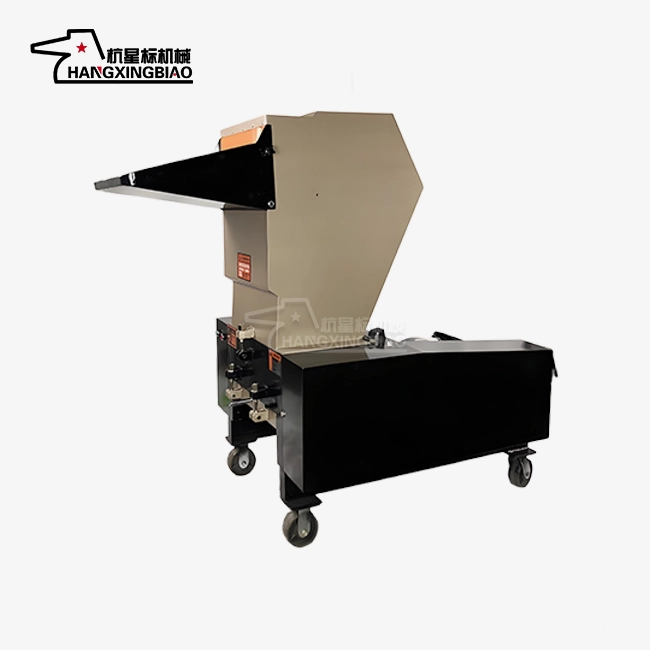
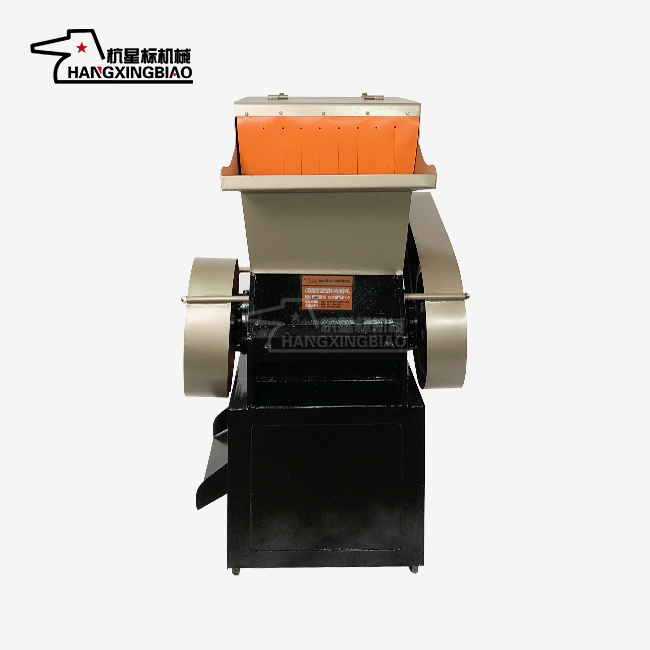
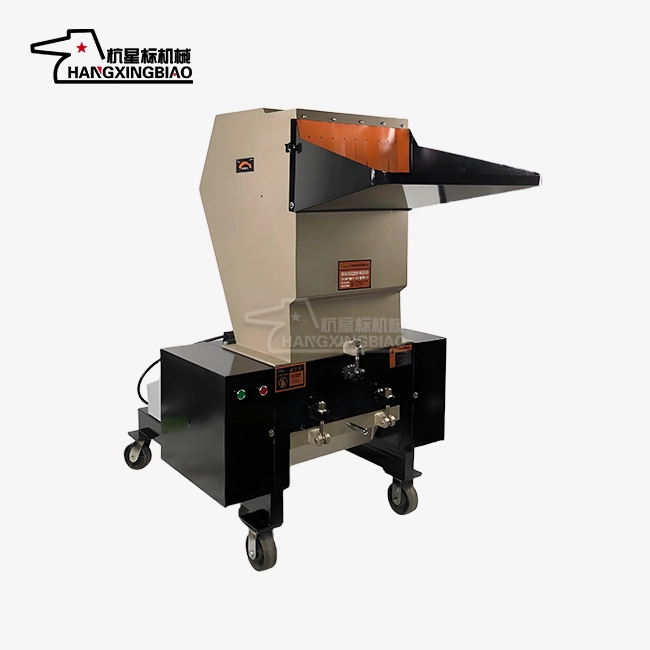
Modern industrial crusher systems have changed the way materials are processed in many fields by making it easier to work with a wide range of materials. Traditional equipment could only handle a few types of materials. Newer crushing systems can now handle almost all non-metallic materials, such as plastics, rubber, wood, paper, textiles, foam, agricultural waste, and pharmaceutical ingredients. The output sizes can be changed and are usually between 2 mm and 50 mm. Because of this, facilities can base their operations on a single effective machine instead of buying a bunch of different specialized units. Whether you're in charge of recycling plastic, processing manufacturing scrap, or dealing with large amounts of trash, knowing what a crusher can do will help you choose the right tools to get the most work done while keeping costs low.
Understanding Industrial Crushers and Their Material Processing Capabilities
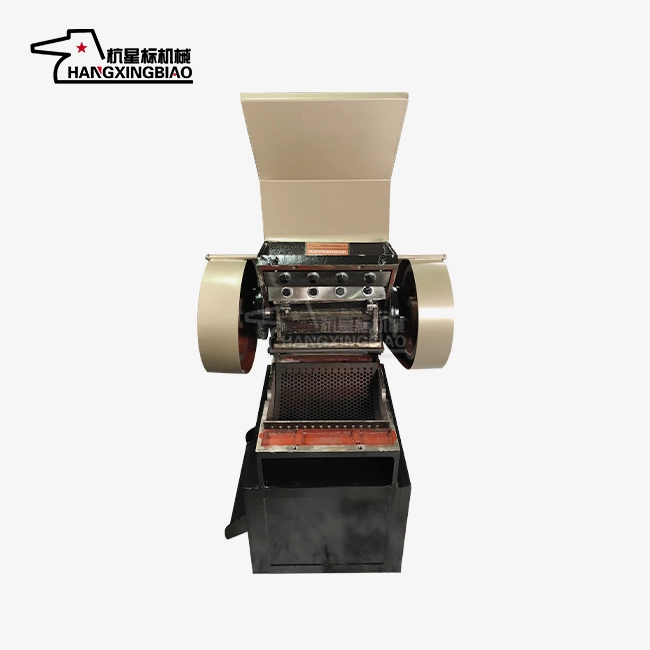
Material size reduction equipment uses carefully designed mechanical systems that use controlled force to break down materials into sizes that can be handled. The basic structure has spinning blades, knives that stay in place, screens with mesh sizes that can be changed, and reinforced spaces that can handle high loads all the time. These parts work together to keep the particle size constant while keeping the energy economy high.
Core Components Driving Processing Performance
The blade unit is the most important part of any machine for crushing. To get hardness values between HRC55 and HRC60, premium units use special alloy steels like SKD-11 or Cr12MoV that are heated in a vacuum and then frozen to make them even harder. This mechanical method greatly increases the blade's life, allowing three to five regrinding rounds before it needs to be replaced. This kind of durability immediately leads to lower upkeep costs and fewer breaks in production.
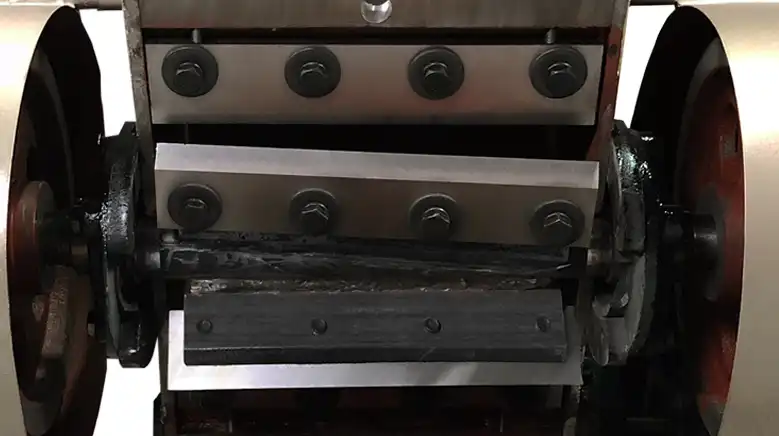
The design of the chamber has an equal effect on the results of processes. Welded high-strength steel construction with stress-relief treatment keeps the structure from deforming over time. The shape of the hole determines how the material flows, how long it stays in place, and how often it contacts the cutting surfaces. These all affect the rate of production and the amount of energy used. Over the past 30 years, our engineering team at Xingbiao has improved these measurements to make processing over 20% more efficient than with other designs.
Material Properties That Influence Crusher Selection
The basic properties of the material determine which breaking method will work best. The amount of mechanical force needed to reduce size is based on hardness, while the rate of wear on a component is affected by abrasiveness. The amount of moisture in a material affects how it flows and how easily it can get clogged, especially when the material is flexible. By knowing these qualities, buying professionals can match the capabilities of tools to the needs of a particular processing task, ensuring stable long-term performance.
Goals for particle size also affect the choice of tools. When you need fine granulation, you need different blade setups and screen specs than when you need coarse reduction. By using replaceable screens to change the size of the output, operations can be flexible enough to meet changing production needs without having to buy new equipment.
Top Materials Industrial Crushers Process Efficiently
Industrial breaking technology has been used for a lot more than just mining and quarrying in the past. Systems today can handle a huge range of materials in the processing, recycling, and production industries. Knowing which materials work best with which industrial crusher setups lets you make smart buying decisions that get you the best return on your investment.
Plastic Materials Across All Forms
One of the most frequent uses for specialized crushing tools is to break down plastic waste. When rigid plastics from injection molding processes are processed, they don't make much dust. This includes broken parts, runners, sprues, and scrap parts. Big-diameter types with strong cutting chambers that can handle big feed stock are better for cutting pipes, profiles, and die head materials.
When working with soft plastics, normal tools often have trouble meeting the unique challenges they pose. Films, weave bags, and bendable packing often get caught on regular blades and stop the machine from working. Our specialized soft material processors have blade shapes and chamber designs that keep materials from getting tangled up while keeping output high. Unlike standard crushers, these systems can quickly and easily break down materials that need to be pre-shred or processed more than once.
Mixed plastic trash streams with both hard and flexible parts need cleaning methods that can be used in a variety of situations. Adjustable blade clearances and varying speed settings are built into equipment made for multi-material uses so that it works best with a wide range of feedstock types. This flexibility is especially helpful for recycling centers that deal with unsorted garbage from businesses or consumers.

Rubber and Elastomeric Compounds
Because rubber is springy and gets hot when cut, it needs special care when it is being processed. Heavy-duty types with reinforced blade systems that can cut through steel belting and control heat buildup that can damage material quality are best for recovering tires. When equipment has the right cooling systems and blade angles that are best for flexible materials, it can process rubber profiles, seals, and industrial parts well.
The key to handling rubber well is controlling how flexible the material is so that it doesn't easily cut. When you keep your sharp blades at the right distance apart, they stop material from being compressed instead of cutting it. Monitoring methods for temperatures make sure that processed rubber keeps its good qualities for later uses, like making crumb rubber or molded products.
Wood, Paper, and Cellulose-Based Materials
When it comes to processing, cellulose strands are not the same as synthetic products. Manufacturing waste wood, such as trim ends, sawdust clumps, and broken parts, can be easily processed with blade designs that can handle different grain directions and levels of wetness. Paper trash streams, like cardboard, packing materials, and industrial paper products, need systems that keep fibers from getting clogged and get particles to the right size for recycling or throwing away.
Agricultural waste like crop stalks, husks, and processing waste is being used more and more in waste-to-energy and composting activities. Crushing tools made for these uses work well with high-volume, low-density materials, even though they tend to bridge and compact. The right choice of screen and chamber shape ensures even material flow without using too much power.
Specialized Industrial Materials
In addition to regular trash, modern crushers can handle a wide range of specific materials. Expanded polystyrene, polyurethane, and packing foams are all foam materials that compress a lot when they are put under pressure. This means that blades need to be made so that they cut instead of compress. Textile waste from production works well when the equipment stops fibers from wrapping and has enough chamber space for materials with low densities.
For use in pharmaceutical and food preparation, tools must meet strict standards for cleanliness. For effective extraction, making herbal medicines requires careful size control. Feed preparation plants need to be able to reliably distribute particle sizes so that the nutrients are always the same. For these specific uses, tools made from food-safe materials and with designs that make cleaning between batches easy are helpful.
Our engineering team has come up with good solutions for dealing with waste from processing fruits and vegetables, chemical raw materials that need to be shrunk down before they can be used in other processes, and moving grains. Such a wide range of uses shows how modern breaking technology can meet a wide range of business needs by being well-designed and built to last.
How to Choose the Right Industrial Crusher Based on Material Needs
When looking for the right industrial crusher, it's important to think about more than just the type of material. When making a procurement choice, it's important to weigh the current processing needs against long-term practical factors like the need for upkeep, the amount of energy used, and the ability to expand. A methodical approach to choosing tools cuts down on expensive mismatches between what the machine can do and what it needs to do its job.
Assessing Material Characteristics and Processing Goals
Start by making a detailed list of the things that need to be processed. Physical qualities like hardness, tensile strength, moisture content, and how sensitive something is to weather all affect what equipment is needed. High-abrasive materials make blades wear out faster, so you need better cutting parts even though they cost more at first. Fibrous materials need specific blade shapes to keep them from getting tangled, while brittle materials are easy to work with but may produce too much dust, so they need storage systems.
Projections of volume flow set the base level of capacity needs. Figure out the highest working rates per hour by using peak production cases instead of normal ones. When equipment is too small for the needs, it causes bottlenecks that lower total production capacity. In contrast, systems that are too big waste energy and capital by using it inefficiently. By looking at material flow patterns and production plans, our expert team helps customers get the right-sized equipment.
Evaluating Operational Environment and Integration Requirements
Physical placement limitations have a big effect on the choice of tools. Which models will work in current buildings depends on the amount of floor space, ceiling height, and weight that the building can hold. Noise laws might need soundproofed shelters or low-noise drive systems for breakers that work near injection molding machines or other places where people are working. Our high-power centralized feeding systems are designed to solve noise problems while still providing top-notch performance.
Careful planning is needed to integrate with current production processes. For use beside the press, machines need to have small areas and automatic feeding systems that require little help from the user. Larger units with automatic feeding and emptying systems work better for centralized recycling activities. Custom solutions are made to fit specific space limitations or working needs that standard models can't meet.
Prioritizing Maintenance Accessibility and Component Longevity
Because operational performance has a direct effect on production profits, upkeep needs to be a major factor when choosing equipment. With tool-free access panels, swing-out cutting chambers, and quick-change screen systems, crusher designs cut down on repair time by a large amount. Our simple approach to maintenance cuts the time between regular service intervals by half. This keeps production running smoothly and lowers the costs of labor that come with regular maintenance.
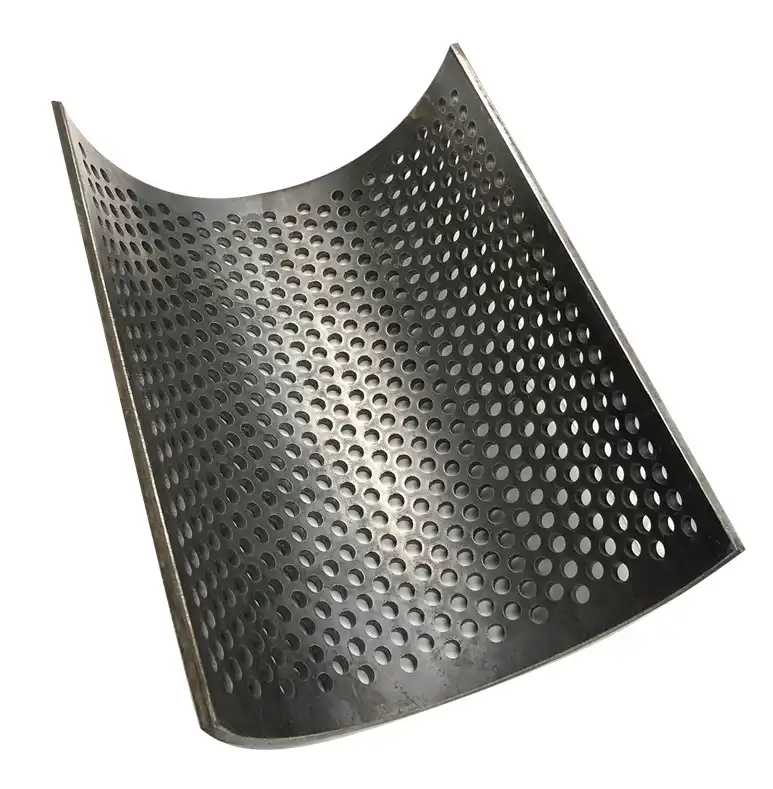
Even though it costs more at first, component longevity is something that should be carefully looked at. Blade material quality and heat treatment methods decide how often they need to be replaced, which adds to the overall cost of running the equipment over its lifetime. Our SKD-11 alloy steel blades with HRC55-HRC60 hardness rates can be regrinded three to five times, which cuts the cost of replacement by 60% compared to carbon steel blades. In the same way, high-quality bearings and drive parts increase the time between repair visits and lower the chance of catastrophic failure.
Energy Consumption and Operating Cost Analysis
Power needs are ongoing running costs that should be carefully looked at. Our optimal equipment only needs 8-12 kWh to process one ton of plastic, which is a lot less than traditional designs. This efficiency advantage grows a lot when businesses have a lot of work to do. This saves money that can be measured and helps with payback estimates. The size of the motor and how well the drive system works affect both the cost of energy and the machine's ability to work with different loads.
To figure out the total cost of ownership, you need to add up the purchase price, the cost of installation, the amount of energy used, the frequency of upkeep, and the cost of replacing parts. Usually, this thorough financial analysis shows that high-end equipment that costs more to buy ends up being more valuable in the long run because it costs less to run and lasts longer. Our clear pricing and thorough working specs allow for accurate financial modeling, which helps buyers make smart choices.
Industrial Crusher Solutions Tailored to Material Processing Challenges
In the real world, production settings are complicated and need more than basic off-the-shelf industrial crusher tools. For operations to be successful, they need unique solutions that take into account things like the material's properties, space limitations, and the need for integration. After 30 years of focusing only on breaking technology, we have a lot of experience designing custom systems that get around processing problems that seem impossible to solve.
Heavy-Duty Large-Diameter Processing Systems
Machinery designed for heavy-duty tasks is needed for bulk material lines that contain oversized parts. Standard crushers can't handle large plastic parts, thick-walled lines, industrial profiles, and die head materials, which leads to jams and damage to the machines. Our large-diameter models have stronger cutting chambers, larger feed holes, and strong drive systems that consistently cut through tough materials. These strong machines can handle the hardest tasks in recycling cars, managing waste from pipe manufacturers, and processing large amounts of industrial scrap.
In heavy-duty situations, structural stability is very important. Impact forces that would break lighter construction can't break chamber walls made of high-strength steel plates with full-penetration welds. Stress-relief treatment gets rid of leftover stresses that cause the material to slowly distort, keeping its shape over years of tough use. This focus on mechanical details is what sets professional industrial equipment apart from cheaper options that break down quickly when used continuously under heavy loads.
Specialized Solutions for Problematic Materials
Certain materials always resist normal working methods, so engineers have to come up with new ways to deal with them. Fishing nets, textile scraps, and bundles of plastic film get caught up in normal blades, causing them to shut down often and making workers angry. Our experts in soft materials have come up with blade shapes and chamber configurations that can cut through flexible materials without getting caught. These systems can handle materials that rivals usually can't because they keep getting stuck.
Trash cans, industrial totes, and storage drums are all examples of large containers that have size issues that go beyond the material qualities alone. Custom processing solutions include special feed systems that line up uneven items in the best way and stop them from crossing at the hopper entrance. For recycling tires, the shapes are complicated, there is steel support inside, and the rubber is flexible. All of these issues need to be taken into account when designing the blades, the room layout, and the drive system.
Automation and Monitoring Technologies
In today's work settings, smart systems that tell you how things are running and when maintenance is needed are becoming more and more important. Smart tracking technology keeps an eye on motor load, sound patterns, and cycle counts to spot problems before they become major. Integration with facility management systems lets you see what's happening in the crushing processes in real time. This lets you use data to make the best decisions about material flow and output scheduling.
Nowadays, safety interlock devices are an important part of industrial tools. Our enclosed rooms automatically turn off the power when the entry panel is opened. This keeps workers from getting hurt and keeps production going smoothly. Having emergency stop buttons in several places lets you quickly shut down in strange situations. These safety features keep workers safe and show that the company is following the rules, which is becoming more and more important in the production industry.
Partnership Approach to Custom Engineering
Relationships for joint development that go beyond buying tools help solve complex processing problems. Before coming up with answers, our research team talks to customers directly to learn about their operational limitations, material properties, and performance goals. This consultative approach has led to successful installations in a wide range of settings, including partnerships with large companies like KFC and Nongfu Spring, where performance and dependability directly affect the continuation of production.
During the specification, manufacturing, installation, and testing stages of a custom job, specialized engineering resources are used. Customers get the most out of their investment thanks to thorough paperwork, operator training, and ongoing expert help. This all-around service model shows that we care about our customers' success, not just selling them tools. This is an important difference that leads to decades of return business.

Conclusion
Industrial crusher metals, chamber design, and drive system optimization have all led to huge improvements in the types of materials that can be processed. Modern breaking tools can easily break down almost any non-metallic material, from cellulose fibers and specialized industrial substances to hard plastics and elastomeric compounds. To choose the right tools, you shouldn't just look at the price; you should also think about the material's properties, the amount of work that needs to be done, the setting in which it will be used, and the total cost of ownership. Partnering with specialized makers that offer deep application knowledge, strong tech support, and full after-sales service is very helpful for businesses.
FAQ
What factors determine whether a material can be processed effectively?
The main factors that determine a material's appropriateness are its hardness, abrasiveness, wetness content, and shape. Nonmetallic materials with a wide range of hardness can be processed easily, but ceramics or metals that are very hard are too hard for the tools to handle. If the moisture level is higher than a certain point, it may need to be dried first to keep it from sticking. Fibrous materials need special blade shapes to keep them from getting tangled up. Our expert team looks at specific examples of materials to make sure they can be processed and to suggest the best ways to set up the equipment.
How often does crushing equipment require maintenance?
How often maintenance is done is directly related to how rough the material is and how much it needs to be processed. Highly rough materials speed up the wear on blades, which means they need to be inspected and replaced more often. Our plan for easier access cuts down on repair time by 50%, which has the least possible effect on production. Visual inspections should be done once a week, and thorough component examinations should be planned based on the amount of work that needs to be done. When compared to normal carbon steel blades, premium blade materials that can be regrinded multiple times greatly increase the time between replacements.
Can crushers be customized for unique material challenges?
Of course. Custom engineering is a core skill that has been developed over thirty years of focused effort. We often come up with custom methods to deal with limited space, strange material properties, or the need to work with current production systems. Our project method starts with a full study of the application. Then, we come up with equipment specifications that are best for your needs. This consultative approach has led to successful custom setups in a wide range of difficult situations where standard tools failed to do a good job.
Partner With Xingbiao for Superior Material Processing Solutions
When you have problems with material handling, you need equipment that was designed to fit your specific needs, not general solutions that work for everyone. Hangzhou Xingbiao Machinery Co., Ltd. has been working with customers for 30 years and has a lot of experience with breaking technology. Our sole focus on this one group of products has given us a unique amount of knowledge about a wide range of materials, applications, and performance goals. We work with top companies in the field and keep strong research relationships to make sure that our equipment uses the newest tech advances.
Heavy-duty large-diameter systems, high-power low-noise models, specialized soft material processors, and fully custom solutions made to fit specific needs are all in our wide range of products. Each unit is built to the highest standards, with SKD-11 alloy steel blades, strengthened welded chambers, and improved drive systems that make them very efficient. Companies looking for dependable industrial crusher providers find that our technical know-how, strong equipment, and full support give them real operating benefits.
Get in touch with our tech team at xingbiaocrusher@xingbiaocrusher.com to talk about how you want to process your materials. We give you a thorough study of your needs, suggestions for the best tools, and competitive quotes with clear pricing. Our promise to respond 24 hours a day, 7 days a week, help with installation, training for operators, and a large stock of extra parts ensures that your investment has the most long-term value. You can see our whole line of products at www.xingbiaocrusher.com and learn why top makers trust Xingbiao for their most important material handling needs.
References
1. Anderson, M.J. & Thompson, R.K. (2021). Industrial Material Processing: Engineering Principles and Equipment Selection. Cambridge Industrial Press.
2. Chen, W., Martinez, S., & Kowalski, P. (2022). Blade metallurgy advances in size reduction equipment. Journal of Manufacturing Engineering, 145(3), 234-247.
3. Industrial Equipment Association. (2023). Best Practices for Crusher Selection and Operation. IEA Technical Publication Series.
4. Morrison, D.L. (2020). Polymer Recycling Technologies: Processing Equipment and Methods. Springer Technical Publishing.
5. Recycling Industry Standards Council. (2022). Material Processing Equipment Safety and Efficiency Guidelines. RISC Publication 2022-08.
6. Zhang, L., O'Brien, K., & Patel, N. (2023). Energy efficiency optimization in industrial crushing systems. International Journal of Sustainable Manufacturing, 18(2), 156-171.
Learn about our latest products and discounts through SMS or email