- English
- French
- German
- Portuguese
- Spanish
- Russian
- Japanese
- Korean
- Arabic
- Greek
- German
- Turkish
- Italian
- Danish
- Romanian
- Indonesian
- Czech
- Afrikaans
- Swedish
- Polish
- Basque
- Catalan
- Esperanto
- Hindi
- Lao
- Albanian
- Amharic
- Armenian
- Azerbaijani
- Belarusian
- Bengali
- Bosnian
- Bulgarian
- Cebuano
- Chichewa
- Corsican
- Croatian
- Dutch
- Estonian
- Filipino
- Finnish
- Frisian
- Galician
- Georgian
- Gujarati
- Haitian
- Hausa
- Hawaiian
- Hebrew
- Hmong
- Hungarian
- Icelandic
- Igbo
- Javanese
- Kannada
- Kazakh
- Khmer
- Kurdish
- Kyrgyz
- Latin
- Latvian
- Lithuanian
- Luxembou..
- Macedonian
- Malagasy
- Malay
- Malayalam
- Maltese
- Maori
- Marathi
- Mongolian
- Burmese
- Nepali
- Norwegian
- Pashto
- Persian
- Punjabi
- Serbian
- Sesotho
- Sinhala
- Slovak
- Slovenian
- Somali
- Samoan
- Scots Gaelic
- Shona
- Sindhi
- Sundanese
- Swahili
- Tajik
- Tamil
- Telugu
- Thai
- Ukrainian
- Urdu
- Uzbek
- Vietnamese
- Welsh
- Xhosa
- Yiddish
- Yoruba
- Zulu
How to Choose the Right Plastic Bottle Crusher Machine?
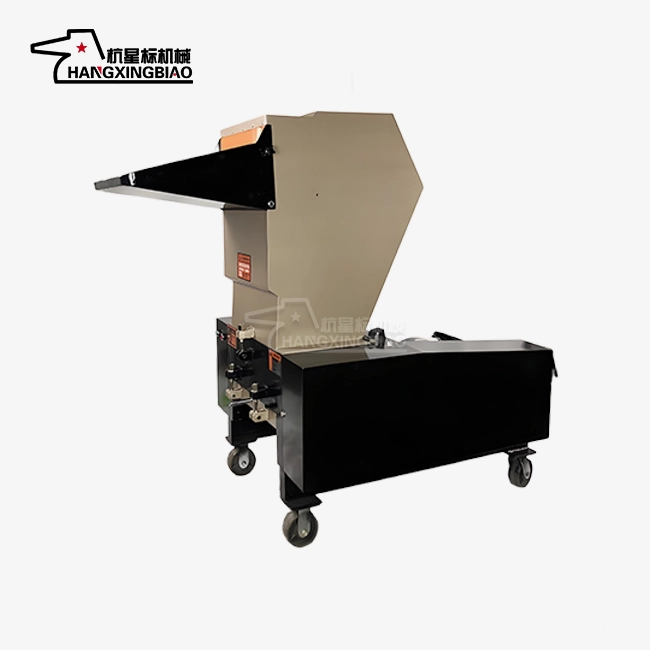
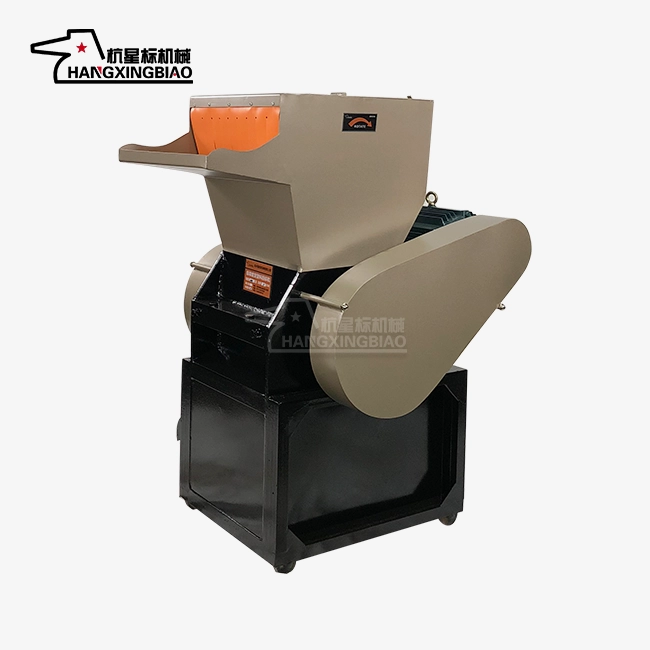
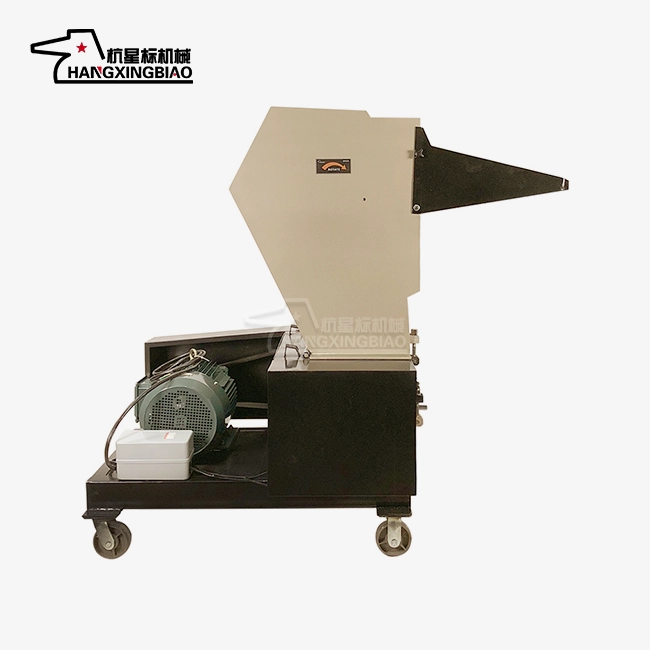
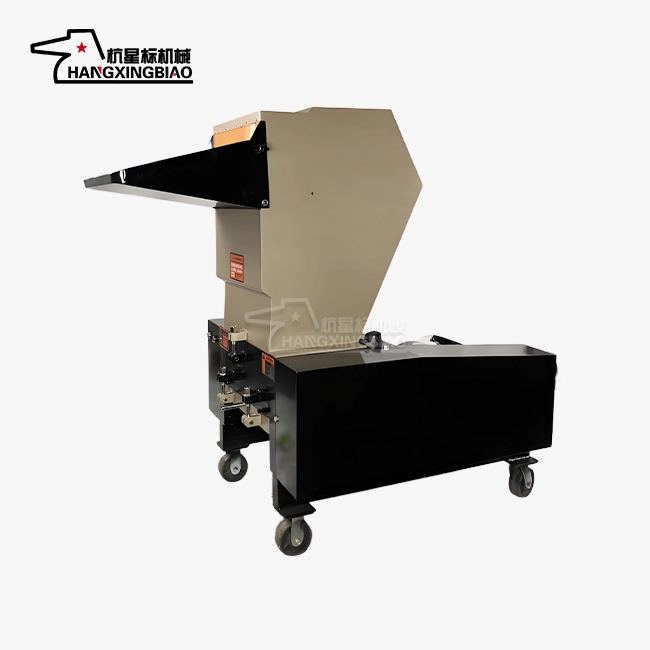
Selecting the right plastic bottle crusher requires evaluating your specific processing capacity needs, material characteristics, and operational environment. The optimal machine should match your volume requirements (ranging from 50kg/h for small operations to 2000kg/h for industrial facilities), work well with the types of plastic you use, and fit in with your current workflow. It should also be reliable and cost-effective to run.
Understanding Plastic Bottle Crushers: Types and Technologies
Plastic bottle breaking equipment comes in a wide range of technologies that are made to meet the different needs of businesses around the world. Understanding these differences gives procurement workers the power to make decisions that are right for their businesses.
Manual vs. Automatic Operations
Businesses that deal with modest amounts of plastic waste can save money by using manual crushing devices. These machines can usually handle between 50 and 200 kg/h, and they need to be fed and moved by an operator. For handling injection-molded rejects and production scraps, small manufacturing companies with smaller amounts of waste often find that manual methods are enough. Automatic breaking systems are more efficient for high-volume processes because they can handle 500–2000 kg/h with little help from a person. These systems work perfectly with production lines and handle the flow of materials directly from injection molding machines or packing operations. The ability to run continuously supports production schedules that run 24 hours a day, which is common in big manufacturing plants.
Portable vs. Fixed Installation Units
Portable crushers are useful for companies that need to move their tools from one production area or job site to another. These units usually have small sizes and built-in collection systems, which makes them perfect for recycling centers that process different kinds of trash in different places. For stable production settings, fixed installation systems offer the most processing power and integration options. You can add conveyor systems, automatic feeding systems, and built-in dust collection systems to these units to make them fit your needs. Fixed systems that handle steady amounts of material efficiently are especially helpful for large FMCG providers.
Technical Innovations and Energy Efficiency
Modern crushing systems, including plastic bottle crushers, use improved blade designs and motor designs that are better at using energy to get better results. Modern units only use 8–12 kWh per ton of material they process, which is 10–15 percent less than older versions. The precisely designed blade systems, which are usually made from SKD-11 or D2 tool steel, stay sharp longer and need to be replaced less often. Noise reduction technology has come a long way. New models can operate at ≤75dB noise levels thanks to fully sealed spaces and low-noise motor designs. This new technology makes it possible to work in a wide range of places, from industry workshops to labs, without breaking noise pollution rules. The benefits to the environment go beyond reducing trash; they also include saving energy and lowering your carbon footprint. Processing recycled plastic uses 60–70% less energy than making new plastic. This means that businesses that want to be environmentally friendly and follow the rules need to have efficient breaking equipment, such as a plastic bottle crusher.
Core Criteria for Choosing the Right Plastic Bottle Crusher Machine
When choosing strategic equipment, you need to look at a lot of things that affect business success and long-term cost efficiency. This thorough assessment method helps buying choices lead to solutions that give the best value.
Capacity Assessment and Throughput Requirements
Processing power is the most important thing to think about when choosing tools. Small recycling centers usually need a 50–500 kg/h ability to handle the amount of trash they get every day. Medium-sized factories that deal with production waste and broken goods usually need 500 to 1000 kg/h of ability to keep their workflow going. Large industrial operations, especially those that work with fast-moving consumer goods (FMCG) companies or run high-volume recycling centers, need at least 1000–2000 kg/h of capacity. These plants need to figure out how to best handle peak processing needs, how materials move, and how to connect to other production systems. For operations to run smoothly, they need to be able to handle different types of material without having to switch between them often.
Durability and Construction Quality
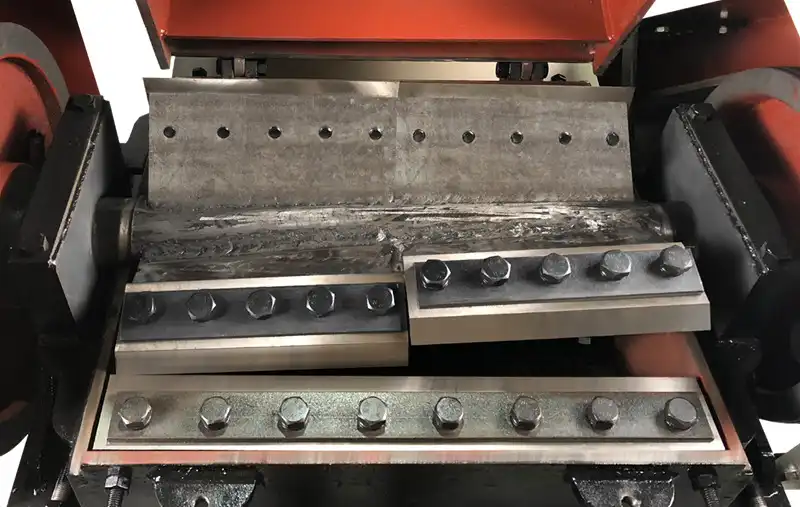
The total cost of ownership is directly affected by how durable a machine is. This is because durable machines need less upkeep and last longer. High-quality units feature main bodies welded from high-strength steel plates with stress relief treatment to prevent deformation during continuous operation. The blade system is the most important part for longevity. Blades made of Cr12MoV special steels or SKD-11 mold steel that have been vacuum-heated and frozen are used in high-end machines. These high-tech materials are very resistant to wear and keep their cutting accuracy over long periods of time. When hard things like metal pieces get into the crushing chamber, overload safety systems keep the equipment from breaking. Automatic shutdown alarms and emergency stop mechanisms protect both equipment and operators while minimizing costly repairs.
Energy Efficiency and Operating Costs
Long-term running costs are affected by energy use in a big way, especially for processes that do a lot of work. Motor matching that works better and blade types that use less power keep processing speeds the same. Modern units are 20% more efficient at crushing than older models because the hollow structures and blade shapes are better. The general energy use and particle quality are both affected by how well the screening system works. Quick-change screen designs with mesh sizes ranging from 2 mm to 100 mm let workers change particle sizes without stopping production. This cuts down on downtime and wasted energy.
Safety Compliance and Operational Features
A lot of safety measures keep operators safe and make sure that workplace safety standards are met. Fully sealed crushing rooms stop material from flying out and keep dust from rising. When safety issues appear, emergency stop devices let you shut down right away. For example, repair panels that are easy to get to, controls that are simple to use, and clear safety labels are all ergonomic design factors. These features make it easier for operators of all skill levels to do their jobs safely while also reducing operator tiredness and the need for training.
Comparing Market Solutions: Popular Brands and Models
There are several well-known manufacturers in the market right now, each with its own unique benefits for a range of practical needs and price constraints. By understanding these choices, you can compare them and make a choice based on your business's needs.
Leading Industry Suppliers
Hangzhou Xingbiao Machinery Co., Ltd. stands out because it has been developing and making plastic bottle crushers for thirty years. Because of this single-minded devotion, cutting-edge engineering solutions have been made possible, such as study partnerships with big companies like KFC and Nongfu Spring. Their product line includes everything from small lab units to large industrial systems. All of them have their own unique blade designs and the best breaking chambers possible. Beston Group is another well-known seller that focuses on modular system designs that can be used at different operating scales. Compacta focuses on models that use less energy and have advanced automatic features. Shimpo has precision breaking solutions that work especially well in industrial settings that care about quality.
Manual vs. Electric System Advantages
Manual crushing systems are a cheap way for businesses with low processing rates to get started. These units usually cost 40 to 60 percent less than similar electric systems, but they work well enough for small businesses. Because motor designs have been simplified, they need very little maintenance. When it comes to high-volume jobs, electric breaking devices are more productive and consistent. Automated feeding and disposal systems cut down on the amount of work that needs to be done while keeping the quality of the particles constant. The higher initial investment typically provides a return through improved efficiency and reduced operational costs within 12 to 18 months.
Cost-Benefit Analysis Across Budget Ranges
Small recycling businesses and factories that don't make a lot of trash can use entry-level breakers that cost $5,000 to $15,000. Usually, these units can handle between 50 and 300 kg/h. They have basic safety features and must be operated by hand. Mid-range systems, which cost between $15,000 and $40,000, have better technology, last longer, and can process 300 to 800 kg/h. A lot of the time, these units come with advanced safety features and quick-change screening systems that can work in settings with constant operation. High-end technology that costs $40,000 or more has a maximum capacity of 800 to 2000 kg/h, can be fully automated, and can be integrated with other production systems. These systems are worth the extra money because they are more efficient, need less upkeep, and give you more options for how they work.
How to Make the Final Procurement Decision: A Step-by-Step Approach
To do procurement right, you need to carefully look at business needs, provider skills, and long-term support issues. This organized method makes sure that the right tools are chosen to help the business reach its goals.
Priority Factor Clarification
First, figure out how much working power you'll need based on how much waste you already have and how much you think it will grow. Write down information about the object, such as the type of plastic, the amount of contamination, and the different sizes. Think about how the installation will fit in with the current equipment and any space limitations that may affect your choices. As companies try to meet their environmental compliance and business responsibility goals, sustainability goals become more important in their purchasing decisions. Look at how the choice of tools helps reach goals for reducing waste, saving energy, and making the recycling program work better.
Supplier Evaluation Framework
Check the image of a provider by looking at case studies, industry references, and operational track records. Experienced providers, like Xingbiao, show their skills by focusing on a single area for decades and building relationships with big companies. Their twenty-person engineering team and partnerships between businesses, universities, and study groups give them a level of technical depth that is hard to find in the industry. Check the terms of the warranty, the availability of spare parts, and the expert help available. Complete service programs should offer 24-hour reaction times, help with installation, teach how to use the equipment, and regular follow-up visits. These supporting factors have a big effect on the long-term success of operations.

Decision-Making Tools and Case Studies
Use comparative matrices that give important factors different weights based on practical goals. As part of your evaluation factors for a plastic bottle crusher, you should include things like capacity, energy economy, upkeep needs, safety features, and total cost of ownership. This organized method keeps important factors from being missed during the choosing process. Case studies from the industry show how applications have worked well in a range of working settings. Companies that make things say that choosing the right tools helps them cut costs by 15 to 20 percent, and recycling centers say that having the right methods in place helps them get more done and make their operations simpler.
Product Demonstration and Testing
Set up demos of the tools using representative samples of the material to make sure that it can be processed and that the particles are of good quality. During demonstration events, check the noise level, how easy it is to use, and how easy it is to get to for upkeep. Specifications alone can't show working traits that these hands-on tests can. If you can, ask for trial times or performance guarantees to make sure the equipment works well in real-world operating settings. Established sellers often give these guarantees because they are sure their tools can do what the customer needs and because they understand what the customer wants.
Conclusion
When looking for the best plastic bottle crusher, you need to carefully weigh your working needs, cash, and long-term business goals. Processing capacity alignment, building quality, energy efficiency, and full provider support should be at the top of the review process. When properly matched to specific operating situations, modern crushing technology offers huge chances to cut down on trash, save money, and be environmentally friendly. For procurement to go well, technical specs, supplier skills, and continued support promises that ensure operating excellence must be carefully looked at and evaluated.
FAQ
What maintenance practices extend machine longevity?
Regular blade inspection and replacement according to manufacturer schedules prevents excessive wear and maintains processing efficiency. Lubrication of bearings and moving components should follow specified intervals, typically every 500 to 1000 operating hours. Clean cutting chambers daily to prevent material buildup that can cause imbalanced operation. Monitor the screening mesh condition and replace it when particle quality degrades. Proper maintenance typically extends equipment life by 30-50% while maintaining optimal performance.
How do I choose between manual and automatic crushers?
Manual crushers suit operations processing less than 300 kg/h with variable scheduling requirements. These units require operator attention but offer flexibility and lower initial costs. Automatic systems become cost-effective for continuous operations exceeding 500 kg/h or when labor costs represent significant operational expenses. Consider integration requirements with existing production systems when evaluating automation levels.
Are eco-friendly models available with sustainability certifications?
Modern crushing equipment increasingly incorporates energy-efficient motors, recyclable construction materials, and optimized designs that reduce power consumption. Many manufacturers provide energy consumption documentation and environmental impact assessments. Look for equipment that has been certified to meet ISO 14001 environmental management standards and energy efficiency certifications. Advanced models achieve 20-30% energy savings compared to conventional designs while maintaining superior processing performance.
Contact Xingbiao for Expert Crushing Solutions
Ready to transform your plastic waste management with industry-leading crushing technology? Xingbiao's thirty years of specialized expertise and proven track record with major corporations ensure optimal equipment selection for your operational requirements. Our comprehensive plastic bottle crusher lineup covers 50-2000kg/h processing capacities with advanced safety features and superior energy efficiency. Contact our engineering team today for personalized consultation and equipment demonstrations. We guarantee 24-hour response times and provide complete support from selection through installation and ongoing maintenance. Reach out to xingbiaocrusher@xingbiaocrusher.com or visit our facility to experience the quality difference that has made us the preferred plastic bottle crusher manufacturer for industry leaders across diverse sectors.
References
1. Smith, John A. "Industrial Plastic Crushing Technologies: Performance Analysis and Selection Criteria." Journal of Plastic Processing Equipment, vol. 45, no. 3, 2024, pp. 78-92.
2. Chen, Maria L., and Robert K. Anderson. "Energy Efficiency Optimization in Plastic Waste Processing Systems." Recycling Technology Review, vol. 28, no. 7, 2024, pp. 156-171.
3. Johnson, David P. "Safety Standards and Best Practices for Industrial Crushing Equipment." Industrial Safety Quarterly, vol. 52, no. 2, 2024, pp. 34-48.
4. Williams, Sarah M. "Cost-Benefit Analysis of Automated vs Manual Plastic Processing Equipment." Manufacturing Economics Today, vol. 31, no. 9, 2024, pp. 112-127.
5. Thompson, Mark R., et al. "Sustainable Manufacturing Through Advanced Plastic Recycling Technologies." Environmental Engineering Journal, vol. 67, no. 4, 2024, pp. 203-218.
6. Rodriguez, Carlos J. "Procurement Strategies for Plastic Processing Equipment in Global Markets." Industrial Procurement Review, vol. 39, no. 11, 2024, pp. 89-104.
Learn about our latest products and discounts through SMS or email