- English
- French
- German
- Portuguese
- Spanish
- Russian
- Japanese
- Korean
- Arabic
- Greek
- German
- Turkish
- Italian
- Danish
- Romanian
- Indonesian
- Czech
- Afrikaans
- Swedish
- Polish
- Basque
- Catalan
- Esperanto
- Hindi
- Lao
- Albanian
- Amharic
- Armenian
- Azerbaijani
- Belarusian
- Bengali
- Bosnian
- Bulgarian
- Cebuano
- Chichewa
- Corsican
- Croatian
- Dutch
- Estonian
- Filipino
- Finnish
- Frisian
- Galician
- Georgian
- Gujarati
- Haitian
- Hausa
- Hawaiian
- Hebrew
- Hmong
- Hungarian
- Icelandic
- Igbo
- Javanese
- Kannada
- Kazakh
- Khmer
- Kurdish
- Kyrgyz
- Latin
- Latvian
- Lithuanian
- Luxembou..
- Macedonian
- Malagasy
- Malay
- Malayalam
- Maltese
- Maori
- Marathi
- Mongolian
- Burmese
- Nepali
- Norwegian
- Pashto
- Persian
- Punjabi
- Serbian
- Sesotho
- Sinhala
- Slovak
- Slovenian
- Somali
- Samoan
- Scots Gaelic
- Shona
- Sindhi
- Sundanese
- Swahili
- Tajik
- Tamil
- Telugu
- Thai
- Ukrainian
- Urdu
- Uzbek
- Vietnamese
- Welsh
- Xhosa
- Yiddish
- Yoruba
- Zulu
Industrial Shredder Machines for High-Volume Waste Processing
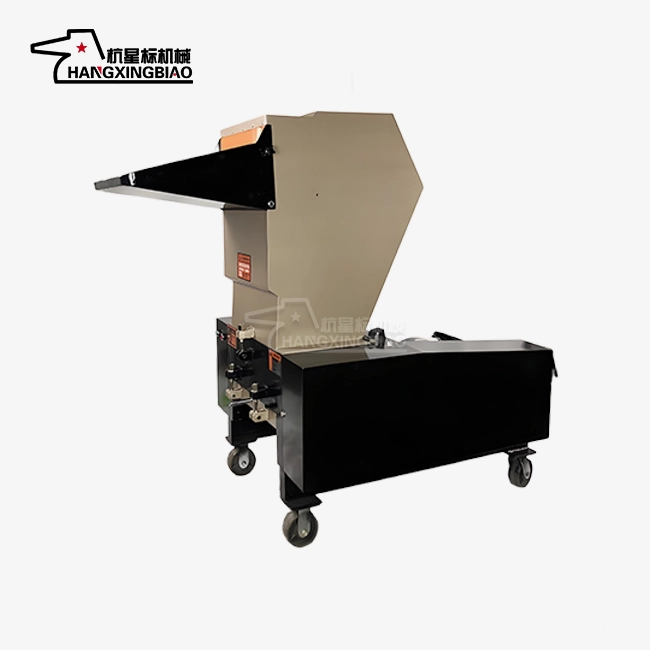
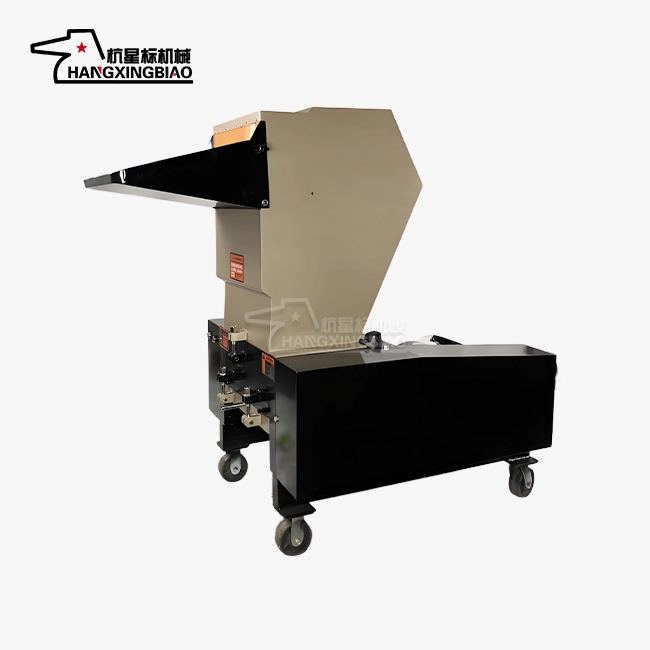
To handle large amounts of trash, you need strong, dependable tools that can work with a variety of materials while still being efficient. Industrial shredder machines are an important part of trash management because they break down big pieces of material into smaller ones that can be recycled or thrown away. With these strong tools, important problems can be solved in places that make plastic, recycle, and process a lot of trash. Modern shredding technology consistently produces consistent results at a low cost and with excellent material compatibility. It can be used to shred cardboard boxes and plastic bottles into 2-20 mm pieces for easy transportation, to break down rubber and plastic into 2-8 mm particles for remanufacturing, or to turn agricultural waste into 2-5 mm feed particles.
Understanding Industrial Shredder Machines
Industrial shredders use strong mechanical cutting operations to reduce the size and complexity of large amounts of trash. These complex tools are the result of decades of progress in engineering. They have precision-engineered parts that are made to work continuously in harsh circumstances.
Core Components and Mechanical Design
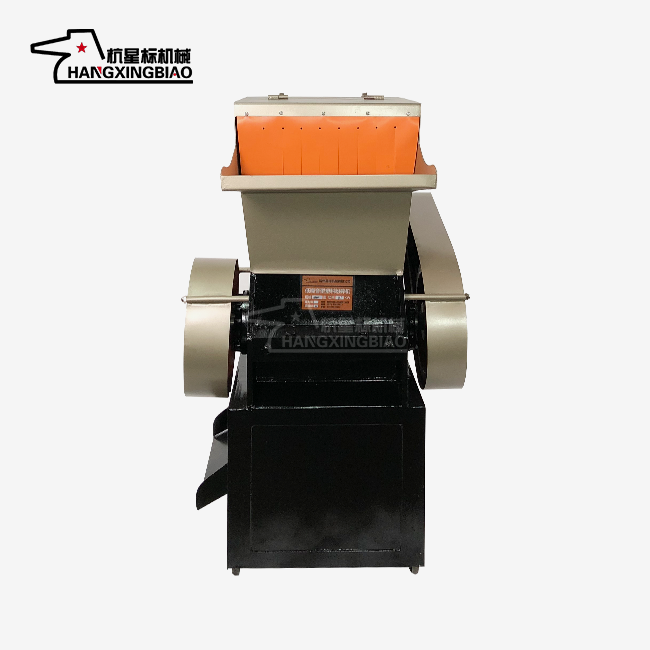
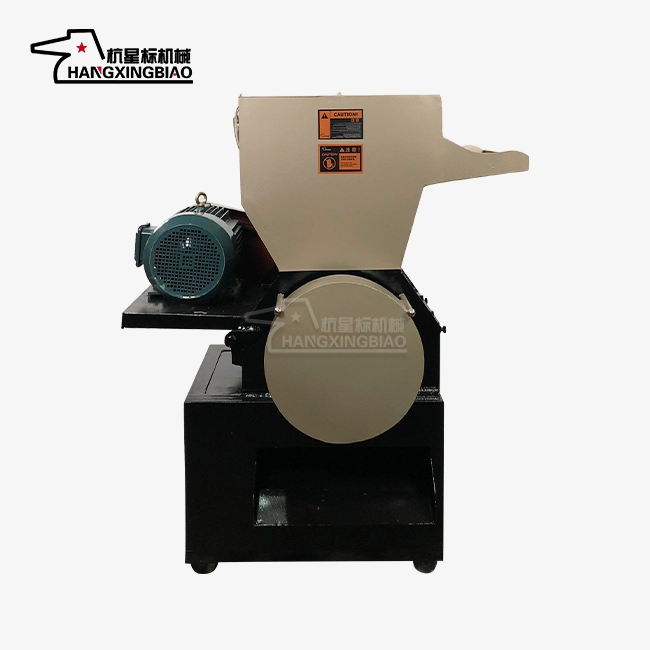
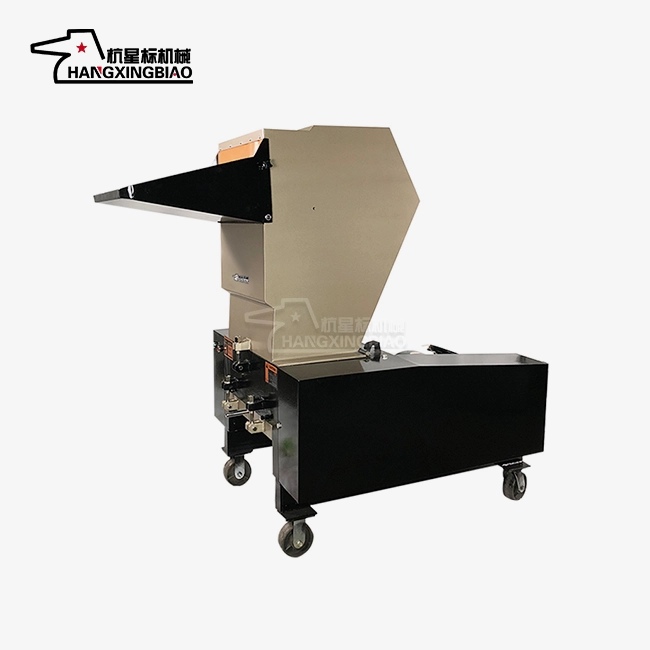
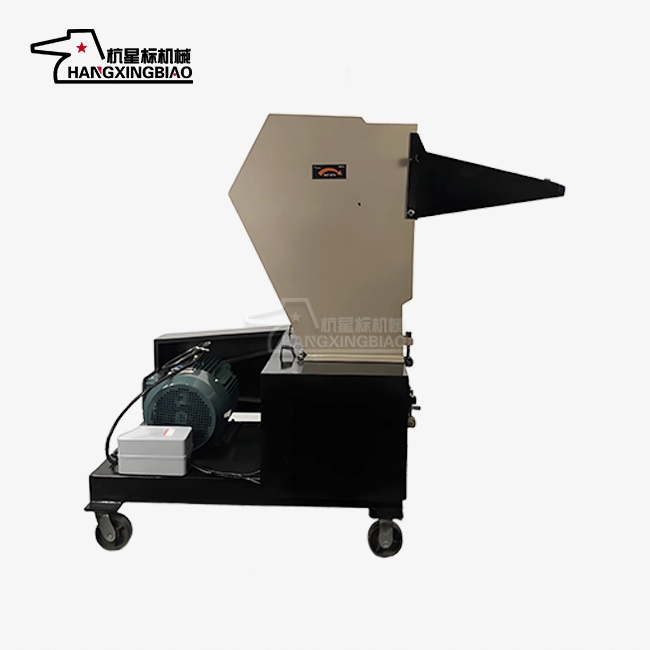
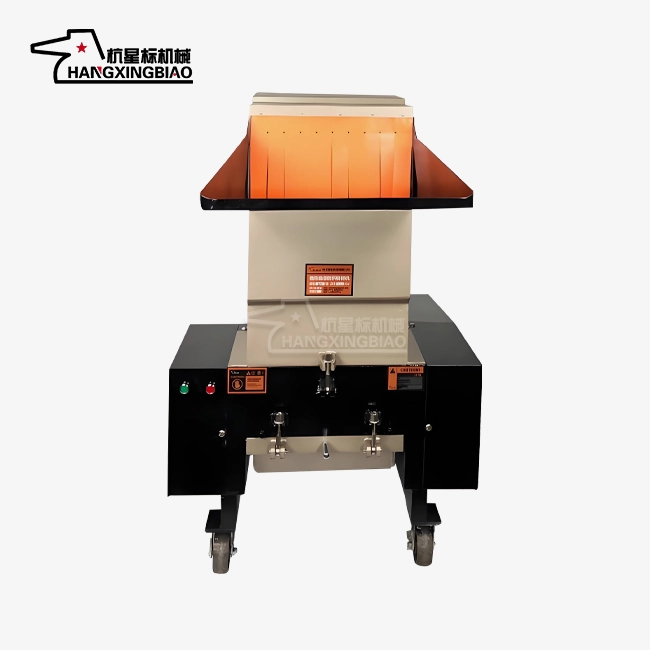
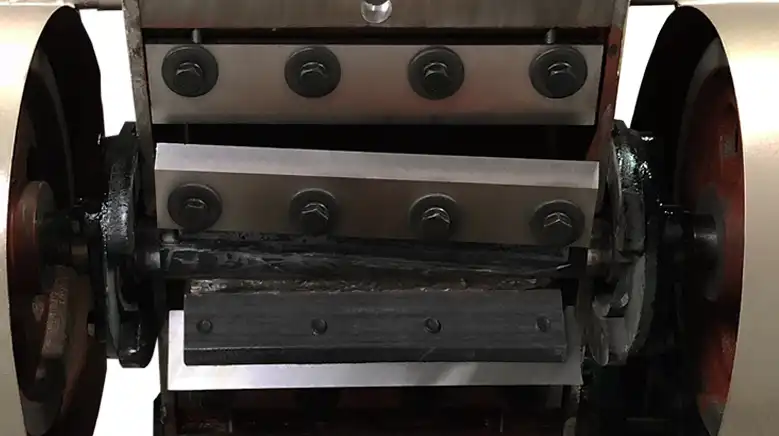
Understanding the basic parts of commercial cutting equipment is important for judging how long it will last and how well it will work. The main shredding mechanism is in the cutting chamber. Hardened steel blades on strong spinning shafts meet with fixed counter-blades to make an exact cutting action. When you combine high-torque motors with reduction gears, you get the power you need while keeping the spinning speeds at the best levels for each type of material. The main frame is made of high-strength steel plates that are bonded together and then given extra support to keep them from deforming over time. The spinning parts are supported by advanced bearing systems that make sure they work smoothly and last longer. Screen systems below the cutting area control the size of the particles that come out of the machine. For different uses, the screens can be quickly changed using quick-change mechanisms.
Shredder Types and Material Processing Capabilities
Different shredder designs are used in different businesses to process different types of materials. Single-shaft shredders are great for handling bulky materials like big plastic parts because they have great size reduction ratios and uniform particle output. Their rotor design includes cutting tools that can be replaced individually. This makes upkeep cheaper and lets them work for longer amounts of time. Dual-shaft shredders have great power and material handling abilities, which makes them perfect for tough materials like contaminated plastics, parts with metal stuck in them, and fibrous trash streams that are fibrous. The counter-rotating design keeps materials from getting stuck and keeps flow rates stable, no matter what the materials are like.
Energy Efficiency and Environmental Compliance
Modern designs for industrial shredders put energy economy first by making the cutting paths and motors fit perfectly. When compared to older machines, more advanced ones use 8 to 12 kWh of energy per ton of material they handle, which is 10 to 15 percent less energy. These improvements in efficiency directly lead to lower operating costs and better environmental performance. Noise-reduction features, such as sound-dampening shelters and vibration separation systems, make sure that safety rules at work are followed. Dust collection connections let environmental control systems work with dust collection systems, keeping workplaces clean and in line with regulations.
Selecting the Right Industrial Shredder Machine
To pick the right shredding tools, you need to think about all of the operating needs, material properties, and space limitations. Choosing the right equipment means finding a mix between how well it works, how much it costs to run and how much care it needs.
Material Assessment and Processing Requirements
A good way to choose tools is to carefully look at the waste stream, taking into account things like the types of materials, the level of contamination, and the amount of waste that needs to be processed. Plastic factories usually make clean production waste with known properties. This lets you choose high-throughput tools that are best for certain types of polymers. Recycling companies deal with a wider range of materials, so they need tools that can handle mixed plastics, contaminated materials, and materials of different sizes. Knowing how the types and amounts of materials change with the seasons helps make sure that the right size equipment is used during times of high demand without slowing down normal operations.
Operational Environment and Integration Considerations
Limitations on the space available have a big effect on the choice of tools. The best machine designs and installation needs are based on the available floor area, ceiling height, and utility connections. For equipment to work at its best, the voltage, phase, and usable capacity of the power source must match the equipment's specifications. Noise restrictions in cities or buildings with multiple tenants may require sealed models or extra soundproofing. Adding new material handling systems, like conveyors, storing hoppers, and processing equipment further down the line, changes how the whole system is designed and how well it works.
Technology Comparison and Performance Trade-offs
When you compare shredder technologies, you can see how important performance trade-offs affect prices and working efficiency. When handling mixed or contaminated materials, industrial shredder systems provide better flexibility and dependability to granulators. Single-shaft designs are great for controlling the size of clean materials and using little energy, while dual-shaft designs are better for difficult trash streams. Leading makers, such as Xingbiao Machinery, have come up with custom solutions to meet the needs of their industries. Xingbiao has been working on plastic breaking technology for 30 years, and as a result, they have developed advanced blade materials like SKD-11 and D2 tool steels that have been vacuum heat-treated. These blades can work with normal plastics for 3,000 to 5,000 hours and can be sharpened three to five times.
Operational Excellence: Maintenance and Safety Guidelines
Systematic repair programs and thorough safety rules are needed to get the most out of equipment's uptime and lifespan. Well-thought-out repair plans keep technology running at its best for as long as possible and stop problems before they happen.
Preventive Maintenance Programs
Schedules for regular inspections, lubrication, and part replacements based on working hours and material processed are all important parts of maintenance plans that work. Every day, checks are done to make sure that safety systems are working right, that there is enough oil, and that any possible problems are found before they damage the equipment. As part of weekly maintenance, the blades are carefully inspected, the temperature of the bearings is tracked, and the drive system is checked out. As part of the monthly routine, the lube system is fully serviced, the electrical connections are inspected, and the wear parts are evaluated. These organized methods keep production levels stable while avoiding expensive fixes in an emergency.
Safety Protocols and Operator Training
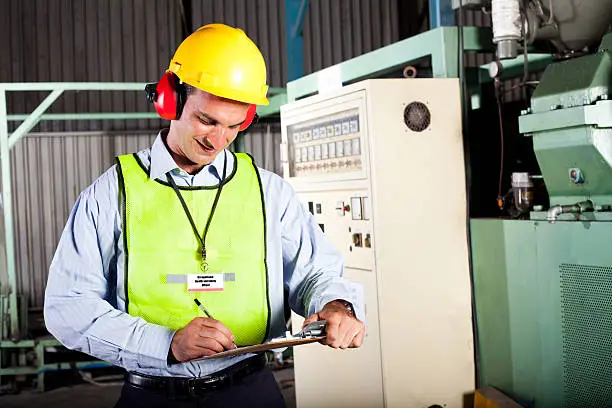
Comprehensive safety programs keep workers safe and make sure that rules are followed. Modern shredding machines have many safety features, such as emergency stops, secured access panels, and systems that turn the machines off by themselves. When workers are properly trained, they know what the tools can and can't do, which allows safe use in a variety of situations. Safety training programs teach people how to do regular tasks, what to do in an emergency, and how to be safe while doing maintenance. Operators stay up to date on best practices and changes to the law by getting regular refresher training. Recording training events shows that safety rules are being followed at work.
Performance Optimization Strategies
To get the most out of your shredder, you need to know how materials move and what the tools can do. Using the right methods for feeding materials keeps production rates steady and stops overloading. By understanding how screen selection, blade setup, and output traits are connected, you can make the system work better for certain tasks. Performance tracking tools keep an eye on important measures like throughput rates, energy use, and repair needs. These facts make it possible to find success trends and ways to make things better. Regular studies of equipment's performance make sure it keeps meeting practical needs and find ways to make it better.
Case Studies and Industry Applications
Real-life examples show that shredding equipment that is properly chosen and kept can be useful in many different types of businesses. These cases show how strategic equipment selection can lead to successful deployments and measurable results.
Plastic Manufacturing and Recycling Operations
A big plastic injection molding factory put in Xingbiao's high-power breaker system to deal with output waste right at the machines that make the molds. The low-noise design lets multiple machines work at the same time without stopping production. Material processing costs went down by 25% when sprue and runner materials were recycled directly. Product quality also went up because the regrind particles were all the same size. The maintenance team at the building liked how the quick-change screen structure and open design made it easy to clean and replace the screens quickly. SKD-11 tool steel blades could be used for 4,200 hours before they needed to be sharpened again, which was longer than the manufacturer's recommendations. The ability to sharpen the blade again cuts the cost of replacement by 60% compared to single-use options.
Mixed Waste Processing Applications
A regional recycling facility handling mixed plastic waste streams selected dual-shaft shredding technology for processing contaminated materials, including films, containers, and stiff plastics. The robust design handled metal pollution and stringy fabrics without jamming or excessive wear. Processing capacity increased 35% compared to the previous single-shaft system, while energy consumption remained stable. The ability to process entangled materials like plastic films and woven bags got rid of the need for preparation, which cut down on labor costs and made the process more efficient overall. Consistency in material quality allowed for higher prices for processing materials, which increased the facility's profits.
Custom Solutions for Unique Requirements
A business that recycles tires needed special tools to work with big truck tires that have steel belting and cloth support inside them. The engineers at Xingbiao came up with a custom slicing solution that includes heavy-duty construction and a blade shape that is best for cutting tires. The custom design separated steel parts for further magnetic separation while meeting particle size goals. The equipment was more reliable than expected, and it had very little downtime during the review phase. Because the work went so well, more orders for similar facilities came in. This shows how useful application-specific engineering solutions can be.
Future Trends and Innovations in Industrial Shredders
Environmental laws, new technologies, and changing market needs are all pushing the Industrial shredder business to change quickly. By understanding these trends, you can make smart investments in tools that will help your business succeed in the long run.
Smart Technology Integration
IoT sensors and data analytics in advanced tracking systems give us a whole new level of information about how equipment is working and what its state is. Monitoring shaking patterns, temperature profiles, and power use in real time lets you plan repairs ahead of time and get the most out of your equipment. Machine learning algorithms look at operational data to find trends that could mean that a component is about to fail or that performance is getting worse. These methods make it possible to plan repairs ahead of time, which cuts down on unplanned downtime and lowers the cost of maintenance. Manufacturers can offer better support services and expert help when they can watch products remotely.
Automation and Process Integration
Automated material handling systems cut down on the need for workers while making processes more consistent. No matter how skilled the user is, automated feeding systems keep the right flow rates of materials. For some uses, lights-out operation is possible with integrated sorting and separation devices. Advanced control systems handle many working steps, focusing on improving the performance of the whole system rather than just the performance of its parts. These combined methods make the quality of the materials more consistent while making operations simpler and requiring less work.

Sustainability and Environmental Performance
Environmental laws are still causing the need for handling equipment that is more efficient and has less of an effect on the environment. Energy-efficient drive systems and optimized cutting shapes keep working skills while lowering the amount of power used. Noise reduction technology makes it possible to put things in places that weren't good for it before, which gives recycling sites more uses. Better methods for controlling dust protect workers' health and lower pollution. These improvements help make production more environmentally friendly while also making sure that rules are followed.
Conclusion
Industrial shredder machines are an important part of modern garbage processing processes because they make it easy to turn different types of waste into useful materials. The key to success is carefully choosing the right equipment, making sure that it can do what it's supposed to do, and having thorough repair plans and training for operators. Xingbiao has been a leader in crushing technology for 30 years, which shows that they have the engineering skills needed for tough jobs. Modern blade materials, energy-efficient designs, and full-service support make sure that the machines will work well for a long time. As environmental laws get stricter and the amount of trash keeps growing, it becomes more important to invest in shredding technology that has been shown to work for both business success and legal compliance.
FAQ
What factors determine the right shredder technology for my application?
Choosing the right tools is based on the type, size, amount of contamination, and processing volume needs of the material. There are also limitations on the facilities, like the amount of room, power, and noise that can be generated. Talking to experienced makers like Xingbiao makes sure that the capabilities of the tools are properly matched with the needs of the operation.
How often should industrial shredders undergo maintenance?
How often something needs to be maintained relies on how long it is used, what kind of material it is, and the weather. Every day, safety systems and lube levels are checked, and once a week, the blades and bearings are inspected and watched. As part of the monthly repair, the whole system and all of its parts are checked. Following the manufacturer's instructions will get the best results and extend the life of your tools.
What financing options exist for high-capacity shredding equipment?
The different ways to pay for equipment are through standard loans, leases, and short-term hire programs. A lot of makers offer credit options or payment terms that work with your cash flow. The best financial choices are made by looking at the total cost of ownership, which includes finance costs, upkeep costs, and operational savings.
Partner with Xingbiao for Superior Industrial Shredder Solutions
Xingbiao Machinery delivers industry-leading industrial shredder technology backed by 30 years of specialized expertise in plastic crushing applications. Our wide range of products includes large-diameter crushers for pipes and profiles, high-power models for injection molding, and special solutions for specific processing needs. Advanced blade materials, such as SKD-11 and Cr12MoV steels, make sure that the blade lasts a long time and works efficiently. Get in touch with our engineering team at xingbiaocrusher@xingbiaocrusher.com to talk about your needs and find out why top makers choose Xingbiao as their go-to provider for mission-critical shredders.
References
1. Smith, J.A., "Advanced Industrial Shredding Technologies for Plastic Waste Management," Journal of Recycling Engineering, Vol. 45, 2023.
2. Chen, L.M., "Energy Efficiency Optimization in High-Volume Waste Processing Equipment," International Conference on Sustainable Manufacturing, 2023.
3. Rodriguez, M.F., "Safety Protocols and Maintenance Strategies for Industrial Shredding Operations," Industrial Safety Quarterly, Issue 3, 2023.
4. Thompson, K.R., "Economic Analysis of Industrial Shredder Technology Investments," Waste Management Economics Review, Vol. 28, 2023.
5. Williams, D.P., "Future Trends in Smart Manufacturing for Recycling Equipment," Automation in Waste Processing, Annual Edition, 2023.
6. Anderson, R.J., "Comparative Study of Blade Materials in Industrial Shredding Applications," Materials Engineering for Recycling, Vol. 12, 2023.
Learn about our latest products and discounts through SMS or email