- English
- French
- German
- Portuguese
- Spanish
- Russian
- Japanese
- Korean
- Arabic
- Greek
- German
- Turkish
- Italian
- Danish
- Romanian
- Indonesian
- Czech
- Afrikaans
- Swedish
- Polish
- Basque
- Catalan
- Esperanto
- Hindi
- Lao
- Albanian
- Amharic
- Armenian
- Azerbaijani
- Belarusian
- Bengali
- Bosnian
- Bulgarian
- Cebuano
- Chichewa
- Corsican
- Croatian
- Dutch
- Estonian
- Filipino
- Finnish
- Frisian
- Galician
- Georgian
- Gujarati
- Haitian
- Hausa
- Hawaiian
- Hebrew
- Hmong
- Hungarian
- Icelandic
- Igbo
- Javanese
- Kannada
- Kazakh
- Khmer
- Kurdish
- Kyrgyz
- Latin
- Latvian
- Lithuanian
- Luxembou..
- Macedonian
- Malagasy
- Malay
- Malayalam
- Maltese
- Maori
- Marathi
- Mongolian
- Burmese
- Nepali
- Norwegian
- Pashto
- Persian
- Punjabi
- Serbian
- Sesotho
- Sinhala
- Slovak
- Slovenian
- Somali
- Samoan
- Scots Gaelic
- Shona
- Sindhi
- Sundanese
- Swahili
- Tajik
- Tamil
- Telugu
- Thai
- Ukrainian
- Urdu
- Uzbek
- Vietnamese
- Welsh
- Xhosa
- Yiddish
- Yoruba
- Zulu
Powerful Crusher Machine for Recycling Efficiency
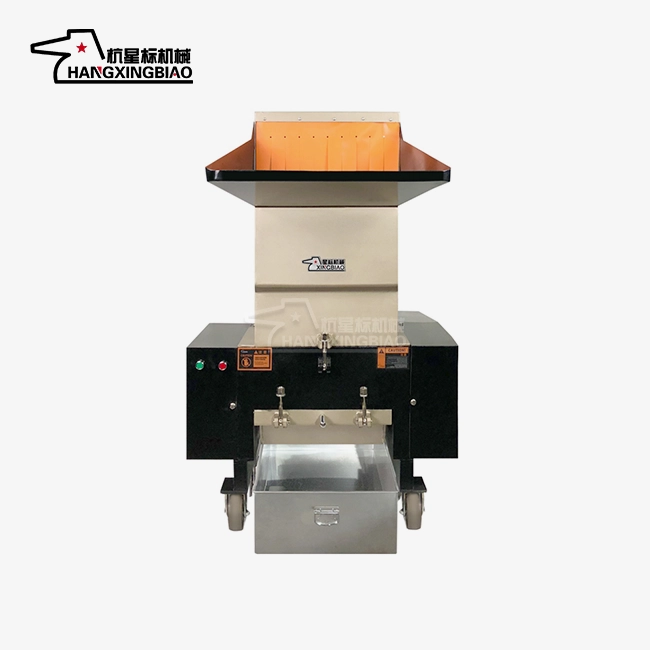
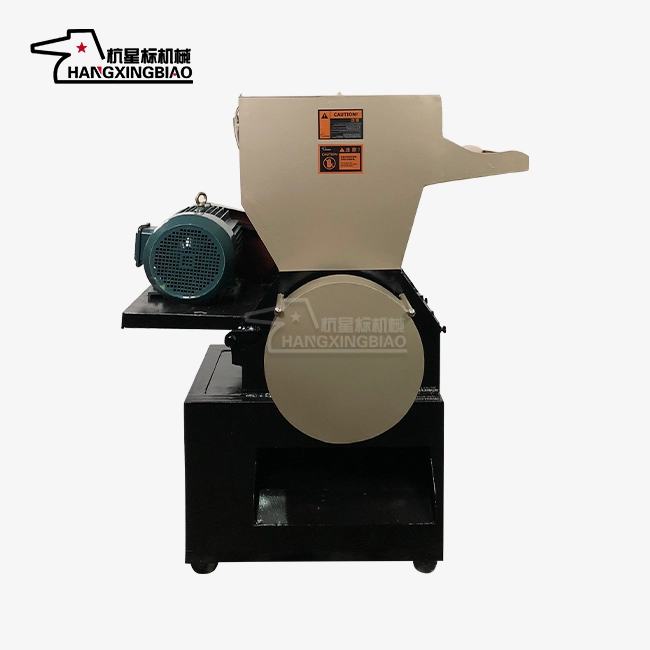
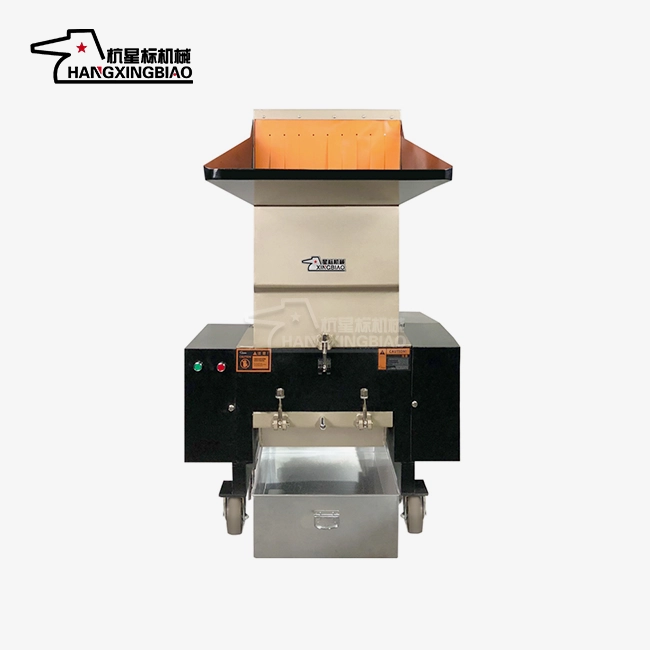
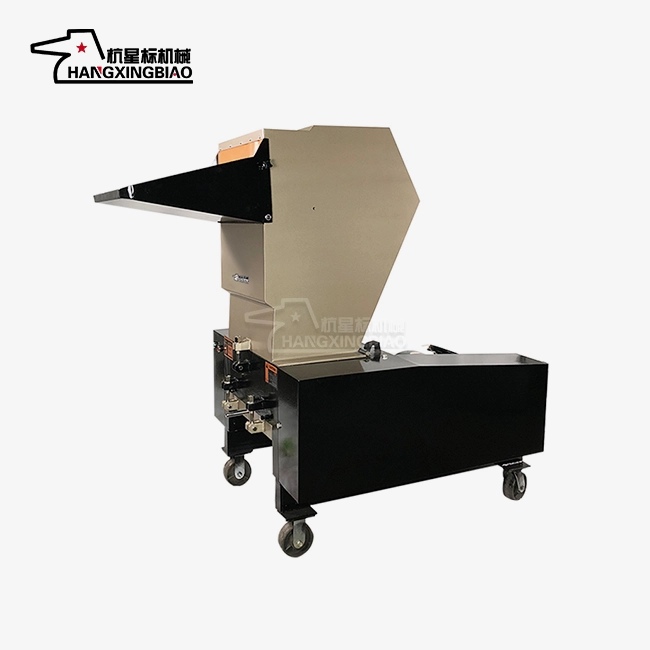
Powerful Crusher Machine technology changes the way garbage is managed in all fields and gives companies that want to recycle in a way that doesn't harm the environment great performance. Modern equipment for breaking turns trash into useful resources. It can handle processing rates ranging from 50 kg/h to 2000 kg/h and can run continuously 24 hours a day. Advanced safety features, like automatic stop and overload protection, keep both the equipment and the people who use it safe while keeping production at its highest level. These tools are great at processing a wide range of materials, from plastic scraps to wood trash. Because of this, recycling centers, factories, and waste management companies all over the world can't work without them.
Understanding Powerful Crusher Machines and Their Role in Recycling Efficiency
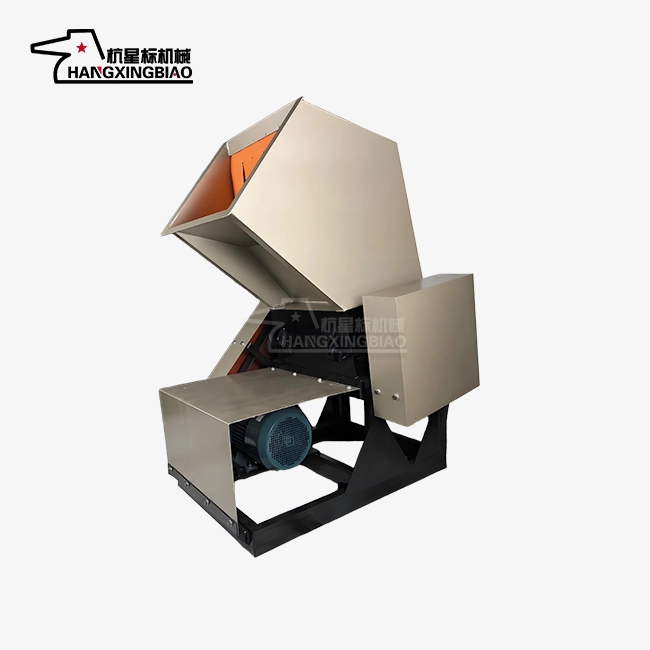
Modern recycling operations depend heavily on sophisticated crushing technology to transform waste materials into reusable resources efficiently. Crusher machines utilize mechanical force through rotating hammers, blades, or impact systems to break down materials into smaller pieces that can be handled and used again or processed further.
Core Working Principles of Industrial Crushers
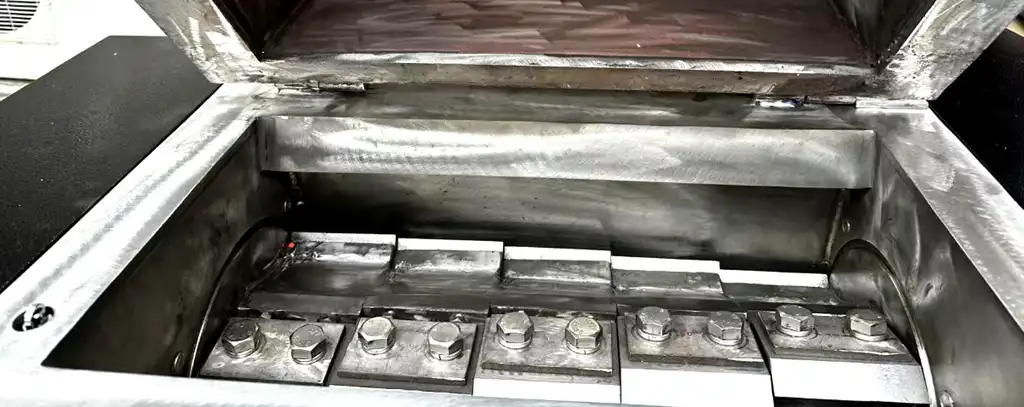
Industrial crushing equipment works by following basic engineering rules that make it as efficient as possible at breaking down materials. The main device is made up of parts that spin quickly and hit materials with controlled force, making particles of the same size. Hammer mills have many hammers that spin very fast, over 3000 RPM, while impact crushers use centrifugal force to push materials against grinding plates. No matter how different the input materials are, this mechanical action makes sure that the product quality stays the same. Modern crusher designs have advanced filling systems that control the flow of materials so that the crusher doesn't get too full and working rates stay steady. The shape of the crushing chamber is very important for deciding the end particle size and how much energy is used. Manufacturers work to get the best results for each application by tweaking these factors.
Types of Crusher Machines for Recycling Applications
Different types of crushers are used for different types of processing tasks in different fields. Jaw crushers are great for initial crushing tasks because they can handle hard materials and big bits of building debris. Their strong design means they can handle heavy-duty tasks and keep working well for a long time. Impact crushers are great for secondary breaking, and they work especially well with hard materials like asphalt and concrete. Their impact plates can be adjusted, which lets workers exactly control the end product size. This makes them useful for making certain grades of aggregate. Hammer mills are the most common way to recycle plastic because they are good at breaking down films, bottles, and stiff plastic parts. Their flexible design lets them work with different kinds of materials while keeping the quality of the result constant. The hammer system can be replaced, so it will work reliably for a long time with little upkeep.
Technological Advancements in Crushing Equipment
New technologies have greatly improved the performance and efficiency of crushers. Smart tracking systems now give workers real-time feedback on how the machines are doing, so they can set them up to get the most work done. Automated lube systems cut down on the need for upkeep and make parts last longer. Compared to standard methods, energy-efficient motor designs use 15-20% less power, which greatly lowers the costs of running the business. Variable frequency drives let you precisely control the speed, which makes breaking different materials more efficient. These changes in technology show that the industry is committed to running in a way that is good for the environment and still meets efficiency standards.
Choosing the Right Powerful Crusher Machine for Your Recycling Needs
To choose the right crushing tools, you need to carefully think about your working needs, the properties of the material, and your output goals. The choice will have an effect on how well recycling processes work in the long term, how much they cost to maintain, and how profitable they are altogether.
Capacity Requirements and Scale Considerations
The most important thing to consider when choosing a crusher is its processing ability, which has a direct effect on output throughput and operational efficiency. Small recycling centers usually need Powerful Crusher Machine tools that can handle 50 to 200 kg/h and are good for processing trash locally or for specific tasks. Medium-sized businesses can benefit from 300–800 kg/h units that match output with the cost of buying new equipment. Large industrial recycling sites need crushers that can handle 1000–2000 kg/h or more and are built to work nonstop with little downtime. These units are built to last with high-strength steel parts and modern cooling systems that can handle long-term heavy-duty use.
Material Type Compatibility
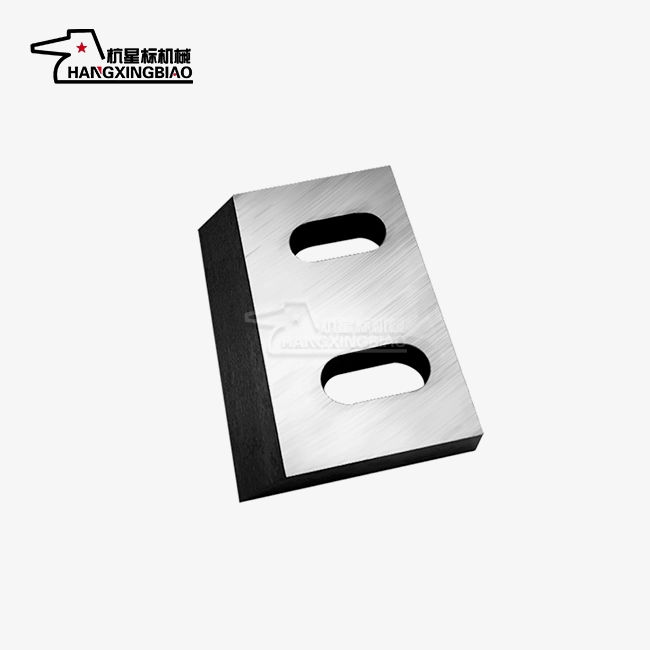
To get the best results, different things need to be crushed in different ways. Specialized blade designs that keep material from wrapping around spinning parts are good for soft plastics like films and bags. When cutting hard metals like bottles and containers, you need to be more bold and use blades made of stronger materials. Mixed trash streams pose special problems that need flexible crusher designs that can handle many different materials at the same time. In order to get the best processing speed and product quality, advanced sorting devices separate the different types of material before they are crushed.
Power Systems and Energy Efficiency
Electric crushers are better at saving energy and cost less to run, so they are perfect for places with a stable electricity infrastructure. When compared to diesel alternatives, these systems offer more exact speed control and require less upkeep. When the price of power stays stable, operating costs stay stable too, which lets you make accurate budget plans. Diesel-powered units give businesses more options when they need to work in remote areas or places that don't have enough electricity. Modern diesel engines use pollution control methods that meet environmental standards while still delivering strong performance. Fuel economy gains have cut costs by a large amount, making diesel systems competitive in some situations.
Maintaining and Operating Powerful Crusher Machines Safely and Efficiently
Good repair plans make sure that the crusher works at its best, extend the life of the equipment, and cut down on unplanned downtime. International safety standards are met by thorough safety measures that protect both workers and equipment.
Routine Maintenance Best Practices
Scheduled repair plans are the key to making sure that the crusher works well. As part of daily inspections, the state of the blades, the amount of noise, and the functionality of the safety systems should all be checked. As part of weekly upkeep, greasing points are serviced, belt tension is adjusted, and wear parts are checked. Critical parts like bearings, motor alignment, and electrical links are checked every month during thorough checks. These thorough reviews find possible problems before they get in the way of operations. Keeping good records of maintenance tasks lets you look for patterns and plan for future maintenance needs. Managing the collection of spare parts makes sure that problems with parts can be fixed quickly. Important parts like blades, bearings, and belts should always have enough in stock based on how often they are used and how long it takes for suppliers to deliver them. Quality substitute parts keep the performance and dependability of tools at a high level.
Safety Protocols and Operator Protection
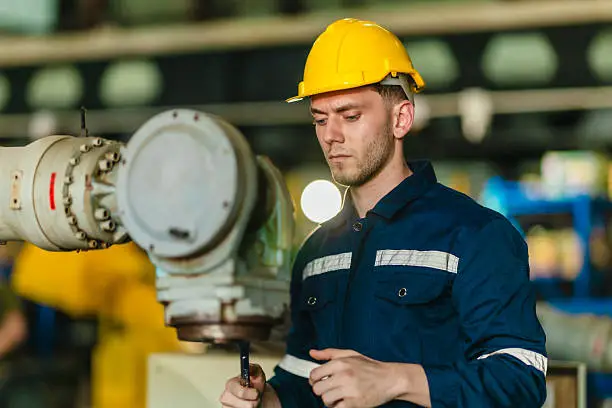
Powerful Crusher Machine operations necessitate a strict attention to safety measures that protect people and equipment. Full training programs for operators teach the right way to start up, shut down in an emergency, and spot potential dangers. All employees are still required to wear safety glasses, hearing protection, and the right clothes during work.Lockout/tagout methods keep maintenance work safe by stopping equipment from starting up by mistake while work is being done. Before people go into dangerous places, they have to check a number of energy separation points. Emergency stop devices let people in different places around the equipment immediately turn it off. Regular safety audits check to see if set procedures are being followed and look for ways to make things better. Metrics for safety success track incident rates and close calls, which lets risk management methods to be more proactive.
Environmental Compliance and Noise Management
Modern crushers use noise-cancelling technologies to keep the noise level below 75dB, which is required by safety rules in the workplace. Closed-off grinding rooms keep noise from spreading and keep dust from escaping. In places where noise is a problem, sound-dampening materials further lessen the damage to the environment. Dust-collecting systems catch the tiny bits that fly through the air when crushing is done. This keeps the workplace clean and safe for workers. High-efficiency filtering gets rid of small particles before the air is released, which is required by strict environmental rules.
Comparing Powerful Crusher Machines: Making an Informed Procurement Decision
Knowing about performance measures, costs, and vendors' abilities helps you make smart buying choices that maximize long-term value and business success.
Performance Metrics and Efficiency Analysis
The main success indicator is throughput capacity, which measures the amount of material processed per hour under normal operating circumstances. The amount of energy used per ton of material handled shows how much the business costs and how it affects the world. Good makers give a lot of information about how their products work, so you can accurately compare models and names. Long-term business costs can be found in reliability measures like the average time between breakdowns and maintenance intervals. The amount of equipment that is available shows how productive the equipment could be under normal working conditions. These measures allow for accurate calculations of the total cost of ownership, which helps people make smart choices about what to buy.
Cost-Benefit Analysis and Return on Investment
The initial cost of the tools is only one part of the total costs of ownership. Long-term profitability is greatly affected by operating costs such as energy use, repair needs, and the supply of spare parts. Energy-efficient designs cut energy use by 10–15 percent, which saves a lot of money over the life of the equipment. Increasing productivity through better working speeds and less downtime has a direct effect on making money. Material return rates affect the cost of raw materials and the cost of getting rid of trash. Powerful Crusher Machine technology usually leads to a 30–50% increase in material usage, which saves a lot of money every year.
Vendor Support and Service Capabilities
Full seller support services make sure that the equipment works at its best for as long as it is in use. Technical help with 24-hour reaction times and the ability to do diagnostics remotely cuts down on downtime during working problems. Installation services and programs that teach operators make sure that equipment is set up and used correctly. Parts availability and shipping times have a direct effect on when repair needs to be done and how operations can continue. Established suppliers keep large stockpiles of parts and can send them quickly. The terms and scope of a warranty add extra worth and safety to purchases of equipment.
Enhancing Your Recycling Business with Powerful Crusher Machine Solutions
Smartly using modern breaking technology can give you a competitive edge by making your business more efficient, cutting costs, and making your products better. In the real world, uses show clear gains in a wide range of recycling processes.
Success Stories and Industry Applications
When a big plastic recycling plant in Texas got new, more modern breaking equipment, it increased its output by 40%. The increased processing capacity made it possible to add new types of materials and cut the cost of processing each ton by 25%. Better product quality created new market possibilities where higher prices could be charged. Manufacturing companies build Powerful Crusher Machine systems right into their production lines, which lets them recycle trash right away. Injection molding plants use runner material and broken parts, combining recycled materials with new ones in the best ways possible. This combination cuts the cost of materials by 30 to 50 percent while keeping the quality of the result high.
Customization Options and Specialized Solutions
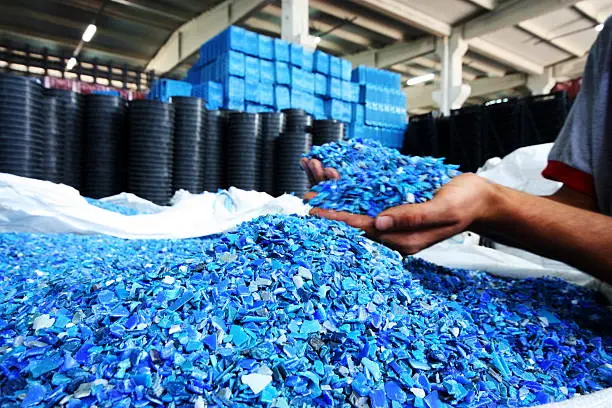
For certain uses, you need specially designed breaking options that take into account the specific properties of the material and your processing needs. Specialized blade designs keep materials from building up on tangled materials like films and weaving bags. Large items, like containers and car parts, need feeding systems that are too big and crushing rooms that are stronger. Custom control systems make it possible to connect automatic material handling systems and production equipment that is already in use. Remote tracking gives you real-time information about how things are working, which helps you improve operations and plan for maintenance.
Future Innovations and Technology Trends
Adding artificial intelligence to a crusher improves its performance through automatic tuning and predictive analytics. Machine learning systems look at practical data to find ways to make things more efficient and to see what repairs need to be done. These technologies allow machines to work on their own with little help from humans. Sustainability programs push the creation of energy-efficient systems and the use of green energy. Solar-powered breaking systems let rural areas keep working without interruption and are better for the environment. The quality of recycled products and the speed of recycling are both improved by new technologies that separate materials.
Conclusion
Powerful Crusher Machine technology changes the way recycling is done by making it more efficient, cutting costs, and making it more environmentally friendly. Modern machinery can work between 50 kg/h and 2000 kg/h, and it has improved safety features and uses little energy. Strategic adoption cuts material costs by 30 to 50 percent while still meeting environmental standards. Full vendor support ensures ideal performance throughout the equipment's lifetime, giving recycling centers around the world the best return on their investment.
FAQ
What maintenance schedule maximizes crusher reliability?
Daily checks of the blades' health and the safety systems keep them from breaking down without warning. Lubrication once a week and full inspections once a month can find problems early. Following the manufacturer's instructions and keeping accurate repair records will help your equipment work well and last as long as possible.
How do I accurately assess crusher capacity for my recycling volume?
Figure out how much work needs to be done every day, taking into account peak demand times and material changes. If you're planning to grow in the future, you should think about how many tools you will need. Talk to suppliers with a lot of experience. They will be able to suggest the right capacity amounts based on your unique operating needs and the properties of the material.
What safety certifications ensure international compliance standards?
Check for CE marks, ISO safety standards, and certificates that show the product meets local rules. The safety features and emergency shutdown systems on the equipment should meet OSHA standards. Full safety paperwork and tools for teaching operators show that the manufacturer is committed to meeting safety standards at work.
Contact Xingbiao for Premium Powerful Crusher Machine Solutions
Revolutionize your recycling operations with Xingbiao's industry-leading crushing technology, delivering unmatched performance and reliability for over 30 years. Our specialized engineering team designs customized solutions meeting diverse processing requirements from 50kg/h to 2000kg/h capacity ranges. Advanced safety features, energy-efficient operation, and comprehensive support services ensure optimal return on investment. Contact our experienced professionals at xingbiaocrusher@xingbiaocrusher.com for personalized consultation and competitive pricing on powerful crusher machine manufacturer solutions tailored to your specific operational needs.
References
1. Smith, J.R. "Industrial Crushing Technology: Principles and Applications in Modern Recycling." Journal of Waste Management Engineering, Vol. 45, 2024.
2. Chen, L. and Williams, M. "Energy Efficiency Improvements in Plastic Recycling Equipment: A Comprehensive Analysis." International Conference on Sustainable Manufacturing, 2024.
3. Rodriguez, A.P. "Safety Protocols and Risk Management in Industrial Crushing Operations." Occupational Safety Quarterly, Vol. 28, No. 3, 2024.
4. Thompson, K.D. "Economic Impact Analysis of Advanced Crushing Technology in Recycling Industries." Environmental Economics Review, Vol. 18, 2024.
5. Liu, H. and Anderson, R.J. "Comparative Performance Study of Modern Crusher Designs for Plastic Waste Processing." Materials Recovery and Recycling, Vol. 12, 2024.
6. Martinez, C.E. "Future Trends in Recycling Equipment Technology: AI Integration and Sustainability Innovations." Technology in Environmental Management, Vol. 33, 2024.
Learn about our latest products and discounts through SMS or email