- English
- French
- German
- Portuguese
- Spanish
- Russian
- Japanese
- Korean
- Arabic
- Greek
- German
- Turkish
- Italian
- Danish
- Romanian
- Indonesian
- Czech
- Afrikaans
- Swedish
- Polish
- Basque
- Catalan
- Esperanto
- Hindi
- Lao
- Albanian
- Amharic
- Armenian
- Azerbaijani
- Belarusian
- Bengali
- Bosnian
- Bulgarian
- Cebuano
- Chichewa
- Corsican
- Croatian
- Dutch
- Estonian
- Filipino
- Finnish
- Frisian
- Galician
- Georgian
- Gujarati
- Haitian
- Hausa
- Hawaiian
- Hebrew
- Hmong
- Hungarian
- Icelandic
- Igbo
- Javanese
- Kannada
- Kazakh
- Khmer
- Kurdish
- Kyrgyz
- Latin
- Latvian
- Lithuanian
- Luxembou..
- Macedonian
- Malagasy
- Malay
- Malayalam
- Maltese
- Maori
- Marathi
- Mongolian
- Burmese
- Nepali
- Norwegian
- Pashto
- Persian
- Punjabi
- Serbian
- Sesotho
- Sinhala
- Slovak
- Slovenian
- Somali
- Samoan
- Scots Gaelic
- Shona
- Sindhi
- Sundanese
- Swahili
- Tajik
- Tamil
- Telugu
- Thai
- Ukrainian
- Urdu
- Uzbek
- Vietnamese
- Welsh
- Xhosa
- Yiddish
- Yoruba
- Zulu
Plastic crusher Maintenance and Service Guide
Maintenance that keeps plastic crushers working well is important for businesses that need to handle materials consistently. These strong tools break down different kinds of plastic into smaller pieces or granules, which makes it possible for factories to recycle and reuse plastic. With regular maintenance, you can keep your equipment running at its best, avoid unplanned downtime, and make it last longer, all while meeting the high flow needs of modern production settings. Following regular repair plans will protect your investment and make sure that your machine works reliably when handling anything from injection-molded parts to large amounts of plastic waste.
Understanding Plastic Crusher Maintenance
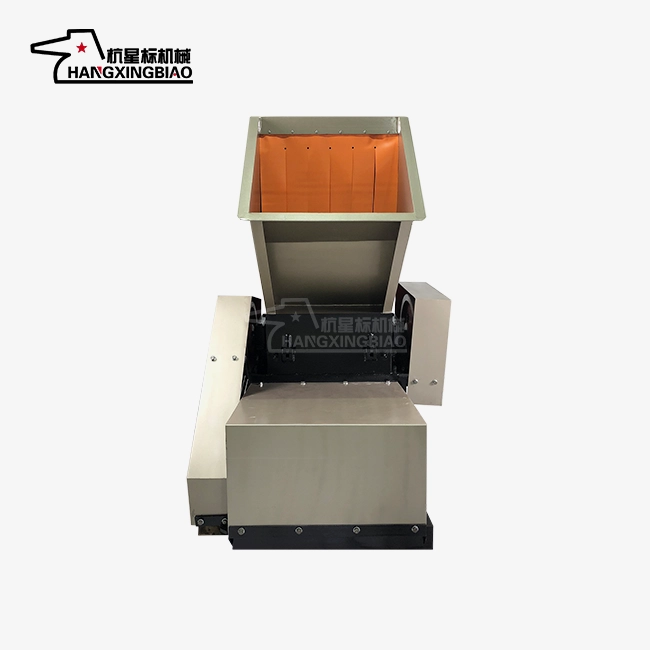
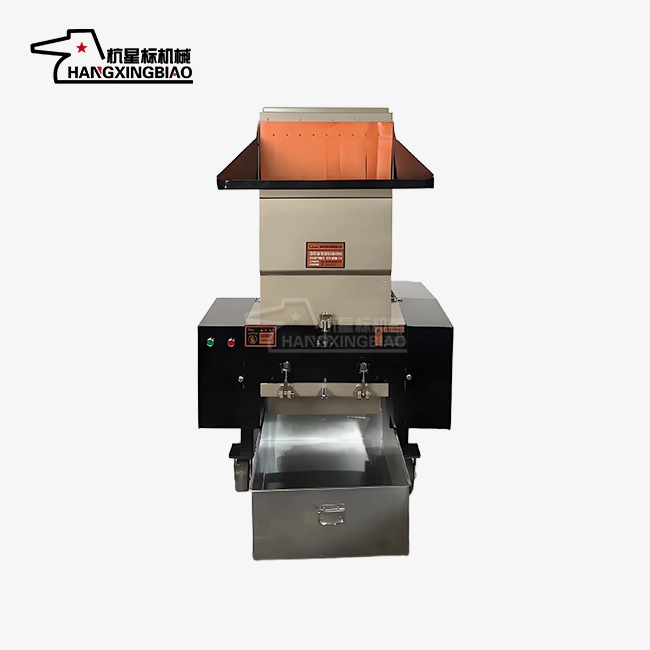
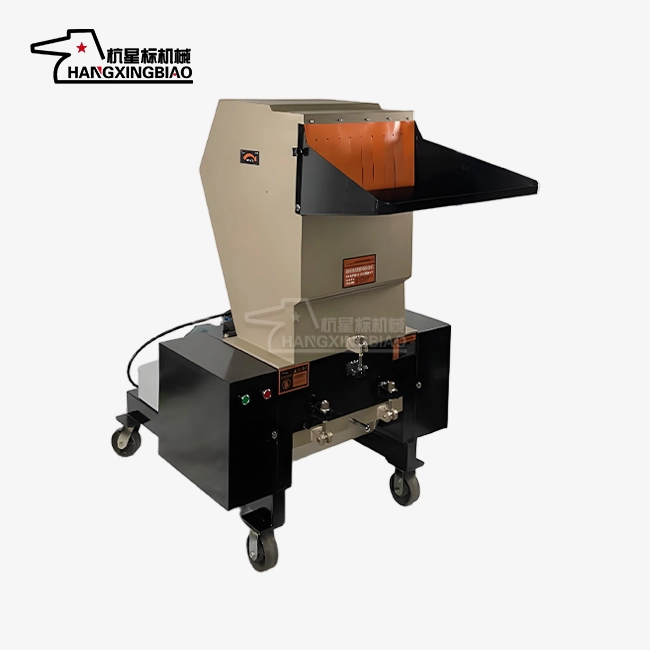
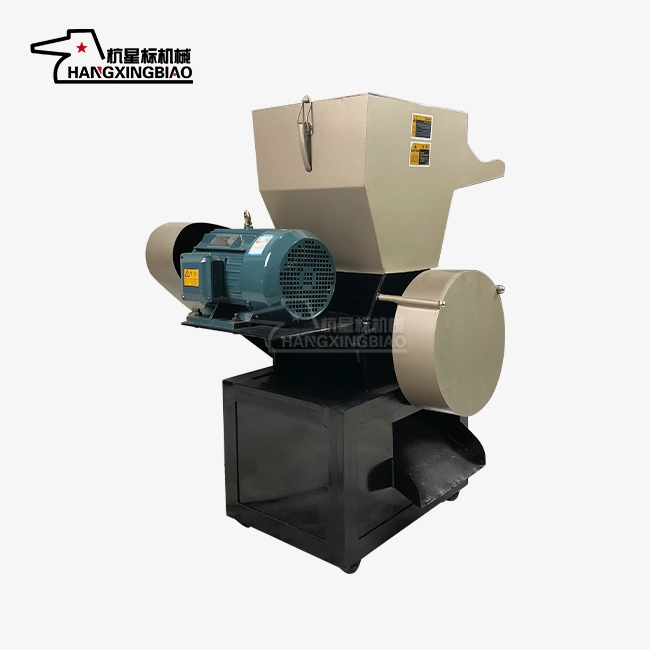
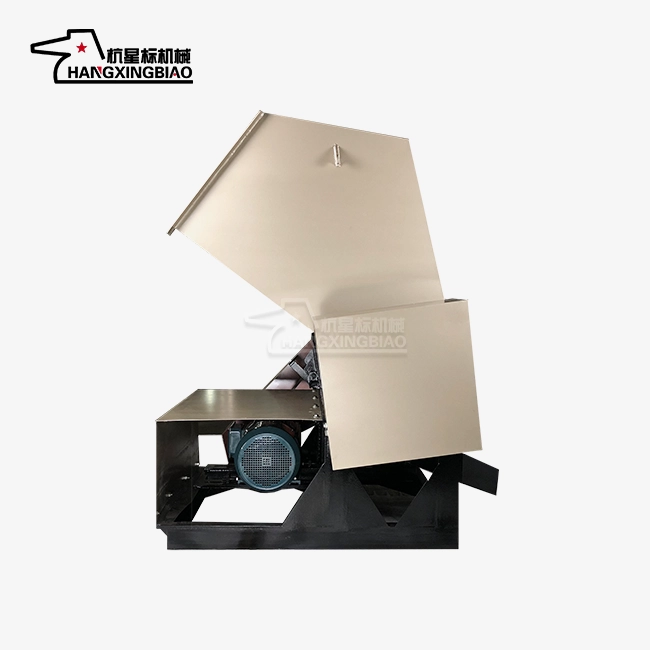
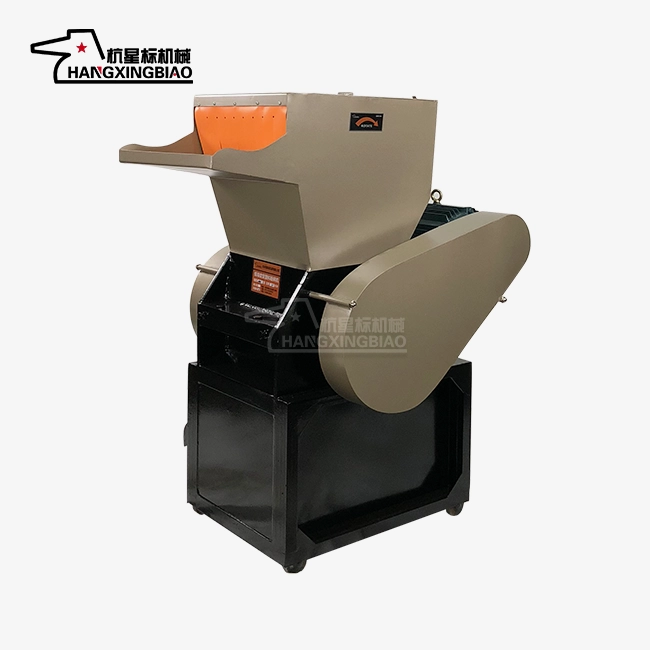
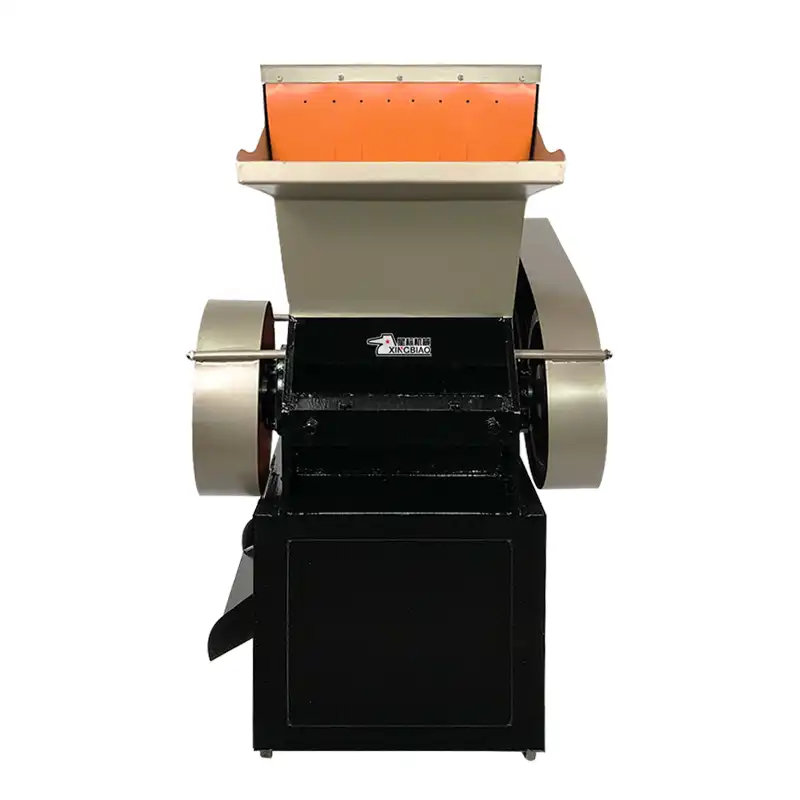
Plastic crushing equipment is made up of several important parts that work together to consistently reduce the amount of material that is crushed. The rotating blade unit is what makes the system work. It cuts things efficiently with high-speed action. The opposing force needed for clean cuts comes from stationary counter-knives, and the screen assembly sets the end particle size. Power is provided by the motor and drive system, and the receiving bin controls the flow of materials into the crushing chamber. It's important to keep these tools in good shape because they work hard, handling different kinds of plastic that cause different amounts of wear and stress. Recycling plants that deal with mixed plastic trash have different problems to solve than factories that make injection-molded parts. Industrial settings often use high frequencies, which means that parts are constantly under stress cycles that can lower their performance over time if they are not properly maintained.
Key Components Requiring Regular Attention
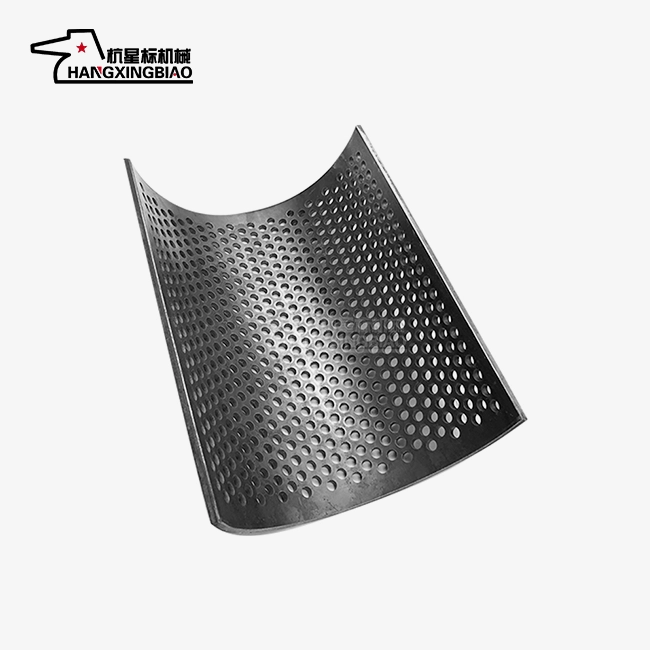
The blade system needs extra attention because it comes into close contact with the materials being processed. Modern crushing systems use a "shear + impact" double-effect crushing process that reduces material as much as possible while avoiding too much grinding. This technology keeps particles whole by stopping over-processing, which leaves behind powder waste that isn't needed. Modern blade designs keep the discharge consistency at more than 90%, so there's no need for extra screening. Screen systems need to be watched over to make sure that particle size control is done right. Quality systems have cavity structures and knife group spacing that are especially built to meet discharge needs above 2 mm. This precise engineering keeps the material from being crushed too much while also making sure that the quality of the result is always the same and meets the needs of later processing. To keep the energy economy at its best, motor systems and drive parts need to be checked on a regular basis. With the right motor matching and mechanical design, crushing efficiency can be raised by more than 20% while total energy use is lowered. This has a direct effect on running costs.
Step-by-Step Plastic Crusher Maintenance Procedures
Putting in place systematic maintenance processes needs a way of handling problems that includes both proactive maintenance and fixing problems after they happen. Setting baseline working settings and keeping an eye out for changes that could mean problems are starting is the first step in effective maintenance.
Diagnostic Procedures and Issue Identification
Unusual noises are often a sign of an unbalanced blade, worn bearings, or attaching hardware that is not tight enough. These signs need to be looked at right away because continuing to operate can cause a catastrophic failure. Maintenance teams with a lot of experience know that sound patterns can tell them a lot about the state of a part and how long it will last. Less output usually means that the blades are getting dull, the screen is getting clogged, or the motor is losing its power. Modern plastic crusher designs have features that make troubleshooting easier, like inspection spots that are easy to get to and flexible part designs that make evaluation quick. Noise patterns that aren't normal often happen before major parts fail. Acoustic tracking regularly helps maintenance teams spot problems as they start to form, so they can be fixed before they cause unplanned downtime. Good equipment makers make their machines so that their sound patterns change predictably as parts wear out.
Systematic Maintenance Procedures
Lubrication schedules must take into account how hard the machine is working and the weather outside. Industrial uses with a lot of capacity need to be oiled more often than units that are only used sometimes. When choosing the right oil, you should think about the working temperature, the load, and whether the grease will work with the sealing materials. Regularly checking the blade for wear patterns, edge health, and the right clearance settings is part of blade care. Modern crushers have high-wear-resistant metal cutter sets that last more than 3000 hours, which means they don't need to be replaced as often and don't cost as much. These high-quality blade materials keep their sharp cutting edges for longer and can handle the occasional hard pollution without breaking. When handling mixed material lines, cleaning steps become even more important. Built-in anti-winding comb tooth designs keep things from getting jammed when working with fiber materials like cloth, paper, film, and others that can be hard to work with. Cleaning these special features on a regular basis keeps them in good shape and stops garbage from building up that could affect how well they work.
Enhancing Plastic Crusher Service Life with Proactive Measures
Optimizing equipment lifespan requires identifying and addressing factors that accelerate component wear. Environmental conditions, material characteristics, and operational practices all influence service life. Proactive measures focus on controlling these variables to maximize return on investment.
Performance Optimization Strategies
Operational bottlenecks usually happen slowly, which makes it hard to find them without regular tracking. Measuring throughput, keeping track of energy use, and evaluating quality all give concrete information about performance trends. Modern facilities implement predictive maintenance technologies that automatically collect and analyze this data. Blade edges, bearing systems, and screen surfaces are all common places that wear down. Learning about normal wear trends helps maintenance teams plan for when to replace parts and when to shut down so they don't have to deal with breakdowns that happen out of the blue. Precision rotor balancing and new blade materials make repair times much longer. Companies that make good products spend money on high-quality materials and precise production methods that make the products last longer. These investments pay off because they lower the cost of upkeep and make the system more available for use.
Predictive Maintenance Implementation
Lean maintenance concepts stress getting machines up and running as quickly and cheaply as possible. To find the best repair times with this method, you have to carefully look at how things break, how much they cost to replace, and how much downtime they cause. Calibration processes make sure that the machine works the same way in all kinds of circumstances. Modern plastic crusher systems have settings that can be changed to work with different types of materials and handling needs. These abilities are kept up to date with regular testing, which stops performance from slowly declining over time. Key performance indicators are objective ways to measure the state of equipment and how well it is being maintained. Uptime percentages, energy efficiency measures, and quality measurements help make choices based on data about when to do maintenance and when to replace parts.

Comparing Maintenance Needs Across Different Plastic Crusher Types
There are different ways to maintain different types of crushers, which affects the amount of service needed and the cost of running the business. Knowing these differences helps people who buy things choose technology that fits with their working needs and available maintenance resources.
Crusher Type Variations and Maintenance Implications
Most of the time, single-shaft crushers have simpler mechanical systems that are easier to maintain. These tools work great when they're working with uniform materials, but they might need more attention when they're dealing with mixed trash streams that contain different kinds of plastic. Dual-shaft designs make it easier to work with difficult materials, but they also have more complicated mechanical systems that need to be maintained by people who know what they're doing. The extra complexity makes it work better with twisted materials, films, and garbage streams that are contaminated with fibers. Compared to blade-based systems, hammer-type crushers have different cutting processes that result in different wear patterns. Maintenance teams need to know about these differences in order to use the right service methods and choose the right substitute parts.
Material-Specific Maintenance Considerations
Working with rigid containers and hard plastics like HDPE causes different wear patterns than working with soft films and bendable packing materials. When equipment is made for a certain type of material, it has features that meet those specific needs and make upkeep easier. Mixed material streams are the hardest to maintain because they have a lot of different wear processes and sources of contamination. Modern crusher designs include anti-winding features and parts that don't get contaminated easily, which lowers the frequency of upkeep while keeping performance steady. Industrial applications typically justify more complex repair methods because downtime costs more, and management requirements are stricter. Small businesses often put simplicity and ease of upkeep ahead of getting the best results.
Safety Tips and Compliance in Plastic Crusher Maintenance
There are natural safety risks that come with maintenance tasks that need to be carefully planned out and carried out exactly as prescribed. Mechanical risks, electricity risks, and sharp cutting parts all cause different types of risks that need to be managed in a structured way.
Essential Safety Protocols
Cut-resistant gloves, safety glasses, hearing protection, and steel-toed shoes are all required pieces of personal protective equipment. The exact mix depends on the maintenance tasks and safety rules in the area. Manufacturers of good tools give thorough safety instructions that cover the risks that come with their products.Lockout/tagout measures keep equipment from starting up by mistake while maintenance is being done. Electrical systems, air controls, and mechanical energy storage devices that could hurt someone if they are not properly separated must be taken into account in these steps. Maintenance workers get a lot of training to make sure they know both general safety rules and how to do things with specific pieces of tools. Regular repeat training keeps people aware and includes new procedures and lessons learned from reviews of incidents.
Regulatory Compliance Considerations
OSHA rules set minimum safety standards that most industry maintenance work must meet. These rules cover things like how to talk about hazards, how to wear safety gear, and how to guard machines. These rules have an effect on how equipment is designed and how it is maintained. Environmental laws may apply to the trash that is made during upkeep tasks, especially when handling plastic crushers that are contaminated. The right way to get rid of trash protects both people and the environment and makes sure that rules are followed. Documentation needs help with both managing safety and following the rules. Maintenance records show that set processes are being followed and give useful information for efforts to improve things all the time.
Conclusion
Systematic processes and proactive planning are both important parts of plastic crusher repair that lead to reliable performance and a longer service life. Understanding the properties of parts, following the right repair plans, and putting safety first are the basics for running an industrial business successfully. Modern crushers are made with high-tech materials and smart features that make upkeep easier while still providing excellent performance. This makes them excellent investments for businesses that handle plastics. Good repair practices keep these investments safe and make sure they can always do what they need to do to meet strict output needs.
FAQ
How often should plastic crusher blades be inspected?
How often blades are inspected relies on how hard they are used and what materials are being treated. Visual reviews must be done every day in high-volume operations that work with abrasive materials. In moderate-use applications, check times may be pushed back to once a week. Advanced alloy cutter sets with service lives of more than 3000 hours cut down on the number of inspections needed while still meeting performance standards.
What signs indicate immediate maintenance attention is needed?
Strange movements, noise levels, lower output, and damage that can be seen on the blades need to be fixed right away. These signs often come before big problems that could do a lot of damage or put people in danger. Modern designs for tools make it easy to see important parts so that they can be quickly evaluated.
How does regular maintenance impact crusher service life?
Systematic maintenance can add 50 to 100 percent more life to tools compared to spontaneous maintenance. Cascading failures that damage multiple systems at once can be avoided by keeping things well-oiled, replacing parts when they break, and keeping an eye on their performance.
What specialized tools are required for crusher maintenance?
For basic repair, you need standard mechanical tools as well as special tools for removing blades and accurate measuring tools. Torque wrenches make sure that the tension on the fasteners is right, and dial signs check that the clearance settings and alignment requirements are met.
Can maintenance procedures be performed by in-house personnel?
Facility staff who have been properly trained can do routine upkeep jobs like lubrication, cleaning, and simple inspections. For complicated tasks like replacing blades or making mechanical changes, you might need specialized knowledge or help from the maker.
Partner with Xingbiao for Superior Plastic Crusher Performance
Maximize your equipment investment through Xingbiao's comprehensive maintenance solutions and premium crushing technology. Our 30-year specialization in plastic crusher manufacturing delivers unmatched expertise in maintenance planning and performance optimization. With advanced "shear + impact" crushing technology, anti-winding comb designs, and high-wear-resistant alloy cutters lasting over 3000 hours, our equipment minimizes maintenance requirements while maximizing productivity. Contact our engineering team at xingbiaocrusher@xingbiaocrusher.com for customized maintenance plans and discover why leading plastic crusher suppliers trust our reliable, efficient solutions. Experience the difference that specialized expertise makes in your crushing operations.

References
1. Smith, J.R., & Anderson, M.K. (2023). Industrial Plastic Processing Equipment Maintenance Strategies. Manufacturing Technology Press.
2. Chen, L., Thompson, P.D., & Williams, S.A. (2022). "Predictive Maintenance Applications in Plastic Recycling Equipment." Journal of Industrial Maintenance Engineering, 15(3), 45-62.
3. Rodriguez, C.M. (2023). Safety Protocols for Industrial Crushing Equipment Operations. Occupational Safety Publications.
4. European Plastics Machinery Association. (2022). Maintenance Best Practices for Plastic Processing Equipment. EPMA Technical Guidelines.
5. Johnson, D.B., & Lee, K.S. (2023). "Component Wear Analysis in High-Speed Plastic Crushers." Materials Processing Technology Review, 28(4), 112-128.
6. International Recycling Equipment Standards Committee. (2023). Service Life Optimization for Industrial Plastic Crushers. IRESC Publication No. 2023-07.
Learn about our latest products and discounts through SMS or email