- English
- French
- German
- Portuguese
- Spanish
- Russian
- Japanese
- Korean
- Arabic
- Greek
- German
- Turkish
- Italian
- Danish
- Romanian
- Indonesian
- Czech
- Afrikaans
- Swedish
- Polish
- Basque
- Catalan
- Esperanto
- Hindi
- Lao
- Albanian
- Amharic
- Armenian
- Azerbaijani
- Belarusian
- Bengali
- Bosnian
- Bulgarian
- Cebuano
- Chichewa
- Corsican
- Croatian
- Dutch
- Estonian
- Filipino
- Finnish
- Frisian
- Galician
- Georgian
- Gujarati
- Haitian
- Hausa
- Hawaiian
- Hebrew
- Hmong
- Hungarian
- Icelandic
- Igbo
- Javanese
- Kannada
- Kazakh
- Khmer
- Kurdish
- Kyrgyz
- Latin
- Latvian
- Lithuanian
- Luxembou..
- Macedonian
- Malagasy
- Malay
- Malayalam
- Maltese
- Maori
- Marathi
- Mongolian
- Burmese
- Nepali
- Norwegian
- Pashto
- Persian
- Punjabi
- Serbian
- Sesotho
- Sinhala
- Slovak
- Slovenian
- Somali
- Samoan
- Scots Gaelic
- Shona
- Sindhi
- Sundanese
- Swahili
- Tajik
- Tamil
- Telugu
- Thai
- Ukrainian
- Urdu
- Uzbek
- Vietnamese
- Welsh
- Xhosa
- Yiddish
- Yoruba
- Zulu
Best Commercial Crusher Machine For Plastic For Heavy Jobs
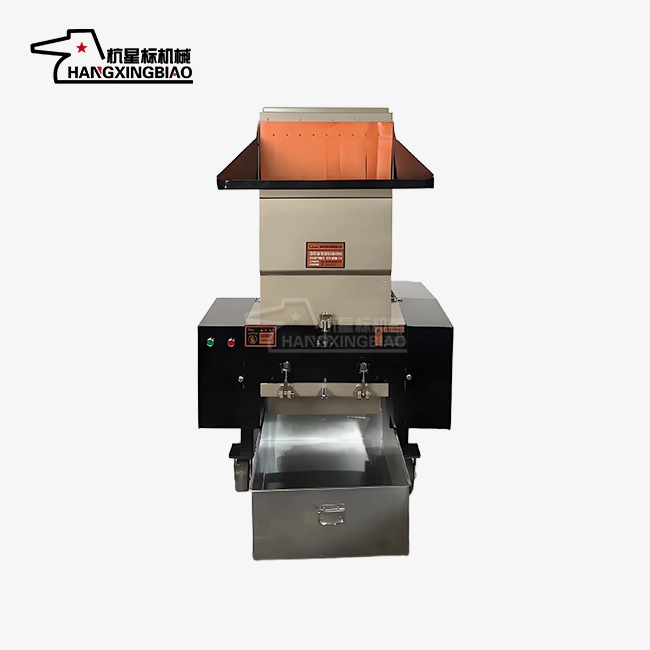
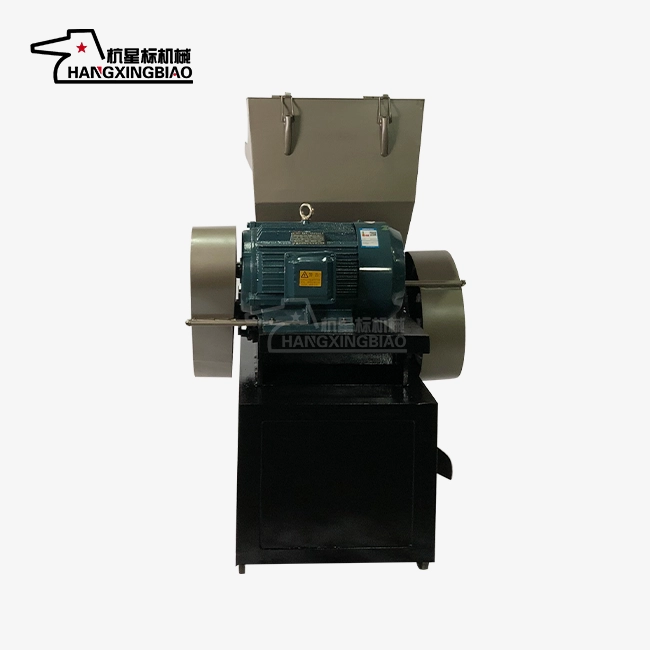
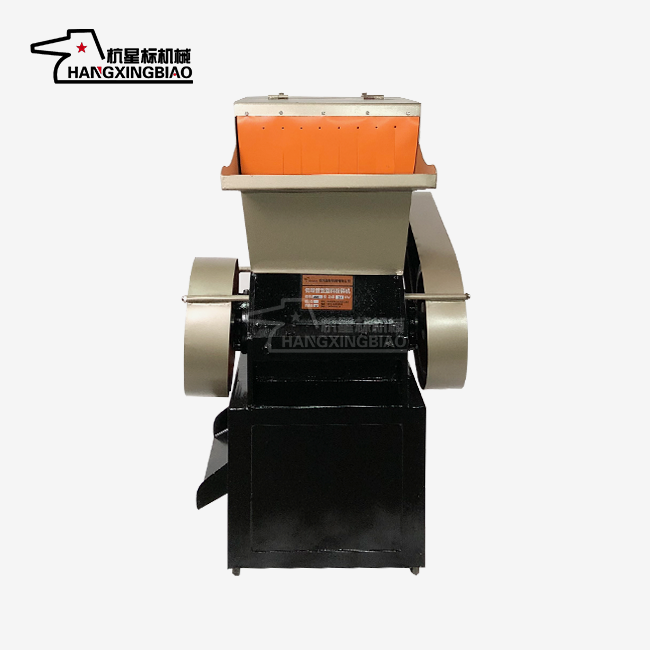
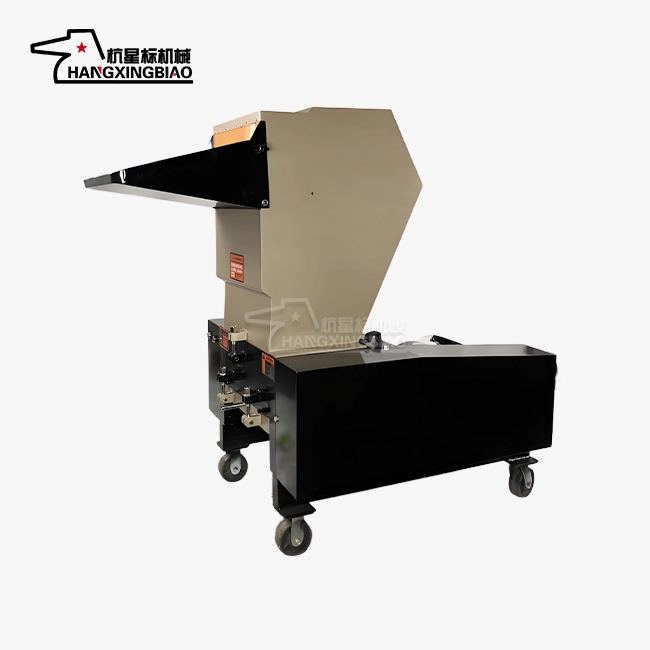
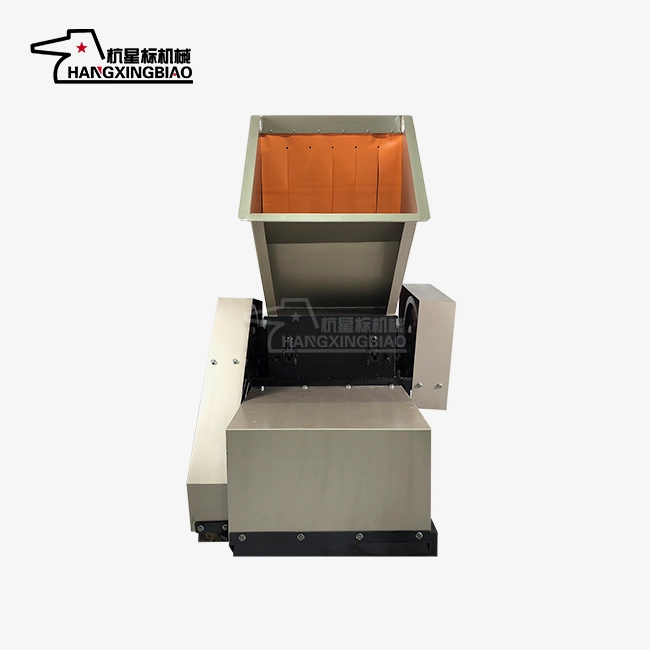
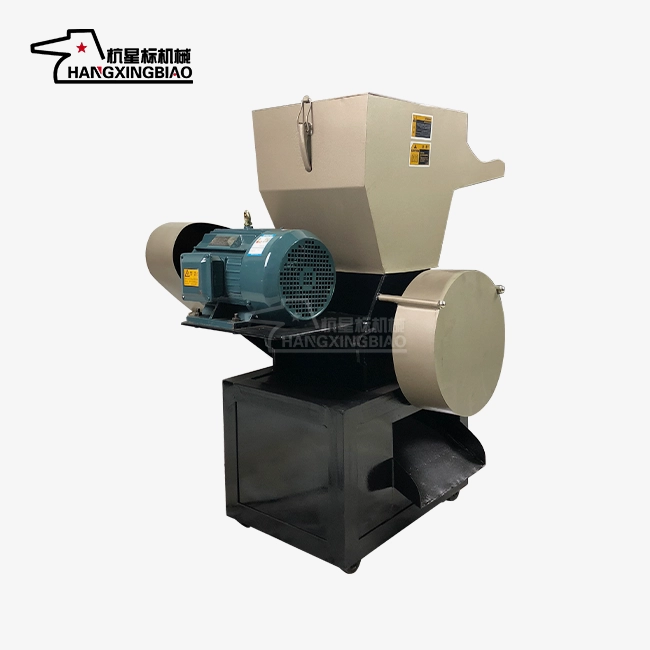
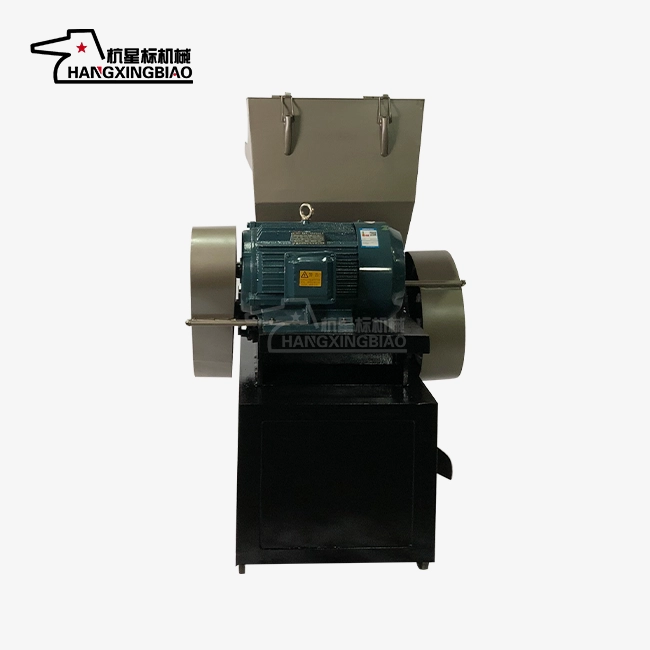
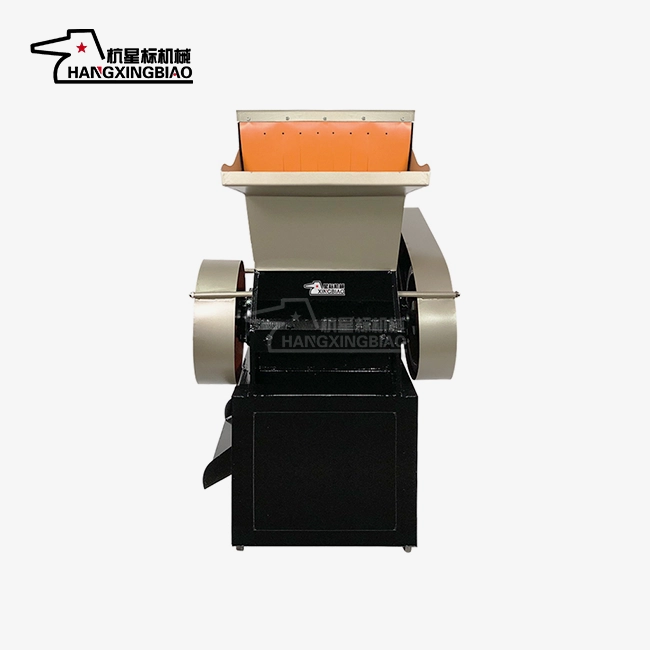
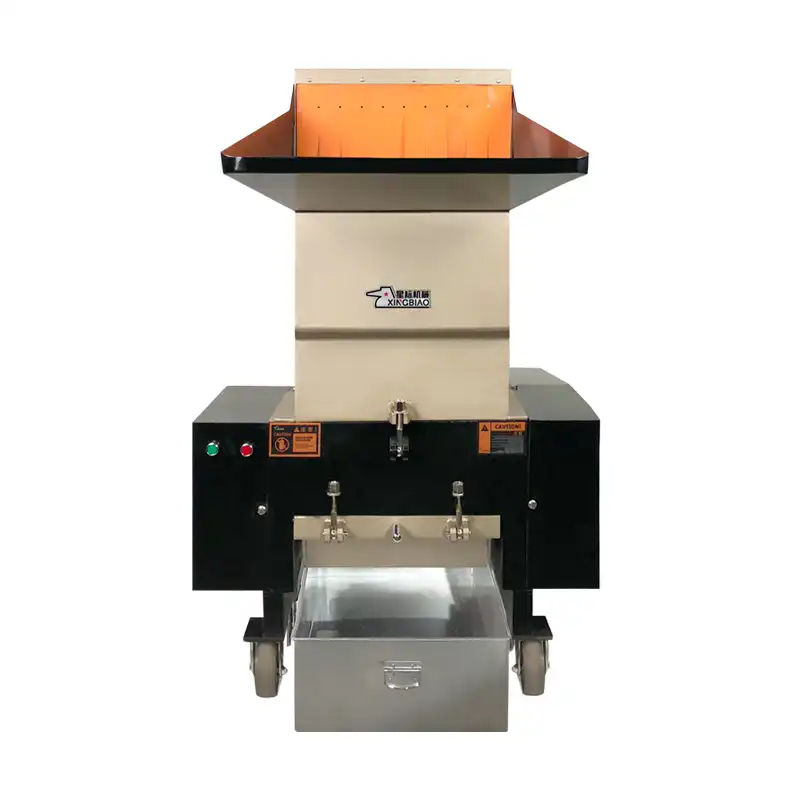
When searching for the best commercial crusher machine for plastic for heavy-duty applications, industrial manufacturers and recycling facilities need equipment that delivers exceptional performance, reliability, and operational efficiency. Modern plastic crushing technology has evolved to meet demanding production requirements, with advanced machines capable of processing everything from soft films to rigid components while maintaining consistent output quality. The optimal crusher machine for plastic combines robust construction, intelligent design features, and comprehensive safety systems to handle continuous operation in challenging industrial environments.
Understanding Commercial Plastic Crusher Machines for Heavy Jobs
Heavy-duty plastic crushers are complex technical marvels made to successfully break down a wide range of plastics, such as PET, HDPE, PVC, and other specialized polymers on an industrial scale. High-speed spinning blade systems in these machines cut and shear plastics against fixed blades in rooms that were carefully designed and built. Controlled feeding of materials, systematic size reduction, and organized gathering of processed output through combined screening systems make up the basic mechanics.
Operational Mechanics and Design Principles
Advanced blade designs in modern crusher machines for plastic increase cutting efficiency while lowering energy use. The rotor unit has cutting blades that are placed in a way that makes them work with fixed blades to reduce particle size consistently. The shape of the chamber affects the flow patterns of the materials, making sure that the plastic materials and cutting elements make good contact while avoiding jamming or too much wear. Processing ability changes a lot depending on the type of machine. For example, small laboratory models can handle 50 kg/h, while heavy industrial units can handle over 2000 kg/h. These machines can work nonstop for 24 hours a day, seven days a week. This makes them ideal for high-volume production settings where downtime has a direct effect on profits. It can be used for a wide range of tasks, from small-scale processing of materials like herbal medicines that need coarse crushing (2–5 mm) to large-scale industrial uses that need to recycle plastic scraps (2–10 mm) or prepare wood trash (2–15 mm).
Machine Classification and Specifications
Commercial plastic crushers can be divided into several different types based on how they work and what they are used for. Most high-speed crushers have blade speeds of more than 1000 RPM, which makes them good for quickly grinding hard plastics and stiff parts. Low-speed crushers work at slower speeds but produce more power, which makes them perfect for working with soft materials, films, and trash streams that might get tangled. Electric types are most common in industrial settings because they work reliably and can be connected to automatic production lines. These units have complex control systems that keep an eye on working parameters, look for possible problems, and take protective actions when needed. Built-in overload protection devices set off stop alarms automatically when they detect hard impurities like metals. This keeps the equipment from breaking and keeps operations safe.
Key Benefits and Industry Applications of Heavy-Duty Plastic Crushers
For large-scale businesses, commercial plastic crushers have huge benefits that change everything. They make processes much more efficient and save a lot of money. Better material handling means that facilities can handle different types of plastic trash without needing a lot of different tools. By using improved motor design and blade setup to save energy, costs can be cut while throughput rates stay high.
Operational Efficiency and Cost Reduction
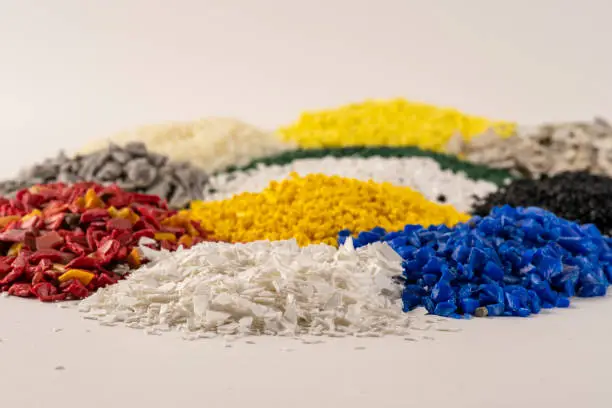
Adding high-performance plastic crushing tools makes production processes better in a way that can be measured. When compared to standard crushing ways, processing performance usually goes up by more than 20% at facilities. These gains come from better chamber and blade layouts in the crusher machine for plastic that make the most of material touch while wasting the least amount of energy. Less energy use directly leads to lower operating costs, which makes manufacturing and recycling activities more profitable overall. The benefits of material preparation using the crusher machine for plastic go beyond just reducing size. There is no need for extra screening steps when the particle sizes are uniform, often more than 90% consistent. This uniformity is especially helpful for the next steps in the process, like cleaning, melting, or pelletizing. Facilities can meet strict quality standards for recycled materials because they have exact control over output specs.
Environmental Impact and Sustainability
Heavy-duty plastic breakers play a big role in efforts to protect the environment by making it easier to recycle and reuse unwanted materials. Manufacturing companies can get money back from production waste, broken goods, and extra materials that they would normally have to throw away. Processing improvements that let recycling centers take in more kinds of plastic trash are good for them. The environmental benefits go beyond reducing trash. They also include using fewer raw materials and producing less carbon dioxide when making new plastic. Several studies have shown that making recovered plastic uses about 88% less energy than making new plastic from petroleum sources. This lower energy use directly leads to lower carbon pollution and a smaller impact on the earth.
Industry-Specific Applications and Success Stories
Commercial plastic crushers have been successfully installed in factories across a wide range of businesses to solve specific operating problems. Alongside-machine crushers are used in injection molding operations to process sprues, runners, and broken parts right after production. This keeps the work area clean and recovers valuable materials. For these uses, the equipment needs to be able to run quietly, with sound levels usually staying below 75dB to protect workers. Plastic recycling centers take care of large amounts of trash, like films, woven bags, containers, and streams of mixed plastic. Modern crushing equipment is very flexible, so it can handle tough materials like knotted trash, bins that are too big, and materials that are dirty. Specialized features, such as anti-rebound vents and fully sealed rooms, stop materials from being ejected and keep dust and debris inside.
How to Choose the Best Commercial Plastic Crusher Machine for Heavy Jobs
To choose the best plastic crushing tools, you need to carefully consider how they will be used, what the material is like, and how well you want them to work. During the decision-making process, many things need to be looked at, such as the ability to process, the fit of the materials, the available space, and the integration needs. By understanding these factors, you can be sure that the tools you choose will last and work well.
Capacity Assessment and Throughput Requirements
Figuring out the right processing power is the first step in choosing the right tools. While manufacturing sites are looking at their current trash production rates, peak processing needs, and expected growth needs, they need to make sure they are meeting all of these things. Changes in material density, moisture content, and contamination levels can affect real flow rates, so they should be taken into account when figuring out capacity. Standard types with a processing capacity of 200 to 1000 kg/h are usually best for small to medium-sized recycling businesses. These tools are very flexible and can handle a wide range of materials while still being cost-effective. Heavy-duty types that can handle 1 to 10 tons per hour are needed for large-scale operations to make sure there is enough capacity for ongoing operation without creating processing bottlenecks.
Material Compatibility and Processing Requirements
Different types of plastic have different production problems that affect the choice of tools. To keep material from wrapping and getting stuck, soft plastics like PE films, PVC sheets, and textile fibers need special blade shapes and chamber designs. ABS parts, PC parts, and thick-walled profiles are all examples of hard plastics that need strong cutting tools that can handle high-strength materials. Being able to handle different kinds of materials in the same machine has big benefits for operations. Plastic bottles, boxes, and mixed scraps are just a few examples of the materials that can be crushed by a modern crusher machine for plastic. This flexibility gets rid of the need for a lot of different tools and makes operations easier.
Safety Features and Compliance Requirements
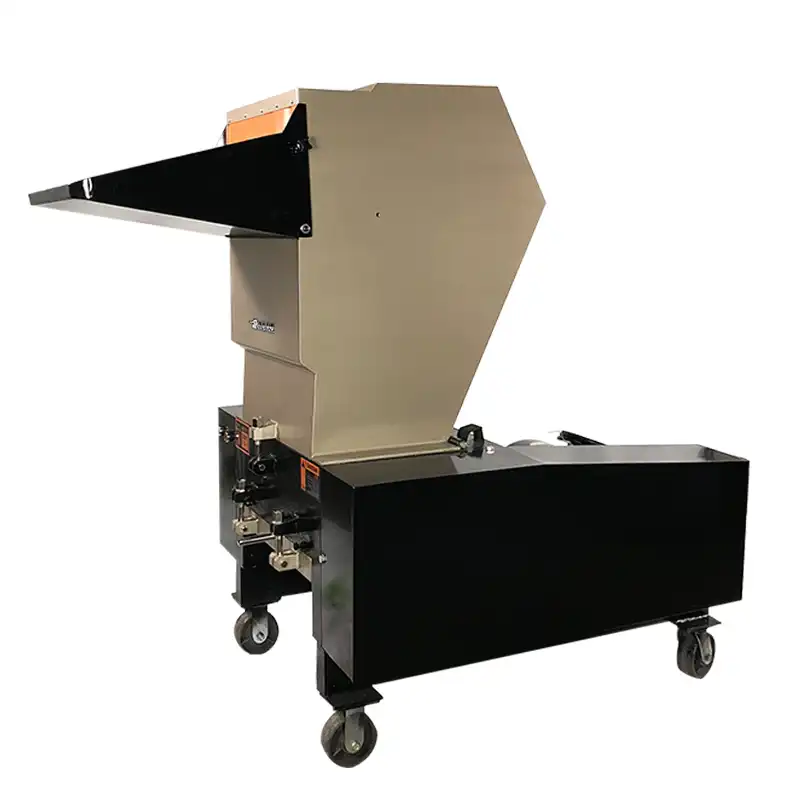
When looking for industrial plastic crushers, it's important to make sure they have complete safety features. Crushing rooms that are completely sealed and made of reinforced steel protect workers from material ejection and contact with moving parts. When chambers are opened for repair or cleaning, interlocking systems turn off the power immediately. This keeps the machine from starting up by accident while service work is being done. Advanced safety features include emergency stop buttons, safety shields around the outside parts, and full guarding systems. These features provide multiple layers of security that lower the chance of injuries at work and make sure that international safety standards are met. Following the right safety rules shields both workers and facilities while lowering the risk of liability.
Technology Integration and Automation Capabilities
In modern factories, it's becoming more and more important for tools to work with automated production systems and tracking networks. Modern plastic crushers have advanced control systems that can talk to plant management systems and get operating data and performance measures in real time. These features make it possible to plan repairs ahead of time and improve operations. From centralized control rooms, operators can use remote tracking to keep an eye on how machines are running, spot possible problems, and find the best ways to run them. Integration with material handling systems lets feeding and pickup be done automatically, which cuts down on the need for workers while keeping working rates steady.
Maintenance, Troubleshooting, and Safety for Heavy-Duty Plastic Crusher Machines
For heavy-duty plastic crushers to work reliably, thorough upkeep programs, effective troubleshooting processes, and strict adherence to safety rules must be put in place and followed. Maintenance practices that are done correctly can make equipment last longer and reduce unplanned breaks that can mess up production plans.
Preventive Maintenance Protocols
Critical wear parts, such as cutting blades, bearings, and drive systems, should be checked and fixed on a regular basis. How often blades need to be inspected and replaced depends on the type of material, the amount of work that needs to be done, and the operating conditions. To get the best strength and wear resistance, high-quality blades made from SKD-11, D2, or Cr12MoV special steels go through vacuum heat treatment and cold processing. Pay attention to lubrication systems to make sure that bearings, drive parts, and moving parts work properly. Recommended lubricants and refill times depend on how the machine is used and what the maker says. Regular greasing stops wear before it's due, keeps things running smoothly, and lowers energy use.
Common Operational Issues and Solutions
Material getting stuck is one of the most common problems that plastic breaking tools have to deal with. Usually, jamming happens when too many large materials, too fast of feed rates, or dirty materials fill up the breaking cavity. Some ways to stop this from happening are to properly prepare the material, control the feeding rates, and check for contamination on a regular basis. Too much noise or shaking is often a sign of worn parts, misaligned sections, or wheels that aren't balanced. These signs need to be taken care of right away to stop further damage and make sure the machine is safe to use. Checking bearing systems, drive parts, and structural elements on a regular basis can help find problems before they cause tools to break down.
Safety Protocol Implementation
Full safety training makes sure that people who use tools know how to use them correctly, what risks might be present, and what to do in an emergency. Normal working routines, upkeep needs, troubleshooting methods, and emergency reaction plans should all be covered in training programs. Regular safety training keeps people aware of the rules and helps them remember how to follow them.Lockout/tagout measures keep equipment from starting up by mistake while it is being maintained or cleaned. For these steps to work, electrical power, mechanical drives, and any systems that store energy must be turned off. When lockout/tagout procedures are followed correctly, they protect maintenance workers and make sure that safety rules are followed.
Procurement Guide: How to Buy and Integrate Your Commercial Plastic Crusher Machine
To make it in the business world for heavy-duty plastic breakers, you need to know how the market works, what your suppliers can do, and how you need to integrate them. A successful procurement process includes checking the skills of suppliers, getting fair terms, and making plans for a smooth installation and start-up.
Market Analysis and Pricing Considerations
The price of a commercial plastic crusher depends a lot on its size, features, and the quality of its construction. Standard models for beginners usually cost between $15,000 and $50,000, but heavy-duty industrial units can cost over $200,000 for large jobs. These price levels show how different the building quality, processing power, and advanced features are. The initial buy price, installation costs, training costs, maintenance needs, and expected operational life should all be included in the total cost of ownership estimate. Even though it costs more at first, high-quality technology that is well-built and comes with full support is often worth it in the long run. Improving energy efficiency can save a lot of money over the life of the equipment, which can help justify the higher prices of more advanced models.
Supplier Evaluation and Selection Criteria
When evaluating suppliers of crusher machines for plastic, you should give knowledge, technical know-how, and full help the most weight. Established companies with a lot of knowledge in the field usually make reliable products and offer full support services. Hangzhou Xingbiao Machinery Co., Ltd. is a good example of this method because it has been focusing on plastic crushing technology for 30 years and has formed relationships with big companies like Nongfu Spring and KFC. Technical support includes advice before the sale, unique building services, help with installation, training for operators, and ongoing support for upkeep. Full help lowers the risks of execution and makes sure that the equipment works at its best for as long as it is used. Critical evaluation factors include how quickly technical help is provided, how readily spare parts are available, and how well the service is covered.
Installation Planning and Integration Strategies
For equipment integration to go smoothly, changes to the building, changes to utilities, and changes to the way work gets done must all be carefully planned. During building planning, you need to think about things like electrical needs, foundation requirements, and ventilation needs. Integration with current systems for moving materials, checking for quality, and managing waste requires cooperation between several areas. Help with startup from experienced techs makes sure that the equipment is properly set up and operators are trained. As part of this help, the equipment is usually inspected, its performance is checked, and the operators are given full training. Proper startup steps set up the best operating conditions and find any problems that might need to be fixed.
Conclusion
Choosing the best heavy-duty commercial crusher machine for plastic is a smart decision that affects working effectiveness, cost management, and environmental sustainability. A thorough analysis of processing needs, machine capabilities, and supplier qualifications guarantees a successful execution that brings long-term benefits. Modern technology for crushing plastic is more flexible, safer, and better at what it does than ever before. It can meet the needs of both production and recycling businesses. Adding high-tech tools for crushing plastic turns waste into useful materials while lowering the cost of removal and the damage it does to the environment. The best ways to choose, install, and take care of tools will make them work better and last longer, so you'll keep getting your money's worth. As sustainable efforts continue to shape business practices, industrial plastic crushers will become more crucial to implementing the circular economy and protecting resources.
FAQ
What types of plastics can commercial crushers process effectively?
Plastics like PET, HDPE, PVC, ABS, and PC are just a few of the thermoplastics that commercial plastic breakers can break down. With the right blade designs, soft materials like films, bags, and flexible packages can be cut easily. Pipes, profiles, and cast parts are all examples of hard materials that need strong cutting tools to get good results. Foam packing, composite materials, and contaminated waste streams are some examples of specialized materials that may need special designs or preparation.
How do I accurately determine crusher capacity needs for my operation?
To figure out capacity, you have to look at how much trash is being made now, how much processing is needed at busy times, and how much growth is expected in the future. Figure out how much plastic trash is made every day, taking into account changes in material density and contamination levels, as well as the plans you want for processing. Include safety gaps for fixing broken equipment and rising demand that you didn't expect. Professional advice from equipment experts helps make sure that the capacity assessment is correct and that the right equipment is chosen.
What maintenance intervals are recommended for heavy-duty plastic crushers?
It depends on how the machine is being used, the type of material being processed, and how often it needs to be maintained. Daily checks should make sure everything is working right and find any problems that might happen. As part of weekly upkeep, oil checks and wear component inspections are done. Every month, the processes include a thorough check of the blades, the bearings, and the electrical system. Every year, major parts are replaced, and the whole system is evaluated. For processes with a lot of work, repair may need to be done more often.
Contact Xingbiao for Your Industrial Plastic Crushing Solutions
Xingbiao stands ready to transform your plastic waste management operations with our industry-leading crusher machine for plastic technology. Our comprehensive product line spans from compact 50 kg/h laboratory models to heavy-duty 2000 kg/h industrial systems, each engineered for continuous 24-hour operation and exceptional durability. With three decades of specialized expertise, our team of 20 senior engineers has developed advanced crushing solutions that deliver over 20% efficiency improvements while maintaining energy consumption below industry standards. Our commitment extends beyond equipment delivery to include comprehensive support throughout your ownership experience. Professional consultation services help identify optimal equipment specifications for your unique requirements. Installation guidance, operator training, and ongoing technical support ensure seamless integration and peak performance. Contact our expert team at xingbiaocrusher@xingbiaocrusher.com to discuss your plastic crushing requirements and discover why leading manufacturers choose Xingbiao as their trusted crusher machine for plastic suppliers.
References
1. Anderson, M.K., "Advanced Plastic Recycling Technologies in Industrial Applications," Journal of Polymer Processing and Manufacturing, Vol. 15, No. 3, 2023, pp. 45–62.
2. Chen, L.W. "Energy Efficiency Optimization in Commercial Plastic Crushing Operations," International Conference on Sustainable Manufacturing Processes, 2023, pp. 178–195, and Roberts, J.A.
3. "Best Practices Guide for Heavy-Duty Plastic Processing Equipment," Technical Publication Series, Industrial Recycling Association, 2024, pp. 1–89.
4. "Safety Standards and Risk Assessment for Industrial Plastic Crushing Equipment," by R.S. Martinez, was published in Occupational Safety and Equipment Design Quarterly, Vol. 28, No. 2, 2023, pp. 113–128.
5. Thompson, K.D. Liu, H.Y., and others, "Economic Analysis of Commercial Plastic Waste Processing Technologies," Resource Recovery and Circular Economy Review, Vol. 9, No. 4, 2024, pp. 67–84.
6. The US Environmental Protection Agency wrote "Guidelines for Industrial Plastic Waste Management and Processing Equipment Selection," which can be found in EPA Technical Report 2024-PRE-001, 2024, pages 1–156.
Learn about our latest products and discounts through SMS or email