- English
- French
- German
- Portuguese
- Spanish
- Russian
- Japanese
- Korean
- Arabic
- Greek
- German
- Turkish
- Italian
- Danish
- Romanian
- Indonesian
- Czech
- Afrikaans
- Swedish
- Polish
- Basque
- Catalan
- Esperanto
- Hindi
- Lao
- Albanian
- Amharic
- Armenian
- Azerbaijani
- Belarusian
- Bengali
- Bosnian
- Bulgarian
- Cebuano
- Chichewa
- Corsican
- Croatian
- Dutch
- Estonian
- Filipino
- Finnish
- Frisian
- Galician
- Georgian
- Gujarati
- Haitian
- Hausa
- Hawaiian
- Hebrew
- Hmong
- Hungarian
- Icelandic
- Igbo
- Javanese
- Kannada
- Kazakh
- Khmer
- Kurdish
- Kyrgyz
- Latin
- Latvian
- Lithuanian
- Luxembou..
- Macedonian
- Malagasy
- Malay
- Malayalam
- Maltese
- Maori
- Marathi
- Mongolian
- Burmese
- Nepali
- Norwegian
- Pashto
- Persian
- Punjabi
- Serbian
- Sesotho
- Sinhala
- Slovak
- Slovenian
- Somali
- Samoan
- Scots Gaelic
- Shona
- Sindhi
- Sundanese
- Swahili
- Tajik
- Tamil
- Telugu
- Thai
- Ukrainian
- Urdu
- Uzbek
- Vietnamese
- Welsh
- Xhosa
- Yiddish
- Yoruba
- Zulu
Big plastic crusher machine Installation & Safety Guide
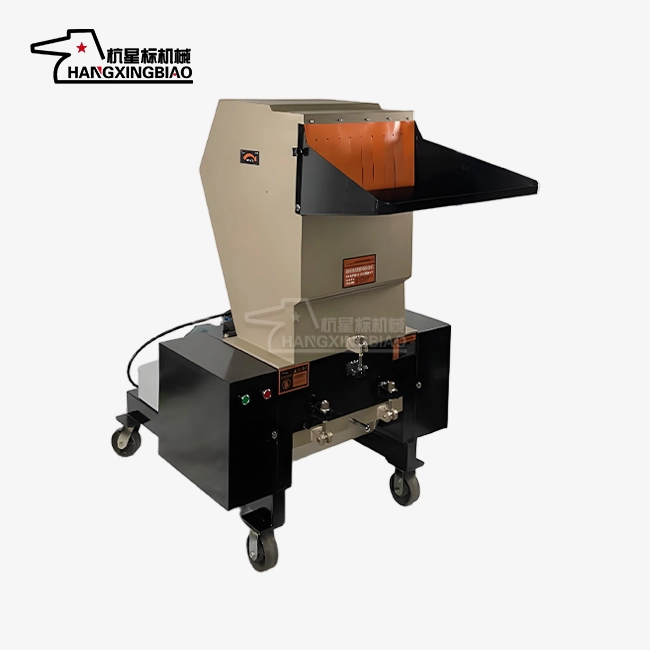
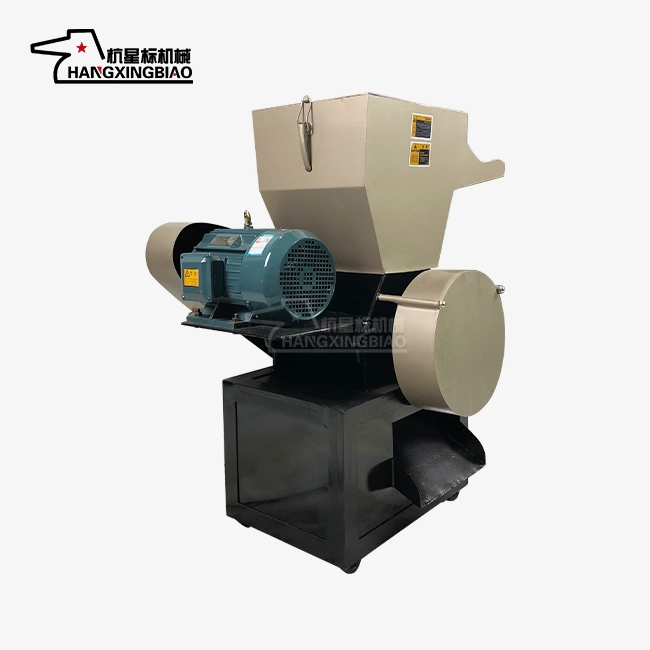
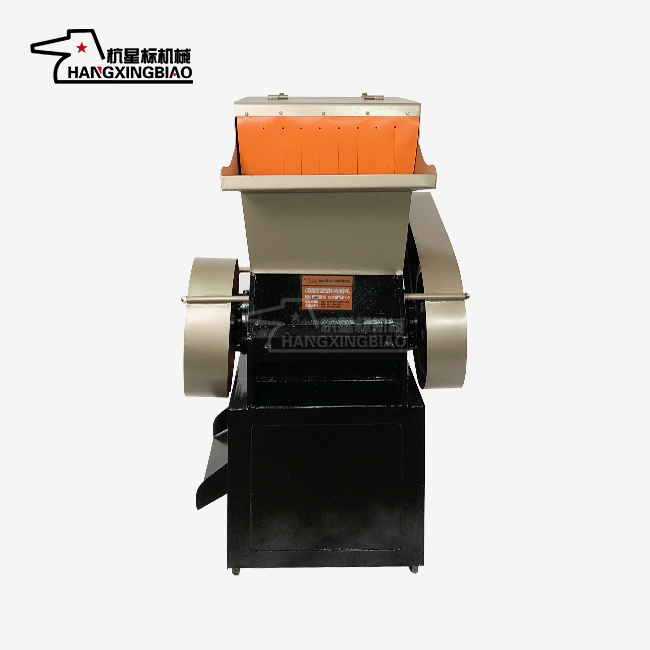
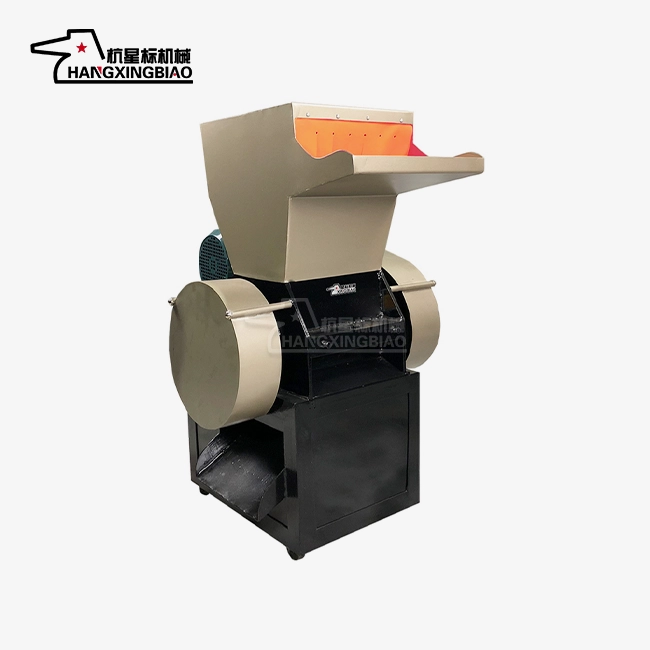
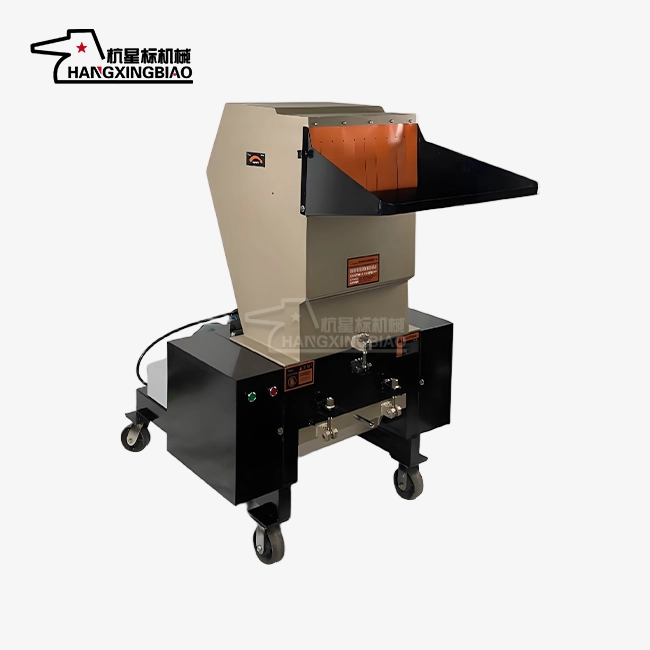
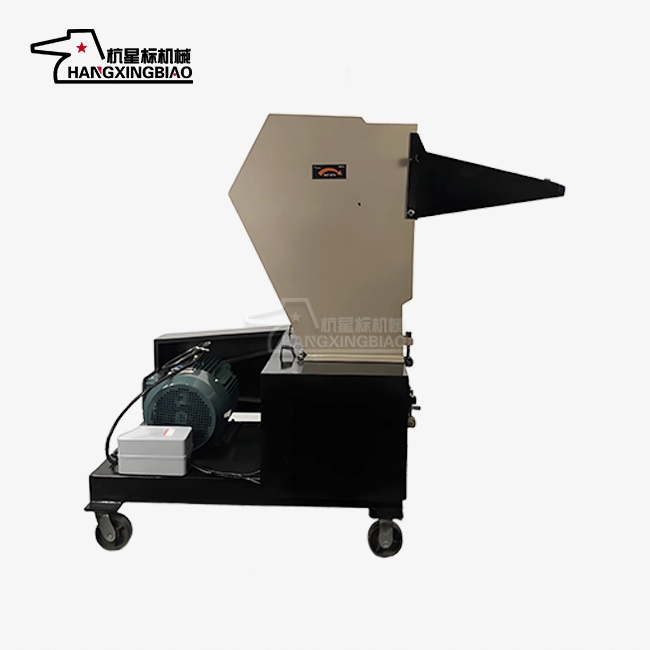
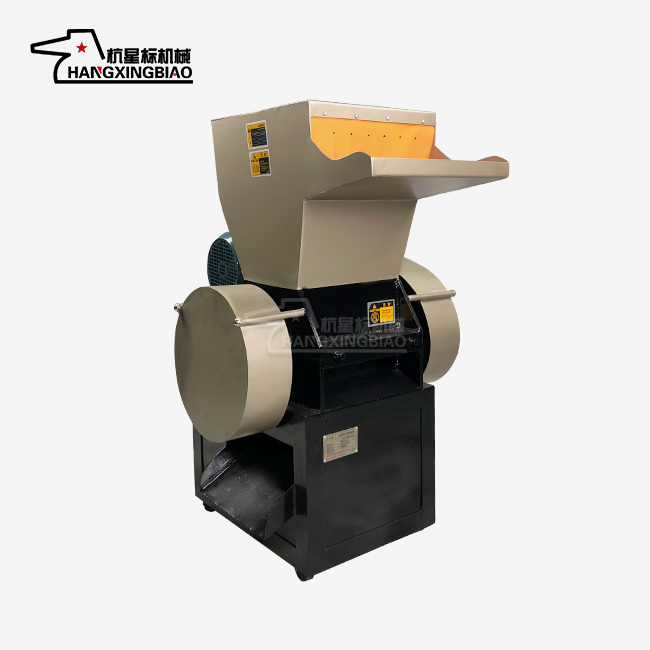
Installing a big plastic crusher machine requires careful planning, proper safety protocols, and adherence to manufacturer guidelines to ensure optimal performance and worker protection. Whether you're reusing industrial waste or breaking down mixed waste like boxes and plastic bottles into 2–20 mm pieces, it's important to follow the right installation and safety rules to make sure that your equipment works well and no accidents happen at work. This detailed guide tells industrial workers, plant engineers, and procurement managers everything they need to know to safely set up and run large-scale plastic breaking equipment in recycling and manufacturing facilities.
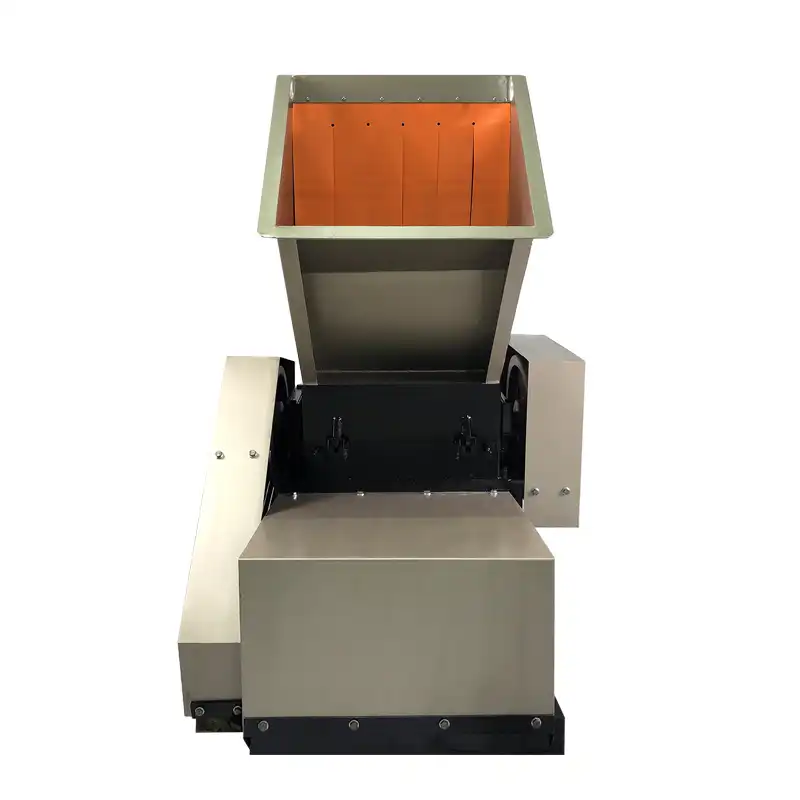
Understanding Big Plastic Crusher Machines: Operational Principles and Types
Big plastic crusher machines are high-tech pieces of industrial equipment that break down different kinds of plastic trash into pieces that can be handled and used again. These strong machines use cutting-edge crushing technologies, like rotary blade systems, impact mechanisms, and hydraulically driven parts, to quickly and easily break down everything from thin films to hard plastic parts. When facility managers understand how they work, they can improve energy use and efficiency measures while lowering running costs across all industrial processes.
Core Crushing Technologies and Mechanisms
Modern tools for breaking plastic use more than one cutting device to handle different types of material. Precision-engineered SKD-11/D2 steel blades are used in rotary blade systems. These blades are heated in a vacuum and then frozen, which makes them very hard and resistant to wear. The special blade shape and hole structure design make the crushing process over 20% more efficient than regular systems. At the same time, the motor matching is improved, which cuts energy use by 10-15%. Impact crushing is great for breaking up hard plastics because it uses high-speed hits to break the materials up into regular pieces. Consistent pressure and force distribution are important for working with thick-walled lines and dense plastic parts, and hydraulic systems provide it. Together, these parts make it possible to handle materials very consistently, from soft polyethylene films to hard ABS and PC plastics.
Equipment Classifications and Specifications
Heavy-duty types are made to work nonstop for 24 hours a day in high-volume factory settings. They are made of stronger steel and have better cooling systems. Most of the time, these units can handle 1 to 10 tons per hour and work well with other production lines. Standard models are flexible enough for medium-sized businesses to handle 50–500 kg per hour, but they're still affordable enough for smaller recycling centers. Depending on the needs of the business, electric and hydraulic crusher methods have different benefits. Electric types let you precisely control the speed and use little energy, which makes them perfect for working with materials in the same way every time. Hydraulic systems are great at working with odd forms and different thicknesses of materials. They have better torque qualities for tough jobs like recycling tires and processing knotted trash.
Step-by-Step Installation Guide for Big Plastic Crusher Machines
A successful installation starts with careful planning that includes thinking about the most important building needs. As part of preparing a building, the floor area, foundation requirements, electricity supply capacity, and ventilation systems needed for safe operation must all be looked at. When you plan, you can avoid delays that cost a lot of money and make sure that the equipment works at its best from the start.
Pre-Installation Assessment and Site Preparation
The amount of space needed depends a lot on the size and shape of the crusher. Large industrial buildings need at least 3 to 5 meters of space on all sides for upkeep, access, and moving things around. Specifications for the foundation say that the pads must be made of reinforced concrete and be able to hold the weight of the tools plus the dynamic loads from crushing operations. To avoid friction problems and early wear, the base must be level within a 2 mm range. Checking that there is enough power source capacity is part of evaluating the electrical infrastructure. This capacity usually ranges from 15kW for standard models to 200kW for big industrial units. Grounding and surge safety systems must be set up correctly for three-phase power lines. Planning for ventilation includes ways to keep dust down and get rid of heat. This is especially important in tight spaces where plastic particles can be harmful to your health.
Mechanical Assembly and Component Integration
When moving equipment, certain steps must be taken to avoid damage and make sure the guarantee is followed. Professional rigging gear moves heavy parts safely and protects precisely polished areas. Checking the inventory of parts against the shipping paperwork stops problems with missing parts during assembly. The first step in mechanical assembly is to place and level the base frame. Next, the motor is installed, and the drive system is lined up. To keep vibrations and early wear from happening, the blade assembly needs to pay close attention to gaps and rotating balance. Installation of safety interlocks includes emergency stop systems, entry door switches, and overload protection devices that turn off equipment immediately if safety rules are broken.
Calibration and Performance Verification
Calibration after installation includes changing operating factors like screen size, feed rate, and blade speed. Sample materials are used in the first test runs to check the particle size distribution and processing capacity. Before full production starts, checking the safety system makes sure that all of the safety devices are working properly. Performance verification includes comparing real output to specs, keeping an eye on energy use, and figuring out the level of noise. Documenting standard performance data makes it possible to keep an eye on things and fix problems as they arise throughout the span of the equipment.
Safety Features and Best Practices for Operating Big Plastic Crushers
In order to safely operate the big plastic crusher machine equipment, you need to know all about the possible dangers and follow strict safety rules. In industrial crushing processes, there are many things that can go wrong, such as electrical systems, spinning machinery, and problems with moving materials. These things require constant attention and the right safety measures.
Essential Protective Systems and Safety Features
Modern breaking equipment has many safety features that work together to keep accidents from happening and keep workers safe. Emergency stop systems have carefully placed buttons that can be pressed from any position of the user to immediately turn off the equipment. These systems cut power right away and use mechanical brakes to stop the blades from turning in seconds.Lockout/tagout measures make sure that maintenance work is done safely by stopping equipment from starting up by mistake while work is being done. To use LOTO correctly, you need more than one energy isolation point, such as electricity disconnects, depressurization of the hydraulic system, and mechanical locking devices. All repair workers must be taught LOTO procedures as basic safety rules as part of their training. Overload sensors constantly check how the equipment is working and turn systems off automatically when parameters go beyond safe limits. These sensors pick up on things like too much current draw, strange noises, and changes in temperature that could mean that equipment is breaking down or that the conditions are unsafe for working.
Personal Protective Equipment and Operational Guidelines
When working with materials or doing repairs, you must wear safety glasses, hearing protection, steel-toed boots, and gloves that won't cut you. Protecting your lungs is important in dirty places, especially when working with materials that make small particles. Regular check and repair plans for PPE make sure it keeps working. By keeping material flow rates steady and avoiding overloading, the right feeding methods keep machines from getting stuck and lower the risk of accidents. To keep tools from breaking and people from getting hurt, operators need to know how to properly position materials and the largest pieces that can be used. As part of daily inspection procedures, the state of the blades, the integrity of the guards, and the usefulness of the safety devices are all checked before production begins.
Training and Regulatory Compliance
Comprehensive operator training programs cover equipment operation, safety procedures, emergency response protocols, and maintenance requirements. Training records must show that the person is competent in all areas of operation, and they should include regular training lessons to keep skills sharp and safety information up to date. To follow OSHA rules, you have to follow rules for machine guarding, electricity safety, and communicating hazards. Regular safety checks make sure that rules are still being followed and look for ways to make things better. Keeping records of safety training, event reports, and corrective steps shows that you care about safety at work and follow the rules.

Maintenance Tips and Troubleshooting Common Issues
Systematic repair plans make sure that equipment works at its best, lasts as long as possible, and doesn't break down when it's least expected. When working in places like plastic processing, where conditions are usually very tough, preventative maintenance plans are much more cost-effective than fixes that are needed when something goes wrong.
Routine Maintenance Schedules and Procedures
As part of daily upkeep, the state of the blades must be visually checked, lubrication points must be checked, and safety devices must be confirmed. Monitoring blade wear keeps performance from going down and cuts down on energy use while keeping particle size consistent. Lubrication plans use the right grades and amounts of oil according to maker instructions to keep bearings from breaking and cut down on friction losses.As part of weekly upkeep, vibrations are checked, electrical connections are checked, and cleaning methods are used to keep materials from building up and getting contaminated. As part of the monthly maintenance, the blades are carefully checked for damage, worn parts are replaced as needed, and performance parameters are written down. These methodical methods find possible problems before they lead to broken tools or safety risks.
Troubleshooting Common Operational Challenges
Material jamming is the most common practical problem. This is usually caused by materials that are too big, bad feeding methods, or blades that are too worn. For resolution methods to work, equipment must be turned off right away, LOTO must be used correctly, and jams must be carefully removed using the right tools. Some ways to stop this from happening are to teach operators the right way to feed the animals and to keep the blades in good shape. Electrical problems show up as motors that don't work right, circuit breakers that trip, or problems with the control system. To find the root causes of problems, systematic debugging measures power, checks connections, and tests components. For safety reasons and to keep tools from breaking, complicated electrical problems need to be fixed by a professional.
Professional Service and Parts Management
OEM parts are better in terms of quality and performance than generic options. They also come with warranties and make sure that the equipment works at its best. Authorized service centers offer skilled technical help, access to original parts, and repair services that are in line with warranties. These partnerships are very helpful for big maintenance jobs and fixes that are hard to do on your own. Managing the inventory of spare parts strikes a balance between the costs of keeping things in stock and the risks of downtime by keeping important wear items on hand without investing too much in inventory. Based on how often they are used and how long it takes to get them, recommended extra parts lists include blade sets, screens, bearings, and electrical parts.
Choosing the Right Big Plastic Crusher Machine: Procurement and Supplier Guide
To choose the right crushing equipment, you need to carefully consider a number of factors, such as the processing needs, the limitations of the building, and the operating goals. Making good choices about what to buy means weighing the initial prices of the equipment against its long-term dependability and operational efficiency.
Critical Selection Criteria and Performance Metrics
How much crushing power is needed depends on the type of material, the ideal particle size, and the expected output. Big plastic crusher machine specs must match real working needs rather than theoretical maximums. To ensure efficient operation, energy saving becomes more and more important as power costs rise and environmental rules get stricter. When figuring out throughput, changes in material density, effects of moisture content, and particle size all play a role in how fast things can actually be processed. Metrics for measuring energy use help you compare different pieces of technology and figure out how much they will cost in the long run and how they will affect the world. Noise levels, dust production, and the ability of equipment parts to be recycled are all environmental impact factors that need to be thought about.
Supplier Evaluation and Selection Process
Verified sellers show their technical knowledge, the quality of their products, and their ability to provide good customer service by showing industry licenses and customer references. Authorized dealers offer local support, easy access to parts, and professional knowledge that is very helpful throughout the span of an item. As part of due research, you should visit the building, check the references, and look at the company's finances. Through quick service, easy access to parts, and expert help, after-sales support has a big effect on how reliable equipment is and how much it costs to run. Training programs, help with installation, and ongoing technical advice are all very valuable after the initial buy of tools. Custom modification possibilities make it possible to optimize tools for specific uses and building needs.
Equipment Lifecycle and Investment Considerations
New equipment comes with the newest technology, a full guarantee, and more ways to customize it, but it costs more to buy at first. You can save money by buying used equipment, but it might not have the latest safety features, and its upkeep history is unknown. Leasing gives you choices, keeps your money safe for other purchases, and lets you use the latest technology. The total cost of ownership includes the price of the equipment, the cost of installation, the amount of energy it uses, the cost of repairs, and new parts over the predicted life of the equipment. These thorough studies show what the equipment is really worth and help people make smart buying decisions.
Conclusion
Installing and following safety rules for the Big plastic crusher machine correctly ensures its best performance, the safety of workers, and the long-term success of the business. Knowing what the equipment can do, installing it in a methodical way, and taking all the necessary safety precautions are the building blocks for efficient plastic processing operations. Regular repair, the right training, and working with skilled providers are the best ways to get the most out of your tools while reducing operating risks. By following these steps, factories and recycling centers can safely and cheaply turn plastic trash into useful materials.
FAQ
What factors influence energy consumption in plastic crushing operations?
Energy use is based on how hard the material is, how much water it contains, the particle size that is wanted, and the rate of flow. Harder materials, like ABS and PC, need more energy than soft films, and particles that are smaller also need more energy. Optimized blade design and regular upkeep make energy use much more efficient.
How often should routine maintenance be performed on crushing equipment?
Safety checks and lubrication checks are part of daily inspections. Vibration tracking and cleaning processes are part of weekly maintenance. As part of regular monthly repair, blades and worn parts are checked. Major parts are replaced, and performance is recalibrated as part of an annual overhaul.
What safety certifications should I look for when purchasing industrial crushers?
Some important licenses are CE marking for safety in Europe, UL listing for safety around electricity, and OSHA compliance for safety at work. ISO 14001 certification shows a commitment to environmental management, while ISO 9001 certification shows guidelines for production quality.
What is the typical lifespan of crusher blades under normal operating conditions?
Under normal use, high-quality SKD-11/D2 steel blades last between 6 and 12 months, but this depends on the type of material and the amount of work that needs to be done. When compared to regular carbon steel blades, vacuum heat treatment and cold processes make blades last up to 60% longer.
How do I determine the right crusher size for my facility?
Crusher sizing depends on the type of material, the amount of work that needs to be done, the room that is available, and the power supply. Large industrial processes need 1 to 10 tons per hour, while small facilities only need 50 to 500 kg per hour. Professional advice is needed to make sure that the right tools are chosen for each job.
Partner with Xingbiao for Superior Plastic Crushing Solutions
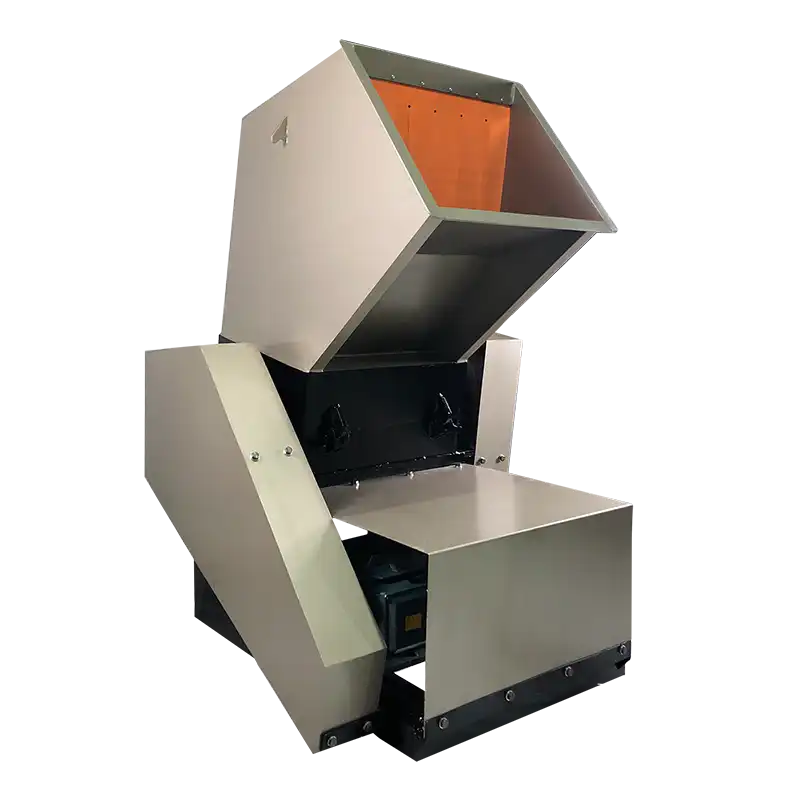
Xingbiao Machinery combines 30 years of specialized expertise with cutting-edge technology to deliver exceptional big plastic crusher machine solutions for industrial recycling operations. Our engineering team provides full consultations, unique equipment setups, and full installation support that are all made to fit your exact processing needs. Xingbiao crushers turn plastic waste into useful resources while keeping the highest safety standards. They are known to be long-lasting, energy-efficient, and reliable. Get in touch with our technical experts at xingbiaocrusher@xingbiaocrusher.com to talk about your crushing needs and find out why top makers trust Xingbiao as their reliable big plastic crusher machine provider for tough industrial uses.
References
1. Industrial Plastic Processing Equipment Standards and Safety Guidelines. American Society of Mechanical Engineers. 2024.
2. Energy Efficiency in Plastic Recycling Machinery: Best Practices and Performance Metrics. International Recycling Association. 2023.
3. Workplace Safety Protocols for Heavy Industrial Crushing Equipment. Occupational Safety and Health Administration. 2024.
4. Materials Engineering in Plastic Processing: Blade Technology and Wear Resistance. Materials Science Journal. 2023.
5. Facility Planning and Installation Guidelines for Large-Scale Recycling Equipment. Industrial Engineering Handbook. 2024.
6. Maintenance Management Systems for Plastic Processing Equipment: Preventive Strategies and Cost Analysis. Manufacturing Technology Review. 2023.
Learn about our latest products and discounts through SMS or email